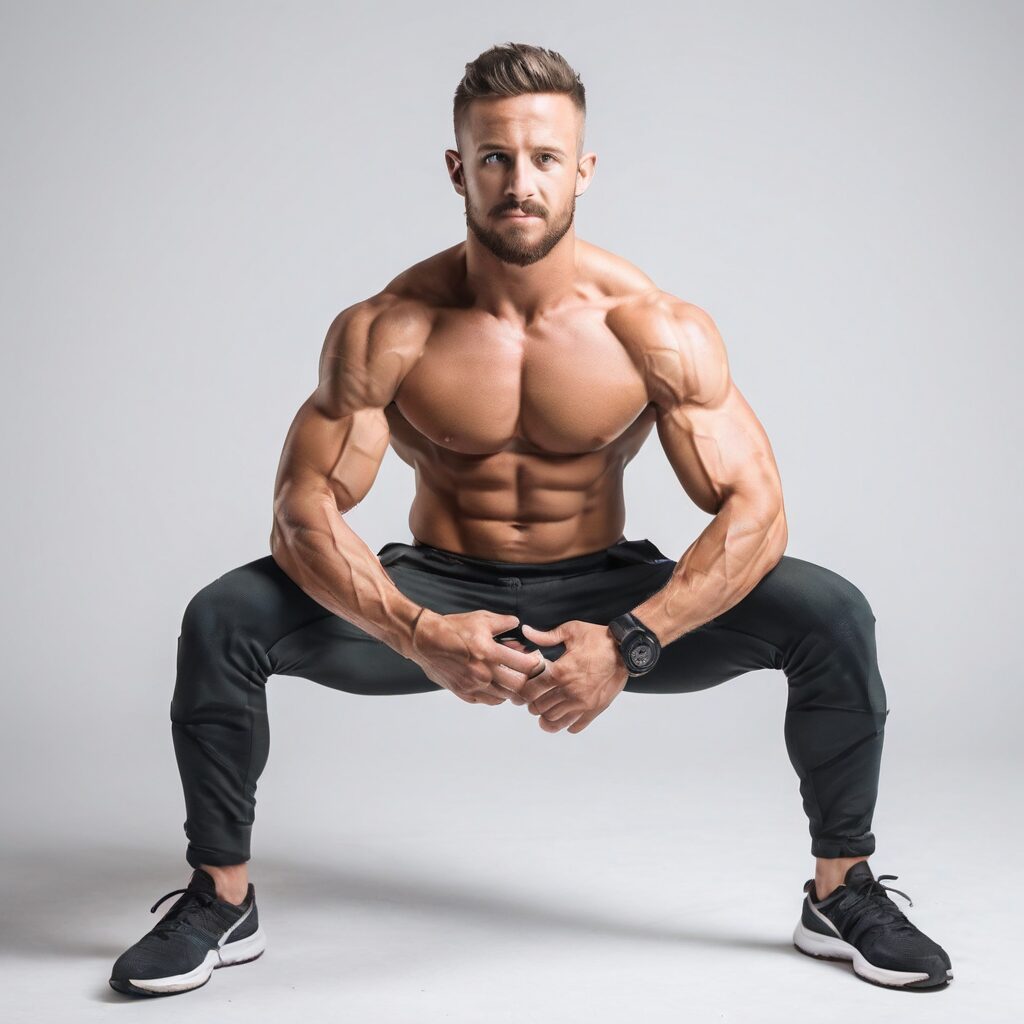
Strengthening your core is essential for overall fitness, stability, and injury prevention. While traditional crunches and sit-ups can be effective, functional ab exercises engage multiple muscle groups, leading to more comprehensive core strength. In this article, we’ll explore some of the best functional ab exercises to fortify your core and enhance your physical performance.
Why Functional Core Exercises Matter
Functional exercises mimic real-life movements, which helps improve your ability to perform everyday tasks. When it comes to core training, functional exercises engage not just the abs, but also the obliques, lower back, and even glutes. This holistic approach ensures balanced muscle development and better overall stability.
Top Functional Ab Exercises
1. Plank Variations
The plank is a staple core exercise that can be modified to increase difficulty and target different muscle groups.
- Standard Plank: Maintain a straight line from head to heels, engaging your core and glutes.
- Side Plank: Supports lateral core strength, focusing on the obliques.
- Plank with Shoulder Taps: Adds a balance challenge by lifting one hand to tap the opposite shoulder.
2. Dead Bug
The dead bug is excellent for engaging the deep core muscles while maintaining a neutral spine.
- Lie on your back with arms extended towards the ceiling and knees bent at 90 degrees.
- Slowly lower the right arm and left leg towards the floor, keeping your lower back pressed into the ground.
- Return to the starting position and switch sides.
3. Russian Twists
Russian twists focus on the obliques and can be intensified with added weights.
- Sit on the floor with your knees bent and feet flat.
- Lean back slightly, keeping your back straight and core engaged.
- Twist your torso to the right, then to the left, holding a weight or medicine ball if desired.
4. Mountain Climbers
This dynamic exercise combines cardio and core work, making it highly effective for overall fitness.
- Start in a high plank position.
- Bring one knee towards your chest, then switch legs quickly.
- Continue alternating legs at a rapid pace while maintaining core stability.
5. Pallof Press
The Pallof press is an anti-rotation exercise that targets the deep core muscles.
- Stand with feet shoulder-width apart, holding a resistance band attached to a fixed point at chest height.
- Extend your arms straight out in front of you, resisting the band’s pull.
- Hold for a few seconds before returning to the starting position.
Tips for Effective Core Training
- Maintain Proper Form: Always prioritize form over the number of reps to avoid injury and maximize effectiveness.
- Incorporate Variety: Mix different exercises to engage all parts of your core and prevent plateaus.
- Consistency is Key: Regularly incorporating core exercises into your fitness routine will yield the best results.
- Balance is Essential: Ensure you’re not overworking one muscle group while neglecting others.
Mastering Anti-Extension Movements for Spinal Health
While many gym-goers focus on “crunching” the abs, functional core training prioritizes anti-movement: the ability of the core to resist external forces. Anti-extension exercises are vital for protecting the lumbar spine during heavy lifting or daily activities like lifting a grocery bag. The RKC Plank is a superior evolution of the standard plank; instead of simply holding a position, you actively generate internal tension. Squeeze your glutes as hard as possible, pull your elbows toward your toes, and clench your fists. This creates a full-body irradiation effect that forces the deep abdominal wall to contract maximally. Similarly, the Ab Wheel Rollout serves as the gold standard for anti-extension. By starting on your knees and slowly extending your arms, you challenge the core to prevent the lower back from arching. If you feel your back “dip,” shorten the range of motion immediately; the goal is to maintain a hollow-body position throughout the entire repetition.
Integrating Unilateral Loading to Build Resiliency
Functional life is rarely symmetrical. Carrying a suitcase, a toddler, or a heavy tool bag requires your core to resist lateral flexion, a function known as anti-lateral flexion. The Suitcase Carry is a functional powerhouse that forces your obliques and quadratus lumborum to stabilize the spine against a lopsided load. Hold a heavy kettlebell or dumbbell in one hand, keep your shoulders perfectly level, and walk with a steady, controlled gait. The tendency will be to lean toward the weight; your job is to keep your torso upright. This movement builds profound stability that standard floor work cannot replicate. For an added challenge, perform a Waiter’s Carry by holding the weight overhead. This forces the core to maintain stability while the shoulder girdle is also under stress, bridging the gap between core strength and overhead lifting mechanics.
The Role of Breathing Mechanics in Core Activation
True functional strength is inseparable from intra-abdominal pressure (IAP). Many athletes fail to engage their core because they hold their breath or breathe shallowly into their chest. Learning to perform the Bracing Maneuver—often called the Valsalva maneuver in powerlifting—is essential. Imagine someone is about to punch you in the stomach; you want to create a wall of tension around your midsection. This isn’t about sucking in your stomach, but rather pushing your abs out against your belt or fingertips. Incorporate Diaphragmatic Breathing into your plank or dead bug variations. By inhaling deeply into the sides of your ribcage and maintaining that tension while moving your limbs, you teach your nervous system to stabilize the spine under dynamic conditions. This “piston” action of the diaphragm is the foundation of all functional movement.
Dynamic Rotational Power Through Med Ball Work
While the Russian Twist is a great introductory movement, functional rotational power requires an explosive component. The Medicine Ball Rotational Throw teaches the body to transfer force from the ground, through the hips, and out through the hands. Stand perpendicular to a wall and throw a medicine ball against it using a violent, hip-driven rotation. The key here is to keep your feet planted but allow your back heel to pivot as you rotate. This mimics the mechanics of throwing a ball, swinging a bat, or clearing snow with a shovel. By focusing on the speed of the contraction rather than just the hold, you train the fast-twitch muscle fibers of the obliques. Always perform these movements with a weighted ball that allows for high-velocity output; if the ball is too heavy, the movement becomes a slow grind, losing the power-development benefit.
Stability Through Crawling Patterns
The Bear Crawl is a primal movement pattern that integrates the entire kinetic chain. It forces the left shoulder and right hip (and vice versa) to work in concert, which is the exact diagonal pattern used in walking and running. To perform a proper bear crawl, keep your knees just an inch off the ground and maintain a flat, table-top back. Move slowly; the slower you move, the more stability is required. If your hips are rocking side-to-side, you are moving too fast. This exercise is particularly effective because it demands scapular stability alongside core tension. By incorporating lateral bear crawls—moving side to side rather than forward—you introduce a new plane of motion that challenges the core to stabilize against shifting centers of gravity, mimicking the chaotic nature of sports and real-world physical activity.
Isometric Holds for Postural Endurance
Functional core strength is not just about power; it is about endurance. The Hollow Body Hold is the foundational position for gymnastics and elite athletics. By lying on your back and lifting your arms, shoulders, and legs just a few inches off the ground, you create a “banana” shape that keeps the entire anterior chain under constant tension. The secret to the hollow hold is pressing the lumbar spine firmly into the floor, which eliminates the possibility of cheating with the lower back. For those who find this difficult, start with the knees tucked (the “tuck hold”) and gradually extend the legs over several weeks. This isometric hold is the ultimate test of core integration. Once mastered, you can transition into Hollow Body Rocks, adding a rhythmic, dynamic element that forces the core to maintain its tension while the body is in motion.
Troubleshooting Common Form Breakdowns
Even the most dedicated trainees often fall into the trap of “compensatory movement.” If you notice your neck straining during core work, it is often a sign that your deep abdominals are fatigued and your secondary muscles (like the hip flexors or neck extensors) are trying to take over. If your lower back arches during leg-lowering movements, stop immediately; your core is no longer stabilizing the spine, and you are placing high shear forces on your vertebrae. To fix this, regress the exercise—for example, keep your knees bent instead of straight—until you can complete the full set with a neutral spine. Furthermore, avoid the common mistake of “chin tucking” too aggressively, which can lead to cervical fatigue. Keep your gaze neutral, following the movement of your limbs, to ensure that the tension remains focused on the abdominal wall rather than the muscles of the neck and upper traps.
Frequently Asked Questions
1. How often should I do core exercises?
Aim to include core exercises in your routine 2-3 times per week, allowing adequate rest between sessions.
2. Can I do core exercises every day?
While core exercises can be done daily, it’s important to allow your muscles time to recover. Focus on different muscle groups each session to avoid overuse.
3. Do I need equipment for functional core exercises?
Many functional core exercises can be done with just body weight, but adding resistance bands, weights, or medicine balls can increase the intensity.
4. Will core exercises help with back pain?
Strengthening your core can support your lower back and improve posture, potentially reducing back pain. However, if you have existing back issues, consult a healthcare professional before starting new exercises.
5. How long does it take to see results from core exercises?
With consistent effort and a balanced routine, you may start noticing improvements in core strength and stability within a few weeks.
Related posts:
 5-Minute Core Blast Workout
 Chelsea Handler’s Ab Workout
 The Safe Ab Exercises Every Pregnant Woman Should Know
 J.Lo’s Glider Plank Technique
 Bouncing Tennis Ball While Running: New Trend
 Here’s exactly how to start planking if you’ve never tried it before
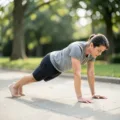 5-Minute Plank Challenge
 Medicine Ball Magic: Karlie Kloss’s Secret Weapon for Total-Body Toning