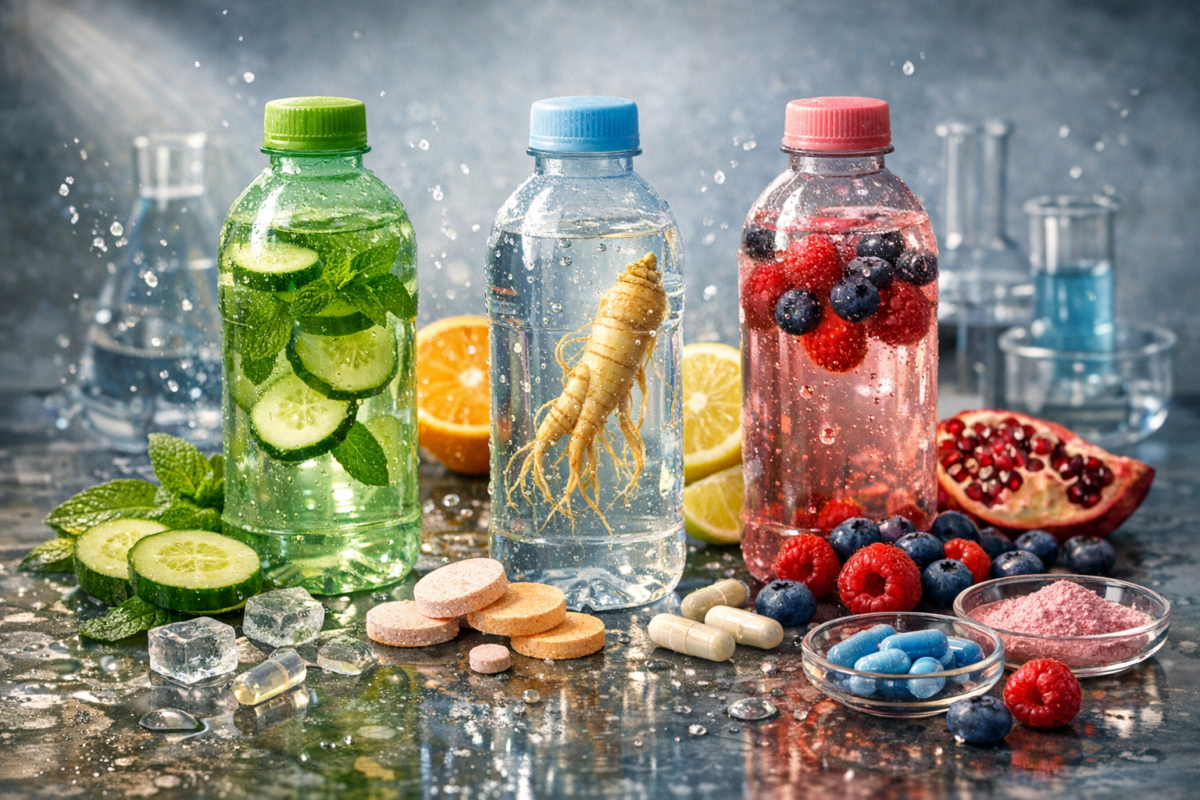
In recent years, the bottled water aisle has transformed from a simple selection of mineral and spring waters into a complex landscape of “functional waters.” These beverages, often marketed as enhanced, ionized, or infused, promise benefits ranging from improved hydration and cognitive clarity to enhanced athletic recovery and digestive support. But beneath the vibrant labels and scientific-sounding terminology, what does the research actually say about these products? Understanding functional water requires separating clever marketing from physiological reality.
Understanding the Definition of Functional Water
Functional water refers to any water that has been modified or fortified with ingredients intended to provide health benefits beyond basic hydration. This category is distinct from standard mineral water, which contains naturally occurring electrolytes from its source. Instead, functional water is engineered. This includes alkaline water, which is treated to have a higher pH; vitamin-enhanced water, which contains added micronutrients; and waters infused with botanical extracts, amino acids, or antioxidants. The primary goal of these products is to address specific consumer “pain points,” such as low energy, poor digestion, or the need for faster post-workout recovery.
The Science of Alkaline Water and pH Balance
Perhaps the most popular form of functional water is alkaline water, which typically has a pH between 8 and 9. Proponents argue that because the modern diet is often high in acidic foods, drinking alkaline water can help neutralize body acidity and improve bone health. However, the human body is remarkably efficient at maintaining its own internal pH balance through the respiratory system and the kidneys. The stomach itself maintains an extremely acidic environment to aid in digestion. Scientific consensus suggests that drinking alkaline water does not significantly alter blood pH. While some small studies indicate potential benefits for acid reflux sufferers by neutralizing pepsin in the stomach, the systemic “alkalizing” claims remain largely unsupported by clinical evidence.
Vitamin-Enhanced Waters: Do We Need More?
Many functional waters are marketed as “vitamin waters,” often containing B-vitamins, Vitamin C, or electrolytes. While these nutrients are essential for health, the question is whether water is the optimal delivery system. Most people consuming a balanced diet already meet their daily requirements for these vitamins. Furthermore, some of these beverages contain significant amounts of added sugar or artificial sweeteners to improve the taste, which can counteract the health benefits of the added vitamins. If you are eating a diverse diet, your body likely does not require supplemental vitamins through water. However, for individuals with specific deficiencies or those engaged in prolonged, intense physical activity, electrolyte-fortified water may offer a more efficient way to replace lost salts compared to plain water.
Electrolytes and Athletic Performance
When it comes to hydration during exercise, the electrolyte content of functional water becomes more relevant. Electrolytes—primarily sodium, potassium, magnesium, and calcium—are essential for muscle contraction and fluid balance. For short, low-intensity workouts, plain water is sufficient. However, for endurance athletes or those exercising in extreme heat, electrolyte-enhanced water can help prevent hyponatremia and support sustained performance. The key here is to look for products that provide a balanced ratio of these minerals without excessive sugar. Many functional waters in this category are essentially diluted sports drinks, which can be useful when used in the correct context, but unnecessary for daily sedentary activities.
The Reality of Infused and Botanical Waters
The market has seen a surge in waters infused with everything from collagen and CBD to adaptogens like ashwagandha and L-theanine. The appeal of these drinks is the promise of “calm” or “beauty from within.” While ingredients like collagen have shown some promise in skin hydration studies, the amount contained in a 16-ounce bottle of water is often far lower than the dosages used in clinical trials. Similarly, while botanical extracts can have physiological effects, the bioavailability and concentration in a beverage are often insufficient to produce a therapeutic outcome. Consumers should view these as enjoyable, flavored beverages rather than effective supplements for complex health conditions.
Hydration Efficiency: Is One Water Better Than Another?
A common marketing claim is that certain functional waters are “more hydrating” than plain water. Research has shown that water with small amounts of electrolytes and carbohydrates can stay in the body longer and be absorbed slightly more efficiently than pure distilled water, which may trigger the kidneys to excrete fluid more rapidly. However, for the average person going about their daily life, the body’s thirst mechanism is highly effective at maintaining hydration levels regardless of the water source. Unless you are dehydrated from illness or intense exercise, the physiological difference between drinking tap water and a premium functional water is negligible.
The Cost-Benefit Analysis of Functional Beverages
When considering functional waters, it is important to perform a cost-benefit analysis. These products are significantly more expensive than tap or filtered water. If you enjoy the taste of a specific infused water and it helps you reach your daily fluid intake goals, that may be a valid reason to purchase it. However, if you are buying them under the impression that they are necessary for optimal health, you may be overspending on supplements your body does not need. For most people, the most effective “functional” water is simply clean, filtered water paired with a healthy, nutrient-dense diet.
Making Informed Choices at the Grocery Store
To navigate the functional water aisle, start by reading the nutrition label rather than the front-of-package marketing. Look for added sugars, which can turn a healthy hydration habit into a source of excess calories. Check the ingredient list for artificial colors or preservatives that you might prefer to avoid. If you are interested in the benefits of electrolytes or vitamins, compare the dosage per serving to your daily recommended intake. Often, you will find that you can achieve the same benefits by eating a piece of fruit or adding a pinch of sea salt to your water bottle, which is both more cost-effective and environmentally sustainable.
The Role of Bioavailability and Nutrient Delivery Systems
A critical oversight in the marketing of functional waters is the concept of bioavailability—the proportion of a nutrient that is actually absorbed and utilized by the body. When manufacturers add isolated vitamins or synthetic electrolytes to water, they are often ignoring the complex interactions that occur during natural digestion. For instance, many fat-soluble vitamins (A, D, E, and K) require the presence of dietary fats to be properly absorbed in the small intestine. Consuming these in a water-based beverage without a fat source can significantly reduce their efficacy. Furthermore, the body often struggles to assimilate high concentrations of synthetic vitamins delivered in a liquid bolus compared to the slow-release matrix provided by whole foods. By relying on functional water, consumers may be paying for a high dose of nutrients that are ultimately excreted by the kidneys before they can be effectively utilized at the cellular level.
The Hidden Impact of Packaging and Microplastics
While the focus often remains on the liquid itself, the container of functional water introduces an overlooked health variable: microplastics. Research has consistently shown that bottled water, particularly in single-use plastic bottles, contains significantly higher concentrations of microplastic particles than tap water. These particles can leach into the beverage over time, especially when exposed to heat during transport or storage. For consumers seeking to improve their health through functional hydration, the irony of ingesting potential endocrine-disrupting plastics while trying to optimize physiological performance is notable. Choosing glass-bottled options or utilizing a high-quality stainless steel bottle with home-infused water eliminates this secondary exposure, making it a more holistic approach to health-conscious hydration.
Neurological Effects and the Placebo of Nootropic Waters
The rise of “brain-boosting” waters infused with substances like L-theanine, lion’s mane, or caffeine targets the growing demand for cognitive enhancement. While these compounds have demonstrated neuroprotective or focus-enhancing properties in controlled, high-dosage clinical environments, the reality of their inclusion in functional waters is often underwhelming. A typical 16-ounce bottle might contain only a fraction of the dosage required for a measurable neurological effect. Moreover, the “calm” or “focus” experienced by many consumers is often a result of the ritual of drinking a specialized beverage and the expectation of benefit—a classic placebo effect. Without standardized testing of cognitive performance after consuming these specific beverages, the claims remain largely anecdotal, serving more as a sophisticated marketing narrative than a validated cognitive tool.
The Microbiome and Digestive Health Claims
Functional waters marketed for digestive support often contain prebiotic fibers or, less commonly, shelf-stable probiotics. While the gut microbiome is central to immune function and metabolic health, the delivery of these components via water is fraught with logistical challenges. Probiotics, in particular, are extremely sensitive to temperature and pH levels; maintaining their viability throughout the supply chain in a liquid environment is notoriously difficult. Many functional waters containing these ingredients may contain “dead” cultures that provide no benefit to the intestinal flora. Similarly, the amount of prebiotic fiber in a single bottle is usually insufficient to feed the trillions of bacteria in the human colon effectively. For genuine digestive health, fermented foods like kimchi, sauerkraut, or kefir provide a far more robust and diverse microbial profile than any engineered beverage could realistically achieve.
Environmental and Economic Sustainability of Specialized Hydration
Beyond the personal health implications, the functional water industry presents a significant environmental burden. The lifecycle of these products—from the energy-intensive manufacturing of specialized additives and plastic bottles to the carbon footprint of global shipping—far exceeds the impact of local, municipal water sources. When consumers prioritize “enhanced” waters, they are inadvertently fueling an industry that relies on single-use waste. Economically, the markup on functional water is among the highest in the beverage industry, often costing 500% to 1000% more than the base water cost. This creates a “health premium” that disproportionately affects those with lower disposable incomes, suggesting that optimal hydration is a luxury good rather than a basic biological necessity. Shifting the focus toward DIY infusion kits or high-quality home filtration systems provides the same sensory experience at a fraction of the cost and environmental toll.
The Chemistry of Taste and Sensory Marketing
A major driver of the functional water trend is the exploitation of sensory perception rather than physiological need. Manufacturers often utilize subtle flavor profiles, such as “essence” or “botanical infusions,” to create a psychological association between the act of drinking and a specific health outcome. This is known as sensory branding. By utilizing crisp, clean packaging and refreshing scent profiles, companies can trigger a reward response in the brain that makes the consumer feel more hydrated or energized, regardless of the actual chemical composition of the liquid. This sensory experience is precisely why consumers often report feeling “better” after drinking a premium functional beverage, even when the nutrient content is biologically irrelevant to their immediate state.
The Impact of Temperature on Nutrient Stability
The stability of functional additives is heavily dependent on the storage temperature of the beverage, a detail rarely disclosed on labels. Many of the vitamins, antioxidants, and plant-based compounds added to these waters are thermolabile, meaning they break down when exposed to heat. Because the supply chain for bottled beverages often involves transit in non-climate-controlled trucks and storage in warm warehouses, the functional compounds present at the time of bottling may be significantly degraded by the time the product reaches the retail shelf. Consumers paying a premium for “vitamin-enriched” water may be purchasing a product where the primary active ingredients have already oxidized or denatured, rendering the functional label effectively void.
The Interaction Between Functional Waters and Medications
An often-overlooked risk factor involves the potential for adverse interactions between functional water additives and common medications. For example, waters infused with herbal adaptogens, such as St. John’s Wort or high concentrations of green tea extract, can interfere with the metabolism of drugs like blood thinners, antidepressants, or cholesterol-lowering statins. Because these beverages are marketed as “safe” or “natural,” consumers rarely think to check for contraindications as they would with a traditional pharmacy supplement. For individuals on chronic medication regimens, the habitual consumption of “enhanced” waters could inadvertently alter the therapeutic index of their prescribed treatments, leading to either reduced efficacy or unexpected toxicity.
The Problem of Excessive Nutrient Loading
While the marketing focuses on the benefits of added nutrients, there is a legitimate concern regarding over-supplementation. When a person consumes a standard diet, takes a daily multivitamin, and then adds multiple servings of “vitamin-fortified” functional waters throughout the day, they may be pushing their nutrient intake into ranges that are no longer beneficial or, in some cases, harmful. For instance, excessive intake of B-vitamins—often found in high concentrations in energy-focused waters—can lead to nerve sensitivity or skin issues. Because these beverages are designed to be sipped throughout the day, they create a continuous, unnecessary load on the liver and kidneys, which must process and excrete the excess concentrations that the body cannot store or utilize.
Water Quality and Filtration Standards
It is important to recognize that the base water used in functional beverages is not always superior to the water available from a high-quality home filtration system. Some functional waters are essentially processed municipal water that has been distilled or reverse-osmosis treated to remove all minerals, only to have a synthetic “mineral blend” added back in. This process of stripping and re-adding minerals is often done to ensure a consistent flavor profile across different bottling plants, rather than to improve the health quality of the water. In many cases, a well-maintained home carbon or reverse-osmosis filter provides a higher degree of purity and safety than the base water used in commercial products, allowing the consumer to control exactly what is added to their hydration routine.
The Psychological Barrier to Plain Water Consumption
The success of the functional water category is largely built on the premise that plain water is “boring” or “insufficient.” This narrative creates a psychological barrier that prevents people from drinking enough water unless it is flavored, sparkling, or “enhanced.” By framing water as a medicinal or performance-based tool, companies have successfully commodified a basic human necessity. This shift in perspective can actually be detrimental to long-term health, as it conditions the consumer to require a sensory “hook” to stay hydrated. Breaking this cycle requires a recalibration of habits—recognizing that the act of hydration should be simple and neutral, rather than a process that requires a commercial product to be palatable or effective.
Frequently Asked Questions
Q: Can functional water replace a balanced diet? A: Absolutely not. Functional waters provide only trace amounts of nutrients compared to whole foods. A balanced diet of fruits, vegetables, proteins, and healthy fats is the only way to ensure the body receives the wide spectrum of vitamins, minerals, and phytonutrients it needs for optimal function.
Q: Is alkaline water safe to drink every day? A: For most healthy individuals, drinking alkaline water in moderation is considered safe. However, there is no scientific evidence to suggest that it provides significant health advantages over regular water. Those with chronic kidney disease or those taking medications that affect kidney function should consult a healthcare provider before making alkaline water a primary source of hydration.
Q: Should I drink electrolyte-enhanced water daily? A: Unless you are an endurance athlete, work in a physically demanding environment, or live in an extremely hot climate, you likely do not need supplemental electrolytes daily. Most people get more than enough sodium and potassium from their regular diet. Over-consuming electrolytes when they are not needed can place unnecessary stress on the kidneys.
Q: Do collagen waters actually improve skin health? A: The evidence for oral collagen supplementation is growing, but the dosages in functional waters are often lower than those used in studies. While regular hydration is essential for skin elasticity, it is unlikely that a single bottle of collagen-infused water will produce noticeable changes in skin appearance.
Q: What is the most cost-effective way to stay hydrated? A: The most cost-effective way to stay hydrated is to drink tap water that has been filtered to remove impurities. If you find plain water boring, try infusing it yourself with fresh cucumber slices, lemon wedges, mint leaves, or berries. This provides flavor and a small amount of nutrients without the added cost or sugar found in commercial functional beverages.
Related posts:
 Hidden Benefits of Hydration
 Second Life Magic: Turn Finished Candles Into Morning Coffee Companions
 Hydration Hack: Drink Smart During Workouts to Avoid the Cramps
 Alkaline Acid Diet
 Functional Sparkling Water: The New Trend in Healthy Beverages
 Water’s Impact on Aging
 Alkalinity 101: What It Is, Why It’s Important, And How To Get It
 Testing Aceso Cannabis Drink Powders