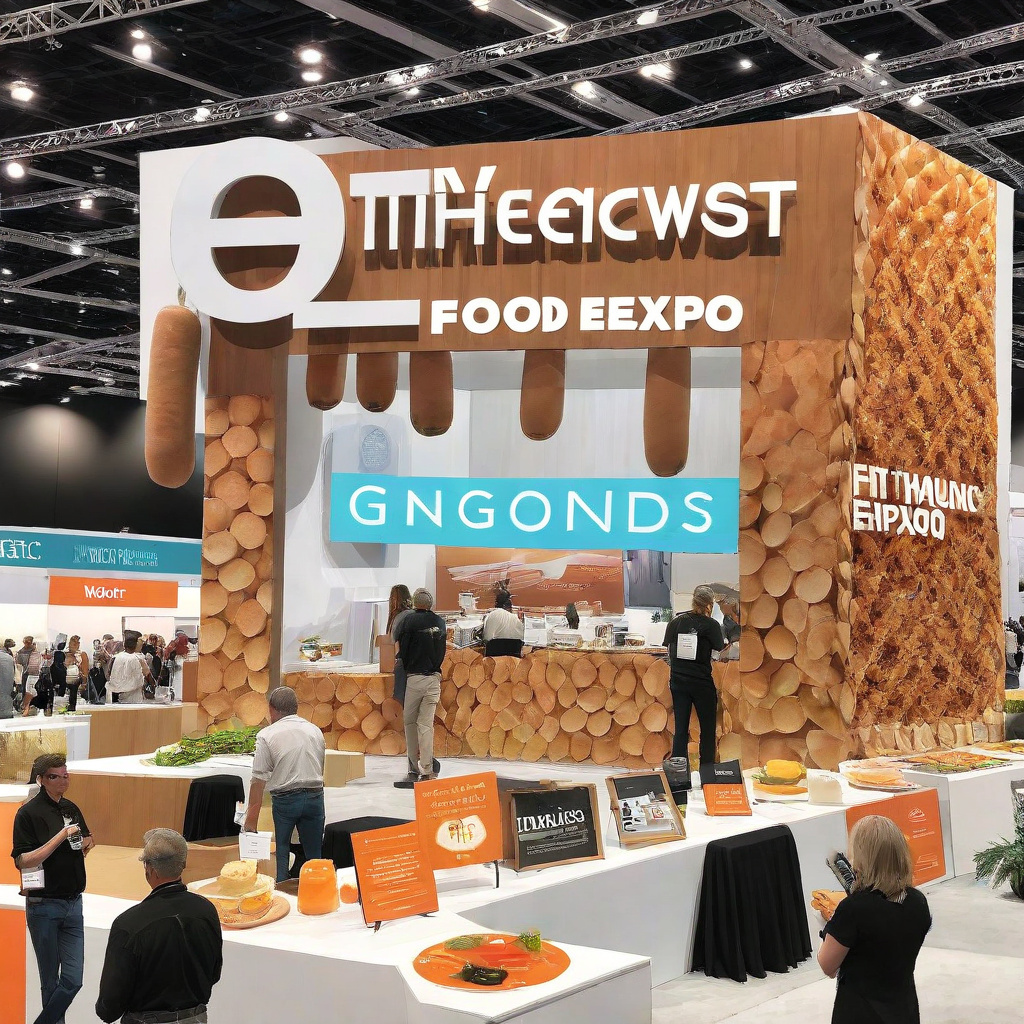
Expo West 2018 showcased a wave of innovation that reshaped how consumers think about food. From plant based proteins to tech driven experiences the event highlighted trends that are now influencing grocery shelves and restaurant menus across the country.
Plant Based Proteins Take Center Stage
Plant based protein products moved beyond niche aisles and claimed prime shelf space. Brands introduced pea protein isolates, chickpea flour blends, and mycoprotein alternatives that mimic the texture of meat without the environmental footprint. Exhibitors demonstrated ready to eat meals, burger patties, and even seafood analogs that deliver comparable protein grams per serving. Retail buyers noted a surge in consumer demand for clean ingredient lists and transparent sourcing, prompting manufacturers to highlight non GMO certifications and regenerative agriculture practices on packaging.
Actionable guidance for brands includes investing in sensory testing to match mouthfeel of animal proteins, securing third party verification for sustainability claims, and building storytelling around farmer partnerships. Retailers can allocate dedicated plant based sections and train staff to answer nutrition questions confidently.
Functional Beverages and Adaptogens
Functional drinks expanded beyond traditional energy shots. Adaptogenic herbs such as ashwagandha, reishi, and holy basil appeared in sparkling waters, cold brew coffees, and kombucha variations. Formulators emphasized clinically studied dosages and clear labeling of active compounds. The trend reflects a growing consumer interest in stress resilience and cognitive support without relying on synthetic stimulants.
Brands should collaborate with research institutions to substantiate health claims, use transparent ingredient panels, and explore low sugar formulations. Retailers can create a functional beverage aisle with educational signage explaining adaptogen benefits and suggested usage occasions.
Sustainable Packaging Innovations
Packaging sustainability took a front row seat. Compostable films made from seaweed, mushroom based trays, and refillable glass systems were displayed alongside traditional recyclable plastics. Companies highlighted life cycle assessments showing reduced carbon emissions and waste diversion rates. Some brands introduced QR codes linking consumers to recycling instructions specific to their municipality.
Manufacturers can pilot closed loop packaging programs with regional compost facilities, invest in material science R&D for barrier properties, and communicate end of life instructions clearly. Retailers benefit from offering bulk refill stations and incentivizing reusable container use through loyalty discounts.
Transparency and Clean Label Movement
Clean label expectations intensified. Shoppers scanned ingredient decks for recognizable names, minimal processing aids, and absence of artificial colors or preservatives. Exhibitors responded with short ingredient lists, whole food derived thickeners, and natural preservative systems such as fermented citrus extracts. Certification badges for organic, non GMO, and fair trade became standard visual cues.
Product developers should audit formulations for hidden additives, replace synthetic emulsifiers with lecithin or acacia gum, and maintain a master ingredient database for rapid reformulation. Retailers can adopt shelf tagging systems that flag clean label attributes, helping time pressed shoppers make quick decisions.
Global Flavors and Ethnic Fusion
Global flavor profiles moved from specialty aisles to mainstream products. Korean gochujang, Ethiopian berbere, Mexican mole, and Japanese yuzu appeared in sauces, snack seasonings, and ready meals. Fusion concepts blended familiar formats with exotic spices, creating approachable entry points for adventurous eaters. Culinary tours at the expo highlighted ingredient provenance and traditional preparation methods.
Brands can partner with cultural culinary experts to ensure authenticity, source spices from fair trade cooperatives, and develop storytelling content that educates consumers on flavor origins. Retailers should curate international flavor sections and host tasting events that encourage trial.
Tech Enabled Food Experiences
Technology intersected with food in novel ways. Augmented reality labels offered recipe videos, blockchain traceability allowed shoppers to verify farm to fork journeys, and AI driven personalized nutrition apps suggested products based on biometric data. Startups demonstrated 3D printed food prototypes tailored to dietary restrictions.
Companies should explore pilot programs with tech partners, ensure data privacy compliance, and design user friendly interfaces that add value without overwhelming consumers. Retailers can integrate smart shelf tags that update pricing and nutrition info in real time, enhancing the in store experience.
Snacking Redefined Better For You Options
Snack categories evolved toward nutrient density. Roasted chickpea clusters, seaweed crisps, nut butter stuffed dates, and protein enriched popcorn offered satiety with lower sugar and higher fiber. Portion controlled packaging and clear front of pack nutrition summaries helped consumers manage intake. Brands emphasized functional ingredients like probiotics, prebiotic fibers, and omega three sources.
Developers can focus on texture contrast, flavor layering, and minimal processing to retain nutrient integrity. Retailers can allocate endcap space for better for you snacks and bundle them with complementary beverages for cross promotion.
Regenerative Agriculture and Soil Health: Beyond Sustainable Sourcing
Regenerative agriculture moved from a buzzword to a measurable supply chain strategy at Expo West 2018. Brands showcased soil carbon sequestration data verified by third‑party auditors, demonstrating that cover cropping, rotational grazing, and reduced tillage can increase organic matter by several percentage points within five years. One notable example involved a midwestern grain cooperative that partnered with a snack manufacturer to track nitrogen balance across 10,000 acres, resulting in a 12 percent reduction in synthetic fertilizer use while maintaining yield. Retail buyers learned to request soil health metrics alongside traditional certifications, enabling them to differentiate products that genuinely rebuild ecosystems versus those that simply avoid harm.
Practical steps for manufacturers include embedding soil testing protocols into grower contracts, investing in remote sensing tools that map organic carbon at field scale, and co‑funding transition grants for farmers adopting regenerative practices. Edge cases arise when smallholder farms lack the capital for cover crop seed; solutions involve creating shared equipment pools or offering advance payments tied to verified soil improvements. Retailers can amplify impact by allocating shelf space to brands that publish annual regenerative impact reports, and by training staff to explain the link between soil health and nutrient density in finished foods.
Transitioning to regenerative systems also influences product formulation. Higher mineral content in regeneratively grown grains can reduce the need for fortification, while improved water retention lowers irrigation costs for ingredient processors. Brands that integrate these upstream gains into marketing narratives gain credibility with consumers who increasingly trace environmental claims back to the field. The next section explores how waste streams are being turned into valuable ingredients, closing the loop between farm and factory.
Upcycled Ingredients and the Circular Food Economy
Upcycling transformed by‑product streams into premium ingredients, a trend that gained traction as exhibitors displayed spent grain flour, fruit pomace fiber, and whey protein isolate derived from cheese whey. A standout case featured a craft brewery that partnered with a bakery to convert 85 percent of its spent grain into a high‑protein, low‑glycemic flour used in artisan breads and snack bars. The collaboration reduced landfill waste by 1,200 tons annually and created a new revenue line for both partners.
Developers should map their own waste streams, conduct proximate analysis to confirm nutritional profiles, and engage food safety labs to validate microbial stability of upcycled powders. Edge cases include variability in moisture content across batches; installing inline drying and milling equipment standardizes particle size and extends shelf life. Regulatory teams must verify that upcycled ingredients meet GRAS status or secure appropriate food additive petitions, especially when novel substrates like coffee cherry husk enter the supply chain.
Retailers benefit from storytelling endcaps that illustrate the journey from waste to shelf, complete with QR codes linking to life‑cycle assessment dashboards. Bundling upcycled snacks with compostable packaging reinforces the circular narrative and drives higher basket values. As the circular economy matures, the focus shifts to microbiome‑targeted ingredients that leverage fermentation by‑products, a topic explored next.
Microbiome‑Focused Foods: Probiotics, Prebiotics, and Postbiotics
Scientific advances in gut microbiome research translated into a wave of functional foods that go beyond traditional probiotic yogurts. Exhibitors highlighted spore‑forming Bacillus strains that survive gastric transit, precision prebiotic oligosaccharides tailored to Bifidobacterium species, and heat‑stable postbiotic metabolites such as short‑chain fatty acids encapsulated in lipid matrices. One clinical‑grade beverage combined a 10‑billion CFU multi‑strain blend with 3 grams of galacto‑oligosaccharides, demonstrating a 22 percent increase in fecal butyrate after four weeks in a randomized trial.
Formulators must consider strain‑specific dosage, stability under processing conditions, and synergistic pairing with prebiotic fibers to achieve colonization. Edge cases involve consumer populations with compromised immunity; products targeting these groups require rigorous safety dossiers and clear labeling of live‑cell counts at expiry. Packaging innovations like oxygen‑scavenging caps and moisture‑barrier films extend viability without refrigeration, expanding distribution into ambient aisles.
Retailers can create a dedicated microbiome health section with educational signage explaining the difference between probiotics, prebiotics, and postbiotics. Partnering with local gastroenterology clinics for in‑store wellness workshops drives foot traffic and positions the store as a health authority. The next trend addresses the persistent challenge of sugar reduction while maintaining taste and texture.
Next‑Generation Sweeteners: Sugar Reduction Without Compromise
Expo West 2018 showcased a new generation of sweetening systems that combine rare sugars, high‑intensity natural extracts, and flavor modulation technology. Allulose, a low‑calorie monosaccharide with 70 percent of sucrose sweetness and negligible glycemic impact, appeared in baked goods, frozen desserts, and beverages. When blended with monk fruit extract and a proprietary flavor enhancer, manufacturers achieved a 40 percent sugar reduction in a chocolate chip cookie while preserving browning and mouthfeel.
R&D teams should conduct sensory mapping across temperature ranges, as allulose behaves differently during Maillard reactions compared to sucrose. Edge cases include regulatory limits on allulose usage in certain jurisdictions; staying current with FDA GRAS notifications and EU novel food approvals prevents launch delays. Cost modeling must account for the higher per‑kilogram price of rare sugars, offset by reduced need for bulk sweeteners and potential health claim premiums.
Retailers can highlight reduced‑sugar SKUs with front‑of‑pack badges that reference clinical glycemic response data. Cross‑promoting these items with functional beverages creates a cohesive low‑glycemic shopping experience. As sweetener technology evolves, the protein landscape is also shifting toward lab‑grown and fermentation‑derived alternatives.
Cultured Meat and Precision Fermentation: Scaling Lab‑Grown Proteins
While plant‑based proteins dominated shelf space, cultured meat and precision fermentation prototypes signaled the next protein frontier. A startup displayed a bioreactor‑grown chicken nugget produced from avian satellite cells, achieving a texture profile within 5 percent of conventional meat in instrumental tenderness tests. Parallel sessions detailed a precision fermentation platform that expresses heme protein from soy leghemoglobin at pilot scale, enabling a plant‑based burger with authentic aroma and color.
Scaling challenges include media cost reduction, bioreactor sterility at 10,000‑liter volumes, and regulatory pathway definition. Companies are exploring serum‑free media formulated from recombinant growth factors and plant hydrolysates, cutting media expense by up to 60 percent. Edge cases involve intellectual property landscapes; freedom‑to‑operate analyses are essential before committing to large‑capacity facilities. Partnerships with established meat processors provide distribution channels and co‑manufacturing expertise, accelerating market entry.
Retailers preparing for cultured protein arrivals should allocate flexible cold‑chain slots, develop labeling frameworks that comply with emerging USDA‑FSIS and FDA joint oversight, and educate staff on allergen considerations unique to cell‑cultured products. Consumer acceptance studies indicate transparency about production method and environmental footprint drives trial. The final section examines how data analytics and ethical personalization are reshaping product development and merchandising.
Data‑Driven Personalization and Ethical Consumer Insights
Advanced analytics platforms demonstrated the ability to translate anonymized purchase histories, wearable biometrics, and microbiome test results into individualized product recommendations. One pilot integrated a retailer loyalty app with a nutrition API, suggesting snack bars fortified with specific micronutrients based on a shopper’s recent blood panel. Conversion rates lifted 18 percent compared with generic promotions.
Brands must build data governance frameworks that obtain explicit consent, anonymize identifiers, and comply with GDPR, CCPA, and emerging state privacy laws. Edge cases arise when data sets are too sparse for reliable modeling; federated learning approaches allow model training on device without centralizing sensitive information. Transparent dashboards that let consumers view and delete their data foster trust and reduce opt‑out rates.
Retail and Distribution Shifts
The expo highlighted a shift toward omnichannel distribution. Direct to consumer subscription boxes, click and collect lockers, and micro fulfillment centers reduced last mile emissions. Data analytics enabled dynamic assortment planning based on local demand signals. Partnerships between brands and regional distributors accelerated speed to shelf for innovative products.
Brands should invest in flexible supply chain technology, negotiate shared warehousing agreements, and leverage consumer data ethically to forecast trends. Retailers benefit from integrating online and offline inventory systems, offering seamless returns, and using predictive analytics to reduce waste.
What were the most talked about plant based proteins at Expo West 2018
Pea protein isolates, chickpea flour blends, and mycoprotein based meat analogs dominated conversations due to their texture similarity to animal protein and strong sustainability credentials.
How did functional beverages incorporate adaptogens
Adaptogens such as ashwagandha, reishi, and holy basil were blended into sparkling waters, cold brew coffees, and kombucha with clinically studied dosages clearly listed on labels.
What packaging innovations stood out for sustainability
Compostable seaweed films, mushroom based trays, refillable glass systems, and QR coded recycling guidance were highlighted as leading solutions to reduce waste and carbon emissions.
Why is clean label transparency important to today’s shoppers
Consumers increasingly demand recognizable ingredients, minimal processing aids, and third party certifications that verify organic, non GMO, and fair trade claims, driving brands to simplify formulations.
How can retailers leverage the global flavor trend
Retailers can create dedicated international flavor aisles, host tasting events with cultural culinary experts, and use storytelling signage to educate shoppers on ingredient provenance and traditional uses.
Related posts:
 Vegan vs Plant-Based: Which is Healthier?
 Apple Watch Teams Up with Aetna for Health Innovation
 Outdoor Voices Launches Snack Line for Active Lifestyles
 A Beginner’s Guide to Reading Beauty Product Labels Like a Pro
 Top Beauty Brands of 2019
 High-Protein Foods That Pack a Serious Nutritional Punch
 Beyond Breakfast: The Plant-Based Sausage That’s Changing the Morning Game
 Meet the Woman Making Periods Safer for Everyone