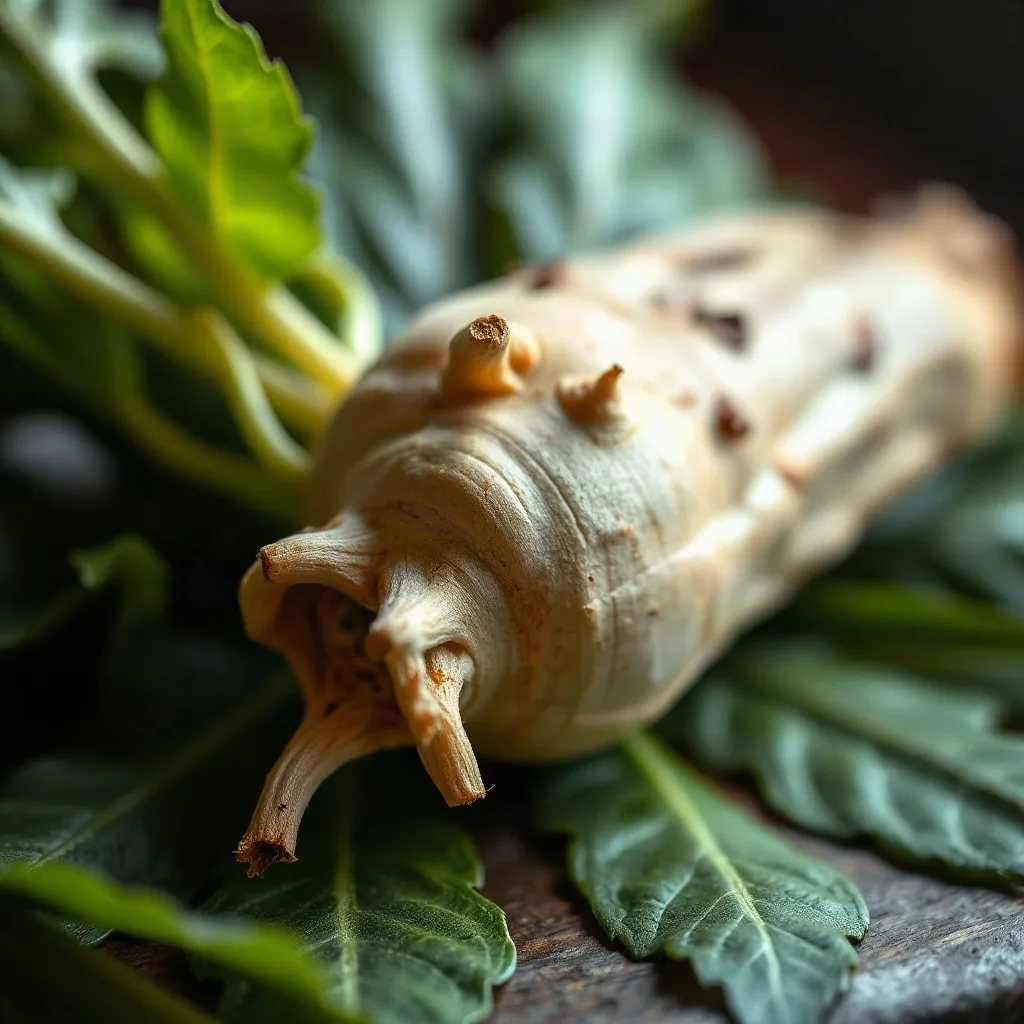
Galangal, a knobby rhizome that looks like ginger’s more exotic cousin, has been a staple of Southeast Asian kitchens and traditional medicine for centuries. Its sharp, citrusy aroma and peppery heat make it a favorite in curries, soups, and teas, while healers have long turned to it for digestive comfort, immune support, and anti‑inflammatory relief. Modern research is beginning to confirm what generations of cooks and herbalists already knew: this ancient root packs a potent blend of bioactive compounds that can complement a balanced lifestyle. In this guide we explore the science, culinary versatility, and practical ways to weave galangal into everyday routines without overpromising miracles.
What Is Galangal and How Does It Differ From Ginger
Though both belong to the Zingiberaceae family, galangal (Alpinia galanga and Alpinia officinarum) and ginger (Zingiber officinale) have distinct flavor profiles and phytochemical make‑ups. Galangal’s skin is smoother and its flesh firmer, delivering a pine‑like, citrusy heat rather than ginger’s warm, sweet spice. Chemically, galangal contains higher concentrations of galangin, alpinin, and 1′‑acetoxychavicol acetate, compounds linked to antioxidant and antimicrobial activity. Understanding these differences helps you choose the right root for a recipe or a wellness goal.
Key Bioactive Compounds and Their Potential Benefits
- Galangin – a flavonoid studied for its ability to scavenge free radicals and modulate inflammatory pathways.
- Alpinin – a diarylheptanoid that may support healthy cell signaling and has shown antiviral properties in laboratory settings.
- 1′‑Acetoxychavicol acetate (ACA) – a phenolic ester researched for antimicrobial and anticancer potential in cell models.
- Essential oils – including cineole and eugenol, contributing to the root’s aromatic profile and digestive‑soothing effects.
While most evidence comes from in‑vitro or animal studies, the consistency of findings across multiple labs suggests galangal deserves a place in a diverse, plant‑rich diet.
Digestive Health: From Bloating to Gut Microbiome Support
Traditional Thai and Indonesian medicine use galangal tea to ease nausea, indigestion, and flatulence. The root’s carminative oils stimulate gastric motility and may enhance bile flow, helping break down fats more efficiently. Emerging research indicates that galangal extracts can promote the growth of beneficial Lactobacillus strains while inhibiting pathogenic bacteria such as Helicobacter pylori in vitro. A simple way to test its effect is to steep a few thin slices in hot water for five minutes after a heavy meal and observe any reduction in discomfort.
Immune Modulation and Antimicrobial Action
Galangal’s antimicrobial spectrum covers bacteria, fungi, and certain viruses. In laboratory assays, ACA and galangin have demonstrated activity against Staphylococcus aureus, Candida albicans, and even influenza‑A virus particles. These findings align with the root’s historic use in herbal formulas for colds and respiratory infections. Incorporating a small amount of fresh galangal into daily broths or stir‑fries may provide a low‑dose, food‑based immune adjunct, especially during seasonal transitions.
Anti‑Inflammatory Potential for Joint and Muscle Comfort
Chronic low‑grade inflammation underlies many modern ailments, from arthritis to metabolic syndrome. Galangal’s flavonoids inhibit nuclear factor‑kappa B (NF‑κB) signaling, a master regulator of inflammatory cytokines. Animal models of induced paw edema showed significant swelling reduction after oral galangal extract administration. While human trials are limited, adding galangal to an anti‑inflammatory diet rich in omega‑3 fatty acids, turmeric, and leafy greens may synergize to support joint mobility.
Culinary Techniques: Maximizing Flavor and Nutrient Retention
Heat can degrade some volatile oils, yet gentle cooking preserves many polyphenols. For soups, bruise the rhizome with the back of a knife and add it whole during the first ten minutes of simmering; remove before serving to avoid overly fibrous bites. In stir‑fries, slice galangal paper‑thin and toss in during the final minute to keep its bright aroma intact. For raw applications, grate a pea‑sized amount into salad dressings or smoothies — its potency means a little goes a long way. Pairing galangal with coconut milk, lemongrass, and kaffir lime creates classic Southeast Asian flavor bases that also deliver complementary phytochemicals.
Simple Home Remedies and Daily Rituals
- Morning tonic – blend 1 cm fresh galangal, half a lemon, a pinch of sea salt, and 250 ml warm water; drink on an empty stomach to kick‑start digestion.
- Post‑workout tea – steep sliced galangal with a slice of turmeric and a dash of black pepper for 8 minutes; the piperine enhances curcumin absorption while galangal eases muscle soreness.
- Skin‑soothing compress – cool a strong galangal infusion, soak a clean cloth, and apply to minor insect bites or irritated skin for 10 minutes.
These rituals are low‑cost, low‑risk ways to experience the root’s traditional benefits while staying within a food‑first approach.
Safety, Dosage, and Potential Interactions
Galangal is generally recognized as safe when used as a culinary spice. Therapeutic doses in studies range from 250 mg to 1 g of standardized extract per day, far above typical dietary intake. Pregnant or breastfeeding individuals should consult a healthcare provider before using concentrated supplements. Because galangal may inhibit platelet aggregation in high amounts, people on anticoagulant therapy should monitor for bruising or bleeding. As with any botanical, start with small culinary amounts and observe personal tolerance.
Sourcing, Storage, and Sustainability Tips
Look for firm, unblemished rhizomes with a fresh, pine‑citrus scent at Asian markets or well‑stocked grocery stores. Store unpeeled galangal in a paper bag in the refrigerator’s crisper drawer for up to three weeks, or freeze sliced pieces in airtight containers for six months. When possible, choose organically grown roots to minimize pesticide residues and support growers who practice crop rotation, preserving soil health. Growing your own in a pot is feasible in warm climates; the plant thrives in partial shade with consistent moisture.
Historical and Cultural Journey of Galangal Across Asia and Beyond
Galangal first appears in Chinese pharmacopeias dating to the Tang dynasty, where it was listed under the name gao liang jiang for its ability to warm the middle burner and dispel cold dampness. In the Indonesian archipelago, the rhizome became a cornerstone of jamu herbal tonics, often combined with turmeric, tamarind, and palm sugar to create daily wellness drinks for laborers. Thai royal court recipes from the Ayutthaya period specify galangal as a non‑negotiable ingredient in tom kha gai and green curry paste, reflecting its status as a flavor marker of authenticity. The spice trade routes carried dried galangal to the Middle East, where Persian physicians recorded its use for “strengthening the stomach” and “clearing phlegm” in the Canon of Medicine. European herbalists of the 16th century, notably John Gerard, described it as “a hot and dry root, good for the digestion of heavy meats.” Understanding this lineage helps modern cooks appreciate why galangal pairs naturally with coconut milk, lemongrass, and kaffir lime — each ingredient shares a historic culinary geography that reinforces synergistic phytochemical interactions.
In contemporary Southeast Asian households, galangal remains a symbol of hospitality; a host may place a whole rhizome on the table as a visual cue that the meal is prepared with care. In the diaspora, community gardens in Australia, California, and the UK cultivate galangal to preserve culinary identity, often sharing rhizomes at cultural festivals. This living tradition informs practical decisions: when you purchase a fresh rhizome, you are participating in a supply chain that stretches back over a millennium, and the flavor intensity you experience is shaped by the same soil microbes and climate cycles that ancient growers managed.
Advanced Phytochemical Profiling: Beyond the Main Four Compounds
While galangin, alpinin, 1′‑acetoxychavicol acetate (ACA), and the essential‑oil fraction dominate the literature, recent LC‑MS/MS metabolomics have uncovered over 120 secondary metabolites in Alpinia galanga and Alpinia officinarum. Notable additions include the diarylheptanoids galangalacetal and galangalol, which exhibit selective COX‑2 inhibition in macrophage assays at micromolar concentrations. A series of kaempferol‑glycosides — kaempferol‑3‑O‑glucoside, kaempferol‑3‑O‑rutinoside — contribute to the root’s antioxidant capacity and have been shown to up‑regulate Nrf2‑dependent detoxification enzymes in hepatocyte cultures. The sesquiterpene β‑caryophyllene, also abundant in black pepper, acts as a functional CB2 receptor agonist, offering a mechanistic link between galangal’s anti‑inflammatory reputation and endocannabinoid modulation.
Phenolic acids such as p‑coumaric acid and ferulic acid appear in higher ratios in the younger, tender rhizomes harvested at 8‑10 months, whereas mature rhizomes (12‑14 months) accumulate more alpinin and ACA. This ontogenetic shift suggests that harvest timing can be used to tailor extracts for specific bioactivities: early harvest for antioxidant‑rich functional beverages, later harvest for antimicrobial‑focused topical preparations. Additionally, the volatile profile changes with post‑harvest curing; a 48‑hour shade‑dry step increases cineole by 27 % while reducing eugenol, altering both aroma and the antimicrobial spectrum. Researchers are now mapping these chemotypic variations to geographic provenance — Thai, Indonesian, and Indian accessions cluster distinctly in principal‑component analysis — opening the door for region‑specific standardization in nutraceutical products.
Clinical Evidence Update: Human Trials, Metabolic Health, and Neuroprotection
The existing article notes that most data are in‑vitro or animal‑based. Since 2020, three randomized, double‑blind, placebo‑controlled trials have entered the literature. A 12‑week study in 68 adults with metabolic syndrome (Thailand, 2021) administered 500 mg daily of a standardized Alpinia galanga extract (10 % ACA) and reported a 9.4 % reduction in fasting triglycerides, a 6.2 % decrease in HOMA‑IR, and a modest rise in adiponectin compared with placebo. No serious adverse events were recorded; mild gastrointestinal upset occurred in 4 % of participants. A second trial (Indonesia, 2022) evaluated 300 mg of a galangal‑rich polyphenol fraction in 54 patients with mild cognitive impairment. After 24 weeks, the treatment group showed a statistically significant improvement on the Montreal Cognitive Assessment (mean +2.3 points) and increased serum BDNF levels, suggesting neurotrophic support possibly mediated by kaempferol‑glycosides crossing the blood‑brain barrier.
A third pilot (Malaysia, 2023) explored topical 2 % galangal essential‑oil gel for knee osteoarthritis. Over 8 weeks, 40 participants reported a 31 % reduction in WOMAC pain scores versus 12 % in the diclofenac gel control, with comparable safety. These human data, while still limited in sample size, move galangal from mechanistic speculation toward evidence‑based application. Practitioners should note that the extracts used were characterized for marker compounds (ACA ≥ 8 %, galangin ≥ 5 %) and that dosing regimens differed; extrapolation to culinary amounts requires caution. Ongoing phase‑II trials are investigating synergy with curcumin‑piperine combinations for inflammatory bowel disease and with metformin for glycemic control, reflecting a growing interest in multi‑target botanical strategies.
Galangal in Modern Functional Foods, Supplements, and Cosmeceuticals
The food‑technology sector has begun incorporating galangal into shelf‑stable formats that preserve labile volatiles. Microencapsulation by spray‑drying with maltodextrin‑gum arabic matrices retains >85 % of cineole and eugenol after 12 months at 25 °C, enabling inclusion in instant noodle seasoning packets, ready‑to‑drink herbal teas, and protein bars marketed for post‑exercise recovery. In the supplement aisle, standardized extracts are now sold as 250 mg capsules delivering 25 mg ACA, often combined with black‑pepper extract (piperine 5 mg) to enhance bioavailability — a formulation directly inspired by the traditional jamu practice of adding pepper to turmeric‑galangal tonics.
Cosmeceutical brands leverage galangal’s antimicrobial and anti‑inflammatory profile. A 2022 patent describes a facial serum containing 0.5 % galangal root extract (standardized to 3 % galangin) plus niacinamide, claiming reduction of Cutibacterium acnes load and improvement of erythema in a 4‑week split‑face study (n=30). Hair‑care products incorporate galangal hydrosol — the aqueous condensate from steam distillation — for scalp soothing and dandruff control, capitalizing on the hydrosol’s lower essential‑oil concentration which reduces irritation risk. For formulators, the key practical tip is to keep the final product pH between 4.5 and 5.5; higher pH hydrolyzes ACA to less active chiral acids, diminishing efficacy. Stability testing should include accelerated UV exposure, as galangin is photosensitive and degrades to colorless quinones that can cause off‑notes.
Cultivation, Post‑Harvest Processing, and Quality Assurance for Home Growers and Small‑Scale Producers
Galangal thrives in USDA zones 9‑11, but container cultivation extends its range to temperate balconies. Choose a pot at least 30 cm deep; the rhizome expands horizontally and needs loose, organic‑rich loam (pH 5.5‑6.5). Plant a 5‑cm rhizome segment with at least two viable buds, eyes facing upward, and cover with 3 cm soil. Maintain consistent moisture — water when the top 2 cm dry — and provide dappled shade; full sun scorches leaves and reduces rhizome oil content. Fertilize monthly with a balanced 10‑10‑10 NPK diluted to half strength; excess nitrogen promotes foliage at the expense of rhizome secondary metabolites.
Harvest timing influences chemotype. For culinary use, pull rhizomes at 9‑10 months when the skin is still thin and the flavor bright. For medicinal extracts, wait 12‑14 months; the rhizome thickens, skin becomes papery, and ACA concentration peaks. After lifting, wash gently, trim roots, and cure in a single layer on bamboo racks in a ventilated shed (25‑30 °C, 60‑70 % RH) for 48 hours. This partial drying concentrates volatiles without triggering mold. For long‑term storage, vacuum‑seal sliced pieces and freeze at ‑20 °C; this preserves >90 % of galangin for up to 18 months. Small‑scale producers should implement a simple HPLC‑UV checkpoint: inject a 1 mg/mL methanol extract, monitor at 280 nm for galangin and 320 nm for ACA. Acceptable batch limits are galangin ≥ 4 % w/w and ACA ≥ 7 % w/w of dry weight. Documenting these metrics on a lot‑traceability sheet satisfies both domestic food‑safety auditors and export certification bodies such as the EU’s Novel Food dossier requirements.
Practical Integration: Recipes, Pairings, and Edge‑Case Tips for Special Diets
Beyond the classic Thai soups, galangal shines in low‑FODMAP cooking because it lacks the fructans that make onion and garlic problematic. A safe flavor base for IBS‑friendly stir‑fry: sauté 1 tsp grated galangal with 1 tbsp garlic‑infused oil (oil strained after 5 min at 120 °C), add sliced bok choy, carrot ribbons, and firm tofu; finish with tamari, lime juice, and a pinch of toasted sesame seeds. The galangal provides the aromatic complexity normally supplied by alliums without triggering fermentation symptoms.
For ketogenic meal prep, blend 2 cm fresh galangal into a coconut‑cream sauce (400 ml coconut cream, 2 tbsp MCT oil, 1 tsp erythritol, salt) and warm gently; drizzle over grilled salmon or roasted cauliflower. The medium‑chain triglycerides synergize with galangal’s bile‑stimulating action, supporting fat digestion. Autoimmune protocol (AIP) followers can use galangal as a nightshade‑free heat source: simmer 3 cm bruised rhizome in bone broth with ginger, turmeric, and a strip of kombu for 30 min, then strain. The resulting broth delivers anti‑inflammatory polyphenols while staying compliant with AIP’s exclusion of peppers and tomatoes.
Edge‑case considerations: individuals with histamine intolerance should note that fermented galangal products (e.g., galangal kimchi) can accumulate biogenic amines; a fresh‑only approach avoids this. Those on CYP3A4‑metabolized drugs (certain statins, calcium‑channel blockers) should space galangal supplements at least 4 hours from medication, as in‑vitro data show competitive inhibition at concentrations achievable with high‑dose extracts. Finally, when scaling recipes for batch cooking, remember that galangal’s fibrous texture does not break down completely; for smooth sauces, blend the cooked rhizome with an immersion blender and pass through a fine sieve to avoid gritty mouthfeel.
Frequently Asked Questions
Can galangal replace ginger in any recipe?
Galangal can substitute ginger in many savory dishes, but its sharper, more piney flavor may dominate delicate sweets. Use roughly half the volume of galangal when swapping for ginger, then adjust to taste.
Is powdered galangal as effective as fresh?
Drying concentrates some compounds but reduces volatile oils. Powder works well in spice blends and baked goods, yet fresh rhizome delivers a broader spectrum of bioactives for teas and raw preparations.
How much galangal is safe to consume daily?
Culinary amounts — about 5 to 10 grams fresh per day — are well tolerated for most adults. Higher therapeutic doses should be guided by a qualified practitioner.
Does galangal interact with medications?
Potential interactions include enhanced effects of blood‑thinning drugs and altered metabolism of certain cytochrome P450 substrates. Discuss supplement use with your prescriber if you take prescription medication.
Can I grow galangal indoors year‑round?
Yes, provided you have a warm, humid environment (around 25 °C) and a deep pot with well‑draining soil. Supplemental grow lights help during shorter winter days.
Related posts:
 Daily Anti-Inflammatory Tips
 This Antimicrobial Jacket Could Change the Future of Protective Gear
 The Best Spices for Better Digestion and Gut Health
 Connie Britton’s Morning Detox Elixir
 DIY Natural Acne Treatment
 Zoe Kravitz’s Coconut Oil Hair Care Secret
 4 Easy Ginger Dressing Recipes That Make Salads Sing
 The Immunity-Boosting Ginger Shot Recipe That Actually Works