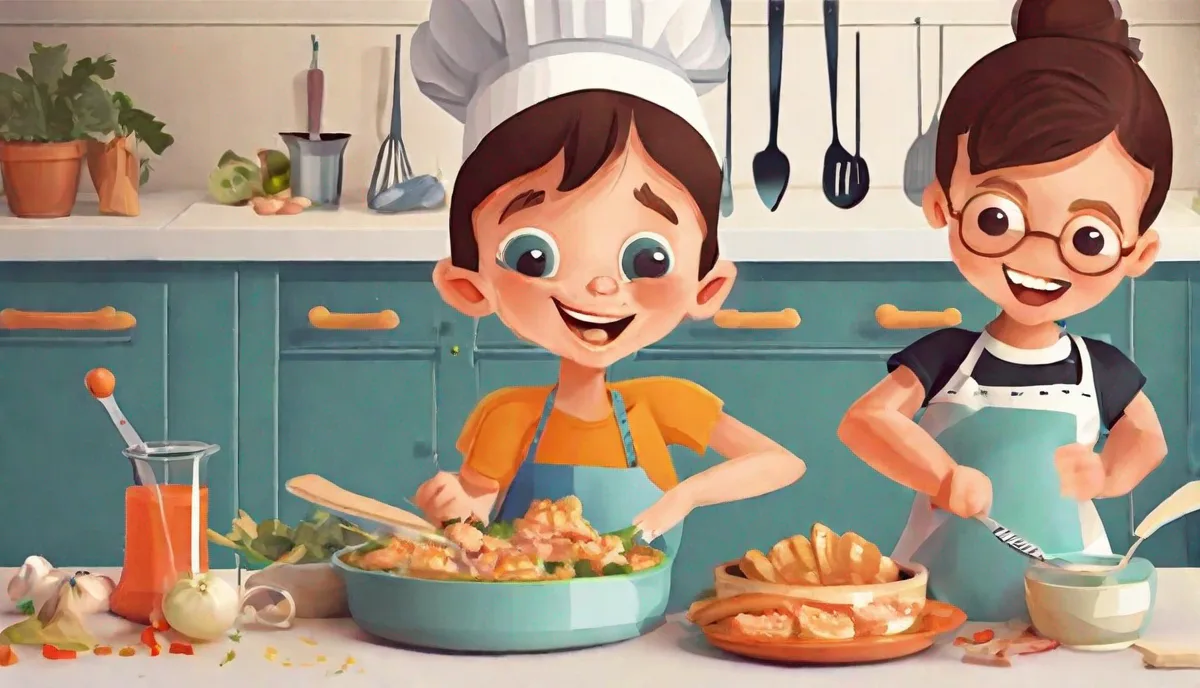
Getting kids involved in the kitchen is a fantastic way to teach them about healthy eating habits, introduce them to new foods, and develop essential life skills. With the rise of online cooking classes and interactive recipe blogs, it’s easier than ever to turn meal preparation into a fun family activity. In this article, we’ll share some genius kid-friendly recipes and highlight some online cooking classes that your little chefs are sure to love.
Key takeaways
- Introduce children to cooking through simple, hands-on recipes like DIY pizzas and smoothie stations.
- Utilize online platforms like Outschool and Nomster Chef for structured, interactive culinary education.
- Teach kitchen safety using child-friendly tools and a progressive approach to mastering knife skills.
- Incorporate science, math, and cultural lessons to turn meal preparation into a holistic learning experience.
- Manage kitchen messes by establishing age-appropriate cleaning routines and organized workspaces.
Why Cooking With Kids is Beneficial
Cooking with kids offers numerous benefits beyond just a tasty meal. It encourages family bonding, boosts self-esteem, and enhances math and reading skills as they measure ingredients and follow recipes. Moreover, children who cook tend to make healthier food choices and are more willing to try new foods.
Easy and Healthy Kid-Friendly Recipes
Starting off with simple recipes is key to keeping kids engaged. Try making smoothies with fresh fruit, yogurt, and a splash of honey for a sweet, nutritious treat. For lunch, assemble a DIY pizza station with whole wheat crusts, a variety of toppings, and let them decorate their pizza masterpiece. Dinner can be a hands-on affair with build-your-own taco nights, featuring lean meats, beans, cheese, and plenty of fresh veggies.
Online Cooking Classes for Kids
Online cooking classes are a great resource for structured culinary education and fun. Platforms like Outschool and Kids Cook Real Food offer classes for various age groups and skill levels. They provide a safe virtual environment where kids can learn from professional chefs and engage with peers who share their interest in cooking.
Interactive Recipe Resources
Interactive recipe websites such as Nomster Chef and ChopChop Family are wonderful for finding kid-friendly recipes. These platforms offer step-by-step visual and interactive guides that make following recipes a breeze for young cooks. They often include videos and quizzes to make the learning process even more engaging.
Setting Up Your Home Kitchen for Success
Creating a kid-friendly kitchen space is crucial. Make sure that tools and ingredients are within reach, and always supervise the use of knives and heat sources. Invest in some child-safe kitchen tools such as plastic knives and no-slip mixing bowls to make the experience both safe and enjoyable.
Teaching Culinary Science: From Emulsions to Fermentation
Moving beyond basic recipes, you can transform the kitchen into a laboratory to pique your child’s curiosity. Explore the science behind cooking by creating simple emulsions, such as a homemade balsamic vinaigrette; explain how oil and vinegar don’t naturally mix, and watch as they use a whisk to create a temporary suspension. For older children, introduce the concept of fermentation by making quick-pickled cucumbers in a mason jar. Discuss how beneficial bacteria work and why salt is essential in the process. These experiments demystify food production and transform a mundane task into a lesson in chemistry and biology, helping children understand the ‘why’ behind the ‘how’ of their favorite meals.
Mastering Knife Skills: A Progressive Roadmap
One of the biggest hurdles for parents is the fear of sharp objects. Instead of avoiding knives, provide a structured progression. Start toddlers with a nylon serrated knife that can cut soft fruits like strawberries or bananas but won’t break the skin. As they master the ‘claw’ grip—where fingertips are tucked inward to prevent injury—graduate them to a blunt-tipped, smaller-scale chef’s knife. Use produce that provides resistance, like a cucumber or a zucchini, to practice the ‘rocking’ motion. By treating knife work as a skill to be earned through practice and demonstrated safety, you empower your child to handle real-world tools with confidence and maturity.
The Sensory Approach: Cooking for Picky Eaters
For parents of children with sensory sensitivities or selective eating habits, the kitchen is the ultimate tool for desensitization. When a child participates in the preparation of a dish, the anxiety surrounding ‘scary’ textures or new flavors often diminishes. Encourage a ‘no-pressure’ tasting rule where kids are invited to smell, touch, and lick ingredients before they are combined. Use a muffin tin to create a ‘tasting flight’ of raw ingredients—such as diced peppers, shredded carrots, or chickpeas—and let them experiment with dipping sauces. By removing the pressure to consume a full meal and focusing on the sensory exploration of raw components, you create a low-stakes environment that encourages them to eventually try the final product.
Meal Planning and Budgeting: The Math of the Grocery Store
Cooking is just the final step in a process that includes planning and procurement. Bring your children into the budgeting phase by giving them a set ‘allowance’ for a single meal. Take them to the grocery store or browse online catalogs to find the best value for their ingredients. This teaches them about unit pricing, seasonal produce availability, and the trade-offs between convenience items and scratch cooking. When a child has to decide between buying expensive pre-cut fruit or a whole melon that they will have to chop themselves, they learn the true cost of convenience and the value of their own labor. This financial literacy layer adds a mature dimension to the culinary experience.
Cultural Exploration Through Global Flavors
Use the kitchen to travel the world from your own home. Pick a country each month and dedicate a weekend to learning a traditional recipe, such as Japanese onigiri, Italian handmade pasta, or Mexican corn tortillas. Research the history of the dish together and discuss how geography influences ingredients. For example, explain why certain regions rely on rice while others focus on wheat or tubers. This global perspective fosters empathy and curiosity, showing children that their way of eating is just one of many valid, delicious approaches. It transforms cooking from a chore into a cultural exchange, making dinner time an opportunity for storytelling and connection.
Managing Kitchen Chaos: Systems for Success
The biggest deterrent to cooking with kids is the inevitable mess. To maintain your sanity, implement a ‘clean as you go’ system that is age-appropriate. Give children a dedicated ‘mess bowl’ for food scraps and a damp towel for spills. Establish a rule that the cooking process isn’t finished until the workspace is cleared. Use visual aids like laminated cards that list the steps of cleanup, such as ‘wipe down surfaces,’ ‘put away ingredients,’ and ‘rinse the mixing bowl.’ By normalizing the cleanup as part of the cooking experience, you prevent the ‘kitchen explosion’ effect and teach children that taking care of their tools and space is a fundamental part of being a responsible chef.
Adapting Recipes for Special Dietary Needs
If your family follows specific dietary restrictions—such as gluten-free, vegan, or nut-free—cooking with kids is a perfect opportunity to teach label reading and ingredient substitution. Create a ‘substitution chart’ together where you identify alternatives for common allergens. If a recipe calls for eggs, experiment with flax seeds or applesauce; if it calls for dairy, try oat or coconut milk. This problem-solving approach develops critical thinking skills and helps children understand their own dietary needs or those of their friends. It turns a limitation into a creative challenge, teaching them that cooking is flexible and that they have the power to adapt any recipe to suit their specific health requirements.
FAQ About Kid-Friendly Cooking
- What are some safety tips for cooking with kids?
- Always supervise children, especially when they’re using knives or around hot surfaces. Teach them to wash their hands before and after cooking, and to never touch their faces during the process. Use child-safe tools and keep hazardous items out of reach.
- How can I make cooking educational for my child?
- Incorporate lessons about nutrition, cultural cuisines, and the science of cooking. Ask them to read recipes out loud, measure ingredients, and time the cooking process to teach math and reading skills.
- At what age can kids start cooking?
- Children as young as two can start helping in the kitchen with simple tasks like stirring and pouring. As they grow older and develop finer motor skills, they can take on more complex tasks under supervision.
- How do online cooking classes keep kids engaged?
- They often use interactive tools like videos, quizzes, and live Q&A sessions. Some also offer challenges and certificates of completion to motivate kids and mark their progress.
- What are some quick and healthy snacks kids can make?
- Some quick options include fruit kebabs, vegetable sticks with hummus, cheese and whole-grain crackers, or homemade granola bars. These options provide good nutrition and are simple enough for kids to prepare.
Related posts:
 The Best Snapchat Accounts for Healthy Recipe Inspiration
 Choosing the Perfect Cooking Class for You
 Readers’ Favorite Kitchen Buys
 How to Safely Involve Kids in Meal Planning
 Emotional Intelligence for Kids: 21 Activities to Try
 Choosing the Perfect 8-Inch Knife
 The Essential Knives Every Home Cook Needs in Their Kitchen
 How to Help Children Grieve and Deal with Loss