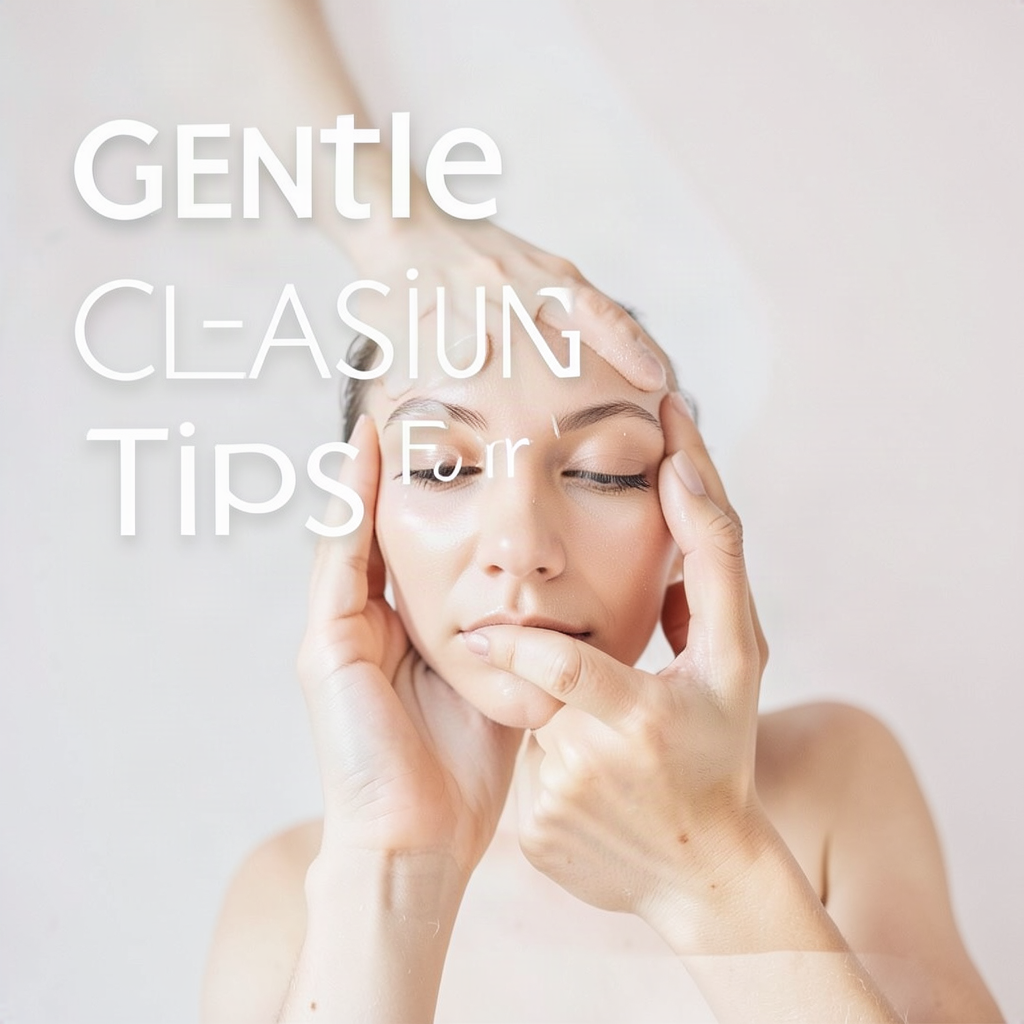
Sensitive skin requires a thoughtful approach to cleansing. Unlike resilient skin types that can tolerate harsh treatments, sensitive skin reacts easily to irritants, displaying redness, tightness, stinging, or burning sensations. The challenge lies in removing dirt, oil, and makeup effectively while maintaining your skin’s protective barrier. This guide walks you through evidence-based cleansing strategies tailored specifically for sensitive skin, helping you establish a routine that supports skin health rather than compromising it.
Understanding Sensitive Skin and Its Needs
Sensitive skin is characterized by a compromised stratum corneum—the outermost protective layer of your epidermis. This barrier dysfunction allows irritants to penetrate more easily and moisture to escape more readily. Sensitive skin may be an inherent trait, or it can develop after exposure to harsh products, environmental stressors, or skin conditions like rosacea, eczema, or dermatitis.
The goal of cleansing sensitive skin is twofold: remove impurities without stripping natural oils, and avoid triggering inflammatory responses. This means abandoning the squeaky-clean feeling that comes from over-cleansing, which actually indicates barrier damage. Instead, aim for a clean, comfortable sensation that feels nourishing rather than tight.
Understanding your skin’s specific sensitivities helps you avoid problematic ingredients. Some people react to fragrance or essential oils, others to sulfates, alcohols, or particular botanical extracts. Keeping a simple cleansing routine and introducing products one at a time allows you to identify triggers.
Choosing the Right Cleanser Formula
The cleanser you select forms the foundation of your routine. For sensitive skin, cream-based or milk cleansers typically work better than foaming formulas, which rely on surfactants that can strip the skin. Look for cleansers labeled “gentle,” “creamy,” or “hydrating,” and avoid those claiming to remove oil or provide deep cleansing—language often associated with harsher formulations.
Micellar water presents another option for sensitive skin. Micelles are tiny spheres of cleansing molecules that lift makeup and impurities without requiring rinsing or scrubbing. They’re particularly useful for those with very reactive skin or conditions like rosacea. However, micellar water alone may not sufficiently cleanse if you wear sunscreen or oil-based makeup.
Cream cleansers work through emulsion chemistry—combining water and oil phases to dissolve both water-soluble and oil-soluble impurities. This method aligns with how your skin naturally functions. Oil-based or balm cleansers follow similar logic and work especially well for makeup removal, provided you follow with a gentle water-based rinse to prevent residue.
Seek products with minimal ingredient lists. More ingredients mean more potential irritants. Ideal components for sensitive skin include ceramides (which repair barrier function), glycerin (a humectant that draws moisture in), niacinamide (which calms inflammation), and hyaluronic acid (a hydrating molecule). Avoid fragrance, essential oils, alcohol denat, sulfates, and strong preservatives when possible.
The Double-Cleanse Method for Sensitive Skin
Double cleansing doesn’t mean aggressive scrubbing twice—it means using two different products sequentially to address different types of impurities. This method, when done gently, actually protects sensitive skin better than single cleansing.
First, use an oil-based cleanser or balm to dissolve makeup, sunscreen, and sebum. Apply it to dry skin and massage gently for 30-60 seconds using your fingertips. Add a small amount of water and continue massaging for another 30 seconds—the texture will change, signaling emulsification. Rinse thoroughly with lukewarm water.
Second, use a gentle water-based cream cleanser to remove any remaining impurities and the oily residue from the first step. Again, avoid rubbing. Apply with gentle upward strokes or light circular motions, spending no more than one minute on this phase. Rinse thoroughly.
This approach proves particularly valuable if you wear sunscreen daily or makeup, as a single product may leave residue that accumulates and irritates. The two-step process feels luxurious and allows your skin to feel genuinely clean without the tightness associated with over-cleansing.
Water Temperature and Technique Matter
The temperature of water you use directly impacts sensitive skin. Hot water opens pores and removes natural oils more aggressively, while cold water can shock reactive skin. Lukewarm water—approximately body temperature or slightly cooler—provides the ideal balance. It effectively rinses without triggering sensitivity.
Your cleansing technique is equally important as product selection. Avoid vigorous scrubbing, circular motions that create friction, or using washcloths and physical exfoliants on sensitive areas. Instead, use clean fingertips and apply cleanser with gentle upward strokes or light pressing motions. Spend no more than 60 seconds on the actual cleansing phase. This duration is sufficient to remove impurities while minimizing irritation.
Pat your skin dry rather than rubbing. Use a clean, soft towel and press it gently against your face. Avoid letting your skin air-dry completely, as this can lead to moisture loss. Pat until damp, then immediately apply your next skincare product to lock in hydration.
Frequency and Timing of Cleansing
How often you cleanse significantly affects sensitive skin. The common recommendation to cleanse morning and night may cause more harm than benefit for reactive skin types. Consider cleansing once daily in the evening to remove the day’s accumulated impurities, makeup, and sunscreen. In the morning, a simple rinse with lukewarm water or a swipe of micellar water may suffice.
If you exercise or experience visible dirt or sweat, a gentle rinse immediately after is reasonable. However, avoid cleansing multiple times daily, which strips natural oils and weakens your barrier. Some people with very sensitive skin benefit from cleansing only 4-5 times per week in the evening, using only water in the morning.
Pay attention to your skin’s response. If redness, stinging, or tightness develop, reduce cleansing frequency further. Your skin will signal when it’s over-cleansed through persistent dryness or increased reactivity.
Ingredients to Embrace and Avoid
Building a sensitive-skin cleanser around proven beneficial ingredients protects your barrier and minimizes irritation. Ceramides—lipids naturally present in healthy skin—repair and strengthen barrier function. Hyaluronic acid holds up to 1000 times its weight in water, providing hydration without heaviness. Glycerin draws moisture into the skin, maintaining suppleness. Niacinamide (vitamin B3) reduces inflammation and regulates sebum production, making it suitable even for combination sensitive skin.
Avoid fragrance, whether listed as “fragrance,” “parfum,” or hidden within botanical extracts. Fragrance is among the most common contact allergens and provides no cleansing benefit. Alcohol denat (denatured alcohol) evaporates quickly and can increase sensitivity. Sulfates like sodium lauryl sulfate create abundant lather by stripping oils—the opposite of what sensitive skin needs. Strong preservatives like parabens, while safe in minuscule amounts, trigger reactions in some people. Natural doesn’t equal gentle—essential oils, lemon juice, and tea tree oil irritate sensitive skin despite marketing claims.
Some ingredients commonly marketed as “natural” or “gentle” actually cause problems. Menthol and camphor create a cooling sensation that masks irritation rather than preventing it. Physical exfoliants like microbeads and pumice scratches the barrier. Even gentle-sounding ingredients like rose water or chamomile extract cause reactions in sensitive individuals.
Managing Sensitive Skin Conditions During Cleansing
Specific conditions affecting sensitive skin require adjusted cleansing approaches. Rosacea-prone skin responds poorly to warm water, fragrance, and vigorous cleansing. Use cool to lukewarm water, apply products gently, and consider micellar water for makeup removal to minimize mechanical irritation. Some dermatologists recommend using the same gentle cleanser for the entire face rather than rotating products.
Eczema and atopic dermatitis demand extra-gentle handling. The barrier is severely compromised, making barrier-repair ingredients like ceramides essential. Avoid any product causing stinging or burning, even if the ingredient is generally considered “safe.” Shorter cleansing times and lower frequency help prevent flares.
Acne-prone sensitive skin presents a paradox: you need effective cleansing, but harsh products worsen sensitivity and compromise the barrier, triggering more inflammation. Focus on gentle cleansing combined with targeted treatment products applied after cleansing, rather than attempting to treat acne during the cleanse.
Building Your Complete Sensitive Skin Routine
Cleansing exists within a broader skincare context. The products you apply immediately after cleansing determine whether your routine supports or stresses sensitive skin. After your final rinse, apply products while skin is still slightly damp to maximize hydration.
A minimal but effective routine might include: a gentle cleanser, a hydrating toner or essence, a moisturizer with ceramides and hyaluronic acid, and SPF 30+ sunscreen during the day. Active treatments like retinoids or vitamin C should be introduced extremely slowly with sensitive skin—potentially starting with the lowest strength once weekly and gradually increasing frequency as tolerance builds.
Patch-test new products on a small area of jawline for one week before incorporating them into your full routine. This prevents wasting money and experiencing widespread reactions. Keep a simple log noting which products cause any irritation, helping you identify problematic ingredients.
Environmental factors compound cleansing challenges. Hard water, pollution, low humidity, and harsh weather all stress sensitive skin. Consider installing a shower filter to remove chlorine and minerals from water. Use a humidifier, especially during winter. Protect your face with appropriate clothing and barriers when exposed to wind or cold.
Common Mistakes That Worsen Sensitive Skin
Even well-intentioned routines can harm sensitive skin through common mistakes. Over-cleansing remains the most frequent error—using hot water, cleansing too frequently, scrubbing too vigorously, or using multiple harsh products removes your skin’s protective lipids and irritates the barrier. Paradoxically, over-cleansing often leads to more oiliness as your skin attempts to compensate for lost moisture.
Switching products constantly prevents your skin from stabilizing. Each new product requires an adjustment period of 4-6 weeks before meaningful assessment. Constant rotation triggers repeated sensitivity reactions as your skin encounters new ingredients continuously.
Using products designed for other skin types—even if they seem gentle—causes problems. Products formulated for oily skin strip moisture. Thick creams designed for very dry skin may clog reactive skin. Using makeup remover wipes, despite their convenience, involves rubbing friction that irritates sensitive skin.
Ignoring ingredient lists and relying on marketing claims leads to purchasing products containing known irritants. “Hypoallergenic” has no regulatory definition and means little. “Natural” doesn’t equal gentle or safe. Read ingredient lists, research specific components, and rely on dermatologist recommendations when uncertain.
The pH Balance Factor in Sensitive Skin Cleansing
Your skin’s natural pH typically ranges from 4.5 to 5.5, creating an acidic environment that supports beneficial bacteria and maintains barrier integrity. Many conventional cleansers, particularly foaming formulas and bar soaps, have a pH of 8 or higher, which disrupts this delicate acidic mantle. When your skin’s pH shifts alkaline, it triggers inflammation, increases water loss, and compromises the barrier—precisely what sensitive skin cannot tolerate.
pH-balanced or slightly acidic cleansers help maintain your skin’s natural protective environment. Look for products labeled “pH-balanced” or with a stated pH between 4.5 and 6.5. This specification appears on packaging or product websites, though not all brands list it prominently. If pH information isn’t available, you can purchase affordable pH testing strips to check your cleanser at home—simply apply a small amount to the strip and compare the color to the chart.
The impact of pH imbalance becomes particularly evident after cleansing. If your skin feels tight, stings, or becomes red within minutes of rinsing, an overly alkaline cleanser may be the culprit rather than an ingredient sensitivity. Some people with sensitive skin find that switching to a pH-balanced formula eliminates reactivity they previously attributed to specific ingredients.
Interestingly, many oil-based and cream cleansers naturally maintain lower pH levels because they’re formulated to minimize the need for harsh surfactants. This represents another advantage of these formulas for sensitive skin beyond their emollient properties. Even when using a balanced cleanser, following with a hydrating toner or essence with a pH around 5.0 reinforces your skin’s acidic mantle and provides additional calming benefits.
Adapting Cleansing Routines Across Seasons and Climate Changes
Sensitive skin’s reactivity intensifies with seasonal and environmental shifts. Winter’s low humidity, heating systems, cold winds, and harsh weather stress the barrier significantly. Many people find their usually-manageable sensitive skin becomes severely reactive during winter months. Summer heat, sun exposure, chlorine, and salt water present different challenges, often triggering flares in rosacea-prone or eczema-prone individuals.
Winter cleansing requires particular attention. The cold air already strips moisture, so your cleanser must compensate by being exceptionally nourishing. Consider switching to a richer cream or balm cleanser during winter months, even if you use a lighter formula in summer. Reduce cleansing frequency further if possible—perhaps cleansing every other evening rather than daily. Use the warmest water your sensitive skin tolerates (still lukewarm, not hot), as cold water contracts blood vessels and can intensify reactivity. Apply moisturizer immediately after cleansing while skin remains damp, and consider using a facial oil as an additional barrier during the coldest months.
Summer cleansing presents opposite concerns. Heat increases sebum production and sweat, potentially making skin feel dirty more quickly. However, increasing cleansing frequency or using harsher products backfires by triggering inflammation. Instead, use the same gentle cleanser but ensure it’s effective enough to remove sunscreen and environmental debris. Micellar water or a gentle rinse midday (after exercise or heavy sweating) bridges the gap without over-cleansing. Keep your cleanser in a cool place—some people refrigerate theirs during summer, as cool products feel soothing on heated, sensitive skin.
Moving to a new climate or traveling requires adaptation time. Hard water in certain regions, altitude changes, humidity fluctuations, and air pollution all affect sensitive skin. When traveling, bring your trusted gentle cleanser rather than experimenting with local products. If your skin reacts unexpectedly, simplify your routine further—use only water rinses and focus on hydration until your skin stabilizes. Many people discover that returning to their home climate allows their skin to settle back to baseline within 1-2 weeks.
Managing Cleansing When Skin Barrier Is Severely Compromised
Sometimes sensitive skin becomes acutely reactive—displaying intense redness, burning, stinging, visible flaking, or weeping. This signals severe barrier compromise requiring temporary modification of your standard routine. During these flares, conventional cleansing approaches, even gentle ones, may prove too irritating.
During acute barrier compromise, consider using only lukewarm water for 3-7 days. No cleanser, no products except a heavy occlusive moisturizer immediately after rinsing. This “skin fasting” approach allows your barrier to begin healing without constant product exposure. While this feels counterintuitive—you might worry your skin isn’t getting clean—water removes most impurities without the irritation that even gentle cleansers can trigger during flares.
If you must remove makeup or sunscreen during a barrier flare, use a minimal approach: apply a very gentle oil (such as jojoba or squalane) to dry skin, massage extremely gently for 15-20 seconds, then rinse with lukewarm water only. Skip the second cleanse entirely. The oil will dissolve makeup without surfactants or additional cleansing agents.
Once acute redness subsides (typically 3-10 days), reintroduce your gentlest cleanser very gradually. Start cleansing just 3-4 times weekly, then gradually increase frequency only if your skin remains calm. Many people find they need to maintain lower cleansing frequency long-term to prevent barrier flares from recurring. Dermatologists sometimes prescribe gentle cleansers specifically formulated for barrier-compromised skin during healing phases—these medical-grade options may differ from cosmetic cleansers and prove essential during severe reactions.
Cleanser Formulation Differences: Understanding Emulsions and Surfactants
Behind every cleanser’s label lies chemistry that determines how it interacts with sensitive skin. Understanding these formulation basics helps you make informed product choices beyond marketing language.
Surfactants are molecules with one end that loves water and another that loves oil, allowing them to surround and lift impurities. However, not all surfactants treat skin equally. Sulfates like sodium lauryl sulfate create abundant, satisfying lather by being extremely effective at stripping oils—ideal for heavily soiled work clothes, terrible for sensitive skin. Gentler surfactants like decyl glucoside or sodium cocoyl isethionate produce less lather but remove impurities without excessive oil stripping. Micellar formulations use surfactants at ultra-low concentrations, relying on the micelle structure rather than aggressive cleansing action.
Cream and milk cleansers typically use emulsifiers rather than traditional surfactants. These help blend oil and water phases into a stable product that rinses cleanly without stripping. Emulsifiers like lecithin or glyceryl stearate are gentler on skin because they don’t need to strip oils aggressively—the emulsion itself lifts impurities through chemistry rather than force.
Cleansing balms and oils contain minimal to no surfactants, instead relying on oil’s natural ability to dissolve other oils and makeup. When you add water to an oil cleanser and massage, you’re creating a temporary emulsion on your skin that lifts impurities. This mechanical process proves gentler than relying on surfactants, though it requires thorough rinsing to remove oily residue.
Some advanced gentle cleansers use non-ionic surfactants like polysorbates, which are effective yet substantially milder than sulfates. Reading ingredient lists reveals these differences—products listing surfactants near the end of ingredient lists (where concentration is lower) prove gentler than those listing them early. Patch testing any new cleanser, regardless of marketing claims, remains essential because surfactant tolerance varies individually.
The Role of Hydration and Occlusives Immediately After Cleansing
Cleansing removes not only dirt but also your skin’s natural protective lipids. The critical window immediately after rinsing determines whether your routine supports or stresses your barrier. The products you apply in these moments directly impact your skin’s recovery and comfort throughout the day.
Apply hydrating products while your skin is still damp—ideally within 60 seconds of your final rinse. Damp skin absorbs hydrating ingredients more effectively than completely dry skin, and the moisture on your skin’s surface gets sealed in by subsequent occlusive layers. A hydrating toner or essence provides initial hydration, followed by a moisturizer containing humectants (glycerin, hyaluronic acid, propylene glycol) that draw moisture in, and occlusives (ceramides, squalane, shea butter) that prevent moisture from escaping.
Layering products with different hydration and occlusive properties creates an optimal post-cleanse environment. For example: hydrating essence (hydration), lightweight hydrating serum (additional hydration), moisturizer (occlusion and additional hydration), and facial oil (maximum occlusion). This approach proves especially valuable for sensitive skin, as each layer addresses different aspects of barrier repair.
The concept of “skin humidity” matters here. Freshly rinsed skin exists in a vulnerable state—moisture evaporates quickly if you don’t seal it in. People who allow their skin to air-dry after cleansing experience increased tightness and irritation because the skin’s natural moisture content drops. Conversely, applying occlusive products to already-dry skin traps the dryness underneath, creating a false sense of hydration that doesn’t resolve underlying barrier compromise. The timing and sequence of post-cleanse products directly determine whether your barrier heals or continues deteriorating.
Incorporating Specialized Rinses and Toners Into Your Cleansing Routine
Traditional cleansing ends with a water rinse, but specialized rinses and toners can enhance the entire process for sensitive skin. These intermediary steps bridge cleansing and your treatment products, creating a more comprehensive and soothing routine.
After your final water rinse, some dermatologists recommend a brief essence or hydrating toner rinse. Applied with clean fingertips or a cotton pad and gently pressed onto damp skin, these products remove any remaining cleanser residue while beginning hydration. Essences differ from toners in texture (more watery, less likely to contain alcohol) and function (hydration-focused rather than pH-balancing). For sensitive skin, essences prove superior to traditional astringent toners, which typically contain alcohol and over-stimulate reactive skin.
Rose water, witch hazel, and similar botanical “toners” carry marketing appeal but often contain alcohol or irritating essential oils despite their gentle reputation. If you incorporate a toner, choose one specifically formulated for sensitive skin—these typically contain hydrating glycerin, calming niacinamide, and barrier-supporting ceramides rather than astringent or acne-fighting ingredients.
Some people find that rinsing with filtered water (rather than tap water containing chlorine and minerals) after using their cleanser reduces irritation. Installing an inexpensive shower filter costs little and may meaningfully improve sensitive skin by removing chlorine, heavy metals, and mineral buildup that stress your barrier. This proves particularly valuable in areas with hard water or high chlorination.
Another specialized approach involves keeping a spray bottle of hydrating mist in your bathroom for immediate post-cleanse application. These mists (containing hydrating ingredients like glycerin, hyaluronic acid, and aloe vera extract without fragrance or alcohol) provide immediate hydration before applying heavier moisturizers. Spraying your face while still damp, then immediately applying moisturizer, creates a hydration-lock effect particularly beneficial for very sensitive or eczema-prone skin.
Troubleshooting Persistent Reactions Despite Following Gentle Protocols
Sometimes sensitive skin continues reacting despite diligent adherence to gentle cleansing principles and recommended products. When standard approaches fail, investigation and troubleshooting become necessary to identify the actual problem.
First, confirm that your reaction stems from the cleanser itself rather than other routine components. Temporarily simplify to only water rinses for 3-5 days while maintaining your usual moisturizer and other products. If reactivity persists, the cleanser isn’t the culprit. If reactivity resolves, your cleanser is triggering the response. Return to using your cleanser and retest to confirm causation.
Hidden ingredient sensitivities often cause persistent reactions in people using “gentle” products. Preservative systems (phenoxyethanol, methylisothiazolinone, formaldehyde-releasers) provoke reactions in some sensitive individuals despite being considered safe at regulatory concentrations. Chelating agents like EDTA, thickening agents like carbomers, or pH adjusters like citric acid can trigger sensitivity in specific people. Request the product’s full ingredient list and research each component individually—sometimes seemingly benign ingredients cause specific sensitivities.
Fragrance sensitivity deserves particular attention. Many people with sensitive skin assume they’re reacting to an active ingredient when fragrance is actually the culprit. “Unscented” products sometimes still contain masking fragrance. “Fragrance-free” products shouldn’t contain any fragrance compounds, but verify by checking the ingredient list for terms like “parfum,” “fragrance,” or botanical extracts that typically contain aromatic compounds.
Concentration and formulation matters too. Some cleansers marketed as gentle still contain irritating ingredients at problematic concentrations. Compare ingredient lists of multiple gentle cleansers—you may notice that one contains niacinamide at 4% while another contains it at 0.5%, or one contains ceramides while another doesn’t. These differences significantly impact how reactive skin responds.
Your water supply itself might be problematic. If your tap water is very hard, chlorinated, or contains minerals that irritate your skin, installing a shower filter or using bottled filtered water for final rinses may resolve persistent reactivity. Some people discover that rinsing with distilled water after their normal water rinse eliminates lingering irritation.
Finally, consider whether your skin’s reactivity indicates a condition requiring professional treatment rather than cosmetic adjustment. Contact dermatitis, seborrheic dermatitis, rosacea, or atopic dermatitis may not fully respond to gentle cleansing alone—they may require topical medications or professional guidance. If your skin remains reactive despite systematically troubleshooting cleansers and technique over 8-12 weeks, dermatological consultation becomes worthwhile investment.
When to Seek Professional Guidance
If your sensitive skin doesn’t improve with gentle cleansing and appropriate products after 6-8 weeks, or if sensitivity worsens, consult a dermatologist. Conditions like rosacea, seborrheic dermatitis, contact dermatitis, or eczema require professional diagnosis and tailored treatment. Persistent redness, burning, stinging, or visible damage indicates barrier impairment that may need professional support.
A dermatologist can identify specific irritants through patch testing and recommend prescription-strength products if necessary. They can also rule out underlying conditions requiring medical treatment rather than cosmetic adjustments. This investment proves worthwhile for sensitive skin, as professional guidance prevents years of trial-and-error approaches that perpetuate problems.
Frequently Asked Questions
Q: Can I use the same cleanser morning and night if it’s very gentle?
A: Yes, using the same cleanser twice daily is acceptable if it’s truly gentle and your skin tolerates it well. However, many people with sensitive skin benefit from using only water or micellar water in the morning, reserving their cream cleanser for evening when removing sunscreen and daily impurities. Listen to your skin—if it feels tight or reactive after morning cleansing, simplify that step.
Q: Are natural or organic cleansers always better for sensitive skin?
A: Not necessarily. “Natural” and “organic” marketing terms don’t guarantee suitability for sensitive skin. Many natural ingredients—essential oils, botanical extracts, citrus, and alcohol—irritate reactive skin. Conversely, some synthetic ingredients like hyaluronic acid and ceramides prove extremely beneficial. Focus on specific ingredients rather than marketing claims, and research how each component affects sensitive skin.
Q: How long does it take to see improvement after changing my cleansing routine?
A: Your skin requires 4-6 weeks to fully adjust to new products and routines. Initial improvements like reduced stinging often appear within 1-2 weeks, while barrier repair and visible reduction in redness takes longer. Resist the urge to switch products during this adjustment period, as this resets the timeline and prevents your skin from stabilizing.
Q: Can I exfoliate with sensitive skin?
A: Physical exfoliation is generally not recommended for sensitive skin due to friction and irritation risk. However, chemical exfoliation with gentle acids like lactic acid or mandelic acid—applied only a few times weekly and for short durations—may be tolerable once your barrier is healthy. Always introduce exfoliation extremely slowly and discontinue immediately if irritation develops. Many people with sensitive skin achieve excellent results without any exfoliation.
Q: Why does my sensitive skin feel worse after using a recommended gentle cleanser?
A: Even gentle cleansers can trigger reactions if they contain an ingredient to which you’re sensitive. Alternatively, you may be over-cleansing, using water that’s too warm, or applying the cleanser too vigorously. Sometimes skin conditions require professional treatment rather than cosmetic adjustments. If a reputable gentle cleanser causes persistent problems, discontinue it and consult a dermatologist to identify the underlying issue.
Related posts:
 The Slow Beauty Movement’s Secret Hydration Recipes
 Proper Order of Skincare Application
 Too Clean for Comfort: Why Being Squeaky Clean Might Be Bad for Your Skin
 The Best Natural Tools for Silky Smooth Skin
 Micellar Water as Your Primary Cleanser
 The Best Face Cleanser for Every Skin Type
 Foundation’s Impact on Skin
 The Best Toners for Acne-Prone Skin That Won’t Strip Your Face