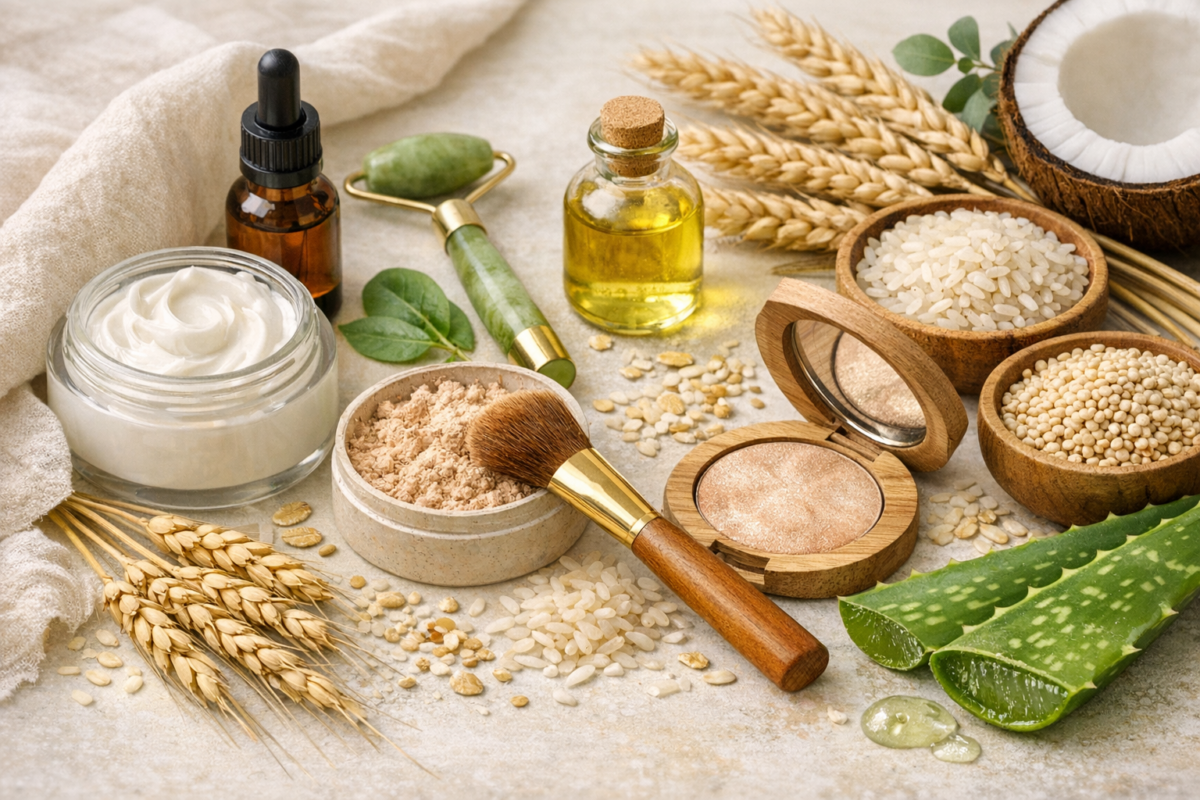
For many individuals living with celiac disease, non-celiac gluten sensitivity (NCGS), or dermatitis herpetiformis, the journey toward a gluten-free lifestyle begins in the kitchen. We learn to read labels on bread, pasta, and sauces with the precision of a detective. However, a significant and often overlooked source of gluten exposure lies just a few feet away from the pantry: the bathroom vanity. The beauty industry, while increasingly focused on clean and transparent labeling, still frequently utilizes gluten-derived ingredients in everything from volumizing mascaras to moisturizing body lotions.
Navigating the world of cosmetics while avoiding gluten can feel overwhelming. Unlike the food industry, which is governed by strict FDA labeling requirements regarding the top allergens, the cosmetic industry operates under a different set of regulations. This guide is designed to empower you with the knowledge needed to curate a beauty routine that is safe, effective, and entirely gluten-free. We will explore why gluten is used in beauty products, how to identify hidden ingredients, and how to transition your routine without sacrificing the luxury and self-care that beauty rituals provide.
Understanding Gluten’s Role in Cosmetics
It might seem strange that a protein found in wheat, barley, and rye would find its way into a bottle of shampoo or a tube of lipstick. However, gluten-derived ingredients offer several functional benefits that manufacturers prize. Wheat protein, for instance, is an excellent film-former and hair conditioner. It helps to strengthen hair strands, add volume, and improve moisture retention. In skincare, wheat germ oil is a rich source of Vitamin E and fatty acids, making it a popular choice for anti-aging creams and intensive moisturizers.
Barley and rye extracts are often used for their skin-soothing properties or as antioxidants. Even maltodextrin, which can be derived from wheat, is frequently used as a stabilizer or binding agent in powders and foundations. While these ingredients serve a purpose in the formulation, they pose a potential risk to those who must avoid gluten. The primary concern isn’t necessarily absorption through the skin—as the gluten protein molecule is generally considered too large to penetrate healthy, intact skin—but rather the risk of accidental ingestion or contact with broken skin and mucous membranes.
The Science of Absorption and Dermatitis Herpetiformis
A common question in the gluten-free community is whether gluten can actually be absorbed through the skin. Current scientific consensus suggests that for the majority of people, the gluten protein is too large to pass through the dermis into the bloodstream. However, this doesn’t mean gluten-containing skincare is universally safe. For those with Dermatitis Herpetiformis (DH), the skin manifestation of celiac disease, even topical contact can sometimes trigger a painful, itchy, blistering rash. While DH is technically triggered by the ingestion of gluten, many sufferers report that topical application exacerbates their symptoms or causes localized irritation.
Furthermore, the risk of accidental ingestion is much higher than most people realize. Think about how often you apply hand cream and then eat a sandwich, or apply lip balm and then lick your lips. Shampoo and conditioner can easily run into your mouth or eyes while showering. For children with celiac disease, who are prone to putting their hands in their mouths, the risk is even greater. For these reasons, many healthcare professionals recommend a “better safe than sorry” approach, advising those with severe sensitivities to transition to a completely gluten-free beauty routine.
Decoding Ingredient Labels: The Latin Names
One of the biggest hurdles in gluten-free beauty is that ingredients are rarely listed as “wheat” or “barley.” Instead, they are listed by their International Nomenclature Cosmetic Ingredient (INCI) names, which are often in Latin. To protect yourself, you must become familiar with these common red-flag terms:
- Triticum Vulgare: This is the Latin name for wheat. You might see it as Triticum Vulgare (Wheat) Germ Oil, Wheat Protein, or Wheat Gluten.
- Hordeum Vulgare: This refers to barley. It is often found in the form of barley extract or barley seed flour.
- Secale Cereale: This is rye, commonly used in skin-conditioning agents.
- Avena Sativa: This is oat. While oats are inherently gluten-free, they are frequently cross-contaminated with wheat during processing. In the beauty world, look for colloidal oatmeal or oat kernel oil.
- Hydrolyzed Vegetable Protein: This is a catch-all term that can frequently include wheat protein. Unless the label specifies the source (such as soy or corn), it is best to avoid it.
- Tocopherol (Vitamin E): While often derived from soy or synthetic sources, Vitamin E can also be derived from wheat germ oil. If the brand does not specify the source, a quick inquiry to the manufacturer is necessary.
The Importance of Gluten-Free Certification
Just as in the food industry, the term “gluten-free” on a cosmetic label is not always a guarantee of safety. Some brands use the term loosely, while others undergo rigorous third-party testing to ensure their products contain less than 20 parts per million (ppm) of gluten. When shopping, look for certifications from organizations like the Gluten-Free Certification Organization (GFCO). These seals indicate that the manufacturing facility and the final product have met strict standards for gluten safety.
If a product isn’t certified, look for brands that explicitly state they are a “Gluten-Free Facility.” This reduces the risk of cross-contamination, which can occur when the same machinery is used to process both gluten-containing and gluten-free ingredients. Many “clean beauty” brands are now moving toward gluten-free formulations as a standard, making it easier than ever to find high-quality options.
Prioritizing Your Transition: Lip Products and Hand Care
If you are overwhelmed by the prospect of replacing your entire beauty collection, start with the products that pose the highest risk of ingestion. Lipsticks, lip balms, lip glosses, and lip liners should be the first items you audit. Because these products are applied directly to the mouth, they are almost certainly ingested in small amounts throughout the day. Swapping these for certified gluten-free versions provides immediate peace of mind.
Next, focus on hand creams and soaps. We use our hands to prepare food, eat, and touch our faces. A gluten-containing hand lotion can easily transfer to a piece of fruit or a cracker. After these priorities, move on to products used in the shower, such as shampoo, conditioner, and body wash, which can accidentally enter the mouth or nose. Finally, audit your facial skincare and makeup, such as foundation and setting powder, which can be inhaled or absorbed through the thin skin around the eyes.
Gluten-Free Hair Care: Volume Without the Wheat
The hair care industry is one of the heaviest users of wheat protein, particularly in volumizing and strengthening products. Hydrolyzed wheat protein is a darling of hair stylists because it penetrates the hair shaft to add temporary thickness. However, for the gluten-sensitive, this can lead to scalp irritation or accidental ingestion during the rinsing process.
Fortunately, there are many gluten-free alternatives that provide the same results. Look for products that use rice protein, quinoa protein, or silk amino acids. These ingredients offer similar strengthening and volumizing benefits without the risk of gluten exposure. Many professional salon brands now offer gluten-free lines, and many drugstore “natural” brands have also removed wheat and barley from their formulas to cater to the growing demand for gluten-free personal care.
Makeup Essentials: Foundations and Powders
When it comes to makeup, the primary concern is often cross-contamination and the use of binders. Many traditional foundations and powders use wheat-derived ingredients to achieve a smooth texture or to help the product adhere to the skin. Additionally, some mascaras use wheat fibers to create a lengthening effect. For someone with celiac disease, a stray flake of mascara or a cloud of setting powder could potentially lead to an issue.
To build a safe makeup kit, look for brands that focus on mineral-based formulas. Many mineral makeup brands are naturally gluten-free because they rely on inorganic minerals like zinc oxide, titanium dioxide, and mica. However, always check the label, as some mineral brands may still add vitamin E or other botanical extracts derived from wheat. In recent years, several high-end and drugstore makeup brands have begun clearly labeling their entire lines as gluten-free, making the shopping process much more straightforward.
Practical Tips for Shopping and Brand Research
In the digital age, you don’t have to navigate the aisles alone. Several resources can help you identify gluten-free beauty products quickly:
- Smartphone Apps: Apps like SkinSafe and Think Dirty allow you to scan barcodes or search for products to see their ingredient lists and allergen profiles. SkinSafe, in particular, has a “Gluten-Free” filter that is very reliable.
- Manufacturer Websites: Most reputable beauty brands have a FAQ section on their website. If you can’t find information about gluten, use their contact form to ask specifically: “Do you use any ingredients derived from wheat, barley, or rye, and is your manufacturing facility gluten-free?”
- Support Groups: Online forums and social media groups dedicated to celiac disease often have curated lists of safe beauty brands based on member experiences and direct company inquiries.
- Read Every Time: Formulas change. Just because a mascara was gluten-free last year doesn’t mean it is this year. Always do a quick scan of the ingredients before repurchasing.
Transitioning Your Vanity Sustainably
Switching to a gluten-free beauty routine doesn’t have to happen overnight, and it doesn’t have to be wasteful. If you don’t have a severe reaction like DH, you might choose to use up your existing non-ingestible products (like eyeshadow or blush) while immediately replacing your lip products and hand creams. Once a product is finished, replace it with a gluten-free alternative.
If you feel you must get rid of products immediately for your safety, consider donating unopened items to a local women’s shelter or gifting them to friends who do not have gluten sensitivities. This ensures that the products don’t end up in a landfill while you prioritize your health. Remember, the goal is to create a safe environment for yourself, and that process can be a gradual, mindful transition rather than a stressful overhaul.
Actionable Guidance for a Gluten-Free Routine
To summarize your transition, follow these three steps: First, Audit. Take everything out of your bathroom cabinet and check for the Latin names mentioned above. Use a highlighter to mark products that are definitely safe. Second, Prioritize. Replace anything that goes on your lips or hands immediately. Third, Research. Before your next shopping trip, identify 3-4 brands that are committed to being gluten-free so you aren’t stuck reading every tiny label in the store aisle. By taking control of your beauty routine, you remove one more source of anxiety and potential illness, allowing you to focus on feeling your best both inside and out.
Navigating Professional Salon and Spa Services
While managing your personal vanity is a controlled process, stepping into a professional salon or spa introduces a new layer of complexity. The “backbar”—the large-format products professionals use during services—is often where gluten-containing ingredients hide in high concentrations. Many luxury hair masks and professional-grade shampoos rely heavily on hydrolyzed wheat protein for its ability to penetrate the hair shaft during heat-treated services. When you are in a salon, the risk of cross-contact is heightened by shared tools. Brushes, bowls used for mixing color, and even the towels used to wrap your hair can harbor residual proteins from a previous client’s wheat-based treatment.
To navigate this safely, communication is your most powerful tool. When booking an appointment, specify that you have a medical necessity for gluten-free products. Do not assume that a “natural” or “organic” salon is inherently safe; in fact, these establishments often use more grain-based botanicals than traditional salons. A common edge case is the use of “dust-free” hair lighteners or powders, which may use wheat starch as a thickening agent. If the salon cannot guarantee the safety of their products, many stylists are open to using products you bring from home. Ensure your own shampoo, conditioner, and styling creams are clearly labeled and provide them to the stylist before they head to the wash station. For spa treatments like facials, be particularly wary of the steam phase. If a mask containing wheat or barley is applied and then steamed, the resulting vapor can be inhaled or easily enter the mouth, leading to a systemic reaction in highly sensitive individuals.
The Nuances of Alcohol Sources in Cosmetics
Alcohol is a ubiquitous ingredient in the beauty world, serving as a solvent, a preservative, or a vehicle to help other ingredients penetrate the skin. However, the source of that alcohol is rarely disclosed on the label. In many cases, “Alcohol Denat” (denatured alcohol) or “Ethanol” is derived from the fermentation of grains, including wheat. While the distillation process is scientifically understood to remove the gluten protein, the purity of the final product can vary between suppliers. For those with celiac disease who adhere to a zero-tolerance policy, the ambiguity of grain-derived alcohol in a setting spray or toner can be a source of significant concern.
To mitigate this risk, look for products that specify the source of their alcohol. Some brands use alcohol derived from beets, corn, or grapes, which are naturally gluten-free. Alternatively, many modern formulations are moving toward “alcohol-free” claims, utilizing witch hazel or hydrosols as alternatives. It is also important to distinguish between simple alcohols (like ethanol) and fatty alcohols (like Cetearyl, Stearyl, and Cetyl alcohol). Despite the name, fatty alcohols are typically derived from coconut or palm oil and do not pose a gluten risk. When researching a product, if “Alcohol Denat” appears high on the ingredient list, a quick email to the manufacturer asking if the alcohol is grain-derived can provide the clarity needed to keep your routine safe.
Oral Hygiene: The High-Risk Category of Ingestibles
Perhaps the most critical area of a gluten-free beauty audit is oral care. Unlike a blush or an eyeshadow, products like toothpaste, mouthwash, and dental floss are designed for use inside the oral cavity, making the ingestion of small amounts an absolute certainty. Many commercial toothpastes use thickening agents or sweeteners that can be derived from gluten-containing grains. Sorbitol, for instance, is a sugar alcohol frequently used in toothpaste; while it can be derived from corn, it is sometimes sourced from wheat. Without a gluten-free label, it is impossible to know the origin of the raw material.
Dental floss is another surprising culprit. Some brands coat their floss in a starch-based wax to improve grip and glide, and that starch can be wheat-derived. Furthermore, the mint flavoring used in mouthwashes can sometimes be carried in a grain-based alcohol base. When you visit the dentist for a professional cleaning, the risk increases. The prophylaxis paste used to polish your teeth often contains binders and flavorings that are not regulated by food labeling laws. Always call your dental office in advance to request a gluten-free polishing paste. Many major dental supply companies now offer certified gluten-free lines specifically for patients with celiac disease. For daily use at home, switching to a brand that explicitly labels its entire oral care line as gluten-free is the most effective way to prevent chronic, low-level gluten exposure.
Identifying Less Common Gluten-Derived Grains
While wheat, barley, and rye are the primary offenders, the rise of “ancient grain” beauty trends has introduced several other gluten-containing ingredients to the market. Spelt, Kamut, and Triticale are increasingly found in artisanal soaps, exfoliating scrubs, and “superfood” face masks. Spelt, listed as Triticum spelta, is a subspecies of wheat and contains a significant amount of gluten. Kamut, or Khorasan wheat, is often marketed as a more nutritious alternative to common wheat, but for those with celiac disease, it is just as dangerous and will appear on labels as Triticum turgidum.
Triticale is a cross between wheat and rye, often used in skin-conditioning agents for its high mineral content. These ingredients are frequently found in products marketed as “farm-to-face” or “raw,” where the focus is on minimally processed plant extracts. When shopping these niche categories, you must look beyond the standard red flags. Even “malt extract,” which is usually derived from barley, can appear in anti-aging serums due to its high antioxidant profile. If you see a botanical name you don’t recognize, particularly one starting with Triticum, Hordeum, or Secale, it is almost certainly a gluten source. Being aware of these “cousins” of common wheat ensures that your search for natural beauty doesn’t inadvertently lead to a gluten exposure.
Sun Protection and Seasonal Skincare Challenges
Sunscreen presents a unique set of challenges for the gluten-sensitive consumer. Because sunscreen must be applied liberally and frequently, and often in environments like the beach or pool where we are also eating, the risk of hand-to-mouth transfer is exceptionally high. Many waterproof sunscreens utilize “Wheat Germ Glycerides” or various wheat-based cross-polymers to help the product adhere to the skin even when wet. These film-forming agents are effective at keeping the SPF in place, but they are difficult to wash off the hands before handling food.
Spray sunscreens introduce an additional risk: inhalation. When you spray a mist of sunscreen, a portion of that product becomes airborne. If the formula contains gluten-derived ingredients, you are potentially inhaling those proteins, which then settle in the back of the throat and are swallowed. For this reason, lotion-based sunscreens are generally considered a safer choice for those with high sensitivity. Additionally, be mindful of seasonal products like self-tanners. Many sunless tanning lotions use erythrulose (a raspberry-based sugar) combined with wheat-derived stabilizers to ensure an even tan. Always check the labels of your seasonal products, as they are often replaced less frequently and their ingredients may be overlooked during your initial vanity audit.
Men’s Grooming and the Proximity of Exposure
The men’s grooming market has exploded in recent years, with a focus on beard care, heavy-duty pomades, and specialized shaving creams. For men with celiac disease or DH, these products pose a high risk due to their proximity to the mouth and nose. Beard oils and balms are designed to stay on the facial hair all day; if these contain wheat germ oil or barley extract for conditioning, the wearer is essentially hovering over a gluten source for hours. Every time you touch your beard or mustache, you risk transferring those proteins to your fingers and then to your food.
Shaving creams and aftershaves also frequently use gluten-derived ingredients. Wheat protein is a common additive in shaving foams to help the hair stand up for a closer shave, while barley is often used in aftershaves for its anti-inflammatory and skin-soothing properties. Because shaving often causes micro-abrasions or small nicks in the skin, these products are applied directly to broken skin, which can be a trigger for Dermatitis Herpetiformis or localized irritation. Men should look for grooming brands that prioritize simple, oil-based formulas using jojoba, argan, or cedarwood oil, which provide excellent conditioning without the need for grain-based proteins.
Cross-Contamination in Shared Manufacturing Spaces
A product can be free of gluten-containing ingredients on the label but still contain trace amounts of gluten due to the manufacturing process. In the cosmetic industry, it is standard practice for third-party manufacturers to produce items for dozens of different brands on the same equipment. If a facility processes a wheat-based body scrub in the morning and a “gluten-free” facial lotion in the afternoon, there is a risk of cross-contamination if the cleaning protocols are not medical-grade. For most people, this trace amount (often measured in parts per million) may not cause a reaction, but for those with extreme sensitivity, it can be the missing link in why they aren’t feeling 100%.
To truly minimize risk, look for brands that own their manufacturing facilities or those that perform batch testing for gluten. When a brand states they are “certified gluten-free,” it usually means they have verified that the final product contains less than 20ppm of gluten, accounting for any cross-contamination that may have occurred during production. If a brand uses the phrase “may contain traces of wheat,” this is a voluntary disclosure and usually indicates that the product is made on shared equipment. While the FDA does not require these “may contain” statements on cosmetics, many transparent brands are beginning to include them to help consumers make informed decisions. If you are highly reactive, prioritizing brands that operate in dedicated gluten-free facilities is the gold standard for safety.
Frequently Asked Questions
1. Is it necessary for everyone with celiac disease to use gluten-free shampoo?
While the gluten protein cannot be absorbed through the scalp, many people with celiac disease choose gluten-free shampoo to avoid accidental ingestion. Water and suds can easily run into the mouth or nose during rinsing. If you find you are still experiencing symptoms despite a strict diet, or if you have a sensitive scalp, switching to a gluten-free shampoo is a wise precautionary measure.
2. Can “fragrance” or “parfum” contain gluten?
Yes, it is possible. The term “fragrance” is a proprietary label that can hide hundreds of different chemicals and botanical extracts. Occasionally, these can be derived from grain alcohols or other gluten-containing sources. If a brand is not specifically labeled gluten-free, and you have a high sensitivity, it is best to choose fragrance-free products or brands that disclose their fragrance sources.
3. Are “cruelty-free” or “vegan” products automatically gluten-free?
No. These labels refer to different standards. “Cruelty-free” means no animal testing, and “vegan” means no animal-derived ingredients (like beeswax or carmine). Many vegan products actually use more plant-based proteins, including wheat and barley, to replace animal proteins. Always check for gluten specifically, regardless of other ethical labels.
4. What should I do if I use a product and then realize it contains wheat?
Don’t panic. If it was a topical product like a lotion, wash it off thoroughly with a known gluten-free soap. If it was a lip product, wipe it off and rinse your mouth. Monitor yourself for symptoms. For most, a single topical exposure won’t cause a full systemic reaction, but it is a good reminder to stay vigilant with label reading in the future.
5. Is Vitamin E (Tocopherol) always a hidden source of gluten?
Not always. Tocopherol can be derived from many sources, including soy, sunflower seeds, or synthetic processes, which are all gluten-free. However, it can also be derived from wheat germ oil. If a product contains Tocopherol and is not labeled gluten-free, contact the manufacturer to confirm the source of their Vitamin E.
Related posts:
 Blow Drying Hair Without Damage: Expert Tips
 High-Protein Foods That Pack a Serious Nutritional Punch
 Beyond Breakfast: The Plant-Based Sausage That’s Changing the Morning Game
 The Bowl Method for Curly Hair
 Hair Slugging Beauty Trend Guide
 The Surprising Benefits of Barley Tea
 Should You Wash Your Hair After Every Gym Session?
 Embracing Arm Hair: Body Positivity Movement