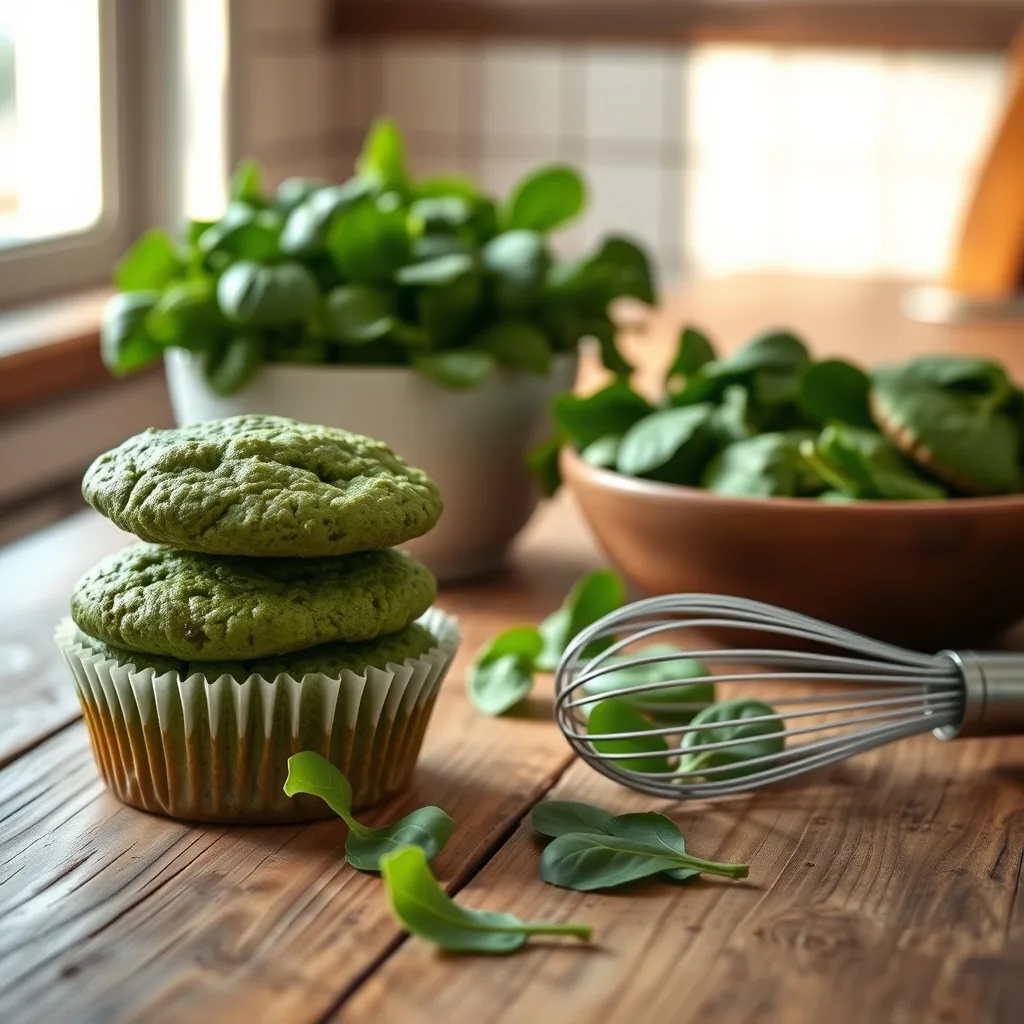
Gluten‑free baking can feel like a maze of special flours, binding agents, and texture tricks, but the right recipe makes it feel as simple as a weekend brunch. These gluten‑free spinach muffins combine the bright, earthy flavor of fresh spinach with a tender, cake‑like crumb that’s perfect for a quick breakfast, a snack on the go, or a light lunch paired with a salad. The recipe uses a blend of naturally gluten‑free flours, a modest amount of almond meal for moisture, and a few pantry staples, so you don’t need a specialty store run to pull it off. Follow the step‑by‑step guide, learn why each ingredient matters, and discover tips for customizing the muffins to suit your taste or dietary needs.
Key takeaways
- Use a 2:1:1 ratio of starch, protein flour, and nut flour for the best gluten-free texture.
- Squeeze wilted spinach thoroughly to remove excess moisture and prevent soggy muffins.
- Avoid over-mixing the batter to maintain a light, tender crumb in the absence of gluten.
- Store muffins in a sealed container for three days or freeze individually for up to three months.
Why Choose Gluten‑Free Spinach Muffins?
Spinach brings more than just a splash of color. It’s packed with vitamins A, C, and K, as well as iron, magnesium, and folate—nutrients that support energy production, immune health, and bone strength. When you pair spinach with gluten‑free flours, you create a muffin that delivers a balanced mix of protein, healthy fats, and complex carbs without the gluten that can trigger sensitivities for many people. The result is a muffin that feels indulgent but fuels you with steady energy, making it a smart choice for busy mornings or post‑workout refueling.
Essential Ingredients and Their Roles
- Gluten‑free all‑purpose flour blend (1 ½ cups): Provides the base structure. Look for a blend that already contains xanthan gum or add ¼ teaspoon yourself.
- Almond meal (½ cup): Adds moisture, a subtle nutty flavor, and healthy monounsaturated fats.
- Fresh spinach (2 cups packed, roughly 60 g): Supplies color, vitamins, and a slight earthy note.
- Eggs (2 large): Bind the batter and give lift. For a vegan version, substitute each egg with ¼ cup unsweetened applesauce or a flax‑egg.
- Greek yogurt (½ cup, plain): Contributes moisture and a tender crumb while adding a boost of protein.
- Olive oil (¼ cup) or melted coconut oil: Adds richness without dairy.
- Honey or maple syrup (2 tablespoons): Lightly sweetens the muffins, balancing the savory spinach.
- Baking powder (2 teaspoons) and baking soda (½ teaspoon): Provide leavening for a light rise.
- Salt (½ teaspoon) and black pepper (¼ teaspoon): Enhance flavor depth.
- Optional add‑ins (½ cup total): Crumbled feta, grated Parmesan, sun‑dried tomatoes, or toasted pine nuts for extra texture and taste.
All ingredients are widely available and can be swapped to accommodate dairy‑free, vegan, or lower‑fat preferences without compromising the muffin’s structure.
Equipment You’ll Need
- Standard 12‑cup muffin tin (silicone or metal with paper liners)
- Digital kitchen scale (for precise flour measurement)
- Large mixing bowl and a medium bowl
- Hand whisk or electric mixer
- Spatula
- Microplane or fine grater (if using fresh cheese)
- Steamer basket or microwave‑safe bowl (to wilt spinach quickly)
Step‑by‑Step Instructions
- Preheat and prepare: Set the oven to 375 °F (190 °C). Lightly grease the muffin tin or line with paper liners. This temperature yields a golden top while keeping the interior moist.
- Wilt the spinach: Place the fresh spinach in a steamer basket over boiling water for 1–2 minutes, just until wilted. Alternatively, microwave in a covered bowl for 45 seconds. Transfer to a clean kitchen towel, squeeze out excess water, then finely chop.
- Mix dry ingredients: In a large bowl, whisk together the gluten‑free flour blend, almond meal, baking powder, baking soda, salt, and pepper. Ensure there are no lumps; this step is crucial for an even crumb.
- Combine wet ingredients: In a separate medium bowl, beat the eggs, then whisk in the Greek yogurt, olive oil, honey, and vanilla extract (optional). The mixture should be smooth and slightly thick.
- Incorporate spinach and optional add‑ins: Fold the chopped spinach into the wet mixture. If using cheese, nuts, or sun‑dried tomatoes, add them now.
- Bring together: Pour the wet mixture into the dry ingredients. Using a spatula, gently fold until just combined—over‑mixing can lead to dense muffins.
- Scoop and bake: Divide the batter evenly among the 12 muffin cups, filling each about three‑quarters full. Bake for 18–22 minutes, or until a toothpick inserted into the center comes out clean and the tops are lightly golden.
- Cool and serve: Allow muffins to cool in the tin for 5 minutes, then transfer to a wire rack. Serve warm or at room temperature.
These muffins store well in an airtight container for up to three days, or they can be frozen (wrapped individually) for up to three months.
Tips for Perfect Texture and Flavor
- Don’t over‑mix: Gluten‑free flours lack the elasticity of wheat flour, so a gentle fold preserves a light crumb.
- Measure flour by weight: One cup of gluten‑free flour can vary in density. Using a scale (≈180 g for 1 ½ cups) ensures consistency.
- Moisture balance: If the batter looks too thick, add a tablespoon of almond milk or water. If too runny, sprinkle a little extra flour.
- Enhance savory notes: A pinch of garlic powder or a dash of smoked paprika adds depth without overwhelming the spinach.
- Golden tops: For a shinier crust, brush the muffin tops with a quick glaze of olive oil mixed with a tiny splash of honey before baking.
- Check doneness early: Oven temperatures vary; start checking at 16 minutes. Over‑baking dries the interior.
Creative Variations and Add‑Ins
Once you master the base recipe, you can tailor the muffins to seasonal produce or personal cravings:
- Cheesy Spinach: Fold in ¼ cup crumbled feta or grated sharp cheddar for a richer flavor.
- Herb‑Infused: Add 1 tablespoon chopped fresh basil or dill for a fragrant twist.
- Protein Boost: Stir in ¼ cup cooked quinoa or chickpea flour for extra plant protein.
- Sweet‑Savory Combo: Mix in ¼ cup dried cranberries or chopped apricots and a sprinkle of cinnamon for a breakfast‑friendly version.
- Vegan Adaptation: Replace eggs with flax‑eggs (2 tablespoons ground flaxseed + 6 tablespoons water, set 5 minutes) and use coconut yogurt instead of Greek yogurt.
Each variation maintains the gluten‑free integrity while expanding the flavor palette, allowing you to keep the muffins exciting week after week.
Storing, Reheating, and Freezing
Short‑term storage: Place cooled muffins in a sealed container at room temperature. A slice of bread on top of the container lid can help retain moisture.
Refrigeration: For longer freshness (up to 5 days), store in the fridge. Warm in a toaster oven or microwave for 20–30 seconds before eating.
Freezing: Wrap each muffin individually in parchment paper, then place them in a zip‑top freezer bag. When ready to eat, thaw at room temperature for 30 minutes or microwave on low power for 45 seconds. For a freshly‑baked feel, reheat in a preheated oven at 350 °F (175 °C) for 5 minutes.
Nutritional Snapshot (per muffin, based on 12 muffins)
- Calories: ~180 kcal
- Protein: 6 g
- Carbohydrates: 18 g (Fiber: 2 g, Sugar: 4 g)
- Fat: 9 g (Saturated: 1.5 g)
- Calcium: 70 mg
- Iron: 1.2 mg
These numbers are estimates; exact values depend on specific brands and optional add‑ins. The muffins provide a balanced macronutrient profile suitable for a light meal or snack.
Understanding Gluten‑Free Flour Blends: Choosing the Right Mix for Muffins
Gluten‑free baking is not a one‑size‑fits‑all endeavor; the chemistry of each flour influences crumb, rise, and flavor. A well‑balanced blend for muffins typically combines a starchy component (such as rice flour or tapioca starch) with a protein‑rich flour (like chickpea, sorghum, or millet) and a fat‑binding element (often almond or coconut flour). Starches provide the lightness that mimics wheat’s gluten network, while protein flours contribute structure and a subtle nutty backdrop. For the spinach muffins, a 2:1:1 ratio—two parts starch, one part protein flour, one part nut flour—creates a tender yet sturdy crumb.
When selecting a commercial blend, read the label for added gums. Xanthan gum, guar gum, or psyllium husk act as surrogate gluten, trapping air bubbles during baking. If your blend lacks a gum, add ¼ teaspoon per cup of flour; too much gum can make the texture gummy, so start low and adjust. For bakers who enjoy customizing, try a DIY blend: 1 cup white rice flour, ½ cup sorghum flour, ¼ cup almond flour, and ¼ teaspoon xanthan gum. This mix yields a neutral flavor that lets the spinach and optional herbs shine.
Edge‑case considerations include altitude and humidity. At higher elevations (above 3,000 ft), the reduced air pressure can cause muffins to rise too quickly and then collapse. Counter this by decreasing the leavening agents by ¼ teaspoon and increasing the liquid (milk or water) by 1–2 tablespoons. In humid climates, flour can absorb excess moisture; store your blend in an airtight container with a silica packet and consider reducing added liquids by a tablespoon.
Finally, be mindful of cross‑contamination. Even if a flour is labeled gluten‑free, it may be processed in a facility that also handles wheat. For those with celiac disease, opt for certified gluten‑free brands and keep your flour away from conventional wheat products in the pantry.
Optimizing Spinach Preparation: From Fresh to Freeze‑Dried
Spinach is the star of the muffin, but its water content can be a hidden culprit for soggy interiors. Fresh spinach, when wilted, releases a surprising amount of liquid; squeezing it too aggressively can strip away flavor, while leaving excess moisture can weigh down the batter. A two‑step approach—blanching followed by a gentle press—captures the vibrant green while controlling water.
Start by bringing a pot of salted water to a boil, submerging the leaves for 30 seconds, then plunging them into an ice‑water bath. This shock locks in chlorophyll, preserving the bright hue. Pat the leaves dry with a clean kitchen towel, then place them in a fine‑mesh sieve and press with a heavy skillet for 1–2 minutes. The result is a spinach puree that is only 30 % of its original volume, dramatically reducing the moisture load.
For those who bake year‑round or live in areas where fresh spinach is scarce, freeze‑dried spinach offers a convenient alternative. Rehydrate a tablespoon of freeze‑dried spinach in 2 tablespoons of warm water for 5 minutes, then drain any residual liquid. Freeze‑dried spinach retains a concentrated flavor, so you may use slightly less than the fresh‑leaf recommendation. The texture of the final muffin will be a touch denser, but the flavor intensity often compensates.
Edge cases include baby spinach versus mature leaves. Baby spinach has a milder taste and lower oxalic acid, making it ideal for a subtle flavor profile. Mature spinach brings a stronger earthy note and a higher mineral content, which can be desirable in savory‑focused muffins. Adjust seasoning accordingly—more garlic or lemon zest can balance the robust flavor of mature leaves.
Advanced Binding Techniques: Egg Substitutes and Their Impact on Texture
Eggs provide structure, leavening, and moisture, but they are also a common allergen and a point of contention for vegans. Understanding how each substitute interacts with gluten‑free flours helps you maintain the delicate crumb while tailoring the recipe to dietary needs.
Flax‑Eggs: Combine 1 tablespoon ground flaxseed with 3 tablespoons water; let it gel for 5 minutes. The mucilaginous coating mimics egg whites, creating a slightly denser crumb. Flax adds omega‑3 fatty acids and a faint nutty flavor, which pairs well with almond meal.
Chia‑Eggs: Use the same 1:3 ratio as flax, but with chia seeds. Chia holds more water, producing a moister interior. However, the tiny seeds can add a subtle crunch; if a smoother texture is desired, blend the chia‑egg before incorporating it into the batter.
Applesauce: Replace each egg with ¼ cup unsweetened applesauce. This adds sweetness and moisture but reduces lift, so increase the baking powder by ½ teaspoon. Applesauce works best when the muffins are intended to be slightly sweet, such as a breakfast version with dried fruit.
Silken Tofu: Blend ¼ cup silken tofu until smooth for each egg. Tofu contributes protein without altering flavor, making it a neutral binder. Because tofu is dense, you may need to add an extra tablespoon of oil to keep the crumb tender.
Edge‑case scenarios arise when using multiple substitutes together. For instance, a flax‑egg combined with applesauce can yield a batter that is overly wet; counterbalance by adding an extra tablespoon of gluten‑free flour or reducing the yogurt by a tablespoon. Experimentation is encouraged, but always record the ratios for reproducibility.
Flavor Layering: Herbs, Spices, and Umami Boosters
The basic recipe offers a gentle savory backdrop, but a thoughtful layering of aromatics can transform the muffins from ordinary to restaurant‑quality. Herbs such as dill, tarragon, or mint bring brightness, while spices like smoked paprika, cumin, or nutmeg add depth.
Herb Pairings:
- Dill + Lemon Zest: Finely chop 1 tablespoon fresh dill and add ½ teaspoon lemon zest to the wet mixture. The citrus lifts the earthy spinach, perfect for a brunch spread.
- Fresh Basil + Sun‑Dried Tomatoes: Roughly chop 1 tablespoon basil and fold in ¼ cup chopped sun‑dried tomatoes (re‑hydrated). The sweet‑tart tomatoes complement the herbaceous basil, creating a Mediterranean bite.
- Mint + Feta: Combine 1 teaspoon minced mint with ¼ cup crumbled feta for a refreshing, tangy profile that works well with a side of cucumber salad.
Spice Enhancements:
- Smoked Paprika: Add ¼ teaspoon for a subtle smoky note that pairs beautifully with toasted pine nuts.
- Ground Cumin: A pinch (≈⅛ teaspoon) introduces an earthy warmth, especially effective when combined with a dash of coriander.
- Nutmeg: Just a pinch can accentuate the sweet undertones of the spinach, ideal for a sweet‑savory hybrid muffin.
Umami Boosters:
- Nutritional Yeast: Sprinkle 1 tablespoon into the batter for a cheesy, nutty depth without dairy.
- Miso Paste: Dissolve ½ teaspoon white miso in the yogurt before mixing; it adds a salty‑savory complexity that works well with a drizzle of tahini after baking.
- Soy Sauce or Tamari: Replace ¼ teaspoon of salt with an equal amount of tamari for a richer, layered saltiness.
When combining multiple flavor agents, keep balance in mind. A rule of thumb: for every strong element (e.g., miso), introduce a milder counterpart (e.g., lemon zest) to prevent the muffin from becoming one‑dimensional. Taste the wet mixture before adding the flour; a quick spoonful should be pleasantly seasoned but not overwhelming.
Batch Scaling and Portion Control: Making Larger or Mini Muffin Batches
Whether you’re feeding a crowd or preparing snack‑size portions for a kid’s lunchbox, scaling the recipe requires more than multiplying ingredients. Gluten‑free batters are sensitive to changes in liquid‑to‑flour ratios, and the surface‑to‑volume ratio of a muffin influences browning and crumb structure.
Doubling the Recipe: Multiply each ingredient by two, but increase the leavening agents (baking powder and soda) by only 1½ times to avoid excessive rise and collapse. For example, 2 teaspoons of baking powder become 3 teaspoons. Add the extra batter to a pre‑heated oven in two batches rather than one, allowing the oven to recover its temperature between trays.
Mini Muffins: Use a 24‑cup mini muffin tin. Reduce the batter per cup to about 2 tablespoons. Because mini muffins bake faster, lower the oven temperature to 350 °F (175 °C) and check for doneness at 10 minutes. The smaller size concentrates flavors, so consider adding a pinch more salt or a drizzle of glaze after baking to accentuate the crust.
Pan‑Style Baking: If you lack a muffin tin, bake the batter in a greased 9‑inch square pan. The result will be a dense, cake‑like slab that can be cut into bars. Increase the baking time by 5–7 minutes and cover the top with foil after 15 minutes to prevent over‑browning.
Portion Control Tips:
- Use a cookie scoop (¼‑cup) for consistent muffin size; uneven portions lead to uneven baking.
- Label each batch with the date and any variations (e.g., “cheese‑plus‑basil”) to track flavor preferences.
- When freezing, wrap each muffin individually in parchment before bagging; this prevents them from sticking together and makes portion retrieval effortless.
Edge cases include high‑altitude scaling. At 5,000 ft, increase the flour by 2–3 tablespoons per doubled batch and reduce the baking soda by ⅛ teaspoon to maintain structure.
Troubleshooting Common Issues: Crumb, Rise, and Moisture Problems
Even with a perfect recipe, variables such as oven calibration, ingredient freshness, and mixing technique can cause unexpected outcomes. Below is a diagnostic guide to help you pinpoint and correct issues.
Problem: Dense, gummy crumb
- Cause: Over‑mixing or insufficient leavening.
- Solution: Fold batter until just combined; use a rubber spatula rather than a whisk for the final incorporation. Verify that your baking powder is still active by dropping a teaspoon into warm water—bubbles indicate potency.
Problem: Flat tops or cracked surfaces
- Cause: Oven temperature too low or batter too wet.
- Solution: Pre‑heat the oven with an oven thermometer to ensure 375 °F is accurate. If the batter resembles a thick pancake batter, thin it with 1–2 tablespoons almond milk. Adding a glaze of oil and honey before baking can also keep the top supple.
Problem: Dry, crumbly interior
- Cause: Over‑baking or insufficient moisture.
- Solution: Reduce baking time by 2–3 minutes and check with a toothpick. Incorporate an extra tablespoon of yogurt or a splash of milk to increase moisture. For frozen‑store muffins, reheat at 300 °F wrapped in foil to retain softness.
Problem: Bitter aftertaste
- Cause: Over‑use of almond meal or bitter greens (mature spinach can have higher oxalic acid).
- Solution: Cut almond meal to ¼ cup and increase the flour blend proportionally. Add a pinch of baking soda to neutralize acidity, and finish with a drizzle of maple syrup to balance the flavor.
Problem: Muffins stick to the pan
- Cause: Inadequate greasing or use of a non‑non‑stick pan.
- Solution: Lightly coat each cup with a spray of neutral oil and dust with a teaspoon of gluten‑free flour before adding batter. Silicone tins usually release easily, but a quick tap after cooling for 5 minutes ensures a clean lift.
By systematically checking each variable—mixing method, leavening freshness, oven temperature, and moisture balance—you can transform a sub‑par batch into a consistently excellent product.
Sustainable Practices: Reducing Waste and Using Leftover Ingredients
Gluten‑free baking often involves specialty ingredients that can feel expensive, but thoughtful kitchen management turns leftovers into flavor boosters and minimizes waste.
Utilizing Excess Spinach: If you have more spinach than the recipe calls for, blend the surplus into a green pesto (spinach, garlic, olive oil, lemon juice, and a handful of nuts). Swirl a tablespoon of this pesto into the batter for a marbled effect, or use it as a topping after baking for an extra burst of freshness.
Repurposing Stale Almond Meal: Toast stale almond meal in a dry skillet over low heat for 3 minutes; the aroma will revive. Then, grind it finer in a food processor to restore a smoother texture. If the almond meal has become too oily, blend it with a small amount of oat flour to absorb excess moisture.
Yogurt Conservation: Leftover Greek yogurt can be frozen in ice‑cube trays. One cube (≈¼ cup) is perfect for a single batch, and the frozen cubes keep the yogurt’s tang while extending shelf life.
Zero‑Waste Egg Substitute: The pulp left after making flax‑eggs can be dehydrated at 200 °F for 30 minutes, then ground into a fine flour. This “flax pulp flour” adds fiber to smoothies or can be mixed into oatmeal, ensuring nothing goes to the trash.
Packaging and Storage: Instead of disposable paper liners, use silicone muffin cups that are dishwasher‑safe and reusable. For short‑term storage, place a damp paper towel over the muffins in the container; the towel releases moisture slowly, preventing the crumb from drying out.
Adopting these practices not only cuts cost but also aligns the baking process with environmental stewardship—an added feel‑good factor that complements the nutritious profile of the spinach muffins.
Frequently Asked Questions
- Can I use frozen spinach instead of fresh?
- Yes. Thaw the frozen spinach, squeeze out excess moisture, and chop finely. Because frozen spinach is more concentrated, you may need to reduce the added liquid by a tablespoon to keep the batter from becoming too wet.
- What if I don’t have almond meal?
- You can substitute an equal amount of oat flour or additional gluten‑free flour. The texture will be slightly less moist, so consider adding a teaspoon of extra oil or yogurt.
- Are these muffins suitable for a low‑carb diet?
- The base recipe contains about 18 g of carbs per muffin, largely from the flour blend. For a lower‑carb version, replace half of the gluten‑free flour with coconut flour (which absorbs more liquid) and increase the almond meal proportion. Adjust the liquid accordingly to avoid a dry batter.
- How do I prevent the tops from cracking?
- Cracks often result from over‑mixing or over‑baking. Ensure you fold the batter gently and set a timer to check for doneness at the earliest suggested time. Adding a thin glaze of oil/honey before baking also helps keep the surface supple.
- Can I make a dairy‑free version without compromising flavor?
- Absolutely. Substitute Greek yogurt with coconut‑milk yogurt or a blend of silken tofu and a splash of lemon juice for tang. Use dairy‑free cheese alternatives or omit cheese entirely; the spinach and herbs still provide plenty of flavor.
Related posts:
 These healthy gluten-free cornbread muffins deserve a spot on your brunch table
 Everything Bagel Muffins: A Savory Recipe
 Matcha Banana Bread Recipe That’s Actually Healthy
 Why Gluten-Free Brownies Are a Healthy Choice
 Fluffy Japanese Pancakes That Will Make Your Weekend Morning Perfect
 Egg Frittata Muffins Recipe
 Almond Flour or Meal: How to Use It and Where to Get It
 Guilt-Free Cinnamon Roll Recipe