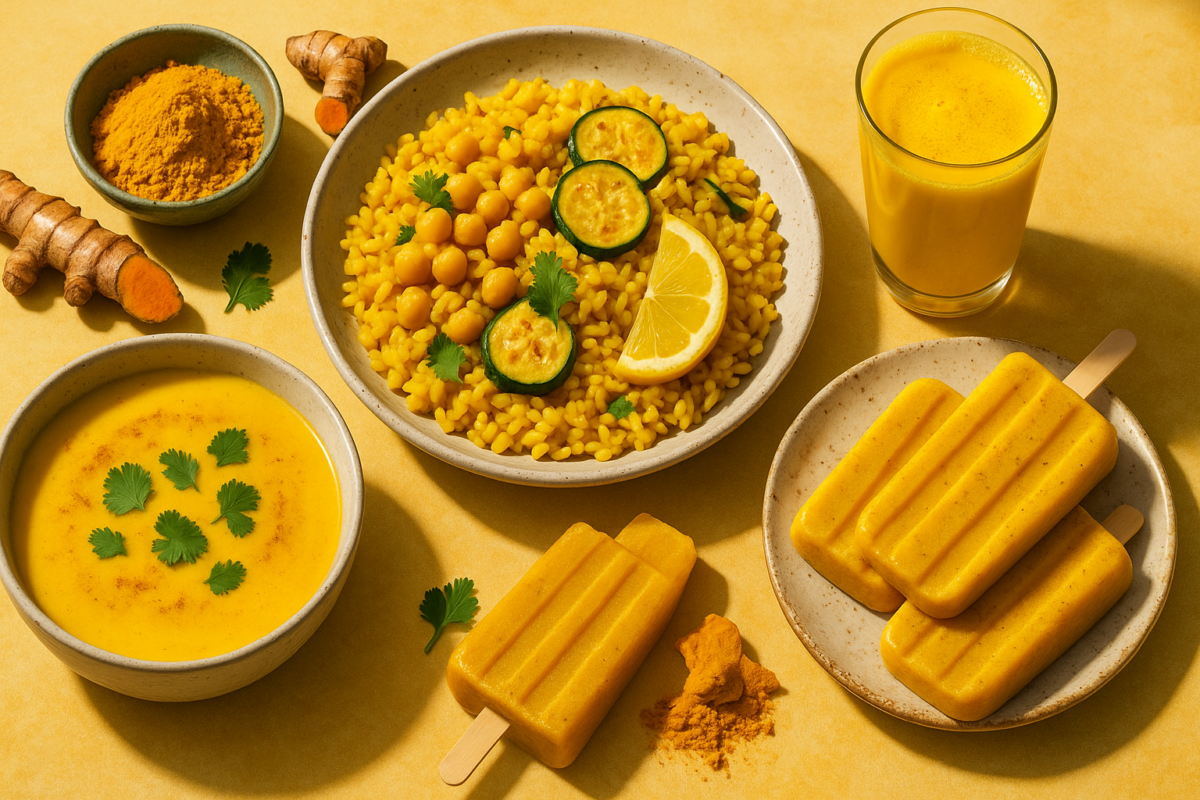
As the sun climbs higher and days stretch longer, our kitchens call for a seasonal shift. While summer often leans toward light salads and cool beverages, there’s room for warmth and depth without heaviness. Enter turmeric—the golden-hued root that’s more than just a trendy superfood. This summer, let’s move beyond the standard turmeric latte and explore how this vibrant spice can transform your warm-weather cooking with brightness, anti-inflammatory benefits, and unexpected versatility.
Turmeric’s earthy, slightly bitter notes might seem wintry at first glance, but when paired with summer’s bounty—ripe tomatoes, crisp cucumbers, juicy citrus, and fresh herbs—it creates harmonious balances that feel both nourishing and refreshing. The key is in the preparation: using fresh turmeric root when possible, pairing it with black pepper to boost absorption, and combining it with complementary flavors that let its unique character shine without overpowering dishes.
The Golden Foundation: Understanding Turmeric’s Summer Potential
Before we dive into recipes, let’s consider why turmeric deserves a permanent spot in your summer pantry. The active compound curcumin gives turmeric its signature color and most of its researched benefits, which include antioxidant and anti-inflammatory properties. While turmeric won’t single-handedly transform your health, incorporating it regularly as part of a balanced diet contributes to overall wellness.
Summer brings unique opportunities for turmeric integration. The spice pairs exceptionally well with ingredients that thrive in warmer months: think tropical fruits like mango and pineapple, cooling herbs like mint and cilantro, and the acidity of citrus and tomatoes. These combinations help mellow turmeric’s earthiness while creating complex, layered flavors perfect for light meals.
When shopping, you’ll encounter both ground turmeric and fresh turmeric root. Ground turmeric offers convenience and consistent flavor, while fresh root provides brighter, more nuanced notes. For summer cooking, I recommend keeping both on hand—use ground for marinades and dry rubs where it will blend evenly, and fresh for dressings, beverages, and dishes where you want that fresh, vibrant kick.
Morning Sunshine: Turmeric Breakfasts That Won’t Weigh You Down
Summer mornings call for breakfasts that energize without leaving you sluggish in the heat. These turmeric-infused options provide sustained energy while keeping things light and refreshing.
Golden Chia Pudding with Summer Berries
Combine ¼ cup chia seeds with 1 cup coconut milk, 1 teaspoon ground turmeric, ½ teaspoon cinnamon, 1 tablespoon maple syrup, and a pinch of black pepper. Whisk thoroughly and refrigerate overnight. In the morning, layer with mixed summer berries (raspberries, blueberries, sliced strawberries) and top with toasted coconut flakes. The turmeric adds subtle warmth that complements the sweet-tart berries beautifully.
Turmeric Summer Smoothie Bowl
Blend 1 frozen banana, ½ cup frozen mango chunks, 1 tablespoon fresh turmeric (peeled), ½ teaspoon fresh ginger, 1 cup spinach, ¾ cup almond milk, and 1 tablespoon hemp seeds until completely smooth. Pour into a bowl and top with sliced kiwi, pumpkin seeds, and a drizzle of honey. The vibrant yellow color makes this as visually appealing as it is nourishing.
Golden Hydration: Refreshing Turmeric Beverages for Hot Days
Staying hydrated takes center stage in summer, and turmeric can transform ordinary drinks into flavorful, functional elixirs.
Sunset Iced Turmeric Tea
Steep 2 teaspoons loose-leaf hibiscus tea and 1 teaspoon fresh grated turmeric in 4 cups hot water for 10 minutes. Strain and let cool completely. Add juice of 1 orange, 2 tablespoons honey, and plenty of ice. Serve with orange slices and mint sprigs. The hibiscus provides tartness that balances turmeric’s earthiness, creating a stunning ruby-gold beverage.
Golden Lemonade Sparkler
Make a turmeric syrup by simmering 1 cup water, 1 cup honey, and 2 tablespoons fresh grated turmeric for 10 minutes. Strain and cool. For each serving, combine 2 tablespoons syrup, juice of ½ lemon, and ice in a glass. Top with sparkling water and garnish with lemon wheel and turmeric slice. This offers a sophisticated twist on classic lemonade that’s perfect for afternoon refreshment.
Vibrant Salads: Adding Warmth to Cool Summer Meals
Salads dominate summer menus, and turmeric can add dimension without heaviness through dressings and marinades.
Golden Goddess Potato Salad
Boil 2 pounds baby potatoes until tender. While warm, toss with dressing made from ½ cup Greek yogurt, 2 tablespoons olive oil, 1 tablespoon fresh grated turmeric, 1 tablespoon Dijon mustard, 2 teaspoons honey, and 2 tablespoons chopped dill. Add ¼ cup chopped scallions and 2 hard-boiled eggs (chopped). Chill before serving. This lighter take on potato salad gets its vibrant color and flavor from turmeric rather than mayonnaise.
Turmeric-Lime Watermelon Salad
Combine 4 cups cubed watermelon, 1 cup crumbled feta, ½ cup mint leaves, and ¼ cup sliced red onion. Whisk together dressing from 3 tablespoons lime juice, 2 tablespoons olive oil, 1 teaspoon ground turmeric, 1 teaspoon honey, and salt to taste. Drizzle over salad just before serving. The turmeric enhances the sweetness of watermelon while adding subtle complexity.
Main Event: Light Turmeric-Infused Entrées
Evening meals in summer should satisfy without requiring hours in a hot kitchen. These turmeric-based dishes come together quickly while delivering impressive flavor.
Turmeric Coconut Fish Packets
Place 4 white fish fillets (like cod or halibut) on parchment squares. Top each with 2 tablespoons coconut milk, 1 teaspoon fresh grated turmeric, 1 sliced scallion, 3 thin lemon slices, and salt. Seal packets tightly and bake at 400°F for 15-18 minutes. Serve over rice with steamed summer vegetables. The steam cooking method keeps fish tender while infusing it with golden flavor.
Golden Summer Vegetable Skewers
Thread chunks of zucchini, bell peppers, red onion, cherry tomatoes, and pineapple onto skewers. Brush with marinade made from ¼ cup olive oil, 2 tablespoons lemon juice, 1 tablespoon fresh grated turmeric, 2 garlic cloves (minced), 1 teaspoon smoked paprika, and salt. Grill over medium heat, turning occasionally, until vegetables are tender and slightly charred. Serve with yogurt sauce for dipping.
Golden Condiments: Flavor Boosters for Everyday Meals
Having turmeric-enhanced condiments ready in your refrigerator means you can add golden goodness to any meal with minimal effort.
Sunshine Turmeric Pickles
Thinly slice 1 English cucumber and ½ red onion. Pack into a jar with 1 tablespoon fresh turmeric slices. Bring 1 cup vinegar (rice or apple cider), 1 cup water, 2 tablespoons honey, 1 tablespoon salt, and 1 teaspoon mustard seeds to a boil. Pour hot liquid over vegetables, cool, then refrigerate 24 hours before using. These pickles add crunch and brightness to sandwiches, burgers, and grain bowls.
Golden Herb Sauce
Blend 1 cup parsley, ½ cup cilantro, ¼ cup mint, 2 tablespoons fresh turmeric (peeled), 1 garlic clove, juice of 1 lemon, ½ cup olive oil, and salt until smooth. This vibrant green-gold sauce elevates grilled proteins, roasted vegetables, or simply served with crusty bread.
Sweet Endings: Turmeric Desserts That Surprise
Turmeric might not be your first thought for desserts, but its warm, slightly peppery notes create intriguing contrasts with sweet ingredients.
Golden Stone Fruit Crumble
Toss 4 cups sliced peaches and plums with 2 tablespoons honey and 1 teaspoon ground turmeric. Place in baking dish. Combine 1 cup oats, ½ cup almond flour, ¼ cup coconut oil, 3 tablespoons maple syrup, ½ teaspoon cinnamon, and pinch of salt for topping. Sprinkle over fruit and bake at 375°F for 35-40 minutes until golden. Serve warm with vanilla yogurt.
Turmeric Honey Ice Cream
Whisk 2 cups heavy cream, 1 cup whole milk, ⅔ cup honey, 1 tablespoon fresh grated turmeric, and ¼ teaspoon salt. Chill completely, then churn in ice cream maker according to manufacturer’s instructions. The honey’s floral notes complement turmeric’s warmth in this unexpected frozen treat.
Preserving Summer: Golden Preparations for Year-Round Enjoyment
Capture summer’s bounty with turmeric-enhanced preservation methods that let you enjoy golden flavors even as seasons change.
Turmeric-Infused Olive Oil
Gently heat 2 cups extra virgin olive oil with 3 tablespoons fresh turmeric slices and 1 tablespoon black peppercorns until barely simmering (about 5 minutes). Let cool completely, then strain into clean bottle. Use within 2 months for dressings, drizzling, or light sautéing.
Golden Tomato Jam
Simmer 3 pounds chopped tomatoes, 1 cup honey, ¼ cup apple cider vinegar, 1 tablespoon fresh grated turmeric, and 1 teaspoon salt until thickened (about 90 minutes). Process in sterilized jars or store refrigerated for up to 3 weeks. This sweet-savory spread works beautifully on toast, with cheese plates, or as burger topping.
Practical Tips for Cooking with Turmeric This Summer
To make the most of turmeric in your summer kitchen, keep these practical considerations in mind:
- Stain prevention: Turmeric stains surfaces, utensils, and clothing. Work on non-porous surfaces, use stainless steel or glass bowls, and consider wearing an apron. For stains on hands, rub with oil before washing with soap.
- Fresh vs. ground: Fresh turmeric offers brighter flavor but shorter shelf life. Store in refrigerator wrapped in paper towel inside airtight container for up to 3 weeks. Ground turmeric keeps for about 6 months in cool, dark place.
- Fat and pepper: Always include healthy fat (olive oil, coconut milk, avocado) and black pepper when using turmeric to enhance curcumin absorption.
- Balancing flavors: If turmeric’s bitterness seems pronounced, balance with acidity (lemon, lime, vinegar), sweetness (honey, maple syrup), or creaminess (yogurt, coconut milk).
The Chemistry of Golden Color: Mastering Turmeric’s Visual Impact in Summer Dishes
Turmeric’s vivid yellow-orange hue is its most immediate sensory gift, transforming ordinary summer dishes into sun-drenched works of art. But achieving that perfect golden color without ending up with stained cookware or dull, muddy shades requires understanding the pigment’s behavior. Curcumin, turmeric’s primary coloring agent, is fat-soluble and pH-sensitive—it appears brightest in neutral to slightly acidic environments and can shift toward reddish-orange in alkaline conditions. This summer, instead of simply adding turmeric to recipes, consider it your culinary paintbrush.
For marinades and dressings, create a “golden base” by gently warming olive oil or coconut oil with fresh turmeric slices and black peppercorns for 5-7 minutes over low heat. This infusion technique extracts maximum color without the bitterness that can come from high-heat cooking. The resulting oil becomes a versatile coloring agent: drizzle it over grilled corn, toss with cold soba noodles, or use as a dipping oil for crusty bread. When working with creamy elements like yogurt or coconut milk, turmeric’s color develops more slowly; for the brightest hue, mix ground turmeric with a small amount of warm liquid first to create a paste before incorporating it into cold preparations. This prevents speckling and ensures even distribution.
Presentation techniques can amplify turmeric’s visual appeal. Create golden gradients by layering turmeric-infused elements: a pale yellow chia pudding beneath brighter mango-turmeric compote, or a gently golden gazpacho swirled with vibrant turmeric oil. For outdoor dining, consider how natural light affects perception—turmeric’s color appears richest in late afternoon sun. Strategic garnishes enhance the effect: edible calendula petals, nasturtium leaves with their peppery bite, or thinly sliced golden beets echo turmeric’s warmth while adding textural contrast. Remember that turmeric’s color intensifies over time in acidic environments (like salad dressings) but can fade when exposed to prolonged direct sunlight, so store prepared dishes appropriately.
Turmeric’s Flavor Partnerships: Building Complex Summer Taste Profiles
While the existing article mentions turmeric’s compatibility with summer ingredients, mastering specific flavor combinations elevates your cooking from good to exceptional. Think of turmeric not as a solo act but as the lead vocalist in a summer flavor band—it needs the right supporting instruments to shine. For refreshing applications, the citrus-turmeric-ginger trio forms an unbeatable foundation: lime accentuates turmeric’s brightness, lemon provides balancing acidity, and ginger adds spicy warmth that prevents the combination from tasting one-dimensional. Add fresh herbs at different stages—basil stirred in at the end preserves its floral notes, while thyme simmered with turmeric develops deeper, earthier undertones.
Sweet pairings require particular finesse. Turmeric’s subtle bitterness can clash with cloying sweetness but harmonizes beautifully with complex sweeteners. Honey’s floral notes, especially orange blossom or wildflower varieties, complement turmeric’s warmth. Maple syrup adds caramel undertones that soften turmeric’s edge. For fruit partnerships, consider texture and acidity: juicy peaches with their fuzzy skin provide contrasting texture against smooth turmeric sauces, while tart berries cut through turmeric’s earthiness. Tropical fruits work exceptionally well—the enzyme bromelain in pineapple actually enhances curcumin absorption, creating both flavor and nutritional synergy.
Umami-rich ingredients create sophisticated savory combinations. Miso paste blended with turmeric makes an incredible marinade for summer vegetables before grilling. Nutritional yeast adds cheesy notes to turmeric-based dressings for grain bowls. For coastal-inspired dishes, kombu or nori flakes introduce oceanic depth that balances turmeric’s terrestrial qualities. The key is layering: start with your turmeric base, add one or two primary partners (like citrus and ginger), then include a tertiary element for complexity (a pinch of smoked paprika, a few crushed coriander seeds). This approach creates dishes that reveal different notes with each bite, perfect for leisurely summer dining when you want to savor flavors fully.
Beyond the Kitchen: Turmeric in Summer Self-Care and Home Rituals
Turmeric’s summer applications extend far beyond edible creations, offering natural solutions for seasonal wellness and home enhancement. The same anti-inflammatory properties that benefit internal health can soothe summer skin irritations. Create a simple after-sun gel by blending fresh turmeric with aloe vera gel and a few drops of lavender essential oil—the curcumin helps calm inflammation from mild sun exposure while aloe provides cooling hydration. For insect bites, make a paste of ground turmeric and honey (which has natural antibacterial properties) and apply directly to reduce swelling and itching. These preparations use culinary-grade turmeric, ensuring purity and safety for topical use.
Summer entertaining receives a golden touch with turmeric-based natural decor. Create vibrant table runners by dyeing plain cotton fabric with a strong turmeric tea: simmer ½ cup ground turmeric in 4 cups water for 30 minutes, strain, then soak fabric for varying durations to achieve shades from pale yellow to deep gold. The resulting color is lightfast for single-use events and imparts a subtle, pleasant spice aroma. For centerpieces, float turmeric-infused ice cubes in clear bowls—they slowly release golden tendrils as they melt, creating living art. Make these by freezing strong turmeric tea with edible flowers or citrus slices suspended within.
Household applications leverage turmeric’s natural properties. A gentle scrub made from ground turmeric, baking soda, and lemon juice cleans stained summer picnicware without harsh chemicals. The slight abrasiveness of baking soda combined with turmeric’s stain-lifting ability and lemon’s acidity removes tea, berry, and wine marks from glassware and porcelain. For outdoor spaces, create a natural insect-deterring spray by steeping turmeric with citrus peels in vinegar for two weeks, then diluting with water. While not as potent as commercial repellents, it provides mild protection for patio gatherings and adds a fresh citrus-spice scent to your outdoor area. These applications transform turmeric from a pantry staple into a multifaceted summer resource, connecting culinary, wellness, and household practices through this single golden root.
Regional Golden Traditions: Global Summer Turmeric Preparations
While Western cooking has recently embraced turmeric, many cultures have centuries-old summer traditions featuring this golden spice. Exploring these global approaches expands your repertoire beyond familiar combinations. In South India, “manjal neer” (turmeric water) is a traditional summer cooler made by steeping fresh turmeric with coriander seeds, dried ginger, and palm sugar—served chilled, it’s believed to balance body heat in tropical climates. The preparation involves bruising rather than grating the turmeric, releasing oils without making the drink gritty. Southeast Asian cuisines use turmeric differently in hot weather: Vietnamese “bánh xèo” (turmeric crepes) gain their signature color from fresh turmeric juice in the batter, creating crisp pancakes filled with cool herbs and vegetables—the hot/cold contrast is ideal for humid days.
Caribbean kitchens employ turmeric in summer pickling brines for Scotch bonnet peppers and onions, where its antimicrobial properties help preservation while adding color. The technique involves layering: turmeric at the bottom of the jar, then vegetables, then vinegar solution. As the pickles mature, the golden color slowly migrates upward, creating a gradient effect. East African coastal communities use turmeric in coconut-based seafood stews that balance the spice’s warmth with the cooling effect of coconut milk—perfect for evenings when ocean breezes temper the day’s heat. These dishes typically include makrut lime leaves, whose citrus-floral notes lift the turmeric’s earthiness.
Adapting these traditions for your summer kitchen involves understanding their core principles rather than strictly replicating recipes. The Indian approach emphasizes turmeric as a cooling agent when prepared certain ways—valuable knowledge for heatwave cooking. Southeast Asian techniques show how turmeric can provide color without dominating flavor profiles. Caribbean preservation methods demonstrate how turmeric functions beyond mere coloring to active preservation. Create fusion applications: a Vietnamese-inspired turmeric rice paper roll with golden tofu and cooling herbs, or an East African-inspired grilled corn with turmeric-coconut glaze. These cross-cultural explorations honor turmeric’s global journey while creating new summer traditions in your own kitchen.
Golden Preservation Techniques: Capturing Summer’s Peak Turmeric Moment
When fresh turmeric root appears at farmers markets in late summer, capturing its peak flavor through preservation ensures year-round access to its brightest qualities. Unlike the existing article’s general preservation tips, these focused techniques maximize flavor retention and versatility. For freezing, don’t simply grate and freeze—create purpose-prepared forms. “Turmeric cubes” blend peeled fresh turmeric with a small amount of neutral oil (grapeseed or mild olive oil) until smooth, then freeze in ice cube trays. Each cube represents approximately one tablespoon of fresh turmeric, ready to drop into curries, soups, or smoothies. The oil prevents freezer burn and preserves the vibrant color better than water-based freezing methods.
Dehydrating fresh turmeric creates a homemade ground turmeric with far superior flavor to commercial versions. Slice peeled turmeric as thinly as possible (a mandoline works well), arrange on dehydrator trays or baking sheets in a low oven (175°F/80°C) until completely brittle—this takes 4-6 hours. Grind in a spice grinder with black peppercorns (adding the piperine at this stage ensures it’s present whenever you use the powder). Store in dark glass jars with silica packets to prevent clumping in humid summer months. The resulting powder has brighter, more complex notes than store-bought versions, with hints of raw ginger and citrus that commercial processing often loses.
Fermentation introduces probiotic benefits while transforming turmeric’s flavor profile. Create golden sauerkraut by layering shredded cabbage with grated turmeric, ginger, and caraway seeds. The fermentation process (1-3 weeks at room temperature) mellows turmeric’s bitterness while developing tangy, complex flavors. For a quicker preparation, turmeric “quick pickles” combine sliced turmeric root with rice vinegar, honey, and mustard seeds—ready in 24 hours, they retain more of turmeric’s fresh character than long-fermented versions. Each preservation method serves different culinary purposes: frozen cubes for maximum freshness in cooked applications, dehydrated powder for convenience and intensity, fermented versions for gut health and flavor complexity. By employing multiple techniques, you create a turmeric pantry that offers appropriate forms for every summer—and post-summer—culinary need.
Turmeric for Summer Gatherings: Scaling, Timing, and Presentation Strategies
Summer’s social gatherings—from impromptu barbecues to planned dinner parties—present unique opportunities and challenges for turmeric-centric cooking. Scaling recipes requires adjustments beyond mere multiplication: turmeric’s flavor can become overwhelming in large batches if not balanced carefully. For crowd-sized preparations, increase fat and acid components slightly more than the turmeric quantity. If a recipe for four calls for 1 teaspoon turmeric, for twelve use 2½ teaspoons rather than 3, but increase accompanying olive oil or citrus juice by the full multiplier. This maintains flavor balance while serving more people.
Timing considerations differ for summer entertaining. Many turmeric-based dishes benefit from advance preparation—marinades develop deeper flavor, dressings meld, and turmeric’s color distributes more evenly when given time. However, some elements should remain last-minute: fresh herbs stirred into turmeric sauces just before serving, citrus zest added at the end, and garnishes that would wilt if applied too early. Create a preparation timeline: two days before, make preserved elements (pickles, infused oils); the day before, prepare sauces and marinades; morning of, assemble composed salads without dressing; just before guests arrive, finish with fresh elements and garnishes. This approach distributes kitchen time while ensuring optimal flavor and texture.
Presentation for groups should emphasize turmeric’s visual appeal while accommodating varied preferences. Build-a-bowl stations with turmeric-infused bases (golden rice, quinoa with turmeric and pine nuts), multiple protein options some with turmeric marinades, and an array of turmeric-enhanced condiments allow guests to customize while ensuring everyone experiences the golden theme. For buffet service, place turmeric-colored dishes at different points rather than grouping them—this creates visual rhythm along the table. Drink stations offer particular creative opportunities: a turmeric simple syrup with various mixers (sparkling water, tonic, lemonade), golden ice cubes that color drinks as they melt, and garnishes that echo the theme (candied ginger, citrus wheels with turmeric salt rims). These strategies transform turmeric from a recipe ingredient into a cohesive entertaining theme that delights guests through multiple senses.
The Science of Summer Synergy: Turmeric Combined with Seasonal Superfoods
Beyond flavor pairings, turmeric forms potent nutritional synergies with other summer superfoods, creating dishes where the whole becomes greater than the sum of its parts. Understanding these interactions allows you to craft meals that maximize seasonal benefits. Tomatoes, abundant in summer, contain lycopene—a carotenoid with antioxidant properties. When combined with turmeric’s curcumin and healthy fats (like olive oil in a golden gazpacho), absorption of both compounds increases significantly. The fat solubility of both lycopene and curcumin means they’re better utilized by the body when consumed together with lipids, making summer’s tomato-turmeric combinations not just delicious but nutritionally strategic.
Leafy greens like spinach and kale reach their peak in cooler summer months before bolting in heat. These greens provide iron, but plant-based iron (non-heme iron) has lower bioavailability than animal sources. Turmeric’s curcumin has been shown to enhance iron absorption when consumed together—a practical application being turmeric-tempered lentils with summer greens, where the spices are bloomed in oil before combining with legumes and vegetables. Conversely, turmeric’s interaction with calcium-rich foods like yogurt and kefir creates different benefits: the probiotics in fermented dairy combined with turmeric’s anti-inflammatory properties may support gut health more effectively than either alone, relevant for summer when digestive systems can be stressed by heat, travel, or dietary changes.
Summer berries offer anthocyanins—pigments with antioxidant effects that complement curcumin’s action. Research suggests these compounds may work through different pathways, providing broader protective effects when consumed together. Practical applications include adding a pinch of turmeric to berry compotes, or creating golden smoothie bowls with mixed berries and turmeric. For maximum benefit, consume these combinations with black pepper (piperine increases curcumin absorption by up to 2000%) and healthy fats. This doesn’t mean every summer meal must be optimized for nutrient absorption—culinary pleasure remains paramount—but understanding these synergies allows you to create particularly nourishing dishes when desired, turning seasonal abundance into intentional wellness support through thoughtful turmeric combinations.
Frequently Asked Questions
Can I use turmeric if I’m taking certain medications?
Turmeric may interact with blood thinners, diabetes medications, and some anti-inflammatory drugs. If you take regular medication or have health concerns, consult your healthcare provider before significantly increasing turmeric consumption.
How much turmeric is safe to consume daily?
Culinary amounts (1-3 teaspoons ground or equivalent fresh daily) are generally considered safe for most people. Extremely high doses or concentrated supplements may cause digestive discomfort in some individuals.
My turmeric-based sauce turned bitter. What happened?
Turmeric can become bitter if cooked at too high temperature or for too long. Add it toward the end of cooking when possible, and balance with fat, acid, or sweet elements as mentioned in the practical tips section.
Can I freeze dishes with fresh turmeric?
Yes, most dishes freeze well. The color may intensify during freezing. For best results, freeze in airtight containers, leaving some headspace. Thaw in refrigerator and stir well before using.
Is there a difference between regular turmeric and “white turmeric”?
White turmeric (curcuma zedoaria) is a different plant with milder flavor. It’s less commonly available but can be used similarly. The recipes here work with standard yellow turmeric found in most markets.
As you explore these golden summer recipes, remember that cooking with turmeric is about experimentation and enjoyment rather than perfection. Start with one recipe that calls to you—perhaps the refreshing iced tea or vibrant watermelon salad—and notice how the golden spice enhances without overwhelming. Summer’s abundance offers the perfect canvas for turmeric’s warm complexity, inviting you to create meals that nourish body and delight senses during these bright, golden days.
Related posts:
 Fall Cauliflower Recipes You’ll Love
 The Sweet Science: Why Honey in Your Coffee Is a Game-Changer
 Candice Kumai’s Healthy Turmeric Fried Rice Recipe
 Five Turmeric Tonic Recipes That Taste Like Liquid Gold
 Connie Britton’s Morning Detox Elixir
 The Coconut Pudding That Tastes Like Dessert But Isn’t
 Homemade Turmeric Paste Guide
 Delicious Ground Chicken Recipes