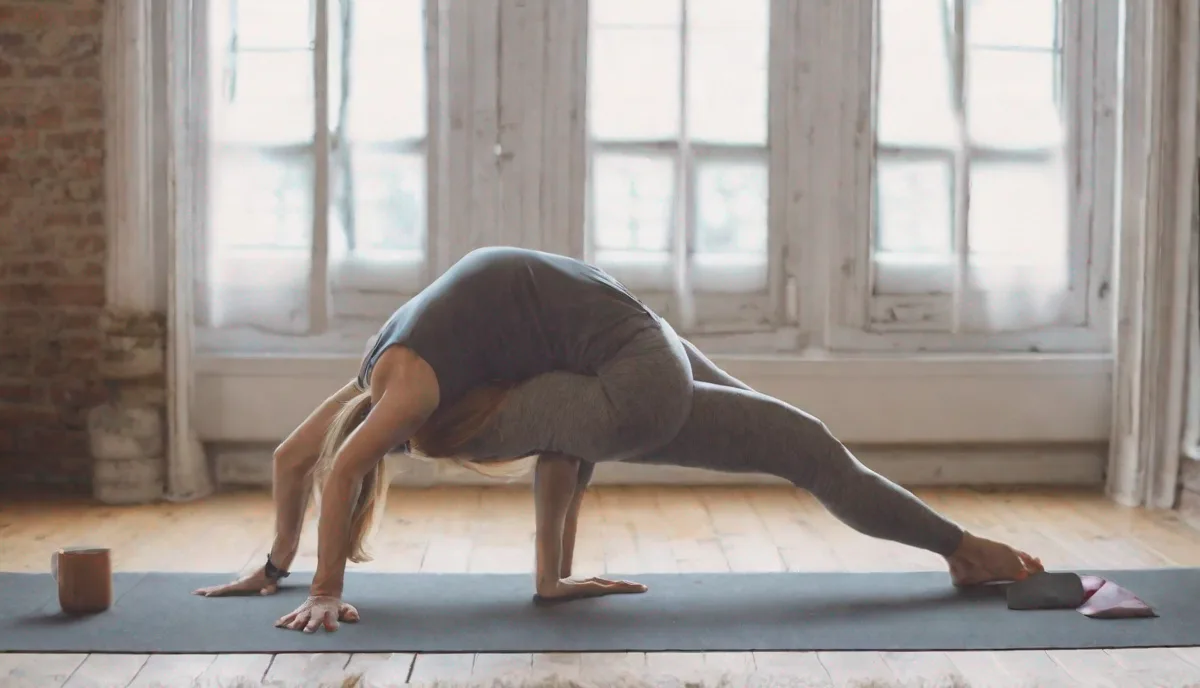
Low back pain is a common issue that affects millions of people worldwide. Whether it’s due to a sedentary lifestyle, improper posture, or chronic conditions, finding relief is often a priority for those suffering. Yoga, with its gentle stretches and strengthening poses, can be an effective way to alleviate low back pain. In this article, we’ll explore a yoga practice tailored to soothe your back discomfort.
Key takeaways
- Practice poses like Child's Pose, Cat-Cow, and Sphinx to gently stretch and strengthen the spine.
- Maintain consistency with daily 10-15 minute sessions to experience long-term back health benefits.
- Prioritize proper alignment and consult a certified instructor to ensure safety and prevent potential injury.
- Support your back by maintaining good posture, taking regular movement breaks, and strengthening your core muscles.
Understanding Low Back Pain and Yoga
Before diving into the practice, it’s essential to understand the relationship between your back health and yoga. Yoga emphasizes mind-body awareness, proper alignment, and balance, all of which are crucial for maintaining a healthy back. By incorporating specific yoga poses into your routine, you can increase flexibility, strengthen muscles, and improve posture, which are all key to reducing low back pain.
Yoga Poses for Low Back Relief
Here are some yoga poses that are known to help relieve low back pain:
- Child’s Pose (Balasana): This resting pose stretches the lower back, hips, thighs, and knees.
- Cat-Cow Stretch (Marjaryasana-Bitilasana): A gentle flow between two poses that warms up the spine and relieves tension in the back.
- Downward-Facing Dog (Adho Mukha Svanasana): This pose elongates and decompresses the entire spine.
- Standing Forward Bend (Uttanasana): Helps stretch the hamstrings and lower back, promoting relaxation.
- Sphinx Pose (Salamba Bhujangasana): A gentle backbend that strengthens the spine and buttocks.
Incorporating a Yoga Routine
To experience the benefits of yoga for low back pain, consistency is key. Start with a short daily practice, gradually increasing the duration as your body adapts. Always listen to your body and avoid any poses that cause pain or discomfort. It’s also highly recommended to learn these poses under the guidance of a certified yoga instructor to ensure proper form and prevent injury.
Additional Tips for Reducing Low Back Pain
- Maintain proper posture when sitting and standing.
- Incorporate regular breaks to stand and stretch during long periods of sitting.
- Use ergonomic furniture that supports the natural curve of your spine.
- Strengthen your core muscles to provide better support for your back.
- Stay hydrated to maintain healthy intervertebral discs.
The Role of Psoas Release in Spinal Decompression
Often, low back tension is not a back problem at all, but a hip flexor problem. The psoas muscle is the only muscle connecting the upper body to the lower body, attaching directly to the lumbar vertebrae. When this muscle becomes chronically tight from prolonged sitting, it pulls the lumbar spine forward, creating an exaggerated arch known as lordosis. To address this, incorporate the Supported Bridge Pose (Setu Bandhasana). By placing a yoga block or a firm bolster under your sacrum—not your lower back—you allow the hip flexors to passively lengthen without the stress of active engagement. Stay in this position for three to five minutes, focusing on deep diaphragmatic breathing. This passive release can create significant space in the lumbar region, effectively decompressing the joints that are often compressed by daily postural habits.
Integrating Dynamic Core Stability Beyond Sit-Ups
Traditional abdominal exercises often exacerbate back pain by putting excessive strain on the lumbar discs. Instead, focus on deep core stabilization through the Bird-Dog Pose (Bidalasana variation). From a tabletop position, extend your opposite arm and leg simultaneously while maintaining a perfectly neutral spine. The objective is not height but length and stability; imagine a glass of water balanced on your lower back. This movement engages the multifidus muscles, which are the primary stabilizers of the individual vertebrae. By training these deep stabilizers, you provide a structural corset for your spine that remains active even when you are not consciously thinking about your posture.
The Importance of Posterior Chain Lengthening
Tight hamstrings are a notorious culprit in low back pain. When hamstrings are shortened, they pull the pelvis into a posterior tilt, flattening the natural curve of the lower back and causing the muscles of the lumbar region to overwork to compensate. To safely address this, use the Reclined Hand-to-Big-Toe Pose (Supta Padangusthasana). By lying on your back, you remove the influence of gravity, allowing you to isolate the stretch in the hamstrings using a strap around the foot. Keep the non-working leg bent with the foot on the floor to protect the lower back. This method allows for a controlled, gradual lengthening of the posterior chain, which ultimately releases the chronic tension held in the lower back muscles.
Modifying Poses for Acute Flare-Ups
During an active episode of back pain, your practice must shift from strengthening to gentle mobilization. Avoid any forward folds that involve rounding the spine, as this can increase intradiscal pressure. Instead, practice Supine Pelvic Tilts. Lying on your back with knees bent, gently rock your pelvis to flatten your lower back against the mat, then release it to return to neutral. This movement acts as a gentle massage for the lumbar region, promoting blood flow and reducing muscle spasms without the risk of overstretching. When moving into a resting pose, always ensure your knees are supported by a bolster or folded blanket to ensure the pelvis remains in a neutral, relaxed position.
Mindful Transitions and Prop Utilization
Many injuries occur not during the poses themselves, but during the transition between them. When coming up from the floor, avoid rounding the back or twisting simultaneously. Instead, roll onto your side and use your arms to push yourself up, keeping the spine in a long, neutral line. Regarding props, consider the use of Yoga Blocks to bring the floor closer to you during poses like the Pyramid Pose. If you cannot reach the floor without rounding your back, the compensation is happening at the lumbar spine. By placing blocks under your hands, you maintain spinal elongation, ensuring the stretch remains in the targeted muscle groups rather than transferring the stress to your intervertebral discs.
Addressing the Emotional Component of Chronic Pain
Chronic pain often creates a feedback loop in the nervous system, where the brain becomes hyper-vigilant about protecting the back, leading to increased muscle guarding and stiffness. Incorporating Restorative Yoga can help downregulate the sympathetic nervous system. Poses such as Viparita Karani (Legs-Up-the-Wall Pose) are invaluable here. By elevating the legs, you assist venous return and encourage the nervous system to shift into a ‘rest and digest’ state. When the nervous system is calm, the muscles surrounding the spine can finally let go of their reflexive gripping. Even five minutes of this practice can interrupt the cycle of pain-induced tension, allowing for a more relaxed and fluid range of motion in the days that follow.
FAQs About Yoga and Low Back Pain
How often should I practice yoga for low back pain?
For best results, aim for a daily practice, starting with 10-15 minutes and gradually increasing the duration.
Can yoga worsen back pain?
When practiced correctly and with proper guidance, yoga should not worsen back pain. Always consult with a healthcare provider before starting any new exercise regimen.
Are there any yoga poses I should avoid?
Avoid deep backbends and twists if they cause discomfort. Focus on gentle stretches and strengthening poses.
How quickly will I see results?
Results can vary, but many individuals feel some relief after a few sessions. Consistency is crucial for long-term benefits.
Do I need special equipment for yoga?
A yoga mat is recommended for comfort and stability. Props like blocks or straps can also be helpful but are not necessary to get started.
Related posts:
 Dangers of Over-Stretching
 Dealing with Low Back Pain While Sleeping
 Stretch Your Way to a Pain-Free Upper Back: A Step-by-Step Guide
 Lindsay Ellingson’s Stress-Relieving Yoga Move
 Best Sex Positions for Those with Back Pain
 PHA Bodyweight Workout: Efficient Fitness Anywhere, Anytime
 Desk Yoga for Back Pain Relief
 Yoga Tips for Beginners