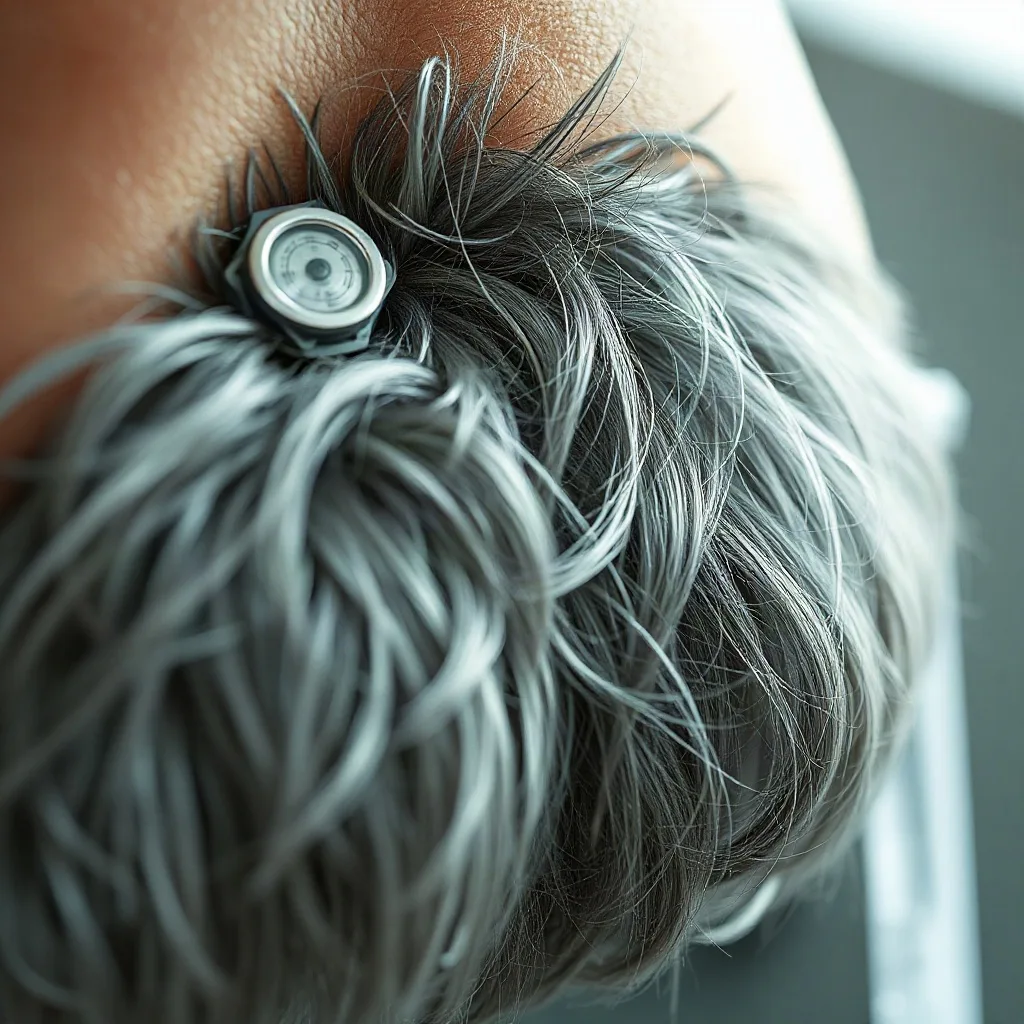
Gray pubic hair is a natural part of aging that many people notice but few discuss openly. While the appearance of silver strands on the scalp gets plenty of attention, the same process occurs in body hair, including the pubic region. Understanding why it happens, what influences the timing, and how to care for changing hair can reduce anxiety and help you make informed choices about grooming, health, and self‑acceptance.
What Causes Gray Pubic Hair?
The color of hair is determined by melanin, a pigment produced by melanocytes in the hair follicle. Two types of melanin exist: eumelanin, which gives black or brown shades, and pheomelanin, which creates red and yellow tones. As we age, melanocyte activity declines, leading to reduced pigment deposition in the hair shaft. The result is hair that appears gray, white, or silver. This biological mechanism is identical for scalp hair, eyebrows, and pubic hair.
Oxidative stress also plays a role. Free radicals generated by normal metabolism, UV exposure, and environmental pollutants can damage melanocytes, accelerating pigment loss. Antioxidant defenses in the body diminish with age, making hair follicles more vulnerable. While the exact timeline varies, most people begin to notice gray pubic hairs in their thirties or forties, often around the same period scalp graying becomes apparent.
Genetics and Age
Genetics is the primary determinant of when graying starts. If your parents or grandparents experienced early graying, you are more likely to follow a similar pattern. Specific genes such as IRF4 and BCL2 have been linked to hair pigment regulation. Ethnicity also influences typical onset: individuals of European descent often gray earlier than those of African or Asian ancestry.
Age remains the most predictable factor. By age 50, roughly 50 percent of the population has at least 50 percent gray hair somewhere on the body. Pubic hair follows this statistical curve, though the exact percentage of gray strands can differ from scalp hair because follicle density and growth cycles vary by body region.
Hormonal Changes
Hormones modulate hair growth cycles and pigment production. During puberty, increased androgen levels stimulate the development of terminal pubic hair. Later in life, hormonal shifts such as menopause in women or declining testosterone in men can alter hair texture, density, and color. Thyroid disorders, particularly hypothyroidism, have been associated with premature graying because thyroid hormones affect melanocyte function.
Pregnancy can temporarily darken hair due to elevated estrogen and progesterone, but postpartum hormonal drops may accelerate graying in some women. Stress‑related cortisol spikes may also contribute indirectly by increasing oxidative stress, though direct causation remains under study.
Lifestyle Factors
While genetics set the baseline, lifestyle choices can influence the speed of pigment loss. Smoking is one of the most well‑documented accelerators; toxins in cigarette smoke generate oxidative stress that damages melanocytes. A study published in the Journal of the American Academy of Dermatology found smokers were two to three times more likely to develop premature gray hair than non‑smokers.
Nutrition matters as well. Deficiencies in vitamin B12, folate, copper, and iron have been linked to early graying. A balanced diet rich in leafy greens, nuts, seeds, lean proteins, and whole grains supplies the cofactors needed for melanin synthesis. Chronic alcohol consumption and poor sleep hygiene increase systemic inflammation, which may indirectly hasten pigment loss.
Myths vs. Facts
Several myths surround gray pubic hair. One common belief is that plucking a gray hair causes multiple gray hairs to grow back. In reality, each follicle operates independently; removing a hair does not alter the pigment status of neighboring follicles. Another myth suggests that frequent shaving or waxing speeds up graying. Hair removal only affects the shaft above the skin; it does not reach the melanocytes deep in the follicle.
Some people think that applying hair dye to pubic hair is unsafe. While the skin in the genital area is more sensitive, many dermatologists consider occasional use of gentle, ammonia‑free dyes formulated for sensitive skin to be low risk, provided a patch test is performed first. However, permanent dyes containing harsh chemicals can cause irritation, contact dermatitis, or allergic reactions, so caution is advised.
Care and Maintenance
If you prefer to keep pubic hair natural, simple hygiene is sufficient. Wash the area with mild, fragrance‑free cleanser and pat dry. Moisturizing with a hypoallergenic lotion can prevent dryness that makes gray hairs feel coarse. For those who groom, trimming with scissors or an electric trimmer reduces the risk of cuts and ingrown hairs compared with shaving.
If you choose to color pubic hair, select a product labeled for sensitive areas, ideally a semi‑permanent or vegetable‑based dye. Perform a patch test on the inner thigh 24 hours before full application. Apply in a well‑ventilated space, follow the manufacturer’s timing instructions, and rinse thoroughly. Avoid heat styling tools on dyed pubic hair, as the skin underneath is delicate.
When to See a Doctor
Sudden or patchy loss of pigment, especially if accompanied by other symptoms, warrants medical evaluation. Conditions such as vitiligo, alopecia areata, or thyroid disease can present with localized graying. A dermatologist can perform a scalp and body hair examination, order blood tests for thyroid function, vitamin levels, and autoimmune markers, and recommend appropriate treatment.
If you experience itching, burning, rash, or unusual discharge along with color changes, seek care promptly. These signs may indicate infection, contact dermatitis, or a sexually transmitted infection unrelated to graying but requiring treatment.
Psychological Impact and Social Stigma Around Gray Pubic Hair
The emergence of gray pubic hair often triggers a complex emotional response that differs markedly from scalp graying. While silver hair on the head has gained cultural acceptance—even becoming a style statement—gray genital hair remains largely invisible in media, advertising, and everyday conversation. This silence creates an information vacuum where shame, confusion, and isolation can flourish. Many people report feeling “old” or “less attractive” upon discovering their first gray strands, even when they intellectually understand the process is universal. The intimate nature of the area compounds vulnerability; unlike scalp hair, pubic hair changes are witnessed only by oneself or sexual partners, making the experience feel uniquely personal and exposing.
Research on body image suggests that unexpected physical changes in genital regions can disproportionately affect sexual self-esteem. A 2021 qualitative study in the Journal of Women & Aging found that women who noticed gray pubic hair before age 40 frequently described a sense of “betrayal” by their bodies, particularly when the change coincided with other perimenopausal shifts like vaginal dryness or libido fluctuations. Men in the same study reported anxiety about perceived virility loss, linking gray pubic hair to cultural narratives equating dark, dense body hair with masculinity. These reactions are not trivial—they influence grooming decisions, sexual initiation, and even healthcare avoidance. Some patients delay pelvic exams or STI screenings because they feel embarrassed about their changing appearance.
Practical coping strategies begin with normalization. Seeing realistic images of diverse bodies across the lifespan—such as those in medical textbooks, body-positive art projects, or educational platforms like The Vulva Gallery—can recalibrate expectations. Cognitive reframing helps: instead of “I’m losing my youth,” try “My body is showing its history.” For those in partnered relationships, explicit communication reduces misinterpretation. A simple statement like “I’ve noticed some gray hairs and feel a little self-conscious” invites reassurance rather than speculation. Therapists specializing in sexual health or aging transitions can provide structured support when distress interferes with intimacy or self-care. Importantly, no clinical guideline recommends treatment for gray pubic hair solely for psychological reasons; the goal is acceptance, not eradication.
Gender-Affirming Care and Gray Pubic Hair Considerations
Transgender, non-binary, and gender-diverse individuals navigate gray pubic hair within frameworks that intersect aging, hormone therapy, and surgical history. For transfeminine people on estrogen and anti-androgens, body hair typically becomes finer, lighter, and slower-growing over years—but graying follows its own genetic timeline independent of hormone levels. Some notice that remaining terminal hairs gray at the same rate as scalp hair, creating a mismatch where facial hair (if not fully removed) grays while pubic hair remains dark, or vice versa. Transmasculine individuals on testosterone often develop new terminal pubic hair that matches their scalp hair color initially, but those hairs will gray according to their genetic schedule, which may differ from cisgender male patterns due to chromosomal differences in melanocyte regulation.
Post-surgical anatomy adds layers of complexity. After vaginoplasty, the neovagina is lined with penile or scrotal skin grafts that retain their original hair follicles unless removed via electrolysis or laser pre-operatively. Any residual hair in the vaginal canal will gray on its original timeline, which can be startling during dilation or self-examination. Phalloplasty and metoidioplasty patients may have hair-bearing skin flaps (from forearm, thigh, or abdomen) that gray according to the donor site’s genetics, not the pubic region’s. This can create a patchwork of color and texture that feels dysphoria-triggering or, conversely, affirming as a visible marker of transition history.
Gender-affirming providers should proactively discuss hair aging during long-term follow-up. Options include: laser hair removal on remaining follicles (effective only on pigmented hair, so timing matters before graying advances), electrolysis (works on any color but is slower and costlier), and topical camouflage like tinted moisturizers designed for sensitive genital skin. For those pursuing a hair-free aesthetic, completing electrolysis before significant graying maximizes efficiency and reduces lifetime cost. Mental health clinicians familiar with gender diversity can help patients integrate graying into their body narrative rather than framing it as a transition “failure.” Peer support groups—especially those for older trans adults—offer invaluable lived-experience perspectives that medical literature rarely captures.
Advanced Grooming Techniques for Graying Pubic Hair
Gray pubic hair presents distinct grooming challenges: it tends to be coarser, more wiry, and more resistant to bending than pigmented hair due to structural changes in the cortex and cuticle. This texture shift makes close shaving harder and increases ingrown hair risk. Electric trimmers with ceramic blades and adjustable guards (0.5–12 mm) outperform foil shavers for maintaining a neat, uniform length without skin contact. For those preferring smoothness, a two-pass method works best: trim to 2–3 mm first, then use a single-blade safety razor with a thick, fragrance-free shaving cream formulated for sensitive skin (e.g., those containing colloidal oatmeal or allantoin). Shave with the grain on the first pass, across the grain on the second—never against—to minimize follicular trauma.
Waxing and sugaring require adaptation. Gray hair’s reduced elasticity means it snaps rather than stretches, leaving root fragments that cause inflammation. Hard wax (strip-less) applied at slightly lower temperatures (55–60°C vs. 65°C) adheres better to coarse shafts. Pre-wax oil creates a barrier protecting the epidermis. Post-wax, apply a 2% salicylic acid pad followed by a ceramide-rich balm to prevent folliculitis. Schedule appointments every 5–6 weeks rather than 4; gray hair’s slower anagen phase means fewer hairs are in the optimal growth stage for removal at shorter intervals.
Laser hair removal and IPL (intense pulsed light) lose efficacy once hair grays because they target melanin. However, combination approaches exist: treat remaining pigmented hairs with laser first, then switch to electrolysis for gray/white remnants. Electrolysis—using thermolysis, galvanic, or blend modalities—is the only FDA-approved permanent method for non-pigmented hair. A typical pubic clearance requires 15–30 sessions spaced 4–6 weeks apart; budget $3,000–$8,000 depending on density and geography. For DIY maintenance between professional sessions, a magnifying mirror (10x) and fine-tipped tweezers allow precise removal of stray gray hairs without disturbing surrounding skin. Always disinfect tools with 70% isopropyl alcohol before and after use.
Medical Interventions and Emerging Research on Hair Repigmentation
While no FDA-approved treatment reverses pubic hair graying, several investigational pathways show promise in preclinical or early clinical stages. Topical pseudocatalase (PC-KUS), a synthetic enzyme that neutralizes hydrogen peroxide accumulation in follicles, demonstrated repigmentation in segmental vitiligo and is being studied for age-related graying. A 2023 phase II trial (NCT05432189) applied PC-KUS cream twice daily to scalp and body hair for six months; 38% of participants showed visible darkening in treated areas, including pubic regions, though results varied by baseline oxidative stress markers. Oral supplements targeting melanogenesis pathways—such as L-tyrosine, copper peptides, PABA (para-aminobenzoic acid), and catalase mimetics—are marketed widely but lack rigorous pubic-hair-specific data. A 2022 systematic review in Dermatology and Therapy concluded that evidence for oral repigmentation agents remains “low to very low quality” due to small samples, short durations, and absence of standardized colorimetric endpoints.
Platelet-rich plasma (PRP) injections, used off-label for androgenetic alopecia, have anecdotal reports of darkening treated hairs. The proposed mechanism involves growth factors (PDGF, VEGF, TGF-β) reactivating dormant melanocyte stem cells in the follicular bulge. However, genital PRP carries infection, scarring, and nerve injury risks; no peer-reviewed studies support its use for pubic hair repigmentation. Low-level laser therapy (LLLT) devices (650–660 nm, 5 mW/cm²) marketed for scalp hair growth show minimal penetration to deep pubic follicles through thicker skin and subcutaneous fat.
Pharmacologic triggers of repigmentation occasionally emerge as side effects. Case reports link anti-inflammatory biologics (adalimumab, tofacitinib), certain calcium channel blockers, and high-dose B-complex regimens to hair darkening in patients treated for unrelated conditions. These are not reproducible or safe for cosmetic use. The most evidence-based medical approach remains treating underlying contributors: correcting B12, copper, or iron deficiencies; optimizing thyroid function; and smoking cessation. Dermatologists can order a “premature graying panel” (CBC, ferritin, B12, folate, TSH, copper, zinc, 25-OH vitamin D) to identify reversible factors. For patients with confirmed vitiligo or alopecia areata affecting the pubic area, targeted immunomodulators (topical JAK inhibitors like ruxolitinib cream) may restore pigment alongside hair regrowth.
Cultural and Historical Perspectives on Body Hair Graying
Attitudes toward gray pubic hair reflect broader cultural scripts about aging, sexuality, and bodily autonomy. In pre-industrial Europe, gray body hair was rarely documented in art or literature because genital display was taboo; medical texts like Ambroise Paré’s “On Monsters and Marvels” (1573) mentioned pubic hair only in context of disease or “monstrous” births. The Victorian era pathologized visible pubic hair entirely—gray or not—associating it with moral degeneracy. Conversely, Edo-period Japanese shunga (erotic woodblock prints) occasionally depicted older lovers with gray pubic hair as a marker of sexual experience and enduring vitality, not decline. Among the Māori, white hair (including pubic) signaled mana (spiritual authority) and was respected; elders’ bodies were not concealed.
Modern grooming norms shifted dramatically after 1946, when the bikini’s introduction created pressure for pubic hair removal. The 1970s naturalist movement briefly celebrated untrimmed, graying body hair as anti-establishment, but the 1990s Brazilian wax trend re-established hairlessness as the default for women. Pornography accelerated this: a 2018 analysis of top-viewed adult videos found <2% featured performers with visible gray pubic hair, despite 30% of performers being over 40. This erasure reinforces the myth that sexual desirability expires with pigment.
Contemporary counter-movements are emerging. The “gray pride” hashtag on social media includes pubic hair posts alongside scalp hair, normalizing the full-body reality. Some Indigenous communities (e.g., Navajo, Cree) maintain ceremonies honoring first gray hairs as wisdom markers, extending to all body hair. In queer leather and bear subcultures, gray pubic hair is often fetishized as a sign of maturity and authenticity. Understanding these varied frameworks helps individuals contextualize their own reactions: Is my discomfort internalized ageism? Internalized sexism? A specific trauma? Cultural competency in healthcare means asking patients about their cultural meanings before assuming distress or recommending removal.
Premature Graying in Younger Adults: Causes and Management
Gray pubic hair before age 30—defined as premature canities—affects an estimated 6–10% of the population and warrants a different clinical workup than age-related graying. While genetics still dominate (autosomal dominant inheritance with variable penetrance), the differential expands to include autoimmune, nutritional, and iatrogenic causes. Autoimmune polyendocrine syndromes (APS-1, APS-2) frequently present with premature graying alongside adrenal insufficiency, hypoparathyroidism, or type 1 diabetes. Vitiligo, alopecia areata, and pernicious anemia form a triad where pubic hair depigmentation may be the first visible sign. A 2020 retrospective cohort of 112 patients with premature pubic graying found 22% had undiagnosed thyroid autoimmunity (positive TPO antibodies) and 14% had subclinical B12 deficiency (<300 pg/mL) despite normal CBC.
Medication-induced graying is underrecognized. Prolonged use of hydroxychloroquine, chloroquine, imatinib, and EGFR inhibitors (cetuximab, erlotinib) can cause reversible hair whitening by disrupting melanocyte transfer. Chemotherapy (especially cyclophosphamide, doxorubicin) often induces temporary universal graying; regrowth may return pigmented, stay gray, or exhibit “flag sign” banding. Heavy metal exposure (lead, arsenic, thallium) from occupational or environmental sources selectively damages melanocytes; a 24-hour urine heavy metal panel is indicated with occupational history or unexplained multisystem symptoms.
Management prioritizes identifying and treating root causes. For nutritional deficiencies, repletion often halts progression but rarely reverses existing gray hairs. B12 injections (1000 mcg weekly × 4, then monthly) correct deficiency faster than oral forms in malabsorption. Copper supplementation (2 mg/day as copper glycinate) requires monitoring ceruloplasmin to avoid toxicity. Topical minoxidil 5% foam, while not a repigmentation agent, prolongs anagen phase and may increase the proportion of pigmented hairs in early graying by recruiting follicles not yet committed to white. Psychological referral is standard: premature graying correlates with higher social anxiety scores (GAD-7 mean 11.2 vs. 6.4 in controls) and body dysmorphic disorder screening is recommended. Genetic counseling helps families understand inheritance patterns; IRF4 rs12203592 variant testing is commercially available but not routinely covered by insurance.
Navigating Intimate Relationships and Communication About Body Changes
Gray pubic hair intersects with intimacy in ways that are rarely discussed but deeply felt. Long-term partners may notice the change before the individual does, creating moments of unexpected vulnerability. A 2019 survey of 1,400 adults aged 40–65 found that 41% of respondents who noticed a partner’s gray pubic hair made no comment, 33% made a neutral or positive remark, and 26% made a negative or joking comment that the recipient later described as hurtful. The disparity between intent and impact is wide: teasing framed as affection (“Getting distinguished down there too?”) can trigger shame rooted in cultural ageism. Conversely, silence can be misread as disgust or loss of attraction.
Proactive communication frameworks reduce harm. The “notice-name-navigate” model works well: Notice the change internally, Name it aloud with ownership (“I’ve been feeling self-conscious about some gray hairs”), Navigate together (“What do you think? Does it change anything for you?”). This shifts the dynamic from evaluation to collaboration. For new partners, disclosure timing is personal. Some prefer mentioning it before intimacy (“Just so you know, I’ve got some gray hair down there—totally normal, but wanted you to hear it from me”), which controls the narrative and filters for maturity. Others wait until it arises organically. There is no wrong approach, but rehearsing a few scripts reduces anticipatory anxiety.
Sexual practices may adapt organically. Gray hair’s coarser texture can change sensation during oral sex—some partners report increased tactile stimulation, others find it abrasive. Dental dams or flavored barriers eliminate texture concerns while maintaining safety. For those who groom, involving a partner in trimming or shaving can transform maintenance into intimacy: “Want to help me tidy up?” becomes an act of care rather than concealment. Erectile or arousal changes coinciding with graying (due to age-related vascular or hormonal shifts) are often misattributed to the hair itself. Educating partners that hair color does not affect nerve density, lubrication, or erectile capacity prevents unnecessary performance anxiety. Couples therapists report that navigating body changes together—whether gray hair, weight shifts, or surgical scars—builds relational resilience that extends far beyond the bedroom.
Frequently Asked Questions
1. Is gray pubic hair a sign of a health problem?
In most cases, gray pubic hair is a normal age‑related change and not indicative of disease. However, rapid onset before age 30, patchy depigmentation, or accompanying symptoms like fatigue, weight changes, or skin lesions should be discussed with a healthcare provider.
2. Can stress cause pubic hair to turn gray overnight?
Acute stress does not instantly change hair color. Hair that has already grown out of the follicle cannot lose pigment. Chronic stress may accelerate the overall graying process over months or years by increasing oxidative stress, but an overnight transformation is a myth.
3. Does removing gray pubic hair make it grow back darker?
Removing a hair does not alter the melanocyte activity in that follicle. The new hair that emerges will have the same pigment level as the one removed, whether gray or pigmented.
4. Are there safe ways to dye gray pubic hair at home?
Yes. Choose a dye formulated for sensitive skin, free of ammonia and parabens. Perform a patch test, follow the instructions precisely, and avoid leaving the product on longer than recommended. If irritation occurs, rinse immediately and discontinue use.
5. Will gray pubic hair affect sexual health or sensation?
Gray hair itself does not impact sexual function, sensitivity, or fertility. Any changes in sexual health are more likely related to hormonal shifts, medication side effects, or psychological factors rather than hair color.
Related posts:
 Hair Accessory Hygiene: The Gross Truth About Dirty Hair Ties
 Can Stress Really Turn Your Hair White?
 Should You Wash Your Hair After Every Gym Session?
 Down There Care: Your Complete Guide to Pubic Hair Removal
 Ancient Beauty Secrets: The Ayurvedic Hair Mask Recipe That Delivers Results
 Gray Hair Treatment Options
 Living Proof Scalp Treatment Review
 Best Scalp Scrubs Review