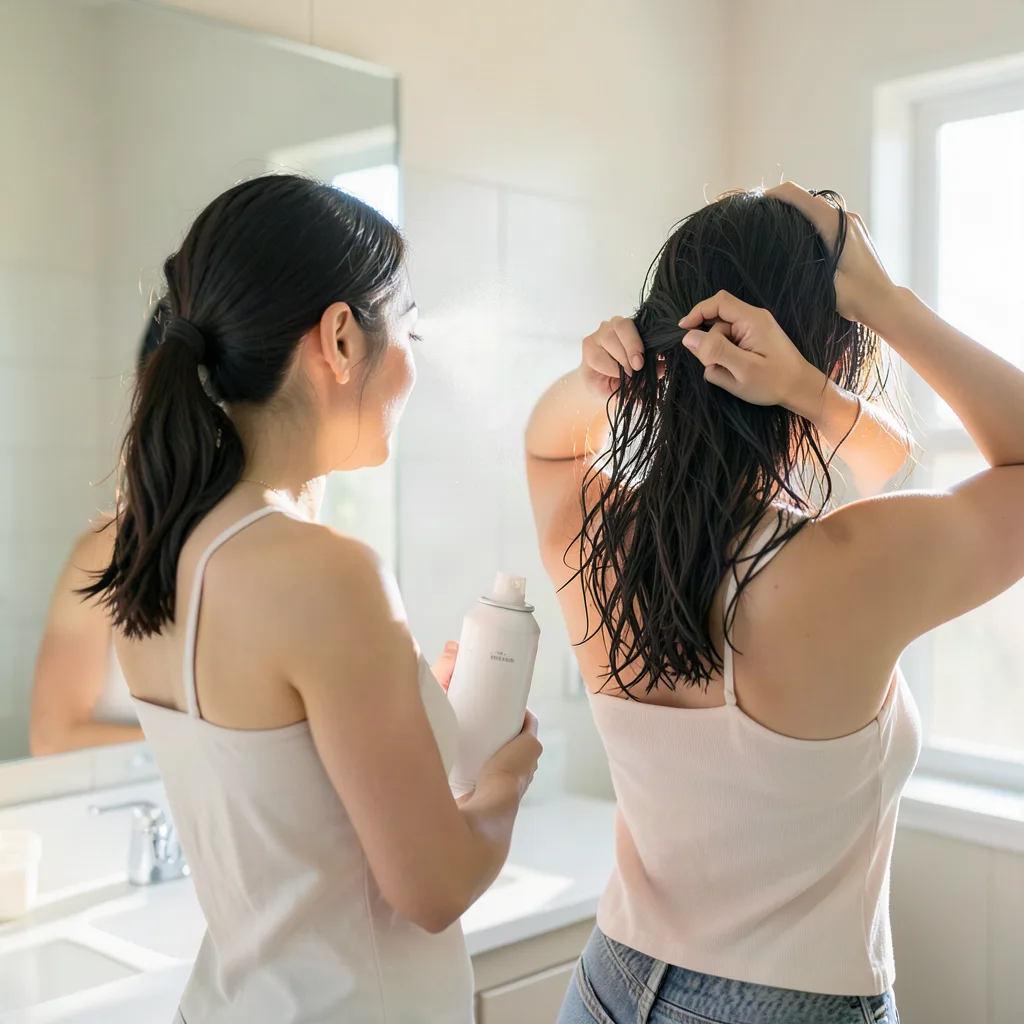
You’re running late, and one glance in the mirror confirms your worst fear: your hair looks limp, stringy, and unmistakably greasy. That just-washed freshness is a distant memory. Before you reach for another dry shampoo or consider hiding under a hat all day, take a breath. A greasy hair emergency is frustrating, but it’s also incredibly common and fixable. This guide is your go-to resource for fast, effective solutions that tackle the root causes, not just the symptoms, so you can reclaim clean, fresh-looking hair in no time.
Key takeaways
- Apply dry shampoo to sections and wait two minutes before massaging to ensure maximum oil absorption at the roots.
- Use the double-cleansing method with a clarifying shampoo followed by a regular formula to remove deep product buildup.
- Apply conditioner only to the mid-lengths and ends of hair to prevent the scalp from becoming oily too quickly.
- Clean hairbrushes weekly in warm, soapy water to avoid reintroducing oil and bacteria back onto clean hair.
- Use a shampoo containing salicylic acid once or twice weekly to dissolve sebum and clear dead skin from follicles.
Understanding Why Your Hair Gets Greasy So Fast
First, let’s demystify the culprit: sebum. This natural oil, produced by sebaceous glands in your scalp, is essential for keeping your hair moisturized and your scalp healthy. The problem arises when these glands go into overdrive, producing excess sebum that quickly coats your hair strands, leading to that flat, oily appearance. Several factors can trigger this overproduction:
- Hormonal Fluctuations: Androgens (hormones like testosterone) can stimulate sebum production. This is why oily hair is often linked to puberty, menstrual cycles, pregnancy, or conditions like PCOS.
- Overwashing: It sounds counterintuitive, but washing your hair too frequently can strip your scalp of natural oils. In response, your scalp may compensate by producing even more sebum, creating a vicious cycle.
- Harsh Hair Products: Shampoos with sulfates can be overly stripping, while heavy conditioners, silicones, and styling products can build up on the hair and scalp, trapping oil and dirt.
- Diet and Stress: Diets high in refined sugars and unhealthy fats may influence oil production. High stress levels elevate cortisol, which can also stimulate sebaceous glands.
- Hair Type and Genetics: If you have fine, straight hair, sebum travels from the scalp down the hair shaft more easily than it does on coarse or curly hair, making oiliness more apparent.
The 10-Minute Emergency Rescue: Fast Fixes You Can Do Now
When you need a quick save, these on-the-spot strategies can buy you hours of fresh-looking hair.
- The Targeted Dry Shampoo Application: Don’t just spray at your roots. Section your hair and hold the can 6–8 inches away. Focus on the oiliest areas—typically the crown, part line, and temples. Let it sit for 2 minutes to absorb the oil, then massage it in with your fingertips and brush thoroughly.
- Baby Powder or Cornstarch (For Light Hair): A classic trick. Apply a tiny amount of translucent powder to your roots using a makeup brush for precision. Blend meticulously to avoid a white cast. (For darker hair, mix with a bit of cocoa powder).
- The Paper Towel Blot: Gently press a clean, dry paper towel or blotting sheet along your roots and part. This physically soaks up excess surface oil without adding product.
- Strategic Styling: Create a deep side part to disguise greasy roots, or sweep hair into a sleek ponytail, braid, or bun. A headband or scarf can also stylishly conceal oily areas.
Resetting Your Wash Routine: The Right Way to Cleanse
Your washing technique might be the problem. A proper reset can help regulate oil production.
- Double Cleansing: Just like skincare, try double cleansing your hair. Use a gentle, clarifying shampoo first to break up oil and product buildup. Rinse, then follow with your regular shampoo focused on the scalp.
- Scalp-Focused Massage: Apply shampoo to your scalp, not the lengths of your hair. Use the pads of your fingers (not nails) to massage in circular motions for at least 60 seconds. This lifts dirt and oil without over-stimulating glands.
- Cool Rinse: Finish your wash with a cool water rinse. This helps close the hair cuticle, adding shine and temporarily slowing oil secretion.
- Conditioner Placement is Key: Apply conditioner only to the mid-lengths and ends of your hair, avoiding the scalp entirely. Rinse thoroughly.
Choosing the Right Products for Oily Hair
Not all products are created equal. Look for these keywords and ingredients:
- Shampoos: Opt for “clarifying,” “balancing,” or “volumizing” formulas. Beneficial ingredients include salicylic acid (gently exfoliates scalp), tea tree oil (antimicrobial), and charcoal (detoxifying). Use a clarifying shampoo once a week, not daily.
- Conditioners: Choose “lightweight,” “oil-free,” or “scalp-balancing” conditioners. Apply sparingly.
- Avoid: Heavy sulfates (SLS/SLES), silicones (dimethicone, amodimethicone), and parabens, which can contribute to buildup.
Lifestyle Tweaks for Long-Term Balance
Managing oily hair isn’t just about what you put on it; it’s about holistic habits.
- Dietary Adjustments: Increase your intake of omega-3 fatty acids (found in salmon, walnuts, flaxseeds), zinc (pumpkin seeds, lentils), and B vitamins (whole grains, eggs). Reduce processed foods and sugars.
- Hydration: Drinking adequate water helps your body regulate all its systems, including oil production.
- Stress Management: Incorporate stress-reducing practices like walking, meditation, or yoga. Even a few minutes a day can help lower cortisol levels.
- Hands Off: Avoid constantly touching, brushing, or playing with your hair, as you transfer oil from your hands to your strands.
Tools and Accessories: Keep Them Clean
Dirty tools re-introduce oil and bacteria to clean hair.
- Brushes and Combs: Remove hair from brushes weekly. Soak bristles in warm water with a few drops of clarifying shampoo or dish soap for 15 minutes, then rinse and air-dry.
- Pillowcases: Change your pillowcase at least once a week. Silk or satin pillowcases create less friction than cotton, which can help reduce breakage and may absorb less oil.
- Hair Ties and Headbands: Wash these regularly in soapy water.
When to See a Professional
If you’ve tried these fixes and still struggle with extreme oiliness accompanied by itching, flaking, or hair loss, it’s time to consult a dermatologist or trichologist. They can rule out or treat underlying conditions like:
- Seborrheic dermatitis
- Fungal infections
- Significant hormonal imbalances
Embracing Your Hair’s Natural Rhythm
The ultimate goal isn’t necessarily to wash your hair less, but to train your scalp to a healthier equilibrium. This process, often called “scalp training,” involves gradually extending the time between washes over several weeks. Your scalp will eventually adjust its sebum production. Be patient—it can take a month or more to see a noticeable difference.
The Science of Scalp Exfoliation: Going Beyond Surface Cleaning
While most advice focuses on absorbing or washing away oil, truly managing greasy hair requires addressing what happens at the scalp’s surface. Think of it like skincare: just as you exfoliate your face to prevent clogged pores, your scalp benefits from regular, gentle exfoliation to clear away dead skin cells, hardened sebum, and product residue that can mix with oil to create a heavy, flat layer. This isn’t about harsh scrubbing; it’s about promoting a healthy scalp environment. Chemical exfoliants are particularly effective for this. Ingredients like salicylic acid (a beta-hydroxy acid or BHA) are oil-soluble, meaning they can penetrate into the pore lining to dissolve the mix of oil and dead skin. Using a shampoo with 1-2% salicylic acid once or twice a week can keep follicles clear. Similarly, glycolic acid (an alpha-hydroxy acid or AHA) works on the surface to loosen the “glue” holding dead cells together, allowing for easier removal. For a physical option, a fine-grained scalp scrub used monthly can provide a deep reset. The key is application: apply to wet scalp, massage gently with fingertips for 60 seconds, and let it sit for another 60 before rinsing thoroughly. Over-exfoliation (more than 2-3 times a week) can cause irritation and rebound oiliness, so moderation is critical.
Mastering the Strategic Wash: Techniques for Different Hair Textures
The “scalp-focused massage” mentioned earlier needs nuance based on your hair’s structure. For fine, straight hair, sebum travels swiftly down the shaft, so the goal is thorough cleansing without over-stimulation. Use a lightweight, foaming shampoo and a very gentle, broad-pad fingertip massage in small circles across the entire scalp. Rinsing is paramount—spend at least double the time you think you need to ensure no residue remains, as any leftover cleanser will weigh hair down. For wavy or curly hair, the curl pattern slows sebum’s travel, meaning oiliness is often concentrated at the roots while lengths remain dry. Here, the “pre-poo” technique is invaluable. Before showering, apply a lightweight oil (like grapeseed or sunflower) or conditioner only to the mid-lengths and ends. This creates a protective barrier, so when you shampoo the roots, you don’t overly dry the delicate curls. Then, use a gentle, sulfate-free shampoo only on the scalp, letting the suds run through the lengths as you rinse. For thick, coarse hair, oil may be less visible but can still create buildup. A double cleanse with a clarifying first wash followed by a moisturizing shampoo ensures both oil and the heavier products this hair type often requires are fully removed.
The Hidden Impact of Water Quality and Temperature
Your tap water is a silent partner in your hair’s oiliness. Hard water, rich in minerals like calcium and magnesium, leaves a film on hair and scalp. This residue interacts with sebum and styling products, creating a sticky, dull buildup that mimics and exacerbates greasiness. You might find yourself washing more frequently, which only worsens the cycle. Installing a shower head filter is a practical first defense; it won’t soften water completely but can reduce chlorine and some minerals. For a more thorough solution, consider a monthly chelating treatment. Look for shampoos or treatments containing EDTA or citric acid, which bind to mineral deposits and wash them away. Use this strictly once a month, as these formulas can be drying. Now, let’s revisit temperature. The advice for a “cool rinse” is sound, but the story is more detailed. Excessively hot water strips the scalp aggressively, triggering a defensive surge in sebum production. It also can inflame the scalp, disrupting its barrier function. Aim for lukewarm water for the bulk of your wash—comfortably warm but not steamy. The final cool rinse should be genuinely cool, not icy. This temperature gradient cleanses effectively, soothes the scalp, and closes the cuticle for shine without the shock that can sometimes stimulate more oil.
Advanced Dry Shampoo Formulas and Application Secrets
Move beyond basic aerosol sprays. The dry shampoo market now includes powders, lotions, and mousses, each with strengths for different emergencies. Tinted powders (in brown, black, or blonde) are superior for dark hair, providing oil absorption with zero white cast. Apply them with a dense makeup brush for surgeon-like precision at the part line and temples. Dry shampoo mousse is a game-changer for fine hair that gets weighed down by powder; it adds lightweight volume as it cleanses. Work a golf-ball-sized amount into roots, let it dry for a minute, then fluff. For the most stubborn, second-day oil, the layering technique works best. First, use a blotting paper or microfiber cloth to physically remove surface oil. Then, apply a light dusting of translucent powder. Finally, use a spray dry shampoo over the top. The powder absorbs the bulk, while the spray’s solvents help dissolve any remaining residue and provide hold. A pro tip: apply dry shampoo before bed on nights you know you’ll skip a morning wash. It absorbs oil as it accumulates overnight, so you wake up with volume, not flatness. Just remember, dry shampoo is a temporary fix. Over-reliance can lead to significant buildup, scalp irritation, and even folliculitis. Always follow with a thorough clarifying wash within 48 hours.
Nighttime Routines and Sleep Hygiene for Oil Control
What you do (or don’t do) while you sleep has a massive impact on morning greasiness. Your body’s metabolic and repair processes are active at night, and sebum production doesn’t stop. First, consider your sleeping position. Stomach sleepers press their entire scalp into the pillow, trapping heat and oil. Training yourself to sleep on your back or side can dramatically reduce root compression. Next, your pillowcase material matters more than you think. While silk and satin are praised for reducing friction, their non-absorbent nature means oil and sweat sit on the surface, potentially being redistributed as you move. A high-thread-count, breathable cotton or bamboo pillowcase can actually be better for oily scalps, as it absorbs some moisture. The non-negotiable is changing it every 3-4 days. For a mid-week refresh without a full change, flip your pillowcase over on night two. Your pre-bed haircare also needs adjustment. Never go to bed with wet hair; the damp environment against your scalp can encourage microbial growth and increase oiliness. If you must wash at night, dry your roots completely with a blow dryer on a cool setting. Avoid applying heavy leave-in conditioners or oils anywhere near your roots before bed. Instead, try a very light spritz of a scalp-balancing toner with ingredients like witch hazel or rosewater to soothe and lightly tighten pores overnight.
Navigating Seasons, Humidity, and Environmental Stressors
Your scalp’s oil production isn’t static; it responds dynamically to the world outside. In high summer heat and humidity, sebum liquefies and spreads more easily. Your strategy should shift to include more frequent, gentle cleansing with cooling ingredients like menthol or peppermint. Light, water-based styling products are essential; swap creams for mists. Surprisingly, winter can be just as tricky. Cold, dry air outside and heated air inside create a dehydrating environment. Your scalp may overcompensate for the dryness by producing more oil, while static makes strands cling and look greasier. This is the time to maintain moisture balance: use a hydrating but non-oily shampoo, and ensure your conditioner is sufficiently moisturizing for your ends to prevent the scalp from feeling it needs to do all the work. Pollution is another major, often overlooked, factor. Urban pollutants like PM2.5 particles settle on the scalp and hair, bonding with sebum to form a thick, gritty coating. Incorporate a weekly detox shampoo with ingredients like activated charcoal or clay that bind to these particles. On high-pollution days, wearing a loose hat or scarf outdoors and rinsing your hair with water (even without shampoo) when you get home can prevent the day’s grime from settling in overnight.
Hormonal Fluctuations and Life Stages: A Targeted Guide
Understanding the hormonal drivers of oil production allows for more empathetic and effective management. During the menstrual cycle, rising progesterone in the luteal phase (the week before your period) often triggers increased sebum. This isn’t a failure of your routine; it’s biology. Plan for it by scheduling your clarifying wash for this time and keeping dry shampoo handy. Pregnancy brings a flood of hormones that can make hair gloriously thick but also unpredictably oily. Many women find their scalp “resets” during this time—what worked before may not work now. Embrace a trial-and-error period with gentle, fragrance-free products to find a new balance. The postpartum period and menopause present the opposite challenge: a dramatic drop in estrogen can first cause oiliness (as androgen influence becomes relatively stronger) and then often leads to dryness. During perimenopause, a rotating routine can help: use a balancing shampoo one day, a moisturizing one the next, always focusing on scalp health. For those with conditions like PCOS, where androgens are chronically elevated, addressing oiliness may require a medical approach (like topical anti-androgens prescribed by a dermatologist) in conjunction with consistent, gentle haircare that avoids further inflammation.
FAQs: Your Greasy Hair Questions Answered
1. Does brushing my hair more often help distribute oils and reduce greasiness?
This is a common myth. While brushing can distribute natural oils from your roots to your drier ends, over-brushing, especially with a dirty brush, can actually stimulate your scalp to produce more oil and spread existing oil from your roots down the shaft faster. Limit brushing to styling and detangling, and always ensure your brush is clean.
2. Is it true that cold water washes make hair less greasy?
Yes, to an extent. Warm water opens the hair cuticle and can stimulate blood flow to the scalp, potentially increasing oil production temporarily. A final cool or cold water rinse helps seal the cuticle, which can make hair appear shinier and may provide a temporary tightening effect on the scalp pores, slowing sebum release. It’s a helpful finishing step, not a cure-all.
3. Can my diet really make my hair oilier?
While direct causation is complex, diet undoubtedly influences overall bodily health, including your skin and scalp. Diets high in glycemic index foods (white bread, sugary snacks) and unhealthy fats may promote inflammation and influence hormone levels, which can exacerbate oil production. A balanced diet rich in whole foods, lean proteins, and healthy fats supports overall skin health and can contribute to a more balanced scalp.
4. Are there any natural remedies I can try at home?
Several natural ingredients have astringent or balancing properties. Apple cider vinegar (diluted 1:3 with water) can be used as a clarifying rinse once a week to remove buildup. Aloe vera gel applied to the scalp can soothe and balance. A tea tree oil rinse (a few drops in water) has antimicrobial properties. Always patch-test first, as natural doesn’t mean non-irritating for everyone.
5. I have oily roots but dry ends. What’s the best care strategy?
This “combination” hair type is very common. The strategy is targeted treatment. Use a balancing or clarifying shampoo on your scalp only. Apply a hydrating, but lightweight conditioner or a hair mask only to your mid-lengths and ends. You can also use a lightweight hair oil (like argan or jojoba) on the ends only after washing to seal in moisture without weighing down your roots.
Dealing with a greasy hair emergency doesn’t have to mean a bad hair day. With the right quick fixes, a tailored washing routine, and supportive lifestyle habits, you can manage oiliness effectively and enjoy fresh, voluminous hair more often. It’s about working with your hair’s biology, not against it.
Related posts:
 Hair Accessory Hygiene: The Gross Truth About Dirty Hair Ties
 Should You Wash Your Hair After Every Gym Session?
 Zoe Kravitz’s Coconut Oil Hair Care Secret
 Best Scalp Scrubs Review
 Ancient Beauty Secrets: The Ayurvedic Hair Mask Recipe That Delivers Results
 Removing Scalp Buildup
 Living Proof Scalp Treatment Review
 The Game-Changing Air-Dry Shampoo That’s Taking Over Social Media