
Guide to Healthy International Foods: A Global Culinary Journey
Food is more than just sustenance; it’s a universal language, a gateway to culture, history, and connection. As we open our hearts and kitchens to the world, we discover a magnificent tapestry of flavors, traditions, and, crucially, incredible health benefits. This guide invites you on an uplifting journey to explore healthy international foods, celebrating the wisdom embedded in diverse culinary practices from every corner of our beautiful planet. Prepare to nourish your body and soul with vibrant ingredients, time-honored cooking methods, and the sheer joy of global eating!
The Mediterranean Marvel: A Heart-Healthy Legacy
Perhaps one of the most celebrated and scientifically-backed healthy eating patterns is the Mediterranean diet. It’s less of a strict diet and more of a joyful lifestyle, deeply rooted in the culinary traditions of countries bordering the Mediterranean Sea, like Greece, Italy, and Spain. This way of eating is a testament to the power of whole, unprocessed foods and a balanced approach to life.
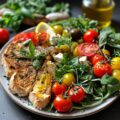
At its heart, the Mediterranean approach champions extra virgin olive oil as the primary fat source, offering a wealth of monounsaturated fats and antioxidants. Meals are abundant in fresh, seasonal vegetables, fruits, whole grains, legumes (like lentils and chickpeas), and nuts. Fish and seafood are enjoyed regularly, providing essential omega-3 fatty acids, while poultry and dairy are consumed in moderation. Red meat is typically reserved for special occasions, and processed foods are largely absent.
The health benefits are profound: a reduced risk of heart disease, stroke, type 2 diabetes, and even certain cancers. It’s also linked to improved brain health and longevity. Beyond the plate, the Mediterranean lifestyle emphasizes physical activity, adequate rest, and the profound importance of communal eating – sharing meals with loved ones, savoring each bite, and fostering strong social connections. It’s a holistic approach that truly nourishes the entire being.
East Asian Wisdom: Freshness, Fermentation, and Balance
Venturing eastward, the cuisines of countries like Japan, Korea, and Vietnam offer a masterclass in balance, fresh ingredients, and the incredible power of fermentation. These culinary traditions often prioritize vegetables, lean proteins, and complex carbohydrates, creating meals that are both light and deeply satisfying.
In Japan, the emphasis on fresh, seasonal ingredients is paramount. Think delicate sushi and sashimi, rich in omega-3s from fatty fish, or nourishing bowls of miso soup, a fermented soybean paste rich in probiotics. Japanese cuisine often features a variety of sea vegetables (like nori and wakame), which are packed with minerals, and green tea, celebrated for its antioxidant properties. Portions are often smaller, encouraging mindful eating and appreciation for the food’s natural flavors.
Korean cuisine is renowned for its vibrant flavors and extensive use of fermented foods, most famously kimchi. This spicy, fermented cabbage dish is a powerhouse of probiotics, promoting gut health and boosting immunity. Korean meals often feature a colorful array of banchan (side dishes) – typically vegetable-based, steamed, or lightly stir-fried – alongside rice and lean proteins. The balance of flavors (sweet, sour, salty, bitter, umami) and textures is a hallmark of Korean cooking.
Vietnamese food, with its French influences, is characterized by its fresh herbs, light broths, and minimal use of oil. Iconic dishes like pho (a fragrant noodle soup) are built on a foundation of lean protein, rice noodles, and a generous heap of fresh vegetables and herbs, offering a delightful blend of flavors and nutrients. The focus here is on brightness, freshness, and aromatic spices.
Across these East Asian traditions, cooking methods often involve steaming, stir-frying, or gentle simmering, preserving the nutritional integrity of the ingredients. The mindful preparation and appreciation for food are central to their healthy approach.
Latin American Rhythms: Vibrant Flavors and Wholesome Staples
From the sun-drenched coasts of Mexico to the vibrant landscapes of Peru and Brazil, Latin American cuisines burst with color, flavor, and a foundation of incredibly healthy staples. These culinary traditions are a celebration of indigenous ingredients combined with a rich history of cultural exchange, resulting in dishes that are both deeply satisfying and wonderfully nourishing.
At the core of many Latin American diets are nutrient-dense ingredients such as beans, corn, rice, and a spectacular array of fresh fruits and vegetables. Black beans, pinto beans, and lentils are excellent sources of plant-based protein, fiber, and essential minerals, contributing to gut health and stable blood sugar levels. Corn, often consumed as whole kernels, tortillas, or masa, provides complex carbohydrates and energy. Avocados, a staple in many dishes, offer healthy monounsaturated fats, while tomatoes, peppers, and onions form the aromatic base for countless salsas and stews, providing vitamins and antioxidants.
Consider the humble yet mighty Mexican taco, reimagined with lean grilled fish or black beans, fresh salsa, and a sprinkle of cilantro – a perfect balance of protein, fiber, and vibrant vegetables. Peruvian ceviche, made with fresh raw fish marinated in citrus juices, is a light, protein-packed dish rich in flavor and nutrients. Brazilian feijoada, while traditionally hearty, can be prepared with leaner cuts of meat and an abundance of black beans, offering a comforting and wholesome meal.
The beauty of Latin American cooking lies in its ability to transform simple, wholesome ingredients into extraordinary meals. The liberal use of fresh herbs and spices – cilantro, cumin, chili, oregano – adds depth of flavor without relying on excessive fats or sugars. This approach not only tantalizes the taste buds but also provides a wealth of vitamins, minerals, and fiber, supporting overall well-being and a joyful connection to food.
Nordic Nourishment: Simple, Pure, and Sustainable
Shifting our gaze to the chilly yet breathtaking landscapes of Scandinavia, the Nordic diet emerges as another exemplary model of healthy eating. Rooted in the traditional foods of countries like Sweden, Denmark, Norway, Finland, and Iceland, this dietary pattern emphasizes sustainability, local produce, and a deep respect for nature’s bounty.
The Nordic diet is characterized by its focus on whole grains (especially rye, oats, and barley), root vegetables (carrots, potatoes, beets), cabbage, and a generous intake of berries (blueberries, lingonberries, cloudberries) – nature’s antioxidant powerhouses. Fatty fish like salmon, herring, and mackerel are staples, providing essential omega-3 fatty acids crucial for heart and brain health. Legumes and lean game meats are also included, while processed foods, refined sugars, and excessive red meat are minimized.
Like the Mediterranean diet, the Nordic approach is less about strict rules and more about embracing a lifestyle that values fresh, seasonal, and locally sourced ingredients. It promotes cooking at home, reducing food waste, and enjoying meals in good company. Research has linked the Nordic diet to a reduced risk of cardiovascular disease, type 2 diabetes, and even some types of cancer, similar to its Mediterranean counterpart. Its emphasis on sustainable practices also makes it a compassionate choice for the planet.
Imagine a breakfast of thick rye bread topped with smoked salmon and dill, or a bowl of creamy oat porridge studded with fresh berries. Lunch might feature a vibrant salad with pickled herring and root vegetables, while dinner could be baked cod with roasted vegetables. The simplicity and purity of these ingredients shine through, offering nourishment that feels both wholesome and deeply satisfying.
Embracing Global Flavors: Practical Tips for Your Kitchen
Inspired by these diverse and healthy culinary traditions, you might be wondering how to weave these global flavors into your everyday life. The good news is, it’s easier and more enjoyable than you think! Here are some practical, uplifting tips to help you embark on your own healthy international food journey:
- Start Small, Explore Widely: You don’t need to overhaul your entire diet overnight. Begin by trying one new international recipe a week, or incorporating a new ingredient into your regular meals. Explore local international markets for unique spices, grains, and produce.
- Focus on Whole Foods: Regardless of the cuisine, the common thread in healthy international eating is a reliance on whole, unprocessed ingredients. Prioritize fresh vegetables, fruits, whole grains, legumes, and lean proteins.
- Master the Art of Seasoning: International cuisines excel at using herbs and spices to build incredible flavor profiles without relying on excessive salt, sugar, or unhealthy fats. Experiment with cumin, coriander, turmeric, paprika, ginger, garlic, fresh herbs like cilantro and basil, and chili peppers to add zest and depth.
- Balance Your Plate: Observe how different cultures balance their meals – often a good mix of complex carbohydrates, lean protein, and plenty of vegetables. Aim for colorful plates that offer a variety of nutrients.
- Embrace Fermentation: Introduce fermented foods like kimchi, sauerkraut, miso, and yogurt into your diet. These gut-friendly powerhouses are found in many global cuisines and offer fantastic health benefits.
- Mindful Eating: Take a cue from cultures that savor their meals. Eat slowly, pay attention to the flavors and textures, and eat with others whenever possible. This enhances enjoyment and aids digestion.
- Cook at Home: Preparing your own meals gives you control over ingredients and cooking methods, ensuring your international culinary adventures are as healthy as possible.
Frequently Asked Questions About Healthy International Foods
As you embark on your global culinary adventure, you might have some questions. Here are some common inquiries to help guide you:
- Q1: Is “healthy” the same across all cultures?
- A: While specific ingredients and dishes vary, the core principles of healthy eating are remarkably consistent across many traditional cultures: a strong emphasis on whole, unprocessed foods, plenty of plant-based ingredients (fruits, vegetables, legumes, whole grains), lean proteins, healthy fats, and mindful consumption. The exact balance might shift, but the foundational wisdom remains similar.
- Q2: How can I make international dishes healthier at home?
- A: Focus on fresh, quality ingredients, reduce added sugars and unhealthy fats (e.g., use olive oil sparingly instead of deep-frying), increase vegetable portions, and opt for whole grains over refined ones. Also, control portion sizes and cook from scratch to avoid hidden unhealthy additives often found in processed versions.
- Q3: Are all international foods healthy?
- A: Not necessarily. Just like any cuisine, international foods have both healthy and less healthy options. For example, while many Mexican dishes are incredibly wholesome, heavily fried items or those loaded with processed cheese might not be. The key is to choose traditional, whole-food-based preparations and be mindful of portion sizes and cooking methods.
- Q4: What if I have dietary restrictions (e.g., gluten-free, vegetarian)?
- A: Many international cuisines are naturally accommodating! For instance, a vast array of Asian and Latin American dishes are naturally gluten-free (using rice or corn). Vegetarian and vegan options are abundant in Indian, Mediterranean, and many East Asian cuisines, which have long traditions of plant-based eating. Researching specific dishes and ingredients will help you find delicious options.
- Q5: Where can I find authentic ingredients for international cooking?
- A: Local international grocery stores or specialty markets are your best bet! They often carry a wider variety of spices, fresh produce, unique grains, and sauces that you might not find in a standard supermarket. Online retailers are also a great resource for harder-to-find items. Don’t be afraid to ask store staff for recommendations!
Conclusion: A World of Wellness Awaits
Our journey through the world of healthy international foods reveals a powerful truth: wellness is a global concept, beautifully expressed through diverse culinary traditions. From the sun-drenched Mediterranean to the vibrant markets of East Asia, the hearty kitchens of Latin America, and the pristine landscapes of the Nordics, each culture offers its unique wisdom for nourishing the body and delighting the senses.
Embracing healthy international foods is more than just trying new recipes; it’s an invitation to broaden your horizons, connect with different cultures, and discover new ways to care for yourself. It’s about celebrating the richness of our planet, one delicious, wholesome bite at a time. So, step into your kitchen with an open mind and a joyful heart, and let the world inspire your plate. A world of incredible flavors and vibrant health awaits you!
Related posts:
 Mediterranean Diet Benefits Post-Menopause
 10 Mediterranean Diet Breakfast Recipes
 Nordic vs Mediterranean Diet
 The Health Benefits of a Mediterranean Diet: What We Can Learn from Italian Eating Habits
 The Vegan Mediterranean Lifestyle
 Healthy Menu Navigator: Greek and Mediterranean
 The Green Mediterranean Diet Linked To Better Heart Health
 A Mediterranean Diet Meal Plan