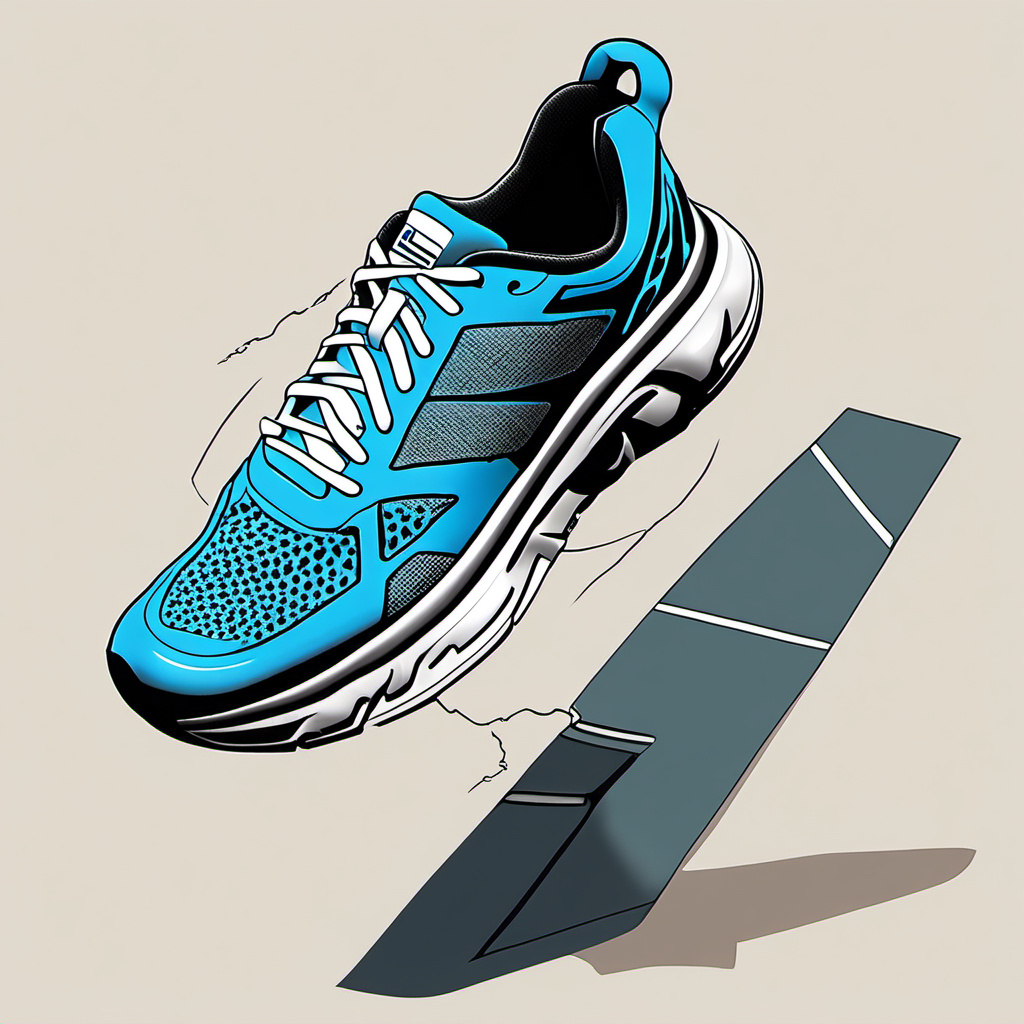
For years, the footwear industry followed a specific trajectory: thinner soles, lighter materials, and a move toward “minimalist” running. Then came HOKA. With their oversized midsoles and chunky silhouettes, HOKA didn’t just enter the market; they redefined the category of “maximalist” cushioning. What once looked like a stylistic anomaly has become a global phenomenon, embraced by elite ultramarathoners, casual walkers, and healthcare professionals who spend twelve hours a day on their feet.
Choosing the right pair of HOKAs can be overwhelming because the brand has expanded rapidly. Whether you are looking for a shoe to crush a marathon, a rugged boot for a weekend in the mountains, or a supportive sneaker for chronic foot fatigue, understanding the nuances of their technology is key. This guide breaks down the HOKA ecosystem to help you find the pair that aligns with your anatomy and your activities.
Understanding the HOKA Philosophy: More Than Just Foam
At first glance, HOKA sneakers look like “moon shoes,” but the design is rooted in biomechanical efficiency. The goal of maximalist cushioning is not simply to provide a soft landing, but to reduce the impact on joints while maintaining a smooth transition from heel to toe. This is achieved through three primary design pillars:
- The Meta-Rocker: Unlike traditional shoes that are relatively flat, HOKAs feature a curved sole known as the Meta-Rocker. This geometry is designed to mimic the natural roll of the foot, pushing the wearer forward and reducing the energy required for each stride.
- Active Foot Frame: Instead of sitting on top of the foam, your foot sits inside the midsole. This “bucket seat” design provides inherent stability, preventing the foot from sliding side-to-side despite the height of the sole.
- Compressed EVA Foam: HOKA uses specialized ethylene-vinyl acetate (EVA) blends that offer a high energy-return rate. This means the shoe absorbs the shock of the pavement but bounces back quickly, preventing the “sinking” feeling often associated with soft shoes.
By combining these elements, HOKA aims to reduce the strain on the Achilles tendon and calf muscles, making them a popular choice for those recovering from injuries or those who struggle with joint pain.
The Road Running Lineup: From Recovery to Racing
Road shoes are designed for paved surfaces, focusing on shock absorption and efficiency. Depending on your goals, HOKA offers several distinct profiles:
The Bondi: Maximum Cushioning
The Bondi is the “maximalist of maximalists.” It features the highest stack height and the softest cushioning in the road lineup. It is ideal for recovery runs, long walks, or individuals with a heavier gait who need maximum impact protection. If you spend all day standing on concrete, the Bondi is often the gold standard for comfort.
The Clifton: The Versatile Daily Driver
The Clifton is perhaps the most popular HOKA model because it balances cushioning with weight. It is lighter than the Bondi but still offers significant protection. It is an excellent “do-it-all” shoe, suitable for everything from a 3-mile morning jog to a day of running errands. It provides a smooth ride without feeling overly bulky.
The Mach: Speed and Responsiveness
For those who want a faster feel, the Mach series removes some of the plushness in favor of responsiveness. It uses a firmer foam that snaps back faster, making it ideal for tempo runs or interval training. It lacks the heavy cushioning of the Bondi but offers a more energetic transition.
The Rocket X and Cielo X: Elite Performance
These are the high-performance tools of the brand. They often incorporate carbon fiber plates and ultra-lightweight foams designed for race day. These shoes are not meant for daily walking; they are precision instruments designed to maximize propulsion and efficiency over a marathon distance.
Exploring the Trail and Hiking Range
When you move from pavement to dirt, the requirements for a shoe change. You need grip, toe protection, and lateral stability. HOKA has translated its cushioning philosophy to the outdoors with impressive results.
The Speedgoat: The Trail Legend
The Speedgoat is widely regarded as one of the best trail running shoes on the market. It combines the signature HOKA cushion with a rugged Vibram® Megagrip outsole. This provides incredible traction on wet rocks, mud, and loose scree. It is designed for long-distance trail running where foot fatigue is a major factor.
The Challenger: The Road-to-Trail Hybrid
Not every run starts at the trailhead. The Challenger is designed for those who run on a mix of surfaces. The lugs on the bottom are shorter and more widely spaced than the Speedgoat, meaning they don’t feel clunky on the road but still provide enough grip for light trails and gravel paths.
The Anacapa and Kaha: Hiking and Trekking
For those who aren’t running but are hiking, the Anacapa and Kaha offer a more structured experience. These models often come in waterproof (GTX) versions and provide more ankle support and durability. They bring the “cloud-like” feel to the hiking world, reducing the foot soreness typically associated with heavy leather boots.
How to Choose Based on Your Foot Type
Choosing a HOKA isn’t just about the activity; it’s about how your foot moves. Understanding your gait is crucial for avoiding injury and maximizing comfort.
Neutral Gait
If your feet stay centered or roll slightly inward during a stride, you are a neutral runner. You can wear almost any HOKA model, but the Clifton and Speedgoat are excellent starting points. Neutral shoes provide cushioning without trying to correct the foot’s path.
Overpronation and Stability Needs
Overpronation occurs when the foot rolls excessively inward. This can lead to knee pain or plantar fasciitis. For these users, HOKA offers “Stability” models:
- The Arahi: This is the stability counterpart to the Clifton. It uses a “J-Frame” technology—a firmer piece of foam that wraps around the heel and inside of the foot—to prevent excessive inward rolling without using a rigid, uncomfortable medial post.
- The Gaviota: This is the stability version of the Bondi. It provides maximum cushion combined with a supportive frame for those who need the most help with alignment.
Wide Feet and High Arches
HOKA is generally accommodating, but they offer specific “Wide” versions of their most popular models (like the Clifton and Bondi). If you feel pressure on the sides of your pinky toe or if your foot overflows the midsole, always opt for the wide width to ensure the foot sits properly inside the Active Foot Frame.
Sizing, Fit, and the “Break-In” Period
Fitting a HOKA is different from fitting a traditional slim sneaker. Because the sole is so thick, the way the upper holds your foot is critical.
The Rule of Thumb
Always ensure there is about a thumb’s width of space between your longest toe and the end of the shoe. When running or hiking, your feet naturally swell. If the shoe is too snug at the store, it will cause black toenails or blisters during a long walk.
The Upper Feel
HOKAs typically use a breathable engineered mesh. When you first put them on, the heel should feel secure without slipping, and the midfoot should feel hugged but not constricted. If you feel a “pinch” in the arch, you may need a different model or a wide width.
Do HOKAs Need a Break-In Period?
Generally, HOKAs are known for being comfortable right out of the box. However, because the Meta-Rocker changes the way you roll your foot, your calves and tendons may need a few days to adjust. Start with short walks before committing to a long run to allow your muscles to adapt to the new geometry.
Maintenance and Longevity: Caring for Your Investment
HOKAs are an investment in your joint health, and proper care can extend their lifespan.
When to Replace Your HOKAs
While the foam is durable, it does eventually lose its “bounce.” Most HOKAs are rated for 300 to 500 miles. You will know it’s time for a new pair when:
- The tread on the outsole is worn smooth.
- You start feeling more impact in your knees or ankles than usual.
- The foam shows visible compression lines or “wrinkles” that don’t disappear when the shoe is off your foot.
Cleaning Tips
To keep your sneakers in top shape:
- Avoid the Washing Machine: The agitation and heat of a washer can break down the EVA foam and weaken the glues.
- Spot Clean: Use a soft brush, lukewarm water, and a drop of mild dish soap to clean the uppers.
- Air Dry Only: Never put HOKAs in a dryer. High heat can shrink the foam and warp the shape of the shoe.
HOKA for Non-Runners: All-Day Comfort
One of the most interesting trends in recent years is the adoption of HOKAs by people who never intend to run a mile. The brand has become a staple in professional environments that require long hours of standing.
Healthcare Professionals
Nurses and doctors often gravitate toward the Bondi or Clifton. The combination of the Meta-Rocker (which reduces foot fatigue) and the maximal cushioning (which protects the heel and forefoot) makes them ideal for 12-hour shifts on hard hospital floors.
The Elderly and Those with Limited Mobility
For seniors, the stability provided by the wide base of a HOKA can be very beneficial. The Meta-Rocker also helps those with limited ankle flexibility to move more fluidly, reducing the effort required to take a step.
Recovery Footwear
HOKA also produces “Recovery Slides,” which are essentially the Bondi philosophy in sandal form. These are perfect for wearing after a workout or a long day of work to let the feet relax while still receiving support.
Comparing HOKA to Other Major Brands
To understand where HOKA fits, it helps to compare them to other industry giants like Nike, Brooks, or Asics.
HOKA vs. Traditional Cushioned Shoes
Traditional “cushioned” shoes often rely on gel inserts or air pockets. HOKA relies on the volume and chemistry of the foam itself. This results in a more consistent feel across the entire foot rather than localized “pillows” of comfort.
HOKA vs. Minimalist Shoes
Minimalist shoes aim to mimic barefoot walking to strengthen the foot. HOKA does the opposite—it aims to protect the foot from the environment. While minimalist shoes require a long transition period to avoid injury, HOKAs are generally accessible to everyone immediately.
The “Feel” Difference
If you prefer a “ground feel” (knowing exactly what the terrain feels like under your foot), HOKA might feel too disconnected for you. However, if you prioritize joint protection and a “floating” sensation, HOKA is unmatched.
Developing a Strategic HOKA Shoe Rotation
For those who are active daily, relying on a single pair of sneakers can lead to premature wear and a higher risk of overuse injuries. Implementing a “shoe rotation”—the practice of alternating between different models—allows the foam in each pair to fully recover its shape between uses and provides the foot with varying stimuli. Because HOKA offers such a diverse range of cushioning levels, they are uniquely suited for a rotation strategy.
The Three-Tier Rotation Example
A balanced rotation typically consists of a recovery shoe, a daily trainer, and a speed or specialized shoe. For a road runner, this might look like:
- The Recovery Day (Bondi): Used on days following a high-intensity workout or for long, slow walks. The maximal cushioning of the Bondi absorbs the most impact, allowing joints to recover while the Meta-Rocker keeps the gait efficient.
- The Daily Workhorse (Clifton): Used for the majority of miles. The Clifton is light enough for moderate paces but supportive enough for distance. Alternating between the Bondi and Clifton prevents the foot from becoming “too reliant” on a single type of cushion.
- The Tempo/Interval Day (Mach): Used for shorter, faster sessions. The firmer, more responsive foam of the Mach engages the foot’s natural spring, improving cardiovascular efficiency and leg turnover.
The Trail Rotation Strategy
For outdoor enthusiasts, rotation is often based on terrain rather than pace. A hiker or trail runner might rotate a Speedgoat for technical, rocky terrain where Vibram® Megagrip is non-negotiable, and a Challenger for groomed fire roads or mixed-surface paths. This ensures that the aggressive lugs of the Speedgoat aren’t worn down on pavement, extending the lifespan of the more expensive technical tread.
The Physiological Benefit of Variety
Rotating shoes changes the subtle angles at which your foot hits the ground. Even within the HOKA ecosystem, the drop (the height difference between the heel and the toe) varies slightly between models. By switching shoes, you shift the load across different tendons and muscles in the lower leg, which can prevent the repetitive strain often associated with wearing the same pair for months on end.
HOKA for Specific Health Conditions and Life Stages
While the general benefits of HOKA are well-documented, certain physiological conditions make the brand’s specific geometry particularly advantageous. Understanding these edge cases can help users choose a model that solves a specific medical or physical challenge.
Managing Bunions and Forefoot Width
Bunions (hallux valgus) can make traditional sneakers feel like torture devices, as the pressure on the side of the big toe joint causes inflammation. HOKA’s “Wide” options are essential here, but the Bondi is often the preferred choice because its wider base provides more lateral room. The engineered mesh uppers are generally more forgiving than leather or synthetic overlays, reducing the friction that leads to blisters on the bunion protrusion.
Support During Pregnancy
Pregnancy causes significant changes in biomechanics, including a shift in the center of gravity and a loosening of ligaments due to the hormone relaxin. This often leads to increased swelling (edema) and a higher propensity for overpronation. The Arahi is an excellent choice during this stage because its J-Frame provides stability without the rigidity of a traditional medial post, supporting the arch as the body’s weight distribution changes. Additionally, the wide platform of the HOKA sole provides a more stable base, reducing the risk of ankle rolls during late-stage pregnancy.
Arthritis and Joint Degeneration
For individuals with osteoarthritis in the knees or hips, every step can create a jarring impact. The high-volume EVA foam in the Bondi and Clifton acts as a mechanical buffer, significantly reducing the peak impact force transmitted up the kinetic chain. Furthermore, the Meta-Rocker is a critical tool for those with limited ankle mobility (common in arthritis), as it allows the wearer to “roll” through the step without needing the same degree of ankle flexion required by a flat-soled shoe.
Weight Loss Journeys
Individuals beginning a weight loss journey often place significantly more stress on their joints during the initial phases of an exercise program. The maximalist cushioning of HOKA protects the connective tissues from the increased load, making exercise more sustainable and less painful. As the user’s weight decreases and their foot strength increases, they can transition from the maximum support of the Gaviota or Bondi to the more lightweight Clifton.
Navigating Weather-Specific HOKA Options
Environmental factors—rain, snow, and extreme heat—can drastically change how a shoe performs. HOKA addresses these through specific material iterations, most notably the integration of Gore-Tex (GTX) and different mesh densities.
The Gore-Tex (GTX) Trade-Off
Many HOKA trail models, like the Speedgoat and Anacapa, come in GTX versions. This waterproof membrane is a lifesaver in muddy spring conditions or snowy winter hikes. However, there is a practical trade-off: breathability. In high-summer heat, a GTX shoe can become a “sauna” for the foot, increasing the risk of friction blisters due to moisture buildup from sweat. For those in temperate climates, owning both a mesh version for summer and a GTX version for winter is the ideal setup.
Winter Road Running and Traction
Running on frozen or salted roads presents a challenge for the standard road lineup. While HOKA doesn’t produce a dedicated “winter road shoe” with spikes, the Challenger is a secret weapon for winter. Its hybrid lugs provide far more grip on light snow or slush than the smooth outsole of a Clifton, while still being comfortable enough for the paved sections of a winter route. For those dealing with ice, adding removable traction cleats over a HOKA road shoe is a common solution, provided the shoe has a secure lace lock to prevent the cleats from sliding.
Summer Heat and Mesh Ventilation
In extreme heat, the volume of foam in a HOKA can actually act as an insulator, trapping heat under the foot. To combat this, look for models with “engineered mesh” uppers, which feature strategic perforations. The Mach series, being lighter and less bulky, typically offers the best ventilation for hot-weather training. To further enhance breathability, pairing HOKAs with moisture-wicking merino wool or synthetic socks is crucial, as cotton socks will hold onto moisture and increase the chance of hotspots in the plush interior.
Advanced Foam Science: PEBA vs. EVA
To the casual observer, all HOKA soles look like the same white foam. However, the chemistry varies wildly between the daily trainers and the elite racing line. Understanding the difference between EVA and PEBA helps users understand why some shoes feel “pillowy” while others feel “bouncy.”
EVA (Ethylene-Vinyl Acetate): The Reliable Standard
The Clifton and Bondi primarily use blends of EVA. This material is prized for its durability and consistent feel. EVA is essentially a closed-cell foam that provides excellent shock absorption. It is “dampening” in nature, meaning it absorbs the energy of the impact to protect the joint. While it doesn’t have the extreme spring of racing foams, it provides a stable, predictable ride that is ideal for long hours of standing or slow-paced recovery runs.
PEBA (Polyether Block Amide): The Energy Return King
The elite racing shoes, such as the Rocket X and Cielo X, utilize PEBA-based foams. PEBA is significantly lighter than EVA and has a much higher “energy return” rate. Instead of just absorbing the impact, PEBA foams act like a spring, returning a larger percentage of the energy back into the stride. This is what creates the “propulsive” feeling of a super-shoe. The downside is that PEBA is generally less durable than EVA; it can lose its structural integrity faster, which is why these shoes are intended for race day rather than daily training.
The Hybrid Approach
Some mid-tier models use a dual-density approach, placing a firmer foam on the bottom for stability and a softer foam closer to the foot for comfort. This prevents the “bottoming out” sensation where the foot feels like it has hit the pavement through the foam, a common issue in low-quality maximalist shoes. HOKA’s use of the Active Foot Frame ensures that even with very soft foams, the foot remains centered, preventing the instability that often plagues high-stack shoes.
HOKA for Travel and Urban Exploration
The “city walk” is a different animal than a run. It involves constant stopping, starting, pivoting, and walking on varied urban surfaces like marble, concrete, and cobblestones. HOKAs have become a favorite for travelers because they mitigate the fatigue associated with 20,000-step days.
The Ultimate Airport Shoe
Air travel involves long periods of standing in security lines and walking through massive terminals. The Bondi is the gold standard here because it minimizes the pressure on the heel and forefoot during static standing. Furthermore, the plush upper accommodates the natural foot swelling that occurs during flight, preventing the restrictive feeling often found in narrower travel sneakers.
Navigating Cobblestones and Uneven Pavement
In European cities or old town districts, cobblestones can be brutal on the arches. The thickness of the HOKA midsole acts as a shield, preventing the sharp edges of the stones from being felt through the sole. The Clifton is often preferred for this because it is slightly more flexible than the Bondi, allowing for better agility when navigating crowds and tight spaces.
Styling HOKAs for the Urban Environment
The “maximalist” look has transitioned from athletic gear to streetwear. To integrate HOKAs into a travel wardrobe without looking like you’re headed to a marathon, opt for the all-black or neutral tone-on-tone colorways. These blend seamlessly with chinos, joggers, or casual dresses. Because the shoes are inherently chunky, they pair well with wider-leg trousers, creating a balanced silhouette that aligns with modern fashion trends while maintaining orthopedic support.
Comparing HOKA Maximalism to Other “Super-Cushion” Rivals
While HOKA pioneered the maximalist movement, other brands have responded with their own high-stack offerings. Understanding the nuance between HOKA and its competitors helps users find the specific “flavor” of cushion they prefer.
HOKA vs. New Balance Fresh Foam
New Balance’s Fresh Foam (particularly the 1080 or More models) is often compared to the Clifton and Bondi. The primary difference is the “feel.” Fresh Foam tends to feel more “plush” and “squishy,” whereas HOKA’s foam feels more “structured” and “springy.” HOKA’s Meta-Rocker provides a more aggressive forward roll, while New Balance generally offers a more traditional, flatter transition. If you want a shoe that feels like a cloud, New Balance is a strong contender; if you want a shoe that pushes you forward, HOKA is the winner.
HOKA vs. Nike Invincible
The Nike Invincible is Nike’s answer to the maximalist trend, utilizing ZoomX foam. ZoomX is incredibly bouncy—more so than HOKA’s EVA. However, the Invincible can sometimes feel “unstable” due to the extreme softness of the foam. HOKA’s Active Foot Frame (the bucket seat design) generally provides more lateral stability than the Invincible, making HOKA a safer choice for those with a history of ankle instability.
HOKA vs. Altra (The Drop Debate)
Altra is another maximalist brand, but they differ fundamentally on “drop.” Most HOKAs have a 4mm to 5mm drop (the heel is slightly higher than the toe). Altras are “Zero Drop,” meaning the heel and toe are at the same height. Zero drop mimics barefoot walking and encourages a midfoot strike, but it requires a long transition period to avoid Achilles strain. HOKA’s slight drop makes them much more accessible for the average person, as it aligns closer to the geometry of traditional footwear while still providing the benefits of a rocker sole.
Frequently Asked Questions
Are HOKA sneakers good for people with plantar fasciitis?
Many people with plantar fasciitis find relief in HOKAs because the thick cushioning reduces pressure on the heel, and the Meta-Rocker reduces the tension on the plantar fascia ligament during the push-off phase of a step. However, since every foot is different, some may prefer the stability of the Arahi over the softness of the Bondi.
Why are HOKAs so chunky? Is it just for fashion?
While the “chunkiness” has become a fashion trend, it is primarily functional. The extra volume allows for more foam to absorb shock and a wider base to provide stability. The height is necessary to accommodate the curvature of the Meta-Rocker, which helps the foot roll forward efficiently.
Can I use HOKA road shoes for light hiking?
While you can, it is not recommended for anything beyond a flat, groomed park trail. Road shoes lack the lugged outsole needed for grip on loose dirt and do not have the reinforced toe caps to protect you from rocks. For mixed use, the Challenger is a much safer and more durable option.
Do HOKAs run true to size?
Most users find that HOKAs run true to size, but because they have a more structured “bucket” fit, some people prefer to go up a half size, especially if they have wider feet or plan to wear thick athletic socks. Always check if a “Wide” version is available before sizing up in length.
How long do HOKA sneakers actually last?
On average, HOKAs last between 300 and 500 miles. This varies based on your weight, the surface you walk on, and how you treat them. Trail shoes (like the Speedgoat) often last longer in terms of foam integrity but may wear out in the tread depending on the sharpness of the rocks you encounter.
Related posts:
 Hoka Bondi 8: Maximum Cushioning Review
 Finding the Right Running Shoe Width
 The Best Running Shoes for Bad Knees, According to Podiatrists
 OOFOS OOcandoo Sandals Review
 Can You Really Wear Street Sneakers at the Gym?
 Best Shoes for Hot Girl Walks
 Birkenstock EVA: Lightweight Comfort for Summer
 Smart Shoe Shopping Tips Everyone Should Know