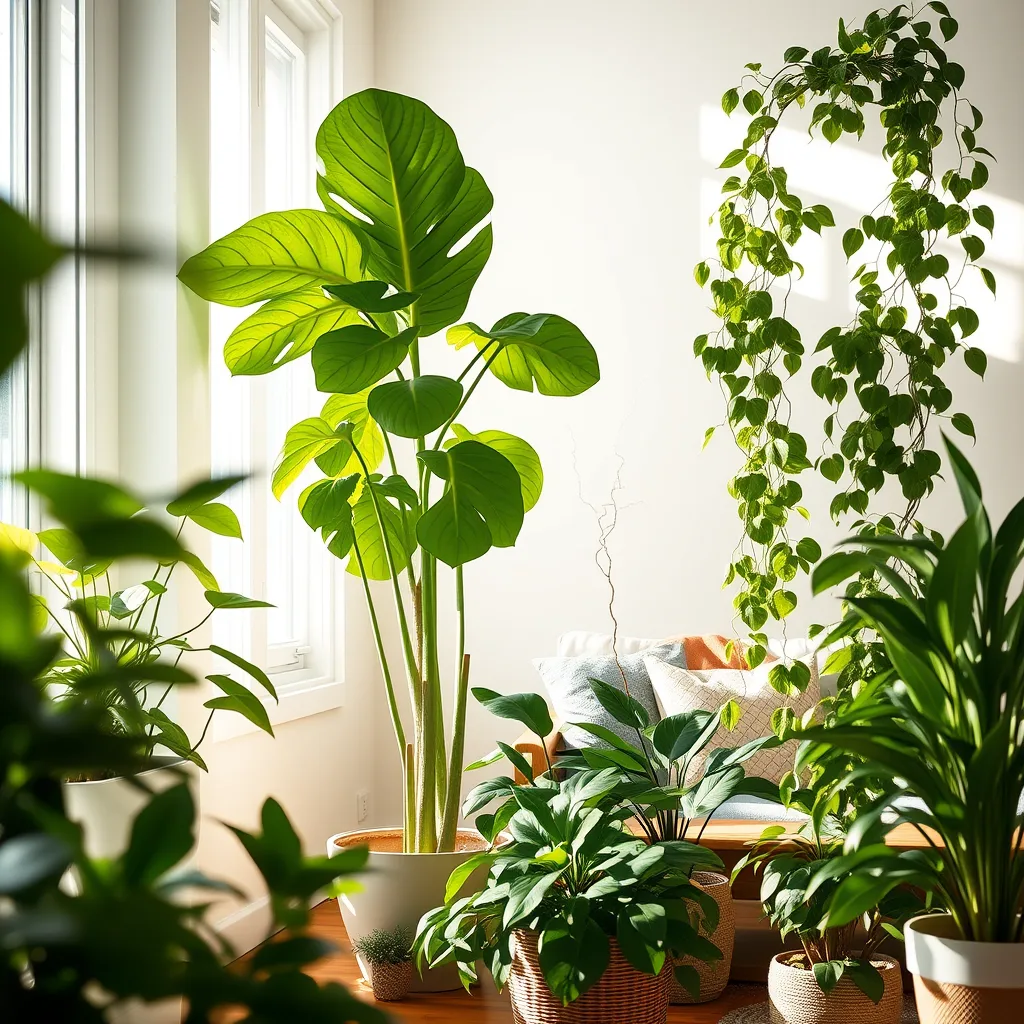
Bringing greenery into your home is more than an aesthetic choice; it is a commitment to creating a healthier, more breathable living environment. While the common belief that plants act as high-powered air filters originated from early NASA research, modern science suggests that their true value lies in their ability to improve indoor air quality through natural processes, reduce stress, and boost overall well-being. This guide explores the best indoor plants for your space and how they contribute to a cleaner home environment.
Key takeaways
- Group plants into clusters to create a micro-ecosystem that increases humidity and improves air filtration efficiency.
- Prevent mold by using well-draining pots and allowing the top inch of soil to dry out between waterings.
- Choose specific plants like Snake Plants for bedrooms or Boston Ferns to target formaldehyde from synthetic furniture.
- Maintain plant health by dusting leaves regularly to keep stomata clear and ensuring proper air circulation around foliage.
Understanding the Science of Plant-Based Air Purification
Plants interact with the air in your home through a process known as phytoremediation. Through their leaves and root systems, plants can absorb volatile organic compounds (VOCs)—gases emitted by common household items like paints, cleaning supplies, and synthetic furniture. As plants undergo photosynthesis, they take in carbon dioxide and release oxygen, creating a cycle that refreshes the air. While a single plant may not replicate the efficiency of a high-end mechanical air purifier, a collection of plants creates a micro-ecosystem that contributes to a noticeable improvement in indoor humidity and air freshness.
The Snake Plant: The Ultimate Low-Maintenance Purifier
The Snake Plant (Dracaena trifasciata) is widely considered the gold standard for beginners. It is incredibly resilient, thriving in low-light conditions and requiring very infrequent watering. What makes the Snake Plant unique is its ability to perform Crassulacean Acid Metabolism (CAM) photosynthesis, meaning it continues to release oxygen and absorb carbon dioxide at night. This makes it an ideal companion for the bedroom, where it can contribute to a more restful night of sleep by maintaining air quality while you rest.
Spider Plants for Versatility and Ease
Spider Plants (Chlorophytum comosum) are classic household favorites, known for their arching, variegated leaves and tendency to produce “pups” or baby plants. They are non-toxic to pets, making them a safe choice for families with cats or dogs. Spider plants are particularly effective at tackling common airborne toxins like formaldehyde and xylene. Because they are forgiving of occasional neglect and adapt well to various light levels, they are perfect for hanging baskets in living rooms or kitchens.
Peace Lilies: Elegance and Humidity Control
The Peace Lily (Spathiphyllum) is a stunning addition to any home, known for its deep green foliage and elegant white blooms. Beyond its beauty, the Peace Lily is an exceptional moisture-regulator. By releasing moisture into the air through transpiration, it can help counteract the drying effects of indoor heating systems during the winter. It is important to note that Peace Lilies are toxic if ingested, so they should be kept on high shelves or in rooms inaccessible to curious pets or small children.
Pothos: The Trailing Wonder for Every Room
Golden Pothos (Epipremnum aureum) is perhaps one of the most versatile plants available. Its trailing vines can grow several feet long, making it perfect for bookshelves or high cabinets where the foliage can cascade down. Pothos is renowned for its ability to thrive in almost any light condition, from dim corners to bright offices. It is an efficient filter for common household toxins and serves as a reliable indicator for watering needs: if the leaves droop slightly, the plant is telling you it is time for a drink.
Managing Soil Health and Preventing Mold
One of the most common pitfalls in keeping indoor plants for air quality is overwatering, which leads to soggy soil and potential mold growth. Mold spores can negatively impact indoor air quality, effectively canceling out the benefits provided by the plants. To prevent this, always ensure your pots have proper drainage holes. Use high-quality, well-draining potting mix and allow the top inch of soil to dry out between waterings. If you notice a musty smell or persistent dampness, it is a sign that your plants need more airflow or less water.
Optimizing Plant Placement for Maximum Impact
To get the most out of your indoor garden, strategy is key. Grouping plants together in “plant clusters” creates a small microclimate that increases humidity and improves the efficiency of air filtration in that specific zone of the home. Place plants in high-traffic areas, such as the living room or home office, where you spend the majority of your time. Ensure that every plant is positioned according to its specific light requirements; a plant struggling in a dark corner will not be able to effectively process air toxins as well as a thriving, well-lit specimen.
Integrating Plants into a Sustainable Home Strategy
Using plants to improve air quality is a foundational step in creating a sustainable, healthy home. When combined with other practices—such as keeping windows open for cross-ventilation, using natural cleaning products, and minimizing the use of synthetic fragrances—plants create a holistic approach to wellness. Remember that plants are living beings that benefit from routine care, including dusting their leaves. A layer of dust on a leaf can block the pores, known as stomata, preventing the plant from breathing. Wiping leaves down with a damp cloth every few weeks keeps your plants healthy and functioning at their peak.
The Role of Microorganisms and Rhizosphere Filtration
While the leaves of a plant are often credited with air purification, the true heavy lifting frequently happens beneath the surface. The rhizosphere—the area of soil surrounding the root system—is a bustling hub of beneficial microorganisms. These microbes break down organic pollutants into harmless byproducts, which the plant then absorbs as nutrients. To maximize this biological filtration, consider using specialized organic potting mixes that are rich in mycorrhizal fungi. These fungi form symbiotic relationships with roots, effectively extending their surface area and accelerating the breakdown of VOCs. By fostering a healthy soil biome, you turn your plant pots into miniature bioreactors that work around the clock to scrub the air of complex chemical compounds that simple photosynthesis might miss.
Selecting Plants for Specific Chemical Sensitivity
Different plant species have unique affinities for neutralizing specific toxins. For example, if your home is filled with newer synthetic carpets or pressed-wood furniture, you are likely dealing with higher concentrations of formaldehyde. In such cases, Boston Ferns (Nephrolepis exaltata) are superior performers, as their high transpiration rate acts as a natural air humidifier while simultaneously filtering formaldehyde with unmatched efficiency. Alternatively, if your living space is near a high-traffic road or you use gas-powered appliances, look toward the English Ivy (Hedera helix), which has shown a remarkable capacity for absorbing benzene and airborne fecal particles. Matching your plant selection to the specific pollutant profile of your home allows for a more targeted and effective detoxification strategy.
The Impact of Airflow and Ventilation Dynamics
Plants require a consistent supply of air to perform gas exchange; stagnant air is the enemy of an indoor purifier. If a plant is tucked into a dead-air corner behind a sofa, its ability to process VOCs is significantly diminished because the polluted air cannot reach the leaf surface. Use small, low-wattage oscillating fans or ceiling fans on a low setting to gently circulate air throughout the room. This movement ensures that the entire volume of air in the space passes over the plant foliage repeatedly. However, avoid placing plants directly in the path of harsh HVAC vents, as the rapid fluctuations in temperature and the drying effect of forced air can stress the plant, causing it to close its stomata and cease air-exchange operations entirely.
Nutritional Support for Peak Photosynthetic Output
Just as an athlete requires fuel to perform, an indoor plant requires proper nutrition to maintain its metabolic functions. A plant that is nutrient-deficient will show stunted growth and sluggish gas exchange. During the active growing season (spring and summer), use a balanced, water-soluble fertilizer at half-strength once a month. Avoid over-fertilizing, as excess salts can accumulate in the soil, potentially damaging the sensitive root hairs responsible for nutrient and water uptake. Furthermore, ensuring your plants receive adequate light is a non-negotiable form of nutrition. If a plant is light-starved, it will prioritize survival over air purification, effectively shutting down its secondary metabolic processes. Utilize full-spectrum LED grow lights if your home lacks sufficient natural light, as these provide the specific wavelengths necessary to drive maximum photosynthetic activity.
Addressing Pest-Induced Air Quality Degradation
A plant suffering from a pest infestation is not only struggling to survive but can also degrade your indoor air quality. Common pests like spider mites, mealybugs, and scale insects excrete honeydew, a sticky substance that promotes the growth of sooty mold on the foliage. This mold layer blocks the stomata, rendering the plant incapable of respiration. To maintain your “green filters,” implement a monthly inspection routine. If you spot pests, isolate the plant immediately and treat it with neem oil or insecticidal soap. By keeping your plants healthy and pest-free, you ensure that they continue to perform their intended function as air purifiers rather than becoming a source of spores or allergens themselves.
The Psychology of Biophilic Design and Air Quality
There is a profound connection between the visual presence of plants and the psychological perception of air freshness. Biophilia, the innate human tendency to seek connections with nature, suggests that simply seeing lush, green vegetation can lower cortisol levels and reduce the sensation of “stuffy” air. While this is distinct from the physical removal of VOCs, it is an essential component of a healthy home. To capitalize on this, arrange your plants at eye level or in areas where you transition between tasks. A vibrant, well-maintained plant display can trick the brain into feeling more energized and relaxed, which in turn improves your overall tolerance for indoor environments. Combining physical air scrubbing with the psychological benefits of biophilic design creates a holistic wellness environment that is far more effective than either approach in isolation.
Seasonal Adjustments for Year-Round Performance
Indoor air quality needs change with the seasons. In the winter, when windows remain closed for long periods, indoor pollutants concentrate, and the air becomes extremely dry. This is the time to prioritize plants with high transpiration rates, such as the Areca Palm or the Peace Lily, to combat low humidity. Conversely, during the summer, when humidity is naturally higher and windows are open, the focus should shift to maximizing light exposure and ensuring the plants do not become waterlogged due to the slower evaporation rates in humid air. By rotating your plant care strategies to match the rhythm of the seasons, you ensure that your indoor ecosystem remains a robust and adaptive shield against the fluctuating quality of the air in your home.
Frequently Asked Questions
Do I need a forest of plants to see a difference in air quality? While a single plant provides a small benefit, research suggests you need a significant number of plants—roughly one large plant for every 100 square feet—to have a measurable impact on the air quality of a typical room. Start small and build your collection gradually.
Are indoor plants safe for homes with pets? Not all plants are pet-safe. Species like Spider Plants and Parlor Palms are generally safe, while Peace Lilies and Pothos can be toxic if ingested. Always verify the toxicity of a plant via a reliable database like the ASPCA list before bringing it into a home with pets.
How often should I clean my plant leaves? Aim to wipe your plant leaves with a damp, soft cloth every two to four weeks. This not only removes dust that inhibits photosynthesis but also gives you a chance to inspect the plant for pests like spider mites or scale.
Can indoor plants help with dry winter air? Yes, plants increase indoor humidity through transpiration. By grouping several plants together, you can create a localized increase in humidity that helps keep your skin and respiratory passages more comfortable during the dry winter months.
Why do my plant leaves turn yellow? Yellowing leaves are usually a sign of overwatering or poor drainage. It indicates that the roots are sitting in water and cannot access oxygen. Check the soil moisture levels and ensure your pot has adequate drainage holes to allow excess water to escape.
Related posts:
 Essential Tips for Better Garden Health
 Tiny Green Therapy: How Mini Plants Are Revolutionizing the Workspace
 Pet-Safe House Plants
 Methods for Improving Your Backyard Soil Quality
 How to Safely Prune Your Indoor Plants
 Your Dirty Air Conditioner Could Be Sabotaging Your Lung Health
 Urban Outfitters’ Faux Plant Collection
 Simple Tips for Better Indoor Plant Care