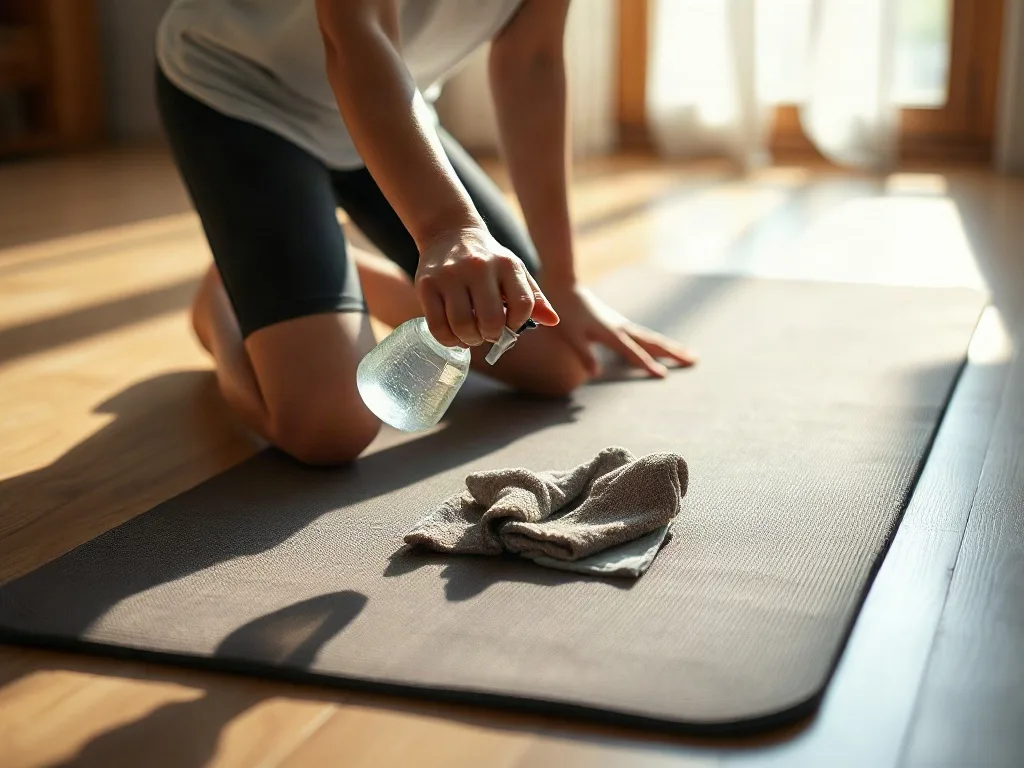
Your yoga mat is more than just a piece of equipment; it is your personal space for grounding, stretching, and mindful movement. Because your skin comes into direct contact with the surface for extended periods, and because mats are often stored in dark, warm environments, they can quickly become breeding grounds for bacteria, sweat, and dead skin cells. Establishing a consistent cleaning routine not only preserves the integrity of the material but also ensures that your practice remains hygienic and fresh.
Key takeaways
- Wipe your mat after every session with mild soap and water, ensuring it is completely air-dried before rolling it up to prevent mold.
- Avoid machine washing, bleach, or alcohol-based cleaners, as these can degrade material density and ruin your mat's grip.
- Deep clean your mat every one to two weeks using a vinegar-water solution or baking soda paste to neutralize odors and bacteria.
- Rotate your mat periodically to distribute wear and tear evenly, and store it in a cool, dry place away from direct sunlight.
Understanding Your Mat Material
Before you begin any cleaning regimen, it is vital to understand what your mat is made of. The material dictates how it reacts to moisture and chemical cleaners. Most standard mats are made from PVC (polyvinyl chloride), while eco-friendly options often feature natural rubber, jute, or cork. Closed-cell mats, such as those made from PVC or TPE, do not absorb sweat, meaning bacteria sit on the surface and are easier to wipe away. Open-cell mats, frequently found in natural rubber or polyurethane models, are designed to absorb moisture to provide better grip. These require more thorough drying times and gentler cleaning agents to prevent the breakdown of the porous structure.
The Daily Maintenance Routine
Consistency is the secret to a long-lasting mat. After every session, spend thirty seconds wiping down your mat. If you practice a high-intensity style like Hot Yoga or Vinyasa, your mat will accumulate significant moisture. Use a simple solution of water and a drop of mild dish soap on a soft microfiber cloth. Wipe the surface down in circular motions, then use a second cloth dampened only with water to remove any soapy residue. Allow the mat to air dry completely in a shaded area before rolling it up. Never roll up a damp mat, as this traps moisture and creates the perfect environment for mold and mildew growth.
Deep Cleaning Natural Rubber Mats
Natural rubber mats offer superior grip but are sensitive to sunlight and harsh solvents. Avoid using essential oils like tea tree or eucalyptus too frequently, as these can dry out the rubber over time, leading to cracking or loss of “tackiness.” For a deep clean, create a solution of one part white vinegar to three parts water. Vinegar acts as a natural disinfectant without damaging the rubber. Gently scrub the surface with a soft sponge, paying extra attention to areas where your hands and feet usually rest. Rinse the sponge frequently to avoid pushing dirt back into the mat’s texture.
Sanitizing Cork and Eco-Friendly Materials
Cork is naturally antimicrobial, which makes it a fantastic choice for those who sweat heavily. However, it still requires regular care to prevent the buildup of oils. Because cork is a porous, natural material, it should never be submerged in water. Instead, use a spray bottle filled with a very diluted solution of water and a splash of witch hazel. Lightly mist the surface and wipe with a clean cloth. If you notice dark spots or signs of wear, ensure you are letting the mat breathe by hanging it over a shower rod or drying rack for several hours after every practice.
What to Avoid: Common Cleaning Mistakes
One of the most common mistakes yoga practitioners make is putting their mat in the washing machine. Unless the manufacturer explicitly states that the mat is machine-washable, avoid this at all costs. The agitation of a washing machine can shred the mat, ruin its density, and destroy the grip. Similarly, avoid using harsh household cleaners like bleach, ammonia, or abrasive scrub brushes. These substances can cause the mat to become slippery or degrade the chemical bonds that hold the mat together. Always test a small, inconspicuous corner of your mat before applying any cleaning solution to the entire surface.
Restoring Grip to a Slippery Mat
If your mat has become slippery, it is often due to a buildup of oils from your skin or residue from lotions. A “reset” cleaning is often all that is needed. Fill a bathtub with warm water and a very small amount of mild dish soap. Submerge your mat and let it soak for about 15 to 20 minutes. Gently press the soap through the material with your hands. Drain the tub and rinse the mat thoroughly under cool running water until all soap is gone. Hang the mat over a sturdy railing or shower rod away from direct sunlight. It may take up to 24 hours to dry completely, but this process often restores the original stickiness.
Drying and Storage Best Practices
Proper storage is the final step in mat maintenance. Sunlight is the enemy of most yoga mat materials, particularly natural rubber, which can become brittle and fade when exposed to UV rays. Always store your mat in a cool, dry place. If you live in a humid climate, consider keeping your mat unrolled or hanging it vertically using a specialized mat hanger. If you must roll it, try to store it with the side you stand on facing outward; this prevents the corners from curling upward, which can be a tripping hazard during your next practice.
When It Is Time to Replace Your Mat
Even with meticulous care, yoga mats have a finite lifespan. If you notice the material flaking off, deep indentations that do not bounce back, or a persistent odor that remains even after a deep clean, it is likely time to invest in a new mat. A worn-out mat can lead to joint strain due to lack of cushioning and may increase your risk of slipping during inverted poses. By cleaning your mat regularly, you extend its life significantly, but knowing when to retire an old mat is essential for your safety and comfort.
Addressing Odor Neutralization Without Masking
Persistent odors are often the result of bacteria trapped deep within the microscopic pores of your mat, rather than just surface-level sweat. When standard cleaning fails to remove a “sour” smell, you are likely dealing with a biofilm accumulation that requires a more targeted approach. Rather than relying on heavy fragrances, which only mask the scent, consider an enzymatic cleaner formulated for sports gear. These cleaners break down the organic proteins in sweat that bacteria feed upon. Alternatively, a paste made of baking soda and a tiny amount of water can be applied to high-traffic areas like the “T-zone”—where the hands and feet rest—and left to sit for 15 minutes. Baking soda acts as a natural pH balancer, neutralizing acidic odors. After the paste dries slightly, wipe it away with a damp cloth, ensuring no gritty residue remains. For extreme cases, placing the mat in a large, sealed plastic bin with an open box of baking soda for 48 hours can help pull out stubborn smells without the use of liquids.
The Impact of Environmental Humidity on Mat Longevity
If you practice in a region with high humidity, your mat faces a unique set of challenges that go beyond simple sweat management. Moisture in the air can settle into the material, preventing the mat from ever fully drying between sessions. This leads to “mat rot,” a condition where the inner layers of the material begin to break down, resulting in a soft, squishy, or crumbling texture. In these climates, avoid storing your mat in a dark closet or a closed gym bag. Instead, invest in a wall-mounted rack or a vertical hanger that allows air to circulate on both sides of the mat. If you notice the mat feels “tacky” or damp even before you start your practice, use a dry, lint-free towel to buff the surface vigorously before unrolling it. This friction generates a small amount of heat that helps evaporate trapped humidity, ensuring a more stable and safe foundation for your balancing poses.
Tactical Solutions for High-Friction Wear
Over time, the areas of your mat that experience the most friction—typically the center where your palms and feet land—will show signs of thinning or “bald spots.” This is caused by the abrasive combination of skin oils and the physical friction of movement. To extend the life of your mat, rotate your orientation periodically. Instead of always placing the head of your mat toward the same wall, flip the mat 180 degrees every few sessions. This simple habit distributes the wear and tear more evenly across the entire surface. If you notice specific areas are becoming dangerously slippery due to this wear, you can perform a localized restoration. Use a very fine-grit sanding block—extremely gently—on the worn area to roughen the surface slightly, then immediately clean it with a mild soap solution to remove any loose particles. This should be a last-resort measure, as it physically alters the mat’s surface, but it can often provide enough traction to safely continue using a mat that would otherwise be retired.
Managing Skin Sensitivity and Chemical Residue
Many practitioners suffer from contact dermatitis or skin irritation without realizing their yoga mat is the culprit. Even if you don’t have sensitive skin, the chemical residue from harsh soaps or even leftover vinegar can trigger reactions during long-held poses like Savasana, where your skin is in prolonged contact with the material. If you have sensitive skin, perform an “extra rinse” cycle on your mat after any deep cleaning. This involves wiping the mat down with a cloth soaked in plain, filtered water at least three times, wringing it out thoroughly between passes. Furthermore, avoid using scented dish soaps or essential oils that contain high levels of limonene or linalool, as these compounds can become irritants when combined with the heat of your body. If you are prone to breakouts or rashes, consider placing a thin, dedicated yoga towel over your mat during practice. This creates a barrier that captures the bulk of the sweat and oils, allowing you to wash the towel in a machine while keeping the mat itself much cleaner.
Navigating the Nuances of TPE and Specialized Hybrid Mats
Thermoplastic Elastomer (TPE) mats are increasingly popular due to their lightweight nature and closed-cell structure, but they require a different touch than PVC or natural rubber. TPE is sensitive to heat; therefore, you must never leave these mats in a hot car, as the material can warp or even melt in extreme temperatures. When cleaning TPE, avoid any alcohol-based solutions, which can cause the material to become brittle and crack. If your hybrid mat features a specialized top layer—such as a microfiber-fused surface—you must be careful not to scrub too vigorously, as this can cause the lamination to peel. For these hybrid surfaces, the best approach is a light misting of distilled water followed by a gentle pat-down with a microfiber towel. Avoid circular scrubbing motions on hybrid mats, as this can fray the delicate fibers of the top layer, leading to a “pilling” effect that ruins the mat’s texture.
Integrating Mat Maintenance into Your Ritual
Think of your post-practice cleaning not as a chore, but as the final “cool down” of your session. By incorporating this into your routine, you move from a state of active exertion back to a state of mindfulness. Use this time to inspect your mat for signs of damage, such as small nicks from jewelry or deep scuffs from toes. Catching these small tears early is essential; a tiny tear in a high-tension area can quickly expand into a large rip if not addressed. You can use a small amount of flexible, clear adhesive—such as specialized rubber cement—to seal tiny nicks before they grow. By ritualizing the care of your equipment, you treat your practice space with the same respect you give your own body, fostering a deeper connection to your gear and ensuring that your mat remains a supportive partner in your wellness journey for years to come.
Frequently Asked Questions
- How often should I deep clean my yoga mat? For the average practitioner, a deep clean once every two weeks is sufficient. If you practice hot yoga or sweat profusely, aim for a weekly deep clean to prevent bacterial buildup.
- Can I use essential oils to make my mat smell better? Yes, but use them sparingly. A few drops of lavender or tea tree oil in your spray bottle can act as an antifungal agent. Avoid citrus oils, as they can cause some mat materials to break down faster.
- My mat is still wet after 24 hours; what should I do? If your mat remains damp, move it to a room with better airflow or use a fan to circulate air around it. Never roll up a mat that is not 100% dry, as this will lead to mildew.
- Can I use disinfecting wipes on my yoga mat? Most commercial disinfecting wipes contain alcohol or bleach, which are too harsh for many yoga mats. Check the manufacturer’s label first, but it is generally safer to stick to natural, homemade solutions.
- How do I remove heavy stains from my mat? For stubborn spots, make a thick paste of baking soda and water. Apply it to the stain, let it sit for five minutes, and gently scrub with a soft cloth. Rinse thoroughly and allow to air dry completely.
Related posts:
 Jade vs. Manduka yoga mat throwdown! Which one wins?
 White Sneaker Cleaning Hack
 How to Safely Clean Your Yoga Equipment
 Foundation’s Impact on Skin
 Mat Goals: The Cutest Yoga Mats That Will Make You Actually Want to Namaste
 Hot Yoga Mat Review
 3 yoga mats totally reimagined for the better
 Hair Accessory Hygiene: The Gross Truth About Dirty Hair Ties