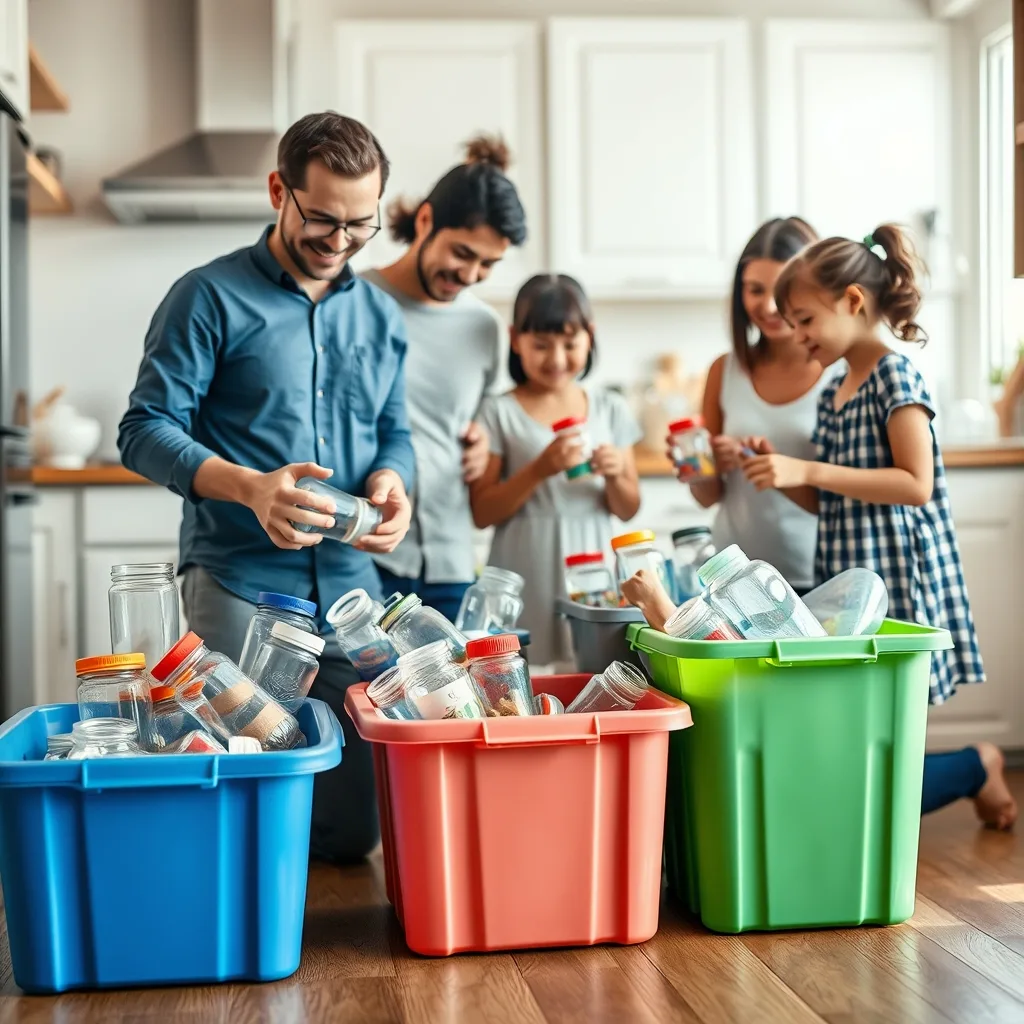
Transitioning your household toward sustainable living is a journey that begins with a single, intentional change: the implementation of a family recycling program. While the concept of recycling is familiar, the logistics of managing waste within a busy household can be daunting. By establishing clear systems, educating family members, and normalizing sustainable habits, you can transform waste management from a chore into a collective family value.
Key takeaways
- Check your local municipality website for specific rules to avoid contaminating batches with non-accepted items.
- Place a centralized sorting station with clearly labeled, color-coded bins in a high-traffic area like the kitchen.
- Always rinse and dry food containers before recycling to prevent contamination from ruining an entire load.
- Collect soft plastics like grocery bags separately for retail drop-off to avoid jamming standard processing machinery.
- Separate mixed-material packaging, such as removing plastic windows from cardboard boxes, before recycling individual components.
Understanding Your Local Waste Infrastructure
Before you place your first bin, you must understand the rules of your specific municipality. Recycling is not a universal process; it is governed by local facilities and their processing capabilities. Visit your city or county government website to access a comprehensive list of accepted materials. Pay close attention to the distinction between curbside pickup and drop-off requirements. Many families make the mistake of “wish-cycling”—tossing non-recyclable items into the bin in the hope they will be recycled. This practice often contaminates entire batches, leading to the disposal of otherwise recyclable materials. Print your local guidelines and pin them to your refrigerator as a quick reference for the entire family.
Designing a Centralized Sorting Station
The success of a family recycling program relies on convenience. If recycling is difficult, it will be ignored. Create a centralized sorting station in a high-traffic area, such as the kitchen or pantry. Use clearly labeled bins for different categories: paper, plastics, metals, and glass. Ensure these bins are accessible to everyone, including children. Use color-coded labels or visual icons to make it easy for younger family members to participate without needing to read complex instructions. Avoid placing recycling bins in remote corners of the house; the closer they are to the source of waste, the higher the participation rate will be.
The Role of Pre-Cycle Habits
Recycling is the last resort in the waste hierarchy, which prioritizes reducing and reusing. Teach your family the importance of “pre-cycling,” which means considering the recyclability of a product before you purchase it. When grocery shopping, opt for items with minimal packaging or packaging made from highly recyclable materials like aluminum or cardboard. Encourage the use of reusable water bottles, snack containers, and cloth grocery bags. By reducing the amount of waste that enters your home in the first place, you significantly decrease the burden of managing your recycling program, making the process more manageable for everyone involved.
Educating Children and Teens
Children are often the most enthusiastic participants in sustainability programs if they understand the “why” behind the action. Frame recycling as a way to protect the environment, save animals, and conserve resources. Host a family meeting to explain how the process works and why it matters. For younger children, turn sorting into a game or a responsibility-building activity. For teens, involve them in the management of the program—perhaps delegating the task of monitoring the bins or organizing trips to the local recycling center. When family members feel a sense of ownership over the program, they are more likely to commit to it long-term.
Managing Contamination and Cleaning
One of the biggest hurdles in household recycling is contamination. Food residue on plastic containers or pizza boxes can ruin an entire load of recyclables. Establish a simple rule: all containers must be rinsed and dried before being placed in the bin. Keep a small sponge or a designated “rinse station” near your recycling center to make this task quick and efficient. Emphasize that a small amount of effort—like a quick splash of water—prevents waste from ending up in a landfill. If a container is too greasy or difficult to clean, it is better to dispose of it as trash than to risk contaminating the rest of the recycling stream.
Handling Specialized Recyclables
Standard household recycling programs often do not accept items like batteries, electronics, textiles, or light bulbs. These items require specialized handling to prevent hazardous materials from entering the environment. Create a “specialty bin” in a closet or garage where you can collect these items over time. Research local community collection events, hazardous waste drop-off days, or retail take-back programs that accept these specific materials. By having a designated spot for these items, you prevent them from cluttering your home or being tossed in the general trash, ensuring they are disposed of safely and responsibly.
Tracking Progress and Celebrating Success
Motivation can wane over time, so it is helpful to track your progress as a family. You might measure success by the reduction in the number of trash bags you take to the curb each week. Celebrate milestones, such as a month of perfect sorting or the introduction of a new composting habit. Positive reinforcement helps solidify new behaviors. If you notice a lapse in compliance, use it as a learning opportunity rather than a point of conflict. Discuss what went wrong and how you can make the system easier for everyone to follow.
Integrating Composting into the Routine
A significant portion of household waste is organic matter that could be composted rather than sent to a landfill. If you have the space, consider starting a backyard compost pile or using a countertop compost bin. Composting kitchen scraps like vegetable peels, coffee grounds, and eggshells can reduce your household trash volume by nearly 30 percent. If backyard composting isn’t feasible, check if your city offers a curbside organic waste collection program. Integrating composting into your recycling program completes the cycle of waste management, turning trash into a valuable resource for your garden.
Optimizing the Logistics of Plastic Film and Soft Plastics
Many families struggle with the distinction between rigid plastics—like soda bottles and detergent jugs—and soft plastics, such as grocery bags, bread packaging, and bubble wrap. Because soft plastics are notorious for jamming the automated sorting machinery at standard recycling facilities, they are almost never accepted in curbside bins. To manage these effectively, designate a specific “soft plastic collection point” in your laundry room or pantry. Once a month, take this collection to a grocery store or retail outlet that participates in storefront film recycling programs. By segregating these materials, you prevent them from becoming “tanglers” that cause system-wide shutdowns at the processing plant, ensuring your other efforts remain effective and uncontaminated.
The Science of Material Identification and Resin Codes
Understanding the resin identification codes—the small numbers inside the triangle symbol—is a vital skill for older children and teens to master. While these numbers were originally designed for manufacturers, they now serve as a helpful guide for household sorting. However, caution is required: just because an item has a number, it does not mean it is locally recyclable. Teach your family to look for the “chasing arrows” symbol, but emphasize that the local municipality’s website is the final authority. Create a “Cheat Sheet” card for the pantry door that lists specific items by their common names rather than just numbers, such as “Milk jugs (No. 2): Yes” versus “Styrofoam containers (No. 6): No.” This nuance helps family members avoid the trap of assuming all plastics are equal.
Implementing a Zero-Waste Grocery Strategy
To truly lighten the load on your recycling system, address the waste before it enters the kitchen. Implement a “bulk-first” purchasing policy where family members are encouraged to choose goods from the bulk bins using their own glass jars or cloth produce bags. When buying pantry staples like rice, pasta, or flour, prioritize paper-based packaging over plastic-lined boxes, as paper is significantly easier to recycle and often compostable. For items that must come in plastic, try to consolidate purchases; for example, buying one large container of yogurt instead of five individual cups reduces the total surface area that needs rinsing and decreases the overall plastic footprint of your household.
Navigating the Challenges of Mixed-Material Packaging
Modern product packaging often combines materials—such as a cardboard box with a plastic window, or a paper envelope with a bubble-wrap lining. These “hybrid” items are the most difficult to process and are frequently discarded as trash. Teach family members the “separation rule”: if a package is made of two distinct materials, they must be separated before recycling. For instance, pull the plastic film off the pasta box or remove the plastic nozzle from a cardboard detergent pod box. If the materials are permanently bonded, such as a foil-lined juice pouch, it must go in the trash. Mastering this level of detail prevents you from accidentally polluting your clean stream of paper or plastic with non-recyclable contaminants.
Establishing a Secondary Sorting Hub for High-Volume Areas
While a central sorting station is ideal, large homes or multi-story residences often benefit from satellite bins. Place a small, discreet bin in the home office or bedroom specifically for paper, which is often generated away from the kitchen. This prevents the “trash-can overflow” where paper ends up in the general waste because walking to the kitchen felt like a chore. Use a “pass-through” system where these satellite bins are emptied into the main kitchen sorting station once a week. This ensures that paper—which is clean and dry—doesn’t get mixed with the messy, food-contaminated items in the kitchen, thereby preserving the quality of your paper recycling stream.
Managing Seasonal Waste Spikes
Holidays and birthdays often trigger a massive influx of non-recyclable waste, such as metallic wrapping paper, glitter-covered cards, and excessive ribbons. Establish a “gift-wrap protocol” to manage these spikes. Encourage the use of recyclable wrapping materials like brown kraft paper or reusable fabric bags. When hosting events, set up a temporary “party recycling station” that is clearly marked for guests. By proactively managing the influx of materials during high-waste periods, you prevent your normal household systems from becoming overwhelmed, ensuring that your long-term recycling goals remain achievable even during the busiest times of the year.
Frequently Asked Questions
Q: What should I do if my local recycling program doesn’t accept certain types of plastic? A: If a material isn’t accepted, do not place it in your bin. Check the “How2Recycle” labels on packaging for specific instructions or look for local drop-off points that accept rigid plastics or film plastics, which are rarely accepted in curbside programs.
Q: Is it really necessary to remove labels from jars and bottles? A: Generally, no. Most modern recycling facilities use equipment that can handle paper labels and adhesives. However, always check your local guidelines, as some municipalities may have specific requirements for glass or metal containers.
Q: How can I handle recycling in a home with limited space? A: Use vertical space. Stackable bins or hanging organizers can keep your recycling contained without taking up valuable floor space. You can also use a single bag for all recyclables and sort them just before taking them to the curb or drop-off center.
Q: Does the recycling process actually save energy? A: Yes, recycling materials like aluminum and paper typically requires significantly less energy than extracting and processing virgin raw materials. This energy savings is a key reason why recycling is an essential component of sustainable living.
Q: How do I handle family members who are resistant to the new recycling program? A: Focus on making the system as frictionless as possible. If it takes more than a few seconds to recycle an item, people will stop doing it. Keep the process simple, provide clear guidance, and lead by example rather than by lecturing. Consistency is key to changing habits over time.
Related posts:
 Honest Beauty’s Commitment to Sustainable Packaging
 Effective Ways to Reduce Plastic in Your Bathroom
 Sustainable Packaging Challenge
 Creating a Plastic-Free Home
 Simple Methods to Reduce Household Waste
 Practical Methods for Reducing Household Waste
 Effective Ways to Reduce Household Plastic Use
 Sweden’s Genius Fitness Trend That Cleans Up the Planet While You Get Fit