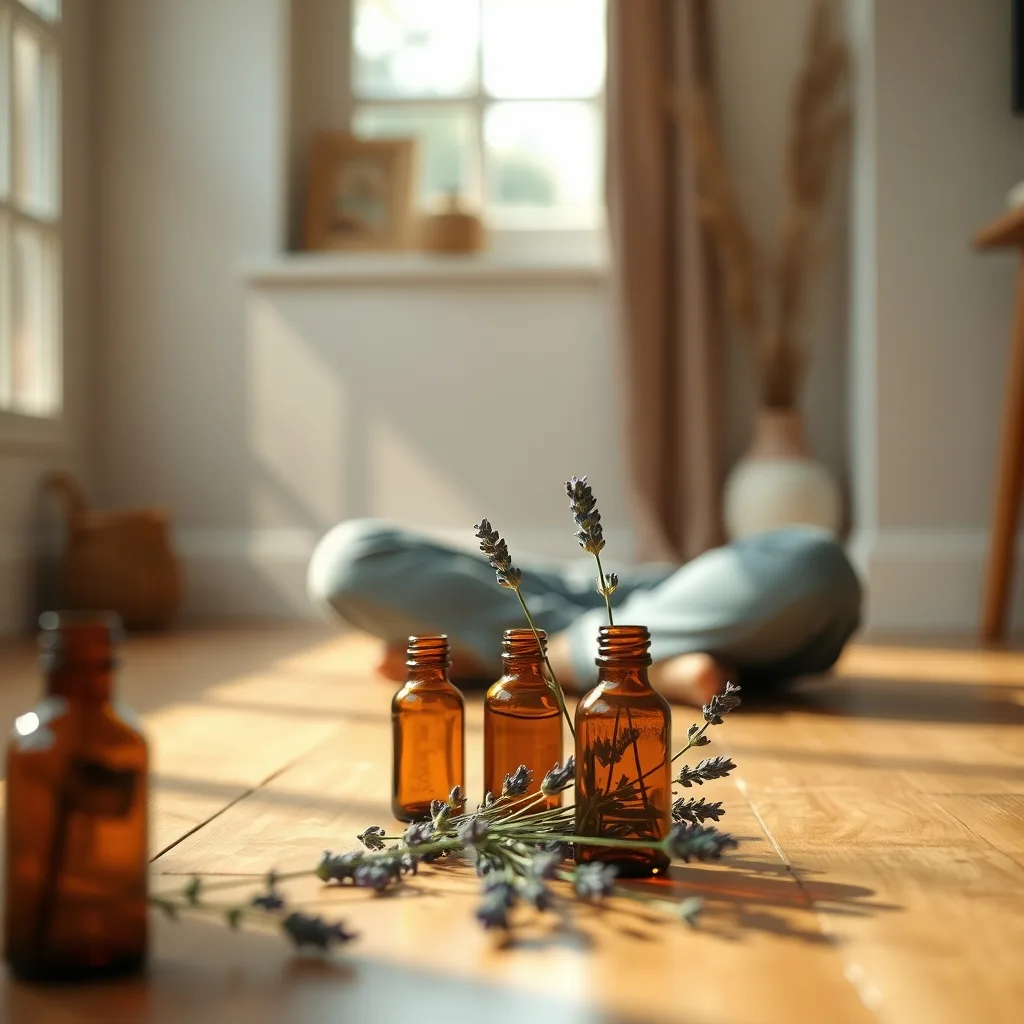
Essential oils have been used for centuries to promote relaxation, reduce stress, and create calming environments. These concentrated plant extracts contain aromatic compounds that can influence our mood, nervous system, and overall sense of well-being. Whether you’re dealing with daily stress, struggling to unwind after work, or simply looking to create more peaceful moments in your life, essential oils offer a natural, accessible approach to relaxation.
Key takeaways
- Dilute essential oils in carrier oils at a 2-3% ratio for adults to ensure safe topical application.
- Prioritize high-quality, pure oils and perform patch tests on the forearm to check for potential skin sensitivities.
- Use inhalation methods like diffusers or personal inhalers to influence mood through the brain's limbic system.
- Rotate scents to prevent olfactory fatigue and customize blends based on personal scent preferences and goals.
- Consult a healthcare provider before use if pregnant, nursing, or taking medications, as some oils have contraindications.
Understanding how to select, use, and blend essential oils safely can transform your self-care routine. This guide walks you through the most effective relaxation oils, proven application methods, and practical ways to incorporate aromatherapy into your daily life.
Understanding How Essential Oils Affect Relaxation
Essential oils work through multiple pathways in the body. When you inhale an essential oil, aromatic molecules travel through your nasal passages and interact with olfactory receptors. These receptors send signals directly to the limbic system, the part of your brain that processes emotions, memories, and stress responses.
This direct connection explains why certain scents can instantly shift your mood or bring back vivid memories. Lavender, for example, has been shown in studies to reduce cortisol levels and increase alpha wave activity in the brain, both associated with relaxation. When applied topically (always diluted), essential oils can also be absorbed through the skin, though the primary relaxation benefits come from inhalation.
The parasympathetic nervous system, responsible for the body’s rest-and-digest response, can be activated by certain essential oil compounds. This helps slow heart rate, lower blood pressure, and reduce muscle tension. However, it’s important to note that essential oils are complementary tools, not medical treatments, and individual responses vary based on personal chemistry and associations with specific scents.
The Most Effective Essential Oils for Relaxation
While dozens of essential oils claim relaxation benefits, research and traditional use point to several standouts. Lavender (Lavandula angustifolia) is perhaps the most studied, with multiple trials showing reduced anxiety and improved sleep quality. Its sweet, floral aroma is widely appreciated and rarely causes sensitivity.
Chamomile, particularly Roman chamomile (Chamaemelum nobile), offers a warm, apple-like scent that promotes calm and eases tension. It’s especially helpful for stress-related digestive discomfort. Bergamot (Citrus bergamia), a citrus oil with a unique floral note, has shown promise in reducing anxiety and improving mood without causing drowsiness.
Ylang ylang (Cananga odorata) provides an intensely floral, slightly sweet aroma that can lower blood pressure and heart rate. Frankincense (Boswellia carterii) has an earthy, resinous scent traditionally used in meditation practices, helping to deepen breathing and quiet mental chatter. Cedarwood (Cedrus atlantica) offers a woody, grounding aroma that many find centering and calming, particularly before sleep.
Clary sage (Salvia sclarea) has a herbaceous, slightly nutty scent that can ease nervous tension, while sandalwood (Santalum album) provides a creamy, warm aroma long valued for meditation and relaxation. Start with one or two oils that appeal to you rather than collecting many at once.
Safe Dilution and Application Methods
Essential oils are highly concentrated and should rarely be used undiluted on skin. For topical application, dilute essential oils in a carrier oil such as jojoba, sweet almond, or fractionated coconut oil. A safe dilution for adults is typically 2-3%, meaning 12-18 drops of essential oil per ounce (30 ml) of carrier oil.
For facial application or sensitive skin, reduce to 1% (6 drops per ounce). For children over 6 years old, use 0.5-1% dilution, and avoid certain oils altogether in young children and during pregnancy. Always perform a patch test on your inner forearm before widespread use.
Common application areas for relaxation include the temples, back of the neck, shoulders, wrists, and the soles of feet. Gently massage the diluted oil into these areas using circular motions. The warmth and rhythm of massage itself enhances the relaxation effect.
Never apply essential oils to broken skin, near eyes, or in ears. If irritation occurs, dilute the area with more carrier oil (never water, which can spread the essential oil and increase irritation). Store diluted blends in dark glass bottles away from heat and light to preserve their potency.
Using Diffusers and Inhalation Techniques
Diffusing essential oils disperses them into the air, allowing you to benefit from their aroma throughout a room. Ultrasonic diffusers use water and vibrations to create a fine mist, making them quiet and suitable for bedrooms. These typically require 3-5 drops of essential oil per 100 ml of water.
Nebulizing diffusers use pressurized air to atomize pure essential oil without water, creating a more concentrated aroma. These are powerful and best used for shorter periods (15-30 minutes) in well-ventilated spaces. Heat diffusers and candle burners are less ideal, as heat can alter the chemical composition of the oils.
For immediate relaxation, personal inhalers offer a portable option. Add 10-15 drops of essential oil to the cotton wick inside the inhaler, then breathe deeply through the opening when needed. This method is discrete and perfect for stressful moments at work or while traveling.
Simple steam inhalation works well for respiratory relaxation. Add 2-3 drops of essential oil to a bowl of hot (not boiling) water, drape a towel over your head and the bowl, and breathe deeply for 5-10 minutes. This method is particularly effective with eucalyptus or lavender.
Direct palm inhalation is the quickest method: place 1-2 drops of essential oil in your palms, rub them together, cup your hands over your nose and mouth (without touching your face), and take several slow, deep breaths.
Creating Relaxing Essential Oil Blends
Blending essential oils allows you to create customized aromatherapy experiences that address your specific needs. Start with a simple three-oil blend using the perfume pyramid concept: top notes (light, bright scents), middle notes (the heart of the blend), and base notes (deep, grounding scents).
A classic relaxation blend might include bergamot (top note) for uplift, lavender (middle note) for calm, and cedarwood (base note) for grounding. Use a ratio of approximately 30% top, 50% middle, and 20% base notes. In practical terms, this could be 3 drops bergamot, 5 drops lavender, and 2 drops cedarwood.
For evening relaxation, try combining Roman chamomile (4 drops), lavender (4 drops), and frankincense (2 drops). For stress relief during the day when you need to remain alert, blend bergamot (4 drops), clary sage (3 drops), and ylang ylang (2 drops). A sleep-supportive blend might include lavender (5 drops), cedarwood (3 drops), and vetiver (2 drops).
Keep notes on your blends, recording proportions and your response. What works beautifully for one person may not resonate with another. Some oils, like ylang ylang and jasmine, can become overwhelming in high concentrations, so start with smaller amounts.
Store your blends in dark glass bottles, clearly labeled with ingredients and date. Properly stored, most blends remain effective for 6-12 months, though citrus oils oxidize faster and are best used within 6 months.
Incorporating Essential Oils into Your Daily Routine
Consistency amplifies the benefits of essential oils for relaxation. Create anchors throughout your day that signal to your nervous system it’s time to decompress. A morning routine might include an energizing yet grounding blend of bergamot and cedarwood in your diffuser while you prepare for the day.
During work breaks, keep a personal inhaler with lavender or frankincense at your desk. Take three deep breaths through the inhaler, focusing on extending your exhale, which activates the parasympathetic nervous system. This practice takes less than a minute but can reset your stress response.
An afternoon ritual might involve applying a diluted relaxation blend to your wrists and behind your ears. The warmth of these pulse points helps diffuse the aroma, and the act of anointing yourself becomes a mindful pause in your day.
Evening routines benefit most from essential oil use. Diffuse lavender and chamomile in your bedroom 30 minutes before sleep, or add 5-8 drops of a relaxation blend to a warm bath with Epsom salts. The combination of warm water, salts, and aromatherapy creates a powerful wind-down signal.
Before bed, apply a diluted blend to the soles of your feet. This area has larger pores and excellent absorption, and the ritual of caring for your feet can be meditative. Pair this with gentle breathing exercises or progressive muscle relaxation for enhanced effect.
Combining Essential Oils with Other Relaxation Practices
Essential oils amplify other relaxation techniques when used together. During meditation, diffuse frankincense, sandalwood, or cedarwood to help quiet mental chatter and deepen focus. The consistent aroma becomes associated with your practice, making it easier to drop into a meditative state over time.
Yoga practice pairs naturally with aromatherapy. Apply a grounding blend to your wrists before practice, or place a drop of lavender on your yoga mat (test in an inconspicuous area first). Restorative poses benefit from calming scents that encourage the body to release into stillness.
Breathwork becomes more effective when paired with essential oil inhalation. Try box breathing (inhale for 4, hold for 4, exhale for 4, hold for 4) while inhaling lavender or bergamot from your palms. The focused breathing combined with aromatherapy creates a dual intervention for stress.
Progressive muscle relaxation, where you systematically tense and release muscle groups, works well with a topical application of diluted essential oils. Apply a relaxation blend to each area before you begin, and the physical sensation reminds you to focus on that body part.
Reading or journaling before bed becomes more restorative with a calming room fragrance. Diffuse chamomile or lavender while you engage in these quiet activities, creating a peaceful boundary between the day’s demands and rest.
Safety Considerations and Who Should Avoid Certain Oils
While essential oils are natural, they’re powerful substances that require respect and proper use. Pregnant and nursing women should consult healthcare providers before use, as some oils can affect hormone levels or cross into breast milk. Avoid using essential oils on infants under 3 months, and use extreme caution and proper dilution with young children.
People with asthma, epilepsy, or other seizure disorders should approach essential oils carefully, as strong scents can trigger symptoms in some individuals. Those with sensitive skin or skin conditions like eczema should always perform patch tests and use lower dilution percentages.
Certain essential oils are phototoxic, meaning they increase sun sensitivity. Bergamot, lemon, lime, and grapefruit can cause burns or pigmentation if applied topically before sun exposure. Avoid sun exposure for 12-24 hours after topical application of citrus oils, or choose steam-distilled versions, which lack the phototoxic compounds.
Never ingest essential oils unless under the guidance of a qualified aromatherapist or healthcare provider trained in internal use. The digestive system responds differently than inhalation, and many oils are toxic when consumed.
Quality matters significantly. Purchase essential oils from reputable suppliers who provide GC/MS (gas chromatography-mass spectrometry) testing results. Pure essential oils should list the botanical name, country of origin, and extraction method. Synthetic fragrances or adulterated oils lack therapeutic benefits and may contain harmful additives.
If you’re taking medications, particularly blood thinners, antidepressants, or sedatives, discuss essential oil use with your doctor, as some oils can interact with medications.
Troubleshooting Common Issues
If you’re not experiencing relaxation benefits, several factors might be at play. First, ensure you’re using pure, quality oils rather than synthetic fragrances labeled as essential oils. Second, check your dilution and application method. Sometimes less is more with essential oils; an overpowering scent can cause headaches rather than relaxation.
If a particular oil doesn’t work for you, it may be due to personal associations. Scent is deeply tied to memory, so if lavender reminds you of an unpleasant experience, it won’t feel relaxing no matter what studies say. Trust your response and try different oils.
Olfactory fatigue occurs when you become desensitized to a scent after prolonged exposure. If you’re not noticing effects anymore, take a break from that oil for a few days or rotate between different relaxation scents. Limit diffusion to 30-60 minutes at a time with breaks in between.
Headaches from essential oils often indicate the concentration is too strong or you’re sensitive to that particular oil. Reduce the amount used, ensure good ventilation, and consider trying gentler options like lavender or chamomile rather than intense florals like ylang ylang.
If skin irritation occurs despite proper dilution, you may have sensitivity to that specific oil. Discontinue use, apply more carrier oil to dilute further, and consider trying a different essential oil. Some people are sensitive to certain plant families but tolerate others well.
Building a Personal Essential Oil Relaxation Toolkit
Creating a curated collection of essential oils tailored to your specific relaxation needs prevents waste and ensures you have the right tools for different situations. Rather than purchasing every oil mentioned in aromatherapy guides, start with a foundation of three to five oils that address your primary stress patterns. If you experience tension headaches, prioritize peppermint and lavender. For sleep difficulties, focus on cedarwood, Roman chamomile, and vetiver. Those dealing with emotional overwhelm might begin with bergamot, frankincense, and clary sage.
Your toolkit should also include practical supplies beyond the oils themselves. Invest in at least two carrier oils—jojoba oil works well for most skin types and has a long shelf life, while sweet almond oil offers excellent absorption for massage applications. Dark glass bottles in various sizes (5ml, 10ml, and 30ml) allow you to create and store custom blends. Dropper tops provide precise measurement, essential for maintaining proper dilution ratios.
Consider your lifestyle when selecting delivery methods. Frequent travelers benefit from roll-on bottles pre-filled with diluted blends, personal inhalers that pass through airport security, and small containers of solid perfume made with essential oils and beeswax. Home-based practitioners might invest in a quality ultrasonic diffuser for the bedroom and a smaller USB-powered version for office use. Including supplies like cotton pads, small spray bottles for room mists, and a dedicated notebook for tracking blends and responses rounds out a functional toolkit.
Storage matters significantly for longevity. Essential oils oxidize when exposed to heat, light, and air, losing therapeutic properties and potentially becoming skin irritants. Store your collection in a cool, dark place—a drawer or cabinet away from windows and heating sources. Refrigeration works well for citrus oils, which oxidize fastest. Label everything clearly with purchase dates, as oils typically maintain peak quality for 1-3 years depending on the variety. Replace oxidized oils rather than continuing to use them, as their chemical composition changes over time.
Budget-conscious building means purchasing smaller quantities initially. A 5ml bottle of pure essential oil provides approximately 100 drops, sufficient for months of regular use when properly diluted. As you discover which oils truly serve your relaxation needs, invest in larger sizes of those favorites while letting less-used oils leave your collection. Quality always trumps quantity in essential oil practice.
Seasonal Approaches to Relaxation Aromatherapy
Your relaxation needs shift throughout the year, and essential oil selection can reflect these seasonal changes. Winter months often bring increased tension from reduced daylight, cold-related muscle tightness, and holiday stress. During this time, warming essential oils like frankincense, cedarwood, and sandalwood provide grounding comfort. These resinous, woody scents create a sense of shelter and stability when the external environment feels harsh. Blend them with a touch of sweet orange or vanilla CO2 extract for emotional warmth without heaviness.
Winter also presents dry indoor air from heating systems, which can cause respiratory irritation and disrupted sleep. Adding eucalyptus or pine to your evening diffuser blend supports comfortable breathing while maintaining relaxation. A winter evening blend might combine 3 drops cedarwood, 2 drops frankincense, 2 drops lavender, and 1 drop eucalyptus—the eucalyptus opens airways without creating alertness, while the other oils maintain a restful atmosphere.
Spring transitions bring their own stress patterns as energy increases and schedules intensify. This season calls for lighter, more uplifting relaxation blends that refresh rather than sedate. Bergamot shines in spring formulations, offering stress relief without drowsiness. Geranium, with its rose-like scent and balancing properties, helps navigate emotional fluctuations. A spring blend for afternoon relaxation might feature 4 drops bergamot, 2 drops geranium, and 2 drops lavender, providing calm alertness rather than heavy sedation.
Summer heat can disrupt sleep and increase irritability, calling for cooling, calming essential oils. Lavender reaches peak effectiveness in summer months when you’re most likely to benefit from its cooling nature. Peppermint, typically considered stimulating, can actually promote relaxation in hot weather by creating a cooling sensation that allows the body to release heat-related tension. Apply a 1% dilution of peppermint in carrier oil to the back of the neck and temples during heat waves, avoiding this practice in cold months when the cooling effect becomes uncomfortable.
Autumn’s transition energy benefits from grounding, centering oils that help you settle after summer’s activity. Vetiver, with its deep, earthy aroma, excels during autumn months. It’s particularly effective for those who feel anxious about upcoming winter or experience seasonal mood changes. Combine vetiver with lighter oils to prevent the blend from becoming too heavy—2 drops vetiver, 3 drops lavender, and 3 drops bergamot creates autumn balance. This seasonal awareness prevents aromatherapy routines from becoming stale and ensures your essential oil practice remains responsive to your changing needs.
Advanced Blending Techniques for Specific Stress Patterns
Different types of stress require different aromatic approaches. Mental stress characterized by racing thoughts, difficulty focusing, and mental fatigue responds best to grounding base notes combined with clarifying middle notes. A blend for mental overwhelm might include vetiver (2 drops) for grounding, rosemary (2 drops) for mental clarity, and lavender (4 drops) to prevent the rosemary from being too stimulating. This combination helps settle scattered thoughts while maintaining enough alertness to process emotions and problems constructively.
Physical tension stress, manifesting as tight shoulders, clenched jaw, and muscle soreness, benefits from both topical application and inhalation. Create a massage blend using 2% dilution—approximately 12 drops essential oil per ounce of carrier. Effective combinations include marjoram (known for muscle relaxation), lavender, and black pepper in a 3:4:2 ratio. Black pepper may seem unusual for relaxation, but in small amounts it increases circulation to tense muscles, helping them release. Apply this blend to areas of tension using slow, deliberate massage strokes, working in the direction of the heart to support lymphatic drainage.
Emotional stress involving sadness, grief, or emotional exhaustion requires heart-opening oils. Rose otto or rose absolute, while expensive, offers profound emotional support in tiny quantities—a single drop goes far. Combine rose with bergamot and frankincense for a blend that acknowledges difficult emotions while providing gentle comfort. For a more affordable approach, substitute palmarosa for rose; while not identical, it shares some of rose’s soft, nurturing qualities. An emotional support blend might use 2 drops rose or palmarosa, 4 drops bergamot, and 2 drops frankincense.
Social anxiety or stress from interpersonal situations responds well to oils that support both confidence and calm. Cedarwood provides steady grounding, bergamot reduces anxiety without sedation, and a touch of jasmine or ylang ylang (no more than 1 drop) adds confidence and ease in social settings. Apply this blend to pulse points 15-20 minutes before entering stressful social situations. The act of application becomes a ritual that signals to your nervous system that you’re preparing and supporting yourself.
For sleep-related stress where anxiety about not sleeping creates a vicious cycle, avoid stimulating oils entirely, even if they’re generally considered relaxing. Skip anything citrus-based in the evening. Instead, rely heavily on vetiver, cedarwood, and Roman chamomile—all deeply sedating without being harsh. A sleep rescue blend might be 3 drops vetiver, 3 drops cedarwood, 2 drops Roman chamomile, and 1 drop lavender. Diffuse this for 30 minutes before bed, then turn off the diffuser. Continuous diffusion throughout the night can cause olfactory fatigue and actually disrupt sleep.
Creating Relaxation Spaces with Aromatherapy
Intentional space design amplifies essential oil effectiveness by engaging multiple senses in the relaxation process. Your bedroom should become a sanctuary specifically associated with rest, and essential oils help establish this association. Choose one signature blend for sleep and use it exclusively in the bedroom during the hour before bed. Over time, this scent becomes a powerful cue that signals sleep readiness. Avoid using this same blend in other contexts or at other times of day to maintain the association’s strength.
Layer sensory elements to create coherence. If diffusing lavender for sleep, consider lavender-colored linens or artwork featuring purple tones. This visual reinforcement, while subtle, supports the overall effect. Keep the bedroom cool, as temperature significantly impacts both sleep quality and how you perceive scents—warmer rooms make aromas seem stronger and potentially overwhelming. Aim for 65-68°F (18-20°C) when using evening aromatherapy.
Create a dedicated meditation or relaxation corner, even in a small space. A floor cushion, a small shelf with your essential oil supplies, and perhaps a simple plant establish a physical location your brain associates with intentional relaxation. Use grounding oils like frankincense or sandalwood exclusively in this space. When you sit in this designated area with its associated aroma, you’re activating a powerful context-dependent response—your nervous system recognizes the environment and responds accordingly.
Bathroom spaces offer excellent aromatherapy opportunities often overlooked. Transform your shower into an aromatic experience by placing 3-5 drops of eucalyptus or peppermint oil on a damp washcloth and positioning it where shower spray hits it, releasing the aroma without direct skin contact. For baths, properly disperse essential oils to prevent them from floating on the water’s surface, which can cause skin irritation. Mix 5-8 drops with a tablespoon of carrier oil, honey, or unscented liquid soap before adding to bathwater, ensuring even distribution.
Work spaces benefit from subtle, professional aromatherapy. Avoid overwhelming shared spaces with strong scents that might trigger sensitivities in others. Personal inhalers allow you to benefit from aromatherapy at your desk without affecting colleagues. Alternatively, place a drop of essential oil on a cotton ball inside your desk drawer—opening the drawer provides a brief aromatic moment without continuous diffusion. Lemon, peppermint, and rosemary work well for maintaining calm focus during work hours, while lavender helps during particularly stressful moments.
Transition spaces like entryways can utilize essential oils to help you shift between different life domains. A room spray combining lavender, bergamot, and cedarwood creates an olfactory threshold. Spray it in your entryway when arriving home, taking three deep breaths before proceeding into your home space. This ritual helps separate work stress from home relaxation, creating a psychological boundary that protects your personal time.
Integrating Essential Oils into Movement and Body Practices
Movement practices pair exceptionally well with aromatherapy because both work directly with the nervous system. Gentle yoga, particularly restorative or yin styles, benefits from aromatic support that encourages release. Before practice, apply a diluted blend to your wrists, heart center, and the soles of your feet. As you move through poses, you’ll periodically catch the scent, reminding you to deepen your breath and release tension. Avoid applying oils to palms if your practice includes balancing poses, as oils can make hands slippery.
Walking meditation becomes richer with preparatory aromatherapy. Apply a grounding blend to pulse points before beginning your walk, choosing oils that won’t cause sun sensitivity if walking outdoors during daylight. Cedarwood, frankincense, and sandalwood work well for walking practices, supporting the steady, rhythmic quality of meditative walking. The combination of gentle movement, fresh air, and aromatherapy creates a triple intervention for stress that’s more powerful than any single element alone.
Stretching routines for physical relaxation become more effective when paired with topical essential oil application. Create a stretching blend with a slightly higher dilution (3%) that includes both relaxing and circulation-supporting oils. Combine lavender (5 drops), marjoram (4 drops), and ginger (2 drops) in one ounce of carrier oil. Apply to muscles before stretching—the ginger gently warms tissues, making them more receptive to lengthening, while lavender and marjoram support relaxation of muscle fibers. Never stretch cold muscles; gentle movement or warm compresses should precede both oil application and stretching.
Dance, even simple free movement to music in your living room, combines well with uplifting yet calming essential oils. Bergamot and geranium together create an atmosphere of joyful release rather than heavy sedation. Put on music, diffuse these oils, and allow your body to move however feels natural. This combination addresses stress through multiple channels—physical movement releases stored tension, music shifts mood, and aromatherapy supports the nervous system’s transition to relaxation. You don’t need formal dance training; the goal is embodied release.
Self-massage with essential oil blends deserves regular practice for those carrying physical tension. Focus on areas you can easily reach: feet, legs, arms, hands, neck, and shoulders. Use long, smooth strokes moving toward the heart to support lymphatic flow. Spend extra time on the feet, which contain numerous reflexology points linked to overall relaxation. A foot massage with lavender and peppermint blend (2% dilution) before bed addresses both physical tension and provides a signal to your body that the day is complete. The combination of touch, pressure, and aromatherapy activates multiple relaxation pathways simultaneously.
Recognizing and Responding to Essential Oil Sensitivities
Not every essential oil suits every person, and recognizing your unique sensitivities ensures safe, effective practice. Beyond true allergies (which are rare), many people experience sensitivities that manifest as headaches, nausea, skin irritation, or paradoxical anxiety from oils that typically relax others. Keep detailed notes when trying new oils, recording not just which oil you used but the amount, application method, time of day, and your physical and emotional state. Patterns often emerge—perhaps citrus oils work beautifully for you in the morning but cause headaches in the evening, or florals feel lovely in small amounts but overwhelming in larger doses.
Hormonal fluctuations significantly impact scent perception and tolerance. Many people find their favorite essential oils intolerable during certain menstrual cycle phases or pregnancy. Rather than forcing it, switch to gentler options during these times or reduce concentrations significantly. What works as a 2% dilution most of the month might need to drop to 0.5% during high-sensitivity periods. This isn’t failure; it’s responsive self-care.
Some sensitivities stem from the oil quality itself rather than the botanical. Synthetic additives, pesticide residues, or incorrect extraction methods can cause reactions that pure, organic oil wouldn’t trigger. If you react poorly to an essential oil, try a different brand from a reputable supplier with transparent sourcing before concluding you’re sensitive to that plant. Price often reflects quality with essential oils—exceptionally cheap oils may contain synthetics or adulterants. However, extremely expensive doesn’t always mean better; research brands and look for GC/MS testing documentation.
Cross-sensitivities within plant families are common. If you react to lavender, you might also struggle with other Lamiaceae family members like rosemary, sage, or peppermint. Similarly, citrus sensitivity often extends across all Citrus species. Understanding botanical families helps you make informed choices about which oils to try or avoid. When discovering a sensitivity, investigate which plant family that species belongs to and approach related oils with extra caution.
Environmental factors affect how you tolerate essential oils. Poor ventilation concentrates aromatic molecules, increasing the likelihood of headaches or nausea. Always diffuse in well-ventilated spaces and take breaks. Diffuse for 30 minutes, then allow 30-60 minutes of fresh air before another session. Never run a diffuser continuously all day or throughout the night. Your olfactory system needs breaks to maintain sensitivity and prevent overload. If you notice diminishing effects or increasing discomfort, you’re likely over-using aromatherapy. Scale back significantly, take a complete break for several days, then resume with much smaller quantities and shorter exposure times.
Long-Term Practice: Evolving Your Essential Oil Approach
Your essential oil needs will change as your life circumstances, stress patterns, and even your nervous system itself evolves. What provides profound relaxation during one life season may feel less effective or even irritating during another. Approach essential oil practice as a long-term relationship that requires periodic reassessment rather than a fixed protocol you implement forever. Every six months, review your collection, noting which oils you reach for consistently and which remain untouched. This inventory reveals your authentic preferences versus oils you purchased based on recommendations that don’t truly suit you.
Consider keeping an aromatherapy journal that tracks more than just which blends you create. Record life events, stress levels, sleep quality, and emotional states alongside your essential oil use. Over time, you’ll notice correlations—perhaps frankincense supports you beautifully during high-work-stress periods but feels too heavy during relaxed seasons, or maybe bergamot prevents anxiety spirals during social challenges but isn’t necessary when life feels manageable. These insights allow you to use essential oils strategically rather than habitually, applying them when they truly serve you.
As you develop sophistication in your practice, you might explore more unusual or expensive oils in tiny quantities. Oils like melissa (lemon balm), neroli, or blue tansy offer distinctive qualities not found in beginner oils, but their high cost means purchasing 1-2ml samples rather than standard bottles. These specialty oils often work beautifully in very low dilutions, meaning a small amount lasts surprisingly long. A single drop of neroli in a blend can provide profound relaxation support that justifies the investment for those who respond to its unique profile.
Consider working with a certified aromatherapist for a personalized consultation if you’ve been practicing independently for a year or more. Professional aromatherapists can identify nuances in your stress patterns and essential oil responses that might not be obvious to you, suggesting combinations and approaches you wouldn’t have discovered alone. This isn’t admitting failure in your self-directed practice; it’s deepening your knowledge by learning from someone with extensive training and experience. Even a single consultation can provide insights that transform your practice.
Eventually, you might explore creating your own signature blend—a unique combination that becomes your personal relaxation scent. This blend should feel completely yours, reflecting your specific preferences and needs rather than following traditional formulas. Experiment over weeks or months, adjusting ratios and trying different combinations until you discover something that feels exactly right. Once you’ve created this signature blend, use it consistently in your primary relaxation practice, whether that’s meditation, evening wind-down, or another ritual. This personalized approach represents the maturation of your essential oil practice from following guidelines to creating something authentically aligned with your individual nervous system and preferences.
Frequently Asked Questions
How long does it take for essential oils to work for relaxation?
The effects of essential oil inhalation can begin within 2-3 minutes, as aromatic molecules quickly reach the olfactory system and brain. You may notice subtle shifts in mood or breathing almost immediately, though deeper relaxation often develops over 10-20 minutes of exposure. Topical application works more gradually, typically within 10-30 minutes as the oils are absorbed and the massage effect takes hold. Consistent daily use over 2-4 weeks tends to create more substantial, lasting changes in stress response and relaxation capacity. Think of essential oils as gentle supporters rather than instant fixes.
Can I use essential oils for relaxation every day?
Yes, you can use essential oils daily when following proper dilution guidelines and safety precautions. Many people benefit from incorporating aromatherapy into their daily self-care routines. However, it’s wise to rotate between different oils or take occasional breaks to prevent olfactory fatigue and ensure your nervous system remains responsive to the scents. If you’re using the same oil every day, consider taking a 2-3 day break each month. Pay attention to your body’s response—if you stop noticing benefits or develop any sensitivity, that’s a signal to adjust your routine. Daily use is safe for most adults when practiced mindfully.
What’s the difference between lavender oil and lavender essential oil?
“Lavender oil” can refer to either pure essential oil or a pre-diluted product containing essential oil mixed with carrier oil. “Lavender essential oil” specifically indicates the pure, concentrated extract obtained through steam distillation of lavender flowers. Always read labels carefully. Pure essential oil will list the botanical name (Lavandula angustifolia), should be sold in dark glass bottles, and is relatively expensive due to the large amount of plant material required. Pre-diluted lavender oil or lavender-infused oil is usually less expensive and ready for direct skin application. If a product seems inexpensive for the volume and claims to be pure essential oil, it’s likely diluted or synthetic.
Why do some essential oils make me feel more anxious instead of relaxed?
Several factors can cause this reaction. First, scent associations are powerful—if an essential oil reminds you of a stressful person, place, or experience, it will trigger those feelings regardless of its general reputation. Second, some people have paradoxical reactions to certain compounds. For example, while lavender relaxes most people, a small percentage find it stimulating. Third, using too much essential oil can overwhelm your system and trigger headaches, nausea, or anxiety. Start with very small amounts and increase gradually. Finally, some oils marketed for relaxation, like peppermint, are actually quite stimulating. If you’re experiencing increased anxiety, discontinue that oil and try a gentler option like chamomile or cedarwood.
Can essential oils replace anxiety medication or therapy?
No, essential oils should not replace prescribed medication or professional mental health treatment. They are complementary tools that can support your overall wellness routine and help manage everyday stress. If you’re experiencing clinical anxiety, depression, or other mental health conditions, work with qualified healthcare providers for appropriate treatment. Essential oils can be used alongside therapy and medication (with your doctor’s knowledge) to enhance relaxation practices and create calming environments, but they do not treat underlying mental health conditions. Think of them as one element in a comprehensive approach to wellbeing that includes proper medical care, adequate sleep, nutrition, exercise, and social support.
Related posts:
 Turkey Day Slumber: Bedroom Inspiration for the Ultimate Food Coma
 Zoe Kravitz’s Coconut Oil Hair Care Secret
 Transform Your Shower with Aromatherapy
 DIY Air Fresheners That Smell Better Than Store-Bought
 The Art of Relaxation Time That Everyone Needs to Master
 The Slow Beauty Movement’s Secret Hydration Recipes
 Ariana Grande’s Hair Savior: Why Lavender Coconut Oil Is Her Secret Weapon
 Nap Revolution: NYC’s Sleep Café Is Making Rest Trendy Again