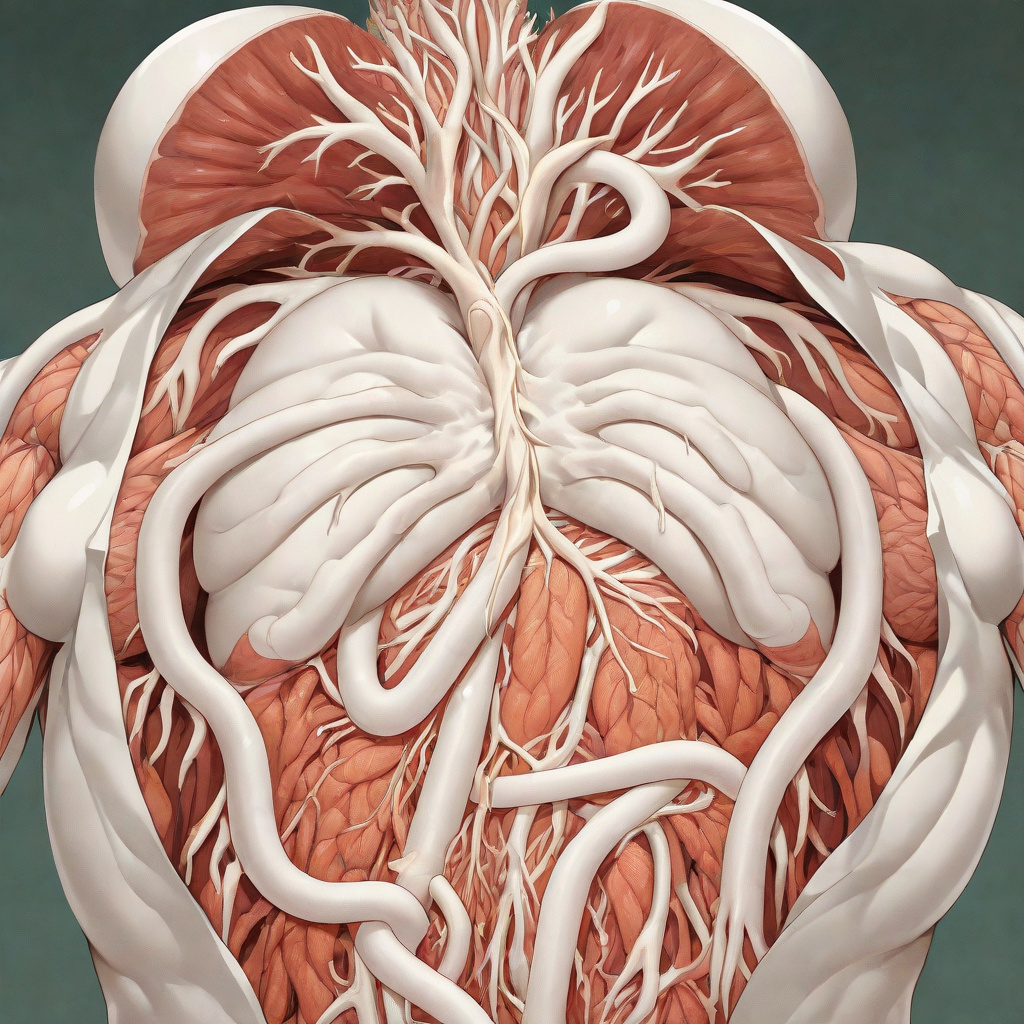
The trillions of microbes living in your digestive tract do more than help break down food. They influence how you digest nutrients, regulate your immune system, produce certain vitamins, and even affect your mood. As research continues to uncover the complexity of the gut microbiome, one thing becomes clear: maintaining a diverse and balanced community of gut bacteria is closely linked to long-term health and longevity. This article explores what gut health means, why it matters for a longer, healthier life, and how you can support your microbiome through practical, sustainable changes to your daily routine.
Key takeaways
- Increase microbial diversity by consuming a wide variety of fiber-rich plant foods, such as vegetables, legumes, and whole grains daily.
- Incorporate fermented foods like yogurt, kimchi, and sauerkraut to introduce beneficial probiotics into your digestive system.
- Manage chronic stress through meditation or exercise, as stress can negatively alter gut bacteria and damage the intestinal lining.
- Prioritize seven to nine hours of quality sleep to maintain the circadian rhythms essential for healthy digestion and metabolism.
What Is Gut Health and Why It Matters
Gut health refers to the balance and function of the microorganisms living in your gastrointestinal tract, primarily in the large intestine. These microbes include bacteria, viruses, fungi, and archaea, with bacteria being the most studied and well-understood. A healthy gut microbiome is diverse, meaning it contains a wide variety of species, and it maintains a stable balance between beneficial and potentially harmful microbes.
The gut microbiome plays several essential roles in your body. It helps digest complex carbohydrates that human enzymes cannot break down, producing short-chain fatty acids like butyrate, acetate, and propionate as byproducts. These compounds provide energy to colon cells, reduce inflammation, and support the integrity of the intestinal lining. The microbiome also trains the immune system, helping it distinguish between harmless substances and actual threats, which can reduce the risk of autoimmune reactions and chronic inflammation.
Moreover, the gut and the brain are connected through the gut-brain axis, a bidirectional communication network that involves neural, hormonal, and immune pathways. This connection means that gut health can influence mental health, stress responses, and cognitive function. Poor gut health has been associated with conditions such as anxiety, depression, and neurodegenerative diseases, highlighting the far-reaching impact of a balanced microbiome on overall well-being.
How Gut Health Connects to Longevity
Research in both animals and humans has shown that individuals with greater microbial diversity tend to live longer, healthier lives. A diverse microbiome is more resilient to disturbances, such as infections or dietary changes, and is better equipped to perform its various functions. Conversely, low microbial diversity, often referred to as dysbiosis, has been linked to numerous age-related diseases, including cardiovascular disease, type 2 diabetes, obesity, and certain cancers.
One key mechanism linking gut health to longevity is chronic inflammation. A balanced microbiome helps regulate the immune system and prevents excessive inflammatory responses. Over time, chronic low-grade inflammation can damage tissues and organs, accelerating aging and increasing the risk of disease. By maintaining a healthy gut, you may help reduce systemic inflammation and protect against age-related decline.
Additionally, the gut microbiome influences metabolism and energy extraction. Certain gut bacteria are more efficient at extracting calories from food, which can contribute to weight gain and metabolic dysfunction. A well-balanced microbiome, on the other hand, supports healthy metabolism and may help maintain a healthy weight throughout life.
Signs Your Gut Health Needs Attention
Paying attention to your body’s signals can provide valuable clues about your gut health. While occasional digestive discomfort is normal, persistent or recurring symptoms may indicate an imbalance in your microbiome. Common signs of poor gut health include frequent bloating, gas, constipation, diarrhea, or irregular bowel movements. These symptoms can result from an overgrowth of harmful bacteria, a deficiency of beneficial microbes, or irritation of the intestinal lining.
Beyond digestive issues, poor gut health can manifest in other ways. Chronic fatigue, unexplained skin problems such as eczema or acne, frequent infections, and mood swings or anxiety may all be connected to an imbalanced microbiome. Some people also experience food intolerances or heightened sensitivity to certain foods, which can develop when the gut lining becomes compromised.
If you notice these symptoms regularly, it may be time to evaluate your lifestyle factors and consider making changes to support your gut health. While persistent symptoms warrant a visit to a healthcare professional, many adjustments can be made at home to promote a healthier microbiome.
Dietary Strategies to Support a Healthy Microbiome
Diet is one of the most powerful tools for shaping the composition and function of your gut microbiome. The foods you eat provide the fuel that determines which microbes thrive and which struggle. To support a diverse and balanced microbiome, focus on incorporating a wide variety of fiber-rich plant foods into your meals.
Fiber acts as a prebiotic, meaning it feeds the beneficial bacteria in your gut. Different types of fiber support different species of bacteria, so eating a range of fruits, vegetables, legumes, whole grains, nuts, and seeds can help promote microbial diversity. Foods particularly rich in prebiotic fiber include garlic, onions, leeks, asparagus, bananas, oats, and chicory root. Aim to include at least one prebiotic food in your daily meals.
In addition to prebiotics, fermented foods can introduce live beneficial bacteria, or probiotics, directly into your digestive system. Examples include yogurt with live cultures, kefir, sauerkraut, kimchi, miso, and kombucha. While the effects of probiotics can vary from person to person, regularly consuming these foods may help replenish beneficial microbes and support gut barrier function.
It is also important to limit processed foods, added sugars, and excessive saturated fats, as these can promote the growth of harmful bacteria and reduce microbial diversity. Instead, prioritize whole, minimally processed foods that provide the nutrients your microbiome needs to flourish.
Lifestyle Habits That Protect Gut Health
Beyond diet, several lifestyle factors can significantly impact the health of your gut microbiome. One of the most influential is stress management. Chronic stress has been shown to alter the composition of gut bacteria, reduce microbial diversity, and increase intestinal permeability, sometimes referred to as “leaky gut.” Incorporating stress-reducing practices such as meditation, deep breathing exercises, yoga, or regular time in nature can help protect your microbiome and support overall digestive health.
Regular physical activity is another key component. Exercise has been associated with increased microbial diversity and a higher abundance of beneficial bacteria that produce short-chain fatty acids. Even moderate exercise, such as brisk walking, cycling, or swimming, can have positive effects on the gut microbiome. However, it is important to avoid excessive, intense exercise, which can have the opposite effect and lead to gastrointestinal distress.
Adequate sleep is also crucial for maintaining gut health. Disruptions to your sleep schedule or poor sleep quality can alter the circadian rhythms of both you and your gut bacteria, leading to imbalances that may affect digestion, metabolism, and immune function. Aim for seven to nine hours of quality sleep per night and maintain a consistent sleep schedule when possible.
Supplements and When to Consider Them
While it is always best to obtain nutrients from whole foods, some individuals may benefit from targeted supplementation to support their gut health. Probiotic supplements contain live bacteria that can temporarily colonize the gut and may help restore balance after antibiotic use or during episodes of digestive upset. However, the effectiveness of probiotics varies widely depending on the strain, dosage, and individual factors, and they are not a substitute for a healthy diet.
Prebiotic supplements, which provide concentrated fiber that feeds beneficial bacteria, can also be useful, especially for those who struggle to consume enough fiber-rich foods. Common prebiotic supplements include inulin, fructooligosaccharides (FOS), and galactooligosaccharides (GOS). It is important to introduce prebiotics gradually to avoid gas and bloating.
Other supplements that may support gut health include L-glutamine, an amino acid that helps maintain the integrity of the intestinal lining, and omega-3 fatty acids, which have anti-inflammatory properties. Before starting any new supplement regimen, it is advisable to consult with a healthcare provider, particularly if you have underlying health conditions or are taking medications.
Building Sustainable Habits for Long-Term Gut Health
Supporting your gut health is not about making dramatic, short-term changes but rather about developing consistent, sustainable habits that you can maintain over the long term. Start by making small adjustments to your daily routine, such as adding one new fiber-rich food to your meals each week or replacing a processed snack with a probiotic-rich alternative like kefir or yogurt.
Creating a structured meal plan that emphasizes whole foods can make it easier to maintain a gut-friendly diet. Batch cooking, meal prepping, and keeping a well-stocked pantry of healthy ingredients can help you avoid the temptation of processed convenience foods. Additionally, staying hydrated is essential for healthy digestion, so aim to drink enough water throughout the day to support the movement of fiber through your digestive system.
Finally, remember that gut health is just one piece of the puzzle when it comes to overall well-being. Combining a balanced diet, regular exercise, effective stress management, and quality sleep creates a foundation for long-term health. By viewing these habits as interconnected parts of a healthy lifestyle rather than isolated actions, you can build a sustainable approach to supporting your gut microbiome and your body for years to come.
Gut Microbiome and Cardiovascular Health
Large prospective studies have begun to map the connections between microbial diversity and the heart’s health. One of the most compelling links involves the metabolite trimethylamine‑N‑oxide (TMAO), which is produced when certain gut bacteria ferment dietary choline, L‑carnitine, and betaine. Elevated plasma TMAO concentrations have been correlated with higher rates of atherosclerotic plaque formation, coronary artery disease, and even sudden cardiac death, independent of traditional risk factors such as cholesterol levels and smoking status.
In practical terms, this means that the foods you choose can influence the bacterial species that generate TMAO. Red meat, organ meats, and high‑choline dairy products tend to feed the bacteria that produce it, while plant‑based foods rich in fiber suppress those same species. A dietary shift that reduces red meat intake by even one portion per week can lower TMAO production by up to 30%, according to a randomized trial involving 200 adults.
Beyond TMAO, short‑chain fatty acids, especially butyrate, play a protective role in cardiovascular health. Butyrate reduces endothelial inflammation, improves lipid profiles, and enhances insulin sensitivity. Foods that act as prebiotics for butyrate‑producing bacteria—(loose, fermented, or fiber‑rich)—include chicory root, Jerusalem artichoke, and rye. Including 1–2 cups of cooked chicory root in your weekly meal plan is a straightforward way to increase butyrate levels.
For individuals on statin therapy, evidence suggests that a supportive gut microbiome can amplify the drug’s lipid‑lowering effects. A cohort of 400 patients found that higher levels of Bifidobacterium and Lactobacillus correlated with a 10% greater reduction in LDL cholesterol after 12 weeks of atorvastatin use.
Edge cases arise in people with chronic kidney disease, where TMAO clearance is impaired. In these patients, even modest dietary changes can have outsized effects on cardiovascular risk. Likewise, vegetarians and vegans often exhibit lower baseline TMAO levels but may still experience elevated levels if they consume large amounts of soy and legumes, which also contain choline. Monitoring TMAO through a simple blood test can guide personalized dietary adjustments.
Transitioning from a high‑red‑meat diet to a plant‑forward one requires a gradual approach. Start by swapping one red‑meat dinner per week for a plant‑based protein like lentils or tofu, and pair it with a fiber‑rich vegetable. Over 8–12 weeks, you will notice not only improved gut diversity but also smoother blood pressure readings and a lower fasting glucose concentration.
Personalized Nutrition: Tailoring Your Diet to Your Microbial Profile
The concept of one‑size‑fits‑all nutrition is shifting toward a data‑driven model that takes your individual microbiome into account. Stool sequencing can identify dominant bacterial phyla, such as Firmicutes and Bacteroidetes, and highlight the presence—or absence—of key species like Akkermansia muciniphila, known to improve metabolic flexibility.
Once the profile is mapped, dietitians can recommend specific prebiotic fibers that feed the beneficial species unique to your gut. For example, if your sequencing shows a low abundance of Faecalibacterium prausnitzii, increasing intake of resistant starch—found in cooked and cooled potatoes, sweet potatoes, and legumes—can help boost its numbers.
Another layer of personalization involves timing and portion control. People with a high Firmicutes/Bacteroidetes ratio often benefit from smaller, more frequent meals that reduce post‑prandial spikes in blood sugar, thereby preventing the overgrowth of opportunistic bacteria that thrive on rapid glucose influx.
Tools such as the “Microbiome Score”—an algorithm that integrates microbial diversity, short‑chain fatty acid production, and inflammatory markers—can rank the effectiveness of dietary changes on a weekly basis. Participants who received monthly feedback from their score were 25% more likely to maintain a 10% weight loss over six months compared to those who followed generic diet plans.
Edge cases include individuals with inflammatory bowel disease, where a high‑fiber diet may initially exacerbate symptoms. In these cases, a phased introduction of prebiotics, guided by symptom diaries and stool tests, can gradually re‑educate the gut without inducing flare‑ups.
Transitioning to a personalized nutrition model begins with a baseline stool test, followed by a 4‑week trial of recommended foods. Throughout the trial, maintain a simple food log to capture how each meal affects digestion and mood. After 4 weeks, reassess the gut profile and adjust the plan accordingly.
The Role of Intermittent Fasting and Time‑Restricted Feeding in Gut Health
Intermittent fasting (IF) and time‑restricted feeding (TRF) have gained popularity as weight‑loss strategies, but their effects on the gut microbiome are equally compelling. By limiting the window of food intake, IF creates a daily “fast” period that can reset microbial rhythms and reduce the load of pathogens.
Studies on 70 participants following a 16:8 TRF schedule—eating all meals within an 8‑hour window and fasting for the remaining 16 hours—showed a 15% increase in microbial diversity after 12 weeks. The shift was accompanied by an uptick in butyrate‑producing species such as Roseburia and Eubacterium rectale.
For those who struggle with a 16:8 window, a 14:10 schedule can be an effective compromise. A controlled trial involving 30 older adults found that a 14:10 TRF improved gut barrier integrity, as measured by lower serum lipopolysaccharide (LPS) levels, without significant changes in body weight.
Timing matters: aligning the eating window with the circadian rhythm—eating earlier in the day—has been linked to better glycemic control and a more favorable microbial profile. A randomized study of 50 participants who shifted their eating window from late afternoon to mid‑morning reported a 10% reduction in post‑prandial inflammation markers.
Edge cases include individuals with eating disorders, where fasting can exacerbate disordered eating patterns. In such situations, a short‑term, supervised IF protocol that includes nutritional counseling is essential to avoid negative psychological outcomes.
To integrate IF into a long‑term lifestyle, start with a 12:12 schedule—eating within a 12‑hour window—and gradually reduce the window by 1 hour per week. Keep a food diary and note any changes in stool consistency, energy levels, and sleep quality. If you experience persistent fatigue or digestive discomfort, pause the fasting schedule and consult a healthcare professional.
Gut Health During Pregnancy and Early Childhood
Pregnancy and early childhood are critical windows when the microbiome establishes foundational habits that can influence health well into adulthood. During gestation, the maternal gut microbiome undergoes a natural shift toward species that produce short‑chain fatty acids, which help modulate the immune system of the developing fetus.
Maternal diet rich in fermented foods—yogurt, kefir, kimchi—has been associated with a lower incidence of gestational diabetes and preeclampsia. A cohort of 500 pregnant women found that daily consumption of 150 grams of fermented dairy reduced the risk of gestational diabetes by 18%.
For infants, the first 1000 days of life are decisive. Breast‑milk oligosaccharides act as prebiotics, fostering a microbiome dominated by Bifidobacterium longum and Bifidobacterium breve. These species are linked to a lower incidence of atopic dermatitis and wheezing in early childhood.
Introducing solid foods around 6 months of age should emphasize fermented and fiber‑rich options. For instance, adding a tablespoon of pureed sauerkraut to infant oatmeal can safely broaden the microbial repertoire without increasing allergy risk.
Edge cases involve pre‑term infants or those with a history of antibiotic exposure. In these cases, a targeted probiotic supplement—containing strains such as Lactobacillus rhamnosus GG and Bifidobacterium lactis—can accelerate microbiome recovery. A randomized trial of 120 pre‑term infants receiving a probiotic sachet twice daily for 4 weeks reported a 25% reduction in necrotizing enterocolitis incidence.
Transitioning into a family routine involves creating a “gut‑friendly” menu that can accommodate both adults and children. A sample weekly plan might include: Monday—chickpea stew with fermented yogurt; Tuesday— scrambled eggs with steamed broccoli; Wednesday—lentil soup with a side of kimchi; Thursday—quinoa salad with garlic and lemon; Friday—smoothie with kefir, berries, and oats; Saturday—grilled salmon with asparagus; Sunday—vegetable stir‑fry with miso paste. This variety ensures exposure to multiple prebiotic fibers and probiotic sources.
Microbiome‑Targeted Therapies: Probiotics, Prebiotics, and Fecal Transplantation
While diet remains the cornerstone of gut health, therapeutic interventions can provide rapid, targeted shifts in microbial composition. Probiotic supplements deliver live bacteria, but their efficacy depends heavily on strain selection, dosage, and the host’s existing microbiota.
High‑potency products containing 10–20 billion colony‑forming units (CFU) per dose, and incorporating multiple strains—such as Lactobacillus plantarum, Bifidobacterium lactis, and Saccharomyces boulardii—have shown the best outcomes in irritable bowel syndrome and antibiotic‑associated diarrhea. A meta‑analysis of 15 randomized controlled trials confirmed that a multi‑strain probiotic reduced IBS symptoms by 35% compared to placebo.
Prebiotic supplements, when used in conjunction with probiotics, can form a synbiotic effect. In a 12‑week study of 60 adults with metabolic syndrome, a synbiotic capsule containing inulin (5 grams) and Lactobacillus casei improved insulin sensitivity and reduced waist circumference more than either component alone.
Fecal microbiota transplantation (FMT) represents the most direct method to re‑establish a healthy gut community. Initially developed for recurrent Clostridioides difficile infection, FMT is now being explored for conditions such as ulcerative colitis, type 2 diabetes, and even obesity. A landmark study of 80 patients with ulcerative colitis showed a 60% remission rate after a single FMT session from a screened donor.
Ethical and safety considerations are paramount. Donor screening must include comprehensive pathogen panels, metabolic profiling, and screening for autoimmune markers. Patients should be informed about the possibility of long‑term microbiome changes and potential transfer of non‑microbial traits, such as metabolic genes.
Edge cases arise in immunocompromised individuals, where probiotic ingestion can lead to bacteremia. In such scenarios, a low‑dose, hospital‑based probiotic protocol with close monitoring is recommended.
Integrating these therapies begins with a consultation with a gastroenterologist or a specialized microbiome clinic. After baseline stool analysis and symptom mapping, a tailored regimen—whether a synbiotic supplement or an FMT schedule—can be prescribed. Regular follow-up tests at 3, 6, and 12 months will track microbial shifts and clinical outcomes, allowing for iterative adjustments.
Environmental Exposures and Their Impact on Your Gut Ecosystem
The gut microbiome does not exist in isolation; it is constantly influenced by the environment. Airborne pollutants, such as fine particulate matter (PM2.5) and polycyclic aromatic hydrocarbons (PAHs), can penetrate the gut mucosa and alter microbial communities, promoting inflammation and reducing diversity.
A longitudinal study of 400 urban residents found that each 10‑microgram per cubic meter increase in PM2.5 exposure was associated with a 12% decrease in Bacteroidetes abundance and a 9% increase in Proteobacteria, a group linked to metabolic endotoxemia.
FAQ
Can taking probiotics help with weight management?
Some studies suggest that certain probiotic strains may play a modest role in weight management by influencing metabolism and reducing inflammation. However, the evidence is not yet strong enough to recommend probiotics as a weight loss solution. The most effective approach to maintaining a healthy weight remains a balanced diet and regular physical activity. Probiotics may be a helpful addition to a healthy lifestyle but should not be relied upon as a primary strategy for weight control.
Are there specific foods that are particularly good for gut health?
Yes, several foods are especially beneficial for supporting a healthy gut microbiome. Fiber-rich foods such as fruits, vegetables, legumes, and whole grains serve as prebiotics that feed beneficial bacteria. Fermented foods like yogurt, kefir, sauerkraut, and kimchi provide live probiotics. Additionally, foods high in polyphenols, such as berries, green tea, and dark chocolate, may also support gut health by promoting the growth of beneficial bacteria. The key is variety, as different microbes thrive on different types of nutrients.
How long does it take to see improvements in gut health?
The timeline for noticing improvements in gut health varies from person to person and depends on factors such as your starting point, diet, lifestyle, and overall health. Some people may experience reduced bloating or improved digestion within a few days to weeks of making dietary changes. However, more significant shifts in microbial diversity and long-term benefits may take several weeks to months of consistent healthy habits. It is important to be patient and focus on building sustainable lifestyle changes rather than expecting immediate results.
Is it safe to take probiotics every day?
For most healthy individuals, daily probiotic supplementation is generally considered safe. However, the quality and effectiveness of probiotic products can vary widely, and not all strains are suitable for everyone. People with compromised immune systems or serious underlying health conditions should consult their healthcare provider before starting a probiotic regimen. Additionally, it is important to choose reputable brands that clearly list the strains and colony-forming units on the label and to follow the recommended dosage instructions.
Can antibiotics permanently damage the gut microbiome?
Antibiotics can significantly disrupt the balance of gut bacteria, leading to temporary side effects such as diarrhea or yeast overgrowth. While the microbiome is resilient and often recovers over time, some studies suggest that repeated or prolonged antibiotic use may lead to long-lasting changes in microbial composition. To minimize the impact, it is important to take antibiotics only when necessary, follow the prescribed course, and consider reintroducing beneficial bacteria through probiotic foods or supplements after completing treatment. Maintaining a healthy diet rich in fiber can also help support the recovery of beneficial microbes.
Related posts:
 The Surprising Way Your Gut Controls Your Weight
 Coconut Cult Just Dropped New Products That Will Revolutionize Your Gut Health
 The Tiny Organisms Living On You
 Choosing the Right Probiotics for Kids
 The Gut-Brain Highway: How Your Stomach Controls Your Mood
 Managing Fiber Intake with IBS
 Fiber for Healthy Aging: Nourishing Your Body as You Grow Older
 Do Probiotics Actually Work or Are They Just Expensive Hype?