
The journey into motherhood is often described as a whirlwind of joy, exhaustion, and profound transformation. Yet, for many new mothers, the weeks and months following childbirth are also marked by a persistent shadow known as the “postpartum blues.” Characterized by mood swings, tearfulness, anxiety, and difficulty sleeping, these feelings affect up to 80% of new parents. While traditional explanations have focused almost exclusively on the dramatic drop in estrogen and progesterone levels after delivery, emerging science is pointing toward a different, equally vital player in maternal mental health: the gut microbiome. The “New Mom, New Science” movement is uncovering how the trillions of bacteria living in your digestive tract communicate with your brain, suggesting that the key to stabilizing your mood might just lie in your gut health.
Understanding the Gut-Brain Axis in Postpartum Recovery
The gut-brain axis is a bidirectional communication network that links the enteric nervous system (the nervous system of your gut) with the central nervous system (your brain). This connection is facilitated through several pathways, including the vagus nerve, the immune system, and the production of microbial metabolites. In the context of postpartum recovery, this axis becomes a critical highway for signals that influence emotional regulation and cognitive function.
During pregnancy, a woman’s body undergoes a massive physiological overhaul. Research indicates that the gut microbiome shifts significantly across the three trimesters to support the growing fetus and prepare for lactation. However, the sudden transition of birth—whether vaginal or via Cesarean section—acts as a systemic shock. This “microbiome reset” can sometimes lead to dysbiosis, an imbalance where harmful bacteria outnumber beneficial ones. When the gut is in a state of dysbiosis, it sends distress signals to the brain, which can manifest as the irritability and low mood associated with the postpartum blues. Understanding that your gut is essentially a “second brain” allows for a more holistic approach to mental wellness that goes beyond hormonal therapy alone.
The Impact of Pregnancy and Birth on Microbiome Diversity
The microbial landscape of a woman changes more during the nine months of pregnancy than at almost any other time in her life. By the third trimester, the maternal gut often resembles a state of metabolic syndrome—characterized by higher inflammation and lower diversity—which is actually an adaptive mechanism to ensure the fetus receives enough energy. However, if this state persists too long after birth, it becomes a liability for the mother’s mental health.
The mode of delivery also plays a role. Women who undergo C-sections or receive intrapartum antibiotics (often necessary for GBS-positive mothers) may experience a more significant disruption in their gut flora. Antibiotics, while life-saving, are non-selective; they clear out the beneficial bacteria that produce mood-stabilizing compounds along with the targeted pathogens. For a new mom already dealing with sleep deprivation, this microbial depletion can make the emotional hurdles of early parenthood feel insurmountable. Recognizing these factors isn’t about guilt; it’s about identifying the biological stressors that may be contributing to your emotional state so you can take proactive steps toward replenishment.
Serotonin, the Gut, and Maternal Mood
It is a common misconception that serotonin, the “feel-good” neurotransmitter, is primarily produced in the brain. In reality, approximately 90% to 95% of the body’s serotonin is synthesized in the gut. Specialized cells in the intestinal lining, called enterochromaffin cells, rely on specific gut bacteria to trigger the production of serotonin. This serotonin doesn’t just regulate digestion; it influences the signals sent to the brain regarding satiety, pain, and mood.
When the gut environment is compromised, serotonin production can falter. Furthermore, the precursor to serotonin, an amino acid called tryptophan, can be diverted away from serotonin production and toward the “kynurenine pathway” during times of high stress or inflammation. This pathway produces neurotoxic byproducts instead of mood-boosting ones. For a new mother, maintaining a healthy gut ensures that tryptophan is being used efficiently to create serotonin and melatonin (the sleep hormone), providing a natural chemical buffer against the highs and lows of the postpartum period.
Inflammation: The Hidden Link Between Gut Health and Postpartum Depression
Emerging psychiatric research suggests that depression and anxiety are often rooted in systemic inflammation. The gut is the primary gatekeeper of the body’s immune response. A healthy gut lining acts as a barrier, preventing undigested food particles and pathogens from entering the bloodstream. However, stress, poor diet, and the physical trauma of birth can lead to “leaky gut” or increased intestinal permeability.
When the gut barrier is breached, the immune system goes on high alert, releasing pro-inflammatory cytokines. These cytokines can cross the blood-brain barrier and interfere with the areas of the brain responsible for mood regulation, such as the amygdala and the prefrontal cortex. This “neuroinflammation” is a hallmark of more severe postpartum depression (PPD). By focusing on gut-healing protocols—such as consuming collagen-rich foods and avoiding highly processed sugars—new moms can lower their systemic inflammation, potentially easing the neurological burden that contributes to the blues.
Probiotics and Prebiotics: Dietary Allies for New Mothers
To rebuild a resilient microbiome, new mothers should focus on two pillars of gut health: probiotics (the live beneficial bacteria) and prebiotics (the fiber that feeds them). Specific strains of probiotics, sometimes called “psychobiotics,” have shown promise in clinical trials for reducing anxiety and improving stress resilience.
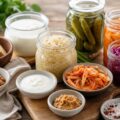
For postpartum recovery, strains like Lactobacillus rhamnosus and Bifidobacterium longum are particularly noted for their ability to modulate the stress response. You can find these in fermented foods such as plain Greek yogurt, kefir, unpasteurized sauerkraut, and kimchi. Complementing these with prebiotics is essential. Foods like chicory root, garlic, onions, slightly under-ripe bananas, and asparagus contain inulin and other fibers that act as fertilizer for your good bacteria. A diet rich in these elements doesn’t just improve digestion; it builds a microbial foundation that supports emotional stability during the demanding first year of a child’s life.
The Role of Sleep and Stress in Gut Dysbiosis
It is the ultimate irony of motherhood: you need sleep to heal your gut and brain, but a newborn makes sleep elusive. Sleep deprivation is a physiological stressor that directly alters the composition of the gut microbiome. Studies have shown that even two nights of fragmented sleep can lead to a decrease in beneficial bacterial species and an increase in those associated with obesity and type 2 diabetes.
Furthermore, the high levels of cortisol (the stress hormone) produced during the “fight or flight” moments of parenting can inhibit blood flow to the digestive tract and weaken the gut lining. While you cannot always control when your baby sleeps, you can control your response to the stress. Small acts of nervous system regulation—like five minutes of deep diaphragmatic breathing or a short walk in sunlight—can signal to your gut that it is safe to enter “rest and digest” mode. This shift is crucial for allowing the gut to repair itself and maintain the delicate balance of the microbiome.
Practical Nutrition for a Happy Gut Post-Birth
In the fog of early motherhood, complex meal prep is impossible. However, focusing on “gut-first” nutrition can be simplified. The goal is to provide the building blocks for tissue repair and microbial diversity without adding to the mother’s mental load. Practical examples include:
- Bone Broth: Rich in glycine and collagen, it helps seal the gut lining and is easy to sip while nursing.
- Overnight Oats: High in prebiotic fiber and can be prepared in advance. Adding a spoonful of flaxseeds provides Omega-3 fatty acids, which are essential for brain health.
- Warm, Cooked Foods: In many traditional cultures, the “golden month” after birth involves eating warm stews and soups. These are easier for a compromised postpartum digestive system to break down than raw salads.
- Polyphenol-Rich Berries: Blueberries and raspberries feed specific bacteria like Akkermansia, which help maintain the gut mucus layer.
Hydration is also paramount. The gut needs water to move fiber through the system and to produce the protective mucus that lines the intestines. Aiming for mineral-rich water or herbal teas like ginger and peppermint can soothe the digestive tract while keeping you hydrated for breastfeeding.
When to Seek Professional Help: Distinguishing Blues from PPD
While gut health is a powerful tool, it is one piece of a larger puzzle. It is vital for new mothers to distinguish between the “postpartum blues,” which typically peak around day four or five and subside by week two, and Postpartum Depression (PPD), which is more severe and persistent. If you find yourself unable to care for your baby, experiencing thoughts of self-harm, or feeling a complete lack of connection to your child, these are signs that require immediate professional intervention.
Working with a healthcare provider who understands the integrative approach can be life-changing. This might include a combination of talk therapy, medication (many of which are safe during breastfeeding), and nutritional psychiatry. Improving your gut health can enhance the effectiveness of other treatments; for example, a healthy microbiome can improve the absorption and metabolism of certain antidepressants. Never hesitate to reach out to a professional; taking care of your mental health is the greatest gift you can give your new baby.
Conclusion: Empowering Your Postpartum Journey
The transition to motherhood is a monumental shift that requires grace, patience, and a new understanding of how our bodies function. By embracing the science of the gut-brain axis, new mothers can move away from the narrative that postpartum blues are an inevitable, purely hormonal sentence. Instead, we can see the postpartum period as a time for deep physical and microbial replenishment. By nourishing your gut, you are not just improving your digestion; you are fortifying your mind, lowering inflammation, and building the resilience needed to enjoy the profound beauty of your new life with your child. Your gut health is a key, but you are the one who holds the power to turn it.
The Estrobolome: How Your Gut Regulates Postpartum Hormone Clearance
While the existing narrative around postpartum blues focuses heavily on the drop in hormones, it often overlooks how the body processes and eliminates these hormones once their primary job is done. This is where the estrobolome comes in—a specific collection of bacteria in the gut dedicated to metabolizing and recirculating estrogen. After delivery, your body must clear an enormous amount of pregnancy-related hormones. If your gut health is compromised, an enzyme called beta-glucuronidase, produced by certain imbalanced bacteria, can deconjugate estrogen. This means instead of the estrogen being excreted as waste, it is reabsorbed back into the bloodstream.
This “recirculating estrogen” can lead to a state of estrogen dominance relative to progesterone, which is a known trigger for intense irritability, weepiness, and the “wired but tired” feeling many new moms experience. To support the estrobolome, it is crucial to consume calcium-d-glucarate-rich foods, such as broccoli, cauliflower, and kale (ideally steamed to aid digestion). These foods help inhibit the excess beta-glucuronidase activity, ensuring that your hormonal transition post-birth is a one-way street toward balance rather than a feedback loop of hormonal chaos. Additionally, ensuring daily bowel movements is non-negotiable; if waste sits in the colon for too long, the window for hormonal reabsorption stays open, potentially prolonging the duration of the blues.
Beyond Serotonin: The Gut’s Production of GABA and Postpartum Anxiety
While serotonin is the star of the gut-brain conversation, Gamma-Aminobutyric Acid (GABA) is its equally important, calming cousin. GABA is the body’s primary inhibitory neurotransmitter; it acts as the “brakes” on the nervous system, helping to quiet the racing thoughts and hyper-vigilance that often accompany new motherhood. Interestingly, several species of gut bacteria, including Lactobacillus brevis and Bifidobacterium dentium, are prolific producers of GABA. When these bacterial populations are depleted—common after the stress of labor or the use of sterile hospital protocols—a mother may find herself in a state of constant “high alert,” unable to rest even when the baby is sleeping.
To support this internal pharmacy, focus on fermented foods that are specifically aged, such as traditional miso or long-fermented sourdough, which can contain higher levels of GABA-producing microbes. Edge cases like postpartum intrusive thoughts or “scary thoughts” are often exacerbated by a lack of GABAergic signaling. By nourishing the specific microbes that synthesize this calming chemical, you provide your brain with the raw materials needed to dampen the noise of anxiety. This isn’t just about “relaxing”; it is about providing the neurochemical infrastructure required for the brain to actually enter a state of calm.
The Micronutrient Bridge: Why the Gut Needs Zinc and Magnesium for Mental Clarity
The relationship between the gut and the brain is heavily dependent on specific micronutrient “keys” that unlock metabolic pathways. Postpartum depletion is a real phenomenon where the mother’s stores of zinc, magnesium, and B vitamins are funneled to the baby during pregnancy and through breast milk. Zinc is particularly vital for gut health; it is essential for maintaining the “tight junctions” of the intestinal lining. Without enough zinc, the gut becomes permeable, leading to the neuroinflammation discussed earlier. From a mental health perspective, zinc also modulates the brain’s response to stress and is a co-factor for neurotransmitter synthesis.
Magnesium, often called the “anti-stress mineral,” plays a dual role in the gut and the brain. It is required for the muscular contractions (peristalsis) that move food through the digestive tract and for the activation of the parasympathetic nervous system. A magnesium-deficient gut is a sluggish gut, which leads to a sluggish mind. New mothers should consider incorporating magnesium-rich seeds like pumpkin seeds or topical magnesium sprays if digestive absorption is currently poor. By replenishing these specific minerals, you aren’t just taking a supplement; you are repairing the physical bridge that allows your gut bacteria to communicate effectively with your brain.
Histamine Intolerance: The Hidden Reason Some “Healthy” Diets Backfire
A common pitfall in the “New Mom, New Science” approach is the aggressive introduction of fermented foods like sauerkraut, kimchi, and kombucha. While these are generally beneficial, a subset of women develops a temporary postpartum condition known as histamine intolerance. During pregnancy, the placenta produces high levels of Diamine Oxidase (DAO), the enzyme that breaks down histamine. Once the placenta is delivered, DAO levels plummet. If the gut microbiome is also in dysbiosis, it may lack the specific bacteria that help degrade histamine, or worse, it may be overpopulated with histamine-producing species like Lactobacillus helveticus.
In these cases, eating high-histamine “health foods” can trigger symptoms that mimic or worsen postpartum blues, including migraines, extreme irritability, insomnia, and skin rashes. If you find that your mood takes a nosedive after eating fermented foods or aged cheeses, you may need to focus on low-histamine gut healing first. This involves prioritizing fresh meats, non-citrus fruits, and specific probiotic strains known to be histamine-neutral, such as Bifidobacterium infantis. Recognizing this edge case is essential because it prevents the frustration of “doing everything right” while feeling worse.
The Vagus Nerve: Physical Techniques to Stimulate the Gut-Brain Highway
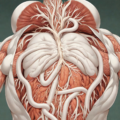
The vagus nerve is the physical structure—the longest cranial nerve in the body—that facilitates 80% of the communication from the gut up to the brain. In the postpartum period, the body is often stuck in a sympathetic (fight-or-flight) state due to pain, exhaustion, and the demands of a newborn. When the body is in this state, the vagus nerve “tones down” its signals, effectively silencing the beneficial communication from your gut. You can have a perfect microbiome, but if the “phone line” (the vagus nerve) is down, the brain won’t receive the mood-boosting benefits.
New mothers can practice “vagal toning” through simple, non-invasive techniques that take less than two minutes. Gentle humming while rocking your baby, gargling water during your morning routine, or applying a cold compress to the side of your neck can stimulate the vagus nerve. These actions signal to the brain that the “danger” of birth and early recovery has passed, allowing the gut-brain axis to resume its role in emotional regulation. This somatic approach complements nutritional changes by ensuring the pathway for those nutrients to affect the brain is actually open and active.
Environmental Gut Disruptors: Protecting the Maternal Microbiome in a Modern Home
While we focus on what goes into the body, we must also consider the environmental factors that can degrade the gut barrier from the outside. Many common household products contain endocrine disruptors and antimicrobial agents that can inadvertently alter the maternal microbiome. For instance, triclosan and certain phthalates found in scented cleaning products or personal care items have been shown in animal studies to disrupt the diversity of the gut flora and increase intestinal permeability.
For a new mother whose system is already in a fragile “microbiome reset” phase, these environmental stressors can be the tipping point. Transitioning to “gut-friendly” living doesn’t mean a total lifestyle overhaul during a period of exhaustion. It can be as simple as switching to fragrance-free laundry detergents or using glass storage containers for warm meals instead of plastic. By reducing the “toxic load” on the gut, you allow the beneficial bacteria you are cultivating through diet to thrive without being constantly bombarded by chemical disruptors. This creates a “microbial sanctuary” that supports both your recovery and the eventual colonization of your infant’s microbiome.
The “Postpartum Plate” Framework: Balancing Blood Sugar for Gut Stability
One of the most immediate ways to support gut health and mood is through blood sugar regulation. Large spikes and crashes in blood glucose create oxidative stress that damages the delicate mucosal lining of the gut. For a new mom, the temptation to reach for quick-energy sugary snacks is high, but this creates a “see-saw” effect on mood. A stable gut environment requires a stable fuel source. The “Postpartum Plate” should ideally follow a specific ratio: half non-starchy vegetables (for prebiotic fiber), one-quarter high-quality protein (for amino acids like tryptophan), and one-quarter healthy fats or complex carbohydrates.
Frequently Asked Questions
1. How quickly can I improve my gut health after giving birth?
While the microbiome is dynamic and can begin to shift within days of dietary changes, meaningful and lasting repair of the gut lining and microbial diversity usually takes several weeks to a few months. Consistency is more important than perfection. Starting with small changes, like adding a daily serving of fermented food or increasing fiber intake, can yield noticeable improvements in energy and mood within 2 to 4 weeks.
2. Are probiotic supplements safe to take while breastfeeding?
Most common probiotic strains, such as Lactobacillus and Bifidobacterium, are considered safe and even beneficial during breastfeeding, as they may help improve the microbial profile of breast milk. However, it is essential to choose high-quality, third-party tested supplements. Always consult with your OB-GYN, midwife, or a qualified nutritionist before starting any new supplement regimen to ensure it is appropriate for your specific health needs.
3. Can a poor diet actually cause postpartum depression?
Diet is rarely the sole cause of PPD, which is a complex condition influenced by genetics, hormones, environment, and psychology. However, a diet high in ultra-processed foods and low in essential nutrients can certainly be a significant contributing factor by increasing inflammation and depleting the neurotransmitters needed for mood regulation. Think of nutrition as a foundational support system that makes you more resilient to other stressors.
4. I had a C-section and took antibiotics. Is my gut health permanently damaged?
Absolutely not. While C-sections and antibiotics do cause a significant temporary shift in the microbiome, the gut is incredibly resilient. You can actively work to “reseed” your gut by consuming a wide variety of plant-based foods and fermented products. Focusing on gut-healing nutrients like collagen, L-glutamine (found in protein-rich foods), and zinc can help restore the integrity of the gut lining and promote a healthy microbial balance over time.
5. What are the first signs that my gut health is affecting my mood?
Common signs that gut dysbiosis may be impacting your mental state include chronic bloating, irregular bowel movements, intense sugar cravings, and “brain fog.” Emotionally, you might feel unusually reactive, anxious, or experience “crashes” in your mood shortly after eating highly processed or sugary meals. Paying attention to these physical cues can help you identify when your gut-brain axis needs extra support.