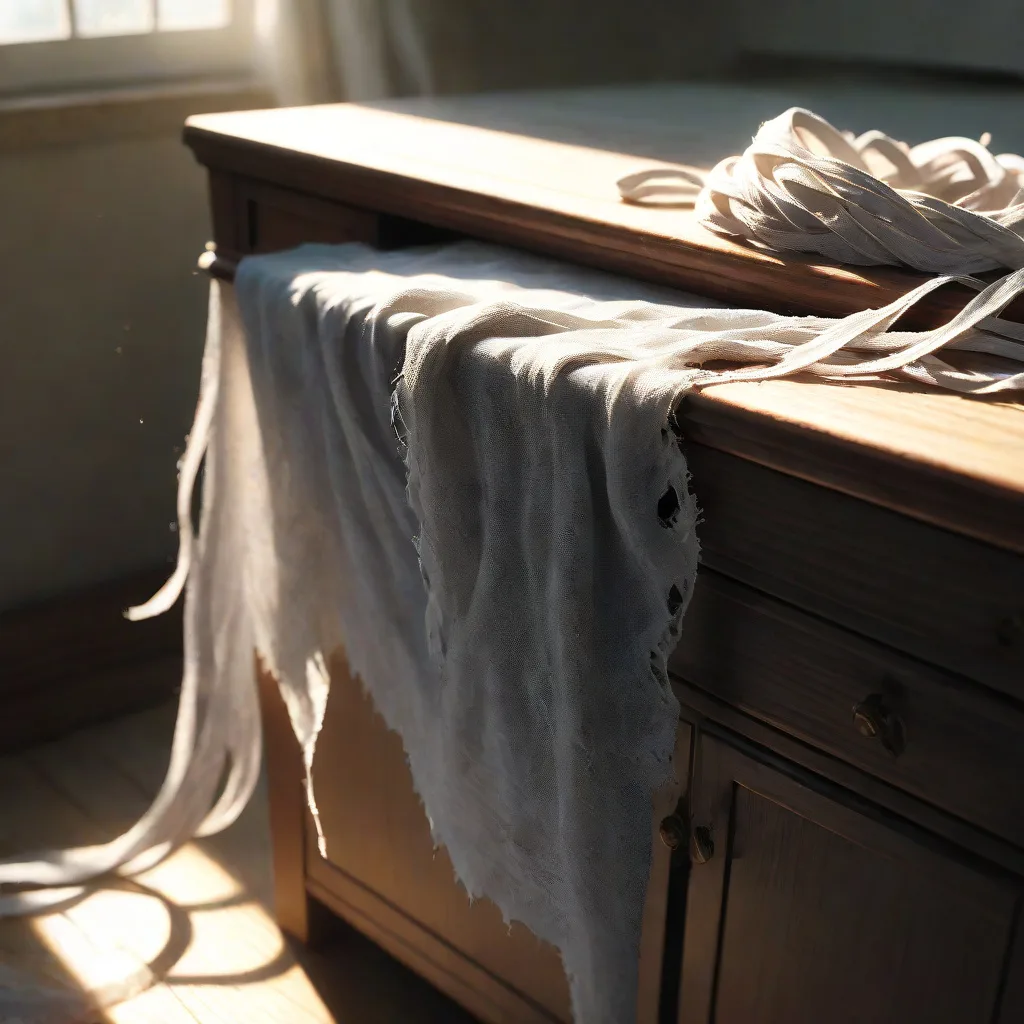
Hair accessories are often overlooked in our daily hygiene routines, yet they come into contact with our scalp, hair, and skin multiple times every day. Hair ties, clips, and headbands accumulate dirt, oils, bacteria, and product residue far more quickly than most people realize. Understanding the hygiene implications of dirty hair accessories and establishing a regular cleaning routine can prevent scalp infections, hair breakage, and skin irritation that many attribute to other causes.
Key takeaways
- Clean hair ties every two weeks; wash weekly if you exercise, use styling products, or live in humid climates.
- Hand-wash accessories by soaking them in warm water with gentle soap, then scrubbing away debris with a soft toothbrush.
- Use mesh laundry bags to wash hair ties in the machine, but avoid the dryer to prevent damaging the elastic.
- Always ensure hair accessories are completely air-dried before use or storage to prevent mold and bacterial growth.
- Rotate your accessories and discard any ties that show permanent staining, mold, or loss of elasticity.
The reality is that your hair ties are probably dirtier than you think. From the moment you first use them, they begin collecting dead skin cells, sebum, sweat, and environmental pollutants. Over weeks and months of regular use without cleaning, they become breeding grounds for bacteria and fungi. This article explores the hidden world of hair accessory hygiene, why it matters for your health and hair quality, and practical strategies for keeping your accessories clean and safe.
Understanding What Accumulates on Hair Ties
Hair ties spend hours pressed against your scalp and woven through your hair strands. This intimate contact means they collect everything your scalp naturally produces and sheds. The primary culprits include sebum (the natural oils your scalp produces to protect hair), dead skin cells that naturally flake from the scalp, sweat from physical activity or warm weather, and bacteria that live on healthy skin.
Beyond scalp-originated material, hair ties also trap product residue from shampoos, conditioners, serums, and styling products. If you use dry shampoo, texturizing sprays, or hairspray, these accumulate on the tie’s surface and can become sticky and grimy over time. Environmental pollutants like dust, pollution particles, and pollen also settle onto hair ties, especially if you spend time outdoors.
The material of your hair tie affects how quickly it accumulates grime. Elastic hair ties have a porous surface that traps particles more easily than smooth metal or plastic accessories. Fabric-covered ties hide debris in their weave. Even high-quality silk scrunchies can harbor bacteria if not cleaned regularly. The friction between the tie and your hair creates tiny gaps where particles embed themselves, making them difficult to remove with simple rinsing.
The Health Risks of Neglected Hair Accessories
Dirty hair ties can directly contribute to several scalp and hair health problems that many people don’t immediately connect to their accessories. Scalp folliculitis, an inflammation of hair follicles caused by bacterial infection, can develop or worsen when bacteria from unclean ties introduce infection into the follicle. This condition causes itching, redness, and sometimes painful bumps on the scalp.
Fungal infections like tinea capitis (ringworm of the scalp) can also be facilitated by dirty hair accessories. The warm, moist environment created when a contaminated tie sits against the scalp provides ideal conditions for fungal growth. People with compromised immune systems or existing skin conditions are particularly vulnerable to these infections.
Contact dermatitis can develop from prolonged exposure to dirty hair ties, especially if you have sensitive skin. The combination of bacteria, accumulated product residue, and potential mold growth can irritate the skin where the tie contacts your neck, forehead, or ears. This appears as redness, itching, or a rash in the areas where you typically wear your hair accessory.
Beyond infection risk, dirty hair ties contribute to hair breakage and weakening. When bacteria and fungal growth damage the hair shaft and weaken the protein structure, hair becomes more prone to snapping. Additionally, the friction from a grimy tie can be more damaging than a clean one, as particles caught in the material create extra abrasion against individual hair strands.
People who experience unexplained scalp itching, flaking, or hair thinning in areas where they consistently wear ties should consider that their accessories might be contributing to the problem. While not always the sole cause, dirty hair ties can exacerbate existing scalp conditions or trigger new ones.
How Often You Should Clean Your Hair Ties
The frequency of cleaning depends on your lifestyle, how much you sweat, what products you use in your hair, and how often you wear the same ties. A practical baseline is to clean your hair ties every two to three weeks, but many people benefit from more frequent cleaning.
If you exercise regularly or have an active lifestyle, clean your ties weekly. Sweat significantly speeds up bacterial growth and creates the moist environment where fungi thrive. Athletes or people who work in warm environments should prioritize more frequent cleaning to prevent scalp issues.
If you use many styling products—heat protectants, serums, dry shampoo, or hairspray—increase your cleaning frequency to every week or ten days. These products create sticky residue that accumulates faster and provides additional substrate for bacterial growth. Similarly, people with oily scalps naturally produce more sebum, so their ties need cleaning more frequently than those with dry scalps.
Climate affects cleaning frequency too. During hot, humid months, increase cleaning to weekly. The combination of heat, humidity, and sweat creates the ideal environment for bacterial and fungal proliferation. During cooler, drier months, every two to three weeks may suffice.
A practical approach is to have multiple hair ties in rotation and wash all of them together every two weeks. This ensures you’re using clean accessories regularly while still giving yourself a manageable cleaning schedule. If you have particularly thick hair or wear multiple ties at once, ensure you’re rotating them so no single tie spends too much time against your scalp.
Simple Methods for Cleaning Hair Ties
The easiest cleaning method is the hand-wash approach using warm water and a gentle cleanser. Place your hair ties in a small bowl or cup, add warm water and a few drops of gentle dish soap or a mild shampoo, and let them soak for 10-15 minutes. This allows the soap to penetrate any debris and break down oil accumulation. After soaking, rub each tie between your fingers to dislodge particles, rinse thoroughly under running water, and lay them flat or hang them to air dry completely.
For metal hair clips or headbands, you can use the same method, though metal pieces may benefit from a slightly longer soak to allow the soap to reach crevices. For delicate materials like silk scrunchies, use lukewarm rather than hot water and be gentle during the rubbing phase to avoid damaging the fabric.
A more thorough method involves using a small strainer or old toothbrush. Place your hair ties in a strainer, then run warm soapy water through them while gently brushing the ties with an old, soft toothbrush to remove debris from crevices and the elastic material. This method is particularly effective for removing deeply embedded particles and works well for ties you wear frequently.
For people who want a faster approach, placing hair ties in a mesh laundry bag and tossing them in the washing machine with your regular laundry is effective. Use warm or cool water (not hot, as extreme heat can damage elastic) and a gentle cycle. Allow them to air dry completely—never use the dryer, as heat can damage the elastic and reduce their lifespan.
Some people use antibacterial solutions like diluted vinegar or a weak bleach solution for deep cleaning. Mix one part white vinegar or one part bleach with nine parts water, soak the ties for 15-20 minutes, then rinse thoroughly. Do this only occasionally (monthly at most) as these solutions can degrade elastic over time. This method works well if you’ve noticed signs of mold or fungal growth.
Whatever method you choose, ensure your hair ties are completely dry before using them again. Damp ties create the perfect environment for bacterial and fungal growth. Lay them on a clean towel in a well-ventilated area or in sunlight if possible, as UV light has natural antibacterial properties.
Choosing Hair Accessories That Are Easier to Keep Clean
Material choice affects both how quickly ties accumulate grime and how easy they are to clean. Smooth elastic ties trap fewer particles than textured ones and are easier to rinse clean. Fabric-covered ties hide debris but are generally easier to wash than exposed elastic. Consider your lifestyle when selecting materials.
Silk and satin scrunchies are gentler on hair than standard elastic and are relatively easy to clean with hand-washing. Their smooth surface doesn’t trap as much debris as textured materials. However, they’re slightly more delicate, so use a gentle washing method.
Metal hair clips and claw clips are surprisingly easy to keep clean because their smooth surfaces don’t trap particles like elastic does. Simply wipe them with a damp cloth or soak them briefly in soapy water. However, ensure any fabric portions are similarly cleaned.
Comb clips and decorative hair sticks trap less debris than ties because they don’t create friction against your scalp in the same way. They’re also generally easier to clean with a quick rinse or wipe. If you’re prone to scalp issues, incorporating more of these styles into your rotation can help.
Avoid ties with loose threads, damage, or mold already visible. Damaged ties can’t be properly cleaned and should be replaced. Inspect your collection regularly and discard any that show signs of permanent staining, mold (usually dark spots), or deterioration.
Incorporating Hair Tie Hygiene Into Your Routine
Make hair tie cleaning part of your regular household routine rather than treating it as an occasional task. Some people add it to their weekly cleaning schedule, washing all their ties every Sunday evening. Others incorporate it into their bathroom cleaning routine, washing ties while cleaning other bathroom items.
Store clean, completely dry hair ties in a clean, dry container. Leaving them in a damp bathroom environment or in a drawer where they can collect dust undoes your cleaning efforts. A small drawer organizer, a clean glass jar, or a designated box works well. Keep this storage area clean and ensure ties are fully dry before storing them.
Consider how many hair ties you actually need. Having 7-10 ties in regular rotation means you can wear a clean tie almost every day while washing them all together every week or two. This is far more practical than having 20 ties and losing track of which ones are clean.
If you travel frequently or spend time in humid environments, pack extra clean ties and plan to wash them more frequently. A damp gym bag or suitcase can harbor mold growth, so remove ties as soon as you return home and wash them promptly.
Pay attention to your scalp health and adjust your cleaning frequency accordingly. If you notice increased itching, flaking, or irritation, try washing your ties more frequently. If scalp health improves, you’ve likely identified that your accessories were contributing to the problem.
Warning Signs That Your Hair Ties Need Attention
Certain signs indicate that your hair ties are becoming problematic and need immediate cleaning or replacement. Visible discoloration beyond normal wear—particularly dark spots that might indicate mold—warrants urgent attention. Similarly, any noticeable odor coming from your ties suggests bacterial overgrowth and means they need washing immediately.
If you’re experiencing scalp itching, redness, or small bumps that coincide with wearing certain ties, those ties may have triggered a reaction and should be cleaned thoroughly or replaced if they don’t improve after washing. If the reaction persists even after cleaning, you might have developed a sensitivity to that material or to residual bacteria, and switching to a different style might help.
Elastic that has lost its shape, ties that leave marks on your hair more than usual, or ties that feel sticky or grimy to the touch all indicate they need cleaning. Sometimes ties feel deteriorated because of accumulated grime rather than actual age, and cleaning them thoroughly can restore them.
If multiple family members share hair ties (which isn’t recommended but sometimes happens), increase cleaning frequency significantly. Shared items transfer bacteria between people, so thorough, frequent cleaning is essential. Ideally, each family member should have their own set of ties.
The Connection Between Hair Tie Hygiene and Overall Hair Health
Maintaining clean hair accessories is one often-overlooked component of a comprehensive hair care routine. While using quality shampoo and conditioner matters, protecting your hair from bacterial and fungal growth through clean accessories prevents damage that no conditioner can fully reverse. People who implement consistent hair tie cleaning often report that their hair feels healthier, grows faster, and experiences less breakage.
Scalp health directly impacts hair growth and quality. A clean scalp free from infection and inflammation grows stronger hair with better texture and shine. By keeping your hair ties clean, you’re maintaining an environment where your scalp can stay healthy and where hair can grow optimally.
Additionally, clean hair ties last longer and maintain their effectiveness. A well-maintained elastic tie will hold your hair securely without excessive tension, whereas a grimy, deteriorated tie may require tighter pulling to secure your hair, creating more stress on individual strands and the scalp. This additional tension contributes to hair breakage and can even lead to traction alopecia (hair loss caused by repeated tension) over time.
Viewing hair tie hygiene as part of preventative hair care rather than as an optional extra changes how seriously people take it. Just as you wouldn’t sleep on unwashed pillowcases for weeks, regularly cleaning the accessories in contact with your hair makes logical sense.
Creating a Hair Accessory Care Kit
Assembling a simple hair accessory care kit makes maintenance easier and ensures you have what you need. Include a small cup or bowl designated for soaking ties, a soft-bristled brush or old toothbrush for gentle scrubbing, a fine mesh strainer or small laundry bag, mild dish soap or gentle shampoo, and a clean towel for drying. Some people also keep diluted vinegar on hand for occasional deep cleaning.
Store this kit in an accessible bathroom location. When it’s time to clean your ties, having everything together makes the process quick and convenient. This removes the barrier to regular maintenance that comes from having to search for supplies.
Include a small container for storing clean, dry ties separately from dirty ones. This prevents accidentally using ties you think are clean but haven’t washed yet. A simple system—perhaps using different drawers or labeled containers—keeps everything organized.
If you have children or family members, keeping a designated family hair tie washing schedule posted somewhere visible can ensure that everyone participates in maintaining their own accessories’ hygiene. Teaching children that hair accessories need regular cleaning establishes healthy habits early.
Understanding Specific Bacterial and Fungal Populations on Hair Ties
Hair ties create a unique microenvironment that supports specific types of bacteria and fungi. While the article mentioned general bacterial and fungal growth, the actual microbial communities colonizing hair ties deserve deeper examination. Staphylococcus aureus and Propionibacterium acnes are among the most common bacteria found on hair accessories—the same species involved in acne and folliculitis. These bacteria thrive in the sebum-rich environment your scalp provides, and a dirty hair tie essentially serves as a bacterial culture medium pressed directly against your skin.
Malassezia species, a fungus naturally present on healthy skin, becomes problematic when hair ties trap moisture and create conditions favoring overgrowth. This fungus causes seborrheic dermatitis and dandruff-like symptoms in susceptible individuals. The friction of a hair tie combined with trapped moisture and bacterial presence creates a perfect storm for Malassezia proliferation. People who notice increased flaking or oiliness specifically where their tie sits should consider whether their accessories are contributing. Unlike acute infections that appear suddenly, fungal overgrowth from dirty ties develops gradually, making it easy to attribute symptoms to other causes like dry weather or inadequate shampooing.
The microbial community on your hair tie changes over time, becoming increasingly complex and resistant to simple cleaning as biofilms form. A biofilm is a protective matrix of microorganisms embedded in polysaccharides and proteins—essentially, bacteria creating a fortress around themselves. After several weeks without cleaning, your hair tie’s surface becomes coated with these biofilms, which explains why ties that “look clean” can still cause scalp irritation. Surface-level rinsing won’t penetrate a biofilm; this is why soaking ties in soapy water for 10-15 minutes is more effective than a quick rinse. The soap breaks down the lipid layer holding the biofilm together, exposing the bacteria underneath.
Immunocompromised individuals face particular risk from the specific bacterial species colonizing hair ties. People undergoing chemotherapy, living with HIV, or taking immunosuppressive medications for autoimmune conditions should prioritize hair tie hygiene even more carefully than the general population. For these individuals, what might be a minor irritation for others could develop into a serious scalp infection requiring medical treatment.
How Hair Tie Material Affects Microbial Growth Rates
The material composition of your hair tie dramatically influences which microorganisms can colonize it and how quickly they reproduce. Elastic hair ties made from latex or synthetic rubber have a porous, textured surface with microscopic gaps and ridges. These features trap bacteria and fungi while simultaneously creating protected microenvironments where microbes can flourish away from antibacterial compounds in sweat or sebum. A single elastic tie can harbor millions of bacterial cells within a week of regular use.
Fabric-covered ties, while aesthetically preferable to many users, present a particularly hospitable environment for fungal growth. The woven structure of fabric creates numerous protected niches where moisture accumulates and fungal spores can germinate. Cotton-covered ties are especially problematic because cotton is naturally hygroscopic—it absorbs and retains moisture. A fabric-covered tie worn during a workout can remain damp for hours after you’ve finished exercising, providing extended fungal growing conditions. Synthetic fabrics like polyester are slightly better because they’re less water-absorbent, but the improvement is marginal.
Silk and satin scrunchies have smoother surfaces that resist bacterial adhesion better than elastic. Bacteria preferentially colonize rough, textured surfaces where they can physically anchor themselves. However, even smooth materials aren’t immune to colonization—they simply progress through bacterial growth phases more slowly. The advantage of silk or satin is that they’re easier to clean thoroughly because debris doesn’t embed as deeply into surface irregularities. A silk scrunchie cleaned weekly may harbor significantly fewer microorganisms than an elastic tie cleaned on the same schedule.
Metal clips and claw clips present the least favorable environment for microbial growth because their smooth, hard surfaces provide minimal adhesion points for bacteria. However, the fabric or elastic components often attached to these metal accessories become the primary microbial reservoir. A claw clip with a fabric backing requires the same cleaning attention as a fabric-covered tie. Pure metal accessories without any fabric elements are genuinely the most hygienic option if you’re concerned about bacterial growth, though they’re less versatile for hair styling.
The dye and finish applied to decorative hair ties can also influence microbial growth. Some dyes and fabric treatments have mild antimicrobial properties, while others can actually promote microbial growth by providing additional organic compounds for bacteria to metabolize. Undyed or naturally colored ties generally don’t offer any microbial advantage, but heavily dyed ties with synthetic treatments may accumulate bacteria slightly faster. This is another reason why expensive designer ties aren’t inherently more hygienic—sometimes simpler, less-processed materials are actually better for scalp health.
The Role of pH and Chemical Environment in Hair Tie Contamination
Your scalp naturally maintains an acidic pH between 4.5 and 5.5, which is slightly more acidic than neutral water. This acidic environment discourages many pathogenic bacteria while supporting beneficial microorganisms. However, when a hair tie sits against your scalp for hours, it absorbs sebum and sweat, which contain lactic acid and other organic compounds that intensify this acidic microenvironment. While this sounds protective, the reality is more nuanced—certain problematic bacteria and fungi actually prefer acidic conditions and thrive in this exact pH range.
Styling products create additional chemical complexity on hair ties. Dry shampoo particles, for instance, alter the pH and create a starchy substrate that certain bacteria prefer to pure sebum. Hairspray residue creates sticky, polymerized compounds that bacteria can metabolize. Silicone-based hair serums form a water-resistant coating that traps moisture underneath while presenting a nutrient-rich surface on top. Individually, none of these products are problematic, but their combination on an unwashed hair tie creates a chemically rich environment optimized for microbial growth. This explains why people using multiple styling products should wash their ties more frequently—they’re not just dealing with sebum and sweat, but a complex cocktail of organic compounds that accelerate bacterial reproduction.
The ammonia in urine can alter hair tie pH if you touch your hair after using the bathroom without washing your hands—an easily overlooked source of pH changes and bacterial introduction. Similarly, chlorine from swimming pools creates an oxidizing environment that actually inhibits some bacteria while potentially activating spores of chlorine-resistant species. If you swim regularly and wear your hair in ties in chlorinated water, you might be introducing unusual bacterial populations to your scalp.
People with naturally oily scalps create a richer lipid environment on their hair ties, which supports faster bacterial reproduction than the relatively lipid-poor environment on someone with a dry scalp. Conversely, people with dry scalps might experience different bacterial populations—often Gram-negative species that produce inflammatory compounds even at lower populations. This means that someone with a dry scalp experiencing persistent scalp irritation shouldn’t assume they can clean their ties less frequently than someone with oily hair. The microbial challenge differs, but it’s equally important.
Recognizing Scalp Symptoms Caused by Dirty Hair Ties Versus Other Conditions
Distinguishing between scalp problems caused by dirty hair accessories and those caused by other factors requires careful observation of patterns and symptoms. One key differentiator is the localization of symptoms. If itching or irritation appears primarily where your hair tie typically sits—around the crown, at the base of a high ponytail, or where a headband rests—dirty ties are a likely culprit. If symptoms are distributed across your entire scalp, other causes like dandruff, psoriasis, or shampoo sensitivity are more likely.
Timing offers another diagnostic clue. Scalp irritation from dirty hair ties often intensifies as the day progresses—it’s minimal in the morning and worsens by evening after the tie has been in place for many hours. If you notice your scalp feels significantly better on days when you don’t wear ties, this strongly suggests your accessories are contributing. Some people notice their scalp improves noticeably within a week of starting a rigorous hair tie cleaning routine, which is faster improvement than you’d typically see from addressing other scalp conditions.
The specific character of the irritation matters too. Dirty ties typically cause itching with possible redness, but less commonly cause the thick, scaly patches characteristic of psoriasis or the yellow, oily flaking of seborrheic dermatitis. Folliculitis from contaminated ties appears as small, painful bumps (often with a white head) concentrated in areas of the scalp, distinguishing it from the diffuse itching of simple irritation. If you develop pustules or painful nodules, particularly after starting to wear a new tie style, that’s a sign of true infection rather than simple irritation.
Seasonal patterns can also reveal whether dirty ties are responsible. If your symptoms appear or worsen specifically during summer months when you sweat more and wear ties more frequently, ties are a contributing factor. If symptoms persist year-round regardless of tie usage, other causes are likely primary. Some people notice their scalp problems resolve during vacations when they’re not wearing ties regularly—a natural experiment that confirms the connection.
Contact dermatitis from dirty ties often appears on adjacent skin areas too—the forehead where the tie sits, behind the ears, or on the neck. If you see a pattern of irritation in multiple locations where different accessories touch your skin, and this pattern corresponds to when you wear those accessories, you’ve likely identified the problem. True systemic scalp conditions don’t typically follow these anatomically specific patterns based on accessory use.
Advanced Cleaning Techniques for Stubborn Accumulation
For people who’ve allowed their hair ties to become particularly grimy, or those who use heavy styling products regularly, basic washing sometimes doesn’t fully restore ties to hygienically acceptable condition. One effective advanced technique involves enzyme-based cleaners typically used for laundry. These cleaners contain protease enzymes that break down protein-based residues like dried sebum, sweat proteins, and product buildup. Soak your ties in an enzyme cleaner solution (following product directions for dilution) for 30 minutes, then proceed with normal hand-washing. This is particularly effective for ties that feel sticky or grimy even after multiple washes.
Ultrasonic cleaners designed for jewelry can also clean hair ties effectively. These devices use sound waves to create microscopic bubbles that dislodge particles from crevices. Place your ties in an ultrasonic cleaner filled with warm water and a small amount of dish soap, run for 3-5 minutes, then rinse thoroughly. This method is excellent for ties with intricate designs or metal components where debris hides in small spaces. While ultrasonic cleaners are an additional purchase, they’re reusable and useful for other items like toothbrushes and jewelry.
Baking soda represents an accessible option for odor removal and mild deodorization. Make a paste with baking soda and water, apply it to ties and gently rub it in, let sit for 15 minutes, then rinse thoroughly. Baking soda is mildly abrasive and helps remove surface buildup while neutralizing odors without the harshness of bleach. This is gentler than vinegar or bleach solutions and suitable for more frequent use—even weekly if needed.
For ties with stubborn discoloration or visible mold spots, a paste made from cream of tartar and lemon juice (which contains citric acid) can be effective. Apply the paste, let sit for 20-30 minutes in sunlight if possible (UV light enhances the cleaning effect), then rinse and wash normally. This method is less harsh than bleach while still being antimicrobial.
Boiling ties is a nuclear option that should be reserved for situations where you suspect serious contamination or if you’ve experienced a confirmed scalp infection. Place ties in a pot of water, bring to a full boil, and maintain boiling for 10 minutes. Remove with tongs and lay on a clean towel to cool and dry. Boiling kills virtually all microorganisms including bacterial spores, but also degrades elastic more quickly, so only use this method occasionally or when necessary. Never boil delicate silk scrunchies or ties with plastic components.
Hair Tie Replacement Cycles and When to Discard Rather Than Clean
Even with perfect cleaning practices, hair ties eventually reach a point where replacement is more hygienic than continued washing. Elastic fibers break down over time regardless of how well you care for them, and deteriorated ties can’t be properly cleaned. When elastic becomes stiff, brittle, or loses its ability to hold hair securely, it should be replaced. A tie that’s lost elasticity often leaves creases in your hair that persist for hours—a sign the tie should go.
If a tie has visible mold spots that don’t disappear after thorough cleaning, or if mold returns shortly after cleaning, discard it. This indicates the mold has penetrated deep into the material or that the tie’s condition is compromising its structural integrity. Attempting to salvage mold-compromised ties risks ongoing scalp exposure to mold spores.
Ties that develop permanent staining, even if the stains are purely cosmetic, should be retired if the staining reflects embedded bacterial growth or residue that won’t wash out. If a tie looks dingy after thorough cleaning, the discoloration likely represents degraded material rather than trapped dirt. There’s no benefit to continuing to wear a tie whose material has deteriorated.
Consider replacing your entire collection periodically even if individual ties haven’t reached obvious failure. Hair ties typically last 6-12 months with regular use and proper cleaning. Replacing them annually ensures you’re using accessories that are still structurally sound. Setting a replacement schedule—such as buying new ties every fall—prevents accumulation of aged ties that may look fine but have microscopic structural damage.
Track which ties cause scalp irritation or which never seem to stay clean. These are candidates for immediate replacement rather than additional cleaning attempts. If a tie consistently irritates your scalp even after thorough cleaning, you may have developed a sensitivity to that specific material or to residual bacteria that won’t fully clear. Replacing it eliminates the problem more effectively than repeated washing.
Integrating Hair Tie Hygiene Into Broader Scalp Health Practices
Hair tie cleanliness exists within a broader ecosystem of scalp health practices. Even pristinely clean ties won’t prevent scalp problems if you’re sleeping on unwashed pillowcases, using harsh shampoos, or not rinsing thoroughly. Conversely, perfect hair washing technique combined with dirty ties provides incomplete protection. A holistic approach addresses all potential contamination vectors simultaneously.
Pillowcase hygiene deserves attention equal to hair tie hygiene. Your pillowcase comes into contact with your scalp every night for 6-8 hours, making it a significant vector for bacterial transfer. Wash pillowcases weekly in hot water, and consider using silk or satin pillowcases (the same materials recommended for hair ties) because they create less friction and potentially harbor fewer bacteria. Some dermatologists now recommend weekly pillowcase changes for people with persistent scalp or facial skin problems.
Your shampoo routine interacts with hair tie hygiene in important ways. If you’re not rinsing thoroughly, product residue combines with bacterial biofilms on your ties to create an even more complex microbial environment. Some people benefit from a weekly clarifying shampoo (not a harsh sulfate-heavy formula, but a gentle clarifier) specifically to remove product buildup that ties might carry back to the scalp. If you switch to low-poo or no-poo shampoos, adjust your tie cleaning frequency because you’re likely leaving more product residue in your hair.
Scalp massage increases blood flow to your hair follicles, supporting healthy hair growth and potentially improving the scalp’s ability to resist infection. Incorporate gentle scalp massage into your routine several times weekly—this isn’t directly hair tie hygiene, but it supports the scalp health that proper tie maintenance aims to protect. However, avoid scalp massage immediately after applying heavy styling products or when wearing a tight tie, as this combines multiple stress factors.
Consider your overall immune function, as this influences how susceptible you are to scalp infections from contaminated ties. People who are stressed, sleep-deprived, or inadequately nourished have compromised immune function and are more vulnerable to bacterial and fungal scalp problems. While you can’t control everything, prioritizing sleep, managing stress, and maintaining adequate nutrition enhances your scalp’s natural defenses against the microorganisms living on your hair ties.
If you’re prone to scalp problems, maintaining a log of which tie styles, materials, and cleaning frequencies correlate with your best scalp health allows you to identify your personal optimal practices. Everyone’s skin microbiome differs, and what works perfectly for one person might be insufficient for another. Your individual observations over weeks and months are more useful than general guidelines for fine-tuning your specific routine.
FAQ: Hair Accessory Hygiene Questions Answered
Q: Can dirty hair ties cause hair loss?
A: Dirty hair ties don’t directly cause hair loss, but they can contribute to scalp infections and inflammation that disrupt the hair growth cycle. Additionally, if a grimy tie is worn very tightly, the repeated tension combined with bacterial irritation could contribute to traction alopecia. More commonly, dirty ties cause temporary shedding due to scalp irritation, which resolves once the ties are cleaned and the scalp recovers. If you’re experiencing significant hair loss, consult a dermatologist to rule out other causes.
Q: How do I know if my hair tie has mold or fungus?
A: Mold typically appears as dark spots (black, green, or white) on the elastic or fabric. A musty odor is another indicator. Fungal growth might not be visible to the naked eye but could cause scalp symptoms like itching or a rash. If you suspect mold or fungus, discard the tie and clean any others in your collection more frequently. If you develop scalp symptoms, see a dermatologist for proper diagnosis.
Q: Are expensive hair ties worth it for hygiene reasons?
A: Expensive ties aren’t necessarily more hygienic than affordable ones if both are cleaned regularly. The material matters more than the price—silk or satin ties are gentler on hair and slightly easier to keep clean, while metal clips are very easy to maintain. What matters most is consistent cleaning, not the initial cost. However, well-made ties from quality materials tend to last longer when properly maintained, which means less overall waste.
Q: Should I clean my hair ties before first use?
A: Yes, it’s a good practice to rinse new hair ties before first use to remove any dust or manufacturing residue. This is especially important if the ties have been sitting in packaging or storage for a while. A quick rinse under warm water is sufficient.
Q: Can I share hair ties with family members or friends?
A: Sharing ties isn’t ideal for hygiene reasons, as this can transfer bacteria and fungi between people. If you do share, ensure they’re thoroughly cleaned before and after sharing, and don’t share if either person has an active scalp infection or skin condition. It’s better for each person to have their own set of ties.
Related posts:
 Ancient Beauty Secrets: The Ayurvedic Hair Mask Recipe That Delivers Results
 The Best Hair Ties for Every Hair Type and Style
 Silk Hair Ties: Gentle on Hair, Tough on Tangles
 Best Scalp Scrubs Review
 Zoe Kravitz’s Coconut Oil Hair Care Secret
 Living Proof Scalp Treatment Review
 Should You Wash Your Hair After Every Gym Session?
 Removing Scalp Buildup