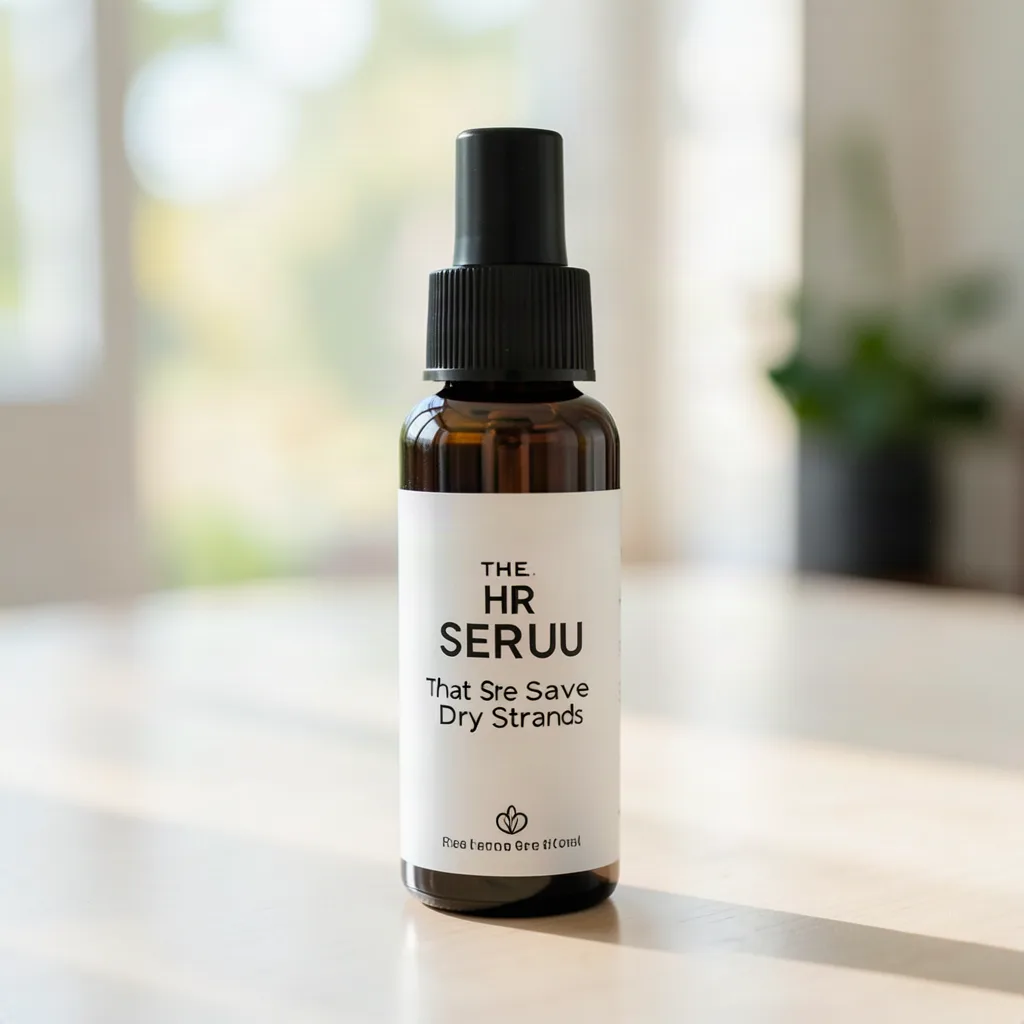
Dry, brittle hair can feel like a constant battle—each brush stroke leaves a trail of breakage, and even the simplest styling routine can turn into a frustrating ordeal. The good news is that a well‑formulated hair serum can act like a lightweight shield, delivering targeted moisture, reducing friction, and restoring a subtle sheen without weighing the hair down. This guide walks you through the science behind dry strands, the ingredients that truly make a difference, and practical steps to incorporate a serum into your daily routine for healthier‑looking hair.
What Causes Seriously Dry Strands?
Understanding the root causes of dryness helps you choose a serum that addresses the specific problem rather than merely masking it. Common contributors include:
- Environmental stressors: Sun, wind, low humidity, and indoor heating strip the hair’s natural lipids.
- Frequent washing: Over‑cleansing, especially with sulfated shampoos, removes the protective sebum layer.
- Heat styling: Straighteners, curling irons, and blow‑dryers can denature proteins and evaporate moisture.
- Chemical treatments: Coloring, bleaching, and perming open the cuticle, making it harder for the hair to retain water.
- Health and nutrition: Insufficient intake of essential fatty acids, vitamins A, D, and E can reflect on hair texture.
When the cuticle is lifted or damaged, moisture escapes quickly, leaving the cortex exposed and prone to breakage. A serum designed for dry hair typically focuses on smoothing the cuticle and sealing in hydration.
How Hair Serums Address Dryness
Unlike deep conditioners that sit on the hair for several minutes, serums are lightweight, oil‑based formulations meant to be applied to damp or dry hair and left in place. Their primary actions are:
- Occlusion: Creating a thin barrier that slows water loss.
- Cuticle smoothing: Flattening the overlapping scales to reduce friction.
- Lightweight nourishment: Delivering essential fatty acids and antioxidants without a greasy feel.
Because serums are not rinsed out, they provide continuous protection throughout the day, making them especially useful for people who spend long hours in air‑conditioned or heated environments.
Top Ingredients That Truly Hydrate and Protect
Not every oil or silicone will benefit dry hair. Below are ingredients that have been repeatedly highlighted by dermatologists and hair‑care professionals for their efficacy:
- Argan oil: Rich in vitamin E and linoleic acid, it penetrates the cuticle and adds softness.
- Marula oil: High in oleic acid, it offers a non‑greasy glide and protects against UV damage.
- Silicone derivatives (dimethicone, cyclopentasiloxane): Form a breathable film that smooths the cuticle without heavy buildup when used in moderate concentrations.
- Panthenol (pro‑vitamin B5): Attracts water molecules, improving elasticity and reducing breakage.
- Hydrolyzed wheat protein: Small protein fragments fill gaps in the cuticle, enhancing strength.
- Plant‑based antioxidants (green tea extract, rosemary): Combat oxidative stress that can exacerbate dryness.
When scanning product labels, look for these ingredients near the top of the list, indicating a higher concentration.
How to Choose the Right Serum for Your Hair Type
Even within the category of “dry hair,” there are nuances. Here’s a quick decision‑tree you can use:
- Fine, limp hair: Opt for a serum that emphasizes silicone‑based slip (e.g., dimethicone) with a light oil such as argan. Avoid heavy, viscous oils that can weigh the hair down.
- Medium‑to‑thick curly hair: Choose a blend of heavier oils (marula, jojoba) combined with panthenol. Curly textures benefit from added slip to reduce frizz.
- Color‑treated hair: Look for serums that are sulfate‑free and contain UV‑filtering antioxidants to protect the pigment.
- Scalp‑sensitive individuals: Select fragrance‑free formulas and test a small amount on the skin before full application.
Price alone isn’t a guarantee of performance, but reputable brands often provide third‑party testing data, which can be a useful indicator of quality.
Step‑by‑Step Application for Maximum Benefit
Applying a serum correctly is as important as the product itself. Follow these steps for consistent results:
- Start with clean, towel‑dried hair. Excess water helps distribute the serum evenly.
- Dispense a pea‑size amount (or less for fine hair) into the palm of your hand. Too much can lead to buildup.
- Warm the product by rubbing your palms together. This reduces viscosity and improves spreadability.
- Apply to mid‑lengths and ends first. These sections are the most vulnerable to dryness.
- Comb through with a wide‑tooth comb to ensure even coating. Avoid the scalp unless the product is specifically formulated for scalp use.
- Finish styling as usual. The serum’s slip can actually reduce heat‑tool damage by lowering friction.
For a quick refresh during the day, lightly mist a small amount onto dry ends and smooth with fingertips. This “top‑up” method can extend the protective benefits without a full re‑application.
Budget‑Friendly Options and DIY Recipes
High‑end serums can be pricey, but effective alternatives exist. Below are two approaches:
- Store‑brand serums: Look for products labeled “lightweight oil blend” that list argan or jojoba near the top. Many drugstore brands now formulate with silicone‑based slip agents that perform comparably to luxury lines.
- DIY serum (3‑ingredient blend):
- 1 tablespoon argan oil
- ½ teaspoon vitamin E oil (acts as an antioxidant)
- 5 drops rosemary essential oil (optional, for scent and scalp stimulation)
Mix in a small amber bottle, shake well, and use 1–2 drops per application. Store in a cool, dark place to preserve potency.
While DIY mixes lack the precise silicone component that offers instant slip, they provide genuine nourishment and can be combined with a lightweight silicone spray for a hybrid approach.
Maintaining Results: Complementary Practices
Serum use works best when paired with other hair‑care habits that reinforce moisture retention:
- Limit washing to 2–3 times per week. Use a sulfate‑free, pH‑balanced shampoo that cleans without stripping.
- Incorporate a weekly deep‑conditioner or a protein‑rich mask to replenish the cortex.
- Use a microfiber towel or cotton T‑shirt to dry hair, reducing friction compared to regular towels.
- Apply a heat‑protectant spray before using styling tools, even if you’ve already applied a serum.
- Trim split ends every 8–10 weeks to prevent upward propagation of damage.
These habits create an environment where the serum’s occlusive layer can truly lock in hydration, leading to smoother, softer strands over time.
When to Seek Professional Advice
If you notice persistent breakage, scalp irritation, or an inability to improve texture after several weeks of consistent serum use, consider consulting a trichologist or dermatologist. Underlying conditions such as thyroid imbalance, nutritional deficiencies, or scalp psoriasis can manifest as dry hair and require targeted medical treatment.
Assessing Hair Porosity: Why It Matters for Serum Effectiveness
Hair porosity describes how readily the hair shaft absorbs and releases moisture. It is determined by the integrity of the cuticle layer and can be classified as low, medium, or high. Understanding where your hair falls on this spectrum lets you fine‑tune the type and amount of serum you use, preventing over‑coating or under‑protecting the strands.
Low‑porosity hair has tightly packed cuticle scales that repel water. When a heavy, occlusive serum is applied, it can sit on the surface, creating a greasy film that never penetrates. For this hair type, opt for a serum that contains lightweight silicone blends (e.g., dimethicone copolyol) and a small proportion of low‑viscosity oils such as squalane. Apply the product sparingly—often a single drop per 10 cm of hair is enough—to allow the serum to glide without stacking.
Medium‑porosity hair strikes a balance; it absorbs moisture efficiently and releases it at a moderate rate. This is the “sweet spot” for most commercially available serums. You can use a standard light‑to‑medium oil‑silicone hybrid, applying the recommended pea‑size amount as outlined in the original guide.
High‑porosity hair has lifted cuticles that readily soak up water but also lose it quickly. In this case, a serum that combines both occlusive agents and humectants works best. Look for formulas that pair dimethicone with panthenol or glycerin, which will not only seal the cuticle but also draw in ambient moisture throughout the day. Because high‑porosity strands can become saturated quickly, you may need to re‑apply a micro‑dose after swimming or heavy sweating.
To test your porosity at home, place a single clean strand in a glass of room‑temperature water. If it sinks within a few seconds, it is likely high‑porosity; if it floats for a minute or more, it is low‑porosity; if it hovers in the middle, you have medium porosity. Conduct the test after your hair has been washed and conditioned, as product buildup can skew results.
By matching serum viscosity and active ingredients to your porosity, you eliminate the trial‑and‑error phase that many readers experience when first experimenting with leave‑in products.
Seasonal & Climate Considerations: Adapting Your Serum Routine
Environmental conditions shift dramatically throughout the year, and a serum that works wonders in humid summer months can feel suffocating during a dry winter. Tailoring your serum usage to climate variables ensures consistent moisture balance without compromising style.
Humid climates (≥60% relative humidity) increase the hair’s tendency to absorb excess water from the air, leading to frizz and loss of definition. In these conditions, select a serum with a higher silicone‑to‑oil ratio. The silicone creates a breathable barrier that repels ambient moisture, while a modest amount of oil prevents the hair from feeling crunchy. Apply the serum primarily to the ends, leaving the mid‑lengths lightly coated to preserve natural movement.
Dry, cold climates (≤30% relative humidity) accelerate transepidermal water loss from the hair shaft. Here, a serum enriched with humectants (e.g., hyaluronic acid, glycerin) and richer oils (e.g., marula, avocado) will actively draw moisture from the surrounding air and lock it in. Consider layering a lightweight mist of water or a hydrating spray before the serum to create a “sandwich” effect—water first, serum second.
High‑altitude environments pose a unique challenge: lower atmospheric pressure reduces the hair’s ability to retain moisture, and UV exposure is amplified. A serum that includes UV‑filtering antioxidants (such as green tea catechins) combined with a modest silicone base offers dual protection against dehydration and photo‑oxidative damage.
When transitioning between seasons, adjust the frequency of application. For instance, a client who uses serum daily in summer may reduce to every other day in winter, supplementing with a richer deep‑conditioner on off‑days. Keep a small travel‑size bottle on hand so you can experiment without committing to a full‑size product that may feel inappropriate for the current weather.
Documenting these seasonal tweaks in a simple spreadsheet—column A for month, column B for humidity level, column C for serum type, and column D for observed hair feel—helps you identify patterns and refine your approach over multiple years.
Combining Serum with Color and Chemical Treatments: Protecting the Process
When hair has been lightened, dyed, or chemically straightened, the cuticle is often more porous and the pigment molecules are vulnerable to oxidation. A serum can act as a post‑treatment guardian, but the timing and composition must be precise to avoid compromising color fidelity.
Post‑color application window: Wait at least 24–48 hours after a dye session before applying any leave‑in product that contains silicones or oils. This pause allows the cuticle to settle and the color molecules to fully bind. Applying a serum too early can trap excess pigment on the surface, leading to uneven fading.
Color‑safe serums typically incorporate UV‑absorbing filters (e.g., benzophenone‑3) and antioxidant complexes that neutralize free radicals generated by sunlight. Look for products that specifically state “color‑protecting” or “UV‑defense” on the label. These serums often use a lighter silicone base to avoid heavy buildup that could cause the color to appear dull.
Bleached or high‑lift hair benefits from serums that contain protein‑replenishing agents such as hydrolyzed silk or keratin amino acids. While the original article mentions hydrolyzed wheat protein, keratin peptides are larger and can temporarily fill in the widened cuticle gaps left by aggressive lifting. Use a micro‑dose (one or two drops) on the ends after each wash, focusing on the most damaged sections.
Permed or chemically straightened hair is prone to “spring‑back” when humidity rises. A serum that blends a silicone slip agent with a light polymer film (e.g., polyquaternium‑10) can maintain the newly set shape while still providing moisture. Apply the serum while the hair is still slightly damp from the neutralizing rinse to maximize adhesion.
For clients who regularly touch‑up color at a salon, recommend a “maintenance serum kit” that includes a UV‑defense spray for daily use and a richer, protein‑infused serum for weekly deep‑care. This two‑product system minimizes the need for frequent salon visits while preserving vibrancy.
Layering Leave‑In Products: How to Build a Multi‑Step Shield
Serum is only one component of a modern leave‑in arsenal. When combined thoughtfully with other products—such as creams, sprays, or gels—you can construct a customized barrier that addresses multiple concerns simultaneously.
Step 1: Moisture‑Lock Cream – Apply a lightweight, water‑based cream containing glycerin or hyaluronic acid to damp hair. This layer acts as a humectant reservoir, pulling water into the cortex.
Step 2: Serum – While the cream is still tacky, distribute a silicone‑rich serum to seal the moisture in. The serum’s occlusive film prevents the humectant from evaporating too quickly, extending the hydration window.
Step 3: Styling Gel or Mousse – For those who need hold, finish with a low‑alcohol gel that contains film‑forming polymers (e.g., PVP/VA). The gel locks the cuticle in place, reducing mechanical stress from brushing or wind.
When layering, the order matters: water‑based products should precede oil‑based ones. Reversing the sequence can cause the oil to block the absorption of the cream, leading to a “slippery” feel without actual moisture gain.
Edge cases to watch for include:
- Product incompatibility: Some serums contain high concentrations of silicone that can repel water‑based creams, causing the cream to bead up and run off. Test compatibility by mixing a small amount on a cotton swab before full application.
- Heat‑tool synergy: If you plan to use a curling iron, apply a heat‑protectant spray after the serum but before the gel. The spray’s silica particles create a thermal buffer, while the gel maintains shape.
- Scalp sensitivity: Individuals with eczema or psoriasis should keep the serum away from the scalp and limit the use of styling gels that contain fragrance or alcohol.
Documenting your layering routine in a simple checklist—cream, serum, gel—helps you stay consistent, especially on rushed mornings. Over time you’ll notice which combinations deliver the smoothest finish without buildup.
Creating a Personalized Hair‑Care Log: Tracking Serum Performance
Even the most scientifically formulated serum can produce variable results depending on lifestyle, diet, and stress levels. A systematic log allows you to correlate external factors with hair outcomes, turning anecdotal observations into actionable data.
Log structure:
- Date & time – Record when you washed, applied serum, and styled.
- Product details – Brand, size, key ingredients, amount used (drops or pea‑size).
- Hair condition rating – Use a 1‑5 scale for softness, frizz, and shine.
- External variables – Note weather, indoor humidity, exercise, diet (e.g., omega‑3 intake), and any chemical treatments performed that day.
- Observations – Write brief comments on texture, manageability, and any signs of buildup.
Example entry:
2026‑09‑12, 07:30 – Washed with sulfate‑free shampoo, applied 2 drops of argan‑silicone serum to mid‑lengths, styled with diffuser. Condition rating: 4/5 softness, 3/5 frizz, 4/5 shine. Weather: 55 °F, 35% humidity, windy. Notes: Hair felt silky throughout the day; slight greasiness at the crown after 6 hours, likely from scalp oil buildup.
After four weeks, review the log for trends. If you notice that frizz spikes on windy days despite consistent serum use, you might add a lightweight anti‑frizz spray on those days. If shine diminishes after a particular brand’s serum, consider switching to a silicone‑lighter alternative.
For tech‑savvy users, a simple Google Sheet with conditional formatting can highlight days where the condition rating falls below 3, prompting a deeper analysis. Over time, this data‑driven approach eliminates guesswork and helps you fine‑tune the exact serum dosage, frequency, and complementary products.
Travel, Gym, and On‑The‑Go Strategies: Maintaining Moisture Anywhere
Modern lifestyles rarely allow for a leisurely hair‑care routine. Whether you’re hopping on a plane, hitting the gym, or rushing between meetings, a portable serum strategy keeps dry strands protected without sacrificing convenience.
Travel‑size packaging – Invest in a 5‑ml silicone‑based serum bottle with a dropper. This size complies with airline liquid restrictions and fits neatly into a toiletry bag. Because the volume is small, you’ll be forced to use only a few drops, reducing the risk of buildup.
Gym bag hack – After a sweaty workout, rinse hair quickly with a silicone‑free, sulfate‑free cleanser or a co‑wash. While hair is still damp, apply a micro‑dose of serum (one drop) to the ends. The serum will act as a barrier against chlorine or sweat‑induced salt, preventing the hair from feeling brittle post‑exercise.
On‑the‑go refresh – Keep a travel‑spray that mixes a light silicone with a small amount of water (1:4 ratio). A quick spritz onto dry ends, followed by a gentle fingertip smoothing, revives the protective film without the need for a full re‑application.
Edge cases:
- High‑altitude hiking: At elevations above 2,500 m, humidity drops dramatically. Carry a small humidifier bottle (distilled water) and a serum‑plus‑humectant blend. Lightly mist hair, then seal with serum to lock in the fleeting moisture.
- Beach vacations: Salt water can strip oils from the hair shaft. Rinse with fresh water as soon as possible, then apply a serum containing marine‑derived antioxidants (e.g., seaweed extract) to counteract oxidative stress.
- Cold‑weather ski trips: Layer a serum under a thermal headband. The headband prevents wind exposure, while the serum keeps the cuticle sealed against the dry, cold air.
By integrating these on‑the‑move tactics into your routine, you ensure that the benefits of a high‑quality serum extend beyond the bathroom mirror and into every facet of daily life.
Frequently Asked Questions
1. Can I use a hair serum on wet hair?
Yes. Applying serum to towel‑dry hair allows the product to spread evenly and seal in the moisture you’ve just added with conditioner. For extremely fine hair, a lighter serum applied to damp (not wet) hair may feel less heavy.
2. Will silicone‑based serums cause buildup?
Silicones like dimethicone are non‑porous, so they can accumulate if not removed periodically. Use a clarifying shampoo once a month to dissolve any residue, especially if you use multiple styling products.
3. Are natural oils enough on their own?
Pure oils provide nourishment but lack the slip and protective film that silicones offer. Combining a light oil (e.g., argan) with a silicone‑based serum gives both nourishment and smoothing benefits.
4. How much serum should I use?
A pea‑size amount is sufficient for medium‑length hair. Adjust downward for fine hair or upward for thick, curly hair, but always start with less—excess can make hair look greasy.
5. Can a serum replace conditioner?
No. Conditioner works in the rinse‑out phase to hydrate the hair shaft, while serum provides a leave‑in barrier. For best results, use both: conditioner in the shower, serum afterward.
Related posts:
 Best Scalp Scrubs Review
 Living Proof Scalp Treatment Review
 Removing Scalp Buildup
 Reducing Hair Wash Frequency
 Ariana Grande’s Hair Savior: Why Lavender Coconut Oil Is Her Secret Weapon
 Should You Wash Your Hair After Every Gym Session?
 Perfect Curly Hair Routine
 Zoe Kravitz’s Coconut Oil Hair Care Secret