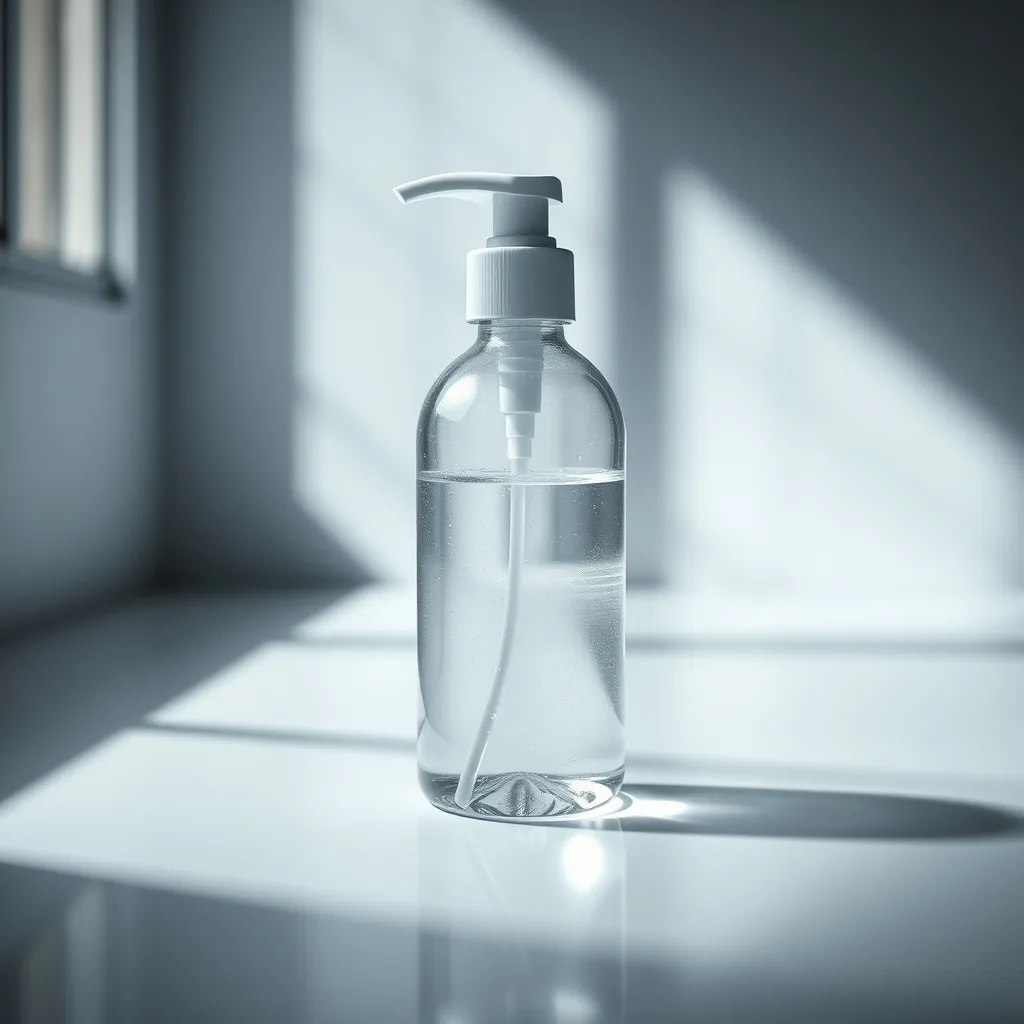
For several years, hand sanitizer has transitioned from a niche convenience product to an indispensable staple of modern life. In the wake of global health crises, these small bottles became our primary line of defense against invisible threats. However, beneath the convenience of a quick rub lies a complex regulatory landscape. From high-profile recalls to concerns over chemical contaminants, hand sanitizers have recently come under intense scrutiny. While the FDA (Food and Drug Administration) oversees these products, the sheer volume of brands entering the market has created gaps in oversight, leaving consumers to navigate a sea of contradictory information.
p>
The phrase “under fire” is not merely hyperbolic; it reflects a genuine tension between the need for rapid hygiene and the necessity of product safety. When we talk about what the FDA “doesn’t want you to know,” it is rarely a secret conspiracy, but rather a systemic struggle to police a fragmented supply chain. Understanding the risks associated with certain ingredients, the limitations of alcohol-based gels, and the impact on our biological skin barrier is essential for anyone looking to maintain health without compromising long-term wellness.
p>
The Chemistry of Clean: How Hand Sanitizers Actually Work
To understand the risks, we must first understand the mechanism. Most hand sanitizers rely on high concentrations of alcohol—typically ethanol or isopropanol—to neutralize pathogens. These alcohols work through a process called denaturation. Essentially, they break down the protein envelope of bacteria and the lipid bilayer of many viruses, effectively “popping” the microbe and rendering it inactive.
p>
For a sanitizer to be effective, the FDA generally recommends a concentration of at least 60% alcohol. However, the chemistry becomes complicated when we look at the inactive ingredients. To prevent the alcohol from evaporating too quickly and to stop the skin from drying out instantly, manufacturers add thickeners (like carbomer), humectants (like glycerin), and fragrances. While these ingredients make the product pleasant to use, they are often the source of the contaminants that lead to regulatory warnings.
p>
It is important to distinguish between “sanitizing” and “cleaning.” Sanitizers do not remove dirt, grease, or harmful chemicals from the skin; they simply neutralize a portion of the microbial load. If your hands are visibly soiled, the alcohol cannot penetrate the layer of grime to reach the pathogens underneath, making the sanitizer significantly less effective than traditional soap and water.
p>
The Benzene Crisis: Understanding Recent FDA Recalls
One of the most alarming chapters in recent hand sanitizer history involves the discovery of benzene, a known human carcinogen. Benzene is not an intended ingredient in hand sanitizer; rather, it is a contaminant that can enter the product during the manufacturing process or through the use of low-grade raw materials. The FDA has issued numerous recalls in recent years after laboratory testing found benzene levels that far exceeded safety thresholds.
p>
The issue often stems from the sourcing of the alcohol. In an effort to meet unprecedented demand, some manufacturers turned to suppliers that did not adhere to pharmaceutical-grade standards. Benzene can be a byproduct of the chemical synthesis of certain alcohols or can be introduced via contaminated storage tanks. Because benzene is colorless and odorless, consumers have no way of knowing if their product is contaminated until a formal recall is issued.
p>
The long-term risk of benzene exposure is primarily linked to blood-related disorders, including leukemia. While a single application of contaminated sanitizer is unlikely to cause immediate illness, the cumulative effect of using such products multiple times a day for months or years is a significant public health concern. This highlights a critical gap in the FDA’s process: the agency often relies on manufacturers to self-report or on third-party testers to flag issues, meaning some contaminated products may remain on shelves longer than they should.
p>
Alcohol-Based vs. Alcohol-Free: The Trade-offs
Not all sanitizers are created equal, and the choice between alcohol-based and alcohol-free versions involves a trade-off between efficacy and skin health. Alcohol-based sanitizers are the gold standard for killing a wide spectrum of viruses and bacteria quickly. However, they are harsh on the skin and highly flammable.
p>
Alcohol-free sanitizers typically use an active ingredient called Benzalkonium Chloride (BzK). BzK is a quaternary ammonium compound that disrupts the cell membranes of microbes. The primary advantage of BzK is that it is non-flammable and generally less irritating to the skin than high-concentration ethanol. However, research suggests that BzK may be less effective against certain types of viruses and may require a longer contact time to achieve the same results as alcohol.
p>
Furthermore, there is growing concern regarding the potential for bacteria to develop resistance to BzK. While alcohol kills by physically destroying the cell structure (making resistance nearly impossible), BzK works through a chemical interaction that some microbes may eventually evolve to bypass. For the average consumer, the choice depends on the environment: alcohol-based is superior for clinical settings or high-risk areas, while alcohol-free may be more appropriate for children or those with extremely sensitive skin, provided they understand the limitations in efficacy.
p>
The Impact on Your Skin’s Natural Barrier
Our skin is more than just a covering; it is a complex biological organ known as the stratum corneum, which acts as a waterproof barrier protecting us from the outside world. This barrier is composed of lipids (fats) and proteins that keep moisture in and irritants out. Frequent use of hand sanitizer, particularly high-alcohol formulas, strips these essential lipids away.
p>
When the lipid barrier is compromised, we experience transepidermal water loss (TEWL). This manifests as dryness, cracking, and redness. In severe cases, this can lead to irritant contact dermatitis. The danger here is paradoxical: when the skin cracks, it creates microscopic portals of entry for the very pathogens we are trying to avoid. A compromised skin barrier is far more susceptible to infection than healthy, intact skin.
p>
To mitigate this, some manufacturers add glycerin or aloe vera. While these humectants help draw moisture into the skin, they cannot fully replace the lost lipids. The most compassionate approach to hand hygiene is to view sanitizer as a temporary bridge, not a replacement for the skin’s natural oils. Using a high-quality, fragrance-free moisturizer after sanitizing can help rebuild the lipid barrier and prevent the cycle of irritation and infection.
p>
Common Misconceptions About “Kill Rates” and Efficacy
Marketing materials often claim that a sanitizer “kills 99.9% of germs.” While technically true in a controlled laboratory setting, this figure is often misleading in real-world application. The “0.1%” that survives can still be enough to cause an infection, especially if the surviving germs are the most resilient strains.
p>
Another common misconception is that sanitizer protects against all types of germs. Specifically, alcohol-based sanitizers are largely ineffective against non-enveloped viruses (such as Norovirus) and spore-forming bacteria (such as Clostridium difficile). These pathogens have a tough outer shell that alcohol cannot penetrate. In these instances, only the mechanical action of scrubbing with soap and water can physically remove the pathogen from the skin.
p>
Additionally, the “contact time” is often ignored. For a sanitizer to work, it must remain wet on the skin for several seconds. Many people apply a small drop and rub their hands together for two seconds before wiping them on their pants. This does not provide enough time for the alcohol to denature the proteins of the microbes, significantly reducing the product’s efficacy. To use sanitizer correctly, you must apply enough product to cover all surfaces of the hands and rub until they are completely dry.
p>
How to Read a Sanitizer Label Like a Pro
To avoid contaminated or ineffective products, consumers must become diligent label readers. The FDA requires specific labeling, but the nuances are often buried in the fine print. Here is a guide to what you should look for and what you should avoid.
p>
- Active Ingredient Percentage: Look for Ethanol or Isopropanol between 60% and 95%. Anything below 60% is significantly less effective; anything above 95% evaporates too quickly to kill microbes effectively.
- Avoid Methanol: This is the most critical warning. Methanol (wood alcohol) is toxic and can be absorbed through the skin, leading to systemic poisoning, blindness, or death. The FDA has issued severe warnings against products containing methanol.
- Check for Fragrances and Dyes: If you have sensitive skin, avoid “parfum” or synthetic dyes. These are common triggers for contact dermatitis and add no antimicrobial value.
- Check the Expiration Date: Alcohol evaporates over time, even in sealed bottles. An expired sanitizer may have a concentration below the 60% threshold, rendering it ineffective.
- Verify the NDC Number: A National Drug Code (NDC) number indicates that the product is registered as an over-the-counter drug. While not a guarantee of purity, it shows the manufacturer is following a regulatory framework.
p>
Safe Alternatives and the Gold Standard of Hygiene
Despite the convenience of gels, soap and water remain the gold standard for hand hygiene. The reason is mechanical rather than chemical. Soap molecules are amphiphilic, meaning they have one end that attracts water and another that attracts fats. When you scrub your hands, the soap traps dirt, grease, and microbes in bubbles called micelles, which are then rinsed away by the water.
p>
Unlike sanitizer, soap and water physically remove pathogens from the skin rather than just attempting to kill them in place. This makes soap far more effective against Norovirus, C. diff, and chemical contaminants like pesticides or heavy metals. Furthermore, mild soaps—especially those with a neutral pH—are far less damaging to the skin barrier than alcohol.
p>
For those who cannot access a sink, the best approach is a “tiered hygiene strategy.” Use soap and water whenever possible, especially before eating or after using the restroom. Use alcohol-based sanitizer only as a secondary option when soap is unavailable. By reducing the frequency of sanitizer use, you preserve your skin’s natural defenses and reduce your exposure to potential chemical impurities.
p>
Practical Tips for Reducing Sanitizer Reliance
Transitioning away from a sanitizer-heavy routine requires a shift in habit. Many of us have developed a “compulsive rub” reflex. Breaking this habit not only protects your skin but also reduces the chemical load on your body.
p>
Start by carrying a small travel-sized soap or hand wipes as a primary alternative. If you must use sanitizer, apply it strategically—only after touching high-traffic surfaces like elevator buttons or public door handles, rather than every time you move from one room to another. To combat the dryness, apply a ceramide-based cream twice daily. Ceramides are the lipids that alcohol strips away; replacing them helps maintain the skin’s integrity.
p>
Additionally, be mindful of the environment. In a home setting, the need for sanitizer is minimal. Focus on cleaning high-touch surfaces with appropriate disinfectants rather than treating your own skin as the primary surface to be sterilized. By focusing on a holistic approach to hygiene—combining targeted cleaning, strategic handwashing, and skin nourishment—you can maintain a high level of protection without the risks associated with over-reliance on chemical sanitizers.
p>
The Skin Microbiome: The Hidden Cost of Total Sterilization
While the focus of hand sanitizers is typically on the destruction of harmful pathogens, this chemical onslaught is indiscriminate. Our skin is not a sterile surface; it is a thriving ecosystem home to trillions of microorganisms, known as the skin microbiome. This includes commensal bacteria, fungi, and viruses that exist in a symbiotic relationship with our bodies. These “good” microbes play a critical role in training our immune system, competing with pathogens for space and nutrients, and producing antimicrobial peptides that naturally defend the skin.
When we apply high-concentration alcohol repeatedly, we aren’t just removing the flu virus or E. coli; we are essentially clear-cutting a biological rainforest. This disruption of the microbial balance can lead to a state called dysbiosis. In a dysbiotic state, the natural competition that keeps opportunistic pathogens in check is removed. For example, an over-reliance on sanitizers can strip away the bacteria that normally inhibit the growth of Staphylococcus aureus or Candida (yeast). This creates a vacuum that these more aggressive organisms can fill, potentially leading to secondary skin infections or chronic fungal issues that would not have occurred in a balanced environment.
Furthermore, the skin’s pH is naturally slightly acidic—typically between 4.7 and 5.75—which is known as the acid mantle. This acidity is vital for maintaining the integrity of the skin barrier and inhibiting the growth of many harmful bacteria. Many of the inactive ingredients in sanitizers, particularly the pH adjusters used to stabilize the gel, can shift this delicate balance. When the acid mantle is neutralized or disrupted, the skin becomes more permeable and less resilient, making it easier for environmental allergens and chemical irritants to penetrate deeper into the dermis.
A Deep Dive into Inactive Ingredients and Hidden Sensitizers
Most consumers focus on the active alcohol percentage, but the “inactive” ingredients list is where the most subtle risks often reside. These additives are essential for the product’s texture and shelf-life, but they can act as potent sensitizers for a significant portion of the population. One common additive is Triethanolamine, used as a pH balancer to ensure the product doesn’t burn upon application. While generally recognized as safe in small quantities, Triethanolamine can cause allergic contact dermatitis in sensitive individuals, manifesting as itchy, red patches that may be mistaken for simple dryness.
Then there are the carbomers—the cross-linked acrylic polymers that give sanitizer its characteristic gel-like consistency. While carbomers themselves are relatively inert, the process of synthesizing these polymers can involve impurities. In lower-grade manufacturing, residual monomers may remain in the final product. For most, this is negligible, but for those with chemical sensitivities, these residues can trigger inflammatory responses. This is particularly problematic because the alcohol in the sanitizer acts as a penetration enhancer, effectively “driving” these inactive chemicals deeper into the skin than they would go in a standard lotion.
Fragrances and dyes present another layer of complexity. Many sanitizers use “parfum,” an umbrella term that can hide hundreds of different chemical constituents, including phthalates used to make the scent last longer. Phthalates are known endocrine disruptors, and while the amount absorbed through the skin via sanitizer is small, the cumulative exposure from multiple personal care products can be significant. Even “unscented” products may contain masking fragrances—chemicals designed to hide the smell of the raw ingredients without adding a specific scent—which can still trigger allergic reactions. For those seeking the lowest risk, a “fragrance-free” label is superior to “unscented,” as it indicates no fragrance chemicals were added at all.
The Regulatory Maze: Drug Monographs and the “Grey Market”
To understand why the FDA often seems “behind the curve,” one must understand the regulatory mechanism of the Over-the-Counter (OTC) Drug Monograph. In the United States, hand sanitizers are classified as drugs, not cosmetics. Under the monograph system, if a manufacturer follows a pre-approved “recipe” (the monograph) regarding active ingredients and labeling, they do not need to seek formal FDA approval for each individual product before it hits the market. This system was designed for efficiency, allowing trusted formulas to be distributed quickly.
However, this creates a massive loophole during periods of extreme demand. When the supply chain for pharmaceutical-grade ethanol collapses, some manufacturers pivot to “industrial grade” alcohols. These industrial versions are not purified to the same standard and often contain the aforementioned benzene or other volatile organic compounds (VOCs). Because the FDA does not pre-test every batch of every brand, they rely on post-market surveillance. This means a contaminated product can be sold to millions of people for months before a third-party lab or a spike in adverse reports triggers an investigation and a subsequent recall.
This regulatory gap has birthed a “grey market” of boutique or “natural” sanitizers. Some of these brands attempt to bypass drug regulations by labeling their products as “hand cleansers” or “skin conditioners” rather than “hand sanitizers.” By avoiding the word “sanitize,” they attempt to avoid the FDA’s drug classification. The danger here is twofold: first, these products often lack the necessary alcohol concentration to actually kill pathogens; second, they completely evade the oversight and reporting requirements that apply to OTC drugs. A consumer may believe they are protected by a “natural botanical cleanser,” while in reality, they are applying a scented lotion with no antimicrobial efficacy.
Environmental Footprint: From Plastic Waste to Aquatic Toxicity
The convenience of the small, portable plastic bottle has come with a staggering environmental cost. The vast majority of hand sanitizers are packaged in PET or HDPE plastics, which, despite being recyclable in theory, are rarely recycled in practice due to their size and the presence of residual chemical gels. Millions of these bottles end up in landfills or as litter in waterways. But the impact goes beyond the physical plastic; the chemical runoff from the products themselves is a growing concern for aquatic ecosystems.
Benzalkonium Chloride (BzK), the primary active ingredient in alcohol-free sanitizers, is a quaternary ammonium compound. Unlike ethanol, which evaporates and breaks down quickly in the atmosphere, BzK is highly stable and water-soluble. When it enters the wastewater system, it can persist in the environment. Studies have shown that quaternary ammonium compounds can be toxic to fish and aquatic invertebrates, disrupting their gill function and altering the microbial balance of the water. Because BzK is a surfactant, it can also interfere with the surface tension of water, affecting the insects that rely on that tension to move or hunt.
Furthermore, the mass production of ethanol for sanitizers often relies on industrial corn or sugarcane farming, which involves heavy pesticide use and monoculture cropping. This creates a hidden carbon footprint and contributes to soil degradation. While the immediate goal is personal hygiene, the systemic result is a cycle of chemical production and waste that puts pressure on the very environments we are trying to keep “clean.” Moving toward bulk dispensers or switching back to biodegradable soaps significantly reduces both the plastic burden and the chemical load introduced into the water table.
Sanitizer and the Hands: Nail Integrity and Specialized Care
While we often focus on the skin of the palms, the nails and cuticles are frequently overlooked. The nail plate is composed of hardened keratin, but the surrounding cuticle (the eponychium) is a critical seal that prevents bacteria and fungi from entering the nail matrix. High-concentration alcohol is a powerful desiccant that aggressively strips the natural oils from this seal. Over time, frequent sanitizing leads to “brittle nail syndrome,” characterized by vertical ridges, peeling, and splitting.
For individuals who use nail enhancements, such as acrylics or gel manicures, the risks are more specific. Alcohol is a solvent. While it doesn’t dissolve acrylics instantly, repeated exposure can weaken the bond between the artificial nail and the natural nail plate. This creates microscopic gaps—”lifts”—where moisture and bacteria can become trapped. This environment is a breeding ground for Pseudomonas aeruginosa, a bacterium that causes a condition known as “the green nail syndrome,” resulting in a greenish discoloration of the nail bed. In this edge case, the use of sanitizer actually increases the risk of a localized infection by compromising the structural integrity of the manicure.
Moreover, for those with pre-existing conditions like psoriasis or eczema on the hands, the use of sanitizer can trigger a “flare-up” cycle. The alcohol induces an immediate inflammatory response, which leads to further cracking. These cracks then become sites for irritants to enter, which the body responds to with more inflammation. In these instances, the use of a sanitizer is not just drying; it is a catalyst for a chronic inflammatory state. For these users, the only safe alternative is a non-soap cleanser or a highly emollient, alcohol-free antimicrobial that is specifically formulated for compromised skin.
The Psychology of Hyper-Hygiene and the “Safety Loop”
Beyond the chemistry and the biology lies a psychological dimension to the hand sanitizer crisis. The ubiquity of these products has contributed to a phenomenon known as “hyper-hygiene.” For many, the act of sanitizing has transitioned from a health precaution to a ritualized behavior. This is often driven by a subconscious desire for control in an unpredictable environment. When a person feels anxious about invisible threats, the physical sensation of the cool gel and the scent of alcohol provide an immediate, albeit temporary, sense of safety.
This creates a “safety loop”: Anxiety triggers the need to sanitize, the act of sanitizing provides a brief dopamine release and a feeling of security, but the underlying anxiety remains. Over time, the threshold for what feels “dirty” lowers. A person may find themselves sanitizing after touching their own phone, their own clothes, or even after washing their hands with soap, fearing that the faucet handle was contaminated. This compulsive cycle can lead to a state of hyper-vigilance that increases overall stress levels, which, paradoxically, weakens the immune system’s actual ability to fight off infections.
The danger of this psychological dependence is that it obscures the reality of risk. By focusing on the “micro-risk” of a doorknob, individuals may neglect “macro-risks,” such as poor sleep, inadequate nutrition, or chronic stress—all of which have a far greater impact on health than a stray bacterium on a fingertip. Breaking this loop requires a cognitive shift: recognizing that a certain level of microbial exposure is not only inevitable but necessary for a robust immune system. Transitioning back to a soap-and-water centric routine often helps break this psychological dependency by returning the act of cleaning to a mindful, slower process rather than a reflexive, anxious twitch.
Strategic Hygiene for Specialized Environments
To maximize safety and minimize risk, it is helpful to apply a “contextual hygiene” framework. Not every environment requires the same level of antimicrobial aggression. In a home setting, the risk of encountering high-load pathogens is relatively low. Here, the priority should be the preservation of the skin barrier. Using sanitizer in the home is generally unnecessary and can be replaced by simple hand washing or even just avoiding the touch of the face.
In contrast, high-risk environments—such as dental offices, pharmacies, or public transit hubs—require a more strategic approach. In these settings, the goal is not sterilization (which is impossible in a non-sterile field) but “load reduction.” The most effective strategy is to use alcohol-based sanitizers immediately after touching high-contact surfaces, but to follow this with a targeted moisturizing agent once the shift or trip is over. This prevents the cumulative drying effect from reaching the point of skin failure.
For healthcare professionals, the distinction between “surgical hand scrubs” and “routine sanitizing” is vital. Surgical scrubs use agents like chlorhexidine gluconate, which has a “residual effect,” meaning it continues to kill microbes for several hours after application. Standard hand sanitizers have zero residual effect; the moment the alcohol evaporates, the skin is once again susceptible to colonization. Understanding this difference prevents the misconception that a quick rub of sanitizer provides a lasting shield. The most sophisticated hygiene strategy is one of precision: using the most aggressive tool only when the risk is highest, and the gentlest tool whenever possible, thereby protecting both the individual and the broader biological environment.
Frequently Asked Questions
p>1. How can I tell if my hand sanitizer was part of an FDA recall?
The most reliable way is to visit the official FDA website and search the “Recalls, Market Withdrawals, & Safety Alerts” database. You can search by the brand name or the NDC number found on the back of the bottle. If you suspect your product is contaminated with benzene or methanol, stop using it immediately and dispose of it according to local hazardous waste guidelines.
p>2. Does hand sanitizer cause antibiotic resistance?
Alcohol-based sanitizers generally do not contribute to antibiotic resistance because they destroy the cell membrane of the microbe rather than targeting a specific metabolic pathway (which is how antibiotics work). However, alcohol-free sanitizers containing Benzalkonium Chloride (BzK) may potentially contribute to resistance in some bacterial strains, although this is a subject of ongoing research.
p>3. Is it safe to use hand sanitizer on children?
Hand sanitizers can be used on children, but with caution. Their skin is thinner and more permeable than adult skin, making them more susceptible to irritation and the absorption of contaminants. The biggest risk is accidental ingestion, which can lead to alcohol poisoning in small children. Always supervise children using sanitizer and prioritize soap and water whenever possible.
p>4. Can I mix hand sanitizer with lotion to make it less drying?
No, you should never mix sanitizer with other products in the bottle. Adding lotion to a sanitizer can dilute the alcohol concentration below the effective 60% threshold, making it useless against germs. Instead, apply your sanitizer, let it dry completely, and then apply a separate moisturizer to your hands.
p>5. Why does my hand sanitizer feel sticky after I use it?
The stickiness is usually caused by the inactive ingredients, such as glycerin, carbomer, or other thickening agents. While these are necessary to give the product its gel consistency and prevent the alcohol from evaporating instantly, they leave a residue on the skin. This residue can actually attract more dirt and dust, which is another reason why washing with soap and water is preferred for overall cleanliness.
Related posts:
 Stain Game Strong: The Ultimate Guide to Rescuing Your White Clothes
 Proper Use of Exfoliating Mitts
 How to Drink Alcohol on Keto Without Sabotaging Your Goals
 Touchland Hand Sanitizer Review
 How Black Soap Can Work Wonders for Your Skin and Spirit
 Foundation’s Impact on Skin
 Soap Brows: The Zero-Cost Beauty Hack Everyone’s Talking About
 Top Hand Sanitizer Brands Worth Trying