Whether you spend hours typing at a computer, play a musical instrument, or engage in repetitive hand activities, your hands are constantly at work. Over time, this can lead to stiffness, discomfort, or even pain. Hand stretches are a simple yet effective way to promote flexibility, relieve tension, and support overall hand health. This guide explores practical hand stretches, the benefits they offer, and tips for making them part of your daily routine.
Why Hand Stretches Matter
Our hands are intricate systems of muscles, tendons, and ligaments that allow us to perform a wide range of movements. When we use our hands repeatedly without proper care, we may experience fatigue, tightness, or even repetitive strain injuries. Regular hand stretching helps:
- Increase flexibility and range of motion
- Improve circulation
- Reduce stiffness and discomfort
- Support recovery from minor strains
- Promote relaxation and stress relief
Incorporating hand stretches into your routine can be especially helpful for those who type, write, sew, craft, or play sports and instruments.
When to Perform Hand Stretches
Hand stretches can be done almost any time and almost anywhere—at your desk, before or after an activity, or as part of your self-care routine. Consider stretching:
- Before and after long typing sessions
- Following repetitive tasks or hobbies
- After waking up, to loosen morning stiffness
- Whenever you feel tension or discomfort in your hands
Always stretch gently and never force a movement, especially if you feel pain.
Preparing for Hand Stretches
Before beginning any stretching routine, it’s helpful to prepare your hands:
- Warm up by rubbing your hands together or placing them under warm water for a few minutes.
- Remove any jewelry that may restrict movement.
- Sit comfortably with your forearms supported if needed.
- Focus on your breath to enhance relaxation during stretches.
Essential Hand Stretches for Relief
Here are several effective hand stretches designed to target different muscles and joints:
1. Finger Extension Stretch
Extend one hand in front of you, palm down. With your other hand, gently pull back each finger one at a time, holding for 5-10 seconds. Repeat on the other hand. This stretch helps relieve tension in the fingers and palm.
2. Fist Release
Make a gentle fist with your thumb wrapped outside your fingers. Hold for a few seconds, then slowly release and spread your fingers wide. Repeat 5-10 times. This stretch improves flexibility and circulation.
3. Thumb Stretch
Hold your hand out, palm up. Gently pull your thumb away from your palm using your other hand, holding the stretch for 10 seconds. Repeat on both hands. This targets the base of the thumb, a common area of tension.
4. Wrist Flexor Stretch
Extend your arm in front of you, palm up. With your opposite hand, gently pull your fingers back toward your body until you feel a stretch along the underside of your wrist and forearm. Hold for 15-20 seconds, then switch sides.
5. Wrist Extensor Stretch
Extend your arm in front, palm down. Use your other hand to gently press the back of your hand downward, stretching the top of your wrist and forearm. Hold for 15-20 seconds per side.
6. Finger Abduction Stretch
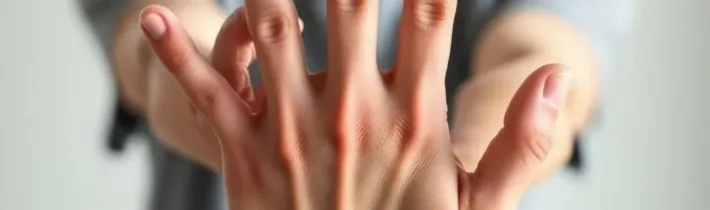
Place your hand flat on a table or your thigh. Using your other hand, gently spread your fingers apart, then bring them back together. Repeat 5-10 times. This movement increases finger mobility.
7. Claw Stretch
Hold your hand up, palm facing you. Bend your fingertips down to touch the base of each finger joint, forming a claw shape. Hold for 5 seconds and release. Repeat 5-10 times per hand. This helps maintain joint flexibility.
8. Tendon Glide Exercise
This exercise moves your fingers through their full range of motion. Start with your fingers straight, then bend them to a hook fist, followed by a full fist, and finally a straight fist. Hold each position for a few seconds before moving to the next. Repeat several times on each hand.
Tips for Effective Hand Stretching
- Stretch slowly and gently—never force a movement.
- Hold each stretch for at least 5-10 seconds, or longer if comfortable.
- Breathe deeply to promote relaxation.
- Repeat each stretch 2-3 times per hand.
- Stop if you experience sharp pain; mild discomfort or tension is normal, but pain is a sign to ease up.
Making hand stretches a regular habit can lead to improved comfort and mobility over time.
Incorporating Hand Stretches into Your Day
Hand stretches don’t have to take up much time. Here are some ideas for fitting them into your schedule:
- During work breaks: Stand up, stretch your hands, and shake out tension every hour.
- After long drives: Stretch your hands and wrists to reduce tightness from gripping the wheel.
- As a warm-up: Before playing an instrument or engaging in sports, do a few hand stretches.
- Before bed: Gentle stretches can help release tension from the day and support restful sleep.
Pairing hand stretches with deep breathing or mindfulness can further enhance relaxation and stress relief.
Hand Care Beyond Stretching
While stretching is beneficial, caring for your hands involves more than just movement. Consider these additional tips:
- Maintain proper ergonomics at your workstation to reduce strain.
- Take regular breaks from repetitive tasks.
- Apply moisturizer to prevent dryness and support skin health.
- Use supportive tools, such as ergonomic keyboards or cushioned grips, when possible.
If you notice persistent pain, swelling, or decreased hand function, consider consulting a healthcare professional for personalized advice.
Who Can Benefit from Hand Stretches?
Almost everyone can benefit from regular hand stretching, but it’s especially helpful for:
- Office workers who type for extended periods
- Musicians and artists
- People with hobbies like knitting, gardening, or woodworking
- Athletes in sports that require grip strength, such as tennis or climbing
- Older adults seeking to maintain joint mobility
Hand stretches are generally safe, but those with existing hand injuries or medical conditions should check with a healthcare provider before starting a new routine.
Modifying Stretches for Different Needs
Everyone’s hands are different. You may need to adjust stretches based on your comfort, flexibility, or any physical limitations. For example:
- Use gentle assistance from your other hand if you have limited strength.
- Reduce the hold time or range of motion if you experience discomfort.
- Try stretching in warm water for additional comfort.
Listen to your body and modify stretches as needed. Consistency is more important than intensity.
Understanding Hand Anatomy and Common Strain Patterns
To fully appreciate the benefits and nuances of hand stretches, it helps to understand the structure of the hand and how different activities can stress various tissues. The human hand contains 27 bones, numerous small muscles (intrinsic muscles), tendons, ligaments, and a complex network of nerves. These components work in harmony to produce intricate, coordinated movements but are also susceptible to overuse or imbalance.
- Flexor Tendons: Run along the palm side, enabling you to grip and curl your fingers.
- Extensor Tendons: Travel along the back of the hand, allowing finger straightening and wrist extension.
- Intrinsic Muscles: Located within the hand, they control fine motor movements and finger spread.
- Nerves: The median, ulnar, and radial nerves provide sensation and muscle control, and are vulnerable to entrapment or compression.
Common strain patterns include:
- Repetitive Strain Injury (RSI): From constant typing, gripping, or tool use.
- Trigger Finger: Caused by tendon sheath inflammation, leading to finger locking.
- De Quervain’s Tenosynovitis: Affects the base of the thumb, often from texting or gaming.
- Ulnar Nerve Entrapment: Causes numbness or tingling in the ring and pinky fingers.
Understanding which hand structures are most involved in your daily activities can help you select and adapt stretches for targeted relief.
Advanced Stretching Techniques for Chronic Tension
For individuals who experience chronic hand tension, advanced stretching techniques can offer deeper relief. These methods go beyond basic movements and target deeper connective tissues, fascia, and joint capsules.
1. Nerve Gliding Exercises
Nerve glides, or neural flossing, help mobilize nerves that may become restricted. For example, the median nerve glide:
- Start with your arm outstretched to the side, palm up.
- Gently extend your wrist and fingers back, as if signaling “stop.”
- Slowly tilt your head away from the outstretched arm to increase the stretch.
- Return to neutral and repeat 5-10 times per side.
This can relieve tingling or numbness associated with nerve compression.
2. Passive Stretching with Props
Using props like a soft ball, yoga block, or towel can assist deeper stretches, especially for those with limited mobility:
- Place a soft ball under your palm and gently press down, rolling it forward and back to stretch the palm and fingers.
- Wrap a towel around your fingers and gently pull to assist finger extension or abduction.
3. Joint Mobilization Techniques
Very gentle traction or circular motions at each finger joint can help reduce stiffness, especially for those with arthritis. Grasp the finger near the base and apply a light pull and circular motion, repeating 5-8 times per finger.
Hand Stretching for Specific Occupations and Activities
Different professions and hobbies place unique demands on the hands. Customizing your hand stretching routine based on your specific activities can maximize benefit and prevent overuse injuries.
For Computer Users
- Keyboard and Mouse Release: Open and close your hands rapidly for 10-15 seconds every hour to offset static postures.
- Forearm Rotation: With elbows bent at your sides, rotate your forearms so palms face up, then down, to relieve pronation/supination fatigue.
For Musicians
- Interval Stretch: Place your hand flat, gently spread and stretch each finger away from the middle finger to increase finger span for piano or guitar.
- Thumb Opposition: Touch the tip of each finger to the tip of the thumb in sequence, pressing lightly, to build dexterity and flexibility.
For Manual Laborers
- Grip Release: After using tools, shake hands out and stretch each finger individually, holding for 10-15 seconds.
- Forearm Stretch: Extend your arm, palm down, and use your other hand to gently pull the hand towards you, stretching the wrist extensors after repetitive lifting.
For Artists and Crafters
- Pencil Grip Reset: Hold a pen lightly and roll it between your fingers to loosen grip muscles.
- “Spider on a Mirror” Exercise: Place fingertips and thumb on a flat surface and “walk” them outward and inward, as if a spider is spreading and closing its legs.
Tailoring stretches to the specific needs of your occupation or hobby can reduce fatigue and improve performance.
Integrating Hand Stretches with Strengthening and Coordination
Stretching alone can improve flexibility, but combining stretches with strength and coordination exercises helps maintain comprehensive hand health. This approach is particularly useful for those recovering from injuries or aiming to prevent future issues.
1. Resistance Band Finger Extensions
Loop a light resistance band around all fingers and thumb. Spread your fingers apart against the band, hold for 3 seconds, then release. Repeat 10-15 times per hand. This builds extensor muscle strength, essential for balance with gripping muscles.
2. Putty Squeeze and Spread
Use therapy putty or a soft ball. Squeeze the putty for 3 seconds, then flatten it by spreading your fingers. Alternate between squeezing and spreading for 1-2 minutes. This develops both flexor and extensor muscles and enhances fine motor control.
3. Coin Pickup Drill
Scatter a few coins on a flat surface and pick them up one by one using different fingers and thumb. This exercise improves precision, dexterity, and pinch strength.
4. Finger Opposition Drill
Touch each fingertip to the thumb, then slide the thumb down each finger toward the base. This promotes coordination and activates intrinsic hand muscles.
Adding these exercises after stretching sessions can help maintain functional strength and prevent imbalances that contribute to pain or dysfunction.
Hand Stretching Modifications for Medical Conditions
Some individuals may have medical conditions affecting the hands, such as arthritis, tendonitis, or nerve compression syndromes. Modifying hand stretches ensures safety and comfort while maximizing benefits.
For Arthritis
- Perform stretches in warm water to ease joint stiffness.
- Use slow, controlled movements with shorter hold times (3-5 seconds) to avoid joint irritation.
- Focus on gentle range of motion rather than maximal stretch.
For Carpal Tunnel Syndrome
- Avoid forceful wrist flexion or extension.
- Emphasize nerve gliding and gentle finger stretches.
- Take frequent breaks and consider wearing a wrist brace as advised by a healthcare provider.
For Tendonitis
- Avoid stretches that exacerbate pain or swelling.
- Ice the area after stretching if inflammation is present.
- Consult a hand therapist for personalized guidance if symptoms persist.
Listening to your body and adjusting as needed is crucial for those managing chronic hand conditions. When in doubt, consult a medical professional for tailored recommendations.
Hand Stretching for Children, Teens, and Older Adults
Hand stretching is not just for adults; people of all ages can benefit, though considerations vary by age group.
Children
- Encourage playful stretches, such as “finger puppets” or “shadow animals,” to make routines fun and engaging.
- Use stretches to support fine motor development for writing, drawing, or playing instruments.
- Supervise to ensure stretches are gentle and not forced.
Teens
- Teach stretches as part of injury prevention for sports, gaming, or musical pursuits.
- Emphasize the importance of warming up and taking breaks during repetitive activities.
Older Adults
- Focus on gentle, regular stretches to maintain joint mobility and circulation.
- Combine stretches with simple strengthening exercises, such as squeezing a soft ball.
- Adapt stretches for conditions like arthritis by reducing intensity or performing in warm water.
Customizing hand stretching routines by age ensures safety, engagement, and long-term adherence.
Preventing and Managing Overuse Injuries with Hand Stretches
Hand stretches play a critical role in both the prevention and management of overuse injuries. Proactive strategies can help you avoid setbacks and maintain hand health over the long term.
- Scheduled Stretch Breaks: Set reminders to stretch every hour during high-use periods.
- Microbreaks: Incorporate 30-second stretches or hand shakes between tasks to promote blood flow.
- Alternating Tasks: Whenever possible, switch between hand-intensive and less demanding tasks to reduce cumulative stress.
- Self-Massage: Gently massage palms, fingers, and forearms to release tension and improve circulation after stretching.
If you develop symptoms such as persistent numbness, tingling, swelling, or loss of strength, it is important to consult a healthcare provider for a thorough assessment and tailored rehabilitation plan.
Adapting Hand Stretches for Yoga, Pilates, and Mindfulness Practices
Incorporating hand stretches into broader wellness routines can enhance their benefits and create a holistic approach to hand health. Yoga and Pilates, in particular, often include movements that mobilize and strengthen the hands and wrists.
- Wrist Circles: From a tabletop position, shift weight gently forward and back, then in circles, to stretch wrists and fingers.
- Prayer Stretch: Bring palms together in front of the chest, press gently, then lower hands while keeping palms pressed to stretch the wrists and base of the fingers.
- “Lotus Mudra”: In yoga, open hands like a blooming flower with thumbs and pinkies touching, spreading fingers wide to create an active stretch and promote awareness.
- Mindful Breathing: Pair each hand movement with slow, deep breaths to encourage relaxation and reduce tension.
Integrating hand stretches into mind-body practices not only improves flexibility but also supports stress reduction and overall well-being.
Creating a Personalized Hand Health Toolkit
Building a hand health toolkit ensures you have resources to support regular stretching and recovery. Consider assembling the following items:
- Therapy Putty or Stress Balls: For strengthening and active stretching.
- Hand Exercisers: Devices like grip strengtheners or finger expanders to build muscle balance.
- Warm Packs: Use before stretching to increase tissue pliability, particularly helpful for morning routines or cold environments.
- Moisturizer: Prevents skin cracking and supports healthy, pain-free stretching.
- Ergonomic Supports: Such as padded mouse pads, wrist rests, or adaptive tools for daily activities.
- Educational Resources: Guides or videos to demonstrate proper technique and prevent injury.
Having these tools accessible at home or work can help you stay consistent and make hand care an easy, integrated part of your self-care routine.
Hand Stretching in Rehabilitation and Post-Surgery Contexts
Hand stretches are frequently prescribed as part of rehabilitation after injuries or surgeries involving the hand or wrist. Adhering to medically supervised protocols is crucial in these situations, as improper stretching can delay healing or cause harm.
- Stage-Based Progression: In early recovery, focus on gentle passive movements and avoid resistance. As healing progresses, introduce active stretches and gentle strengthening.
- Scar Tissue Management: Once incisions have healed, gentle stretching and massage can reduce scar adhesions and improve mobility.
- Therapist Guidance: Always follow the specific instructions from your hand therapist or surgeon regarding which movements are safe and how often to perform them.
Common rehabilitative stretches include tendon glides, nerve gliding, and range of motion exercises tailored to the specific injury or surgical procedure.
Tracking Your Progress and Setting Hand Health Goals
Monitoring your hand health and progress can keep you motivated and help you identify patterns or triggers for discomfort. Consider adopting the following strategies:
- Hand Journal: Record symptoms, stretches performed, and any changes in comfort or function.
- Range of Motion Metrics: Measure how far you can open or close your hand, or how much finger span you achieve, and note improvements over time.
- Goal Setting: Establish specific, achievable goals, such as “perform stretches twice daily for 30 days” or “reduce hand fatigue during work sessions.”
- Regular Check-Ins: Reassess your hand function and comfort weekly or monthly to celebrate progress and adjust your routine as needed.
Tracking and goal setting not only enhance motivation but also provide valuable information if you need to consult a healthcare provider about persistent issues.
Exploring Cultural and Alternative Approaches to Hand Care
Hand care practices are found in many cultures and traditional health systems, each offering unique perspectives and techniques. Exploring these can enrich your hand stretching routine and introduce new methods for relief and maintenance.
- Acupressure: Traditional Chinese Medicine uses specific points in the hands (such as the “He Gu” point between thumb and index finger) to relieve tension and promote energy flow.
- Reflexology: This approach involves massaging and stretching specific hand zones thought to correspond to different organs and systems in the body.
- Ayurvedic Hand Massage: In Indian tradition, warm oil massage combined with stretches supports joint health and relaxation.
- Traditional Hand Mudras: Yoga and meditation practices use specific hand positions to cultivate focus, flexibility, and spiritual balance.
These alternative approaches can be integrated with modern stretching practices for a holistic hand care regimen.
Frequently Asked Questions
- How often should I do hand stretches?
- Most people benefit from stretching their hands several times a day, especially during or after repetitive hand activities. Even a few minutes per session can be helpful.
- Can hand stretches help with carpal tunnel syndrome?
- Hand stretches may provide some relief from mild discomfort associated with repetitive hand use. However, carpal tunnel syndrome is a medical condition, and it’s important to seek professional advice for diagnosis and treatment.
- What should I do if I feel pain while stretching?
- If you experience sharp pain, stop the stretch immediately. Mild tension is normal, but pain indicates that you may be stretching too far or have an underlying issue that should be addressed by a professional.
- Are these stretches safe for everyone?
- Hand stretches are generally safe for most people. However, individuals with recent injuries, surgeries, or chronic conditions should consult a healthcare provider before beginning a new exercise routine.
- Can I do hand stretches in combination with other exercises?
- Yes, hand stretches pair well with other flexibility and strengthening exercises. Including them in a balanced routine can support overall hand and wrist health.