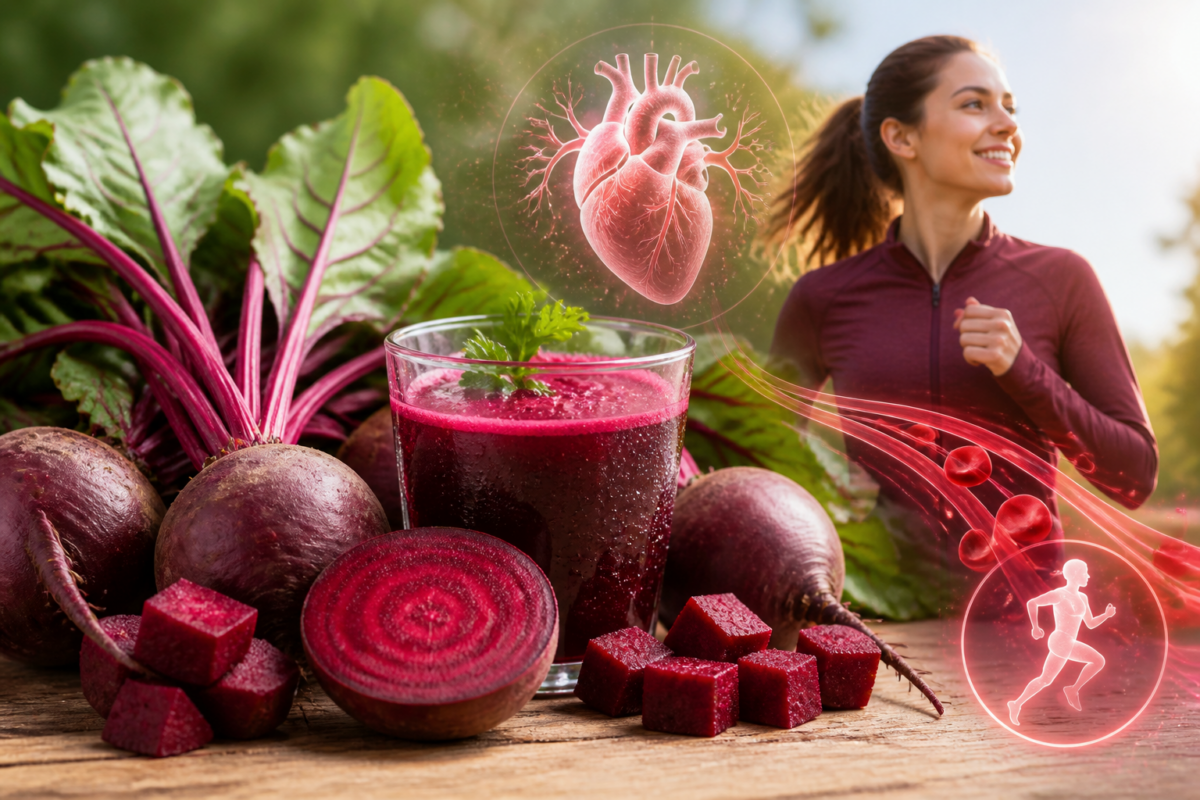
For too long, the humble beet was relegated to the back of the pantry or served as a canned side dish that many children learned to avoid. However, in recent years, this vibrant root vegetable has undergone a culinary and nutritional renaissance. From high-end restaurants to professional athlete training regimens, beets have emerged as a powerhouse of health, offering a concentrated source of essential vitamins, minerals, and unique phytonutrients that few other vegetables can match.
The striking deep red color of the beet is not just visually appealing; it is a signal of the potent antioxidants known as betalains. Beyond their color, beets are rich in inorganic nitrates, which the body converts into nitric oxide—a molecule critical for cardiovascular health and oxygen delivery. Whether you are looking to lower your blood pressure, improve your endurance during a workout, or simply add more nutrient density to your diet, understanding how to utilize beets can be a game-changer for your wellness journey.
The Nutritional Blueprint of Beets
To appreciate why beets are so beneficial, we must first look at their chemical composition. Beets are low in calories but high in a diverse array of micronutrients that support various bodily functions. A single medium-sized beet provides a significant portion of the daily recommended intake for several key nutrients.
Folate (Vitamin B9): Beets are an excellent source of folate, which is essential for DNA synthesis and repair. Folate plays a critical role in cell division and is particularly important for pregnant women to prevent neural tube defects. In adults, adequate folate levels are linked to a lower risk of certain types of anemia and improved mood regulation.
Manganese: This trace mineral is vital for bone formation, blood clotting, and metabolism. Manganese acts as a cofactor for several enzymes that protect the body from oxidative stress, helping to maintain the integrity of cellular structures.
Potassium: As a primary electrolyte, potassium helps regulate fluid balance, nerve signals, and muscle contractions. By offsetting the effects of excess sodium, the potassium in beets helps maintain a healthy equilibrium within the vascular system.
Vitamin C: While not as concentrated as in citrus fruits, beets provide vitamin C, which supports the immune system and aids in the production of collagen, the protein responsible for skin elasticity and joint health.
Fiber: Beets provide both soluble and insoluble fiber. Soluble fiber helps stabilize blood sugar levels by slowing the absorption of glucose, while insoluble fiber adds bulk to the stool, promoting regularity and preventing constipation.
Heart Health and Blood Pressure Regulation
One of the most well-documented advantages of beet consumption is its impact on cardiovascular health. The primary mechanism behind this is the high concentration of dietary nitrates. When we consume beets, the bacteria in our mouths and the enzymes in our bodies convert these nitrates into nitric oxide (NO).
Nitric oxide is a potent vasodilator, meaning it relaxes the inner muscles of the blood vessels, causing them to widen. This process reduces the resistance to blood flow, which naturally lowers systolic and diastolic blood pressure. For individuals struggling with hypertension, incorporating beets into a balanced diet can be a supportive strategy for maintaining heart health.
Furthermore, the reduction in blood pressure decreases the workload on the heart muscle, potentially reducing the risk of long-term cardiovascular complications. Unlike some synthetic interventions, the nitrate-driven effect of beets works in harmony with the body’s natural endothelial function. Regular consumption helps maintain the flexibility of the arteries, preventing the stiffness that often accompanies aging and poor dietary habits.
Boosting Athletic Performance and Stamina
In the world of sports nutrition, beet juice has become a staple for endurance athletes, from marathon runners to cyclists. The reason lies in the efficiency of oxygen utilization. As mentioned, the conversion of nitrates to nitric oxide improves blood flow, but it also optimizes the function of the mitochondria—the powerhouses of the cells.
When mitochondria operate more efficiently, the body requires less oxygen to produce the same amount of energy (ATP) during physical exertion. This means an athlete can maintain a higher intensity of exercise for a longer period before reaching the point of exhaustion. This “oxygen-sparing” effect allows for improved time-to-exhaustion and enhanced power output.
Practical Application for Athletes: To maximize these benefits, research suggests consuming beet juice or a concentrated beet supplement approximately 2 to 3 hours before a workout. This timing allows the nitrates to be fully processed and the nitric oxide levels to peak in the bloodstream during the period of maximum effort. Many athletes prefer a juice blend with apple or ginger to mask the earthy taste of the beet while adding a touch of natural glucose for quick energy.
Cognitive Function and Brain Longevity
The benefits of nitric oxide extend beyond the heart and muscles; they reach the brain. The frontal lobe of the brain is responsible for complex cognitive functions, including decision-making, working memory, and executive function. However, this area is particularly sensitive to reductions in blood flow as we age.
By enhancing vasodilation, the nitrates in beets help increase blood flow to the cerebral cortex. Some studies suggest that this improved perfusion can lead to better cognitive performance, especially in older adults who may be experiencing a natural decline in blood flow to the brain. When the brain receives a steady supply of oxygenated blood, neurons can communicate more effectively, and metabolic waste is cleared more efficiently.
Additionally, the betalains found in beets possess neuroprotective properties. These antioxidants help combat oxidative stress in the brain, which is linked to the progression of neurodegenerative conditions. While beets are not a cure for cognitive decline, they serve as a protective dietary tool that supports the structural and functional integrity of the brain.
Combating Inflammation and Oxidative Stress
Chronic inflammation is a silent driver of many modern health issues, including arthritis, metabolic syndrome, and autoimmune disorders. Beets contain a unique group of pigments called betalains, which are powerful antioxidants and anti-inflammatory agents.
Betalains work by neutralizing free radicals—unstable molecules that damage cells and DNA. They also inhibit the activity of pro-inflammatory enzymes (such as COX-2), which are often the targets of pharmaceutical anti-inflammatory drugs. By reducing the systemic inflammatory load, beets help protect the organs and tissues from premature wear and tear.
This anti-inflammatory effect is particularly beneficial for joint health. Those suffering from mild joint stiffness may find that adding beets to their diet helps reduce the swelling and discomfort associated with inflammation. Moreover, the combination of vitamin C and betalains supports the immune system’s ability to respond to threats without overreacting and causing excessive tissue damage.
Supporting Digestive Wellness and Gut Health
A healthy gut is the foundation of overall wellness, and beets provide the necessary tools to maintain a thriving microbiome. The fiber found in beets acts as a prebiotic, meaning it serves as food for the beneficial bacteria residing in the colon.
When these beneficial bacteria ferment the fiber in beets, they produce short-chain fatty acids (SCFAs) like butyrate. Butyrate is the primary energy source for the cells lining the colon and plays a crucial role in maintaining the gut barrier, preventing “leaky gut,” and reducing inflammation within the gastrointestinal tract.
Furthermore, the insoluble fiber in beets adds bulk to the stool and stimulates peristalsis—the wave-like muscle contractions that move food through the digestive system. This ensures that waste is eliminated regularly, preventing the buildup of toxins and reducing the bloating and discomfort associated with sluggish digestion. For those transitioning to a high-fiber diet, it is recommended to introduce beets gradually and drink plenty of water to allow the digestive system to adapt.
Integrating Beets into Your Daily Diet
Many people are intimidated by beets because of their strong, earthy flavor or the effort required to peel them. However, there are numerous ways to incorporate them into your routine that are both delicious and convenient.
Raw and Fresh: Grate raw beets into a salad with carrots, apples, and a lemon-olive oil dressing. The acidity of the lemon cuts through the earthiness of the beet, creating a refreshing and crunchy side dish. Raw beets preserve the maximum amount of heat-sensitive vitamins and enzymes.
Roasted for Depth: Roasting beets concentrates their natural sugars, resulting in a sweet, tender texture. Toss cubed beets in olive oil, salt, and pepper, then roast at 400°F (200°C) for about 30-40 minutes. These are excellent when paired with goat cheese, walnuts, and a drizzle of balsamic glaze.
The Power of Juicing: Beet juice is the most efficient way to ingest high doses of nitrates. For a balanced flavor, blend beet juice with green apple, lemon, and a small piece of fresh ginger. This combination is not only palatable but also provides a synergistic boost to the immune system.
Don’t Forget the Greens: The leaves of the beet plant are just as nutritious as the root. Beet greens are rich in vitamin K, calcium, and magnesium. Sauté them with garlic and olive oil, similar to how you would prepare spinach or kale, to ensure you are utilizing the entire plant.
Understanding Beeturia and Oxalates
While beets are overwhelmingly beneficial, there are two important considerations to keep in mind to avoid unnecessary alarm or health complications.
Beeturia: Some people notice that their urine or stools take on a pink or red hue after eating beets. This phenomenon is known as beeturia. It occurs when the betacyanin pigments in beets are not fully broken down by the digestive system and are excreted. Beeturia is completely harmless and is not a sign of blood in the urine. However, if you are unsure, it is always wise to consult a healthcare provider.
Oxalates and Kidney Stones: Beets are relatively high in oxalates, naturally occurring compounds that can bind to calcium in the kidneys. For the vast majority of people, this is not an issue. However, for individuals prone to calcium-oxalate kidney stones, it is important to consume beets in moderation. A simple tip to mitigate this risk is to pair beets with calcium-rich foods (like yogurt or cheese), which allows the oxalates to bind in the gut rather than in the kidneys.
Deep Dive into Hepatic Support and Liver Regeneration
While the general benefits of beets are well-known, their specific impact on the liver is one of the most compelling reasons to include them in a therapeutic diet. The liver is the body’s primary filtration system, tasked with neutralizing toxins and regulating metabolism. Central to the beet’s liver-supporting capabilities is a compound called betaine, a trimethylglycine that serves as an osmolyte, protecting cells from shrinking or swelling due to osmotic pressure.
Betaine plays a pivotal role in the metabolism of homocysteine, an amino acid that, in high concentrations, is linked to cardiovascular disease and liver dysfunction. By facilitating the conversion of homocysteine back into methionine, betaine reduces the systemic inflammatory load and prevents the accumulation of fats within the liver cells. This is particularly relevant for individuals dealing with non-alcoholic fatty liver disease (NAFLD) or hepatic steatosis. In these conditions, the liver accumulates excess triglycerides, which can lead to inflammation and, eventually, scarring or cirrhosis. The betaine in beets helps the liver export these fats more efficiently, reducing the lipid load and promoting the regeneration of healthy hepatic tissue.
Beyond betaine, the betalains in beets provide a second layer of protection. The liver is frequently exposed to oxidative stress as it breaks down medications, alcohol, and environmental pollutants. Betalains act as potent scavengers of reactive oxygen species (ROS), preventing the lipid peroxidation of liver cell membranes. This protective shield ensures that the liver can maintain its detoxification pathways—such as the cytochrome P450 enzyme system—without being compromised by the very toxins it is trying to eliminate. For those recovering from liver stress or looking to maintain long-term hepatic health, the combination of betaine and betalains creates a synergistic effect that supports both the structural integrity and the functional efficiency of the liver.
An edge case to consider is the interaction between beets and certain liver medications. While beets are generally supportive, the high nitrate levels can occasionally interact with potent vasodilators used in advanced liver failure treatments. Always coordinate the intake of concentrated beet supplements with a specialist if you are managing severe hepatic impairment.
Metabolic Efficiency and Weight Management Strategies
A common misconception about beets is that their natural sweetness makes them unsuitable for weight loss or blood sugar management. However, when analyzed through the lens of glycemic load and satiety, beets emerge as a strategic ally for metabolic health. The key lies in the relationship between their soluble fiber content and their relatively low caloric density.
Soluble fiber creates a gel-like substance in the gut, which slows the gastric emptying process. This means that the natural sugars in the beet are released into the bloodstream more gradually, preventing the sharp insulin spikes that often lead to energy crashes and subsequent cravings. Furthermore, the fiber promotes the release of satiety hormones, such as cholecystocin (CCK) and glucagon-like peptide-1 (GLP-1), which signal to the brain that the body is full. By incorporating beets into a meal, you effectively increase the volume of the food without adding excessive calories, making it easier to maintain a caloric deficit without feeling deprived.
From a metabolic standpoint, the nitric oxide produced from beet nitrates may also enhance insulin sensitivity. Improved blood flow to the skeletal muscles allows for more efficient glucose uptake, meaning the body can utilize circulating blood sugar for energy rather than storing it as adipose tissue. This makes beets an excellent pre-workout food not just for performance, but for metabolic priming. When you pair beets with a lean protein and a healthy fat—such as a beet and quinoa salad with grilled salmon and avocado—you create a nutrient-dense matrix that stabilizes blood glucose for hours.
For those following specific dietary protocols like Keto or Paleo, beets are often viewed with caution due to their carbohydrate count. However, the “metabolic cost” of processing the fiber in beets often offsets some of the net carb impact. A practical tip for low-carb adherents is to focus on beet greens and smaller portions of roasted beets, which provide the nitrate and betalain benefits while keeping the total glucose load within acceptable limits.
Dermatological Benefits and the “Beet Glow”
The health benefits of beets extend to the body’s largest organ: the skin. The aesthetic “glow” often associated with a nutrient-rich diet is, in the case of beets, a result of actual physiological changes in blood perfusion and cellular protection. Because nitrates improve vasodilation, they increase the delivery of oxygenated blood to the dermal layers of the skin. This enhanced microcirculation ensures that skin cells receive a steady supply of nutrients and that metabolic waste is removed more efficiently, resulting in a more vibrant, flushed complexion.
Moreover, the betalains in beets are powerful allies in the fight against photo-aging. UV radiation from the sun generates free radicals that break down collagen and elastin, leading to premature wrinkles and sagging. The antioxidants in beets neutralize these free radicals, acting as an internal sunscreen that helps protect the skin’s structural proteins. This is particularly beneficial for those living in high-UV environments or those prone to inflammatory skin conditions like acne or rosacea, where reducing systemic inflammation can lead to a calmer, clearer complexion.
Another overlooked aspect is the role of folate in skin regeneration. Folate is essential for the production of new cells; since skin cells turn over rapidly, a deficiency in folate can lead to dullness and slow healing of blemishes. By providing a concentrated source of B9, beets support the rapid repair of the skin barrier. For a practical beauty application, incorporating a beet-based smoothie into a morning routine can provide the hydration and micronutrients necessary to support the skin’s natural moisture barrier from the inside out.
It is worth noting that for some individuals, the intense pigments in beets can cause temporary skin staining if applied topically in homemade masks. While harmless, the betacyanins are highly potent dyes. When using beets for skincare, it is best to blend them with a neutralizing agent like honey or yogurt to modulate the intensity of the pigment.
Comparative Analysis of Beet Varieties
Not all beets are created equal. While the deep red garden beet (Beta vulgaris) is the most common, other varieties offer distinct nutritional profiles and culinary applications that can diversify your health intake. Understanding these differences allows you to tailor your consumption to your specific wellness goals.
Golden Beets: These varieties are characterized by a bright yellow-orange hue and a milder, less earthy flavor than red beets. Nutritionally, they contain a different set of betalains called betaxanthins. While red beets are rich in betanin, golden beets provide a different spectrum of antioxidants that may offer complementary protective effects. Many people find golden beets easier on the digestive system, as they often have a slightly different fiber structure that may be less irritating to sensitive guts.
Chioggia Beets: Also known as “candy cane beets,” these are prized for their striking concentric red and white rings. While their nutritional profile is similar to red beets, they are often consumed raw due to their firm texture and sweet taste. This makes them ideal for maximizing the intake of heat-sensitive nitrates and vitamin C, which can be degraded during prolonged cooking processes.
Sugar Beets: It is important to distinguish between garden beets and sugar beets. Sugar beets are cultivated primarily for the extraction of sucrose. While they are biologically related, they lack the high concentrations of betalains and nitrates found in the root of the garden beet. Consuming refined sugar from sugar beets does not provide the cardiovascular or anti-inflammatory benefits of the whole vegetable; therefore, for health purposes, always opt for the whole root.
By rotating through these varieties, you ensure a broader intake of phytonutrients. For example, alternating between red and golden beets provides a wider array of betalains, which can more comprehensively cover the body’s antioxidant needs. From a culinary perspective, using a mix of these varieties in a single dish not only creates a visually stunning presentation but also a more complex nutritional profile.
The Science of Preparation: Maximizing Nitrate Bioavailability
The method used to prepare beets can significantly alter the concentration of their most beneficial compounds. Because nitrates are water-soluble and some vitamins are heat-sensitive, the choice between boiling, steaming, roasting, or eating them raw is not just a matter of taste, but a matter of nutritional science.
Boiling: This is the least ideal method for nutrient retention. Boiling beets in a large pot of water often leads to “leaching,” where the nitrates and betalains seep out of the vegetable and into the cooking water. If you prefer boiled beets, the best way to mitigate this loss is to use a steamer basket or to use the cooking liquid in a soup or sauce, ensuring that the nutrients are not poured down the drain.
Steaming: Steaming is a superior alternative to boiling. By using vapor rather than submersion, the beets retain a significantly higher percentage of their nitrate content and water-soluble vitamins. Steaming also preserves the structural integrity of the fiber, which is beneficial for those focusing on gut health and blood sugar regulation.
Roasting: Roasting at high temperatures concentrates the sugars and creates a rich, caramelized flavor. While some vitamin C may be lost due to the heat, the nitrates remain relatively stable. Roasting is an excellent way to make beets palatable for those who dislike the raw taste, and the addition of olive oil during roasting helps in the absorption of the fat-soluble vitamins found in the beet greens.
Raw Consumption: Eating beets raw provides the maximum possible dose of nitrates and enzymes. However, raw beets contain higher levels of oxalates and can be tougher on the digestive tract for some. To get the benefits of raw beets without the digestive strain, try grating them finely or using a high-powered blender to break down the cellular walls, making the nutrients more accessible to the body.
An important edge case involves the use of salt during preparation. Excessive salting of beets during the boiling process can occasionally interfere with the stability of the betalains, leading to a loss of the vibrant color and a slight reduction in antioxidant potency. It is generally better to season beets after they have been cooked to preserve their chemical integrity.
Synergistic Pairings for Enhanced Nutrient Absorption
To unlock the full potential of beets, it is helpful to understand the concept of food synergy—the idea that certain nutrients work better when consumed together. By pairing beets with specific complementary foods, you can enhance the bioavailability of their vitamins and minerals.
Beets and Citrus (The Iron Connection): Beets contain a modest amount of non-heme iron, which is the form of iron found in plant foods. Non-heme iron is more difficult for the body to absorb than the heme iron found in meat. However, Vitamin C significantly enhances the absorption of non-heme iron. Pairing beets with lemon juice, lime, or orange slices creates a synergistic effect that boosts iron uptake, making this a powerful combination for those struggling with mild anemia or iron deficiency.
Beets and Healthy Fats (The Vitamin K Connection): If you are consuming beet greens, you are getting a massive dose of Vitamin K. Since Vitamin K is fat-soluble, it requires the presence of a lipid to be absorbed by the intestinal lining. Sautéing beet greens in extra virgin olive oil or pairing roasted beets with avocado or walnuts ensures that the Vitamin K is efficiently transported into the bloodstream to support bone health and blood clotting.
Beets and Probiotics (The Gut-Nitrate Axis): The conversion of dietary nitrates into nitric oxide depends heavily on the bacteria in the oral cavity and the gut. Consuming fermented foods—such as kefir, sauerkraut, or kimchi—alongside beets can help maintain a diverse and healthy microbiome, which in turn optimizes the efficiency of the nitrate-to-nitric oxide pathway. This pairing is particularly useful for athletes who want to ensure they are getting the maximum performance boost from their beet intake.
Beets and Alliums (The Sulfur Synergy): Pairing beets with garlic or onions adds organosulfur compounds to the meal. These compounds work in tandem with the betalains in beets to further reduce systemic inflammation and support the liver’s Phase II detoxification pathways. A roasted beet and garlic medley is not just a culinary classic; it is a nutritionally optimized powerhouse that supports the cardiovascular system and the liver simultaneously.
Frequently Asked Questions
1. Can I eat beets every day?
Yes, for most healthy adults, eating beets daily is safe and beneficial. However, moderation is key. If you have a history of kidney stones or are taking blood pressure medication, it is best to consult your doctor to ensure that the high nitrate and oxalate content does not interfere with your treatment or condition.
2. Is beet juice better than whole beets?
It depends on your goals. Beet juice is superior for rapid nitrate delivery, making it ideal for athletic performance or immediate blood pressure support. Whole beets, however, provide essential fiber that is removed during juicing, which is crucial for digestive health and blood sugar regulation. A combination of both is often the best approach.
3. Do beets raise blood sugar because they are sweet?
While beets have a higher sugar content than leafy greens, they also contain fiber and minerals that help moderate the glycemic response. For most people, they are a healthy carbohydrate source. Those with diabetes should monitor their portions and pair beets with proteins and healthy fats to further stabilize blood glucose levels.
4. How should I store beets to keep them fresh?
Store unwashed beets in a breathable bag in the crisper drawer of your refrigerator. Remove the greens immediately after purchase and store them separately, as the leaves can draw moisture away from the root. Once washed and trimmed, beets can stay fresh for several weeks.
5. Can beets help with liver detoxification?
Beets contain betaine, a compound that helps the liver process fats and protects liver cells from oxidative damage. While the liver is a self-cleaning organ, the nutrients in beets support the liver’s natural detoxification pathways by reducing inflammation and promoting healthy bile flow.
Related posts:
 Natural Face Sunscreens Guide
 Foods for Liver and Gut Cleansing
 Elevate Your Hummus Game with This Roasted Beet Recipe
 Foods That Help You Poop
 Connie Britton’s Morning Detox Elixir
 Managing Fiber Intake with IBS
 Clear Skin Starts with Your Liver
 The Whole Foods Salad Bar Insider’s Guide to Maximum Nutrition