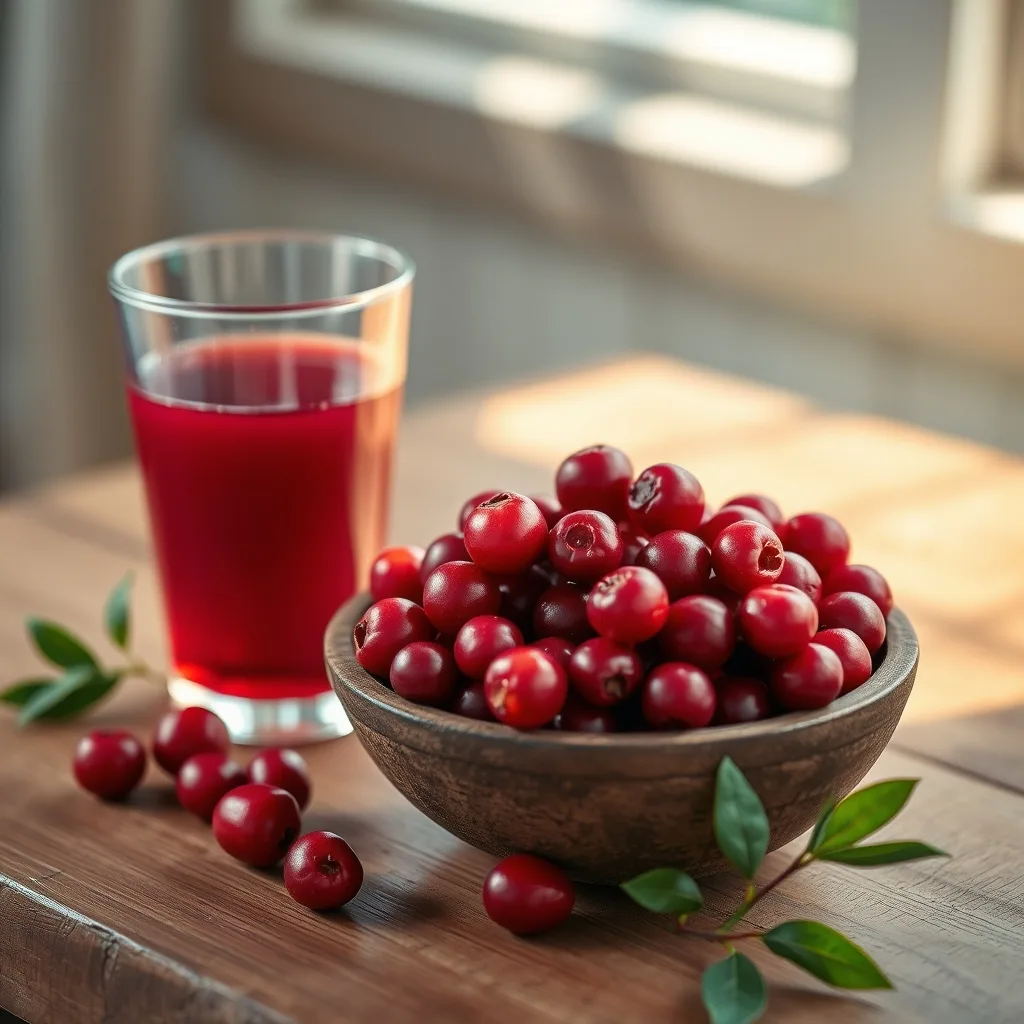
Cranberries are small, tart berries that have been valued for centuries in traditional diets and modern nutrition science alike. Their vibrant red color signals a rich supply of bioactive compounds, and research continues to uncover how these nutrients may contribute to overall well‑being. This guide explores the evidence behind the most talked‑about health benefits of cranberries and offers practical tips for making them a regular part of your meals.
Key takeaways
- Consume 8 to 16 ounces of unsweetened cranberry juice daily to help prevent recurrent urinary tract infections.
- Incorporate fresh or frozen cranberries into smoothies and oatmeal to provide fiber and prebiotic benefits for the gut microbiome.
- Choose unsweetened or freeze-dried cranberry products to maximize polyphenol density and avoid unnecessary added sugars.
- Consult a healthcare provider before using concentrated supplements if you are taking medications like warfarin or statins.
- Use cranberry-based mouth rinses or sugar-free gum to help reduce oral plaque and support periodontal health.
Nutritional Profile of Cranberries
One cup of raw cranberries provides roughly 46 calories, 12 grams of carbohydrate, 4 grams of dietary fiber, and less than 1 gram of fat. They are an excellent source of vitamin C, delivering about 14 milligrams per cup, and contain modest amounts of vitamin E, vitamin K, manganese, and copper. What sets cranberries apart is their high concentration of polyphenols, especially proanthocyanidins, anthocyanins, and flavonols. These plant compounds give the fruit its deep hue and are linked to many of the health effects discussed below. The fiber content supports digestive regularity, while the low sugar level makes cranberries a suitable choice for people monitoring blood glucose.
Urinary Tract Health Support
Proanthocyanidins in cranberries have a unique ability to inhibit the adhesion of certain Escherichia coli strains to the uroepithelial lining. Multiple randomized trials have shown that regular consumption of cranberry juice or standardized extracts can reduce the frequency of recurrent urinary tract infections in women. The effect appears strongest when products contain at least 36 milligrams of proanthocyanidins per serving. For practical use, aim for 8 to 16 ounces of unsweetened cranberry juice daily or a supplement providing a comparable amount of active compounds. It is important to note that cranberry products are not a substitute for antibiotics when an active infection is present.
Antioxidant and Anti‑Inflammatory Effects
Cranberries rank high on the oxygen radical absorbance capacity scale, reflecting their potent antioxidant capacity. Anthocyanins and flavonols scavenge free radicals, helping to protect cells from oxidative damage that contributes to chronic disease. In vitro studies demonstrate that cranberry extracts can down‑regulate inflammatory markers such as NF‑kappaB and COX‑2. While human data are still emerging, incorporating antioxidant‑rich foods like cranberries into a balanced diet is a sensible strategy for lowering systemic inflammation.
Cardiovascular Benefits
Observational research links higher intake of flavonoid‑rich berries with improved lipid profiles and lower blood pressure. Clinical trials using cranberry juice have reported modest reductions in LDL cholesterol and improvements in endothelial function, especially in individuals with metabolic syndrome. The potassium content, though modest, supports healthy blood pressure regulation. Replacing sugar‑sweetened beverages with unsweetened cranberry juice can be a simple swap that contributes to heart‑healthy habits.
Digestive Health and Gut Microbiome
The dietary fiber in cranberries adds bulk to stool and promotes regular bowel movements. Beyond fiber, cranberry polyphenols act as prebiotics, selectively stimulating beneficial bacteria such as Bifidobacterium and Lactobacillus. Animal studies suggest that cranberry supplementation can increase short‑chain fatty acid production, which nourishes colon cells and strengthens the gut barrier. Including a handful of fresh or frozen cranberries in smoothies or oatmeal is an easy way to feed both yourself and your microbiome.
Immune System Modulation
Vitamin C is well known for its role in supporting immune cell function, and cranberries provide a meaningful contribution. Additionally, cranberry polyphenols have demonstrated antiviral activity against influenza and herpes simplex viruses in laboratory settings. While these findings do not guarantee protection, a diet rich in diverse phytochemicals creates a more resilient immune environment. Pair cranberries with other vitamin C sources like citrus or bell peppers for synergistic effect.
Skin Health and Anti‑Aging Potential
Oxidative stress accelerates skin aging by degrading collagen and elastin. The antioxidants in cranberries help neutralize reactive oxygen species generated by UV exposure. Some topical formulations containing cranberry seed oil have shown improved skin hydration and elasticity in small clinical studies. Eating cranberries regularly supplies the building blocks for collagen synthesis, especially when combined with adequate protein and vitamin C intake.
Practical Ways to Include Cranberries in Your Diet
Fresh cranberries can be tossed into salads, blended into smoothies, or baked into whole‑grain muffins for a tart burst. Unsweetened dried cranberries work well in trail mixes, but watch portion size because they are calorie‑dense. Pure cranberry juice, diluted with water or sparkling water, makes a refreshing low‑sugar beverage. Homemade cranberry sauce using orange zest and a touch of honey offers a healthier alternative to canned versions loaded with added sugar. For those who prefer a concentrated dose, look for standardized extracts that list proanthocyanidin content on the label.
Cranberry Varieties, Harvesting, and Seasonal Availability
The two commercially important species are Vaccinium macrocarpon, the large‑fruit American cranberry, and Vaccinium oxycoccos, the smaller European bog cranberry. Within V. macrocarpon growers have selected dozens of cultivars such as Early Black, Stevens, Ben Lear, and Mullica Queen, each differing in berry size, acidity, and harvest window. Early Black ripens in late September in the northern United States, while Stevens extends the season into early November, giving processors a longer supply chain.
Harvest method strongly influences fruit quality. Dry harvesting uses mechanical combs that rake berries off the vines; the fruit remains intact, retains higher firmness, and is preferred for fresh‑market sales. Wet harvesting floods the bogs, allowing berries to float to the surface where they are corralled and pumped into trucks. This method is faster and cheaper but can cause bruising and increases microbial load, making the fruit better suited for juice, concentrate, or sauce production.
Seasonal availability in the northern hemisphere runs from late September through early November for fresh fruit. After harvest, berries are typically stored at 0 to 2 degrees Celsius with high humidity, preserving quality for up to twelve weeks. Controlled‑atmosphere storage, which reduces oxygen and raises carbon dioxide, can extend shelf life to six months while maintaining polyphenol content. In the southern hemisphere, Chile and Argentina provide a complementary harvest from March to May, ensuring year‑round supply for global markets.
For consumers, buying fresh cranberries in season and freezing them in a single layer on a tray before transferring to airtight bags locks in nutrients and texture. When fresh fruit is unavailable, frozen berries retain most of the proanthocyanidin profile because they are usually individually quick‑frozen within hours of harvest. Understanding these variables helps you choose the form that best matches your culinary or therapeutic goals.
Cranberry Processing Effects on Bioactive Retention
Processing steps such as heating, pressing, drying, and sweetening can dramatically alter the phytochemical fingerprint of cranberries. Pasteurization of juice at 85 to 95 degrees Celsius for 15 to 30 seconds causes a 10 to 20 percent loss of anthocyanins but largely preserves proanthocyanidins, which are more heat‑stable. However, prolonged thermal treatment, as in canned sauce, can degrade up to 40 percent of total polyphenols and generate polymeric pigments that reduce antioxidant capacity.
Concentration by vacuum evaporation removes water at lower temperatures, limiting thermal damage. The resulting concentrate often retains 80 to 90 percent of the original proanthocyanidin content, making it a potent base for supplements. Freeze‑drying, which sublimates ice under vacuum, is the gold standard for preserving the full spectrum of flavonoids, vitamin C, and fiber. Freeze‑dried powder can be rehydrated or encapsulated with minimal loss.
Drying methods vary widely. Conventional hot‑air drying at 60 to 70 degrees Celsius reduces moisture but can cause Maillard reactions that bind polyphenols to proteins, lowering bioavailability. Osmotic dehydration using a sucrose or fruit‑juice infusion before drying reduces drying time and temperature, preserving more anthocyanins. Unsweetened dried cranberries are rare; most commercial products are infused with sugar or high‑fructose corn syrup, which adds calories and masks the natural tartness while also diluting the polyphenol density per gram.
For home preparation, lightly simmering fresh berries with a splash of water for five minutes, then blending and straining, yields a sauce that retains a high proportion of proanthocyanidins. Adding citrus zest after cooking protects vitamin C from oxidation. If you prefer a raw approach, blending frozen berries with a small amount of water and consuming immediately maximizes antioxidant intake. Reading labels for “no added sugar” and “cold‑pressed” or “freeze‑dried” helps you select products that keep the bioactive profile closest to the fresh fruit.
Cranberry Interactions with Medications and Clinical Considerations
Cranberry’s popularity as a functional food brings it into potential contact with several drug classes. The most documented interaction involves warfarin, a vitamin K antagonist. Case reports and a few controlled studies suggest that large volumes of cranberry juice (more than one liter daily) may increase INR values, possibly by inhibiting CYP2C9 metabolism of S‑warfarin. Patients on stable warfarin therapy should keep cranberry intake consistent and inform their anticoagulation clinic of any major dietary changes.
Cranberry also modulates cytochrome P450 enzymes, notably CYP3A4 and CYP2C19, which metabolize many statins, calcium channel blockers, and certain antiretrovirals. In vitro data show that cranberry flavonoids can act as both inhibitors and inducers depending on concentration. Clinical relevance appears low at typical dietary doses, but high‑dose standardized extracts (over 500 milligrams of proanthocyanidins per day) warrant caution and therapeutic drug monitoring when combined with narrow‑therapeutic‑index medications.
Acid‑reducing agents such as proton pump inhibitors raise gastric pH, which may diminish the anti‑adhesion effect of cranberry proanthocyanidins on uropathogenic E. coli, because the compounds are more stable and active in acidic environments. Patients using PPIs long‑term who rely on cranberry for urinary tract infection prevention might benefit from timing cranberry consumption away from the medication or using enteric‑coated supplements designed to release in the lower gastrointestinal tract.
For individuals with diabetes, unsweetened cranberry products have a low glycemic index and provide fiber that blunts postprandial glucose spikes. However, many commercial juices and dried cranberries contain added sugars that can offset this advantage. Choosing products labeled “no added sugar” and monitoring portion size keeps carbohydrate load predictable. Pregnant women should note that cranberry is generally recognized as safe in food amounts, but high‑dose supplements have not been evaluated for fetal safety; consulting an obstetric provider before using concentrated extracts is prudent.
Cranberry in Sports Nutrition and Recovery
Endurance athletes increasingly explore polyphenol‑rich fruits for their potential to attenuate exercise‑induced oxidative stress and inflammation. Cranberry delivers a unique blend of proanthocyanidins, anthocyanins, and flavonols that have been shown in rodent models to reduce markers such as malondialdehyde and interleukin‑6 after exhaustive treadmill runs. Human pilot trials with rowers and cyclists report modest improvements in perceived muscle soreness and faster recovery of isometric strength when consuming 300 milliliters of unsweetened cranberry juice daily for two weeks surrounding competition.
The carbohydrate content of cranberry juice (about 12 grams per 240 milliliters) can contribute to glycogen replenishment when paired with a protein source within the post‑exercise anabolic window. A practical recovery drink blends 200 milliliters of cold‑pressed cranberry juice, 250 milliliters of low‑fat milk or a plant‑based alternative, a scoop of whey or pea protein, and a pinch of sea salt for electrolyte balance. This combination supplies roughly 30 grams of carbohydrate, 20 grams of protein, and a polyphenol dose comparable to the amounts used in research.
Hydration strategy also benefits from cranberry’s potassium (approximately 80 milligrams per cup) and low sodium profile. Diluting juice with water at a 1:3 ratio creates a palatable, low‑osmolarity beverage that encourages fluid intake without gastrointestinal distress. Some athletes prefer freeze‑dried cranberry powder mixed into a carbohydrate gel because it eliminates the bulk of liquid and delivers a concentrated polyphenol hit (about 150 milligrams of proanthocyanidins per 5‑gram serving).
Timing matters: consuming cranberry polyphenols 30 to 60 minutes before exercise may prime antioxidant defenses, while post‑exercise intake supports the resolution of inflammation. However, excessive intake (more than 1 liter of juice per day) can cause gastrointestinal upset due to high acidity and sorbitol content. Athletes with a history of oxalate kidney stones should limit total cranberry load and ensure adequate calcium intake to bind oxalates in the gut. Individual tolerance testing during training periods is essential before adopting cranberry as a competition‑day staple.
Cranberry for Oral Health and Periodontal Disease Prevention
The anti‑adhesion properties that make cranberry effective against uropathogenic E. coli also extend to oral pathogens such as Streptococcus mutans, Porphyromonas gingivalis, and Fusobacterium nucleatum. In vitro studies demonstrate that cranberry proanthocyanidins inhibit bacterial coaggregation and reduce biofilm formation on hydroxyapatite surfaces by 40 to 70 percent at concentrations achievable in saliva after juice consumption.
Clinical trials using a 0.5 percent cranberry extract mouth rinse twice daily for six weeks reported significant reductions in plaque index and gingival bleeding compared with placebo rinse. A separate study found that chewing sugar‑free cranberry‑enriched gum for 20 minutes after meals lowered salivary S. mutans counts by 30 percent over a four‑week period. These findings suggest that incorporating cranberry into oral hygiene routines can complement mechanical cleaning.
Practical application is straightforward: swish 15 milliliters of unsweetened cranberry juice diluted 1:1 with water for 30 seconds after brushing, or use a commercially available cranberry‑based mouthwash standardized to at least 30 milligrams of proanthocyanidins per 100 milliliters. Avoid sweetened cranberry drinks, as the added sugars counteract the anti‑caries benefit. For patients with xerostomia, a cranberry‑flavored lozenge that stimulates saliva while delivering polyphenols offers a dual advantage.
Edge cases include individuals with erosive tooth wear; the intrinsic acidity of cranberry (pH around 2.5) can exacerbate enamel loss if held in the mouth for prolonged periods. Rinsing with water immediately after exposure and using fluoride toothpaste mitigates this risk. Additionally, patients on anticoagulant therapy should be aware that frequent cranberry rinses contribute negligible systemic absorption but may still be noted in dietary counseling. Overall, cranberry represents a low‑cost, natural adjunct to conventional periodontal therapy.
Cranberry and Cognitive Function: Emerging Evidence
Polyphenol‑rich berries have attracted attention for neuroprotective potential, and cranberry is no exception. Animal models of aging and Alzheimer’s disease show that dietary supplementation with 2 percent cranberry powder for three months improves spatial memory in the Morris water maze and reduces amyloid‑beta plaque burden in the hippocampus. Mechanistic studies attribute these effects to enhanced cerebral blood flow, reduced neuroinflammation via NF‑kappaB inhibition, and upregulation of brain‑derived neurotrophic factor.
Human data are still limited but promising. A randomized, double‑blind, placebo‑controlled trial in older adults with mild cognitive impairment administered 200 milligrams of standardized cranberry extract (containing 72 milligrams of proanthocyanidins) daily for 12 weeks. The treatment group exhibited statistically significant improvements in episodic memory recall and executive function tests compared with placebo. Functional MRI sub‑studies revealed increased activation in the prefrontal cortex during working‑memory tasks.
The blood‑brain barrier permeability of cranberry metabolites is an active research area. Phase‑II conjugation in the liver produces glucuronide and sulfate forms that circulate systemically; some of these conjugates have been detected in cerebrospinal fluid after high‑dose intake, suggesting that metabolites rather than parent polyphenols may mediate central effects. Gut microbiota further transform proanthocyanidins into phenolic acids such as 3‑hydroxybenzoic acid, which cross the barrier more readily and exert antioxidant signaling.
For practical translation, aiming for a daily intake equivalent to one cup of fresh cranberries or 150 milliliters of unsweetened juice provides a polyphenol dose within the range used in positive trials. Combining cranberry with other flavonoid sources — blueberries, grapes, tea — may produce synergistic cognitive benefits. Individuals on cholinesterase inhibitors or memantine should discuss supplementation with their neurologist, as theoretical interactions with neurotransmitter pathways have not been fully excluded.
Sustainable Sourcing, Storage, and Culinary Innovations
Cranberry cultivation relies on wetland ecosystems that provide natural water filtration, carbon sequestration, and habitat for migratory birds. However, conventional bogs often use synthetic fertilizers and pesticides that can leach into surrounding waterways. Certified organic cranberries avoid these inputs and typically employ integrated pest management, resulting in lower environmental impact. When purchasing, look for USDA Organic, Rainforest Alliance, or local sustainability certifications to support responsible farming.
Post‑harvest handling influences both sustainability and nutrient retention. Rapid cooling to 0 degrees Celsius within two hours of harvest reduces respiration rates and microbial growth, cutting food waste. Vacuum‑sealed packaging with modified atmosphere (high CO2, low O2) extends shelf life without chemical preservatives. For home storage, spreading fresh berries on a baking sheet, freezing individually, then transferring to reusable silicone bags minimizes freezer burn and plastic waste.
Culinary innovation moves cranberry beyond sauce and juice. Savory applications include a cranberry‑balsamic glaze for roasted root vegetables, a cranberry‑chipotle barbecue sauce for grilled poultry, and a cranberry‑quinoa stuffing for winter squash. Fermentation offers another avenue: a traditional cranberry kvass, made by lacto‑fermenting crushed berries with rye bread and a pinch of salt, yields a probiotic‑rich, low‑alcohol beverage that preserves polyphenols while adding beneficial microbes.
For plant‑based chefs, cranberry powder can be incorporated into vegan cheese spreads, providing tangy flavor and a natural pink hue without artificial colorants. In baking, replacing a portion of sugar with pureed cranberries reduces added sweetness while contributing moisture and fiber. Experimenting with cranberry in global cuisines — such as a Moroccan tagine with dried cranberries, preserved lemon, and olives — showcases the fruit’s versatility and encourages broader consumption, amplifying its health impact across diverse dietary patterns.
Frequently Asked Questions
Can cranberry juice cure a urinary tract infection?
Cranberry juice may help prevent recurrent infections by reducing bacterial adhesion, but it does not replace antibiotic treatment for an active infection. Consult a healthcare professional for proper diagnosis and therapy.
Is there a difference between fresh and dried cranberries nutritionally?
Fresh cranberries retain more vitamin C and water content, while dried cranberries often have added sugar and higher calorie density. Choose unsweetened dried varieties when possible and adjust portion sizes accordingly.
How much cranberry should I eat for antioxidant benefits?
There is no official daily recommendation, but studies showing antioxidant effects typically use amounts equivalent to one cup of fresh berries or 8 to 16 ounces of unsweetened juice per day. Incorporating a variety of antioxidant‑rich foods is more beneficial than focusing on a single source.
Are cranberry supplements as effective as whole fruit?
Standardized extracts can deliver consistent levels of proanthocyanidins, which is useful for targeted urinary health support. However, whole fruit provides fiber, additional vitamins, and a matrix of phytochemicals that work together. Supplements should complement, not replace, a balanced diet.
Can people with kidney stones eat cranberries?
Cranberries contain oxalates, which in high amounts may contribute to calcium oxalate stone formation. Individuals prone to kidney stones should discuss appropriate intake with a dietitian or physician.
Related posts:
 Is Starbucks Almond Milk Healthy?
 Still Serving Summer: Ocean Spray’s Refreshing Recipes for the Season
 Ocean Spray’s Wellness Ingredients
 Liquid Gold: The Surprising Health Benefits of Drinking Aloe Vera Juice
 Managing Fiber Intake with IBS
 Vitamin C and Mood Connection
 Fiber for Healthy Aging: Nourishing Your Body as You Grow Older
 Practical Ways to Reduce Added Sugar in Your Diet