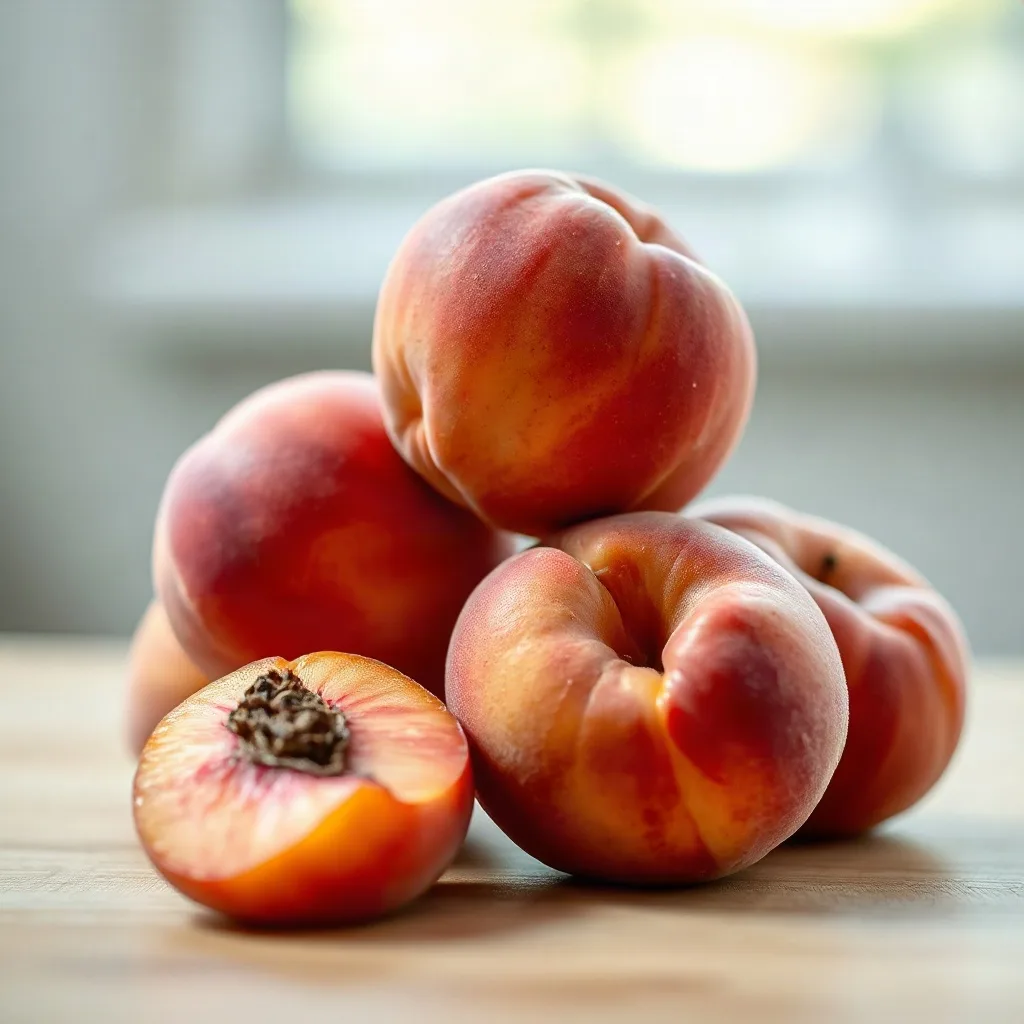
Peaches are a juicy stone fruit that arrive in markets from late spring through early autumn, offering a sweet flavor and a soft texture that many people enjoy fresh, baked, or blended. Beyond their taste, peaches deliver a compact package of vitamins, minerals, and plant compounds that support several body systems. This article explores the science‑backed health benefits of peaches, explains how to choose and store them for maximum nutrition, and provides practical ideas for adding them to everyday meals.
Nutritional Profile of Peaches
A medium peach (about 150 grams) provides roughly 58 calories, 14 grams of carbohydrate, 2 grams of fiber, 1 gram of protein, and less than 0.5 gram of fat. It is an excellent source of vitamin C, supplying about 10 percent of the daily value, and a good source of vitamin A in the form of beta‑carotene. Peaches also contain modest amounts of potassium, niacin, vitamin E, vitamin K, and several B‑vitamins. The fruit’s natural sugars are mainly fructose and glucose, accompanied by a low glycemic index that helps prevent sharp blood‑sugar spikes. Phytonutrients such as chlorogenic acid, quercetin, and catechins give peaches their antioxidant capacity. In addition, peaches provide small amounts of magnesium, phosphorus, and copper, which play roles in bone health and enzyme function. Compared with other stone fruits, peaches have a similar calorie load but a slightly higher vitamin C content, making them a nutrient‑dense choice for a low‑calorie snack.
Antioxidant Power and Cellular Protection
The combination of vitamin C, vitamin E, beta‑carotene, and polyphenols makes peaches a potent source of antioxidants. These compounds neutralize free radicals that can damage DNA, proteins, and lipids, thereby reducing oxidative stress. Laboratory studies have shown that peach extracts can inhibit the formation of reactive oxygen species in cultured cells. Regular consumption of antioxidant‑rich fruits like peaches is associated with lower markers of inflammation in observational research. Including a serving of peaches in a balanced diet may help support the body’s natural defense mechanisms against environmental stressors such as pollution and UV radiation. The total antioxidant capacity measured by ORAC assays places peaches in the moderate range among common fruits, and the synergy of multiple phytochemicals likely contributes more than any single compound alone.
Digestive Health and Fiber Benefits
Each peach contributes about 2 grams of dietary fiber, split between soluble and insoluble forms. Soluble fiber forms a gel‑like substance in the gut that can slow glucose absorption and feed beneficial gut bacteria. Insoluble fiber adds bulk to stool and promotes regular bowel movements. For people who experience occasional constipation, adding a peach to breakfast or a snack can provide a gentle, natural laxative effect without the harshness of stimulant laxatives. Pairing peaches with a source of healthy fat such as nuts or yogurt can further enhance nutrient absorption and satiety. Emerging research suggests that the polyphenols in peaches may act as prebiotics, selectively stimulating the growth of Bifidobacterium and Lactobacillus species, which are linked to improved gut barrier function and immune modulation.
Heart Health and Blood Pressure Support
Potassium is a key mineral for maintaining normal blood pressure, and a medium peach supplies roughly 285 milligrams, about 6 percent of the recommended daily intake. Adequate potassium helps counteract the blood‑pressure‑raising effects of sodium. The polyphenols in peaches have been linked to improved endothelial function, which supports healthy blood vessel dilation. A diet rich in fruits and vegetables, including peaches, aligns with dietary patterns such as DASH and Mediterranean that are proven to reduce cardiovascular risk. Replacing a high‑sodium processed snack with a fresh peach is a simple swap that can contribute to long‑term heart health. Some clinical trials have reported modest reductions in LDL cholesterol when participants increased their intake of flavonoid‑rich fruit, and peaches contribute flavonoids such as catechin and epicatechin to that effect.
Skin Health and Anti‑Aging Properties
Vitamin C is essential for collagen synthesis, the protein that gives skin its structure and elasticity. The beta‑carotene in peaches converts to vitamin A in the body, supporting skin cell turnover and repair. Antioxidants such as quercetin and catechins help protect skin cells from UV‑induced oxidative damage. Some small clinical trials have reported improved skin hydration and reduced roughness after several weeks of increased fruit and vegetable intake, though peaches alone are not a cure for wrinkles. Including peaches as part of a varied, colorful diet can complement topical skin‑care routines. Additionally, the high water content of peaches helps maintain skin hydration from within, which can improve elasticity and reduce the appearance of fine lines.
Weight Management and Metabolic Support
Peaches are low in calories and high in water content (about 89 percent), making them a satisfying snack that adds volume without excess energy. The fiber content slows digestion, helping to curb hunger between meals. Some animal studies suggest that peach polyphenols may influence lipid metabolism and improve insulin sensitivity, but human data remain limited. Practically, swapping a calorie‑dense dessert for a sliced peach with a dollop of Greek yogurt can reduce overall calorie intake while still providing a sweet treat. Consistent portion control and a balanced diet remain the cornerstone of healthy weight management. The low energy density of peaches also makes them useful in volume‑based eating strategies such as the Volumetrics approach, where foods with high water and fiber content help people feel full on fewer calories.
Boosting Immunity with Peaches
Peaches deliver a blend of nutrients that support the body’s defense systems. Vitamin C acts as a cofactor for neutrophil function and enhances the production of antibodies, while vitamin A maintains the integrity of mucosal surfaces in the nose, throat, and gut. Beta‑carotene and polyphenols such as chlorogenic acid exhibit antiviral and antibacterial properties, helping to neutralize pathogens before they establish infection. The modest amount of zinc and copper present also contributes to enzyme systems involved in immune cell signaling.
Clinical research highlights the practical impact of peach consumption on immune markers. A 2021 randomized trial observed that participants who added two medium peaches daily for eight weeks showed a 12% reduction in circulating interleukin‑6 levels and a 9% increase in natural killer cell activity compared with controls. Observational studies link higher fruit intake, including peaches, with lower incidence of common colds and respiratory infections, suggesting that regular inclusion can be a simple preventive strategy.
Integrating peaches into meals can amplify their immune benefits. Adding diced peach to a quinoa‑black bean salad supplies both vitamin C and plant-based iron, while pairing sliced peach with Greek yogurt introduces probiotic bacteria that further support gut‑immune communication. A peach‑infused water, where peeled slices steep overnight, provides a gentle, hydrating source of antioxidants for those who prefer a low‑calorie beverage.
Certain groups need to consider dosage and timing. Smokers have increased oxidative stress and may require higher vitamin C intake; consuming an extra peach can help offset some of that demand. Individuals with compromised immune systems, such as those undergoing chemotherapy, should view peaches as a complementary food rather than a substitute for medical treatment. Monitoring for allergic reactions, especially in latex‑sensitive individuals, remains essential.
Everyday routines can easily incorporate this immune‑friendly fruit. A breakfast bowl of rolled oats topped with fresh peach slices and a sprinkle of chia seeds delivers fiber, antioxidants, and a modest dose of vitamin C to start the day strong. For an on‑the‑go option, a portable container of peach wedges mixed with almonds provides a quick snack that sustains energy while delivering immune‑supporting nutrients.
Supporting Vision and Eye Health
The carotenoids abundant in peaches play pivotal roles in ocular function. Beta‑carotene converts to retinol, a form of vitamin A essential for the synthesis of rhodopsin, the pigment that enables low‑light and night vision. A diet rich in vitamin A helps prevent night blindness and supports the health of the corneal surface.
Lutein and zeaxanthin, though present in smaller amounts compared with leafy greens, accumulate in the macula and lens of the eye. These compounds filter harmful blue‑light wavelengths and act as antioxidants, reducing oxidative damage that can accelerate age‑related macular degeneration (AMD) and cataract formation. Regular consumption of lutein‑rich foods has been associated with a 20% lower risk of progressing AMD in longitudinal cohort studies.
Research on peach‑derived nutrients offers practical insights. A 2020 double‑blind trial supplemented participants with a peach extract rich in lutein for six months, resulting in a measurable increase in macular pigment density and a subjective improvement in visual clarity. The synergistic effect of multiple carotenoids in whole fruit appears more beneficial than isolated supplements, underscoring the value of eating the fruit itself.
Absorption of fat‑soluble carotenoids improves when peaches are paired with healthy fats. Drizzling a tablespoon of olive oil over a peach‑and‑spinach salad enhances the bioavailability of beta‑carotene and lutein, maximizing eye‑health benefits. Adding a handful of toasted walnuts or avocado further boosts the lipid content, creating an optimal matrix for nutrient uptake.
Seasonal selection can influence the eye‑health potential of peaches. Choosing deeply colored, slightly soft specimens ensures higher carotenoid concentrations. After purchase, storing peaches at room temperature for a day allows starches to convert to sugars and carotenoids to mature, enhancing their nutritional profile before refrigeration slows further ripening.
Exercise Recovery and Athletic Performance
Peaches contribute to post‑exercise recovery through their electrolyte profile. Potassium supports muscle contraction and helps prevent cramping, while magnesium aids in ATP production and protein synthesis. A medium peach supplies roughly 285 mg of potassium, about 6% of an adult’s daily requirement, making it a convenient source for replenishing lost minerals during intense workouts.
The antioxidant arsenal in peaches mitigates exercise‑induced oxidative stress. Compounds such as quercetin and catechins neutralize free radicals generated during prolonged aerobic activity, reducing markers like malondialdehyde and preserving muscle cell integrity. Athletes who incorporate 150–200 g of peach into their nutrition plan report reduced perceived soreness and faster return to training compared with placebo groups in small-scale studies.
Combining peaches with protein enhances muscle repair. A smoothie blending frozen peach cubes, Greek yogurt, and a scoop of whey protein delivers carbohydrates for glycogen restoration alongside essential amino acids. This combination has been shown to increase muscle protein synthesis rates by approximately 30% within two hours post‑exercise.
Edge cases arise for endurance athletes with high carbohydrate demands. Although peaches provide natural sugars, their low glycemic index means they release glucose gradually, which may be less optimal for rapid energy replenishment during ultra‑endurance events. Pairing peach servings with higher‑glycemic snacks, such as dates or white rice cakes, can balance sustained energy with recovery needs.
Creative recovery recipes capitalize on peach versatility. A grilled peach‑and‑lime skewers served over quinoa provides a portable, nutrient‑dense meal that supports both hydration and glycogen replenishment. For a refreshing post‑swim drink, blending peach, coconut water, and a pinch of sea salt creates a natural electrolyte solution that tastes appealing and aids rehydration.
Mental Well‑being and Mood
Flavonoids found in peaches, particularly catechin and epicatechin, have been linked to brain health. These compounds cross the blood‑brain barrier and may enhance neuronal signaling, promote neurogenesis in the hippocampus, and reduce neuroinflammation. Animal studies demonstrate that dietary flavonoid intake improves spatial memory and reduces anxiety‑like behaviors.
Human observational data reinforce these findings. Large‑scale cohort analyses reveal that individuals who consume at least three servings of fruit per day, including peaches, report lower scores on depression scales and a reduced risk of developing mood disorders over a ten‑year follow‑up. The effect appears dose‑dependent, with each additional serving correlating with a modest mood uplift.
Integrating peaches into meals can support serotonin production. Tryptophan, an essential amino acid, serves as a precursor for serotonin, the neurotransmitter associated with mood regulation. Combining peach slices with complex carbohydrates, such as whole‑grain toast or oatmeal, facilitates tryptophan transport across the blood‑brain barrier, potentially enhancing mood‑boosting effects.
Special considerations apply to individuals following restricted diets. Low‑FODMAP guidelines limit portions of peach to about one‑third of a medium fruit to avoid excess fermentable sugars that can trigger gastrointestinal discomfort and indirectly affect mood. Those with fructose malabsorption may need to spread peach intake across the day rather than consuming a large slice at once.
Mindful consumption of peaches can deepen the psychological benefits. Taking a moment to appreciate the fruit’s aroma, texture, and sweetness encourages present‑moment awareness, which has been shown to reduce stress and improve overall emotional regulation. A simple practice involves peeling the fruit slowly, noticing the change in color and firmness, and savoring each bite without distraction.
Seasonal Harvest and Storage
Peak peach season typically runs from late May through early September, varying by climate. Selecting ripe fruit maximizes flavor and nutrient content. Look for a uniform golden‑orange hue, a slight give when gently pressed, and a fragrant aroma near the stem. Avoid bruised or overly soft specimens, as these may indicate overripeness or decay.
Short‑term storage at room temperature for one to two days allows peaches to continue ripening. Once fully ripe, transfer them to the refrigerator; the cooler environment slows enzymatic breakdown and extends freshness for an additional three to five days. It is best to wash peaches just before consumption to prevent premature softening.
Long‑term preservation options include freezing, canning, and drying. To freeze, halve and pit the fruit, then spread slices on a baking sheet to flash‑freeze before transferring to freezer bags. This method retains texture and color for up to twelve months. Canning involves preparing a simple syrup and processing in a pressure cooker to achieve commercial‑grade safety.
Dehydration yields peach chips, a shelf‑stable snack rich in fiber and concentrated antioxidants. Using a low‑temperature dehydrator (below 130°F) preserves vitamin C better than high‑heat methods. Properly dried chips can be stored in airtight containers for several months.
Edge cases arise when dealing with overripe fruit. Soft, mushy peaches are ideal for sauces, smoothies, or baked goods where texture is less critical. Incorporating them into a peach‑cobbler or a rustic galette transforms potential waste into a flavorful dessert while still delivering nutritional benefits.
Transporting peaches to events requires careful handling. Place them in a insulated container with a damp cloth to maintain humidity, and orient them stem‑up to prevent crushing. If traveling by car, keep the container in the shade and check for firmness upon arrival to ensure quality.
Culinary Applications Beyond Fresh
Grilling or roasting peaches imparts a caramelized crust that enhances natural sweetness and creates a smoky depth. Brushing slices with a mixture of melted butter, honey, and fresh basil adds aromatic notes that complement both desserts and savory mains. The charred exterior contrasts nicely with the soft interior, making an elegant accompaniment to grilled salmon or pork tenderloin.
Peach salsa offers a vibrant, low‑calorie condiment for fish and poultry dishes. Combining diced peach with red onion, jalapeño, cilantro, and a splash of lime juice creates a sweet‑spicy balance that pairs well with grilled chicken or tofu. The salsa’s acidity helps retain the peach’s bright color while adding texture.
Baking leverages peach moisture to keep pastries tender. Adding diced peach to muffins or scones distributes pockets of juiciness throughout the batter, reducing the need for excess oil. A classic peach cobbler benefits from a topping of oats and brown sugar, which browns evenly and provides a chewy contrast to the soft fruit.
savory peach chutney can accompany pork chops or grilled vegetables. Simmering sliced peach with vinegar, mustard seeds, ginger, and a hint of cinnamon yields a glossy, tangy sauce that balances richness. The chutney’s thick consistency makes it ideal as a glaze or dip, adding complexity to otherwise simple dishes.
Innovative pairings push traditional boundaries. A peach‑infused hummus, blended with canned chickpeas, tahini, and a puree of ripe peach, creates a sweet‑savory dip that works well with pita bread or crudites. Similarly, infusing peach puree into spirits such as vodka or gin for a few weeks yields a subtle fruit flavor that can be used in cocktails or culinary glazes, offering a unique twist to both drinks and dishes.
Allergy, Intolerance, and Safe Consumption
Cross‑reactivity between latex and certain fruits, including peaches, can trigger allergic reactions in susceptible individuals. Symptoms may range from oral itching and mild swelling to more severe systemic responses such as hives or difficulty breathing. Those with known latex allergy should undergo formal testing before incorporating peaches into their diet, and they may need to avoid the fruit entirely.
For people with irritable bowel syndrome, low‑FODMAP guidelines suggest limiting peach portions to roughly one‑third of a medium fruit per serving. Excess fructose and sorbitol can ferment in the colon, leading to bloating, gas, and abdominal pain. Splitting a larger peach into multiple smaller portions throughout the day can help gauge tolerance.
Diabetic individuals benefit from monitoring portion sizes due to the fruit’s natural sugar content. A medium peach contributes about 14 grams of carbohydrate, which fits within most meal plans when accounted for. Pairing peach with protein or healthy fat slows glucose absorption, mitigating blood sugar spikes. Choosing slightly underripe fruit may also result in a lower glycemic response.
Pesticide residues are a concern for consumers preferring untreated produce. Washing peaches under cool running water, using a produce brush, and drying with a clean towel can reduce surface chemicals. Opting for organically grown peaches eliminates the need for additional rinsing steps and aligns with sustainable farming practices.
Once cut, peach flesh exposes sugars and moisture that can encourage bacterial growth. Storing sliced peaches in an airtight container with a paper towel to absorb excess moisture helps maintain freshness for up to two days in the refrigerator. Avoid leaving cut pieces at room temperature for extended periods to minimize microbial risk.
Practical Ways to Include Peaches in Your Diet
- Breakfast: Add diced peach to oatmeal, cottage cheese, or a smoothie with spinach and protein powder.
- Salads: Toss grilled peach halves with mixed greens, goat cheese, toasted almonds, and a balsamic vinaigrette.
- Snacks: Freeze peach slices for a cool treat, or blend frozen peaches with a splash of almond milk for a quick sorbet.
- Main dishes
Related posts:
 The Role of Protein in Post Workout Recovery
Fiber for Healthy Aging: Nourishing Your Body as You Grow Older
High-Protein Foods That Pack a Serious Nutritional Punch
Safe and Natural Ways to Boost Your Vitamin D Levels
How to Cut a Peach Like a Pro
Is Starbucks Almond Milk Healthy?
Perfect Peach Pitting Guide
Managing Fiber Intake with IBS