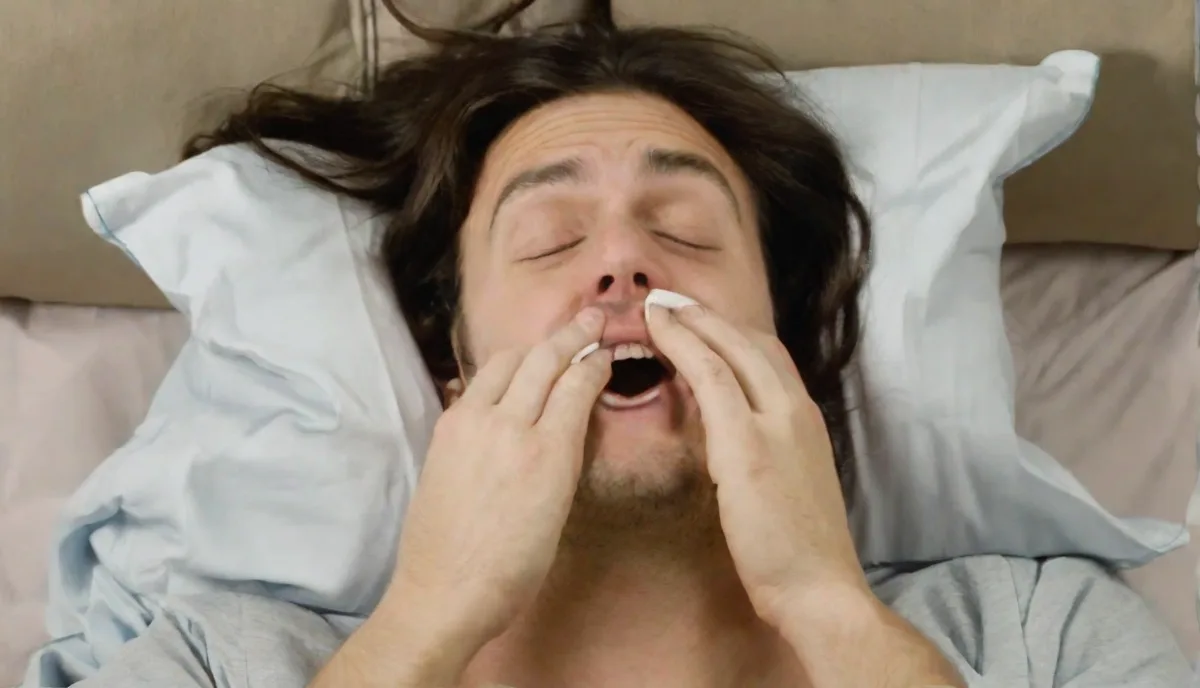
Struggling with snoring can be a frustrating ordeal, not just for the snorer but also for their sleep partners. Snoring can disrupt sleep patterns and lead to various health issues. However, by understanding the underlying causes and implementing some practical health tips, it’s possible to minimize snoring and enjoy a restful night’s sleep.
Understand the Causes of Snoring
Before tackling snoring, it’s essential to understand what causes it. Snoring occurs when air flows past relaxed tissues in your throat, causing the tissues to vibrate as you breathe, which results in the familiar snoring sound. Factors that can contribute to snoring include age, nasal and sinus problems, being overweight, alcohol and smoking, and sleep posture.
Adjust Your Sleep Position
One of the simplest ways to reduce snoring is to change your sleep position. Sleeping on your back can cause your tongue and soft palate to collapse to the back of your throat, which can increase snoring. Try sleeping on your side to see if it reduces your snoring.
Maintain a Healthy Weight
Excess body weight, especially around the neck, can put pressure on your airway, causing it to partially collapse and become more prone to snoring. Losing weight through a balanced diet and regular exercise can help reduce snoring.
Limit Alcohol and Sedatives
Alcohol and sedatives can relax the muscles in your throat, increasing the risk of snoring. Avoid consuming these substances especially close to bedtime to help minimize snoring.
Stay Hydrated
Staying hydrated ensures that the secretions in your nose and soft palate remain less sticky, which can reduce snoring. Make sure to drink plenty of water throughout the day.
Strengthening Airway Muscles Through Myofunctional Therapy
While many focus on external aids, the internal strength of your upper airway muscles plays a pivotal role in preventing the collapse of tissues during sleep. Myofunctional therapy, often described as “facial yoga,” involves specific exercises designed to tone the tongue, soft palate, and throat muscles. When these muscles are weak, they are more likely to vibrate or obstruct the airway, leading to the characteristic sound of snoring. Research suggests that consistent practice of these exercises can significantly reduce the frequency and intensity of snoring over time.
One effective exercise is the “Tongue Slide.” Place the tip of your tongue against the back of your top front teeth and slowly slide it backward along the roof of your mouth. Repeat this motion for several minutes daily to strengthen the base of the tongue. Another technique is the “Soft Palate Stretch.” Open your mouth as wide as possible and say “Ahhh” for twenty seconds, focusing on lifting the back of your throat. This helps keep the soft palate taut and less prone to fluttering.
For those who find traditional exercises tedious, singing has been scientifically shown to help. A study involving choir singers found that they snored significantly less than non-singers because vocalizing requires constant engagement and toning of the pharyngeal muscles. Even ten minutes of vigorous singing in the car or shower can serve as a functional workout for your airway. The key to myofunctional therapy is consistency; results typically manifest after four to six weeks of daily practice, making it a long-term strategy rather than an overnight fix.
The Impact of Environmental Triggers and Air Quality
Often overlooked, the air you breathe while sleeping can be a primary catalyst for snoring. Microscopic irritants in the bedroom can cause the nasal passages and throat to become inflamed, narrowing the airway. Dust mites, pet dander, and mold are common culprits that trigger allergic rhinitis. When the lining of the nose swells, you are forced to breathe through your mouth, which creates a vacuum effect that pulls the throat tissues together, inducing snoring.
To mitigate these environmental factors, consider the age and material of your mattress and pillows. Older bedding often harbors significant amounts of allergens. Switching to hypoallergenic encasements for both your mattress and pillows can create a barrier against dust mites. Furthermore, utilizing a High-Efficiency Particulate Air (HEPA) purifier in the bedroom can remove airborne particles that contribute to nighttime congestion. It is equally important to wash bedding in hot water (at least 130°F) once a week to neutralize allergens.
Humidity levels also play a critical role. While the existing advice mentions hydration, the external moisture level is just as vital. Air that is too dry can irritate the membranes in the nose and throat, while air that is too humid can encourage mold growth. Aim for a balanced humidity level between 40% and 50%. Using a cool-mist humidifier during winter months can prevent the drying of airway secretions, ensuring that tissues remain supple and less likely to vibrate harshly.
Managing Silent Reflux and Dietary Timing
The relationship between digestion and snoring extends beyond simple weight management. Laryngopharyngeal Reflux (LPR), often called “silent reflux,” occurs when stomach acid travels up the esophagus and reaches the throat. Unlike traditional heartburn, LPR may not cause a burning sensation in the chest, but it can lead to chronic inflammation and swelling of the vocal cords and surrounding tissues. This swelling narrows the airway, significantly increasing the likelihood of snoring.
Dietary timing is the first line of defense against reflux-induced snoring. Consuming a large meal shortly before lying down increases intra-abdominal pressure and allows acid to escape more easily into the esophagus. Experts recommend a minimum of a three-hour window between your last meal and sleep. Additionally, certain foods can relax the lower esophageal sphincter, such as chocolate, peppermint, and high-fat dairy. By identifying and eliminating these triggers in the evening, you can reduce tissue inflammation in the throat.
In some cases, the physical position of the stomach matters. If you are prone to reflux, elevating the entire upper half of your body—not just your head—can help. This is best achieved with a wedge pillow or by slightly raising the head of your bed frame. This uses gravity to keep stomach acid where it belongs, preventing it from irritating the airway and causing the nocturnal swelling that exacerbates snoring sounds.
Advanced Oral Appliances and Mandibular Stabilization
For individuals whose snoring persists despite lifestyle changes, oral appliances offer a mechanical solution by physically altering the geometry of the airway. These devices generally fall into two categories: Mandibular Advancement Devices (MADs) and Tongue Stabilizing Devices (TSDs). A MAD looks similar to a sports mouthguard and works by gently pushing the lower jaw forward. This slight protrusion creates more space at the back of the throat and keeps the airway open by tensioning the surrounding soft tissues.
Tongue Stabilizing Devices, on the other hand, use suction to hold the tongue in a forward position, preventing it from falling backward and blocking the throat. These are particularly useful for “tongue snorers”—those whose snoring is primarily caused by the tongue relaxing too deeply. While over-the-counter versions of these devices are available, custom-fitted appliances from a dentist specialized in sleep medicine are often more effective and comfortable. A custom fit reduces the risk of jaw misalignment or tooth movement, which can be side effects of poorly fitted devices.
When starting with an oral appliance, there is usually an adjustment period. Users may experience temporary jaw soreness or increased salivation for the first few nights. However, the long-term benefit of a clear airway often outweighs this initial discomfort. It is also important to have regular check-ups to ensure the device remains properly adjusted and that your bite is not being negatively impacted by the nightly use of the appliance.
Addressing Structural Nasal Obstructions
While nasal strips can help with temporary congestion, they cannot fix structural issues within the nose that might be the root cause of chronic snoring. A deviated septum, where the wall between your nostrils is crooked, or enlarged turbinates (small structures inside the nose that humidify air) can create significant resistance to airflow. This resistance often forces mouth breathing, which is a leading cause of snoring. If you find that you can only breathe through one nostril or that you constantly feel congested regardless of the season, a structural issue may be present.
A simple at-home test called the “Cottle Maneuver” can provide a clue: place one or two fingertips on your cheeks next to your nose and gently pull the skin toward your ears. If this makes it significantly easier to breathe through your nose, you likely have some degree of nasal valve collapse. In such cases, internal nasal dilators may be more effective than external strips. These small, flexible loops are inserted into the nostrils to keep the nasal valve open from the inside.
For permanent relief, a consultation with an Ear, Nose, and Throat (ENT) specialist may be necessary. They can perform a nasal endoscopy to visualize the internal structures. Procedures such as septoplasty (to straighten the septum) or turbinate reduction are relatively common and can dramatically improve nasal airflow. By fixing the “intake” of the respiratory system, you reduce the turbulence in the throat that leads to snoring, often providing a permanent solution where temporary aids have failed.
The Role of Sleep Hygiene and Overtiredness
The quality and consistency of your sleep routine have a direct impact on the physical state of your throat muscles. When you are severely sleep-deprived or “overtired,” your body enters a deeper state of exhaustion. During this deep recovery phase, the muscles in the throat and tongue relax much more profoundly than they would during a normal, well-rested sleep cycle. This extreme relaxation is a primary driver of heavy, loud snoring in people who might otherwise be quiet sleepers.
Establishing a consistent sleep-wake schedule helps regulate muscle tone. When the body knows when to expect sleep, it transitions through sleep stages more predictably, avoiding the “crash” that leads to excessive muscle flaccidity. Furthermore, the environment should be conducive to uninterrupted sleep. Frequent awakenings due to noise or light can disrupt the sleep architecture, leading to more time spent in the transitional phases where snoring is often most prevalent.
Consider the impact of “sleep debt.” If you have been surviving on five hours of sleep for several days, your first night of “catch-up” sleep will likely involve much heavier snoring. To prevent this, prioritize a full seven to nine hours of rest every night. Additionally, avoid high-intensity exercise or stressful activities immediately before bed. High cortisol levels can lead to shallow, rapid breathing, which increases the velocity of air moving through the throat, potentially triggering more vibrations in the soft tissues.
Technological Monitoring and Data-Driven Adjustments
In the modern era, you don’t have to rely on a partner’s complaints to understand your snoring patterns. Utilizing technology can provide objective data that helps you identify which interventions are working. Smartphone applications specifically designed for sleep tracking can record the audio of your snoring throughout the night. These apps often categorize the intensity of the sound and correlate it with factors like sleep position or lifestyle choices you’ve logged, such as a late meal or a specific pillow use.
Wearable devices, such as smart rings or watches that monitor blood oxygen saturation (SpO2), can provide even deeper insights. While snoring is often just a noise nuisance, a significant drop in oxygen levels during a snoring episode can indicate Obstructive Sleep Apnea (OSA). If your data shows frequent “dips” in oxygen or high heart rate variability during the night, it serves as a clear signal that the snoring is impacting your systemic health, necessitating a formal clinical sleep study.
By using this data, you can conduct personal “A/B testing.” For example, try using a humidifier for one week and monitor the snoring intensity scores on your app. Then, try a week of myofunctional exercises and compare the results. This analytical approach allows you to move away from guesswork and focus on the specific remedies that yield the best results for your unique physiology. Monitoring also provides the motivation to stick with long-term changes, as you can see the gradual decline in snoring frequency over months of consistent effort.
FAQ
Can lifestyle changes really help reduce snoring?
Yes, lifestyle changes such as losing weight, changing sleep positions, avoiding alcohol near bedtime, and staying hydrated can significantly reduce snoring for many individuals.
Are there any quick fixes to stop snoring?
While there are no guaranteed ‘quick fixes,’ simple changes like using nasal strips or anti-snoring pillows can provide immediate relief for some snorers.
Should I see a doctor about my snoring?
If lifestyle changes don’t help reduce your snoring, or if you suspect you have sleep apnea, it’s important to see a doctor for further evaluation and treatment.
Can snoring be a sign of a more serious health issue?
Yes, chronic snoring can be a symptom of sleep apnea, a condition where breathing repeatedly stops and starts during sleep, which can lead to serious health issues.
Does sleeping on multiple pillows help reduce snoring?
Elevating your head can sometimes help reduce snoring by improving your breathing. However, it might also strain your neck, so it’s best to find a comfortable and supportive pillow arrangement.
Related posts:
 Alcohol’s Effect on Snoring
 Exercises to Reduce Snoring
 How Snoring Can Damage Your Relationship
 The Best Anti-Snoring Devices for Peaceful Sleep
 How Teeth Grinding Changes Your Face
 Snoring’s Impact on Heart Health
 Airplane Vent Germ Prevention
 Mewing: The Controversial Technique Claimed to Sculpt Your Jawline