
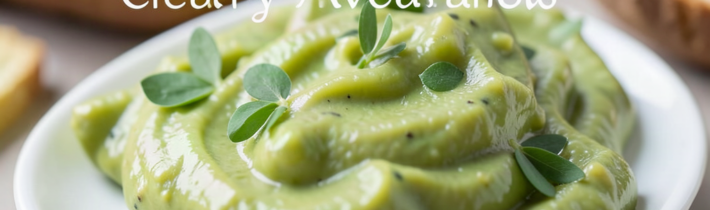
Deviled eggs are a beloved classic at gatherings, picnics, and holiday tables, but the traditional recipe often relies on mayonnaise, which can be heavy and high in calories. Swapping in creamy avocado transforms this dish into a lighter, nutrient-packed version without sacrificing flavor or texture. Avocado adds heart-healthy fats, fiber, and a vibrant green hue, making these eggs as visually appealing as they are delicious. Whether you’re looking for a healthier snack, a protein-rich appetizer, or a dish to impress guests, avocado deviled eggs are a simple yet sophisticated choice.
This version keeps the familiar tangy, creamy filling but boosts the nutritional profile with wholesome ingredients. Below, you’ll find a step-by-step guide to making the perfect batch, along with variations to suit different tastes and dietary needs. From prep tips to serving ideas, this article covers everything you need to master healthier deviled eggs with avocado.
Why Avocado Is a Game-Changer for Deviled Eggs
Avocado isn’t just a trendy superfood—it’s a functional ingredient that elevates deviled eggs in multiple ways. First, its natural creaminess replaces mayonnaise seamlessly, reducing the need for processed condiments. Avocados are rich in monounsaturated fats, which support heart health, and they’re packed with fiber, aiding digestion. They also provide essential vitamins like vitamin K, folate, and vitamin C, along with potassium, which helps balance sodium intake.
Beyond nutrition, avocado adds a subtle, buttery flavor that pairs beautifully with the sharpness of mustard and the brightness of lemon or lime. The texture is smooth and velvety, making the filling feel indulgent even though it’s lighter. Plus, the natural green color gives the dish a fresh, modern look that stands out on any platter.
Ingredients You’ll Need
This recipe serves 12 (24 egg halves) and requires just a handful of simple, wholesome ingredients. For the best results, choose fresh, high-quality eggs and ripe avocados that yield slightly to gentle pressure.
- 12 large eggs – Free-range or organic eggs often have richer yolks, which enhance the flavor.
- 2 ripe medium avocados – Hass avocados work well for their creamy texture.
- 2 tablespoons fresh lime or lemon juice – Adds brightness and prevents browning.
- 1 tablespoon Dijon mustard – Provides a tangy depth; whole-grain mustard can be used for texture.
- 1 small garlic clove, minced – Optional, but adds a subtle kick.
- 1/4 cup plain Greek yogurt or dairy-free yogurt – Adds creaminess and protein; omit for a fully plant-based version.
- 1/4 teaspoon sea salt – Adjust to taste.
- 1/4 teaspoon black pepper – Freshly ground is best.
- 1/4 teaspoon smoked paprika or cayenne – For garnish and a hint of warmth.
- 2 tablespoons chopped fresh chives, cilantro, or dill – For a fresh, herby finish.
Step-by-Step Instructions
Making avocado deviled eggs is straightforward, but a few key steps ensure the best texture and presentation. Follow these directions for foolproof results.
1. Hard-Boil the Eggs
Place the eggs in a single layer in a saucepan and cover with cold water by about an inch. Bring to a boil over medium-high heat. As soon as the water reaches a rolling boil, remove the pan from heat, cover, and let the eggs sit for 10–12 minutes. This method prevents the yolks from turning green and keeps them tender.
After 12 minutes, transfer the eggs to a bowl of ice water to cool for at least 10 minutes. This makes them easier to peel and stops the cooking process.
2. Peel and Halve the Eggs
Gently tap each egg on a hard surface, then roll it to crack the shell all over before peeling under cool running water. Pat the eggs dry with a paper towel, then slice them in half lengthwise. Carefully remove the yolks and place them in a medium bowl. Set the egg white halves aside on a serving platter.
3. Prepare the Avocado Filling
Cut the avocados in half, remove the pits, and scoop the flesh into the bowl with the yolks. Add the lime or lemon juice immediately to prevent browning. Mash the avocado and yolks together with a fork until smooth. Stir in the Dijon mustard, minced garlic (if using), Greek yogurt, salt, and pepper. Mix until fully combined and creamy.
Tip: For an ultra-smooth texture, push the mixture through a fine-mesh sieve or use a food processor to blend the yolks and avocado before adding the other ingredients.
4. Fill the Egg Whites
Spoon the avocado-yolk mixture into the egg white halves, mounding slightly. For a polished look, transfer the filling to a piping bag fitted with a star tip and pipe it into the whites. This adds a restaurant-worthy touch with minimal effort.
5. Garnish and Serve
Sprinkle the filled eggs with smoked paprika, cayenne, or fresh herbs. For extra flair, top with a small avocado slice, a sprinkle of everything bagel seasoning, or a few crumbled bacon bits (for non-vegetarians). Serve immediately, or cover loosely with plastic wrap and refrigerate for up to 4 hours.
Note: If storing, press plastic wrap directly onto the surface of the filling to prevent browning. However, these are best enjoyed fresh, as the avocado may darken over time.
Tips for Perfect Avocado Deviled Eggs Every Time
Even a simple recipe can benefit from a few pro tips. Here’s how to avoid common pitfalls and ensure your deviled eggs are a hit.
Choose the Right Eggs
Older eggs (about 7–10 days old) are easier to peel than ultra-fresh ones. If you’re using farm-fresh eggs, consider adding a teaspoon of baking soda to the boiling water to help loosen the shells. Always start with eggs at room temperature to prevent cracking during boiling.
Prevent Avocado Browning
Avocado oxidizes quickly, turning brown when exposed to air. To minimize this, add lime or lemon juice as soon as you scoop the avocado. If you’re not serving immediately, cover the filling with plastic wrap pressed directly onto the surface. You can also brush the tops of the filled eggs with a little extra lime juice.
Adjust the Texture
If your filling feels too thick, add a teaspoon of water or extra lime juice to loosen it. If it’s too thin, chill the mixture for 15–20 minutes to thicken slightly before piping. For a chunkier texture, fold in diced avocado or celery just before filling the eggs.
Season Thoughtfully
Taste the filling before piping and adjust the seasoning as needed. Avocados vary in richness, so you may need a pinch more salt or a splash of vinegar for brightness. If you’re using smoked paprika, start with a small amount—it can be potent!
Creative Variations to Customize Your Eggs
One of the best things about deviled eggs is their versatility. Once you’ve mastered the basic avocado version, try these delicious twists to keep things interesting.
Spicy Southwest Deviled Eggs
Mix a teaspoon of chipotle powder or adobo sauce into the filling, and top with diced jalapeños, black beans, and a sprinkle of cotija cheese. For extra heat, add a few drops of hot sauce or a pinch of cayenne.
Mediterranean-Inspired Eggs
Stir in a tablespoon of chopped Kalamata olives, a teaspoon of capers, and a pinch of dried oregano. Garnish with crumbled feta, a drizzle of olive oil, and a sprinkle of za’atar.
Herb and Citrus Eggs
Add the zest of one lemon or lime to the filling, along with a tablespoon of finely chopped fresh dill, tarragon, or basil. Top with a small dollop of Greek yogurt and a twist of citrus zest for a bright, fresh flavor.
Bacon and Cheddar Eggs
Fold in 2 tablespoons of crumbled cooked bacon and 1/4 cup of shredded sharp cheddar cheese into the filling. Garnish with extra bacon and a sprinkle of green onions. This version is heartier and perfect for a crowd.
Vegan Deviled “Eggs”
For a plant-based alternative, use avocado halves as the base. Halve ripe avocados, remove the pits, and scoop out a little flesh to create a well. Fill with a mixture of mashed chickpeas, tahini, lemon juice, Dijon mustard, and spices, then garnish as desired. This version mimics the look and creaminess of traditional deviled eggs.
Serving Suggestions for Any Occasion
Avocado deviled eggs are incredibly versatile and can fit into almost any menu. Here are some ideas for serving them, whether you’re hosting a party or packing a healthy snack.
Appetizer Platter
Arrange the eggs on a large platter with other bite-sized appetizers like olives, marinated artichokes, whole-grain crackers, and hummus. Add a small bowl of extra lime wedges for guests to squeeze over their eggs.
Party or Potluck
For a crowd, double or triple the recipe and display the eggs on a tiered stand or a bed of lettuce leaves. Label them with a cute sign (e.g., “Green Deviled Eggs”) to highlight the avocado twist. They pair well with grilled vegetables, cheese boards, or a charcuterie spread.
Healthy Snack or Lunch
Pack a few eggs in a container for a protein-rich snack on the go. Pair with baby carrots, cucumber slices, or whole-grain pita chips. For a balanced lunch, serve them alongside a mixed greens salad with a light vinaigrette.
Holiday or Brunch Table
Add a festive touch by garnishing with pomegranate seeds, edible flowers, or a sprinkle of gold leaf for special occasions. These eggs are a great addition to Easter, Mother’s Day brunch, or a summer barbecue.
Nutritional Benefits of Avocado Deviled Eggs
This lighter take on deviled eggs doesn’t just taste good—it’s also packed with nutrients that support overall health. Here’s a breakdown of the key benefits:
High-Quality Protein
Eggs are one of the best sources of complete protein, containing all nine essential amino acids. Each large egg provides about 6 grams of protein, making these deviled eggs a satisfying, muscle-friendly snack.
Healthy Fats
Avocados are rich in monounsaturated fats, which are linked to improved heart health and lower cholesterol levels. These fats also help your body absorb fat-soluble vitamins (A, D, E, and K) from the eggs and other ingredients.
Fiber for Digestion
One avocado contains about 10 grams of fiber, which aids digestion and promotes feelings of fullness. This can help prevent overeating and support a healthy gut microbiome.
Rich in Vitamins and Minerals
Eggs provide choline, a nutrient that supports brain health and liver function, as well as vitamin D and B vitamins. Avocados contribute potassium (more than bananas!), vitamin K, and folate, which are essential for energy, blood health, and cell repair.
Low in Carbohydrates
With only about 2 grams of net carbs per egg half (depending on the avocado size), this recipe is naturally low-carb and keto-friendly. It’s a great option for those watching their sugar or carb intake.
Common Mistakes and How to Avoid Them
Even experienced cooks can run into issues with deviled eggs. Here are the most common mistakes and how to steer clear of them.
Overcooking the Eggs
Problem: Eggs with greenish yolks or a rubbery texture are usually overcooked. Solution: Use the method described above—boil, then remove from heat and let sit for 10–12 minutes. This ensures the yolks are fully set but still creamy.
Underseasoning the Filling
Problem: Bland deviled eggs often lack salt, acid, or depth of flavor. Solution: Taste the filling as you go and adjust the seasoning. Don’t be shy with the lime juice, mustard, or salt—these ingredients bring the flavors to life.
Skipping the Ice Bath
Problem: Eggs that are hard to peel or have a grayish layer between the yolk and white. Solution: Always shock the eggs in ice water after boiling. This stops the cooking process and makes peeling easier.
Using Unripe Avocados
Problem: Grainy or hard avocado filling can ruin the texture. Solution: Choose avocados that are ripe but still firm. If your avocados are too firm, place them in a paper bag with a banana for a day or two to speed up ripening.
Filling the Eggs Too Early
Problem: The avocado filling turns brown or the egg whites become soggy. Solution: Fill the eggs as close to serving time as possible. If you must prep ahead, store the filling separately in the fridge with plastic wrap pressed onto the surface.
FAQ About Avocado Deviled Eggs
Can I make deviled eggs ahead of time?
Yes, but with a few precautions. You can hard-boil the eggs up to 2 days in advance and store them unpeeled in the fridge. Prepare the filling up to 4 hours ahead, but keep it covered with plastic wrap to prevent browning. Fill the eggs no more than 2–3 hours before serving for the best texture and appearance. If you need to store filled eggs, cover them tightly with plastic wrap and refrigerate for up to 4 hours.
How do I know if my eggs are hard-boiled?
To test if an egg is hard-boiled, spin it on a flat surface. If it spins easily and the yolk inside doesn’t move, it’s fully cooked. If it wobbles or feels loose inside, it needs more time. You can also peel one egg to check the yolk’s consistency.
Can I freeze deviled eggs?
It’s not recommended. Hard-boiled eggs become rubbery when frozen, and the avocado filling can separate or turn watery upon thawing. For the best texture and flavor, enjoy deviled eggs fresh.
What can I use instead of Greek yogurt?
If you’re avoiding dairy, you can use dairy-free yogurt (such as coconut or almond yogurt), mashed white beans for creaminess, or simply omit it and add a little extra avocado or lime juice to adjust the texture. For a tangier flavor, a teaspoon of apple cider vinegar or white vinegar can also work.
Are avocado deviled eggs keto-friendly?
Yes! This recipe is naturally low in carbs and high in healthy fats, making it a great option for a keto diet. Just be mindful of any mix-ins or garnishes that may add carbs (e.g., honey mustard or sugary spices). Stick to simple seasonings like salt, pepper, and paprika to keep it keto-compliant.
Related posts:
 Mini Avocados at Trader Joe’s
 Egg Emergency: What You Need to Know About the Salmonella Recall and How to Stay Safe
 Keto Mexican Night: Cauliflower Enchiladas That Actually Taste Amazing
 The Hidden Magnesium Power of Avocados Will Blow Your Mind
 The One-Ingredient Swap That Makes Any Salad Dressing Healthier
 Perfect Hard-Boiled Eggs: A Simple Guide
 Why Avocado Toast Dominated Breakfast Trends in 2017
 Golden Turmeric Deviled Eggs Meet Avocado Toast in This Genius Mashup