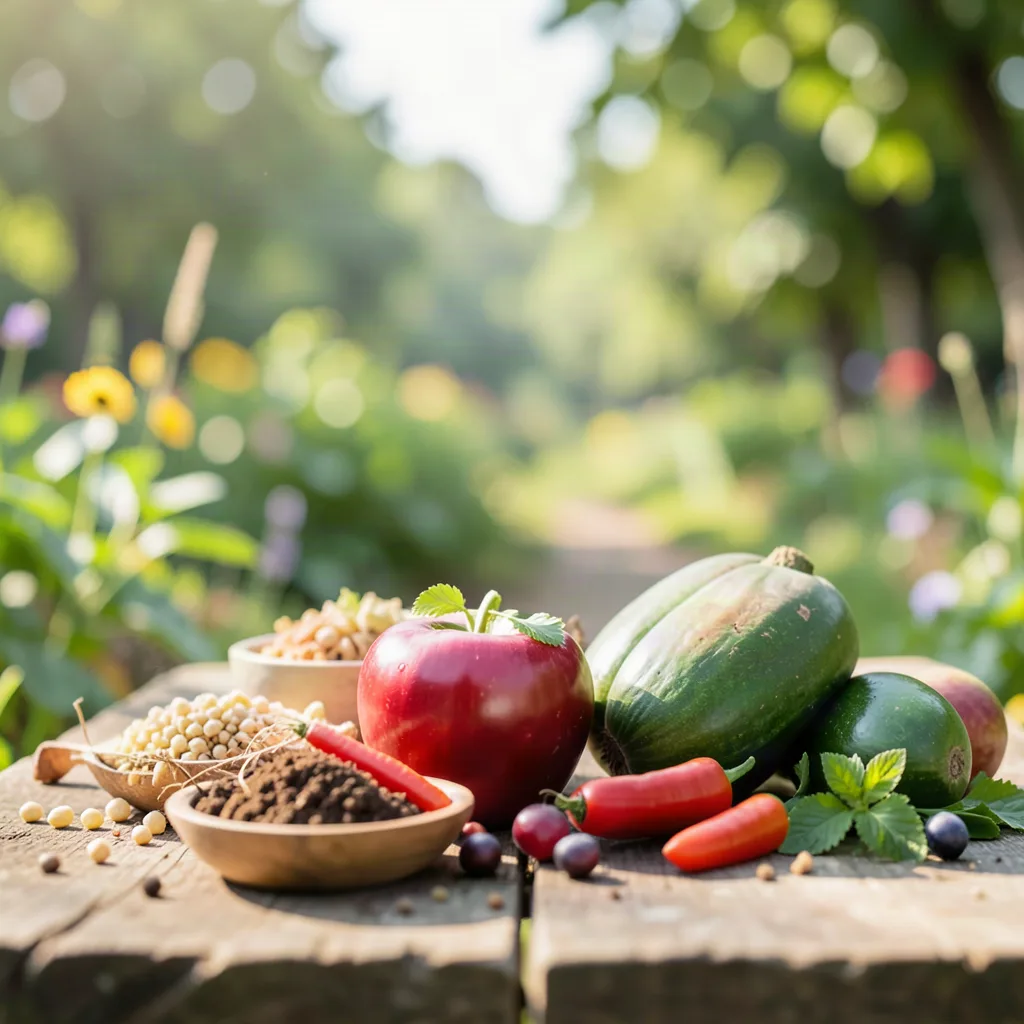
Refined sugars—white granulated, brown, powdered, and high‑fructose corn syrup—are easy to find in packaged foods, bakery items, and even savory sauces. While they provide quick energy, excessive consumption is linked to weight gain, blood‑sugar spikes, and long‑term health concerns. Fortunately, you don’t have to abandon sweetness entirely. This guide explores evidence‑based, nutrient‑rich alternatives that can satisfy a sweet tooth while supporting overall wellness. Each section offers practical examples, substitution ratios, and step‑by‑step tips you can apply to breakfast, snacks, desserts, and everyday cooking.
Why Reduce Refined Sugar?
Refined sugars are stripped of fiber, vitamins, and minerals during processing. When consumed in large amounts, they can:
- Elevate blood glucose quickly, prompting a surge of insulin.
- Contribute to calorie over‑consumption without promoting satiety.
- Increase risk factors for metabolic syndrome, heart disease, and dental decay.
- Fuel inflammation that may aggravate skin conditions and joint discomfort.
Replacing refined sugar with whole‑food sweeteners does not guarantee weight loss, but it can smooth blood‑sugar curves, add micronutrients, and reduce empty‑calorie intake. The goal is to create a balanced palate where sweetness is a flavor note rather than the dominant driver.
Understanding Natural Sweeteners vs. Sugar Alcohols
Two broad categories dominate the market: natural, plant‑derived sweeteners (e.g., stevia, monk fruit) and sugar alcohols (e.g., erythritol, xylitol). Both provide sweetness with fewer calories than sucrose, yet they differ in taste profile, digestive tolerance, and culinary performance.
- Natural sweeteners are extracted from plants and usually contain zero calories. They may have a slight after‑taste, especially at high concentrations, but they are generally well tolerated.
- Sugar alcohols mimic sugar’s bulk and mouthfeel, making them useful in baked goods. However, they can cause bloating or laxative effects when consumed in excess, particularly for individuals with sensitive digestion.
When choosing an alternative, consider the recipe’s texture needs, the desired sweetness level, and any personal digestive sensitivities.
Fruit‑Based Sweeteners
Whole fruits are nature’s candy, offering natural sugars bundled with fiber, antioxidants, and vitamins. Below are three fruit‑based options that work well in sauces, smoothies, and baked treats.
Date Paste
How to make it: Remove pits from Medjool dates, soak them in warm water for 10 minutes, then blend with a splash of water until smooth. One cup of date paste replaces roughly ¾ cup of granulated sugar.
Best uses: Energy balls, oatmeal cookies, and raw desserts where a caramel‑like depth is welcome.
Mashed Bananas
How to use: One medium ripe banana (about ½ cup mashed) can replace ½ cup of sugar in muffins, quick breads, and pancakes. The banana adds moisture, so you may need to reduce other liquids by ¼ cup.
Flavor note: Subtle banana flavor, ideal for breakfast items and spice‑forward recipes.
Unsweetened Applesauce
Conversion: Use 1 cup of applesauce for every cup of sugar, then cut the added oil or butter by ¼ cup to maintain proper crumb structure.
Why it works: Applesauce supplies pectin, which helps bind baked goods, and it contributes a mild fruity sweetness without overpowering other flavors.
Plant‑Derived Sweeteners
These sweeteners are extracted from leaves, fruits, or roots and are often marketed as “zero‑calorie.” Their potency varies, so accurate measurement is key.
Stevia
Stevia leaf extract is 200–300 times sweeter than sugar. Most commercial stevia powders include a bulking agent (like erythritol) to mimic sugar’s volume. When using pure stevia liquid drops, start with 1 drop for every 1 teaspoon of sugar and adjust to taste.
Cooking tip: Stevia can lose some sweetness at high temperatures, so add it toward the end of cooking or in recipes that are not heavily baked (e.g., salad dressings, cold beverages).
Monk Fruit (Luo Han Guo)
Monk fruit sweetener is 150–250 times sweeter than sucrose and contains mogrosides, which are antioxidant compounds. It is heat‑stable, making it suitable for sauces, soups, and baked goods.
Ratio: 1 teaspoon of monk‑fruit blend (often mixed with erythritol) equals about 1 cup of sugar.
Yacon Syrup
Derived from the yacon plant’s tuber, this syrup contains fructooligosaccharides (prebiotic fibers) that feed beneficial gut bacteria. Its sweetness is roughly 50–70 % of sugar, with a low glycemic impact.
Use cases: Drizzle over Greek yogurt, stir into oatmeal, or blend into smoothies. Limit to 1–2 tablespoons per day to avoid digestive upset.
Whole‑Food Syrups
Maple syrup, agave nectar, and coconut nectar are often perceived as “natural,” but they are still concentrated sugars. Their advantage lies in a richer mineral profile and distinct flavor that can reduce the amount needed.
Pure Maple Syrup
Contains manganese, zinc, and small amounts of antioxidants. It is about 60 % as sweet as sugar, so you can use ¾ cup of maple syrup for each cup of sugar, reducing overall sweetness while adding depth.
Agave Nectar
Has a low glycemic index due to its high fructose content, but the fructose load may be a concern for liver health if consumed in large quantities. Use sparingly in cold drinks or as a glaze.
Coconut Nectar
Made from the sap of coconut palm flowers, it offers potassium, magnesium, and iron. Its caramel‑like flavor works well in baked goods where a darker hue is desired.
Conversion tip: Because syrups are liquid, reduce other liquids in the recipe by ¼ cup for each cup of syrup added.
Using Spices and Flavor Enhancers
Sometimes the perception of sweetness can be amplified without adding any sugar at all. Certain spices interact with taste receptors to make foods feel sweeter.
- Cinnamon: Adds warmth and can reduce the need for added sugar in oatmeal, coffee, and baked goods.
- Vanilla extract: A few drops heighten sweetness perception, especially in custards and smoothies.
- Nutmeg, cardamom, and ginger: Provide complex flavor layers that distract from a lack of sugar.
Experiment by adding ½ – 1 teaspoon of these spices per recipe and taste before deciding if additional sweetener is necessary.
Baking Techniques for Less Sugar
Reducing sugar in baked goods requires attention to texture, moisture, and browning. Below are proven methods that keep treats tender and flavorful.
- Reduce by 25 %: Most recipes tolerate a quarter‑cup reduction without noticeable changes.
- Replace with fruit puree: Substitute half of the sugar with mashed banana or applesauce to maintain moisture.
- Incorporate yogurt or kefir: These cultured dairy products add acidity, which promotes browning while allowing less sugar.
- Use brown sugar sparingly: Brown sugar contains molasses, providing a richer flavor that can mask lower sweetness levels.
- Adjust baking time: Lower sugar can lead to faster browning; keep an eye on the oven and consider reducing temperature by 25 °F.
Practical Tips for Transitioning in Everyday Meals
Changing a lifelong habit takes small, sustainable steps. Here are actionable strategies you can implement immediately.
- Swap sugar in coffee or tea: Start with a ½‑teaspoon of stevia or monk‑fruit blend, then gradually reduce further.
- Read labels: Look for “no added sugars” and prioritize products sweetened with fruit concentrates or natural syrups.
- Batch‑prepare sweetener blends: Mix 1 part stevia, 1 part erythritol, and 1 part powdered monk‑fruit for an all‑purpose sugar substitute.
- Keep fresh fruit handy: An apple or a handful of berries can satisfy cravings without reaching for a candy bar.
- Experiment weekly: Choose one favorite recipe and replace half the sugar with a fruit‑based or plant‑derived alternative. Note texture, flavor, and how you feel after eating.
Remember, the aim is not to achieve a sugar‑free diet overnight but to shift the overall sweetener profile toward nutrient‑dense options.
Crafting Custom Sweetener Blends for Versatile Use
One of the most powerful ways to move beyond the binary choice of “sugar vs. no sugar” is to create your own sweetener blends that marry the strengths of several alternatives while muting their weaknesses. A well‑balanced blend can provide the bulk of sugar, a clean sweetness profile, and a touch of flavor complexity that mimics the depth of refined sugar without the empty calories.
Step‑by‑step framework:
- Identify the functional priorities for the target recipe. Do you need bulk (for creaming butter and sugar), heat stability (for a sauce that simmers 30 minutes), or a low‑glycemic impact (for a diabetic‑friendly snack)? Write these priorities down as a checklist.
- Select a base sweetener that satisfies the bulk requirement. Common choices are erythritol, allulose, or a powdered monk‑fruit‑erythritol blend. These provide a sugar‑like mouthfeel and can be measured cup‑for‑cup in most recipes.
- Layer in a high‑intensity sweetener to reduce the total volume needed. Pure stevia extract or monk‑fruit liquid drops are ideal because a few drops equal a teaspoon of sugar. Add these after the bulk sweetener has been incorporated, tasting as you go.
- Introduce a flavor‑masking component if the blend has a lingering after‑taste. A pinch of sea salt, a splash of vanilla extract, or a teaspoon of finely ground cinnamon can neutralize bitterness and enhance perceived sweetness.
- Test for heat stability. If the final application involves baking above 350 °F (177 °C), run a quick 5‑minute test by heating a teaspoon of the blend in a dry skillet. Observe for caramelization, discoloration, or bitter off‑notes. If the blend darkens quickly, replace part of the high‑intensity sweetener with a more heat‑stable option such as monk‑fruit‑erythritol.
Below is a starter formula that works for most cakes, muffins, and quick breads:
| Ingredient | Proportion (by weight) | Purpose |
|---|---|---|
| Erythritol (granular) | 60 % | Bulk & crystalline texture |
| Allulose (powdered) | 20 % | Moisture retention & browning aid |
| Monk‑fruit extract (liquid) | 15 % | High‑intensity sweetness |
| Stevia leaf powder (pure) | 5 % | Fine‑tune sweetness & mask after‑taste |
Adjust the percentages in 5 % increments based on personal taste and the recipe’s tolerance for moisture. For gluten‑free batters that tend to be dense, increase allulose to 30 % and reduce erythritol to 50 % to improve crumb structure.
Edge‑case tip: When preparing a sugar‑free frosting that must hold peaks, replace up to 40 % of the bulk sweetener with powdered gelatin (1 % of total weight) to give the frosting a firmer set without adding calories.
Sweetening Strategies for Specific Dietary Protocols
Different health‑focused eating plans impose unique constraints on sweetener choice. Below we break down three popular protocols—diabetes‑centric low‑glycemic, ketogenic, and pregnancy‑friendly nutrition—and provide concrete substitution tables, safety notes, and recipe ideas that align with each framework.
Low‑Glycemic (Diabetes‑Focused) Approach
- Primary sweeteners: Allulose (0.2 g net carbs per teaspoon), erythritol (0 g net carbs), and stevia‑based blends. These have negligible impact on post‑prandial glucose.
- Conversion guide: 1 teaspoon of allulose ≈ 1 teaspoon of sugar; 1 cup of erythritol ≈ 1 cup of sugar for volume, but taste it first—erythritol can be ~70 % as sweet.
- Recipe spotlight: Replace the sugar in a classic lemon bars with a 1:1 mix of allulose and erythritol, then add a thin layer of almond flour for extra fiber. The result retains the bright lemon tang while keeping the glycemic load under 5 g per serving.
Ketogenic (Very Low‑Carb) Approach
- Primary sweeteners: Pure monk‑fruit (no carbs), allulose (minimal carbs), and a small amount of stevia.
- Bulk considerations: Because many keto recipes rely on fat for structure, you can often cut bulk sweeteners by 30‑40 % without sacrificing texture. Use a combination of monk‑fruit powder and a tiny pinch of erythritol to mimic sugar’s crystalline crunch in a chocolate bark.
- Recipe spotlight: Keto cheesecake crust—mix 1 cup almond flour, 2 Tbsp melted coconut oil, and 2 Tbsp monk‑fruit‑erythritol blend. Press into a pan, bake 10 minutes at 325 °F, and top with a low‑carb berry compote sweetened with allulose.
Pregnancy‑Friendly Sweetening
- Safety first: Avoid high‑fructose syrups (e.g., agave) in large amounts due to potential liver strain. Choose sweeteners with a long safety record—stevia, erythritol, and fruit‑based purees.
- Nutrient boost: Pair sweeteners with calcium‑rich foods (e.g., fortified plant milks) to support fetal bone development. A banana‑based oat muffin sweetened with a 1:1 banana‑to‑date paste substitution adds potassium and magnesium.
- Recipe spotlight: Morning smoothie—blend 1 cup unsweetened soy milk, ½ cup frozen berries, 1 Tbsp yacon syrup (limited to 2 Tbsp/day), ½ tsp vanilla, and a pinch of sea salt. The yacon syrup supplies prebiotic fiber without spiking glucose, making it a pregnancy‑safe sweetener when used modestly.
When transitioning between protocols, keep a sweetener log that records the type, amount, and blood‑glucose response (if applicable). This data‑driven approach helps fine‑tune the blend for individual metabolic patterns.
Fermented and Cultured Sweeteners: Kombucha, Kefir, and Fermented Fruit Concentrates
Fermentation transforms sugars into a suite of organic acids, B‑vitamins, and probiotic cultures that can enhance both flavor and gut health. While most people think of kombucha as a tangy beverage, the liquid itself can double as a nuanced sweetener when used judiciously.
Kombucha Reduction Syrup
How it works: Simmer raw kombucha (unflavored or lightly flavored) over low heat until the volume reduces by half. The process concentrates the natural sugars, acids, and aromatic compounds, yielding a syrup that is roughly 1.5 × sweeter than the original liquid.
Application: Drizzle the reduction over roasted vegetables to add a sweet‑sour glaze, or stir a tablespoon into a vinaigrette for a balanced sweet‑tangy profile. Because the reduction retains live cultures only if heat‑treated below 115 °F (46 °C), use it in cold applications for probiotic benefits.
Kefir‑Based Sweetening
Kefir, a fermented milk or coconut‑milk beverage, contains lactose‑converting bacteria that break down milk sugars into lactic acid. When you blend kefir with a low‑glycemic sweetener (e.g., monk‑fruit), the resulting drink offers a creamy sweetness with a probiotic kick.
Recipe idea: “Breakfast Parfait” – layer ½ cup plain kefir, ¼ cup granola, and a spoonful of mashed ripe mango. Sweeten the kefir with ½ tsp monk‑fruit powder. The lactic acid balances the mango’s natural sugars, creating a harmonious flavor without added refined sugar.
Fermented Fruit Concentrates
By allowing fruit puree to undergo a brief lacto‑fermentation (adding a pinch of sea salt and leaving at room temperature for 12‑24 hours), the natural sugars are partially metabolized into lactic acid, lowering the overall glycemic load while preserving sweetness.
Practical steps:
- Puree ripe peaches or apricots in a food processor.
- Mix in 1 % salt by weight (e.g., 2 g salt per 200 g fruit).
- Cover loosely and let sit at 70 °F (21 °C) for 12‑24 hours.
- Strain if desired; the liquid can be used as a glaze, cocktail mixer, or pancake topping.
Fermented fruit concentrates add a subtle tang that reduces the need for additional sweeteners, making them ideal for sauces that accompany rich meats or roasted root vegetables.
Edge case: Individuals with histamine intolerance should limit fermented sweeteners, as the fermentation process can increase histamine levels.
Enhancing Sweet Perception with Aromatics, Acidity, and Texture Modifiers
The human palate interprets sweetness through a network of taste receptors that can be tricked by complementary sensations. By deliberately adding aromatics, a splash of acid, or a textural contrast, you can achieve the feeling of sweetness while using less actual sweetener.
Aromatic Boosters
- Vanilla bean paste: Contains natural vanillin, which activates sweet‑receptor pathways. Use ½ tsp per cup of batter to cut sugar by 20 %.
- Rose water or orange blossom water: A few drops impart floral notes that the brain associates with sweetness, perfect for Middle‑Eastern desserts like baklava or rice pudding.
- Cardamom‑cinnamon duo: Toasted whole spices release essential oils that amplify perceived sweetness. Grind fresh before adding to spice mixes for muffins or oatmeal.
Acidity as a Sweetness Amplifier
Acidic ingredients lower the pH of a dish, which can heighten the brightness of sweet notes. A classic example is the addition of a splash of lemon juice to a berry compote; the acidity balances tartness and makes the berries taste sweeter than they are.
Practical guide:
- For fruit sauces, add 1 tsp lemon juice per cup of fruit before cooking.
- In chocolate ganache, incorporate ½ tsp orange zest and a few drops of orange‑oil extract to reduce the sugar needed by up to 30 %.
- When making a savory glaze (e.g., for grilled salmon), combine 2 Tbsp apple cider vinegar, 1 Tbsp low‑glycemic sweetener, and ¼ tsp smoked paprika. The vinegar’s acidity will make the glaze taste sweeter without extra sugar.
Texture Modifiers that Mimic Sugar’s Mouthfeel
Sugar contributes not only sweetness but also a specific crystalline crunch and melt‑in‑the‑mouth sensation. Replicating this can be achieved with:
- Toasted coconut flakes: Provide a light crunch and natural sweetness; sprinkle atop frozen yogurt to replace a sugary topping.
- Ground nuts: Almond meal or hazelnut flour adds a buttery texture that reduces the need for sugary glaze on pastries.
- Chia‑gel: Soak 1 Tbsp chia seeds in 3 Tbsp water; the resulting gel adds moisture and a subtle bite, allowing you to cut back on syrup in puddings.
By integrating these sensory enhancers, you can systematically reduce sweetener quantities while preserving consumer satisfaction.
Shelf Life, Storage, and Safety Considerations for Alternative Sweeteners
While many alternative sweeteners boast a long shelf life, each class has specific storage requirements that affect potency, texture, and safety. Ignoring these nuances can lead to clumping, off‑flavors, or microbial growth.
Granular Sugar Alcohols (Erythritol, Xylitol)
- Ideal storage: Airtight containers in a cool, dark pantry. Erythritol is hygroscopic; moisture exposure causes it to become sticky and form lumps.
- Shelf life: Up to 2 years when kept dry. If clumping occurs, place the container in a sealed zip‑lock bag with a desiccant packet for 24 hours.
- Safety note: Xylitol is extremely toxic to dogs; keep it out of reach of pets.
Liquid Syrups (Maple, Yacon, Coconut Nectar)
- Refrigeration: Once opened, store in the refrigerator to prevent mold. Most syrups remain safe for 6‑12 months refrigerated.
- Freezing: For long‑term storage, freeze in ice‑cube trays; each cube can be added directly to hot beverages.
- Quality check: Look for cloudiness, off‑smell, or fermentation bubbles—signs that the syrup has spoiled.
Powdered Plant‑Derived Sweeteners (Stevia, Monk‑Fruit Blends)
- Moisture control: Keep in a low‑humidity environment; consider adding a food‑grade silica packet to the jar.
- Degradation: High‑intensity compounds can lose potency after 18 months if exposed to heat and light. Store in a dark cabinet.
- Allergen awareness: Some commercial blends contain maltodextrin derived from wheat or corn. Verify gluten‑free labeling if needed.
Fermented Sweeteners (Kombucha Reduction, Fermented Fruit Concentrates)
- Refrigeration is mandatory: The live cultures continue to metabolize sugars, which can lead to over‑fermentation, increased acidity, and eventual spoilage.
- Shelf‑life estimate: 2‑3 weeks for homemade reductions, 1 month for commercial kombucha syrups (check the “best‑by” date).
- Safety tip: If you notice an unexpected sour smell or visible mold, discard immediately; the acidic environment can mask early spoilage.
Maintaining a simple sweetener inventory sheet—including purchase date, storage location, and expiration—helps you rotate stock efficiently and avoid waste.
Sweetening Beverages: From Cold Brew to Cocktails and Mocktails
Liquid applications pose distinct challenges: the sweetener must dissolve fully, integrate with other flavors, and not alter the beverage’s clarity (unless a clouded texture is desired). Below are proven strategies for coffee, tea, smoothies, and adult‑grade drinks.
Cold‑Brew Coffee Enhancements
- Stevia‑Erythritol blend: Dissolves at room temperature; use 1 tsp blend per 12 oz of coffee for a smooth, low‑calorie sweetness.
- Flavor pairing: Add ¼ tsp cinnamon and a dash of vanilla extract to the blend. The aromatic compounds mask any residual after‑taste.
- Edge case: For iced coffee with dairy alternatives, incorporate 1 Tbsp coconut cream before sweetening to improve mouthfeel.
Tea Infusions and Herbal Coolers
When brewing herbal teas (e.g., hibiscus, rooibos), a small amount of fruit‑based puree can replace sugar while adding color.
Recipe: Combine 2 cups brewed hibiscus tea (cooled), ¼ cup pomegranate juice, 2 tsp monk‑fruit blend, and a squeeze of lime. Serve over ice with a mint sprig. The acidity of hibiscus and lime amplifies perceived sweetness, allowing a modest sweetener dose.
Smoothie Sweetening Matrix
High‑fiber smoothies often become overly thick when fruit purees are used as sweeteners. To balance texture:
- Start with 1 cup unsweetened almond milk.
- Add ½ cup frozen berries (low natural sugar).
- Include 1 Tbsp yacon syrup for prebiotic fiber.
- Finish with ¼ tsp powdered monk‑fruit to boost sweetness without extra liquid.
This layered approach prevents the smoothie from becoming gummy while delivering a balanced glycemic response.
Adult Cocktails and Mocktails
Alcoholic drinks often rely on simple syrups; swapping them for low‑calorie alternatives can cut calories dramatically.
- Low‑Calorie Simple Syrup: Dissolve 1 cup erythritol in 1 cup water; bring to a gentle boil, then cool. Use ½ oz in place of traditional simple syrup in a gin‑fizz.
- Herbal‑Infused Syrup: Add a handful of fresh rosemary to the hot erythritol‑water mixture; steep for 10 minutes, strain, and chill. The herb adds complexity, reducing the need for extra sweetener in a rosemary‑lemon cocktail.
- Mocktail example: “Cucumber Mint Cooler” – muddle 4 cucumber slices with 5 mint leaves, add 1 oz yacon syrup, 2 oz sparkling water, and a squeeze of lime. The cucumber’s natural sweetness and mint’s aromatic lift make the drink refreshing without added sugar.
Remember to taste before finalizing; many spirits already contain residual sugars, so a modest sweetening level is often sufficient.
Long‑Term Effects on Gut Microbiota and Metabolic Health
Beyond immediate glycemic impact, alternative sweeteners interact with the gut ecosystem in ways that can influence inflammation, weight regulation, and immune function. The research landscape is still evolving, but several trends have emerged.
Prebiotic Sweeteners
Compounds such as inulin, partially hydrolyzed guar gum, and the fructooligosaccharides found in yacon syrup serve as food for beneficial Bifidobacteria and Lactobacilli. Regular consumption (1‑2 Tbsp daily) has been linked to:
- Increased short‑chain fatty acid (SCFA) production, especially butyrate, which supports colonocyte health.
- Improved insulin sensitivity in modestly overweight adults (studies show a 5‑10 % reduction in HOMA‑IR after 12 weeks).
When using yacon syrup, pair it with a protein source (Greek yogurt, cottage cheese) to slow absorption and maximize the prebiotic effect.
Potential Dysbiosis from Sugar Alcohols
While erythritol is largely excreted unchanged, larger sugar alcohols like maltitol and sorbitol can be fermented by colonic bacteria, sometimes leading to gas and bloating. In susceptible individuals, chronic over‑consumption (>30 g/day) may shift the microbial balance toward gas‑producing species such as Bacteroides.
Practical advice: rotate sweeteners—use erythritol for daily baking, reserve maltitol for occasional indulgent desserts, and keep a diary of gastrointestinal symptoms.
Stevia and Monk‑Fruit Metabolites
Both stevia glycosides (stevioside, rebaudioside A) and monk‑fruit mogrosides are poorly absorbed in the small intestine and reach the colon largely intact. Early animal studies suggest they may modestly increase Akkermansia muciniphila, a bacterium associated with improved metabolic markers.
Human trials are limited, but a 2022 crossover study reported a slight reduction in fasting triglycerides after a 4‑week regimen of stevia‑sweetened beverages, without adverse changes in microbiome diversity.
Guidelines for Sustainable Sweetener Use
- Start low, go slow: Introduce a new sweetener at ¼ of the intended amount for the first week to allow the microbiome to adapt.
- Combine with fiber‑rich foods: Pair sweeteners with whole grains, legumes, or vegetables to provide a balanced substrate for gut bacteria.
- Monitor biomarkers: If you have metabolic concerns, track fasting glucose, HbA1c, and lipid panels every 3‑6 months while adjusting sweetener types.
- Rotate seasonally: Use fruit‑based purees in summer, fermented syrups in winter, and powdered blends year‑round to diversify microbial exposure.
By treating sweeteners as functional ingredients rather than mere sugar substitutes, you can harness their potential to support a resilient gut and a more stable metabolic profile over the long term.
Frequently Asked Questions
1. Is stevia safe for children?
Stevia is recognized as safe by major health agencies, including the FDA and EFSA. For children, use it in moderation—typically no more than a pinch per serving—and combine with other natural sweeteners to avoid a strong after‑taste.
2. Will using fruit puree make baked goods soggy?
Fruit purees add moisture, so you may need to adjust the recipe’s dry ingredients (extra flour or oats) or reduce other liquids. Start with a 1:1 substitution for half the sugar and monitor batter consistency.
3. How do sugar alcohols affect blood sugar?
Sugar alcohols such as erythritol and xylitol have a minimal impact on blood glucose because they are only partially absorbed. However, individual responses vary, and large amounts can cause gastrointestinal discomfort.
4. Can I use maple syrup in a low‑glycemic diet?
Maple syrup has a moderate glycemic index (≈54) and contains minerals, but it is still a sugar source. Use it sparingly and pair with protein or fiber to blunt glucose spikes.
5. What’s the best sweetener for a vegan chocolate mousse?
A blend of melted dark chocolate (70 % cacao), coconut cream, and a touch of monk‑fruit sweetener works well. The bitterness of high‑cacao chocolate balances the sweetness, allowing you to use just 1‑2 teaspoons of monk‑fruit blend for a full‑cup serving.
Related posts:
 Living Sugar-Free: A Food Guide
 The Sweet Science: Why Honey in Your Coffee Is a Game-Changer
 Maple: The New Pumpkin Spice
 This Dreamy Dairy-Free Creamsicle Recipe Tastes Like Childhood Summer
 Sweet Tooth Salvation: Sugar-Free Keto Dessert Bites That Actually Taste Amazing
 5 Sugar-Free Dessert Recipes
 Beginner’s Sugar-Free Guide
 All About Stevia Sweetener