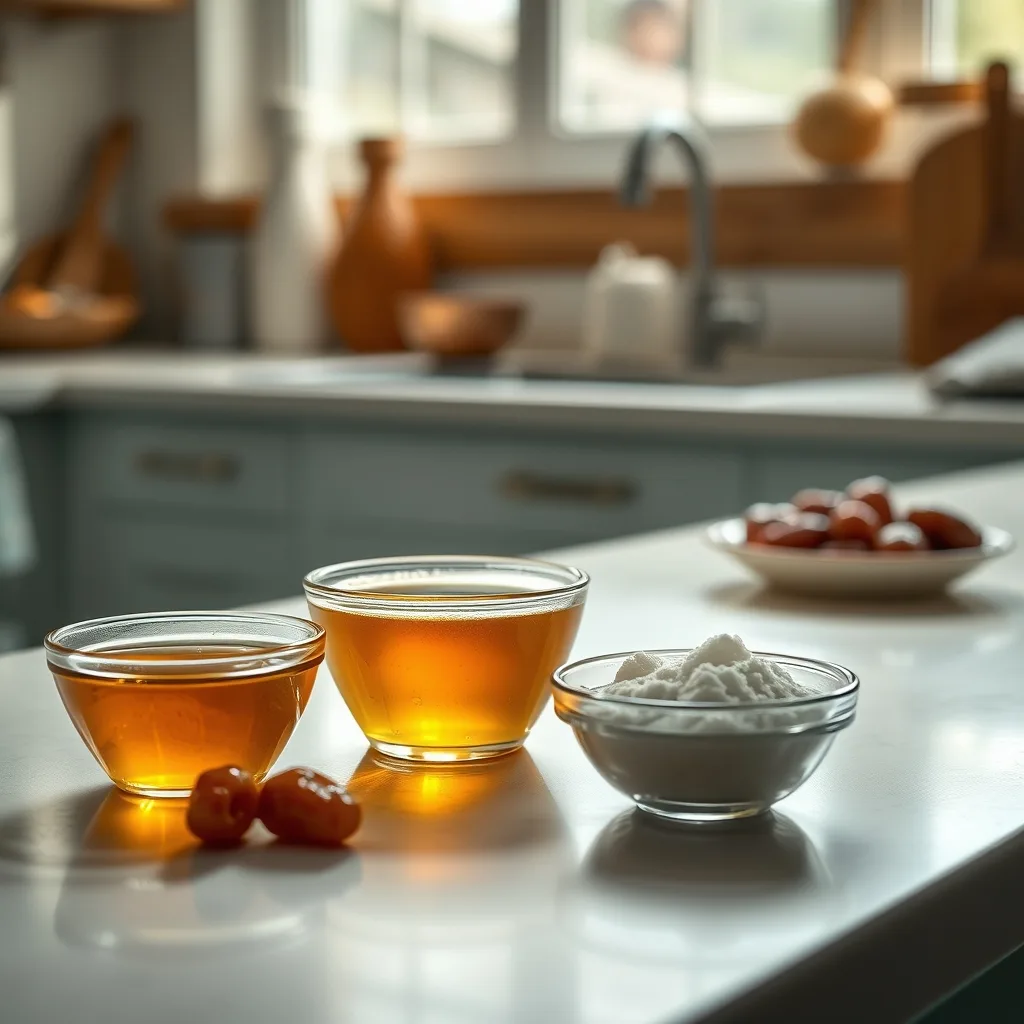
Reducing refined white sugar is one of the most impactful changes you can make for long‑term health. Excessive intake of sucrose spikes blood glucose, contributes to weight gain, and may increase the risk of chronic conditions such as type 2 diabetes and heart disease. Fortunately, a wide range of natural and minimally processed sweeteners can provide the sweetness you crave while delivering additional nutrients, lower glycemic impact, or unique flavor profiles. This guide explores the most practical alternatives, explains how to use them in everyday cooking and baking, and offers tips for making the transition smooth and sustainable.
Key takeaways
- Use liquid sweeteners like honey or maple syrup in a 3:4 ratio compared to granulated sugar.
- Replace white sugar 1:1 by volume with coconut, date, or raw cane sugar in most baked goods.
- Combine allulose with erythritol to mimic sugar's bulk, browning, and texture in cakes and brownies.
- Pair non-fermentable sweeteners like stevia with honey or sugar to ensure yeast breads rise properly.
- Use heat-stable sweeteners like monk fruit or honey to balance acidity and enhance umami in savory dishes.
Understanding the Glycemic Impact of Sweeteners
The glycemic index (GI) measures how quickly a carbohydrate raises blood sugar. Refined white sugar has a GI of about 65, which is moderate but the sheer volume typically consumed makes the overall glycemic load high. Many alternatives have a lower GI, meaning they cause a slower, more gradual rise in glucose. For example, coconut sugar scores around 35, while pure stevia extract has a GI of zero. When choosing a substitute, consider both the GI and the amount you’ll actually use, because a low‑GI sweetener used in large quantities can still affect blood sugar.
Natural Liquid Sweeteners: Honey, Maple Syrup, and Agave
Honey, pure maple syrup, and agave nectar are popular liquid options that bring trace minerals, antioxidants, and distinct flavors. Honey contains small amounts of vitamins B6 and C, while maple syrup supplies manganese and zinc. Agave is high in fructose, giving it a low GI but a higher fructose load, which may affect liver health if overused. Use these liquids in a 3:4 ratio compared to granulated sugar (three parts liquid for four parts sugar) and reduce other liquids in the recipe by about ¼ cup per cup of sweetener swapped.
Granulated Natural Sugars: Coconut Sugar, Date Sugar, and Raw Cane Sugar
Coconut sugar is made from the sap of coconut palm blossoms and retains inulin, a prebiotic fiber that can modestly blunt glucose spikes. Date sugar is simply dried, ground dates, so it adds fiber, potassium, and a caramel‑like taste, but it does not dissolve well in liquids. Raw cane sugar (often labeled “turbinado” or “demerara”) undergoes less processing than white sugar, preserving a thin molasses coating that supplies trace minerals. All three can replace white sugar 1:1 by volume in most baked goods, though you may notice a slightly denser crumb and a deeper color.
Zero‑Calorie Plant‑Based Sweeteners: Stevia, Monk Fruit, and Allulose
Stevia leaf extract and monk fruit concentrate provide intense sweetness without calories or impact on blood glucose. They are 200‑300 times sweeter than sucrose, so only a pinch is needed. Allulose, a rare sugar found in figs and raisins, behaves like sugar in baking—browning, caramelizing, and providing bulk—yet contributes only 0.4 calories per gram and has a negligible GI. When substituting, follow the manufacturer’s conversion chart; a common rule is 1 teaspoon of stevia blend equals 1 cup of sugar, while allulose can often be used cup‑for‑cup.
Sugar Alcohols: Erythritol, Xylitol, and Maltitol
Sugar alcohols (polyols) deliver sweetness with fewer calories and a lower glycemic response. Erythritol is almost calorie‑free, does not raise blood sugar, and is well tolerated by most people. Xylitol matches sugar’s sweetness 1:1 and has dental‑health benefits, but it can cause digestive upset in large doses and is toxic to dogs. Maltitol provides a texture similar to sugar in chocolates and candies but has a higher GI and more calories than erythritol. For baking, combine erythritol with a small amount of a bulking agent like inulin or a touch of allulose to improve mouthfeel.
Functional Sweeteners with Added Nutrients: Yacon Syrup, Blackstrap Molasses, and Lucuma Powder
Yacon syrup is rich in fructooligosaccharides, a prebiotic fiber that feeds beneficial gut bacteria and yields a low GI. Blackstrap molasses, a by‑product of sugar refining, supplies iron, calcium, magnesium, and potassium—making it a nutrient‑dense option for marinades, gingerbread, or oatmeal. Lucuma powder, made from the Peruvian lucuma fruit, adds a subtle maple‑caramel flavor along with beta‑carotene, zinc, and fiber. These sweeteners work best where their distinct taste complements the dish rather than in neutral‑flavored recipes.
Practical Tips for Swapping Sugar in Everyday Cooking
Start by identifying the role sugar plays in each recipe: sweetness, moisture, browning, fermentation (in breads), or texture. For beverages, a few drops of liquid stevia or a teaspoon of honey often suffice. In cookies and cakes, replace up to half the sugar with a granulated alternative first, then adjust based on taste and texture. Reduce oven temperature by 10‑15°C when using high‑fructose syrups to prevent over‑browning. Keep a conversion chart handy—many brands provide printable PDFs—and test small batches before scaling up.
Building a Sustainable Low‑Sugar Pantry
Stock a variety of sweeteners so you can match the functional need of each recipe. A basic pantry might include: a jar of coconut sugar, a bottle of pure maple syrup, a small container of erythritol‑allulose blend, a packet of monk fruit drops, and a tin of date sugar. Label each with the conversion ratio to avoid guesswork. Rotate older products to the front, and store liquid sweeteners in a cool, dark place to preserve flavor and antioxidant content. Over time, your palate will adapt, and you’ll find you need less overall sweetness to feel satisfied.
Optimizing Sweetener Blends for Texture and Browning
When a single sweetener is used, the final product may lack the bulk, moisture retention, or caramel color that granulated sugar normally provides. Combining allulose, which browns well and adds bulk, with erythritol, a low‑calorie polyol that does not crystallize, creates a blend that mimics sugar’s behavior in cakes and brownies. A typical ratio is 1 part allulose to 2 parts erythritol, with a pinch of inulin or resistant starch added to improve mouthfeel and prevent a cooling after‑taste. For keto‑friendly caramel sauces, melt coconut sugar with a splash of water, then stir in a small amount of pure maple syrup; the maple contributes depth while the coconut sugar supplies the necessary caramelization. Edge cases include the tendency of allulose‑heavy mixes to develop a cooling sensation; counter this by incorporating a tablespoon of butter or a dash of heavy cream, which adds fat and masks the effect. Measuring by weight rather than volume improves consistency, especially when using powdered blends.
Sweetener Compatibility with Fermentation Processes
Yeast and lactobacilli require fermentable carbohydrates to produce carbon dioxide and flavor compounds, so the choice of sweetener can directly affect rise, acidity, and aroma. Honey and maple syrup contain some fermentable sugars but their natural antimicrobial compounds can slow fermentation if used in excess; they work best when added after the starter has become active. Stevia and erythritol are non‑fermentable, so a blend that includes a small amount of honey or a fermentable sugar alcohol such as maltitol is advisable for bread doughs. In sourdough, a mixture of coconut sugar and a teaspoon of dextrose provides a steady food source for the wild yeast, resulting in a more reliable rise. For kombucha, agave nectar can be used because it is readily metabolized by the SCOBY, but the high fructose content may lead to excessive acidity; balancing agave with a modest amount of erythritol can moderate the sweetness while keeping fermentation on track. Edge case: using only erythritol in a yeasted dough will cause a stall, so always pair it with a fermentable sugar or a small quantity of regular sugar to “wake up” the yeast.
Applying Sweeteners in Savory and Umami Dishes
Beyond desserts, sweeteners play a crucial role in balancing acidity, enhancing depth, and rounding out umami in savory cooking. A classic glaze for roasted carrots combines honey, soy sauce, and a splash of rice vinegar; the honey caramelizes at high heat, creating a glossy finish without burning if the pan is removed from direct flame after a minute. In Asian stir‑fries, a drizzle of agave nectar added toward the end of cooking preserves its bright flavor and prevents bitterness that can develop when boiled. For low‑sodium sauces, monk fruit extract offers sweetness without the sodium load of traditional sauces, and because it remains stable at simmering temperatures, it can be incorporated early without loss of sweetness. Yacon syrup, with its subtle caramel notes and prebiotic fiber, works well in marinades for pork, where it helps tenderize while adding a gentle sweetness. Edge case: stevia can become bitter when exposed to prolonged boiling, so add it after the heat is turned off or use a heat‑stable stevia blend formulated for cooking.
Managing Shelf Life, Stability, and Storage of Sweetener‑Enriched Products
The longevity of a sweetener‑rich food depends on its water activity, pH, and exposure to light and heat. Honey’s low water activity makes it naturally resistant to microbial growth, so jars can be stored at room temperature for years, though crystallization may occur; gently warming the jar and stirring restores smoothness. Maple syrup is prone to crystallization; keeping it in a cool, dark pantry and using a airtight container slows this process, and a small stir before use prevents clumping. Agave remains liquid but can degrade when exposed to sunlight, so opaque bottles are preferable. Coconut sugar may clump if moisture enters the container; airtight packaging and a desiccant packet help maintain free‑flowing texture. Allulose is highly stable and does not support microbial growth, making it ideal for long‑term pantry storage. Edge case: when a recipe calls for both a liquid sweetener and a dry granulated sweetener, the added moisture can cause baked goods to become soggy; reducing other liquids by the volume of the added syrup and using a dry‑measure for the granulated sweetener mitigates this issue.
Frequently Asked Questions
Q: Can I use stevia in yeast breads? A: Stevia lacks the fermentable sugars yeast needs, so it cannot replace sugar for rising. Use a small amount of honey or a sugar alcohol like erythritol combined with a pinch of regular sugar to feed the yeast.
Q: Is agave nectar healthier than high‑fructose corn syrup? A: Agave has a lower GI but a higher fructose concentration, which can stress the liver if consumed in large amounts. Moderation is key for both sweeteners.
Q: How do I prevent digestive upset from sugar alcohols? A: Start with small portions, choose erythritol which is generally well tolerated, and increase gradually. Pairing with fiber‑rich foods can also help.
Q: Will switching to natural sweeteners automatically lower my calorie intake? A: Not necessarily. Many natural sweeteners have similar caloric density to sugar. Portion control and overall dietary balance remain essential.
Q: Can I bake with only monk fruit extract? A: Pure monk fruit extract provides no bulk or browning. Combine it with a bulking agent such as allulose, erythritol, or a small amount of coconut sugar for best results.
Related posts:
 5 Sugar-Free Dessert Recipes
 Beginner’s Sugar-Free Guide
 The Sweet Science: Why Honey in Your Coffee Is a Game-Changer
 All About Stevia Sweetener
 The Vegan Maple Syrup Question That’s Dividing the Internet
 Maple: The New Pumpkin Spice
 Healthy Alternatives to Refined Sugars
 The Coconut Pudding That Tastes Like Dessert But Isn’t