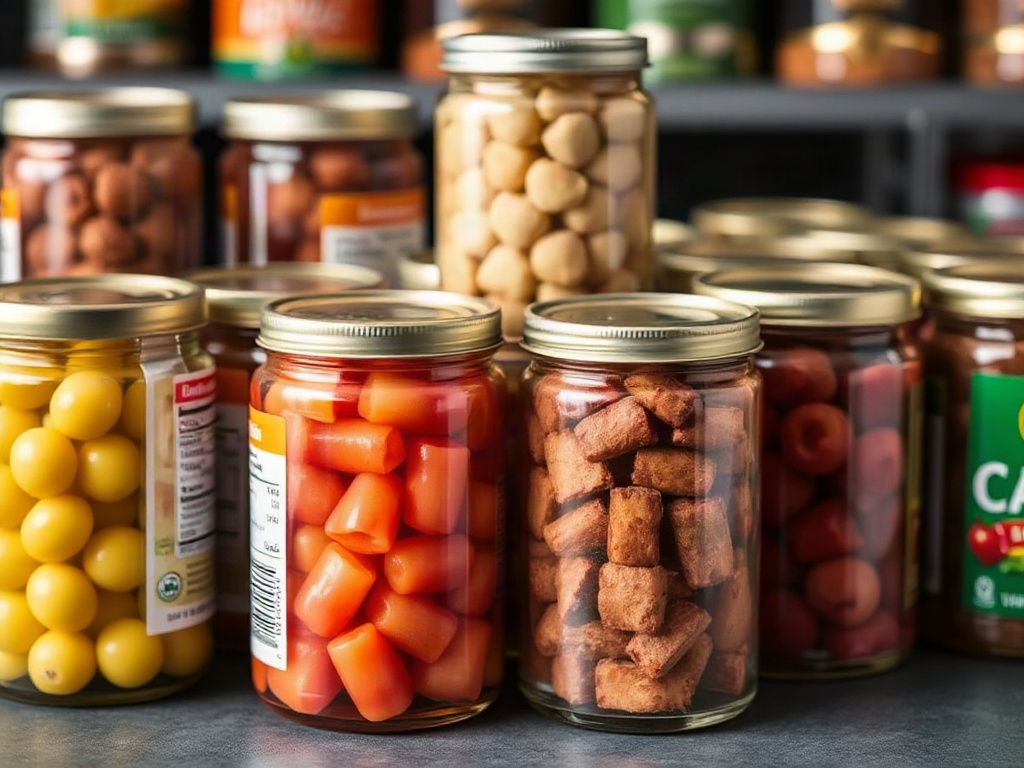
Canned foods have long been celebrated as a backbone of modern kitchens, offering convenience, affordability, and year-round availability. Yet beyond the perception of processed convenience lies a wealth of nutrient-rich options that can form the foundation of a balanced diet when chosen thoughtfully. In today’s fast-paced world, having a well-curated stock of healthy canned foods simplifies meal preparation while supporting overall nutritional goals. This guide explores the most beneficial canned varieties, how to select them wisely, and practical strategies for incorporating them into daily life without compromising health.
Understanding Nutritional Value in Canned Foods
Not all canned goods are created equal. The nutritional profile of a can depends heavily on its preparation method, ingredient list, and added ingredients such as salt, sugar, or preservatives. Optimal choices prioritize minimal processing, reduced sodium levels, and high nutrient density. Many manufacturers now offer low-sodium versions and clear labeling of key vitamins and minerals. By reading labels carefully—focusing on total sodium per serving, iron content, vitamin B12, and protein—you can identify options that deliver real nutritional value rather than simply extending shelf life through heavy additives.
Low-Sodium Options for Heart Health
Heart health remains a primary concern for many consumers, making low-sodium canned foods a strategic choice. Traditional canned soups and beans often contain significant amounts of added salt to enhance taste during processing. However, brands have responded by developing low-sodium variants that retain flavor through herbs, spices, and natural umami sources like mushrooms or tomato paste. When selecting heart-healthy cans, aim for products labeled “low sodium” or those with less than 140 milligrams of sodium per serving. These options support blood pressure management and reduce the risk of cardiovascular issues over time, aligning with broader guidelines for dietary sodium intake.
Iron-Rich Canned Foods for Energy and Blood Health
Iron deficiency is common worldwide and can lead to fatigue, weakness, and impaired cognitive function. Canned legumes such as chickpeas, black beans, and lentils provide plant-based iron that the body can absorb more efficiently when paired with vitamin C-rich accompaniments. Additionally, canned fish like sardines and mackerel offer heme iron along with omega-3 fatty acids. Look for canned goods that specify organic or non-GMO sourcing to ensure purity, and consider rinsing dried legumes before adding them to your canned option to further reduce residual sodium content.
Probiotics and Gut Health from Fermented Cans
The gut microbiome plays a crucial role in digestion, immunity, and even mood regulation. Certain canned products leverage fermentation to introduce beneficial bacteria, providing probiotic support alongside other nutrients. Fermented vegetables such as sauerkraut and kimchi are packed with Lactobacillus strains that promote digestive balance. For those preferring ready-to-eat options, pectin-enriched fruit juices and certain plant-based yogurts available in cans offer additional microbial diversity. Regular consumption of these fermented cans can contribute to better gut health when incorporated regularly into a varied diet.
Protein-Packed Canned Choices for Muscle Maintenance
Insufficient protein intake can hinder muscle repair after exercise and slow metabolism. Canned seafood provides a lean, high-quality source of protein rich in omega-3s. Tuna, salmon, and sardine cans deliver essential amino acids without excess fat, making them ideal for post-workout recovery. For vegetarian or vegan eaters, texturized vegetable protein (TVP) and canned soy products like edamame offer comparable protein profiles. Choosing water-packaged rather than oil-packed varieties helps maintain lower calorie counts while preserving nutritional integrity.
Vegan-Friendly Canned Alternatives
Plant-based diets benefit greatly from strategic use of canned foods that supply essential nutrients. Canned pumpkin puree adds fiber and vitamins while enhancing Thanksgiving dishes. Fortified soy milks and oat-based drinks in cans deliver calcium and vitamin D. For meat alternatives, canned jackfruit and mushroom steaks provide texture and protein that mimic traditional meats. Always verify that product labels confirm vegan certification to avoid hidden animal-derived ingredients such as gelatin or fish sauce derivatives.
Storage Tips and Safety Guidelines for Canned Goods
Proper storage extends the shelf life and preserves the nutritional quality of canned foods. Store opened cans in the refrigerator for up to two weeks to prevent bacterial growth, and keep unopened cans in a cool, dark place away from direct sunlight. Check the production date and manufacturer information for optimal freshness, and always inspect lids for dents or bulges before opening. While rare, improper storage can lead to spoilage or contamination; discarding suspicious cans promptly ensures safety.
Building a Balanced Canned Food Pantry
A successful pantry approach combines diverse canned selections with fresh produce and lean proteins. Create a rotating inventory that includes seasonal favorites like corn or peas, winter staples such as lentils and chili beans, and summer options like tomatoes and green beans. Mix in frozen fruits and vegetables for versatility, and pair each canned item with whole grains or leafy greens to form satisfying meals. This strategy supports meal variety, reduces waste, and makes healthy eating accessible even during busy periods.
By thoughtfully curating a collection of healthy canned foods, you gain flexibility, nutrition, and peace of mind. Whether you prioritize heart health, energy levels, gut wellness, or convenient protein sources, there is a place for canned goods in a balanced lifestyle. The key lies in informed selection and mindful usage, turning what was once seen merely as convenience into a powerful tool for sustained wellbeing.
Canned Foods for Diabetic Management
Managing blood glucose levels benefits from foods that deliver steady carbohydrates, fiber, and protein without added sugars. Many canned vegetables and legumes naturally fit this profile when selected with attention to labeling. For example, canned green beans, sliced carrots, and stewed tomatoes often contain less than five grams of net carbs per half‑cup serving, especially when rinsed to remove any brine that may contain hidden sugars. Pairing these vegetables with a source of lean protein such as canned chicken breast or turkey creates a balanced plate that slows glucose absorption.
Legumes are a cornerstone of diabetic‑friendly canned options. Black beans, kidney beans, and pinto beans provide roughly fifteen grams of protein and twelve grams of fiber per cup, which together blunt post‑meal spikes. When choosing canned beans, look for varieties labeled “no added sugar” and “low sodium” to avoid unnecessary additives. Rinsing the beans under cold water for thirty seconds can reduce sodium by up to forty percent while preserving most of the fiber content.
Canned fish such as salmon, sardines, and mackerel packed in water offer omega‑3 fatty acids that improve insulin sensitivity. A typical three‑ounce serving delivers about twenty grams of protein and zero carbohydrates, making it an ideal base for salads or wraps. To keep the meal low‑glycemic, serve the fish over a bed of mixed greens topped with a vinaigrette made from lemon juice, olive oil, and herbs rather than sugary bottled dressings.
For those who enjoy sweet flavors, canned unsweetened applesauce or pumpkin puree can replace sugar in baking recipes. Substituting half the sugar in a muffin recipe with an equal volume of unsweetened applesauce reduces the glycemic load while adding moisture. Similarly, blending canned pumpkin with Greek yogurt and a dash of cinnamon creates a protein‑rich dip that satisfies cravings without raising blood sugar dramatically.
Edge cases arise when canned fruits are packed in syrup or juice concentrates, which can add significant simple sugars. Always check the ingredient list for “high fructose corn syrup” or “fruit juice concentrate” and opt for versions packed in water or their own natural juices. If only sweetened varieties are available, draining and rinsing the fruit can remove up to half of the added sugar, though some flavor loss may occur.
In practice, building a diabetic‑friendly canned pantry involves rotating staples such as low‑sodium beans, water‑packed fish, plain vegetables, and unsweetened fruit purees. Keeping a simple chart that notes net carbs per serving helps with quick meal assembly. By focusing on fiber‑rich, protein‑dense, and low‑sugar canned items, individuals can maintain stable glucose levels while enjoying the convenience and shelf stability that canned foods provide.
Canned Foods for Emergency Preparedness and Disaster Kits
When preparing for natural disasters, power outages, or unexpected evacuations, shelf‑stable foods that require minimal preparation become essential. Canned goods excel in this role because they are resistant to temperature fluctuations, protect contents from contaminants, and often come with easy‑open pull tabs. A well‑rounded emergency kit should include a variety of protein, carbohydrates, fats, and micronutrients to sustain energy and health over several days.
Protein sources form the foundation of any emergency ration. Canned tuna, chicken, and salmon provide high‑quality protein with minimal preparation—just open and eat. For longer shelf life, select varieties packed in water or oil with a “best by” date at least two years out. Including a few cans of ready‑to‑eat chili or stew with beans and meat adds variety and delivers both protein and fiber in a single container.
Carbohydrate reserves can be built around canned fruits, vegetables, and grains. Canned peaches, pears, and pineapple chunks in their own juice supply quick sugars and vitamin C, while canned corn, peas, and green beans offer complex carbs and fiber. For a more substantial base, consider canned rice pudding or oatmeal packets that only need heating; these items deliver sustained energy and are comforting during stressful situations.
Fats are crucial for satiety and absorbing fat‑soluble vitamins. Canned olives, avocado slices, and coconut milk are excellent sources of monounsaturated and medium‑chain fats. A small can of coconut milk can be added to instant rice or used to make a simple curry with canned vegetables, boosting calorie density without requiring refrigeration.
Micronutrient coverage is often overlooked but vital. Canned tomato sauce supplies lycopene and vitamin C, while canned spinach and kale deliver iron, calcium, and vitamin K. Including a multivitamin supplement can fill any gaps, but relying on diverse canned produce helps maintain electrolyte balance and immune function.
Practical packing tips: store cans in a sturdy, waterproof container placed in a cool, dark area of the home. Rotate stock every six months by using the oldest cans first and replacing them with fresh purchases. Label each container with the date of purchase and the estimated number of days it can sustain one person based on average caloric needs (approximately 2,000 kcal per day).
Edge cases arise when cans become dented, rusted, or bulged—signs of possible compromise. Inspect each can before adding it to the kit; discard any that show damage, leakage, or off‑odors. In extreme heat, the interior of a can may exceed safe temperatures, accelerating degradation; therefore, avoid storing kits in attics or garages where temperatures can surpass 90 °F.
By thoughtfully selecting a mix of protein, carbs, fats, and micronutrient‑rich canned items, an emergency kit can provide nourishment, morale, and resilience when conventional food supply chains are disrupted.
Canned Foods for International Flavor Profiles
Exploring global cuisines does not always require fresh exotic ingredients; many authentic flavors are accessible through thoughtfully chosen canned products. These items preserve the essence of regional dishes while offering convenience and year‑round availability. By stocking a few key international cans, home cooks can recreate everything from Mexican salsas to Indian curries without a trip to specialty markets.
Latin American cuisine leans heavily on canned tomatoes, chilies, and beans. Fire‑roasted diced tomatoes with onions and garlic form the base of many salsas and sauces. Adding a chipotle pepper in adobo sauce introduces smoky heat that mimics traditional barbacoa. Canned black beans or pinto beans, rinsed and warmed, serve as the protein heart of dishes like feijoada or bean‑filled tacos. For a quick guacamole, combine canned avocado slices (when available) with lime juice, cilantro, and diced tomato.
Asian flavors often rely on canned coconut milk, bamboo shoots, and water chestnuts. A can of coconut milk is indispensable for Thai curries, Malaysian laksa, and Indonesian rendang—simmer the milk with curry paste, protein, and vegetables for an authentic sauce. Canned bamboo shoots add a crisp, earthy note to stir‑fries and soups, while water chestnuts provide the signature crunch in dishes like chop suey or spring roll fillings.
Mediterranean pantry staples include canned artichoke hearts, roasted red peppers, and olives. Marinated artichoke hearts lend a tangy depth to pasta salads, pizzas, and mezze platters. Roasted red peppers, whether sweet or fire‑roasted, blend into romesco sauce, enrich stews, or top bruschetta. Mixed olives—Kalamata, green, and stuffed—offer briny complexity that elevates salads, grain bowls, and tapenades.
Middle Eastern dishes benefit from canned chickpeas, tahini, and grape leaves. Chickpeas are the base for hummus, falafel, and hearty stews; rinsing reduces sodium while preserving texture. Tahini in a can (often sealed to prevent separation) mixes with lemon juice and garlic for a classic dip or sauce. Canned grape leaves, when blanched, make rolling dolmas straightforward, providing a vehicle for rice, herbs, and spiced meat.
European comfort foods can be assembled with canned demi‑glace, mushroom broth, and sauerkraut. A rich demi‑glace adds depth to gravies and sauces for dishes like beef bourguignon or shepherd’s pie. Canned mushroom broth supplies umami for risottos, sauces, and vegetarian gravies. Sauerkraut, whether traditional or lightly fermented, brings sour brightness to sausages, sandwiches, and hearty stews.
When using these international cans, consider the sodium level; many imported products are seasoned for local palates and may contain higher salt. Diluting with unsalted broth, adding a splash of acid (vinegar or citrus), or incorporating fresh herbs can balance flavors. Additionally, some cans may contain preservatives like sodium benzoate; checking the ingredient list ensures alignment with personal preferences.
By keeping a curated selection of globally inspired canned items, cooks can quickly shift from a Mexican‑style taco night to a Thai coconut curry, experiencing culinary diversity without the logistical challenges of sourcing fresh, perishable ingredients from around the world.
Canned Foods for Athletic Performance and Recovery
Athletes require nutrients that support energy output, muscle repair, and electrolyte balance. Canned foods can meet these demands when chosen for their macronutrient ratios, micronutrient density, and ease of consumption. Integrating specific canned items into pre‑workout, intra‑workout, and post‑workout routines helps maintain performance while simplifying nutrition planning.
Pre‑exercise fuel benefits from readily digestible carbohydrates paired with a modest amount of protein to stave off hunger. Canned fruit such as pineapple chunks or mandarin oranges in natural juice deliver fast‑acting sugars and vitamin C, which aids in reducing oxidative stress. Pairing a half‑cup of fruit with a few crackers or a slice of whole‑grain bread creates a snack that tops off glycogen stores without causing gastrointestinal distress.
During prolonged activity, maintaining electrolyte levels and supplying amino acids can delay fatigue. Canned sports‑style beverages are less common, but a simple solution is to mix canned coconut water with a pinch of sea salt and a splash of citrus juice. Coconut water supplies potassium and magnesium, while the added sodium replaces losses through sweat. Sipping this mixture every twenty minutes helps sustain hydration and neuromuscular function.
Post‑exercise recovery hinges on protein intake to stimulate muscle synthesis and carbohydrates to replenish glycogen. Canned tuna or salmon packed in water offers roughly twenty‑five grams of lean protein per three‑ounce serving, along with omega‑3 fatty acids that reduce inflammation. Combining the fish with a serving of canned sweet potatoes or black beans provides a balanced ratio of protein to carbs (approximately 1:2), ideal for recovery meals.
For plant‑based athletes, canned edamame, lentils, and chickpeas deliver substantial protein and fiber. A cup of canned lentils supplies about eighteen grams of protein and fifteen grams of fiber, supporting both muscle repair and digestive health. Rinsing legumes reduces sodium while preserving most nutrients, making them suitable for salads, wraps, or grain bowls.
Micronutrients such as iron, zinc, and B vitamins are critical for oxygen transport and energy metabolism. Canned beef stew or chili with beans provides heme iron and zinc in a convenient format. Choosing low‑sodium versions helps manage blood pressure while still delivering these essential minerals. Additionally, canned fortified breakfast cereals (when available in shelf‑stable packs) can supply B12 and vitamin D, nutrients sometimes harder to obtain from plant sources alone.
Practical tips for athletes include portioning cans into single‑serve containers for easy transport in gym bags or backpacks. Keeping a small cooler with ice packs ensures that opened cans remain safe for consumption within a few hours. Labeling each container with the macronutrient breakdown (protein, carbs, fat) assists in quick decision‑making during tight training schedules.
Edge cases arise when relying solely on canned foods for high‑intensity athletes who may require very large caloric intakes. In such cases, supplementing with fresh or frozen items can help meet volume needs without excessive sodium. However, for most training regimens, a strategic mix of canned protein, carb, and electrolyte sources offers a reliable, shelf‑stable foundation for performance and recovery.
Canned Foods for Budget‑Friendly Gourmet Cooking
Creating restaurant‑quality dishes does not have to strain the wallet when canned ingredients are leveraged for their depth of flavor, texture, and consistency. Many gourmet techniques rely on concentrated bases, preserved vegetables, and legumes that can be sourced affordably in cans. By understanding how to elevate these staples, home cooks can produce sophisticated meals while keeping costs low.
One foundational approach is to use canned tomatoes as the base for rich sauces. Fire‑roasted whole tomatoes, when blended and simmered with garlic, onion, and a splash of red wine, produce a sauce that rivals fresh‑tomato versions in depth. Adding a tablespoon of tomato paste intensifies umami, while a pinch of sugar balances acidity. This sauce can serve as the foundation for dishes such as shakshuka, braised short ribs, or a sophisticated vegetarian lasagna.
Canned legumes lend themselves to purees and spreads that add body to soups and sauces. Blending canned cannellini beans with olive oil, lemon juice, and rosemary creates a silky white bean puree that can be swirled into vegetable soups for creaminess without dairy. Similarly, pureeing black beans with cumin, lime, and cilantro yields a vibrant spread that tops grilled fish or serves as a dip for crudités.
For luxurious textures, canned seafood such as crab meat, shrimp, or scallops provides premium protein at a fraction of fresh‑seafood cost. Picking varieties packed in water ensures minimal added fat and sodium. A quick sauté of canned crab meat with butter, garlic, and fresh herbs yields an elegant filling for stuffed mushrooms or a luxurious topping for avocado toast. Canned shrimp, when marinated in lime juice, chili, and cilantro, becomes the star of a refreshing ceviche‑style salad.
Vegetarian gourmet options shine with canned artichoke hearts, hearts of palm, and roasted red peppers. Marinated artichoke hearts, when sliced and layered into a puff pastry tart with goat cheese and caramelized onions, deliver a restaurant‑worthy appetizer. Hearts of palm, when chopped and mixed with avocado, lime, and chili, create a luxurious salad that mimics the texture of lobster. Roasted red peppers, blended with walnuts, breadcrumbs, and spices, form a romesco sauce that elevates grilled vegetables or roasted chicken.
Flavor building can be amplified with canned condiments and pastes. A spoonful of harissa paste from a can adds North African heat to stews, marinades, and grain bowls. Similarly, canned anchovy paste melts into sauces, providing a deep savory note that enhances everything from Caesar dressing to beef ragout. Using these concentrated flavor agents allows cooks to achieve complexity with minimal fresh ingredients.
Cost‑saving strategies include buying in bulk when cans are on sale, storing them in a cool pantry, and rotating stock to avoid expiration. Comparing unit prices reveals that many canned items—such as beans, tomatoes, and fish—are often cheaper per serving than their fresh counterparts, especially out of season. Additionally, using the liquid from certain cans (like bean aquafaba) as an egg substitute in meringues or mousse reduces waste and adds value.
Edge cases arise when canned products contain additives that may affect flavor or texture, such as calcium chloride in canned tomatoes to maintain firmness. Rinsing or soaking can mitigate some of these effects, but for delicate sauces, selecting “no salt added” or “organic” varieties may yield cleaner results. Additionally, some canned seafood may have a slightly softer texture than fresh; incorporating it into dishes where it is further cooked or blended helps mask any textural differences.
By strategically selecting and enhancing canned ingredients, cooks can achieve gourmet results that impress guests, satisfy cravings for sophisticated flavors, and keep grocery bills manageable—proving that luxury and affordability can coexist in the pantry.
Canned Foods for Sustainable and Ethical Sourcing
Environmental consciousness and social responsibility increasingly shape food choices. Canned foods, when selected with care, can align with sustainability goals by reducing food waste, supporting responsible fishing and farming practices, and lowering carbon emissions associated with transportation and refrigeration. Understanding the labels, certifications, and production methods behind canned goods empowers consumers to make choices that benefit both the planet and communities.
One of the strongest sustainability arguments for canned foods lies in their role in preventing spoilage. Fresh produce often suffers losses during transport, storage, and retail due to bruising, ripening, or microbial growth. Canning locks in nutrients at peak ripeness, extending edibility for months or years and thereby reducing the overall volume of food that ends up in landfills. Choosing cans with a “best by” date far in the future ensures that the product will remain usable, decreasing the likelihood of premature disposal.
For seafood, sustainability hinges on fishing methods and stock health. Look for cans bearing certifications such as Marine Stewardship Council (MSC) or Aquaculture Stewardship Council (ASC). These labels indicate that the fish were harvested using practices that maintain healthy populations, minimize bycatch, and protect marine ecosystems. Species like wild‑caught Pacific sardines, Alaskan salmon, and farmed mussels often appear in cans with these credentials, offering omega‑3 richness without contributing to overfishing.
In the realm of legumes and vegetables, supporting regenerative agriculture can be achieved by selecting cans from brands that source from farms practicing crop rotation, reduced tillage, and integrated pest management. Some companies disclose their sourcing regions on the label, allowing consumers to favor local or regional producers, which cuts down on transportation emissions. Additionally, opting for organic cans reduces reliance on synthetic fertilizers and pesticides, promoting soil health and biodiversity.
Packaging itself contributes to the environmental footprint. While steel and aluminum cans are highly recyclable, the recycling rate varies by region. Choosing brands that use a high percentage of recycled content in their cans lowers the demand for virgin metal. Some manufacturers now offer “lightweight” cans that use less material while maintaining strength, further reducing resource consumption. After use, rinsing the can and placing it in the appropriate recycling bin ensures that the material re‑enters the production loop.
Ethical considerations extend to labor practices within the supply chain. Certifications such as Fair Trade or B Corp signal that workers involved in farming, processing, and packaging receive fair wages, safe working conditions, and community benefits. Canned coffee, cocoa, and certain fruit products often carry these labels, allowing consumers to support equitable trade relationships.
Carbon footprint analysis reveals that the energy required for the canning process—primarily heating and sealing—can be offset by the eliminated need for refrigeration throughout the product’s life. Compared to fresh items that require continuous cold storage from farm to table, canned goods generally have lower greenhouse gas emissions per serving, especially when shipped via efficient freight methods.
Practical steps for building a sustainable canned pantry include: prioritizing products with clear sustainability labels, buying in bulk to reduce packaging frequency, storing cans in a cool, dark place to maximize shelf life, and rotating stock to prevent expiration. When possible, select cans with BPA‑free linings to minimize potential endocrine‑disrupting chemicals, although many manufacturers have transitioned to safer alternatives.
Edge cases arise when sustainability claims are vague or unverified. Terms like “eco‑friendly” or “natural” without third‑party verification may be misleading. Relying on recognized certifications and reviewing company sustainability reports helps distinguish genuine commitments from marketing language. Additionally, some canned products may contain additives like monosodium glutamate or artificial colors that conflict with clean‑label preferences; checking the ingredient list addresses these concerns.
By integrating sustainability and ethical criteria into canned food selections, consumers can enjoy the convenience and nutritional benefits of preserved foods while contributing to a healthier planet and more just food system.
Canned Foods for Kids and Picky Eaters
Feeding children, especially those with selective eating habits, can be a daily challenge. Canned foods offer a practical solution because they are soft, easy to chew, mild in flavor, and often come in fun shapes or familiar formats. By strategically incorporating nutrient‑dense canned items into meals and snacks, parents can ensure their children receive essential vitamins, minerals, protein, and fiber without mealtime battles.
One effective tactic is to use canned fruits as natural sweeteners and sources of vitamin C. Canned peach slices, pear halves, or mandarin oranges in their own juice provide a juicy, tender texture that many kids find appealing. Serving these fruits with a dollop of Greek yogurt or a sprinkle of granola creates a balanced snack that supplies calcium, protein, and fiber. For a frozen treat, blend canned pineapple with a splash of coconut milk and freeze in popsicle molds—offering a refreshing alternative to sugary store‑bought options.
Vegetable acceptance often improves when the produce is softened and mildly seasoned. Canned carrots, green beans, and sweet corn are already cooked to a tender consistency, making them easier for young children to manage than raw or crunchy varieties. Mixing a quarter cup of canned corn into a serving of macaroni and cheese adds a pop of color and sweetness, while blending canned carrots into a tomato sauce creates a subtle sweetness that masks the vegetable’s presence. Rinsing canned vegetables reduces sodium while preserving most nutrients, making them suitable for frequent use.
Protein is crucial for growth, and canned options provide a child‑friendly format. Canned chicken breast or turkey, shredded and mixed with a little mayo or avocado, makes a soft filling for mini sandwiches or wraps. Canned tuna, when combined with a touch of lemon juice and a sprinkle of cheese, creates a palatable salad that can be served on whole‑grain crackers. For plant‑based protein, canned edamame beans, lightly salted and served warm, offer a fun, pop‑able snack that delivers protein and fiber.
Iron deficiency is a common concern in toddlers and preschoolers. Canned beef stew or chili with beans delivers heme iron in a palatable, soft format. Pairing a small portion with a slice of whole‑grain bread or a few crackers creates a meal that supplies both iron and carbohydrates for energy. To enhance iron absorption, serve the meal with a vitamin C‑rich side such as canned pineapple chunks or a glass of diluted orange juice.
Whole grain intake can be boosted with canned grain‑based products like brown rice, quinoa, or barley that are pre‑cooked and ready to heat. A quick microwave of canned brown rice mixed with a can of black beans and a sprinkle of cheese yields a filling, nutritious bowl that many kids enjoy. Adding a spoonful of salsa or a drizzle of mild yogurt sauce introduces flavor without overwhelming young palates.
Snack time becomes an opportunity to sneak in nutrients. Canned applesauce, especially the unsweetened variety, serves as a dip for pretzel sticks or graham crackers. A small container of canned peanut butter (when available in single‑serve packs) paired with apple slices or celery sticks offers protein and healthy fats. For a crunchy alternative, try canned water chestnuts sliced thinly and lightly salted—providing a satisfying bite that many kids find novel.
Practical tips for parents include involving children in the selection process—letting them choose a canned fruit or vegetable at the store increases the likelihood they will try it at home. Keeping a visible, low shelf in the pantry dedicated to kid‑friendly cans encourages independence and reduces the need for constant supervision. Labeling each can with a simple smiley face or sticker can make the selection feel like a game.
Edge cases arise when children have specific allergies or sensitivities. Always read the ingredient list for common allergens such as soy, dairy, gluten, or shellfish. Some canned soups or sauces may contain hidden sources of MSG or artificial colors that could trigger reactions in sensitive children. Opting for “no salt added” or “organic” versions often reduces the presence of unnecessary additives.
By thoughtfully integrating canned fruits, vegetables, proteins, and grains into meals and snacks, caregivers can provide balanced nutrition that accommodates picky preferences, reduces food waste, and simplifies meal planning—all while supporting healthy growth and development.
Frequently Asked Questions
Q1: Are all canned foods safe to eat?
Answer: Generally yes, properly manufactured and stored canned foods are safe for consumption. However, home-canned items using incorrect processing techniques or contaminated equipment can pose foodborne hazards. Commercial cans follow strict safety standards, so commercial options are typically reliable. When in doubt, check the manufacturing date and label warnings.
Q2: How much sodium should I limit in my diet?
Answer: Health authorities recommend no more than 2,300 mg of sodium per day, with ideally below 1,500 mg for most adults. Reading the nutrition panel and choosing low-sodium varieties can help stay within this target. Always compare sodium content across similar products to make better choices.
Q3: Can canned beans replace dry beans in my diet?
Answer: Yes, canned beans serve as an excellent alternative, especially for those pressed for time. They require no soaking or cooking, making them ideal for quick meals. Just rinse canned beans briefly to reduce sodium content before adding to recipes.
Q4: What are the best canned fish options for heart health?
Answer: Wild-caught sardines, mackerel, and salmon in water or olive oil are top choices due to their high omega-3 content and moderate sodium levels. Avoid canned tuna packaged in high-fat oils unless portion sizes align with your calorie needs.
Q5: Should I store canned goods in the freezer?
Answer: Unopened canned goods store well in a pantry or basement between 50–70°F. Once opened, refrigeration is necessary to maintain safety. Freezing opens restricts space and may cause deformation, so it’s best suited for bulk purchases kept cold until used.
{
Related posts:
 High-Protein Foods That Pack a Serious Nutritional Punch
 Fiber Up: Simple Ways to Add More Plant Power to Your Plate
 Essential Healthy Grocery List
 Foods That Help You Poop
 Portion vs Serving Size Guide
 Delicious White Bean Sandwich Recipe
 Managing Fiber Intake with IBS
 Essential Vegan Pantry Staples Every Plant-Based Kitchen Needs