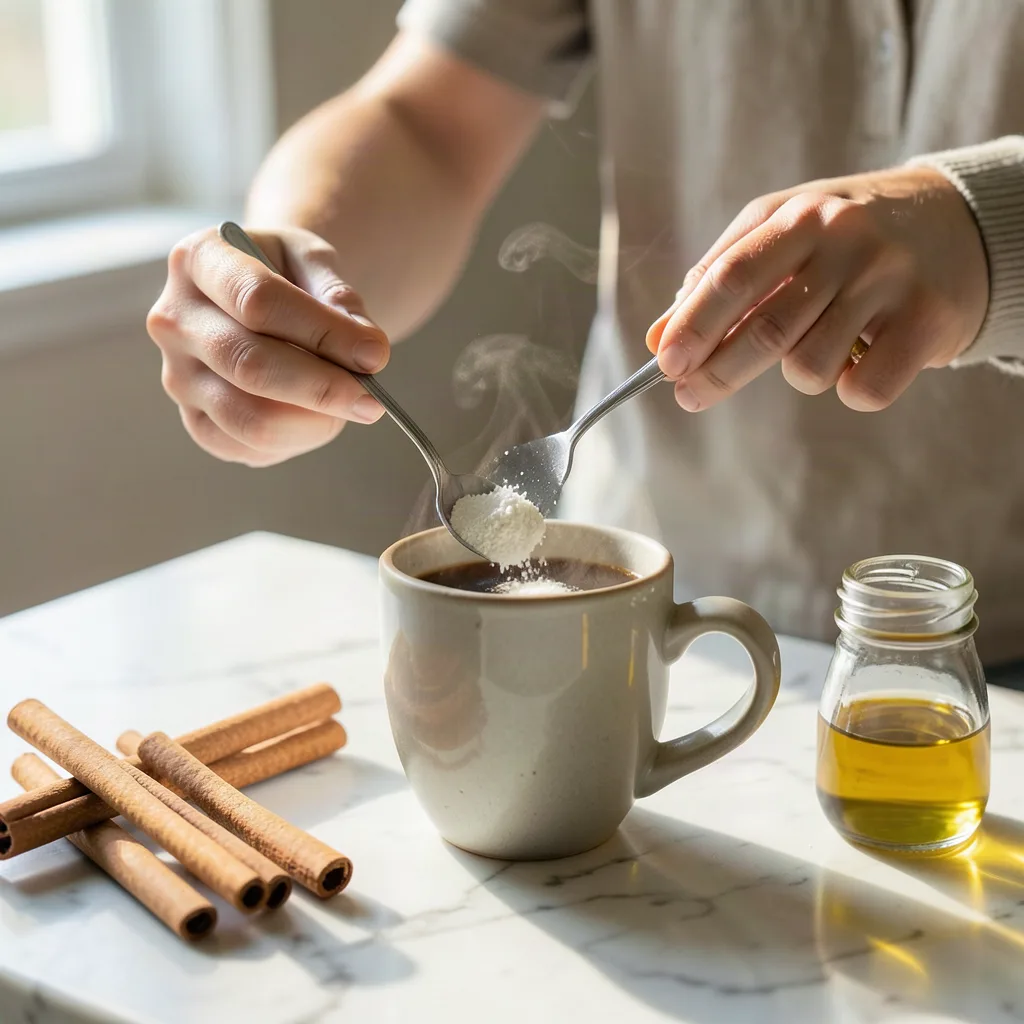
Coffee is more than a morning ritual; it can serve as a versatile carrier for a range of nutrients that support everyday wellness. This guide walks you through the science‑backed choices, practical steps, and safety tips you need to create or select healthy coffee supplements that fit your lifestyle. Whether you are looking to boost focus, support joint comfort, or simply enjoy a richer flavor profile, the information here helps you make informed decisions without relying on hype.
Key takeaways
- Use MCT oil powder for steady mental focus and hydrolyzed collagen peptides to support joint comfort and skin elasticity.
- Add adaptogens like ashwagandha or lion’s mane to balance caffeine stimulation and help the body manage daily stress.
- Brew coffee below 80°C before adding heat-sensitive supplements like B-vitamins or probiotics to preserve their nutritional integrity.
- Combine L-theanine with coffee to reduce jitters while promoting alpha-wave activity for better cognitive processing and calm.
- Select high-quality, organic Arabica beans to minimize pesticide exposure and ensure a clean base for your supplement blends.
Understanding Coffee as a Base for Supplements
When you add supplements to coffee, you are using the beverage as a delivery medium. The warmth of a freshly brewed cup can improve the solubility of certain powders, while the caffeine provides a mild stimulant effect that can enhance the perception of energy‑supporting nutrients. However, coffee also contains compounds such as chlorogenic acids and diterpenes that interact with other ingredients. Knowing these interactions helps you choose compatible supplements and avoid unwanted bitterness or reduced efficacy.
Choosing High‑Quality Coffee Beans
Quality starts at the bean. Opt for single‑origin Arabica beans that are shade‑grown and processed with minimal chemical intervention. These beans tend to have a smoother flavor profile and lower levels of acrylamide, a compound formed during high‑heat roasting. Look for certifications like Fair Trade or Organic, which signal adherence to sustainable farming practices and reduced pesticide residue—both important for a clean supplement base.
Popular Supplement Additions and Their Benefits
Below are some of the most common supplement categories that pair well with coffee. Each offers distinct advantages, but remember that individual responses can vary.
MCT Oil Powder
Medium‑chain triglycerides (MCTs) are derived from coconut or palm kernel oil. In powder form, they dissolve easily in hot coffee, providing a quick source of energy that the body can metabolize without needing bile salts. Many people report feeling a steadier mental focus during the mid‑morning slump when they add a teaspoon of MCT powder to their brew.
Collagen Peptides
Collagen supports the structural integrity of skin, hair, nails, and connective tissue. Hydrolyzed collagen peptides are flavor‑neutral and dissolve in hot liquids, making them a popular addition to coffee for those interested in maintaining joint comfort and skin elasticity. Choose a product sourced from grass‑fed bovine or wild‑caught marine sources for higher amino‑acid purity.
n
Adaptogenic Herbs
Adaptogens such as ashwagandha, rhodiola, and lion’s mane mushroom are known for their ability to help the body adapt to stress. When added to coffee, they can balance the stimulating effect of caffeine, potentially reducing jitteriness while supporting mental clarity. Use a measured dose (typically 200‑500 mg of powdered extract) to avoid overpowering the coffee’s flavor.
Vitamin and Mineral Blends
Water‑soluble vitamins like B‑complex and vitamin C can be incorporated into coffee without significant degradation, especially when the brew is below 80 °C (176 °F). These vitamins play roles in energy metabolism and antioxidant defense. For minerals, consider adding a pinch of magnesium citrate, which can aid muscle relaxation and complement caffeine’s alertness.
How to Formulate Your Own Coffee Supplement Blend
Creating a personalized blend starts with a clear goal: focus, recovery, or overall nutrition. Follow these steps to develop a balanced mix:
- Identify Your Primary Need. Write down the main benefit you seek (e.g., sustained focus).
- Select Complementary Ingredients. Pair a stimulant (caffeine) with an adaptogen or a slow‑release energy source (MCT powder).
- Determine Dosage. Use the manufacturer’s recommended serving size as a baseline. For a typical 240 ml cup, 1‑2 g of powder is a practical amount.
- Test Solubility. Stir the blend into hot water first; if clumps form, adjust particle size or add a small amount of a natural emulsifier such as lecithin.
- Document the Recipe. Record the exact grams of each component, brewing temperature, and stirring time for consistency.
Example Blend for Focus:
- 1 g MCT oil powder
- 200 mg ashwagandha extract (standardized to 5 % withanolides)
- 500 mg B‑complex powder
- Optional: a pinch of cinnamon for flavor and its mild anti‑inflammatory properties
Stir the mixture into freshly brewed coffee at 80 °C, let it sit for 30 seconds, then enjoy.
Safety Considerations and Interactions
While many coffee supplements are generally recognized as safe, a few precautions are worth noting:
- Caffeine Sensitivity. If you are sensitive to caffeine, limit the total caffeine content to 100 mg per cup or choose decaf as a base.
- Herb‑Drug Interactions. Adaptogens like ashwagandha may interact with thyroid medication or sedatives. Consult a healthcare professional if you take prescription drugs.
- Allergies. Ensure your supplement source is free from common allergens (e.g., soy, gluten) if you have sensitivities.
- Excess Nutrient Intake. Over‑supplementation of certain vitamins (especially fat‑soluble vitamins A, D, E, K) can lead to toxicity. Stick to recommended daily allowances.
When in doubt, start with a half‑dose and monitor how your body responds over several days before scaling up.
Brewing Techniques That Preserve Nutrients
The method you use to brew coffee can affect the stability of added supplements. Here are three approaches that maintain both flavor and nutrient integrity:
- French Press. This immersion method keeps water temperature steady and avoids paper filter contact, which can trap fine supplement particles.
- Cold Brew. Brewing at low temperatures (12‑24 °C) preserves heat‑sensitive compounds such as certain vitamins and adaptogenic extracts. Cold brew also reduces acidity, making it gentler on the stomach.
- Pour‑Over with a Metal Filter. A metal mesh filter allows fine powders to pass through while still delivering a clean cup. Keep the water just below boiling (around 92‑96 °C) to avoid degrading delicate compounds.
Whichever method you choose, add your supplement after the coffee is poured into the cup to minimize exposure to prolonged heat.
Storing and Shelf Life of Supplemented Coffee
Proper storage extends the potency of both coffee and added supplements:
- Airtight Containers. Store ground coffee and supplement powders in opaque, airtight jars to protect against moisture and light.
- Cool, Dry Environment. Ideal storage temperature is 15‑20 °C (59‑68 °F). Avoid the refrigerator for coffee beans, as humidity can cause flavor loss.
- Batch Preparation. If you pre‑mix a supplement blend, keep it in a small, sealed container and use a scoop for each brew. Most powders retain potency for 6‑12 months, but check the expiration date on each ingredient.
Never store coffee with added dairy or liquid supplements; these can spoil quickly and affect taste.
Everyday Routines: Incorporating Supplemented Coffee
Integrating your fortified coffee into daily life can be seamless with a few habit tweaks:
- Morning Ritual. Prepare your supplement blend the night before. In the morning, brew coffee, add the measured blend, and enjoy while reviewing your day’s priorities.
- Mid‑Afternoon Pick‑Me‑Up. Switch to a cold‑brew version with a lighter supplement dose (e.g., 0.5 g MCT powder) to avoid overstimulation.
- Pre‑Workout Boost. Combine a small amount of collagen with a pinch of beetroot powder for nitric‑oxide support, then drink 30 minutes before exercise.
- Evening Wind‑Down. Opt for decaf coffee with a calming adaptogen like lemon balm, paired with a magnesium supplement to promote relaxation.
Track your energy levels, digestion, and mood in a simple journal. Adjust the type or amount of supplement based on observed patterns rather than relying on generic recommendations.
Timing Your Coffee‑Supplement Ritual to Align With Circadian Rhythms and Meals
Beyond the simple “morning boost,” the hour you consume a fortified coffee can dramatically influence how your body processes both caffeine and the added nutrients. The human circadian system governs hormone release, enzyme activity, and gut motility, all of which affect supplement absorption. Below is a practical framework for synchronizing your coffee‑supplement intake with your internal clock and typical eating patterns.
- Early‑Morning Window (06:00‑09:00). Cortisol peaks shortly after waking, naturally enhancing alertness. Adding a low‑dose adaptogen (e.g., 100 mg rhodiola) at this time can amplify the cortisol‑driven wake‑up without overstimulating the nervous system. Pair it with a small amount of healthy fat (such as 1 g MCT powder) to facilitate the uptake of fat‑soluble nutrients that you might include later in the day.
- Pre‑Lunch Boost (11:00‑12:00). Blood glucose begins to rise after the first major meal. If you plan a carbohydrate‑rich lunch, consider a coffee blend that includes a modest dose of chromium picolinate (200 µg) to support glycemic control. This timing leverages the post‑prandial insulin surge, allowing chromium to act when glucose transporters are most active.
- Afternoon Slump Solution (14:00‑15:30). Post‑lunch dip in alertness coincides with a natural dip in core body temperature. A coffee‑based nootropic stack containing 300 mg L‑theanine and 200 mg citicoline can smooth the caffeine edge while enhancing focus. Because L‑theanine is water‑soluble, add it after brewing to preserve its amino‑acid structure.
- Pre‑Workout Power (17:00‑18:00). For athletes who train later, a coffee drink enriched with 5 g beta‑alanine and 2 g beetroot powder can improve muscular endurance and nitric‑oxide production. Consuming this 30‑minutes before exercise aligns the peak plasma concentrations of both compounds with the workout window.
- Evening Wind‑Down (20:00‑21:00). Decaf coffee combined with 300 mg magnesium glycinate and 200 mg valerian root extract can promote relaxation without the stimulant effect of caffeine. Magnesium should be taken with a small amount of food to avoid gastrointestinal upset.
Edge Cases: Individuals with delayed sleep phase syndrome may need to shift the entire schedule forward by 1‑2 hours. Shift‑workers should treat the first coffee of their “workday” as the morning window, regardless of clock time, and avoid caffeine within three hours of intended sleep.
Transitioning between these windows is simple: keep a small, labeled scoop set for each time slot, and adjust the brew temperature according to the stability of the chosen nutrients (see the next section for gut‑focused additives).
Probiotic and Prebiotic Infusions: Turning Coffee Into a Gut‑Health Vehicle
The gut microbiome influences immunity, mood, and even caffeine metabolism. Incorporating live cultures or fermentable fibers into coffee creates a synergistic platform that can modulate the microbiota while delivering the familiar comfort of a warm beverage. Below are three evidence‑backed approaches, each with step‑by‑step instructions and troubleshooting tips.
- Lyophilized Probiotic Powder. Choose a strain‑specific blend that survives mild heat (e.g., Bacillus coagulans or spore‑forming Lactobacillus plantarum). Add 1‑2 g of the powder to coffee that has cooled to below 45 °C (113 °F). Stir vigorously for 30 seconds to rehydrate the spores. Example: A 250 ml cup of cold‑brew coffee mixed with 1 g of a 10‑billion‑CFU probiotic provides a daily dose without compromising viability.
- Prebiotic Fiber Boost. Inulin or partially hydrolyzed guar gum (PHGG) dissolve well in warm liquids. Add 3‑5 g of inulin to your brew; it acts as a fermentable substrate for beneficial bacteria, enhancing short‑chain fatty acid production. Edge case: Individuals with IBS may experience bloating; start with 1 g and increase gradually.
- Synbiotic Coffee Latte. Combine 1 g of lyophilized probiotic with 4 g of prebiotic fiber, then emulsify with 2 g of a neutral‑flavored whey protein isolate to improve mouthfeel. Use a handheld frother to create a creamy texture that masks any residual bitterness.
When storing probiotic‑enhanced coffee, keep it in a vacuum‑sealed, opaque container and consume within 24 hours to preserve colony‑forming units. For long‑term use, pre‑mix the fiber and protein components, then add the probiotic just before drinking.
Transitioning from gut‑focused blends to cognitive stacks is seamless because both rely on precise temperature control and rapid dissolution techniques.
Advanced Nootropic Stacks: Building a Coffee‑Based Cognitive Powerhouse
While the original guide mentions basic adaptogens, a deeper dive into modern nootropics reveals compounds that can synergize with caffeine to amplify memory, processing speed, and neuroprotection. The following stack is designed for a 250 ml cup and can be customized based on tolerance and specific goals.
| Ingredient | Typical Dose | Primary Benefit | Compatibility Note |
|---|---|---|---|
| Caffeine (from coffee) | 80‑120 mg | Alertness, dopamine release | Base stimulant; adjust other stimulants accordingly |
| L‑Theanine | 200‑400 mg | Alpha‑wave promotion, jitter reduction | Highly soluble; add after brewing |
| Citicoline (CDP‑Choline) | 250‑500 mg | Acetylcholine precursor, improves focus | Water‑soluble; best mixed with warm (≤70 °C) coffee |
| Alpha‑GPC | 300 mg | Rapid choline delivery, supports memory | Requires slight emulsification; add a drop of lecithin |
| Uridine Monophosphate | 150 mg | Synaptic membrane synthesis, synergizes with choline | Stable in neutral pH; avoid acidic coffee (pH < 5) |
Step‑by‑Step Preparation:
- Brew coffee to 70 °C (158 °F) to protect choline derivatives.
- Stir in 1 g of a fine‑ground lecithin powder to create a temporary emulsion.
- Add L‑theanine and citicoline; mix for 20 seconds.
- Introduce Alpha‑GPC and uridine; allow the mixture to sit for 30 seconds to ensure full dissolution.
- Optional: Sprinkle a pinch of cinnamon for flavor and its own neuroprotective polyphenols.
Edge Cases: Users with a history of anxiety may need to halve the caffeine dose and increase L‑theanine to 400 mg to maintain calm. Those on anticoagulant medication should consult a clinician before adding Alpha‑GPC, as high choline levels can affect clotting pathways.
After mastering this stack, you can transition to sport‑focused blends (see the next section) without altering your preparation routine.
Customizing Coffee Supplements for Special Populations
One‑size‑fits‑all does not apply when it comes to nutrition. Pregnant individuals, seniors, and high‑performance athletes each have distinct physiological demands and safety thresholds. Below are tailored recommendations, complete with dosage adjustments and alternative ingredients.
Pregnancy & Lactation
- Caffeine Limit. Keep total caffeine below 200 mg per day. Use a half‑caffeinated blend or decaf as a base.
- Safe Additions. 300 mg of calcium‑fortified vitamin D3 (cholecalciferol) can support fetal bone development. Add 1 g of powdered spirulina for iron and B‑vitamin content, but verify that the product is free of heavy‑metal contamination.
- Avoid. High‑dose herbal adaptogens such as ashwagandha or rhodiola unless cleared by a prenatal specialist.
Seniors (65+)
- Joint Support. Incorporate 5 g of hydrolyzed collagen peptides together with 200 mg of glucosamine sulfate. This combo has been shown to improve cartilage matrix synthesis when taken consistently.
- Neuroprotection. Add 250 mg of phosphatidylserine (derived from soy‑free sources) to aid membrane fluidity and cognitive speed.
- Digestive Comfort. Use a low‑acid coffee (e.g., cold brew) and include 2 g of peppermint leaf powder to soothe the stomach.
Endurance & Strength Athletes
- Electrolyte Balance. Mix 300 mg of potassium citrate and 150 mg of sodium bicarbonate into post‑workout coffee for rapid re‑hydration.
- Protein Enrichment. Blend 20 g of isolate‑type whey or pea protein with 2 g of creatine monohydrate. The heat of coffee can denature whey; therefore, add protein after the coffee cools to ≤50 °C (122 °F).
- Fat Oxidation. A pre‑exercise coffee containing 2 g of caprylic‑acid MCT powder and 250 mg of green‑tea catechins (EGCG) can increase fatty‑acid mobilization.
Transition Note: By compartmentalizing your supplement blend according to the demographic focus, you can keep a master “core” coffee base (plain black coffee) and swap out modular add‑ins stored in labeled mini‑jars.
Regulatory Landscape, Quality Assurance, and Third‑Party Testing
Supplements occupy a gray area between food and medicine, making it essential to verify product integrity before integrating them into coffee. Below is a checklist that empowers you to navigate labeling claims, certifications, and lab reports.
- Identify the Regulatory Category. In the United States, dietary supplements are regulated under the DSHEA (Dietary Supplement Health and Education Act) rather than FDA food safety standards. This means manufacturers are responsible for safety, but not for pre‑market efficacy verification.
- Look for Third‑Party Seals. Organizations such as NSF International, USP (United States Pharmacopeia), and Informed‑Sport provide independent testing for contaminants, potency, and label accuracy. A valid seal should be accompanied by a batch‑specific QR code linking to the lab report.
- Check for Heavy‑Metal and Allergen Screens. Reputable labs test for lead, arsenic, cadmium, and mercury, as well as common allergens (gluten, soy, dairy). Request the Certificate of Analysis (CoA) if it is not posted online.
- Verify Ingredient Transparency. The label should list the exact source (e.g., “marine‑derived collagen from wild‑caught cod”) and the extraction method (hydrolyzed, cold‑pressed, etc.). Vague terms like “plant extract” without standardization percentages are red flags.
- Stability Testing. Some powders degrade when exposed to light or humidity. Look for a stated shelf‑life under “store‑once‑opened” conditions. If unavailable, assume a conservative 6‑month window for mixed blends.
Edge Cases: If you are sourcing supplements from overseas, ensure the product complies with your country’s import regulations. For example, the European Union requires a Novel Food assessment for certain algae‑derived powders.
Having vetted ingredients gives you confidence to experiment with advanced blends, such as the nootropic stack discussed earlier, without fearing hidden contaminants.
Sustainable Sourcing and Eco‑Friendly Packaging for Coffee‑Based Supplements
Health-conscious consumers increasingly consider the environmental footprint of their daily rituals. Below are actionable strategies to make your coffee‑supplement routine greener, from bean selection to packaging disposal.
- Bean Origin Transparency. Choose farms that practice agroforestry, where coffee trees are interplanted with native shade trees. This method sequesters carbon and preserves biodiversity. Look for certifications like Rainforest Alliance or Bird Friendly.
- Zero‑Waste Supplement Containers. Opt for bulk powder purchases stored in reusable glass jars with silicone seals. When buying from a retailer, ask if they offer a refill station to eliminate single‑use plastic pouches.
- Biodegradable Emulsifiers. If you need an emulsifier for your blend (e.g., lecithin), select sunflower‑derived lecithin packaged in compostable bags rather than soy‑based versions that may be linked to deforestation.
- Carbon‑Neutral Shipping. Some supplement brands offset their logistics emissions through reforestation projects. Verify the claim by checking for a third‑party verification badge.
- End‑of‑Life Composting. After the coffee grounds are used, add them to a compost bin along with any biodegradable supplement residue (e.g., powdered fiber). This returns nutrients to the soil and reduces landfill waste.
Practical Example: A home barista sources shade‑grown Ethiopian Arabica beans, purchases a 500 g bulk bag of certified organic ashwagandha root powder in a recyclable tin, and stores both in a single glass mason jar with a bamboo lid. After each brew, the spent grounds and any leftover powder are composted, creating a closed‑loop system.
By integrating these sustainable practices, you not only protect the planet but also ensure that the bioactive compounds you consume are free from environmentally derived contaminants, completing the circle of health from soil to cup.
Frequently Asked Questions
1. Can I add protein powder to my coffee?
Yes, whey or plant‑based protein isolates dissolve well in hot coffee. Choose an unflavored or lightly flavored version to avoid clashing with the coffee’s taste. Start with 15‑20 g per cup and increase gradually.
2. Does caffeine affect the absorption of vitamins?
Caffeine can slightly increase the urinary excretion of certain water‑soluble vitamins, but the effect is modest for typical coffee consumption. Pairing vitamins with food or a small amount of healthy fat (e.g., MCT powder) can help maintain absorption.
3. How much MCT powder is safe for daily use?
Most manufacturers recommend 1‑2 g per serving. Exceeding 3 g may cause gastrointestinal discomfort for some individuals. Begin with the lower dose and assess tolerance.
4. Are there any coffee‑friendly sweeteners that won’t interfere with supplements?
Natural low‑calorie sweeteners like stevia or monk fruit extract are generally inert with most supplement powders. Avoid sugar substitutes containing maltodextrin if you are tracking carbohydrate intake closely.
5. What should I do if I experience jitters after drinking supplemented coffee?
Reduce the caffeine content by using a half‑caffeinated blend or switching to decaf. Also, consider lowering the dose of stimulatory supplements (e.g., MCT or certain adaptogens) and ensure you are well‑hydrated.
Related posts:
 MCT Oil Side Effects Explained
 The Best Cold Brew Coffee Makers for a Refreshing Drink
 Cold Brew Wine Innovation
 The Benefits of Coffee
 The Sweet Science: Why Honey in Your Coffee Is a Game-Changer
 Caffeine Gum: The New Energy Booster
 Healthiest Coffee Orders
 The Best Time to Drink Coffee in the Morning