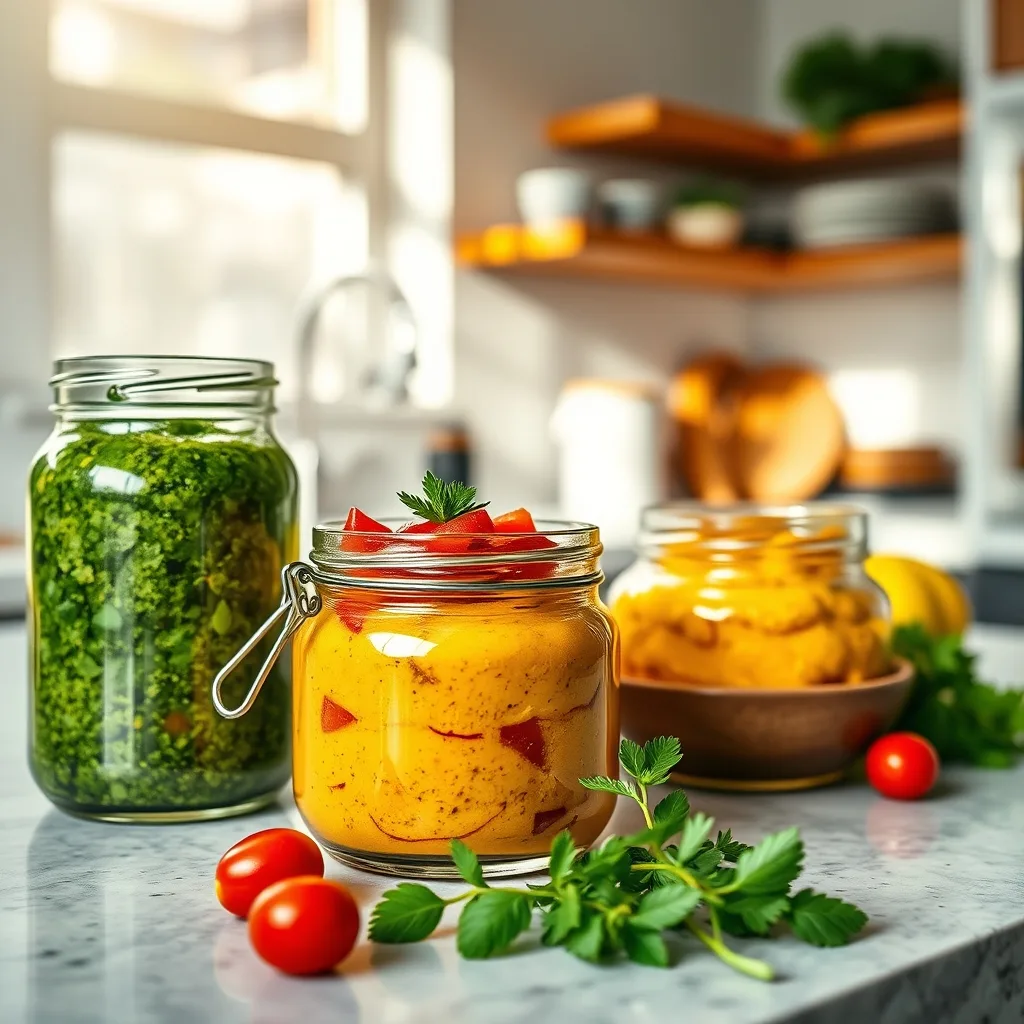
For many of us, the main components of a meal—the grilled salmon, the steamed broccoli, or the quinoa bowl—are nutritionally sound. However, the final touch often comes from the condiment bottle. Whether it is a swirl of mayonnaise, a drizzle of ketchup, or a dollop of store-bought BBQ sauce, these additions are designed to provide an immediate hit of flavor. The problem is that most commercial condiments are engineered for shelf-life and hyper-palatability rather than health, often relying on refined sugars, inflammatory seed oils, and excessive sodium to achieve their taste.
Key takeaways
- Avoid condiments containing high-fructose corn syrup, inflammatory seed oils, and excessive sodium by checking the first three ingredients on labels.
- Incorporate fermented foods like sauerkraut, kimchi, and miso to add complex flavor while introducing beneficial probiotics for gut health.
- Use healthy fats like tahini, avocado, and olive oil to achieve creamy textures without relying on refined oils or artificial thickeners.
- Boost meal vibrancy with acidic brighteners like apple cider vinegar, fresh citrus, and homemade herb-based sauces like chimichurri.
The good news is that you do not have to sacrifice flavor to maintain a health-conscious diet. In fact, switching to nutrient-dense condiments can transform a meal from simply “healthy” to a culinary experience that satisfies every taste bud. By focusing on whole-food ingredients, fermentation, and fresh aromatics, you can enhance your meals while supporting your gut health, managing blood sugar, and increasing your intake of essential vitamins. This guide explores the best healthy condiments and provides actionable strategies to upgrade your pantry.
The Hidden Truth About Store-Bought Condiments
To understand why we need healthier alternatives, we must first look at what is typically inside a standard bottle of commercial condiments. Most mass-produced sauces utilize high-fructose corn syrup (HFCS) as a primary sweetener. HFCS is linked to insulin resistance and metabolic dysfunction because it is processed by the liver differently than glucose. Furthermore, many use soybean or canola oil, which are high in omega-6 fatty acids; while essential in small amounts, an imbalance can contribute to systemic inflammation.
Sodium is another primary concern. Salt is a natural flavor enhancer, but the levels found in processed condiments often exceed a significant portion of the recommended daily intake in just one tablespoon. This can lead to water retention and increased blood pressure. Beyond the macronutrients, thickeners like xanthan gum, modified corn starch, and artificial preservatives are added to ensure the product remains stable for months on a supermarket shelf. While safe for consumption, these additives provide zero nutritional value and can, in some individuals, cause digestive sensitivity.
Fermented Favorites: Probiotics in a Jar
One of the most powerful ways to enhance a meal is through fermented condiments. Fermentation is an ancient preservation method that not only adds a complex, tangy flavor profile but also introduces beneficial probiotics to the gut microbiome. A healthy gut is linked to improved immunity, better mood regulation, and more efficient digestion.
Kimchi and Sauerkraut: These fermented cabbage staples are powerhouses of Vitamin C and K. Instead of using a heavy cream sauce on a sandwich or a sugary relish on a burger, try a spoonful of raw, unpasteurized sauerkraut. The acidity cuts through the richness of proteins and adds a satisfying crunch. Kimchi, with its addition of garlic, ginger, and chili, provides a spicy kick that can wake up a bland bowl of brown rice or steamed greens.
Miso Paste: Derived from fermented soybeans, miso is a staple in Japanese cuisine. It offers a deep, salty “umami” flavor that mimics the satisfaction of processed salts but with added enzymes and minerals. Miso can be whisked into a dressing with rice vinegar and sesame oil, or stirred into a soup. Because it is a concentrated paste, a small amount goes a long way, making it an efficient way to add depth to roasted vegetables or glazes for tofu and fish.
Nut-Based and Seed-Based Spreads
When looking for creamy textures, many people reach for mayonnaise, which is often based on refined oils. Switching to nut and seed-based condiments allows you to incorporate healthy monounsaturated fats, plant-based proteins, and minerals like magnesium and zinc into your diet.
Tahini: Made from toasted, ground sesame seeds, tahini is an incredibly versatile condiment. Its nutty, slightly bitter profile makes it an excellent base for dressings. When mixed with lemon juice, garlic, and water, it creates a creamy sauce that is far more nutrient-dense than traditional ranch or Caesar dressings. Tahini is rich in sesamin and sesamolin, antioxidants that may help lower cholesterol.
Almond and Cashew Butters: While often viewed as breakfast spreads, unsweetened nut butters can be used in savory applications. A dollop of almond butter mixed with sriracha and lime juice creates a sophisticated Thai-inspired dipping sauce for spring rolls or grilled chicken. The healthy fats in these spreads promote satiety, meaning you feel full longer and are less likely to reach for processed snacks between meals.
Pesto: Traditional pesto, made from fresh basil, pine nuts, parmesan, and extra-virgin olive oil, is essentially a healthy condiment. It is packed with heart-healthy fats and the antioxidant properties of fresh herbs. To make it even healthier, you can swap pine nuts for walnuts or pumpkin seeds and use a small amount of nutritional yeast instead of cheese for a dairy-free version.
Vinegar-Based Enhancers and Acidic Brighteners
Acidity is the secret weapon of professional chefs. When a dish tastes “flat,” it usually doesn’t need more salt; it needs acid. Vinegar-based condiments provide a sharp contrast to savory and sweet flavors, stimulating the salivary glands and making food taste more vibrant without adding calories.
Apple Cider Vinegar (ACV): ACV is prized not just for its flavor, but for its potential to help stabilize blood sugar levels after a meal. Using ACV as a base for a vinaigrette—combined with olive oil and a pinch of Dijon mustard—creates a clean, refreshing dressing that complements salads and roasted meats perfectly.
Balsamic Glaze and Vinegar: While balsamic vinegar is naturally sweet, be cautious of “balsamic glazes” which often have added sugar. Instead, simmer a high-quality balsamic vinegar until it reduces naturally. This creates a thick, syrupy condiment that adds a sophisticated sweetness to caprese salads, grilled peaches, or roasted Brussels sprouts.
Rice Vinegar: This is a milder, sweeter vinegar that is ideal for Asian-inspired dishes. It is excellent for quick-pickling vegetables. By soaking sliced cucumbers or carrots in rice vinegar and a touch of honey, you create a probiotic-adjacent condiment that adds brightness and texture to tacos or grain bowls.
Fresh Herb and Citrus Infusions
The most nutrient-dense condiments are those made from fresh, whole plants. These additions provide a burst of micronutrients and antioxidants while remaining virtually calorie-free.
Chimichurri: This Argentinian sauce, made from finely chopped parsley, garlic, oregano, vinegar, and olive oil, is a masterclass in healthy flavor. Parsley is rich in Vitamin K, and garlic is known for its antimicrobial properties. Chimichurri is the perfect replacement for steak sauce or heavy gravies, providing a fresh, zesty lift to grilled proteins.
Gremolata: A simple mixture of lemon zest, minced garlic, and parsley, gremolata is used as a garnish that acts as a condiment. The lemon zest provides an aromatic brightness that cuts through the heaviness of stews or roasted fish, while the garlic adds a pungent depth. It is a great way to introduce fresh greens into a meal without needing a separate side salad.
Citrus-Garlic Blends: Simply mixing fresh lemon or lime juice with minced garlic and a touch of olive oil creates a multipurpose condiment. This can be used as a marinade, a drizzle for steamed asparagus, or a dip for shrimp. The Vitamin C in the citrus also helps the body absorb non-heme iron from plant-based foods like spinach and lentils.
Low-Sugar Alternatives to Classic Staples
Some condiments are so ingrained in our eating habits that it feels impossible to remove them. The key here is not necessarily elimination, but substitution with a healthier, whole-food alternative that mimics the original experience.
Greek Yogurt as a Substitute: Plain, unsweetened Greek yogurt is the ultimate “swap” condiment. It has a similar tang and creaminess to sour cream or mayonnaise but is packed with protein and probiotics. Use it as a base for dip, a dollop on top of chili, or as a creamy binder for tuna or chicken salad. To add more flavor, stir in chopped chives, dill, or smoked paprika.
Avocado as a Spread: Instead of using processed spreads or butter on toast and sandwiches, use mashed avocado. Avocado provides a buttery texture and is rich in oleic acid, a monounsaturated fatty acid that supports heart health. Adding a squeeze of lime and a pinch of sea salt transforms it into a simple guacamole that enhances everything from eggs to wraps.
Hummus: While often sold as a dip, hummus is an excellent condiment. Its blend of chickpeas and tahini provides a creamy, savory element that can replace mayo on a turkey sandwich or serve as a base layer for a wrap, adding both fiber and protein to the meal.
Spices and Dry Rubs: Flavor Without Calories
Not all condiments need to be wet. Dry condiments—in the form of spice blends—allow you to layer flavor onto food without adding oils, sugars, or sodium. By creating your own blends, you avoid the anti-caking agents and fillers found in store-bought seasoning packets.
Turmeric and Cumin Blends: These earth-toned spices add warmth and depth. Turmeric contains curcumin, a potent anti-inflammatory compound. When mixed with a bit of black pepper (which increases curcumin absorption), it makes a wonderful dry rub for roasted cauliflower or chickpeas.
Smoked Paprika: This spice provides a “fire-roasted” flavor without the need for sugary BBQ sauces. It is excellent for seasoning sweet potatoes or adding a smoky dimension to a homemade bean dip. Smoked paprika gives the illusion of richness and depth, satisfying the craving for savory, grilled flavors.
Everything Bagel Seasoning: A mix of sesame seeds, poppy seeds, dried garlic, and dried onion provides a salty, crunchy element. Instead of using high-sodium table salt, a sprinkle of this blend on avocado toast or sliced cucumbers adds complex flavor and a bit of healthy fat from the seeds.
How to Read Labels Like a Pro
When you are at the store and cannot find a homemade alternative, knowing how to navigate the label is essential. The goal is to find products that are as close to “single-ingredient” as possible.
The Rule of Three: Look at the first three ingredients. These make up the bulk of the product. If sugar, high-fructose corn syrup, or refined seed oils (like soybean or corn oil) are in the top three, the condiment is likely more of a dessert or a processed oil product than a flavor enhancer. Look for olive oil, avocado oil, or vinegar as the primary ingredients.
Identify Hidden Sugars: Sugar hides under many names. Look for maltodextrin, dextrose, barley malt, agave nectar, or brown rice syrup. While some of these are “natural,” they still impact blood glucose levels similarly to refined sugar. A healthy condiment should have minimal added sugars, relying instead on the natural sweetness of ingredients like dates, onions, or carrots.
Check for Additives: Be wary of long lists of chemical names. While most are FDA-approved, a shorter ingredient list usually indicates a less processed product. Avoid “artificial flavors” and instead look for “natural flavors” or, better yet, the actual herbs and spices listed individually.
Simple DIY Recipes for Home-Made Condiments
Making your own condiments is surprisingly simple and often takes less than ten minutes. Here are two versatile recipes to get you started.
1. Creamy Cashew Garlic Sauce (Mayo Alternative)
This sauce is rich, velvety, and completely plant-based. It is perfect for sandwiches, dipping vegetables, or drizzling over roasted roots.
- Ingredients: 1/2 cup raw cashews (soaked in water for 2 hours), 1/4 cup water, 1 tablespoon lemon juice, 1 clove of garlic, a pinch of sea salt.
- Instructions: Drain the soaked cashews. Place all ingredients in a high-speed blender or food processor. Blend until completely smooth. If it is too thick, add water one tablespoon at a time until you reach your desired consistency. Store in a glass jar in the fridge for up to 5 days.
2. Quick-Pickled Red Onions (The All-Purpose Brightener)
These onions add a pop of color and a sharp, tangy flavor to tacos, salads, and burgers.
- Ingredients: 1 large red onion (thinly sliced), 1/2 cup apple cider vinegar, 1 tablespoon honey or maple syrup, 1 teaspoon sea salt.
- Instructions: Place the sliced onions in a clean glass jar. In a small bowl, whisk together the vinegar, honey, and salt. Pour the mixture over the onions, ensuring they are fully submerged. Seal the jar and let it sit in the refrigerator for at least 30 minutes (though 24 hours is best). They will keep for 2-3 weeks.
Frequently Asked Questions
Q: Are all “low-fat” condiments healthier options?
A: Not necessarily. When manufacturers remove fat from condiments like mayonnaise or salad dressings, they often replace it with sugar, corn syrup, or thickeners to maintain the texture and flavor. This can actually make the condiment less healthy by increasing the glycemic load. It is generally better to choose a full-fat version made with healthy fats (like olive oil or avocado) and use a smaller portion.
Q: How can I reduce the sodium in my condiments without losing flavor?
A: The best way to reduce sodium is to increase acidity and aromatics. Use more lemon juice, lime juice, or vinegars to provide a “sharp” taste that tricks the palate into not missing the salt. Additionally, incorporating fresh herbs like cilantro, basil, and mint, or pungent ingredients like fresh garlic and ginger, adds layers of flavor that make high salt levels unnecessary.
Q: Can I use these healthy condiments if I have a sensitive stomach?
A: Generally, yes, but be mindful of fermented foods. If you are new to probiotics, start with small amounts of sauerkraut or kimchi to allow your gut bacteria to adjust. For those sensitive to nuts, tahini (sesame) or avocado-based spreads are excellent alternatives to cashew or almond-based sauces.
Q: What is the best way to store homemade condiments to ensure they stay fresh?
A: Always use clean, airtight glass jars. Glass is non-reactive and helps preserve the flavor better than plastic. Most homemade condiments rely on acidity (vinegar/lemon) or refrigeration to stay fresh. Keep them in the coldest part of your refrigerator and use a clean spoon every time you scoop to prevent cross-contamination, which can lead to spoilage.
Q: Are store-bought organic condiments always healthy?
A: The “organic” label refers to how the ingredients were grown, not the nutritional profile of the final product. An organic ketchup can still be loaded with organic cane sugar and organic corn syrup. Always look past the organic seal and read the actual ingredient list to ensure you are avoiding refined sugars and inflammatory oils.
Related posts:
 Best Garlic Press Guide
 Magic Avocado Sauce Recipe
 Forget Bleach: This Kitchen Staple Cleans Everything
 Finding Your Condiment Soulmate
 Keep Bugs Out of Your House Using This Kitchen Staple
 4 Soy Sauce Substitutes for Cooking
 How to Reduce Sodium Intake Without Losing Flavor
 Essential Korean Condiments