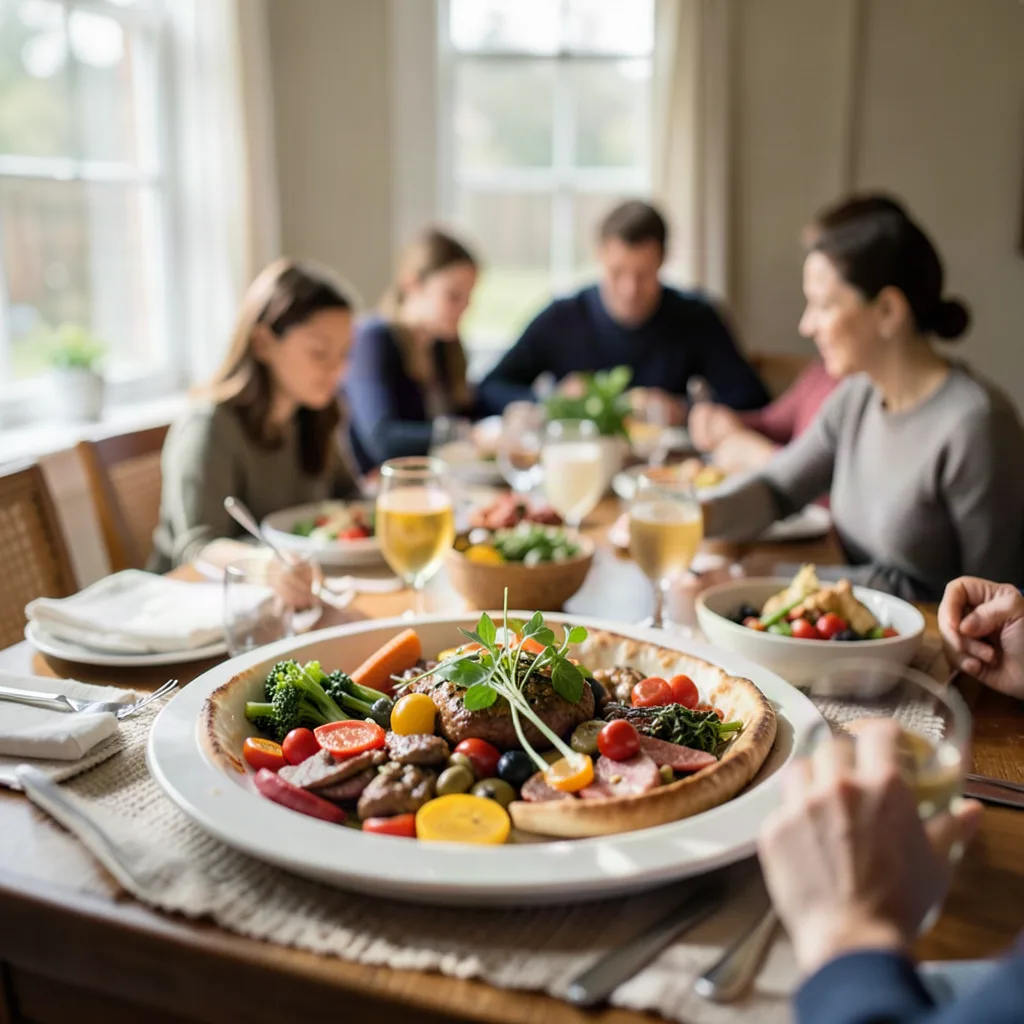
When the workday stretches into evening and the kids are already winding down, the idea of cooking a nutritious dinner can feel overwhelming. Yet with a few strategic habits, a handful of versatile ingredients, and the right kitchen shortcuts, you can serve meals that are both wholesome and quick. Below, seasoned dietitians, culinary educators, and busy‑family chefs share the exact approaches they rely on nightly. Each section offers a clear plan, concrete recipe ideas, and actionable steps you can implement tomorrow.
Master the Weekly Meal Blueprint
Successful busy‑night cooking starts long before you turn on the stove. A weekly blueprint reduces decision fatigue, minimizes grocery trips, and ensures you have the nutrients you need on hand. Here’s how to build one that works for any schedule:
- Set a theme day. Assign simple categories—e.g., Meatless Monday, Taco Tuesday, Sheet‑Pan Thursday—to give each night a clear direction.
- Map protein, grain, and veg combos. Write a quick table with three columns (Protein, Grain, Veg) and fill in 5‑7 rows. This visual cue helps you spot gaps and balance macros.
- Batch‑shop the pantry staples. Items like canned beans, frozen vegetables, brown rice, and whole‑grain pasta have long shelf lives and form the backbone of many dishes.
- Allocate prep blocks. Spend 30‑45 minutes on Sunday (or any free evening) to wash, chop, and portion vegetables, cook a large grain batch, and pre‑season proteins. Store in airtight containers for easy pull‑out.
By committing to a written plan, you turn “what’s for dinner?” into a quick glance at your spreadsheet, freeing mental space for the rest of the evening.
Build‑a‑Base: Cooked Grains, Legumes, and Proteins
Having ready‑to‑use bases cuts cooking time dramatically. Choose at least two grain options, one legume, and one protein that can be reheated or tossed cold.
- Grains. Cook a pot of quinoa, brown rice, or farro; each yields about 4 cups and stores for up to 5 days in the fridge. For extra flavor, simmer them in low‑sodium broth and add a bay leaf.
- Legumes. A batch of cooked lentils or a can of chickpeas (rinsed) provides protein, fiber, and iron. Season with cumin and smoked paprika for a quick taco filling.
- Proteins. Roast a sheet‑pan of chicken thighs with olive oil, salt, and rosemary; or bake a block of firm tofu, pressing it first and marinating in soy‑ginger sauce. Portion into 4‑6 servings.
When dinner time arrives, you can mix‑and‑match these components: a quinoa bowl with lentils, roasted veg, and a drizzle of tahini; or whole‑grain pasta topped with shredded chicken and a quick tomato‑basil sauce.
One‑Pan & Sheet‑Pan Dinners
One‑pan meals are the holy grail for busy households because they combine cooking and cleanup in a single step. The key is layering flavors and timing ingredients so everything finishes together.
- Sheet‑Pan Salmon & Veggies. Place salmon fillets on a parchment‑lined tray, surround with broccoli florets, sliced bell peppers, and cherry tomatoes. Drizzle with lemon‑garlic olive oil, season, and roast at 425°F for 12‑15 minutes.
- Stir‑Fry Skillet. Heat a wok, add a splash of sesame oil, then toss pre‑cut carrots, snap peas, and thinly sliced beef. Finish with a sauce of low‑sodium soy, ginger, and a touch of honey. Serve over reheated brown rice.
- Veggie‑Loaded Frittata. In a cast‑iron skillet, sauté spinach, mushrooms, and onions. Pour beaten eggs mixed with a splash of milk, season, and bake at 350°F until set (about 10 minutes). Slice and serve with a side salad.
These dishes require only a handful of steps, and the pan can go straight from oven to table, making them perfect for rushed evenings.
Speedy Protein Options
Protein often feels like the slowest component, but several choices can be ready in five minutes or less.
- Eggs. Scrambled, poached, or turned into a quick omelet with leftover veggies—an egg provides about 6 g of high‑quality protein per large egg.
- Canned fish. Salmon, sardines, or tuna packed in water are ready to flake onto salads, mix with Greek yogurt for a spread, or combine with whole‑grain crackers.
- Pre‑cooked shrimp. Many grocery stores sell peeled, cooked shrimp that only need reheating in a pan with garlic and a splash of white wine.
- Plant‑based tempeh. Slice thinly, marinate for 10 minutes, then pan‑sear; it crisps quickly and adds a nutty flavor.
Pair these proteins with your pre‑made grain base and a quick vegetable side for a balanced plate in under 20 minutes.
Veggie‑Centric Meals in 30 Minutes
Vegetables are nutrient powerhouses, and they don’t have to sit on the stove for long. Use high‑heat techniques and pre‑cut produce to keep cooking time short.
- Sautéed Greens. Heat a large skillet, add a teaspoon of olive oil, then toss kale, Swiss chard, or spinach with minced garlic. Cook until wilted (2‑3 minutes) and finish with a squeeze of lemon.
- Quick Ratatouille. Cube zucchini, eggplant, and bell pepper; sauté with onion, canned diced tomatoes, herbs de Provence, and a pinch of red pepper flakes. Simmer 10‑12 minutes.
- Stir‑Fry with Pre‑Cut Mix. Many stores sell frozen stir‑fry blends that include broccoli, carrots, and snap peas. Cook in a hot pan with a splash of soy sauce and finish with toasted sesame seeds.
These methods preserve color, texture, and nutrients while delivering flavor fast.
Flavor Boosters from the Pantry
Even the simplest dinner can feel gourmet with a few pantry staples. Keep these items stocked and you’ll never need a trip to the store for extra seasoning.
- Umami Paste. A small jar of miso, fermented bean paste, or anchovy paste can deepen sauces in seconds. Stir a teaspoon into a broth or stir‑fry.
- Citrus Zest. Grated lemon, lime, or orange zest adds brightness without extra sodium.
- Fresh Herbs vs. Dried. Keep a few fresh herbs (parsley, cilantro, basil) in the fridge; they last up to a week when stored in a jar of water. Dried herbs are perfect for rubs and long‑simmer sauces.
- Nuts & Seeds. Toasted almonds, pumpkin seeds, or toasted sesame oil add crunch and healthy fats. A tablespoon sprinkled over a bowl adds texture and satiety.
Experiment by adding one booster at a time; the result is a dinner that tastes custom‑crafted rather than rushed.
Tools That Cut Prep Time
Investing in a few kitchen tools can shave 10‑20 minutes off most dinner routines.
- Food‑Processor. Pulse vegetables for sauces, shred cheese, or make quick hummus for a protein‑rich spread.
- Mandoline Slicer. Uniformly thin slices of carrots, zucchini, or potatoes cook faster and look restaurant‑ready.
- Instant‑Read Thermometer. Guarantees perfect doneness for chicken, fish, or pork without overcooking.
- Silicone Baking Mats. Eliminate the need for parchment paper, reduce waste, and make sheet‑pan cleanup a breeze.
Even a single tool—like a good quality chef’s knife—makes chopping quicker and safer, which is the first step toward faster meals.
Putting It All Together: A Sample 5‑Day Plan
Below is a concise example that incorporates the strategies above. Adjust portions and flavors to suit your family’s preferences.
- Monday – Mediterranean Quinoa Bowl. Base: cooked quinoa. Add: canned chickpeas (rinsed), diced cucumber, cherry tomatoes, feta, and a drizzle of lemon‑olive‑oil dressing.
- Tuesday – Sheet‑Pan Chicken & Veggies. Roast pre‑seasoned chicken thighs with broccoli, sweet potato wedges, and red onion. Serve with a side of mixed greens.
- Wednesday – Quick Shrimp Stir‑Fry. Sauté pre‑cooked shrimp with frozen stir‑fry veggies, garlic, ginger, and soy‑ginger sauce. Serve over reheated brown rice.
- Thursday – Veggie‑Forward Frittata. Combine sautéed spinach, mushrooms, and onions with beaten eggs; bake until set. Pair with a simple arugula salad.
- Friday – Taco Night with Lentil “Meat”. Warm canned lentils with taco seasoning, serve in whole‑grain tortillas with avocado, salsa, and shredded lettuce.
Each meal requires under 30 minutes of active cooking, relies on at least one pre‑made base, and includes a protein source that’s either pre‑cooked or cooks quickly.
Smart Appliance Hacks: Instant Pot, Air Fryer, and Microwave
When the clock is ticking, the right appliance can turn a 30‑minute dinner into a 10‑minute miracle. Below are three work‑horse gadgets, the types of dishes they excel at, and practical tips for getting the most flavor without sacrificing nutrition.
- Instant Pot (or any electric pressure cooker). The sealed environment builds pressure, which cooks proteins, grains, and legumes in a fraction of the usual time. A classic example is a one‑pot quinoa‑chicken chili: combine rinsed quinoa, diced chicken breast, low‑sodium black beans, canned fire‑roasted tomatoes, a splash of chicken broth, chili powder, cumin, and a pinch of smoked paprika. Seal the lid, set to Manual high pressure for 8 minutes, then allow a natural release for 5 minutes. The result is a hearty bowl with fully cooked quinoa and tender chicken—no separate stovetop steps required.
- Air Fryer. Hot air circulation creates a crisp exterior while keeping the interior moist. It shines with foods that traditionally need deep‑frying or oven‑roasting. Try air‑fried cauliflower “wings“: toss florets with a mixture of olive oil, garlic powder, and a dash of hot sauce; arrange a single layer in the basket and cook at 400°F for 12‑15 minutes, shaking halfway through. The cauliflower becomes golden and crunchy, perfect for a quick snack or a protein‑light main when paired with a Greek‑yogurt dip.
- Microwave‑Friendly Steam Bags. Modern microwave steam bags let you blanch or steam vegetables in under five minutes without added fat. Place a handful of broccoli florets or snap peas in the bag, add a teaspoon of water, seal, and microwave on high for 2‑3 minutes. The vegetables retain vivid color and most of their micronutrients, making them an instant side that can be tossed with a squeeze of lemon and toasted sesame seeds.
Edge Cases & Troubleshooting:
- If a recipe calls for a long simmer (e.g., a stew), reduce the liquid by about 20 % before pressure cooking to avoid a soupy final product.
- When air‑frying frozen items, increase the cooking time by roughly 25 % and avoid overcrowding the basket; otherwise the hot air cannot circulate evenly.
- For microwave steaming, avoid over‑cooking by checking the texture after the first minute; vegetables should be tender‑crisp, not mushy.
By integrating at least one of these appliances into your nightly routine, you add a reliable shortcut that preserves nutrients, reduces cleanup, and keeps flavor front‑and‑center.
Batch‑Cooked Sauces, Dressings, and Condiments That Last All Week
Even the most carefully planned dinner can fall flat without a good sauce or dressing. The secret is to create a handful of versatile flavor bases on a weekend or a free evening, then store them in the fridge or freezer for daily use. Below are five pantry‑friendly concoctions, storage guidelines, and ideas for remixing them into completely different meals.
- Roasted Red‑Pepper & Walnut Pesto. Roast a tray of red bell peppers until charred, peel, and blend with toasted walnuts, garlic, a drizzle of olive oil, a splash of red‑wine vinegar, and a pinch of sea salt. This pesto can be tossed with whole‑grain spaghetti, spread on a toasted baguette for a quick bruschetta, or dolloped onto grilled tofu for a Mediterranean twist. Store in a glass jar for up to five days; the walnuts oxidize slowly, so keep the lid tight.
- Creamy Avocado‑Cilantro Lime Dressing. Blend a ripe avocado with fresh cilantro, lime juice, a small clove of garlic, Greek yogurt, and enough water to reach a pourable consistency. This dressing works on salads, as a dip for raw veggie sticks, or as a sauce for baked fish. Because avocado oxidizes, add a teaspoon of lemon juice and keep the container airtight; it stays vibrant for four days in the fridge.
- Spiced Tomato‑Basil Sauce. Simmer canned crushed tomatoes with minced garlic, fresh basil, oregano, a pinch of red‑pepper flakes, and a splash of balsamic vinegar. Let it cool, then portion into freezer‑safe bags. One cup portions thaw in minutes in the microwave and can be used for pasta, as a base for shakshuka, or mixed with cooked lentils for a quick meat‑less ragu.
- Quick Miso‑Ginger Glaze. Whisk together white miso, grated ginger, a drizzle of honey, and low‑sodium soy sauce. This glaze is perfect for brushing on salmon before broiling, drizzling over roasted Brussels sprouts, or stirring into a bowl of soba noodles. Store in a small jar; it keeps for a week in the refrigerator.
- Smoky Chipotle Yogurt Dip. Combine plain Greek yogurt with chipotle in adobo sauce (finely minced), a squeeze of lime, and a sprinkle of smoked paprika. This dip adds a smoky kick to tacos, works as a spread for whole‑grain wraps, or can be thinned with a bit of water to become a sauce for grilled chicken. It lasts for six days, thanks to the acidity of the yogurt.
Storage Tips:
- Label each container with the date prepared; sauces lose their bright flavors after about a week in the fridge.
- For longer storage, freeze sauces in ice‑cube trays, then transfer the frozen cubes to a zip‑top bag. This way you can pop out a single serving without thawing the entire batch.
- When reheating, do so gently over low heat to preserve delicate herbs; high heat can cause bitterness in basil or cilantro.
These five bases create a flavor library that lets you assemble a new dinner in minutes, keeping meals exciting while minimizing daily prep.
Freezer‑Friendly Make‑Ahead Meals for the Unexpected Rush
Even the best weekly blueprint can be derailed by a late meeting, a sick child, or a sudden social commitment. Having a stash of fully assembled, freezer‑ready meals means you never have to sacrifice nutrition for convenience. Below are three categories of freezer‑friendly dishes, step‑by‑step assembly instructions, and guidance on reheating without compromising texture.
- Portion‑Packaged Grain Bowls. Layer cooked grains (brown rice, farro, or quinoa) at the bottom of a freezer‑safe container, add a protein (pre‑cooked shredded chicken, tempeh crumbles, or seasoned ground turkey), then top with a mix of roasted vegetables (sweet potatoes, bell peppers, carrots). Finish with a small compartment of sauce (see the batch‑cooked sauces above). When ready to eat, microwave the bowl for 3‑4 minutes, stirring halfway through to distribute the sauce evenly.
- Stuffed Pepper or Tomato Casseroles. Halve bell peppers or large tomatoes, scoop out the seeds, and fill with a mixture of cooked lentils, quinoa, diced zucchini, and a sprinkle of feta. Place the stuffed vegetables in a single layer on a parchment‑lined tray, flash‑freeze for 30 minutes, then transfer to a zip‑top bag. To serve, bake at 375°F for 20‑25 minutes; the vegetables soften while the cheese melts into a creamy topping.
- Freezer‑Friendly Soup Packs. Portion out homemade soups (butternut squash, split‑pea, or minestrone) into individual containers, leaving about a half‑inch of headspace for expansion. For soups that contain dairy, add the dairy component (e.g., coconut milk, cream) after reheating to avoid separation. When you need a quick dinner, simply thaw the bag in the refrigerator overnight and heat on the stovetop or in the microwave.
Edge Cases & Best Practices:
- Avoid over‑cooking vegetables before freezing; they should be al‑dente so they finish cooking during reheating.
- If you’re using a high‑water‑content vegetable like zucchini, pat it dry after sautéing to prevent a soggy final dish.
- Label each package with both the preparation date and a brief description (e.g., “Thai‑style chicken rice bowl”). This prevents the dreaded mystery‑box scenario.
By dedicating an hour on a weekend to assemble these freezer meals, you create a safety net that guarantees a wholesome dinner, even on the most chaotic evenings.
Budget‑First Strategies: Stretching Ingredients and Reducing Waste
Healthy eating often gets blamed for a higher grocery bill, yet strategic purchasing and clever ingredient use can keep costs low without compromising nutrition. Below are actionable tactics that transform inexpensive staples into multiple dinner options.
- Buy in Bulk, Portion at Home. Large bags of dried beans, lentils, and whole‑grain pasta are significantly cheaper per pound. After cooking a big pot of beans, divide them into freezer bags in 2‑cup portions. One portion can become a Mexican‑style bean salad, another can be blended into a creamy soup, and a third can serve as a protein boost for a grain bowl.
- Utilize “Ugly” Produce. Many grocery stores discount misshapen or over‑ripe fruits and vegetables. Over‑ripe bananas become perfect for quick banana‑oat pancakes; slightly wilted spinach can be wilted further in a hot pan and incorporated into a lasagna or a green‑smoothie base.
- Make Your Own Stock. Save vegetable scraps (onion ends, carrot peels, celery leaves) in a zip‑top bag in the freezer. When the bag is full, simmer the scraps with water, herbs, and a pinch of salt for 30 minutes, then strain. This homemade stock adds depth to soups and sauces without the sodium spike of store‑bought versions.
- Transform Leftovers Into New Meals. A leftover roasted chicken carcass can become a hearty broth; the meat stripped off can be tossed into a quinoa salad or used as a filling for tacos. Similarly, a day‑old stir‑fry can be repurposed by adding a different sauce (e.g., a peanut‑ginger sauce) and serving over a new grain.
- Plan “Ingredient‑Anchor” Meals. Choose one inexpensive ingredient (e.g., canned tomatoes) and build several dishes around it throughout the week: a tomato‑based pasta sauce, a chunky chili, a roasted tomato soup, and a bruschetta topping. This reduces the number of unique items you need to purchase.
Edge Cases & Tips for Success:
- If you’re limited to a small freezer, prioritize freezer‑friendly items (soups, cooked beans, cooked grains) that stack flatly and maximize space.
- When buying bulk grains, portion them into resealable bags and store in a dark, cool pantry to extend shelf life and avoid pest infestation.
- Use a simple spreadsheet or a budgeting app to track how many meals each bulk purchase yields; seeing the cost per serving can be motivating.
These budget‑centric habits not only stretch your dollar but also encourage a mindset of resourcefulness that makes healthy dinner planning feel sustainable.
Tailoring Meals to Special Diets Without Extra Work
Families often juggle multiple dietary needs—gluten‑free, low‑sodium, diabetic‑friendly, or vegetarian—yet the kitchen can stay efficient by using a few universal modifications. Below are systematic approaches that let you serve everyone from the same base dish.
- Gluten‑Free Swaps That Fit Seamlessly. Replace regular pasta with brown‑rice or lentil pasta; substitute wheat tortillas with corn or almond‑flour wraps. For thickening sauces, use cornstarch or arrowroot slurry instead of flour. These swaps require no extra cooking steps because they can be prepared alongside the original ingredients.
- Low‑Sodium Strategies. Start every sauce with no‑salt‑added canned tomatoes, low‑sodium broth, or water. Enhance flavor with aromatics (onion, garlic, ginger) and acid (vinegar, citrus juice). A pinch of potassium chloride salt substitute can be used sparingly for those who need a salty taste without the sodium load.
- Diabetic‑Friendly Carbohydrate Management. Use the “plate method”: half the plate non‑starchy vegetables, a quarter lean protein, and a quarter whole‑grain or starchy vegetable. When cooking grains, measure a ½‑cup cooked portion per adult and pair with a protein‑rich side to blunt blood‑sugar spikes.
- Vegetarian and Vegan Adaptations. Keep a stock of plant‑based proteins—cooked lentils, canned chickpeas, tempeh, and tofu—pre‑seasoned and ready to add. For dairy‑free creamy sauces, blend soaked cashews with nutritional yeast, lemon juice, and a splash of plant milk. These components can be tossed into the same skillet as a meat‑based version, providing a parallel dish without extra pans.
- Allergy‑Safe Zones. Designate a separate cutting board and set of utensils for nut‑free or soy‑free preparations. When cooking a batch of quinoa, portion out a portion into a separate container before adding any nut‑based toppings, ensuring cross‑contamination is avoided.
Practical Example:
Prepare a base of roasted cauliflower and sweet potatoes seasoned with smoked paprika. Divide the tray into two sections: one half receives a drizzle of olive oil and a sprinkle of sea salt for the standard version; the other half receives a splash of tamari (gluten‑free soy sauce) and a dusting of nutritional yeast for a vegan, gluten‑free alternative. Serve both sides with a shared protein—grilled chicken for omnivores, and a side of marinated tempeh for vegetarians—allowing each family member to plate their preferred combination.
By building meals around a flexible core and applying these targeted tweaks, you keep prep time low while honoring each dietary requirement.
Teaching Kids Kitchen Skills to Speed Up Dinner Prep
Involving children in the cooking process does more than teach life skills; it creates a pipeline of hands‑on helpers who can take over simple tasks, freeing up adult time during the busiest evenings. Below are age‑appropriate responsibilities, safety reminders, and quick‑training drills that transform kids from spectators into active participants.
- Age 4‑6: Simple Assembly and Washing. Kids can rinse fresh berries, snap peas, or baby carrots under running water. They can also assemble pre‑portion snack boxes or layer ingredients for a parfait (yogurt, granola, fruit). Provide a sturdy step stool and a child‑size apron to make them feel involved.
- Age 7‑9: Basic Cutting and Measuring. Introduce a child‑safe knife (e.g., a plastic‑handled serrated knife) for slicing soft fruits, cucumbers, or cooked potatoes. Teach them to use measuring cups and spoons; a quick game of “guess the amount” followed by verification builds confidence and accuracy.
- Age 10‑12: Cooking on the Stove and Oven. Supervise them as they stir a simmering sauce, flip a pan‑seared piece of fish, or place a sheet‑pan tray in the oven (using oven mitts). Emphasize the “hand‑back” rule: never touch hot pans without a mitt, and always turn pot handles inward.
- Age 13+: Independent Meal Assembly. Teens can take charge of a full dinner component—marinating tofu, whisking a vinaigrette, or preparing a quick stir‑fry. Encourage them to read the recipe aloud, check ingredient quantities, and adjust seasoning to taste.
Training Drills for Busy Nights:
- “Five‑Minute Prep Sprint.” Set a timer for five minutes and challenge the child to wash, dry, and place a specific vegetable into a storage container. This builds speed and habit.
- “Flavor Guess.” Blindfold the child and have them taste a spoonful of a sauce; ask them to identify the dominant herb or spice. This sharpens their palate, making them more attuned to seasoning needs later.
- “Clean‑Up Relay.” After dinner, assign a quick clean‑up task (e.g., wiping the counter, loading the dishwasher). Turning cleanup into a game reduces post‑meal fatigue for adults.
Safety Reminders:
- Always keep a fire extinguisher within reach and teach children the “stop, drop, and smother” method for small stovetop fires.
- Use color‑coded cutting boards (red for meat, green for veggies) to reinforce cross‑contamination awareness early.
- Teach the “cold‑hand test” before handling raw poultry—if the hand feels cold after touching raw meat, wash thoroughly with soap and warm water for at least 20 seconds.
When children master these incremental skills, the family kitchen transforms into a collaborative hub. On hectic nights, a child can finish chopping the final carrot, toss a pre‑measured spice blend, or set the timer, shaving precious minutes off the overall cooking timeline.
FAQ
Q1: How can I keep my pre‑cooked grains from getting soggy?
A: Store grains in a thin layer in airtight containers and let them cool to room temperature before refrigerating. When reheating, add a splash of broth or water and stir in a covered pan for 2‑3 minutes; the steam revives the texture.
Q2: I’m vegetarian—what protein swaps work best for the one‑pan meals?
A: Replace animal proteins with tempeh, firm tofu, or canned beans. Marinate tofu in soy‑garlic sauce for 10 minutes before searing; tempeh crisps nicely when sliced thin and tossed with a bit of maple‑mustard glaze.
Q3: My kids dislike vegetables. Any tricks to make them more appealing?
A: Incorporate veggies into sauces (blend roasted red pepper into marinara), use natural sweetness (roast carrots or sweet potatoes to caramelize), and involve children in assembling bowls—choice boosts acceptance.
Q4: How do I avoid a repetitive taste when using the same grain base multiple nights?
A: Change the cooking liquid (broth, coconut milk, tomato juice), add different herbs/spices each night, and vary the toppings (nuts, cheese, fresh herbs). A quick toss with a flavored vinaigrette can also give a fresh profile.
Q5: Are there any shortcuts for making sauces without added sugar or excess sodium?
A: Yes. Combine canned no‑salt‑added tomatoes with roasted garlic, fresh basil, and a splash of balsamic vinegar for depth. For creamier sauces, blend silken tofu or cashews with lemon juice and nutritional yeast—no added sugar needed.
Related posts:
 Delicious Ground Chicken Recipes
 15-Minute Dairy-Free Dinner Ideas
 One Pan Wonder: The Fried Rice Recipe That Will Change Your Meal Prep Game
 Quick Healthy Dinners for When You Have Zero Energy to Cook
 Healthy Canned Foods Worth Stocking Up On
 High-Protein Foods That Pack a Serious Nutritional Punch
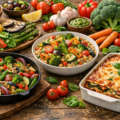 Vegetable-Rich Dinner Ideas
 Beyond Breakfast: The Plant-Based Sausage That’s Changing the Morning Game