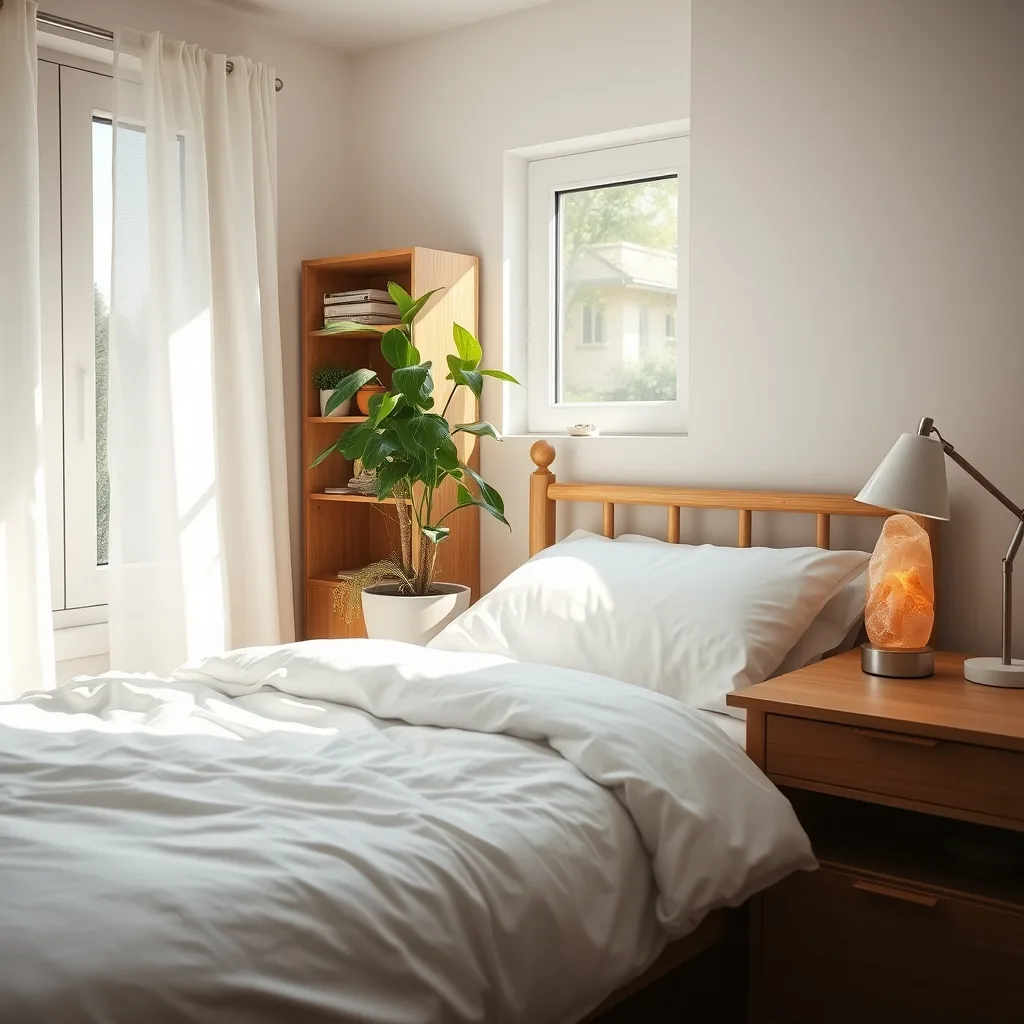
Decorating a dorm room is often treated as a race to fill empty walls, but a healthy dorm room decor guide starts with a different question: how can this small space support your sleep, focus, breathing, and sense of calm? A dorm is temporary, yet it is also your home for months at a time. The choices you make about materials, lighting, airflow, storage, and layout can shape how the room feels every day. The goal is not a perfect aesthetic. It is a room that works with your body and your budget, respects housing rules, and helps you function during a busy academic year.
Key takeaways
- Conduct a room audit to prioritize sleep, study, and cleanliness needs before purchasing decor.
- Prioritize air quality by choosing low-odor materials, managing dust through closed storage, and ensuring proper ventilation.
- Create an ergonomic study nook with proper screen height and task lighting to reduce physical strain.
- Coordinate with roommates early to establish boundaries regarding scent, noise, and shared functional spaces.
This guide walks through practical, renter-friendly ways to make a dorm room healthier without overdecorating. You will find simple audits, material suggestions, lighting tips, ergonomic fixes, sleep-friendly ideas, and a realistic approach to sustainability. Use what fits your space and skip what does not. Small, consistent improvements usually matter more than one dramatic makeover.
Begin With a Simple Healthy-Room Audit
Before you buy anything, spend twenty minutes assessing the room as it is. Open the door and notice what you see, smell, and feel. Is the air stale? Is the desk too low? Does the overhead light feel harsh at night? Are there dusty corners, tangled cords, or a mattress that seems uncomfortable? Write down three priorities: one for sleep, one for study, and one for air or cleanliness. This keeps you from spending money on decorative items while ignoring the basics.
Next, check your housing agreement for rules about nails, adhesive strips, appliances, curtains, candles, and furniture. Rules vary by campus, so confirm rather than assume. Measure the room and the key zones: bed, desk, closet, and floor space. A simple floor plan drawn on paper can prevent overcrowding. Set a budget and divide it into needs and wants. Needs usually include bedding, a task lamp, storage, and basic cleaning supplies. Wants include art, plants, and extra cushions.
A useful audit also includes a quick safety check. Keep heaters and electronics away from bedding, avoid overloading outlets, and do not run cords under rugs. If you notice persistent dampness, peeling paint, or a musty smell, report it to housing staff instead of covering it with decor. A healthy room starts with a safe and dry room.
Choose Materials That Support Better Indoor Air
Dorm rooms are often small and tightly sealed, so material choices matter. Whenever possible, favor furniture and textiles that do not arrive with a strong chemical or perfume-like odor. Solid wood, metal, glass, and washable cotton or linen are straightforward choices. For soft items, look for bedding, curtains, and rugs that can be washed or aired out. If you buy a new mattress topper, pillows, or a rug, unpack them and let them air in a well-ventilated space before use, if housing allows.
Be cautious with strong synthetic fragrances. Plug-in air fresheners, scented wax melts, and heavy room sprays can irritate some people and can mask odors that should be addressed. Candles and incense are often banned in dorms for fire safety, and they are not a substitute for ventilation. If you want a pleasant scent, start with clean bedding and fresh air. A small bowl of unscented baking soda can absorb mild odors, and regular trash removal does more than most sprays.
Third-party labels such as GREENGUARD Gold for furnishings or OEKO-TEX for textiles can help you compare products, but they are not guarantees. Use them as one piece of information alongside smell, washability, and your budget. Avoid making medical claims about any product. The practical goal is simple: fewer strong odors, fewer dusty surfaces, and more materials you can clean.
Improve Airflow and Keep Dust Manageable
Airflow is one of the most overlooked parts of healthy dorm room decor. If your window opens safely and housing permits, air the room for a few minutes each day, even in cooler weather. Use a small fan to move air without creating a wind tunnel. Keep furniture slightly away from vents and radiators so air can circulate. Do not block the door gap or window with heavy fabric.
If you are sensitive to dust, choose closed storage over open shelves where possible, and keep the floor clear enough to vacuum or sweep. Wash bedding regularly according to the care label, and wipe down the desk, sill, and shelves with a damp cloth rather than a dry duster that sends dust back into the air. A small vacuum or lint roller can help with crumbs and fabric dust. If you use a humidifier, follow the manufacturer’s cleaning instructions and avoid over-humidifying, because excess moisture can encourage mold. If you notice mold, report it rather than painting over it.
Air purifiers can be useful in some rooms, but check housing rules first. Choose a unit sized for the room, keep it clear of curtains and bedding, and maintain the filter. An air purifier is not a replacement for fixing a leak, removing a damp carpet, or opening a window when conditions allow. For many students, the best first steps are simple: reduce clutter, wash textiles, ventilate, and keep the room dry.
Light the Room for Study, Rest, and Mood
Lighting affects how a room feels and how easily you shift between tasks. Start with daylight. Keep the window area as clear as possible, and use curtains or blinds that let you control glare. For studying, add a task lamp with a focused beam rather than relying only on a harsh overhead light. Place the lamp opposite your writing hand to reduce shadows. An adjustable arm or a lamp with a flexible neck is especially useful in a small room.
For evening, use warmer, lower-level light. A small bedside lamp or a string of approved LED lights can create a calmer atmosphere, but check fire safety rules and avoid daisy-chaining multiple strands. Battery-powered puck lights can be a safer option if outlets are limited. Avoid bright blue-white light directly before bed if you find it stimulating, and keep screens out of the bed zone when possible. Blackout curtains or a sleep mask can help if hallway or street lights intrude.
Do not use candles, incense, or open flames in a dorm. They are common fire hazards and usually prohibited. If you want a decorative glow, choose approved LED fixtures and keep them away from fabric. Good lighting is not about having the most lights. It is about having the right light for the task and the time of day.
Build an Ergonomic Study Nook
Your desk is where you will spend long stretches, so make it fit your body. Sit with your feet flat on the floor or on a stable footrest. Your knees should be close to a right angle, and your wrists should rest comfortably without reaching up or down. If the desk is too high, a cushion or adjustable chair can help; if it is too low, bed risers or desk risers may work, but check that they are stable. A laptop stand or a stack of books can bring the screen closer to eye level, and an external keyboard can reduce shoulder tension.
Keep the study surface as clear as possible. Use a small drawer, a desktop organizer, or a hanging pocket for pens and cables. Route cords along the wall or use clips so they do not cross walkways. Add a task lamp, a water bottle, and a simple clock or timer. Personal items are fine, but too many small decorations can become dust collectors and visual noise. A single framed photo or a small plant may do more for your mood than a crowded shelf.
Take breaks by standing, stretching, or walking to the window. Ergonomics is not only about furniture. It is also about changing position and giving your eyes a rest from close work. If you share the desk, create a simple reset routine so the surface is ready for the next study session.
Create a Sleep-Friendly Bed Zone
The bed is the center of most dorm rooms, so treat it as a sleep zone rather than a storage unit. Start with a clean mattress and a washable mattress protector. Add a topper only if it improves comfort and can be aired out. Choose bedding that feels comfortable and can be washed often. A spare set of sheets is practical because laundry access may be limited. Keep the bed free of crumbs, papers, and laptop cables.
Control light and noise where you can. A sleep mask, earplugs, or a small white-noise machine may help in a shared or noisy hall, but test volume and placement with your roommate. If lofting or bunk beds are allowed, use the space underneath for closed storage rather than a pile of loose items. A small shelf or bedside pocket can hold a lamp, phone, and book without turning the mattress into a desk.
Scent is personal. Avoid heavy sprays or plug-ins near the pillow, and wash bedding with a mild detergent. If you share a room, talk with your roommate about fragrance, light, and temperature preferences before making changes. A calm bed zone is not about a perfect hotel look. It is about a clean, uncluttered place where your body can settle.
Organize to Reduce Dust, Clutter, and Stress
Clutter makes small rooms feel smaller and makes cleaning harder. Use vertical space: over-the-door hooks, stackable bins, bed risers, and hanging organizers can add storage without adding furniture. Choose closed bins for items that collect dust, and label them so you can find things quickly. Keep a small cleaning kit with a microfiber cloth, mild all-purpose cleaner, trash bags, and a lint roller. A five-minute reset at the end of each day can prevent mess from building up.
Be realistic about how much decor you need. Every object adds something to clean, move, or step around. Rotate seasonal items rather than displaying everything at once. Use wall space for a few meaningful pieces, but follow housing rules about adhesives and nails. Damage-free strips can work well on some surfaces, but test them in a hidden spot and remove them carefully. Never hang heavy items above the bed without proper support.
Keep walkways clear and do not stack items near the door or heater. Store cleaning supplies safely, and keep food in sealed containers to reduce pests. If your room has a shared bathroom or kitchen, establish simple cleaning agreements early. Organization is not only aesthetic. It reduces tripping hazards, dust traps, and the low-grade stress of not being able to find what you need.
Add Greenery and Personal Touches With Intention
Plants can make a dorm room feel calmer, but choose them for your schedule and light conditions. Low-maintenance options such as pothos, snake plants, or small succulents are common, but even these need appropriate light and watering. Avoid overwatering, use a saucer to protect surfaces, and check housing rules about plants. If you travel often or have a dark room, a high-quality artificial plant may be more practical, though it will need dusting. Research on plants as air purifiers in ordinary rooms is limited, so enjoy them mainly for their visual and emotional benefits.
Personal touches matter for wellbeing. Display a few photos, a piece of art, a textile from home, or an object that represents your identity. Keep the arrangement simple enough that you can clean around it. A small bulletin board or a clip strip can hold notes and reminders without covering every wall. Choose colors and textures that help you feel settled rather than following a trend that does not suit the space.
If you share the room, leave room for your roommate’s style too. Agree on shared areas and keep personal decor to your own side. A cohesive room does not have to match perfectly. Respectful boundaries and a little empty space often make a dorm feel more comfortable than a fully decorated one.
Keep It Sustainable, Safe, and Budget-Friendly
Healthy dorm room decor does not require buying everything new. Start with what you already own, then borrow, thrift, or swap with friends. Measure before purchasing so you avoid returns and waste. Choose items that can be reused after graduation, such as storage bins, lamps, and bedding. Look for energy-efficient LED bulbs and power strips with surge protection. Do not overload outlets or run extension cords across walkways. Follow all housing rules about appliances and fire safety.
A simple budget can keep the process grounded. Put most of your money into sleep and study comfort: bedding, a task lamp, storage, and a comfortable chair cushion. Spend less on disposable trends. If you want a new look, start with one or two changes, such as a washable throw or a better lamp, and live with them for a week. This reduces impulse buying and helps you notice what actually improves the room.
At move-out, plan how to reuse, donate, or recycle what you no longer need. Clean items before donating, and follow campus guidelines for furniture and electronics. A healthy room is also a room you can leave responsibly. The best decor is not the most expensive or the most photographed. It is the setup that helps you rest, study, and feel at home without compromising your health, safety, or budget.
Coordinate With a Roommate Before You Buy or Rearrange
A healthy dorm room is usually a shared room, even when the two sides look separate. Before you hang anything, buy a rug, or move the furniture, set aside twenty minutes for a practical conversation. Ask about sleep schedules, study habits, light sensitivity, scent preferences, temperature comfort, guests, and cleaning expectations. You do not need to agree on a style. You do need to agree on how the room will function. Write down the few decisions that affect both people, such as where the trash goes, when the overhead light stays off, and which shelves are shared. Keep the list somewhere visible but not decorative, like a note inside a closet door.
Divide the room into personal zones and shared zones. Personal zones can reflect individual taste; shared zones should stay calm and functional. If one person needs a dark, quiet corner for early sleep and the other studies late, use a task lamp with a directed beam, a sleep mask, and headphones rather than forcing a single room-wide rule. Discuss scent before buying plugins, sprays, or strongly scented laundry products, because fragrance can travel through a small room and linger in shared textiles. If either person has allergies or asthma, treat scent-free as the default until you talk it through.
Shared purchases are a common source of friction. A mini-fridge, rug, fan, or storage unit may seem harmless, but it takes up floor space and may outlast the friendship. Agree on who pays, who owns, and what happens at move-out before checkout. For larger items, check housing rules and measure the exact spot. A rug that blocks a door or a fridge that sits in front of a vent creates a daily problem. If you cannot agree, choose separate smaller items over one shared piece that pleases only one person.
Plan for the awkward edges. One roommate may host a partner, practice an instrument, or take early online classes while the other sleeps. Another may need a fragrance-free room because of migraines or sensory sensitivity. Set a simple check-in routine, perhaps once a week, and use neutral language: ‘The overhead light at midnight is waking me’ works better than ‘You are inconsiderate.’ If a disagreement affects safety, repeated sleep loss, or housing rules, involve a resident adviser early rather than letting resentment build. Good decor cannot fix a broken agreement, but a clear agreement makes every decorative choice easier.
Plan for Temperature, Humidity, and Seasonal Shifts
Dorm rooms often have uneven heating and cooling. One corner may be stuffy while another is drafty, and the thermostat may be controlled elsewhere. Before you add decor, find the vents, radiators, window air unit, and any return-air grille. Keep furniture, curtains, and storage bins at least a few inches away so air can move. Never cover a radiator or block a vent with a tapestry, even if it hides an ugly wall. If the room has a thermostat you can adjust, learn its schedule and avoid making large changes that affect neighboring rooms.
Temperature comfort is easier to manage in layers than with one heavy comforter. Use breathable bedding and add or remove a washable throw as needed. In winter, a small fan on a low setting can push warm air down from the ceiling, especially if the bed is lofted. In summer, keep blinds closed during the hottest part of the day and open windows at night only when housing allows and outdoor air is cleaner. A window fan can help with cross-ventilation, but check rules about window-mounted appliances and never leave a fan in a rainstorm.
Humidity matters as much as temperature. Damp air can make bedding feel clammy and encourage mold in corners, while very dry air can irritate eyes and skin. If you use a humidifier, follow the cleaning instructions closely and do not overfill it. If the room feels damp, report leaks, condensation, or musty smells to housing staff. A small dehumidifier may be allowed in some buildings, but it needs a safe drain or tank routine and should not run unattended if rules prohibit it. Do not use a humidifier and a dehumidifier as competing fixes; diagnose the problem first.
Seasonal decor should not create new hazards. Heavy curtains can block light and airflow; choose washable curtains that fit the window and can be tied back. Draft blockers at the door can help with cold air, but they must not stop the door from closing or block an exit. In humid climates, avoid storing clothes or papers directly against an exterior wall where condensation forms. In dry climates, keep wooden furniture away from direct heat. If you notice mold, peeling paint, or a persistent wet patch, do not cover it with a poster or shelf. Report it and let housing fix the source.
Make Cleaning and Maintenance Part of the Decor
A healthy room needs a small cleaning system, not a closet full of products. Build a caddy with a microfiber cloth, a mild all-purpose cleaner, a few lint-free rags, trash bags, and a soft brush. Microfiber traps dust better than a dry feather duster, and a damp cloth keeps dust from floating back into the air. Read labels and never mix cleaners, especially products containing bleach and ammonia. For most dorm surfaces, a little mild soap and water is enough. Keep cleaning supplies away from food and out of reach of guests, and store them in a closed bin if space is tight.
Set a rhythm that matches dorm life. Once a week, wipe high-touch points: door handles, light switches, desk edge, keyboard, phone, and the outside of storage bins. Wash bedding according to the care label, and wash or air out pillows and throws regularly. Vacuum or sweep the floor before it looks dirty, because grit damages rugs and hides under beds. Empty the trash before it smells, and take food waste out daily if your room has no sealed bin. A five-minute reset at night, putting away papers and wiping the desk, prevents the room from becoming a weekend project.
Shared bathrooms and kitchenettes need their own agreements. A bathroom caddy that drains, a pair of shower shoes, and a small towel hook can reduce moisture and clutter. If you share a fridge, label food and remove expired items weekly. Do not ignore a spill in a shared microwave or a clogged drain; report it early. In your own room, keep food in sealed containers and avoid eating on the bed if crumbs attract pests. If you see ants, mice, or repeated dampness, tell housing staff rather than buying traps and hoping the problem stays hidden.
Cleaning is also preventive maintenance. Check under the bed and behind the desk for dust, lost cables, and damp patches. Let shoes and towels dry before storing them. If a spill happens on a mattress or rug, blot it, clean according to the label, and dry the area completely. Do not paint over mold or cover a stain with furniture. At move-out, a simple cleaning routine saves deposits and makes donated items more useful. The goal is not a sterile room. It is a room where dust, moisture, and food waste do not have a chance to build up.
Design for Sensory Comfort and Easy Movement
Not every student needs the same level of visual stimulation. Some people focus best with a few clear surfaces, while others feel at home with color and collections. A healthy dorm room should let you adjust the intensity. Start by reducing visual noise where you work and sleep: match storage containers, group similar items, and hide charging cables in a basket or clip. Keep a clear path from the door to the bed, desk, and closet. If you have mobility aids, measure turning space and make sure a rug does not slide or bunch. A loose rug is a tripping hazard, especially in a small room.
Use contrast and labels to make the room easier to navigate. A dark switch plate on a light wall, a brightly colored key hook, and simple labels on bins can help when you are tired or rushing. Keep frequently used items within easy reach, and put seasonal or occasional items higher or under the bed. If you are short, do not store daily items on the top shelf just because it looks tidy. If you have low vision, avoid patterns that make stairs or edges hard to see, and keep a small flashlight or rechargeable light near the bed.
Sensory comfort includes sound, light, and texture. A soft washable throw, a smooth desk mat, and a chair cushion can change how a room feels without adding clutter. If bright overhead light is overstimulating, use a task lamp and a lower-wattage bulb for evenings. If noise from the hallway makes it hard to settle, try a rug, a heavy curtain, or a white-noise app with a timer. Test new sounds and lights with your roommate before assuming they are neutral. What feels calming to one person may be distracting to another.
Accessibility is not only about diagnosed conditions. It is about making the room work for your body on a bad day. Keep a small basket of essentials near the bed: water, tissues, a phone charger, and any personal items you need at night. Do not stack heavy boxes above eye level. Leave space beside the bed for a nightstand or a wall pocket, and make sure the bed height allows you to get in and out safely. If you need a furniture adjustment because of a disability, contact housing services rather than trying to modify the room yourself. A calm room is one you can move through without negotiating an obstacle course.
Reduce Noise and Create Visual Privacy
Dorm walls are often thin, and hallway noise can make a small room feel public. Soft surfaces help. A washable rug, upholstered chair cushion, curtains, and a full bookshelf can absorb some sound, though they will not soundproof the room. Place the desk and bed away from the door if the layout allows, and use a door snake or weather strip only if it does not interfere with closing or locking the door. Headphones and a white-noise machine are practical for study and sleep, but agree on volume and placement with your roommate. Do not rely on a loud fan to mask noise if it also makes the room uncomfortably cold or dry.
Visual privacy matters too, especially in a shared room or a hall with an open door. A folding screen can create a dressing corner, but it must not block a window, exit, or smoke detector. Bed curtains and canopies are popular, but check fire safety rules and choose materials labeled flame-resistant if required. Never hang fabric near a lamp or heater. A simple curtain on a tension rod can soften a window and provide privacy without blocking airflow, but test that it does not trap damp air against the glass. If you use a privacy screen, anchor it so it cannot tip.
Talk with your roommate about privacy before guests arrive. Agree on a signal for ‘please leave the room’ and a routine for changing clothes. If one person takes online classes or virtual exams, create a neutral backdrop that does not show the bed or personal items. A plain wall, a curtain, or a folding screen can work. Keep confidential papers and medication in closed storage rather than on an open shelf. Privacy is not only about being seen. It is also about having a place to put personal items without feeling exposed.
Noise and privacy conflicts often show up at the edges of the semester, when deadlines and early classes collide. Revisit the agreement when schedules change. If a roommate’s alarm repeatedly wakes you, suggest a vibrating alarm or a phone placed across the room. If hallway noise is a persistent problem, ask housing staff whether door adjustments or a quiet-hours reminder are possible. Small fixes, such as a soft close on a cabinet or a rug under a desk chair, can reduce the clicks and scrapes that make shared living tense. The goal is not silence. It is a room where you can rest and concentrate without feeling watched or interrupted.
Choose Storage That Protects Health and Belongings
Storage should reduce dust and clutter, not create new risks. Closed bins are useful for off-season clothes and supplies, but they need ventilation if you store damp towels or shoes. Let items dry completely before sealing them. Under-bed storage is convenient, but a lofted bed can trap humidity and dust. Use shallow bins with lids, check underneath monthly, and avoid pushing items against a radiator or exterior wall. If the bed has a weight limit, follow it. Do not use bed risers unless they are stable and approved, and never stack heavy boxes where they can fall.
Food storage deserves its own plan. Keep snacks in sealed containers, use a small tray to contain crumbs, and take trash out before it attracts pests. If you have a mini-fridge, check housing rules, keep it away from bedding, and clean the drip tray. Label shared food and set a weekly clear-out. Do not store food on the floor or in open bins. If you keep dishes in your room, wash them promptly rather than letting them sit in a bin. A tiny dish rack that drains can help, but it must not drip onto electronics or papers.
Medication, first-aid supplies, and personal care items need consistent places. A small lockbox or a closed pouch can keep medication private and organized. Keep a basic first-aid kit with bandages, a thermometer, and any personal items you use regularly, and check expiration dates at the start of each semester. Do not store medication in a hot windowsill or a damp bathroom caddy. If you need a refrigerator for medication, contact housing or health services for approved options rather than assuming a food fridge is acceptable.
Electronics and cables are part of modern decor, but they can become a safety problem. Use a surge protector with a circuit breaker, plug it directly into a wall outlet, and avoid daisy-chaining power strips. Keep cables away from walkways and bed frames, and do not run them under rugs or pin them with metal staples. Charge devices on a hard surface, not on bedding or pillows. Keep lamps and chargers away from curtains, and leave space around the smoke detector. When you move out, sort batteries, electronics, and unused supplies for campus recycling or donation. Good storage is not about hiding everything. It is about keeping the things you need safe, dry, and easy to find.
Frequently Asked Questions
How can I make a dorm room feel healthy without spending a lot?
Start with free or low-cost basics: clear clutter, ventilate when possible, wash bedding, wipe surfaces with a damp cloth, and improve your study light. Use what you already own before buying. A task lamp, a few closed storage bins, and a washable throw can make a bigger difference than a full decorative overhaul. Set a small budget and prioritize sleep, study comfort, and cleanliness.
What should I avoid in dorm room decor?
Avoid candles, incense, and open flames, which are fire hazards and often prohibited. Be cautious with strong synthetic fragrances, plug-in air fresheners, and heavy sprays, especially in small shared rooms. Skip decor that blocks vents, doors, or walkways. Avoid overloading outlets and hanging heavy items above the bed. Check housing rules before using adhesives, nails, or appliances.
Are air purifiers allowed and useful in dorm rooms?
Rules vary by campus, so ask housing staff before buying one. If allowed, choose a unit sized for the room, keep it clear of bedding and curtains, and maintain the filter. An air purifier may help with some particles, but it does not replace ventilation, cleaning, or fixing dampness. Report leaks, mold, or persistent odors rather than trying to cover them up.
How do I handle limited space and still make it cozy?
Use vertical storage, closed bins, and over-the-door organizers to reduce clutter. Keep the floor and desk as clear as possible. Add coziness with a washable throw, a warm task lamp, and one or two personal items rather than many small decorations. Choose multi-purpose furniture if allowed, and keep walkways safe. A calm, uncluttered room often feels cozier than a crowded one.
How can I decorate without damaging walls or violating housing rules?
Read your housing agreement first. Use damage-free hanging products only on suitable surfaces, test them in a hidden spot, and remove them carefully. Avoid nails, screws, and heavy shelves unless approved. Keep decor away from smoke detectors, heaters, and exits. If you are unsure about an item, ask housing staff before installing it. Removable art, clip strips, and freestanding shelves are often safer choices.
Related posts:
 Turkey Day Slumber: Bedroom Inspiration for the Ultimate Food Coma
 Rebecca Atwood’s Patterned Bedding Collection
 Nap Revolution: NYC’s Sleep Café Is Making Rest Trendy Again
 Do You Really Need Less Sleep as You Age?
 Benefits of Organic Bedding
 Minimalist Dorm Room
 Best Sleep Week Bedding Sales
 Creative Home Office Desk Ideas