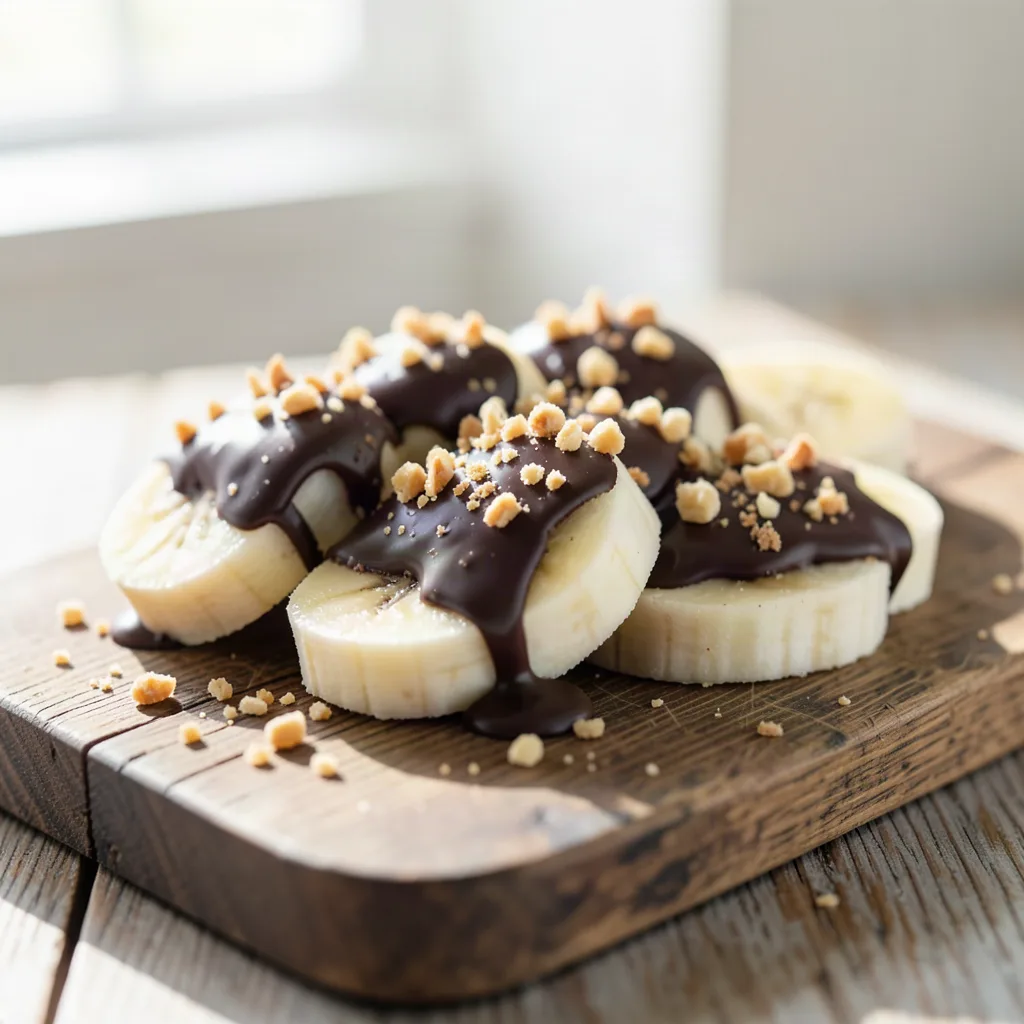
For many of us, the craving for a cold, creamy dessert is a constant companion, especially during the warmer months or after a satisfying meal. However, traditional ice creams are often laden with refined sugars, artificial stabilizers, and saturated fats that can leave us feeling sluggish. Enter the frozen banana—a nutritional powerhouse that, when treated with a bit of culinary curiosity, transforms into a luxurious, velvety base for a wide array of healthy desserts. Often referred to as “nice cream,” this plant-based alternative leverages the natural chemistry of the banana to mimic the mouthfeel of dairy without the inflammatory additives.
p>
The beauty of frozen banana desserts lies in their simplicity and versatility. By utilizing a fruit that is often discarded once it develops brown spots, we not only reduce food waste but also maximize the sweetness and nutrient density of our treats. Whether you are following a vegan lifestyle, managing dietary restrictions, or simply looking to incorporate more whole foods into your diet, frozen banana desserts offer a compassionate way to satisfy your sweet tooth while nourishing your body with potassium, fiber, and essential vitamins.
p>
The Science of the Creamy Banana Base
To truly master healthy frozen banana desserts, it is helpful to understand why the banana behaves the way it does when frozen and blended. Bananas are rich in pectin and natural starches. As a banana ripens, these starches convert into simple sugars, which increases the sweetness and makes the fruit softer. When you freeze a very ripe banana and then blend it at high speed, these components create an emulsion that is remarkably similar to the structure of churned ice cream.
Unlike other frozen fruits, which often turn into a grainy sorbet or a slushy consistency, the high starch content of the banana provides a “creamy” viscosity. This happens because the rapid blending breaks down the frozen cells into tiny particles that suspend in a thick, sugary matrix. To achieve the best results, the ripeness of the banana is non-negotiable. You want bananas that are speckled with brown or even mostly brown; these have the highest sugar concentration and the least amount of bitter tannins, ensuring your dessert is naturally sweet without the need for added syrups or honey.
Preparing Your Bananas for Success
The foundation of any great frozen dessert is the preparation. Many beginners make the mistake of freezing a banana whole in its peel. While this is convenient for snacking, it makes the blending process difficult and can potentially damage your food processor or blender blades. For the perfect dessert base, follow these actionable steps:
- Peel First: Always remove the peel before freezing. Once a banana is frozen, peeling it becomes an arduous task.
- Slice for Efficiency: Cut your bananas into coins (about half an inch thick). Smaller pieces blend faster and more evenly, reducing the strain on your motor and preventing the “air pockets” that can lead to uneven textures.
- Flash Freeze: To prevent the slices from clumping together into one giant frozen block, lay them in a single layer on a parchment-lined baking sheet. Freeze them for 2-4 hours before transferring them to a reusable silicone bag or an airtight container. This ensures you can scoop out exactly the amount you need for a single serving.
- Label Your Stash: Since frozen bananas look similar to other frozen fruits, label your bags with the date and the ripeness level (e.g., “Extra Ripe – Sweet”) to help you choose the right batch for your specific recipe.
Mastering the Basic “Nice Cream” Technique
Once you have your frozen banana coins ready, creating a basic nice cream is a straightforward process, but there are nuances that separate a “frozen mush” from a “gourmet treat.” The goal is to achieve a soft-serve consistency that is smooth and airy.
The Process: Place 2-3 cups of frozen banana slices into a high-speed blender or a food processor. Start on the lowest setting to break up the large chunks, then gradually increase the speed. You will notice the mixture go through several stages: first, it will look like coarse crumbs; then, it will become a thick, heavy paste; and finally, it will suddenly “smooth out” into a creamy, swirling peak. This final stage is where the magic happens.
Managing Liquid Ratios: If your blender is struggling, resist the urge to add water. Instead, add a tablespoon or two of a creamy liquid, such as unsweetened almond milk, coconut milk, or oat milk. The key is to use the absolute minimum amount of liquid necessary. Too much liquid will turn your nice cream into a smoothie. Add liquid one teaspoon at a time, blending between each addition, until the blades can move freely.
Essential Flavor Combinations and Variations
While plain banana nice cream is delicious, the versatility of the base allows for endless creativity. By adding a few nutrient-dense ingredients, you can transform a simple snack into a sophisticated dessert.
The Antioxidant Powerhouse (Chocolate & Berry)
Add two tablespoons of raw cacao powder and a handful of frozen raspberries or blueberries to your banana base. The bitterness of the cacao balances the sweetness of the banana, while the berries provide a tart contrast and a boost of anthocyanins. For an extra touch, fold in a few dark chocolate chips (70% cocoa or higher) after blending.
The Protein-Packed Nut Butter Blend
Blend in a tablespoon of almond butter, cashew butter, or peanut butter. Nut butters add healthy fats and protein, which slow the absorption of the banana’s natural sugars, keeping your energy levels stable. To enhance this, add a pinch of sea salt to amplify the nutty flavors.
The Tropical Escape
Combine frozen bananas with a quarter cup of frozen mango or pineapple chunks and a splash of coconut milk. This creates a refreshing, sunshine-inspired treat. To make it even more authentic, top it with toasted coconut flakes and a squeeze of fresh lime juice.
The Hidden Greens Treat
For those looking to increase their vegetable intake, a handful of fresh baby spinach blends seamlessly into a banana-mango base. The fruit masks the taste of the greens, resulting in a vibrant green dessert that is packed with iron and vitamins, making it an excellent option for children or picky eaters.
Beyond the Bowl: Creative Frozen Banana Formats
Nice cream is wonderful, but frozen bananas can be used in other ways to create diverse textures and presentations. Moving beyond the bowl allows you to explore different sensory experiences.
Healthy Banana Pops
Instead of blending the bananas into a cream, use whole peeled bananas. Insert a wooden popsicle stick into the base of the fruit and freeze. Once solid, dip the frozen banana into melted dark chocolate or a mixture of melted coconut oil and cacao powder. Immediately sprinkle with crushed pistachios, hemp seeds, or sesame seeds. The result is a crunchy exterior with a creamy, frozen interior.
Banana-Based Frozen Bark
Spread your blended nice cream thinly (about half an inch) across a baking sheet lined with parchment paper. Press in various toppings like sliced strawberries, pumpkin seeds, dried cranberries, and a drizzle of almond butter. Freeze for 4-6 hours until completely firm, then break the bark into irregular, rustic shards. This is a perfect finger-food dessert for parties or a quick snack for kids.
Banana-Avocado Mousse
For an even richer, more decadent texture, blend frozen bananas with half of a ripe avocado. The healthy monounsaturated fats in the avocado create a buttery consistency that rivals the richest dairy desserts. Add a touch of vanilla extract and a pinch of cinnamon to create a sophisticated mousse that feels like a cheat meal but is entirely nourishing.
Dietary Modifications for Every Need
One of the most compassionate aspects of frozen banana desserts is how easily they can be adapted to suit various health requirements and dietary preferences.
- For Low-Glycemic Needs: While bananas are naturally sweet, those monitoring their blood sugar can blend in frozen cauliflower florets (steamed then frozen). The cauliflower is tasteless when paired with banana and cocoa, but it adds bulk and fiber, reducing the overall glycemic load of the dessert.
- For Nut-Free Households: Replace nut butters with sunflower seed butter or tahini. Tahini adds a slightly savory, earthy note that pairs beautifully with honey and cinnamon.
- For Extra Protein: Incorporate a scoop of your favorite plant-based vanilla or chocolate protein powder. If the mixture becomes too thick, add a small amount of soy milk or pea milk to maintain the creamy consistency.
- For Vegan Purists: Ensure any chocolate chips or toppings used are certified dairy-free. Using coconut cream instead of almond milk can provide a more traditional “heavy cream” feel.
Mastering Texture and Storage
One of the most common complaints about homemade frozen banana desserts is the change in texture after storage. Because there are no chemical stabilizers, nice cream can either become rock-hard or melt too quickly.
The Immediate Enjoyment Rule: For the best “soft-serve” experience, eat your nice cream immediately after blending. The friction from the blades warms the fruit just enough to create that perfect, scoopable texture.
Proper Freezing for Later: If you have leftovers, transfer the mixture to a shallow, airtight container. Press a piece of parchment paper directly onto the surface of the cream before sealing the lid; this prevents ice crystals from forming on top. Store it in the coldest part of your freezer.
The Thawing Process: To regain the creamy texture after freezing, do not try to scoop it immediately. Let the container sit at room temperature for 10-15 minutes, or pop it in the microwave for 15-20 seconds on a low setting. Alternatively, you can scoop small portions and re-blend them briefly to restore the aeration.
Integrating Frozen Treats into a Balanced Lifestyle
While these desserts are significantly healthier than processed alternatives, the key to wellness is balance and mindfulness. Frozen banana desserts are nutrient-dense, but they are still concentrated sources of natural sugar and calories.
Mindful Portioning: Enjoy your treats as a mindful experience. Instead of eating directly from the blender, scoop a modest portion into a small bowl. This encourages you to savor the flavor and texture, allowing your body’s satiety signals to register.
Timing Your Treats: Consider enjoying a banana-based dessert after a workout. The potassium helps with muscle recovery, and the natural sugars replenish glycogen stores. Alternatively, use a smaller portion as a mid-afternoon pick-me-up to avoid the dreaded 3 PM energy crash.
The Power of Toppings: Use your toppings to add further nutritional value. Instead of sprinkles or refined sugar, choose “superfoods.” Chia seeds provide omega-3 fatty acids, hemp hearts add complete plant protein, and fresh berries add antioxidants. By treating the dessert as a canvas for nutrition, you transform a sweet treat into a functional food.
Advanced Layering and Gourmet Presentation Techniques
While eating nice cream directly from a bowl is satisfying, elevating the presentation transforms a simple healthy snack into a sophisticated dessert experience. The key to gourmet presentation lies in the contrast of textures and the strategic layering of ingredients. By treating the frozen banana base as a versatile canvas, you can create visually stunning desserts that rival professional patisserie while remaining entirely plant-based and refined-sugar-free.
One of the most effective ways to achieve this is through the creation of a Nutrient-Dense Banana Parfait. Instead of simply scooping the cream, use a clear glass or jar to build alternating layers. Start with a foundation of overnight chia seed pudding—which provides a gelatinous, creamy contrast—followed by a layer of your favorite flavored nice cream, and then a layer of toasted granola or crushed raw walnuts for a necessary crunch. Repeating these layers creates a rhythmic eating experience where every spoonful offers a different combination of temperature and texture. To add a final touch of elegance, garnish the top with a single fresh mint leaf and a drizzle of raw honey or maple syrup.
For those seeking a more indulgent format, consider the Healthy Banana Ice Cream Sandwich. To create this, prepare a batch of soft, chewy cookies using almond flour, mashed dates, and a hint of vanilla. Once the cookies have cooled, place a generous, flattened disk of firm nice cream (slightly frozen for an extra 30 minutes to ensure stability) between two cookies. Press them gently together and immediately return the sandwiches to the freezer. This creates a portable, handheld treat that satisfies the craving for a classic ice cream sandwich without the processed flours and sugars. To prevent the cookies from becoming too hard in the freezer, you can lightly brush the interior of the cookies with a thin layer of melted coconut oil before adding the banana cream, which acts as a moisture barrier.
Another sophisticated approach is the Deconstructed Banana Split. Instead of using a single banana, use three small scoops of different nice cream variations—such as a chocolate-banana, a strawberry-banana, and a classic vanilla-banana—arranged in a row. Place these atop a bed of sliced fresh strawberries and blueberries. Instead of sugary syrups, create a “whole-food coulis” by blending raspberries with a splash of lemon juice and straining the seeds. Drizzle this vibrant red sauce over the scoops and top with a dollop of whipped coconut cream and a sprinkle of hemp seeds for a protein-rich finish.
The Art of Flavor Balancing: Spices, Acids, and Salts
To move beyond basic sweetness, it is essential to understand the culinary principle of flavor balancing. Because frozen bananas are intensely sweet and have a heavy, creamy mouthfeel, they can sometimes feel “one-dimensional” if not countered by contrasting taste profiles. Introducing acidity, salt, and aromatic spices creates a complex flavor profile that engages all the taste buds and makes the dessert feel more satisfying.
The Role of Salt: A common mistake in healthy desserts is the total omission of salt. However, a pinch of high-quality sea salt or flaky Maldon salt does not make the dessert salty; rather, it acts as a flavor enhancer that suppresses bitterness and amplifies the natural sweetness of the banana. When making a nut-butter-based nice cream, adding a generous pinch of salt creates a “salted caramel” effect without the need for actual caramel. The salt cuts through the richness of the fats in the almond or peanut butter, preventing the dessert from feeling cloying.
Introducing Acidity: Acid is the secret weapon for brightening a heavy banana base. The natural creaminess of the banana can sometimes mask the subtle notes of other fruits. By adding a teaspoon of fresh lemon juice, lime juice, or even a small amount of apple cider vinegar, you “lift” the flavor. For example, in a tropical mango-banana blend, a squeeze of lime juice provides a sharp contrast that mimics the brightness of a professional sorbet. Similarly, adding a touch of lemon zest to a berry-banana blend adds an aromatic top note that makes the fruit flavors pop.
Aromatic Spice Integration: Spices add depth and warmth, transforming a cold treat into something that feels cozy. Cinnamon is a natural partner for banana, but experimenting with other warm spices can create unique profiles. Try adding a pinch of ground cardamom to a vanilla base for a sophisticated, floral note common in Scandinavian desserts. For a more autumnal feel, a blend of nutmeg, ginger, and a hint of cloves can turn your nice cream into a “Banana Pumpkin Pie” experience. The key is to add these spices during the blending process so they are evenly distributed and their essential oils are fully integrated into the emulsion.
The Umami Twist: For the truly adventurous, incorporating a tiny amount of umami can create a gourmet edge. A half-teaspoon of white miso paste blended into a chocolate-banana base adds a salty, fermented depth that mimics the complexity of salted caramel or praline. The fermented nature of the miso complements the sweetness of the ripened banana, creating a sophisticated flavor that is difficult for guests to identify but universally appealing.
Seasonal Variations and Temperature Contrasts
Frozen banana desserts are typically associated with summer, but with a few strategic adjustments, they can be integrated into every season. The goal is to align the flavor profiles and the serving temperature with the environment, ensuring the dessert feels appropriate for the time of year.
Winter Warming Twists: During the colder months, the shock of a freezing dessert can be jarring. To mitigate this, introduce “temperature play” by pairing the cold nice cream with warm elements. Create a Warm Tahini-Drizzled Banana Bowl by topping a scoop of cinnamon-banana nice cream with a drizzle of warmed, runny tahini and a sprinkle of toasted sesame seeds. The contrast between the icy cream and the warm, nutty sauce creates a sensory experience that feels comforting rather than chilling. Another winter option is to serve a small scoop of nice cream alongside warm, poached pears or sautéed apples with cinnamon. The residual heat from the fruit gently melts the edges of the banana cream, creating a rich, sauce-like consistency.
Spring Refreshers: As the weather warms, shift toward lighter, more floral and herbal notes. Incorporate fresh herbs like basil or mint into the blending process. A Mint-Banana-Lime blend is incredibly refreshing and acts as a palate cleanser. To enhance the spring theme, serve the dessert topped with edible flowers (like pansies or nasturtiums) and a sprinkle of pomegranate seeds. This adds a burst of color and a tart, juicy texture that complements the smoothness of the banana.
Summer Cooling Intensifiers: In the height of summer, the focus should be on maximum hydration and cooling. Blend your frozen bananas with a small amount of frozen cucumber or frozen watermelon. While this sounds unconventional, the cucumber adds a crisp, watery freshness that reduces the “heaviness” of the banana, resulting in a treat that is more akin to a refreshing granita. Serve these in chilled coconut shells or hollowed-out pineapple halves to enhance the tropical aesthetic and keep the dessert frozen longer in the heat.
Autumnal Harvest Blends: Use the transition to fall to experiment with root vegetables and earthy tones. Blend frozen bananas with a small amount of roasted sweet potato or pumpkin puree. The result is a dense, velvety cream with a deep orange hue. Pair this with a topping of crushed pecans and a dash of maple syrup. Because the roasted vegetables add a different kind of starchiness, the texture becomes even more like a traditional custard or gelato.
Integrating Whole-Food Texturizers and Mix-ins
One of the challenges of nice cream is that the texture is consistently smooth. While smoothness is a virtue, a world-class dessert requires a variety of textures—crunchy, chewy, seedy, and snappy—to keep the palate engaged. The secret is in the “mix-in” strategy: knowing what to blend in and what to fold in.
The “Blend-In” Ingredients: These are ingredients that should be processed with the bananas to change the fundamental structure or flavor of the cream. Beyond the fruits already mentioned, consider adding soaked cashews or soaked almonds. Blending in a handful of raw, soaked nuts adds a level of buttery richness and a subtle saltiness that mimics the fat content of heavy cream. Another excellent blend-in is frozen cauliflower (steamed first). This not only lowers the calorie density but also adds a subtle thickness that makes the nice cream hold its shape better when scooped.
The “Fold-In” Technique: To maintain distinct textures, certain ingredients must be added *after* the blending process is complete. Use a rubber spatula to gently fold these in, ensuring they are distributed without being pulverized. For a sophisticated crunch, use cacao nibs instead of chocolate chips; they provide a bitter, nutty snap that balances the sweet banana. Toasted buckwheat groats or puffed quinoa offer a light, airy crispness that doesn’t overwhelm the dessert. For a chewy element, fold in chopped Medjool dates or dried goji berries, which provide concentrated bursts of sweetness.
The Power of Superseeds: Seeds can provide both nutritional value and a unique mouthfeel. Chia seeds, when folded in, create small, poppy-seed-like textures. Hemp hearts add a soft, nutty creaminess. For a more dramatic texture, use poppy seeds or black sesame seeds**, which add a visual contrast and a slight earthiness. If you want a “cluster” effect, mix seeds with a little maple syrup and bake them briefly in the oven before folding them into the cold cream; this creates small, crunchy granola-like nuggets within the smooth base.
Edge Case: Managing Moisture in Mix-ins: Be cautious when adding fresh, watery fruits like sliced watermelon or orange segments as mix-ins. Their high water content can cause the nice cream to melt faster or create “icy pockets” during storage. To prevent this, pat the fresh fruit dry with a paper towel or toss them in a tiny amount of cornstarch or arrowroot powder before folding them in. This helps the fruit adhere to the cream without releasing excess moisture.
Banana-Based Frozen Fillings for Healthier Pastries
The utility of frozen banana cream extends far beyond the bowl. Because of its stability when chilled, it can be used as a healthy, nutrient-dense filling for various pastry-style desserts, allowing you to enjoy the experience of a cake or tart without the inflammatory ingredients typically found in fillings like pastry cream or buttercream.
The Frozen Banana-Date Tart: To create this, start with a raw crust made from a mixture of processed walnuts, dates, and a pinch of salt. Press this mixture into a tart pan and freeze it for 30 minutes to set. While the crust chills, prepare a thick, slightly under-blended nice cream (you want it denser than soft-serve). Spread the nice cream evenly over the crust, smoothing the top with an offset spatula. Top the cream with a concentric circle of fresh berries or sliced kiwi. Freeze the entire tart for at least 4 hours. When sliced, the result is a clean, professional-looking dessert with a crumbly base and a velvety, frozen center.
Stuffed Frozen Banana “Cannoli”: For a creative twist on the Italian classic, use a thin, homemade almond-flour crepe or a wide slice of a dehydrated banana leaf (if available) as the shell. Fill the shell with a mixture of frozen banana cream blended with a tablespoon of almond ricotta (made by blending soaked almonds with lemon juice). Pipe the filling into the shell using a pastry bag for a clean finish. Dip the ends of the “cannoli” into crushed pistachios or freeze-dried raspberry powder for a pop of color and flavor.
Banana-Cream Filled Dates: This is an excellent bite-sized dessert for parties. Take large Medjool dates and remove the pits. Using a small spoon or a piping bag, fill the cavity of the date with a small amount of firm vanilla-banana nice cream. Immediately place the filled dates in the freezer for 20 minutes. For an extra layer of decadence, dip the entire filled date into melted 85% dark chocolate and sprinkle with a pinch of sea salt. The result is a multi-textured treat: the chewy date, the cold, creamy center, and the snappy chocolate shell.
The “Nice-Cream” Cake Layer: You can create a healthy frozen cake by layering thin discs of frozen banana cream with thin layers of raw cake (made from almond meal and maple syrup). Freeze each layer for an hour before adding the next. Once assembled, frost the exterior with a mixture of coconut cream and a touch of vanilla. This creates a dessert that looks like a traditional layer cake but is essentially a concentrated dose of fruit and healthy fats.
Equipment Nuances and Troubleshooting for Diverse Kitchens
While high-speed blenders are ideal, not everyone has access to professional-grade equipment. Achieving the perfect consistency with lower-powered tools requires a different approach to the physics of blending. Understanding these nuances prevents frustration and ensures a smooth result regardless of the appliance used.
The Low-Power Blender Strategy: In a standard blender, frozen banana coins can easily get stuck, creating an air pocket around the blade (cavitation) while the rest of the fruit remains frozen. To solve this, use the “Thaw-and-Pulse” method. Let your frozen banana slices sit at room temperature for 5-7 minutes before blending. This softens the exterior of the coins just enough to allow the blades to catch them. Instead of running the blender on high, use short pulses. After every few pulses, stop the motor and use a sturdy spatula to push the frozen chunks down toward the blades. This manual intervention replaces the power of a high-speed motor.
Using a Food Processor: A food processor is often superior to a blender for nice cream because the wider bowl allows for more aeration. However, it can sometimes over-process the fruit, turning it into a liquid more quickly. To maintain a thick, scoopable texture, use the “Pulse and Scrape” technique. Pulse the bananas until they look like coarse crumbs, then scrape the sides. Continue pulsing until the mixture begins to clump together. Once you see the “swirl” forming, stop immediately. Over-processing in a food processor generates heat faster than in a blender, which can cause the nice cream to melt into a smoothie.
Immersion Blender Challenges: Using an immersion (stick) blender is the most difficult method because the blade is small and the container is usually narrow. To succeed, you must use a tall, narrow beaker that barely fits the blender head. This forces the frozen banana slices into the blades rather than allowing them to spin around the perimeter. Because immersion blenders struggle with large frozen chunks, you must slice your bananas into very thin coins (about 1/4 inch) before freezing. If the mixture is too thick, add your creamy liquid one teaspoon at a time, blending in a vertical “pumping” motion to ensure all the fruit is incorporated.
The No-Electricity Alternative: For those without any blending equipment, a Rustic Frozen Banana Mash is possible. Use a heavy-duty potato masher or a fork to mash slightly thawed frozen bananas in a sturdy bowl. While you won’t achieve the perfectly smooth emulsion of a blender, the resulting texture is similar to a chunky frozen gelato. To improve the consistency, fold in a tablespoon of almond butter or coconut oil, which helps bind the mashed fruit together. This version is particularly appealing to those who prefer a more “homemade,” rustic feel to their desserts.
Frequently Asked Questions
1. Can I use green or under-ripe bananas for these desserts?
It is not recommended. Under-ripe bananas contain more resistant starch and less sugar, which means they will not blend into a creamy consistency and will lack the necessary sweetness. For the best results, wait until the bananas are yellow with plenty of brown spots.
2. My nice cream is too runny. How can I fix it?
Runniness usually happens if you added too much liquid or if the bananas thawed slightly before blending. To thicken it, add more frozen banana slices or a handful of frozen berries and blend again. If you don’t have more fruit, place the mixture in the freezer for 30 minutes to firm up.
3. Do I really need a high-speed blender?
While a high-speed blender makes the process faster and smoother, you can use a food processor. A food processor is actually excellent for nice cream because the wide blade can handle the frozen chunks more effectively. The key is patience—you may need to stop and scrape down the sides more frequently.
4. How long do frozen bananas last in the freezer?
Peeled and sliced frozen bananas generally maintain their quality for 3 to 6 months. To prevent freezer burn, ensure they are stored in a vacuum-sealed bag or a container with as little air as possible.
5. Can I make these desserts without bananas?
Yes, you can use other creamy fruits like frozen avocado or frozen mango, but the texture will differ. Mango creates more of a sorbet feel, while avocado is much denser. Bananas are the gold standard for that specific “ice cream” mouthfeel, but experimenting with other fruits is a great way to diversify your nutrient intake.
Related posts:
 Keeping Bananas Ripe: Tips and Tricks for Longer-Lasting Fruit
 The Best Blenders for Every Budget and Lifestyle
 The Coconut Pudding That Tastes Like Dessert But Isn’t
 Homemade Banana Milk Recipe
 Matcha Banana Bread Recipe That’s Actually Healthy
 Healthy No-Bake Desserts for Guilt-Free Indulgence
 The Ultimate Green Soup Recipe for Detox and Health
 Simple Vegan Ice Cream Recipe