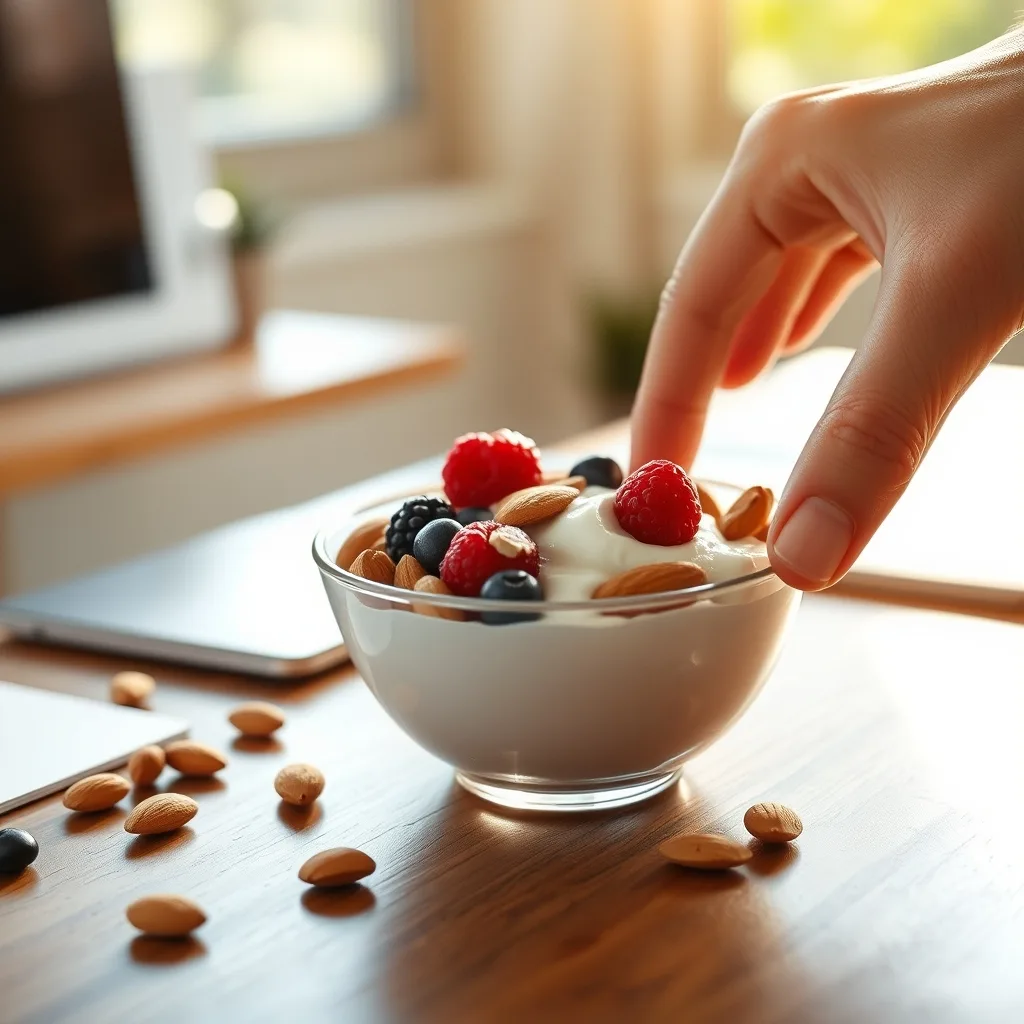
When the clock hits the mid‑afternoon slump, reaching for a sugary treat might feel like the quickest fix, but it often leads to a crash that leaves you even more drained. Swapping those empty‑calorie options for protein‑rich snacks can stabilize blood sugar, sustain energy, and keep hunger at bay until dinner. The challenge for many busy professionals, parents, or students is finding snacks that are both nutritious and convenient enough to fit into a packed schedule. This guide breaks down the science behind protein timing, highlights the best sources, and provides step‑by‑step recipes and packing strategies so you can power through the afternoon without compromising taste or health.
Key takeaways
- Aim for 15–20 grams of protein per snack to prevent blood sugar spikes and maintain satiety throughout the day.
- Pair protein with fiber-rich foods like vegetables or whole grains to enhance digestion and prolong feelings of fullness.
- Batch-prep portable snack packs on weekends using airtight containers to ensure you always have a convenient, nutritious option available.
- Use the hand-method for portion control: a palm-sized portion of protein provides approximately 20–25 grams of fuel.
Why Protein Matters in the Afternoon
Protein is the building block of muscles, enzymes, and hormones, but its role in snack time goes beyond muscle repair. Consuming 15‑20 grams of high‑quality protein after lunch can:
- Slow the digestion of carbohydrates, preventing a rapid rise and fall in blood glucose.
- Promote satiety by stimulating the release of hormones like peptide YY and glucagon‑like peptide‑1.
- Support steady mental focus, as amino acids are precursors for neurotransmitters such as dopamine and serotonin.
Research shows that protein‑rich snacks can reduce overall daily calorie intake because you’re less likely to overeat later in the day. For busy people, this means fewer cravings, better mood stability, and a smoother transition to evening activities.
Choosing the Right Protein Sources
Not all proteins are created equal. When selecting snack ingredients, consider three factors: protein quality, digestibility, and convenience.
- Complete proteins contain all nine essential amino acids. Animal‑based foods such as Greek yogurt, cheese, boiled eggs, and lean meats fall into this category. For vegetarians, dairy, soy, quinoa, and buckwheat are complete sources.
- High‑biological‑value (BV) proteins are absorbed efficiently. Whey protein isolate, cottage cheese, and certain fish (like smoked salmon) score high on the BV scale.
- Convenient formats include pre‑portioned packs, shelf‑stable jerky, roasted chickpeas, and protein powders that can be mixed with water or milk.
Mixing animal and plant proteins can also create a balanced amino acid profile while adding variety to your snack rotation.
Quick No‑Cook Options
When you have only a few minutes between meetings, no‑cook snacks are lifesavers. Below are five ready‑to‑eat ideas that each deliver at least 15 grams of protein.
- Greek yogurt parfait: 170 g of plain Greek yogurt (about 15 g protein) layered with a handful of berries, a sprinkle of chia seeds, and a drizzle of honey. Portion the berries and seeds in a small container to keep the yogurt fresh.
- Cottage cheese bowl: 200 g low‑fat cottage cheese (roughly 22 g protein) mixed with diced cucumber, cherry tomatoes, and a pinch of smoked paprika. This savory combo mimics a mini salad.
- Nut‑butter rice cakes: Spread one tablespoon of almond butter (6 g protein) on a brown‑rice cake and top with two sliced hard‑boiled egg whites (about 7 g protein). Add a dash of sea salt for extra flavor.
- Protein‑packed hummus dip: Combine a half‑cup of classic hummus (5 g protein) with two tablespoons of roasted pumpkin seeds (4 g protein) and serve with sliced bell pepper strips.
- Ready‑made jerky: Choose a low‑sodium turkey or beef jerky stick that lists at least 10 g protein per serving and pair it with a small apple for a sweet‑savory balance.
All of these snacks can be assembled in under two minutes and fit easily into a laptop bag, purse, or locker.
Portable Snack Packs You Can Prep Ahead
Batch‑prepping snack packs on the weekend saves time and eliminates the guesswork during the week. Use airtight containers or reusable zip‑lock bags to keep portions fresh.
- Trail‑mix with a protein twist: Combine roasted almonds, pumpkin seeds, roasted edamame, and a few dark‑chocolate chips. Aim for a 1‑cup mix that provides roughly 12‑15 g protein.
- Mini cheese & fruit boxes: Cut a low‑fat cheddar block into 1‑inch cubes (about 7 g protein per 30 g) and pair with grapes or sliced apple. Add a small handful of walnuts for extra omega‑3s.
- Quinoa‑bean salad jars: Layer cooked quinoa, black beans, corn, diced red onion, and cilantro in a mason jar. Dress with lime juice and olive oil. One cup supplies about 14 g protein.
- Hard‑boiled egg & avocado halves: Peel two eggs, slice them in half, and place beside a quarter avocado sprinkled with everything bagel seasoning. Each egg contributes 6 g protein; the avocado adds healthy monounsaturated fats.
Store the packs in the refrigerator for up to four days. When you need a snack, grab a pack, add a piece of fruit or a handful of veggies, and you’re set.
DIY Energy Balls and Bars
Energy balls and bars are perfect for those who prefer a handheld snack that doesn’t require refrigeration. The key is to balance protein, carbs, and fats so the bite is satisfying without being overly sugary.
Basic Peanut‑Butter Protein Balls
Ingredients (makes 12 balls):
- 1 cup natural peanut butter (about 28 g protein)
- 1/2 cup vanilla whey protein powder (15 g protein)
- 1/3 cup rolled oats
- 2 tablespoons honey
- 1 tablespoon chia seeds
- Pinch of sea salt
Directions:
- Mix all ingredients in a bowl until a sticky dough forms.
- Roll the mixture into 1‑inch balls using wet hands.
- Place on a parchment‑lined tray and refrigerate for 30 minutes.
- Store in an airtight container; they keep for up to a week.
Each ball provides roughly 4 g protein and a blend of healthy fats and fiber.
Chocolate‑Almond No‑Bake Bars
Ingredients (makes 8 bars):
- 1 cup almond butter (21 g protein)
- 1/2 cup chocolate whey isolate powder (25 g protein)
- 1/4 cup coconut flour
- 2 tablespoons maple syrup
- 1 teaspoon vanilla extract
- Pinch of sea salt
Directions:
- Combine almond butter, maple syrup, vanilla, and salt in a saucepan over low heat; stir until smooth.
- Remove from heat and fold in whey powder and coconut flour until a thick batter forms.
- Press the mixture into a lined 8‑inch square pan.
- Refrigerate for at least one hour, then cut into bars.
Each bar delivers about 10 g protein and satisfies a chocolate craving without refined sugar spikes.
Savory Protein Snacks for Salty Cravings
Not every snack needs to be sweet. Savory options can keep you feeling full longer because they often contain more sodium, which helps retain water and maintain electrolyte balance during a busy day.
- Roasted chickpea crunch: Toss canned chickpeas (drained and patted dry) with olive oil, smoked paprika, and a pinch of sea salt. Roast at 200 °C for 25 minutes until crisp. One cup provides roughly 15 g protein.
- Edamame pods with sea‑salt glaze: Steam frozen edamame for 5 minutes, drizzle with a mixture of soy sauce, sesame oil, and a dash of ginger. One cup yields about 17 g protein.
- Turkey roll‑ups: Spread a thin layer of mustard on slices of deli‑style roasted turkey, add a slice of pickle and a leaf of spinach, then roll tightly. Two roll‑ups give you about 12 g protein.
- Spicy tuna lettuce cups: Mix canned light tuna (in water) with a spoonful of Greek yogurt, sriracha, and diced scallions. Spoon into butter lettuce leaves. One cup of tuna provides 20 g protein.
These snacks are easy to assemble at work using a small cooler bag or a microwave‑safe container.
Balancing Protein with Fiber and Healthy Fats
While protein is the star, pairing it with fiber and healthy fats creates a more rounded snack that supports digestion and prolongs fullness.
- Fiber sources: Whole‑grain crackers, fresh vegetables, fruit with skin, and legumes add bulk without many calories.
- Healthy fats: Avocado, nuts, seeds, and olive‑based dressings slow gastric emptying, which further steadies blood sugar.
- Practical combo: A snack of 150 g Greek yogurt (15 g protein) topped with a tablespoon of ground flaxseed (2 g fiber) and a handful of blueberries (4 g fiber) delivers protein, fiber, and omega‑3 fats in one bite.
When planning your snack, aim for a 3‑to‑1 ratio of protein to carbs, and include at least 3‑5 g of fiber. This balance reduces the temptation to reach for another snack later in the day.
Tips for Staying Consistent on Busy Days
Even the best snack plan can fall apart without a few practical habits.
- Prep the night before: Fill a small container with a pre‑portion of nuts, seeds, and dried fruit, and place a protein bar or a boiled egg in the fridge. Having it ready eliminates decision fatigue.
- Use visual cues: Keep a dedicated snack drawer in your office or a visible tote bag in your car. When you see the snack, you’re more likely to reach for it instead of a vending‑machine candy bar.
- Set a reminder: Calendar alerts at 2 p.m. prompt you to take a snack break. Pair the alert with a quick stretch to boost circulation.
- Choose portable containers: Silicone snack bags, stainless‑steel lunch boxes, and reusable silicone muffin cups prevent spills and keep portions controlled.
- Track intake lightly: A simple note in your phone (“Greek yogurt + berries”) helps you stay aware of protein intake without obsessive counting.
Consistency builds a habit loop: cue (afternoon slump) → routine (protein snack) → reward (steady energy). Over time, your brain will associate the cue with the healthy choice, making it easier to stay on track even during hectic weeks.
Tailoring High‑Protein Snacks to Specific Dietary Patterns
One size does not fit all when it comes to afternoon fuel. Whether you follow a ketogenic regimen, adhere to a strict vegan ethos, or need to keep gluten out of the picture, you can still meet the 15‑20 g protein target without compromising your dietary framework. Below are three adaptable snack blueprints, each broken into ingredient lists, preparation steps, and storage tips.
Keto‑Friendly Crunch Packs
Ketogenic diets prioritize fat while limiting net carbs to under 20 g per day. To keep the carb count low, focus on fatty protein sources and fiber‑rich, low‑carb vegetables.
- Ingredients (serves 1):
- 30 g pork rinds (≈ 12 g protein, 0 g carbs)
- 15 g macadamia nuts (≈ 2 g protein, 2 g carbs)
- 2 tbsp full‑fat cream cheese (≈ 2 g protein, 1 g carbs)
- 1 tbsp chopped fresh dill
- Pinch of smoked paprika
- Method:
- Combine pork rinds and macadamia nuts in a small resealable silicone bag.
- Mix cream cheese with dill and paprika; spoon a dollop into a separate compartment of a compartmentalized lunch box.
- When hunger strikes, dip the crunchy mix into the seasoned cream cheese for a satisfying mouthfeel.
- Storage: Keep the bag in a cool drawer; the cream cheese portion should be stored in the office refrigerator and consumed within 48 hours.
Vegan Power Bowls with Complete Plant Protein
Plant‑based eaters often worry about missing essential amino acids. Pairing legumes with grains or nuts creates a complete profile in a single snack.
- Ingredients (makes 2 servings):
- 1 cup cooked farro (≈ 6 g protein, 45 g carbs)
- ½ cup cooked lentils (≈ 9 g protein, 20 g carbs)
- 2 tbsp hemp seeds (≈ 6 g protein, 2 g carbs)
- 1 tbsp tahini
- Juice of ½ lemon
- Handful of arugula
- Salt and pepper to taste
- Method:
- Layer farro, lentils, and arugula in a 300‑ml mason jar.
- Whisk tahini, lemon juice, salt, and pepper; drizzle over the top.
- Top with hemp seeds for a final protein boost and a pleasant nutty crunch.
- Storage: The jar can be sealed and kept in the fridge for up to three days. The tahini dressing stays stable; just give the jar a shake before eating.
Gluten‑Free Savory Muffin Bites
For those with celiac disease or gluten sensitivity, oat‑based or nut‑flour bases provide structure without the offending grain.
- Ingredients (yields 12 bites):
- 1 cup almond flour (≈ 20 g protein)
- 2 large eggs
- ¼ cup grated Pecorino Romano (≈ 5 g protein)
- ½ cup finely diced roasted turkey breast (≈ 12 g protein)
- 1 tbsp chopped chives
- ¼ tsp baking soda
- Pinch of sea salt
- Method:
- Preheat oven to 180 °C (350 °F). Grease a mini‑muffin tin with olive‑oil spray.
- Whisk eggs, then fold in almond flour, baking soda, and salt until a thick batter forms.
- Stir in cheese, turkey, and chives.
- Spoon batter into the tin (≈ ⅓ cup each) and bake 15‑18 minutes, until golden and set.
- Storage: Cool completely, then store in an airtight container. They stay fresh for five days at room temperature, or up to a week refrigerated.
By swapping out the protein anchor (pork, lentils, turkey) while preserving the preparation framework, you can generate a library of snacks that respect any dietary rule‑book.
Optimizing Snack Timing and Portion Control for Energy Peaks
The afternoon slump is not merely a psychological phenomenon; it aligns with circadian fluctuations in cortisol, insulin sensitivity, and core body temperature. Aligning snack intake with these biological rhythms can magnify the benefits of protein while preventing over‑consumption.
Chronobiology‑Based Snack Windows
Research suggests two optimal windows for a mid‑day protein boost:
- Post‑lunch window (13:30‑14:30): Blood glucose typically peaks 30‑60 minutes after a carbohydrate‑heavy lunch. A 15‑gram protein snack taken at the tail end of this rise slows glucose absorption and blunts the subsequent dip.
- Pre‑afternoon‑meeting window (15:45‑16:15): If you have a mentally demanding task ahead, a small protein‑fat combo can provide a steady supply of amino acids for neurotransmitter synthesis.
Setting calendar alerts for these windows, paired with a visual cue (e.g., a brightly colored snack container on your desk), reinforces the habit without adding mental load.
Portion Scaling Using the Hand‑Method
When you cannot weigh food, the “hand” method offers a quick visual gauge:
- Protein palm: A palm‑sized portion of meat, fish, or tofu typically supplies 20‑25 g protein.
- Protein fist: A clenched fist of beans, lentils, or edamame delivers roughly 15 g protein.
- Protein thumb: A thumb‑sized dollop of nut butter or cheese equals about 7‑8 g protein.
Combine a “palm” with a “fist” and a “thumb” for a balanced snack that meets the 15‑20 g target while also providing carbs and fats.
Edge Cases: Night‑Shift Workers and Early‑Morning Students
For individuals whose circadian rhythm is shifted, the traditional 13:30 snack may fall during a low‑energy period. Adjust the timing by adding a 2‑hour offset:
- Night‑shift workers: Aim for a protein snack 2 hours after the start of their “mid‑day” (e.g., 20:00‑21:00 for a 18:00 start).
- Early‑morning students: A protein‑rich snack at 10:00 can prevent the post‑breakfast crash that often occurs around 11:00.
In both scenarios, keep the snack portable and low‑prep to avoid disrupting the workflow.
Budget‑Friendly High‑Protein Snack Strategies
Eating well does not have to drain your wallet. By leveraging bulk purchases, seasonal produce, and cost‑effective protein sources, you can assemble a snack repertoire that meets nutritional goals while staying under $1 per serving.
Bulk‑Buy Staples
Items such as dried beans, lentils, chickpeas, and powdered milk have a low per‑gram cost and long shelf lives. Example cost breakdown (U.S. average prices, 2024):
| Ingredient | Price per pound | Protein per 100 g | Cost per 15 g protein |
|---|---|---|---|
| Dried lentils | $1.20 | 9 g | $0.20 |
| Powdered milk | $2.50 | 26 g | $0.15 |
| Bulk peanuts | $2.00 | 25 g | $0.12 |
| Canned tuna (in water) | $0.90 per 5‑oz can | 23 g | $0.35 |
Using these numbers, a simple snack of ½ cup cooked lentils (≈ 9 g protein) plus a tablespoon of powdered milk mixed into water yields ~15 g protein for under $0.30.
DIY Protein‑Rich Roasts
Roasting a large batch of soy curls, tempeh, or even low‑fat chicken thighs provides a ready‑to‑eat protein source that can be portioned throughout the week.
- Soy curl method: Rehydrate 1 cup soy curls in hot water for 10 minutes, drain, toss with olive oil, garlic powder, and smoked paprika, then bake at 190 °C for 20 minutes. One cup yields ~30 g protein and costs roughly $0.50.
- Chicken thigh hack: Purchase a 5‑lb bag of skinless thighs on sale (often $1.50 per pound). Roast with herbs, then slice into bite‑size strips. Each 3‑ounce strip supplies ~20 g protein for about $0.45.
Seasonal Fruit Pairings for Cost Balance
Pair protein‑dense snacks with in‑season fruit to stretch the budget and add fiber. In summer, berries are cheap; in autumn, apples and pears are abundant. Example combo: 1 cup Greek yogurt (≈ 15 g protein) + a sliced apple = a balanced snack under $0.80.
Edge Cases: Food‑Insecure Environments
If refrigeration is limited, focus on shelf‑stable proteins: canned beans, sardines, and fortified soy crisps. Combine a ½‑can of sardines (≈ 12 g protein) with a handful of roasted soy crisps (≈ 5 g protein) for a 17‑gram protein snack that can sit at room temperature for weeks.
Snack Sustainability: Eco‑Friendly Packaging and Ingredient Choices
Environmental impact is increasingly a factor in snack selection. By choosing low‑waste packaging and responsibly sourced ingredients, you can reduce your carbon footprint while still meeting protein goals.
Reusable Containers and Zero‑Waste Packing
Invest in a set of glass mason jars, stainless‑steel bento boxes, and silicone snack bags. These containers keep food fresh, prevent plastic leaching, and can be reused indefinitely. A practical workflow:
- Portion snacks into 250‑ml glass jars on Sunday.
- Label each jar with the date using a reusable chalk marker.
- Carry a silicone bag for items that may spill, like hummus or nut butter.
When you finish a snack, rinse the container at work (if a sink is available) or wipe it clean with a damp cloth.
Choosing Low‑Impact Protein Sources
Animal proteins generally have a higher environmental cost per gram of protein than most plant proteins. However, not all animal sources are equal.
- Fish with low mercury levels (e.g., sardines, mackerel) provide high‑quality protein and omega‑3s with a relatively modest footprint when sourced from certified sustainable fisheries.
- Eggs from pasture‑raised hens have a lower carbon intensity than conventional beef and can be purchased in bulk to reduce packaging waste.
- Plant proteins such as lentils, peas, and chickpeas use far less water and land per gram of protein. A cup of cooked lentils delivers ~9 g protein while requiring < 1 % of the water needed for a comparable amount of beef.
Ingredient Sourcing Tips
When shopping, look for the following cues:
- “USDA Organic” or “EU Organic” labels for reduced pesticide usage.
- “MSC Certified” or “ASC Certified” seals on canned fish for sustainable marine practices.
- Local farmer’s markets for seasonal beans and nuts, which cut transportation emissions.
Edge Cases: Office Kitchens with Limited Recycling
If your workplace lacks recycling bins for glass or metal, opt for biodegradable packaging such as compostable paper bags or plant‑based film. For example, many brands now sell single‑serve roasted chickpea packs in compostable pouches that meet the 15‑gram protein threshold.
Travel and On‑the‑Go Solutions: Snacks That Survive Long Hauls
Whether you’re commuting across a city or embarking on an intercontinental flight, a reliable protein snack can be the difference between a productive day and a sluggish one. The key constraints are temperature stability, packaging durability, and compliance with transportation regulations.
Air‑Travel‑Approved Protein Packs
Security agencies prohibit liquids exceeding 100 ml, but solid foods are generally unrestricted. Choose snacks that stay solid at cabin temperatures (≈ 22 °C) and do not emit strong odors.
- Spiced Beef Jerky Tubes: Individually vacuum‑sealed 30‑g tubes provide 10 g protein and are TSA‑friendly.
- Protein‑Infused Seed Bars: Made from pumpkin seeds, sunflower seeds, and pea protein isolate, these bars stay firm and deliver 12 g protein per 40‑g bar.
- Hard‑Boiled Egg‑Muffin Hybrid: Bake a batch of egg‑based mini‑muffins (see the gluten‑free muffin recipe above) and freeze them. Thaw in a hotel mini‑fridge or enjoy at room temperature for a 6‑gram protein bite.
Long‑Distance Car Trips
In a vehicle, temperature can swing dramatically. Insulated cooler bags with reusable ice packs keep perishable items safe for up to 8 hours.
- Cold‑Box Greek Yogurt Cups: Portion 150 g Greek yogurt into silicone cups, add a drizzle of almond butter, and seal with a lid. The cooler bag maintains freshness without a full fridge.
- Trail‑Mix with Dehydrated Edamame: Dehydrate edamame in a low‑heat oven (120 °C for 2 hours) until crisp, then mix with almonds and dried cranberries for a snack that stays crunchy without refrigeration.
Edge Cases: Backpacking and Camping
When electricity is unavailable, rely on dehydrated or freeze‑dried protein sources.
- Freeze‑Dried Tuna Flakes: Lightly season canned tuna, spread thin on a parchment sheet, and freeze‑dry. The resulting flakes are lightweight, shelf‑stable, and provide 20 g protein per 30 g serving.
- Protein‑Enhanced Oatmeal Packets: Combine instant oats with soy protein isolate, dried fruit, and chia seeds. Add hot water from a camp stove; the mix yields ~18 g protein per serving.
Store these items in a waterproof dry bag to protect against moisture.
Integrating Functional Ingredients for Immunity and Gut Health
Beyond macro‑nutrient balance, the afternoon snack can serve as a vehicle for micronutrients and bioactive compounds that support the immune system and a healthy microbiome. Below are three functional‑focused snack ideas, each with a brief explanation of the science behind the added ingredients.
Probiotic‑Rich Yogurt & Prebiotic Fiber Pairings
Live cultures in fermented dairy (or non‑dairy alternatives) introduce beneficial bacteria, while prebiotic fibers feed them.
- Snack composition: 120 g kefir (≈ 8 g protein, 5 billion CFU), 1 tbsp inulin powder (prebiotic, 5 g fiber), and a handful of fresh raspberries.
- Benefit: Inulin selectively stimulates Bifidobacteria, enhancing short‑chain fatty acid production that supports gut barrier integrity.
Vitamin‑D Fortified Cottage Cheese with Mushrooms
Vitamin D modulates innate immunity and is often deficient in indoor workers.
- Snack composition: 200 g low‑fat cottage cheese (≈ 22 g protein) mixed with ½ cup sautéed shiitake mushrooms (≈ 2 g protein, 2 µg vitamin D).
- Benefit: The combination delivers a protein boost plus a natural source of vitamin D, supporting antimicrobial peptide synthesis.
Omega‑3 Boosted Nut‑Butter Balls
EPA and DHA from marine sources, or ALA from plant sources, reduce inflammation and aid cognitive function.
- Recipe:
- 2 tbsp walnut butter (≈ 4 g protein, 2 g ALA)
- 1 tbsp ground flaxseed (≈ 2 g protein, 2.5 g ALA)
- ¼ cup rolled oats
- 1 tbsp honey
- Optional: ½ tsp spirulina powder for extra antioxidants.
Mix, roll into 1‑inch balls, and chill for 20 minutes.
- Benefit: The omega‑3s help maintain cell‑membrane fluidity in immune cells, while the protein sustains satiety.
Edge Cases: Allergies and Sensitivities
If you have a nut allergy, swap walnut butter for sunflower seed butter, which still provides protein (≈ 3 g per tablespoon) and a modest amount of vitamin E, an antioxidant that supports immune resilience.
For individuals with histamine intolerance, avoid fermented dairy and opt for coconut‑based kefir alternatives paired with a low‑histamine prebiotic such as partially hydrolyzed guar gum.
By deliberately adding these functional components, your afternoon snack becomes more than a calorie source—it turns into a strategic tool for long‑term health.
Frequently Asked Questions
1. How much protein should I aim for in an afternoon snack?
Most nutrition experts recommend 15‑20 grams of high‑quality protein per snack. This amount is enough to trigger satiety hormones and stabilize blood glucose without overloading the digestive system.
2. Can I rely on protein powder for all my snack needs?
Protein powder is a convenient tool, especially for on‑the‑go situations, but it shouldn’t replace whole‑food sources entirely. Whole foods provide additional nutrients like fiber, vitamins, and minerals that powders lack.
3. Are dairy‑free protein options as effective?
Yes. Soy, pea, and hemp proteins are complete or near‑complete sources and can be incorporated into yogurts, smoothies, or baked snacks. Pair them with a small amount of nuts or seeds to boost overall protein quality.
4. What if I’m vegetarian or vegan and need high‑protein snacks?
Combine legumes (beans, lentils, chickpeas) with nuts or seeds, or use soy‑based products such as tempeh, tofu, or edamame. A snack like roasted edamame plus a handful of almonds easily reaches the 15‑gram target.
5. How can I keep my snacks fresh without a refrigerator?
Choose shelf‑stable items like jerky, roasted chickpeas, nut‑butter packets, and protein bars. If you need a perishable item, pack an insulated bag with a small ice pack or keep the snack in a workplace fridge for short periods.
Related posts:
 High Protein Breakfast Ideas for Busy Mornings
 Outdoor Voices Launches Snack Line for Active Lifestyles
 High-Protein Foods That Pack a Serious Nutritional Punch
 Managing Fiber Intake with IBS
 Fiber for Healthy Aging: Nourishing Your Body as You Grow Older
 Is Peanut Butter Actually a Healthy Snack?
 Portion vs Serving Size Guide
 Best High Protein Snacks for Energy on the Go