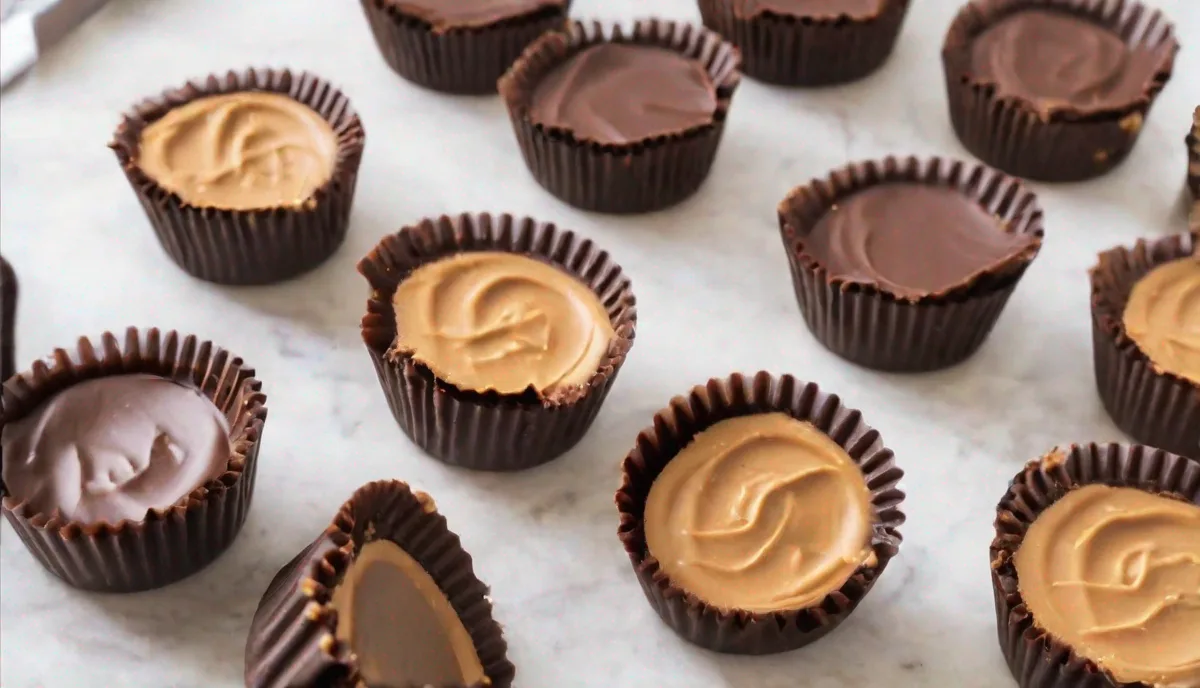
Peanut butter cups are a beloved treat for many people. With their sweet chocolate and creamy peanut butter filling, they can be hard to resist! However, traditional peanut butter cups are often full of sugar, trans fats, and artificial ingredients.
The good news is you can make healthier homemade versions that still capture the decadent flavor. Swapping in high quality dark chocolate and natural peanut butter cuts out many of the processed elements.
Ingredients
- 1 cup dark chocolate chips
- 1⁄2 cup natural creamy peanut butter
- 1 teaspoon coconut oil or butter
- Pinch of sea salt
Instructions
- Line a mini muffin tin with 12 paper liners.
- Melt the chocolate chips and coconut oil/butter together either in the microwave or a double boiler.
- Stir in the peanut butter until fully incorporated. Add a pinch of sea salt.
- Spoon the mixture evenly into the paper liners.
- Drizzle with extra melted chocolate and sprinkle with sea salt, if desired.
- Refrigerate until set, about 30 minutes. Store leftovers in the fridge.
Tips
- Look for 70% or higher dark chocolate for the richest flavor and health benefits.
- Use freshly ground peanut butter without any added sugars or oils.
- Customize with mix-ins like chopped nuts, coconut flakes, seeds, or dried fruit.
- If the chocolate seize up, stir in a teaspoon of coconut oil to smooth it out again.
Nutrition
Per serving:
- 110 calories
- 8g fat
- 4g protein
- 8g carbs
- 3g fiber
- 4g sugar
Rich in antioxidants, healthy fats, fiber and magnesium.
Mastering the Tempering Process for a Professional Snap
While melting chocolate is straightforward, achieving a professional “snap” and a glossy finish requires understanding the science of cocoa butter crystallization. If you want your healthy peanut butter cups to resist melting instantly when held, you must avoid the common mistake of overheating. Use a double boiler method where the water in the bottom pan never touches the bottom of the top bowl, creating a gentle steam heat. Aim for a working temperature of 115°F (46°C) for dark chocolate. Once melted, remove from heat and stir in a small handful of unmelted chocolate chips—this is called “seeding.” The unmelted chips introduce stable crystals that encourage the rest of the chocolate to set firmly, preventing the dreaded white streaks known as “bloom” that occur when cocoa butter separates.
The Role of Nut Butter Viscosity and Emulsification
The texture of your filling is entirely dependent on the viscosity of your chosen nut butter. Natural peanut butter, while healthier, often separates into a layer of oil and a layer of solids. To ensure a uniform, creamy center, you must stir the jar vigorously until the consistency is homogenous before measuring. If you find your peanut butter is too runny, it can compromise the integrity of the cup; try stirring in a tablespoon of almond flour or coconut flour. This acts as a thickener that absorbs excess oil without adding unwanted sugar, resulting in a “fudge-like” interior that holds its shape perfectly when bitten into, even at room temperature.
Flavor Infusions and Gourmet Additions
Elevate your basic recipe by incorporating botanical or spice-based infusions. For a sophisticated palate, stir a quarter-teaspoon of pure vanilla bean paste or a tiny drop of high-grade peppermint oil into your peanut butter mixture. If you enjoy a bit of heat, a pinch of cayenne pepper or ancho chili powder can create a complex, lingering finish that cuts through the richness of the dark chocolate. For texture, consider folding in raw cacao nibs for an extra crunch that provides a deep, earthy bitterness, or add finely shredded unsweetened coconut for a “bounty-bar” style profile that pairs exceptionally well with the roasted notes of the peanuts.
Managing Dietary Restrictions and Alternative Sweeteners
If you are looking to further reduce the glycemic impact of your treats, you can move beyond standard dark chocolate chips. Look for chocolate sweetened with stevia, monk fruit, or erythritol. When working with these alternative sweeteners, be aware that they can sometimes cause the chocolate to behave differently during the melting process. They may seize more quickly than sugar-based chocolate, so keep an extra teaspoon of neutral-flavored coconut oil on hand to restore the fluid consistency. Additionally, if you are avoiding legumes, sunflower seed butter is the gold standard for a nut-free alternative; however, be mindful that it contains chlorophyll, which may react with baking soda (if you were to use any in a recipe modification) and turn the butter a slight green color—this is harmless but worth noting for visual presentation.
Storage Strategies and Temperature Sensitivity
Because these healthy peanut butter cups rely on natural ingredients rather than stabilizers, they are sensitive to ambient temperatures. The ideal storage environment is a cool, dark pantry if your home is below 68°F, but for most, the refrigerator is best. To prevent condensation from forming on the surface of the chocolate—which can make it look dull—place a paper towel inside your airtight storage container. This absorbs excess moisture. If you prefer a firmer cup, store them in the freezer. They will not freeze solid due to the fat content in the peanut butter, making them a perfect “grab-and-go” dessert that provides a satisfyingly slow melt as it warms up in your mouth.
Troubleshooting Common Chocolate Failures
Even experienced home cooks encounter issues with seized chocolate. Seizure happens when a tiny amount of liquid—even a drop of steam—enters the melted chocolate, causing the sugar and cocoa particles to clump together into a grainy, unworkable paste. If this occurs, do not throw it away. You can often save the batch by adding hot water, one teaspoon at a time, while whisking vigorously. While this will change the chocolate from a coating consistency to a ganache consistency, it makes for a delicious, velvety soft-center cup. If you prefer to keep the snap, ensure all your bowls, spatulas, and spoons are perfectly dry before beginning your preparation. Prevention is always easier than the cure when dealing with temperamental cocoa fats.
FAQ
Can I use regular peanut butter?
You can, but the cups may end up a bit sweeter. Look for all-natural peanut butter without added sugars or oils for the healthiest results.
How long do these keep for?
If stored in an airtight container in the fridge, they’ll keep for 1-2 weeks. Let them come up to room temperature before enjoying for the best texture.
Can I make these peanut free?
Yes, you can substitute almond butter, sunflower seed butter or any other nut butter you prefer. Just adjust the quantity to match the consistency of peanut butter.
Can I use milk chocolate instead?
Milk chocolate will work, but won’t yield quite as rich of a chocolate flavor. For best results, use 60% cacao or higher dark chocolate.
Are these keto friendly?
With just 4g net carbs per serving, these make for a keto and low carb friendly sweet treat option.
Related posts:
 Hu Kitchen’s New Milk Chocolate Adventure
 The Coconut Pudding That Tastes Like Dessert But Isn’t
 Sweet Tooth Salvation: Sugar-Free Keto Dessert Bites That Actually Taste Amazing
 Dark Chocolate Benefits for Memory
 Dark Chocolate Popcorn Bark: A Smart and Indulgent Snack
 Is Peanut Butter Actually a Healthy Snack?
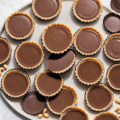 Healthy Homemade Peanut Butter Cup Recipe
 Zoe Kravitz’s Coconut Oil Hair Care Secret