

Nourishing your heart through mindful eating is one of the most compassionate acts of self-care. A heart-healthy diet can help reduce your risk of cardiovascular disease while enhancing your overall wellbeing. This thoughtful grocery shopping list will guide you in selecting foods that support heart health and vitality. Let’s explore how we can fill our carts and plates with nourishing choices that show love to our hardworking hearts.
Colorful Fruits and Vegetables
The produce section is a treasure trove of heart-healthy options. Aim to fill half your plate with a rainbow of fruits and vegetables at each meal. Some excellent choices include:
- Leafy greens like spinach, kale, and Swiss chard
- Vibrant berries – strawberries, blueberries, raspberries
- Citrus fruits rich in vitamin C
- Crisp apples and juicy pears
- Antioxidant-packed purple grapes
- Beta-carotene rich sweet potatoes and carrots
- Lycopene-rich tomatoes
These plant-based powerhouses are packed with fiber, vitamins, minerals and antioxidants that support cardiovascular health. The variety of colors represents different beneficial compounds, so aim to “eat the rainbow” for optimal nutrition.
Whole Grains for Lasting Energy
Whole grains provide fiber, B vitamins, and minerals that nourish your heart and entire body. Look for products where whole grains are listed as the first ingredient. Some heart-healthy whole grain options include:
- Oats – steel cut or rolled for a comforting breakfast
- Quinoa – a protein-rich ancient grain
- Brown rice – a versatile base for many meals
- Whole wheat bread and pasta
- Barley – great in soups and grain bowls
These complex carbohydrates provide sustained energy and help you feel satisfied. The fiber in whole grains can help lower cholesterol levels and promote healthy digestion.
Lean Proteins for Building and Repair
Protein is essential for maintaining and repairing the tissues in our body, including our heart muscle. Opt for lean protein sources that are lower in saturated fat:
- Skinless chicken or turkey breast
- Fish rich in omega-3 fatty acids like salmon, sardines, and mackerel
- Beans and lentils – excellent plant-based protein sources
- Tofu and tempeh
- Egg whites or whole eggs in moderation
These protein sources provide essential amino acids without excess saturated fat that can raise cholesterol levels. The omega-3 fatty acids in fish have anti-inflammatory properties that benefit heart health.
Heart-Healthy Fats
Not all fats are created equal. Focus on sources of unsaturated fats that support heart health:
- Extra virgin olive oil
- Avocados
- Nuts like almonds, walnuts, and pistachios
- Seeds such as chia, flax, and pumpkin seeds
- Fatty fish like salmon and sardines
These fats can help improve cholesterol levels and provide essential nutrients. Use them in moderation as part of a balanced diet. Remember that even healthy fats are calorie-dense, so be mindful of portion sizes.
Mindful Snack Choices
Snacking can be part of a heart-healthy diet when you choose nourishing options. Some ideas for satisfying snacks include:
- Fresh fruit with a small handful of nuts
- Vegetable sticks with hummus
- Greek yogurt topped with berries
- Air-popped popcorn seasoned with herbs
- Whole grain crackers with avocado
These snacks combine fiber, protein, and healthy fats to keep you satisfied between meals. They also provide valuable nutrients to support your heart and overall health.
Beverages for Hydration and Health
What you drink is just as important as what you eat for heart health. Focus on hydrating, nutrient-rich beverages:
- Water – the best choice for hydration
- Unsweetened tea – green or herbal
- Coffee in moderation
- Low-fat milk or unsweetened plant-based milk alternatives
Limit sugary drinks and alcohol, which can contribute to weight gain and increased blood pressure. If you enjoy fruit juice, stick to small portions of 100% juice without added sugars.
FAQ: Heart-Healthy Grocery Shopping
Q: How often should I eat fish for heart health?
A: The American Heart Association recommends eating fish, particularly fatty fish rich in omega-3 fatty acids, at least twice a week. This can include options like salmon, mackerel, herring, and sardines.
Q: Are canned fruits and vegetables a good option for a heart-healthy diet?
A: Canned fruits and vegetables can be part of a heart-healthy diet, especially when fresh produce is not available. Choose options with no added salt or sugar, and rinse canned vegetables before use to reduce sodium content.
Q: Is dark chocolate heart-healthy?
A: Dark chocolate with a high percentage of cocoa (70% or more) can have heart-healthy benefits when consumed in moderation. It contains flavonoids that may help lower blood pressure and improve blood flow. Enjoy small portions as part of a balanced diet.
Q: How can I reduce sodium in my diet while grocery shopping?
A: Look for low-sodium or no-salt-added versions of canned goods, choose fresh or frozen vegetables without added sauces, and read nutrition labels to compare sodium content. Cooking more meals at home using whole ingredients can also help you control your sodium intake.
Q: Are plant-based meat alternatives heart-healthy?
A: Some plant-based meat alternatives can be part of a heart-healthy diet, but it’s important to read labels. Choose options that are lower in sodium and saturated fat, and made with whole food ingredients. Remember that whole plant proteins like beans, lentils, and tofu are often more nutritious choices.
Remember, a heart-healthy diet is about making consistent, mindful choices over time. Be gentle with yourself as you incorporate these foods into your routine. Every nourishing choice is an act of kindness towards your heart and body. Happy, healthy shopping!
Related posts:
 The Role of Protein in Maintaining Heart Health
 New Study Sheds Light on the Complex Relationship Between Sodium Intake and Health
 Fat Intake Lowers Risk of Stroke: A Surprising Health Discovery
 Omega-6 Fatty Acids: Understanding Their Role in Health
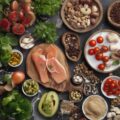 Nordic vs Mediterranean Diet
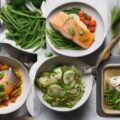 Healthy Fish Recipe Collection
 Healthiest Fat-Rich Foods
 FDA Recommends Reducing Daily Sodium Intake for Better Health