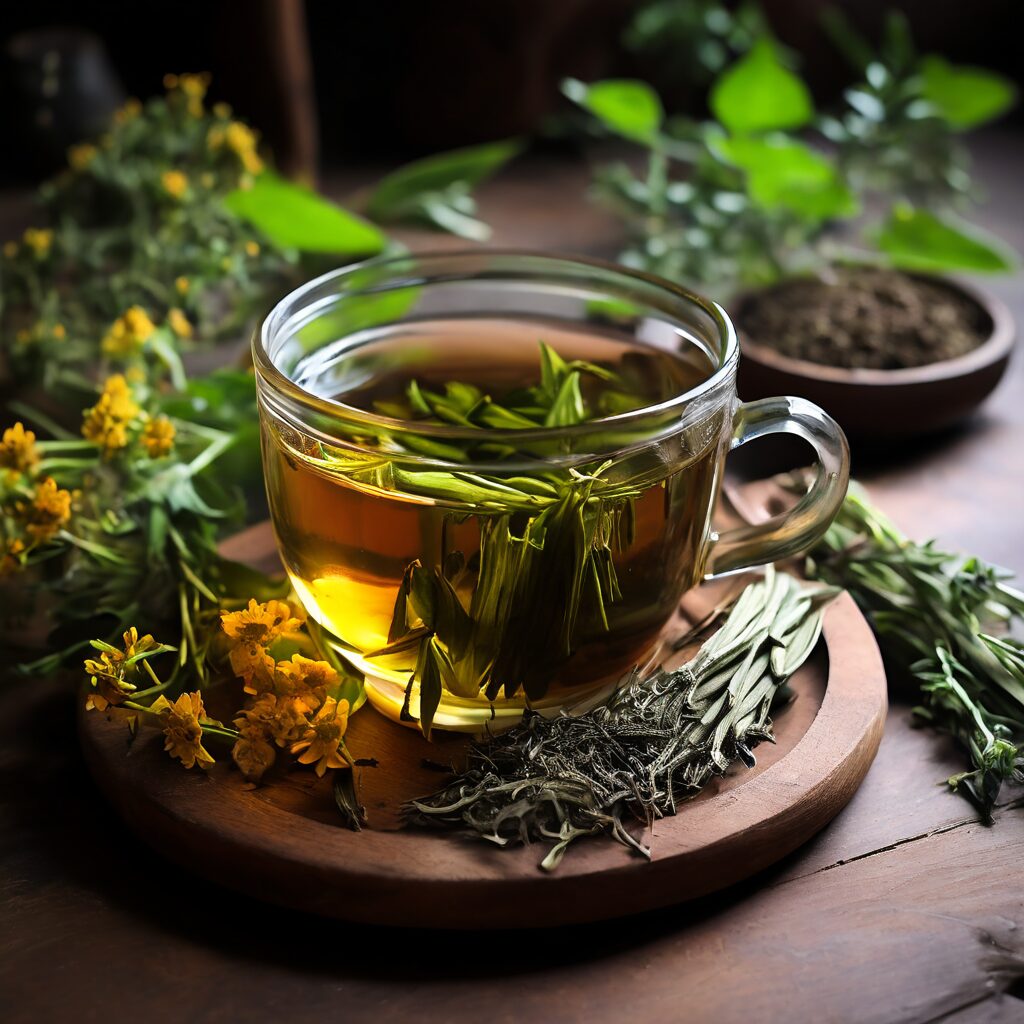
Understanding Iron Deficiency
Iron deficiency is a common nutritional disorder that affects many individuals worldwide. It can lead to anemia, characterized by fatigue, weakness, and a weakened immune system. While iron supplements are a common remedy, many people are turning to natural alternatives like herbal teas to manage their iron levels.
The Role of Herbal Teas in Iron Deficiency
Herbal teas have been used for centuries for their medicinal properties. Certain herbs are rich in iron and other nutrients that can help combat iron deficiency. These teas are a natural and gentle way to increase iron intake without the side effects often associated with iron supplements.
Top Herbal Teas for Iron Deficiency
- Nettle Tea: Nettle leaves are high in iron and vitamin C, which enhances iron absorption.
- Dandelion Root Tea: Dandelion roots are rich in iron and other vitamins that support overall health.
- Yellow Dock Tea: Yellow dock is known for its high iron content and ability to improve iron absorption.
- Parsley Tea: Parsley is another herb that contains significant amounts of iron and vitamin C.
Introducing Floradix: A Complementary Solution
Floradix is a popular liquid iron supplement that is often recommended alongside herbal teas for managing iron deficiency. It contains a combination of iron, vitamins, and herbal extracts that work synergistically to boost iron levels in the body. Floradix is known for its high bioavailability, meaning the body can easily absorb and utilize the iron it provides.
How to Incorporate Herbal Teas and Floradix into Your Routine
To effectively manage iron deficiency, it’s essential to incorporate both herbal teas and Floradix into your daily routine. Here are some tips:
- Brew a cup of iron-rich herbal tea, such as nettle or dandelion root, and drink it in the morning or evening.
- Take Floradix as directed, usually once or twice daily, preferably before meals for better absorption.
- Combine your herbal tea with a source of vitamin C, such as a squeeze of lemon, to enhance iron absorption.
- Maintain a balanced diet rich in iron-containing foods like leafy greens, legumes, and lean meats.
The Chemistry of Tannins and Phytates: What to Avoid
While the focus is often on what to consume to boost iron levels, it is equally vital to understand the dietary “iron blockers” that can render your herbal tea and Floradix regimen ineffective. Most common teas—specifically black, green, and white teas derived from the Camellia sinensis plant—contain high levels of tannins. These polyphenols bind to non-heme iron in the digestive tract, creating insoluble complexes that the body cannot absorb. If you are drinking a nettle or yellow dock infusion, avoid pairing it with a standard breakfast tea or coffee within a two-hour window. Similarly, phytates found in whole grains, legumes, and nuts can inhibit iron uptake. To maximize the benefits of your herbal infusion, try to consume it at least 60 minutes away from meals containing high-phytate foods. If you must have a cup of black tea, consider adding a heavy dose of vitamin C—such as a fresh orange or a squeeze of lemon—which can partially offset the inhibitory effect of tannins.
Botanical Synergy: Creating Your Own Iron-Rich Blends
Moving beyond single-herb infusions, creating custom tea blends can improve both the flavor profile and the nutritional efficacy of your intake. A powerful strategy is to combine a high-iron herb with a “catalyst” herb that improves digestion or blood circulation. For instance, blending nettle with dried rosehips creates a potent combination; rosehips are one of the most concentrated plant sources of vitamin C, which acts as a direct facilitator for iron absorption. Another excellent addition is ginger root. Ginger not only improves the bioavailability of nutrients by stimulating digestive enzymes but also helps soothe the stomach, which is particularly useful for those who find liquid iron supplements like Floradix occasionally harsh on the digestive tract. When brewing, use a covered vessel to steep your herbs; many of the volatile minerals and beneficial compounds can be lost to steam if the pot is left uncovered during the 10-15 minute infusion process.
Monitoring Bioavailability: The Role of Soil and Preparation
Not all herbal tea is created equal, and the source of your dried herbs significantly impacts the final iron content. Herbs like nettle are “dynamic accumulators,” meaning they pull minerals directly from the soil. If you are foraging or purchasing herbs, prioritize organic sources grown in mineral-rich soil. Furthermore, the preparation method changes the nutrient density. A standard “tea” steep (3-5 minutes) is often insufficient to extract the deep mineral content of roots like dandelion or yellow dock. For these, a “herbal decoction” is preferred. To make a decoction, place the roots in cold water, bring them to a gentle simmer, and let them cook for 20 to 30 minutes. This process breaks down the tough cellulose walls of the root, releasing the iron and trace minerals that a quick pour-over method would leave behind in the plant matter.
Addressing Digestive Sensitivity and Floradix Tolerance
One of the primary reasons individuals switch to Floradix and herbal alternatives is the high incidence of constipation and abdominal cramping associated with synthetic ferrous sulfate pills. While Floradix is generally well-tolerated due to its liquid, plant-based iron gluconate, some users may still experience mild digestive shifts. If this occurs, do not abandon the protocol; instead, adjust the timing. Consuming your iron-rich herbal tea alongside a small amount of fermented food—such as a tablespoon of sauerkraut or kimchi—can introduce probiotics that support a healthy gut microbiome, making the iron easier to process. Additionally, staying well-hydrated is critical. Since both iron supplements and certain herbal diuretics (like dandelion) can influence fluid balance, ensure you are drinking plenty of plain water throughout the day, separate from your iron-boosting infusions, to maintain systemic hydration and digestive regularity.
The Circadian Rhythm of Iron Absorption
Recent nutritional research suggests that the timing of iron intake relative to the body’s circadian rhythm may influence how efficiently iron is utilized. The hormone hepcidin, which regulates iron metabolism, tends to fluctuate throughout the day. Hepcidin levels are typically at their lowest in the morning, meaning the body is often more receptive to iron absorption shortly after waking. Drinking your nettle or yellow dock tea first thing in the morning on an empty stomach, followed by your Floradix dose, capitalizes on this natural physiological “window of opportunity.” Conversely, hepcidin levels often rise later in the day, which can make evening supplementation slightly less effective. By aligning your iron-rich herbal routine with your natural morning hepcidin dip, you can optimize the amount of iron your body actually retains from each dose.
Beyond Iron: The Importance of Cofactors
Iron deficiency rarely occurs in a vacuum; it is often part of a broader micronutrient imbalance. To effectively raise your blood iron levels, you must ensure you have the necessary cofactors for red blood cell synthesis. Vitamin B12 and folate are essential partners in this process. If you are relying heavily on herbal teas for iron, consider whether your diet or supplement routine includes these B-vitamins. Many Floradix formulas are already fortified with B-vitamins, which is part of why they are so effective. If you are using herbs alone, look for “blood-building” additions like raspberry leaf or alfalfa, which are rich in a broad spectrum of minerals and vitamins that support the body’s overall hematological health. Treating iron deficiency is not just about raw iron intake; it is about building a physiological environment where the body can successfully synthesize healthy, oxygen-carrying hemoglobin.
FAQs about Herbal Tea and Iron Deficiency
1. Can herbal tea alone cure iron deficiency?
While herbal teas can significantly help in managing iron levels, they are often most effective when used alongside other treatments like supplements or dietary changes.
2. How often should I drink herbal tea for iron deficiency?
It is generally recommended to drink 1-2 cups of iron-rich herbal tea daily. However, it’s best to consult with a healthcare provider for personalized advice.
3. Can I take Floradix with herbal tea?
Yes, taking Floradix with herbal tea can be beneficial as they complement each other in boosting iron levels. Ensure you follow the dosage instructions for both.
4. Are there any side effects of drinking herbal tea for iron deficiency?
Herbal teas are generally safe but can cause side effects in some individuals, such as digestive upset. It’s important to monitor your body’s response and consult a healthcare provider if needed.
5. How long does it take to see improvements in iron levels?
Improvements in iron levels can vary depending on the severity of the deficiency and individual response to treatment. Generally, noticeable improvements can take a few weeks to a few months.
Related posts:
 Safe and Natural Ways to Boost Your Vitamin D Levels
 How to Boost Energy With Iron, According to an RD
 Stinging Nettles as Tea and Hair Treatment
 Move Over Kombucha, a New Health Drink Is In Town
 Jordi’s Herbal Potions Review
 Brain-Healthy Teas
 The Benefits of Iron Supplementation with Floradix
 Dandelion Tea Benefits: Detoxification and Beyond