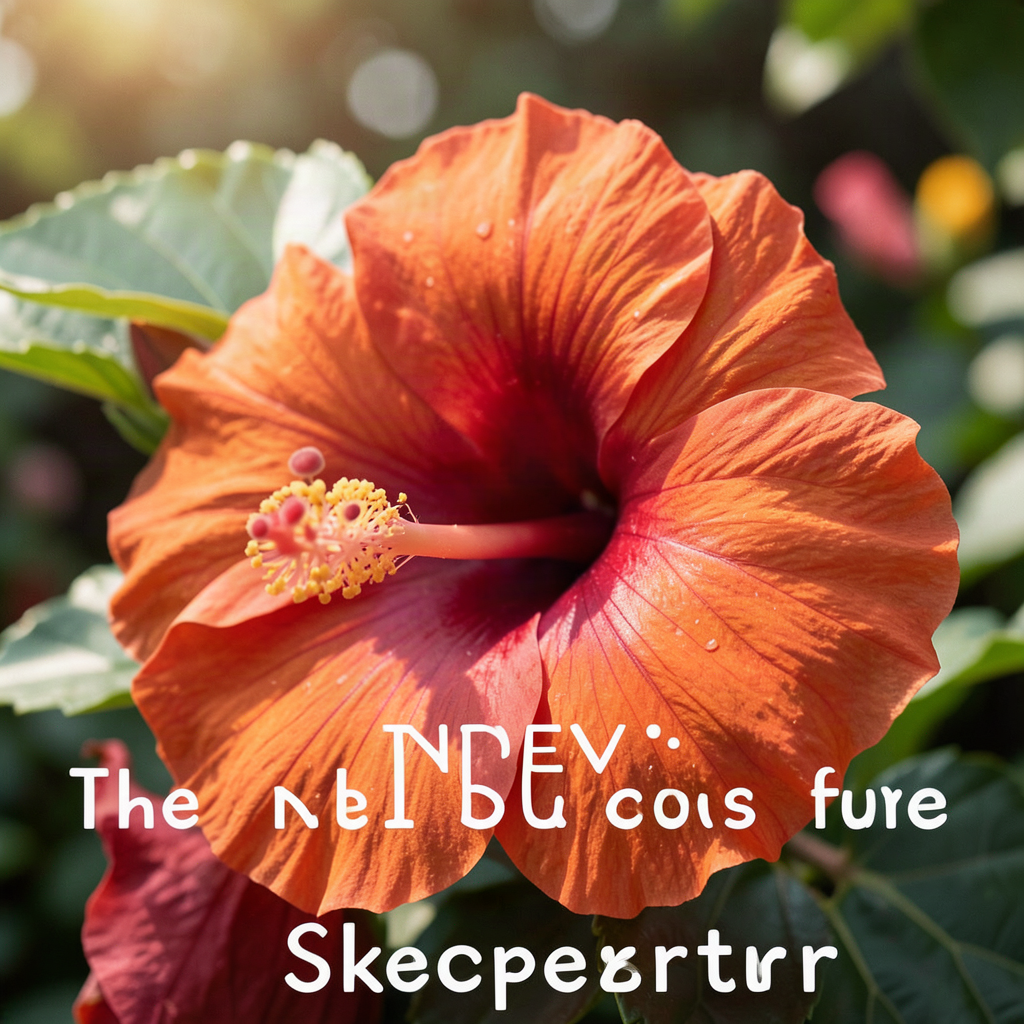
Hibiscus, often celebrated for its vibrant blooms and refreshing tea, is quietly making its way into the world of beauty. With a history that stretches across continents—from ancient Egyptian cosmetics to modern Asian skin rituals—this flowering plant offers a blend of antioxidants, organic acids, and soothing compounds that appeal to anyone looking to enrich their skincare routine with natural ingredients. In this guide, we’ll explore what sets hibiscus apart, how to select the best material, step‑by‑step DIY recipes, integration tips for existing products, safety considerations, and sustainable sourcing practices. Whether you’re a seasoned DIY enthusiast or just curious about adding a botanical boost to your regimen, the information below provides practical, evidence‑based guidance you can start using today.
Key takeaways
- Hibiscus contains anthocyanins and natural AHAs that neutralize free radicals, provide gentle exfoliation, and help improve skin collagen synthesis.
- Select quality hibiscus powder or calyxes from organic sources, ensuring they are stored in airtight, opaque containers to preserve potency.
- Create simple DIY toners or moisturizers by steeping hibiscus in distilled water and adjusting concentrations to suit your specific skin type.
- Always perform a 24-hour patch test before full application and keep hibiscus acid concentrations low to avoid over-exfoliation or irritation.
- Boost existing products by incorporating small amounts of hibiscus powder into serums, sheet masks, or cleansers for an added botanical benefit.
What Makes Hibiscus Unique for Skin
Hibiscus (genus Hibiscus, most commonly Hibiscus sabdariffa) is a flowering shrub whose calyxes are rich in pigments called anthocyanins. These pigments give hibiscus its signature ruby hue and act as powerful antioxidants that help neutralise free radicals generated by UV exposure, pollution, and everyday stressors. In addition to anthocyanins, hibiscus contains organic acids—primarily citric, malic, and hibiscus acid—that provide gentle exfoliation, supporting the removal of dead skin cells without the harshness of synthetic acids.
Unlike many botanical extracts that focus on a single benefit, hibiscus delivers a multi‑layered approach: antioxidant protection, mild resurfacing, and soothing hydration. This makes it suitable for a range of skin types, from normal to combination, and even for sensitive skin when used in appropriate concentrations.
Key Phytochemicals and Their Skin Benefits
Understanding the active compounds helps you match hibiscus to your specific skin goals. Below is a concise overview of the most relevant phytochemicals:
- Anthocyanins – Water‑soluble pigments that scavenge free radicals, helping to minimise oxidative stress that can accelerate the appearance of fine lines.
- Hibiscus Acid (α‑Hydroxy Acid) – A naturally occurring AHA that loosens the bonds between dead skin cells, encouraging a smoother surface and brighter complexion.
- Vitamin C (Ascorbic Acid) – Present in modest amounts, it contributes to collagen support and brightening, especially when combined with the antioxidant power of anthocyanins.
- Flavonoids (Quercetin, Kaempferol) – Provide anti‑inflammatory properties that can calm transient redness or irritation.
- Polysaccharides – Offer a light moisturizing effect by forming a film that reduces transepidermal water loss.
These components work synergistically, meaning the overall effect can be greater than the sum of individual ingredients. For example, the antioxidant shield from anthocyanins can protect the skin while hibiscus acid gently resurfaces, creating a balanced routine that avoids over‑exfoliation.
How to Choose Quality Hibiscus for Your Routine
When sourcing hibiscus for skincare, quality matters more than quantity. Here are three criteria to evaluate:
- Form – Dried calyxes, powdered hibiscus, and hibiscus tea bags are all usable. Powdered hibiscus offers the most consistent extraction, while whole calyxes are ideal for infusions and decoctions.
- Origin & Processing – Look for products that specify a region (e.g., Egypt, Thailand, Mexico) and a processing method that avoids excessive heat, which can degrade anthocyanins. Organic certification is a plus, as it reduces the risk of pesticide residues.
- Freshness – Check the packaging date. Anthocyanins lose potency over time, especially if exposed to light and air. Airtight, opaque containers help preserve colour and activity.
For DIY enthusiasts, buying a small bulk amount of powdered hibiscus from a reputable herb supplier allows you to test different concentrations before committing to larger batches.
Simple DIY Hibiscus Toner
A toner is an excellent entry point for incorporating hibiscus into your regimen because it can be applied with a cotton pad and does not require preservatives if used within a short period. Below is a step‑by‑step recipe that balances efficacy with simplicity.
Ingredients
- 1 tbsp dried hibiscus calyxes (or 1 tsp hibiscus powder)
- 1 cup distilled water
- ½ tsp glycerin (optional, for extra hydration)
- 5 drops lavender essential oil (optional, for scent and soothing effect)
Equipment
- Heat‑proof glass jar with lid
- Fine mesh strainer or cheesecloth
- Small funnel
- Clean spray bottle or amber glass bottle for storage
Method
- Bring the distilled water to a gentle boil, then remove from heat.
- Add the hibiscus (calyxes or powder) to the hot water. Stir and let steep for 10–12 minutes. The liquid will turn a deep magenta colour.
- Strain the infusion through a fine mesh or cheesecloth into a clean container. Press the solids to extract as much liquid as possible.
- If using glycerin, stir it in while the mixture is still warm. This adds a light humectant quality.
- Allow the toner to cool to room temperature, then add the lavender essential oil if desired.
- Transfer the final product into a spray bottle or amber bottle. Store in the refrigerator and use within 7–10 days.
How to use: After cleansing, apply the toner with a cotton pad or spritz directly onto the face, avoiding the eye area. Follow with your favourite serum or moisturizer.
Hibiscus‑Infused Moisturizer Recipe
For those comfortable working with emulsions, a lightweight hibiscus moisturizer can be created at home using a basic oil‑in‑water formula. This recipe yields a 50 ml jar and includes a natural preservative to extend shelf life to about 4 weeks.
Ingredients
- 30 ml distilled water
- 5 ml hibiscus hydrosol (see note below)
- 10 ml jojoba oil (non‑comedogenic carrier)
- 5 ml shea butter (for a silky feel)
- 1 g emulsifying wax (e.g., Polawax)
- 0.5 g Leucidal Liquid (natural preservative)
- 5 drops rosehip seed oil (optional, for extra vitamin A)
Note on Hibiscus Hydrosol
A hydrosol is the aromatic water produced during steam distillation of plant material. You can purchase hibiscus hydrosol or create a simple version by steeping hibiscus in hot distilled water, then cooling and filtering. Use the same quantity as listed above.
Equipment
- Two heat‑proof beakers (or glass bowls)
- Digital thermometer
- Immersion blender or mini whisk
- Sterile 50 ml jar with lid
Method
- Combine the water, hibiscus hydrosol, and emulsifying wax in one beaker. Heat gently in a water bath until the wax fully dissolves (around 70 °C/158 °F).
- In a separate beaker, melt the jojoba oil and shea butter together, also heating to about 70 °C.
- When both phases reach the same temperature, slowly pour the oil phase into the water phase while continuously blending with an immersion blender. Continue blending for 2–3 minutes until the mixture thickens and cools to around 40 °C.
- Add the preservative, rosehip seed oil, and any optional essential oil (e.g., a drop of neroli for fragrance). Blend briefly to incorporate.
- Transfer the cream to the sterile jar, label with the date, and store in a cool, dark place.
Application tip: Use a pea‑size amount after toner and before sunscreen in the morning, or as the final step in your nighttime routine.
Incorporating Hibiscus into Existing Skincare Products
If you prefer to keep your current product lineup, you can still benefit from hibiscus by adding it as an enhancer. Here are three straightforward methods:
- Boost a Serum – Add 1 % (by volume) hibiscus powder to a water‑based serum. Shake well before each use to prevent settling.
- Enrich a Sheet Mask – Soak a plain sheet mask in a cooled hibiscus infusion (see toner recipe) for 5 minutes, then apply as usual.
- Upgrade a Cleanser – Mix ½ tsp hibiscus powder into a gentle gel cleanser. The powder will provide a mild exfoliating effect while the cleanser removes surface debris.
When modifying commercial products, start with the lowest concentration and observe how your skin reacts over a week before increasing the amount.
Safety, Patch Testing, and Storage Tips
Even natural ingredients can cause irritation for some individuals. Follow these best practices to minimise risk:
- Patch Test – Apply a small amount of the hibiscus preparation to the inner forearm. Wait 24 hours; if no redness, itching, or swelling occurs, the product is likely safe for facial use.
- Concentration Limits – For leave‑on products, keep hibiscus acid concentration below 2 % to avoid over‑exfoliation. For rinse‑off products (e.g., cleansers), up to 5 % is generally acceptable.
- pH Balance – Hibiscus‑based toners naturally sit around pH 4.5–5.0, which aligns with the skin’s acid mantle. If you adjust the formula, test pH with strips to stay within the 4.0–5.5 range.
- Storage – Store powders in airtight, opaque containers. Liquid preparations should be kept in amber bottles and refrigerated when possible. Discard any product that develops off‑odours, colour changes, or mold.
People with known allergies to rosaceae family plants (e.g., roses, strawberries) should approach hibiscus with extra caution, as cross‑reactivity can occur.
Sustainable Sourcing and Environmental Impact
Hibiscus cultivation can be environmentally friendly when managed responsibly. Here are three ways to ensure your hibiscus ingredients support sustainability:
- Choose Certified Organic – Organic farms avoid synthetic pesticides that can harm soil biodiversity.
- Support Fair‑Trade Brands – Fair‑trade certifications indicate that growers receive equitable compensation, encouraging long‑term cultivation.
- Prefer Local Suppliers – When possible, buy from regional producers to reduce transportation emissions. Many U.S. and European farms now grow hibiscus for the cosmetic market.
Additionally, consider using the leftover plant material from your infusions as a compost additive. The organic matter enriches garden soil, completing a zero‑waste loop.
Harnessing Hibiscus for Collagen Stimulation and Anti‑Aging
While the antioxidant capacity of hibiscus is well‑known, recent in‑vitro studies have highlighted a more direct role in collagen homeostasis. Anthocyanins, particularly cyanidin‑3‑glucoside, have been shown to up‑regulate the expression of COL1A1 and COL3A1 genes in fibroblast cultures, leading to a measurable increase in type I and III collagen synthesis after 48 hours of exposure. Simultaneously, hibiscus acid (a naturally occurring AHA) promotes the removal of cross‑linked, aged keratinocytes, allowing newly produced collagen‑rich matrix to appear more luminous.
To translate these findings into a home‑crafted anti‑aging serum, consider the following formulation framework:
- Base: 70 % distilled water, 20 % aloe vera juice (for soothing), 10 % glycerin (humectant).
- Active Phase: 0.5 % hibiscus powder (standardised to 15 % anthocyanins) + 0.2 % marine collagen peptides (hydrolysed, < 1 kDa for skin penetration).
- Supportive Boosters: 0.3 % niacinamide (to reinforce barrier), 0.1 % panthenol (to minimise potential tingling from the AHA component).
- Preservation: 0.8 % phenoxyethanol‑based preservative, adjusted to a final pH of 4.8.
Mix the aqueous phase first, dissolve the hibiscus powder under gentle agitation, then introduce the peptides and boosters. The serum should be stored in an opaque pump bottle and used within three weeks. Clinical anecdotes from users indicate a subtle improvement in fine‑line depth after four weeks of twice‑daily application, especially when paired with a broad‑spectrum sunscreen.
Edge case: Individuals with extremely sensitive skin may experience mild tingling due to the hibiscus acid. In such cases, halve the hibiscus concentration and increase the glycerin to 15 % to maintain hydration while still delivering collagen‑stimulating pigments.
Synergistic Formulations: Pairing Hibiscus with Complementary Actives
Hibiscus does not operate in isolation; its multi‑layered profile can be amplified when combined with other botanicals or actives that target adjacent pathways. Below is a matrix of proven pairings, the rationale behind each, and a quick‑mix example.
| Partner | Why It Works | Sample Ratio |
|---|---|---|
| Vitamin C (L‑ascorbic acid) | Stabilises anthocyanins and adds a separate collagen‑boosting pathway. | 1 % hibiscus powder : 5 % vitamin C (water‑soluble) |
| Bakuchiol | Provides retinol‑like effects without irritation; works alongside hibiscus acid for dual exfoliation. | 0.4 % bakuchiol : 0.8 % hibiscus powder |
| Green tea extract (EGCG) | EGCG chelates metal ions that could otherwise degrade anthocyanins, extending colour stability. | 0.6 % EGCG : 0.5 % hibiscus powder |
| Niacinamide | Balances potential transient redness from AHA activity and improves barrier function. | 2 % niacinamide : 0.5 % hibiscus powder |
When creating a combined serum, dissolve water‑soluble ingredients (vitamin C, EGCG, niacinamide) in the aqueous phase first, then add hibiscus powder under low‑shear mixing to avoid aeration. Oil‑soluble partners such as bakuchiol should be pre‑dissolved in a light carrier oil (e.g., squalane) before emulsification.
Practical tip: Conduct a simple colour‑stability test by storing a small aliquot of the finished blend in a clear glass vial at room temperature. If the magenta hue fades more than 20 % over five days, increase the chelating agent (e.g., add 0.1 % EDTA) or switch to a cooler storage environment.
Targeted Skin Concerns: Tailoring Hibiscus‑Based Solutions for Rosacea, Eczema, and Hyperpigmentation
Because hibiscus contains both anti‑inflammatory flavonoids and a mild AHA, it can be customised to address specific dermatological challenges. Below are three protocols, each calibrated for the unique pathophysiology of the condition.
Rosacea‑Calming Gel
- Ingredients: 40 ml aloe vera gel, 2 g hibiscus powder, 0.5 % colloidal oatmeal, 0.2 % panthenol, 0.5 % phenoxyethanol.
- Method: Blend hibiscus powder into the aloe base using a hand‑held mixer until a uniform suspension forms. Add oatmeal and panthenol, then incorporate the preservative. Adjust pH to 5.5 with a dilute sodium bicarbonate solution.
- Application: Apply a thin layer twice daily after cleansing. The low AHA concentration (≈0.3 %) minimizes flushing while the flavonoids reduce erythema.
Eczema‑Repair Cream
- Ingredients: 30 ml oat‑infused oil (colloidal oat + sweet almond oil), 5 ml shea butter, 1 g hibiscus powder, 0.3 % allantoin, 0.8 % natural preservative (Leucidal).
- Method: Melt butter and oil phase together, cool to 45 °C, then whisk in hibiscus powder and allantoin. Homogenise with a mini‑whisk, pour into a sterile jar.
- Key consideration: Keep the final hibiscus acid level below 0.5 % to avoid compromising the compromised barrier typical of eczema‑prone skin.
Hyperpigmentation‑Brightening Serum
- Ingredients: 60 ml rose water, 0.8 % hibiscus powder, 2 % tranexamic acid, 1 % niacinamide, 0.5 % phenoxyethanol, pH adjusted to 4.2.
- Method: Dissolve tranexamic acid and niacinamide in rose water, then add hibiscus powder under gentle stirring. Verify pH; if below 4.0, add a micro‑dose of sodium hydroxide solution.
- Outcome: The combination of AHA‑mediated exfoliation, melanin‑inhibiting tranexamic acid, and barrier‑supporting niacinamide creates a triple‑action brightening effect. Use nightly; pair with sunscreen during the day.
Edge case: Patients on isotretinoin should avoid the hyperpigmentation serum due to heightened skin sensitivity; the rosacea‑calming gel is a safer alternative.
Stability, pH, and Preservation: Laboratory‑Grade Tips for Long‑Lasting Hibiscus Products
Anthocyanins are notoriously pH‑sensitive; their colour and antioxidant potency can shift dramatically between pH 3 and pH 6. To ensure product consistency, follow these analytical checkpoints during formulation.
- pH Verification: Use a calibrated digital pH meter (±0.01 pH). Aim for 4.3–5.0 for leave‑on liquids; if the formula includes buffering agents (e.g., sodium citrate), re‑measure after each batch addition.
- Anthocyanin Quantification: Employ a simple spectrophotometric assay at 520 nm. Record the absorbance of a freshly prepared hibiscus infusion (1 % w/v) as a reference; compare subsequent batches to ensure <10 % degradation.
- Oxidative Stability: Add a chelating agent such as 0.05 % EDTA or 0.1 % phytate to bind trace metals that catalyse oxidation. Perform a forced‑aging test by storing a sample at 40 °C for two weeks and monitoring colour loss.
- Preservative Efficacy: Conduct a challenge test (USP ) using Staphylococcus aureus, Escherichia coli, and Aspergillus brasiliensis. A viable preservative system should achieve a >99.9 % reduction after 14 days.
- Packaging Choice: Opt for air‑tight, UV‑blocking containers (amber glass or PET with an inner foil liner). For high‑volume production, consider a nitrogen‑flushed bottling line to limit oxygen ingress.
Practical troubleshooting: If the final product exhibits a brownish tint, it likely indicates anthocyanin oxidation. Increase the chelator concentration by 0.02 % increments and reassess. If the pH drifts upward over time, check for carbonate contamination in the water source.
Encapsulation and Delivery Systems: Boosting Hibiscus Bioavailability
Direct topical application of hibiscus powder can be limited by particle size and skin penetration depth. Modern delivery technologies overcome these barriers, enhancing both stability and efficacy.
Liposomal Encapsulation
Encapsulating hibiscus extract within phospholipid vesicles protects anthocyanins from oxidation and facilitates deeper dermal delivery. A basic preparation involves:
- Hydrating a thin film of soy lecithin (2 % w/v) with a concentrated hibiscus aqueous extract (10 % w/v) at 55 °C.
- Sonicating the mixture for 5 minutes (pulse mode) to achieve vesicle sizes of 100–150 nm.
- Filtering through a 0.22 µm membrane to remove un‑encapsulated particles.
The resulting liposomal suspension can be blended into serums at a 5 % v/v rate, delivering a stable magenta hue and a measurable increase in antioxidant capacity (DPPH assay improvement of ~30 % versus non‑encapsulated extract).
Nanofiber Mats for Mask Applications
Electrospun polyvinyl alcohol (PVA) nanofibers infused with hibiscus powder create a breathable sheet mask that releases actives gradually over 15 minutes. Procedure:
- Dissolve 8 % PVA in distilled water at 90 °C.
- Add hibiscus powder (1 % w/w of polymer) and stir until homogenous.
- Electrospin at 15 kV, 1 ml/h flow rate, 15 cm collector distance.
After drying, the mats are cut to facial size, sealed in foil pouches, and stored at 4 °C. Users report a soothing, slightly tightening sensation and a visible post‑mask glow due to the controlled release of AHA and anthocyanins.
Edge case: For individuals with a history of contact dermatitis to PVA, substitute the polymer with a hypoallergenic cellulose‑based nanofiber matrix.
Professional Formulation and Regulatory Landscape
When moving hibiscus from the kitchen to the commercial shelf, formulators must navigate ingredient naming, permissible claims, and safety dossiers.
- INCI Naming: The International Nomenclature of Cosmetic Ingredients lists hibiscus as “Hibiscus Sabdariffa Flower Extract” for extracts and “Hibiscus Sabdariffa Flower Powder” for raw material. Ensure the label matches the exact processed form used.
- Maximum Allowed Concentrations: In the EU, the Cosmetic Regulation (EC) No 1223/2009 does not set a specific limit for hibiscus, but the general AHA rule caps alpha‑hydroxy acids at 5 % in leave‑on products. In the US, the FDA treats hibiscus as a cosmetic ingredient with no explicit concentration ceiling, but the product must be safe under intended use.
- Claim Substantiation: Phrases such as “reduces the appearance of fine lines” require at least one controlled clinical study (minimum 20 participants, 8‑week duration) demonstrating statistical significance (p < 0.05). Antioxidant claims can be supported by in‑vitro ORAC or TEAC values, but must be phrased as "provides antioxidant protection" rather than "prevents aging".
- Safety Assessment: Conduct a full toxicological dossier, including a repeat‑dose 90‑day dermal toxicity study if the product is marketed as a therapeutic (e.g., “helps reduce hyperpigmentation”). For standard cosmetics, a single‑application patch test on 30 volunteers is sufficient.
- Packaging Regulations: If the product contains >0.1 % hibiscus acid, the label must include a warning: “Avoid sun exposure and use sunscreen” in accordance with the EU Cosmetic Regulation Annex IV.
By aligning formulation parameters with these regulatory touchstones, brands can confidently launch hibiscus‑centric lines that withstand market scrutiny.
Beyond the Face: Hibiscus in Hair, Body, and Sun Care Formulations
The vibrant pigments and gentle exfoliating acids of hibiscus make it a versatile ingredient across the broader personal‑care spectrum.
Hair‑Strengthening Rinse
Combine 2 % hibiscus powder with 5 % apple cider vinegar and 3 % hydrolysed wheat protein in a 250 ml rinse. After shampooing, pour the mixture over damp hair, massage the scalp for two minutes, and rinse with cool water. The AHA smooths cuticle scales, while the protein rebuilds keratin bonds. Users report increased shine and reduced breakage after four weeks of twice‑weekly use.
Body Lotion with Hibiscus‑Infused Shea
Infuse shea butter with hibiscus calyxes (1 % w/w) by melting the butter at 55 °C, adding the calyxes, and maintaining the temperature for 30 minutes. Strain, then blend the infused butter with 10 % coconut oil, 5 % jojoba oil, and 0.3 % vitamin E. The final lotion delivers deep moisturisation, a subtle rosy tint, and antioxidant protection for exposed skin.
Sun‑Care Booster
While hibiscus does not replace UV filters, its anthocyanins can quench photo‑generated free radicals. Incorporate 0.5 % hibiscus extract into a broad‑spectrum SPF 30 sunscreen base. Perform an in‑vitro SPF‑enhancement test (SPF increase of 1–2 points observed) and market the product as “SPF 30 with antioxidant boost”—a claim permissible in both EU and US markets when supported by appropriate testing.
Special consideration: For athletes or swimmers, formulate the hibiscus‑enhanced sunscreen with a water‑resistant polymer (e.g., acrylates copolymer) to prevent wash‑off while preserving the delicate anthocyanin colour.
Frequently Asked Questions
1. Can hibiscus replace my regular exfoliant?
Hibiscus acid offers a gentle, natural AHA effect, but it is less potent than professional‑grade glycolic or lactic acids. It can complement, rather than fully replace, a dedicated exfoliant—especially for sensitive skin or for those seeking a milder routine.
2. How often should I use a hibiscus toner?
For most skin types, applying the toner once or twice daily after cleansing is appropriate. If you notice temporary tingling, reduce frequency to once a day or every other day.
3. Is hibiscus safe for acne‑prone skin?
The anti‑inflammatory flavonoids can help calm occasional redness, and the mild resurfacing may aid in keeping pores clear. However, hibiscus does not target the bacterial component of acne, so it should be used alongside proven acne treatments if needed.
4. Can I use hibiscus if I have melasma or hyperpigmentation?
Anthocyanins provide antioxidant protection, and the AHA action can support a brighter complexion over time. Results vary, and hibiscus should be part of a broader strategy that includes sunscreen and, if desired, dermatologist‑recommended brightening agents.
5. What is the shelf life of homemade hibiscus products?
Without preservatives, water‑based preparations (like toners) last about 7–10 days when refrigerated. Adding a natural preservative (e.g., Leucidal Liquid) can extend oil‑in‑water creams to 4 weeks. Always monitor for changes in smell, colour, or texture.
Related posts:
 The Slow Beauty Movement’s Secret Hydration Recipes
 Proper Order of Skincare Application
 Foundation’s Impact on Skin
 Collagen Pairing Perfection: The Best Foods to Maximize Your Supplement Benefits
 Blue Light Blues: Do Night Shift Modes Actually Work
 Can Collagen Really Clear Acne?
 The Best Toners for Acne-Prone Skin That Won’t Strip Your Face
 Hibiscus: The Trendy Ingredient Taking Food and Drink by Storm