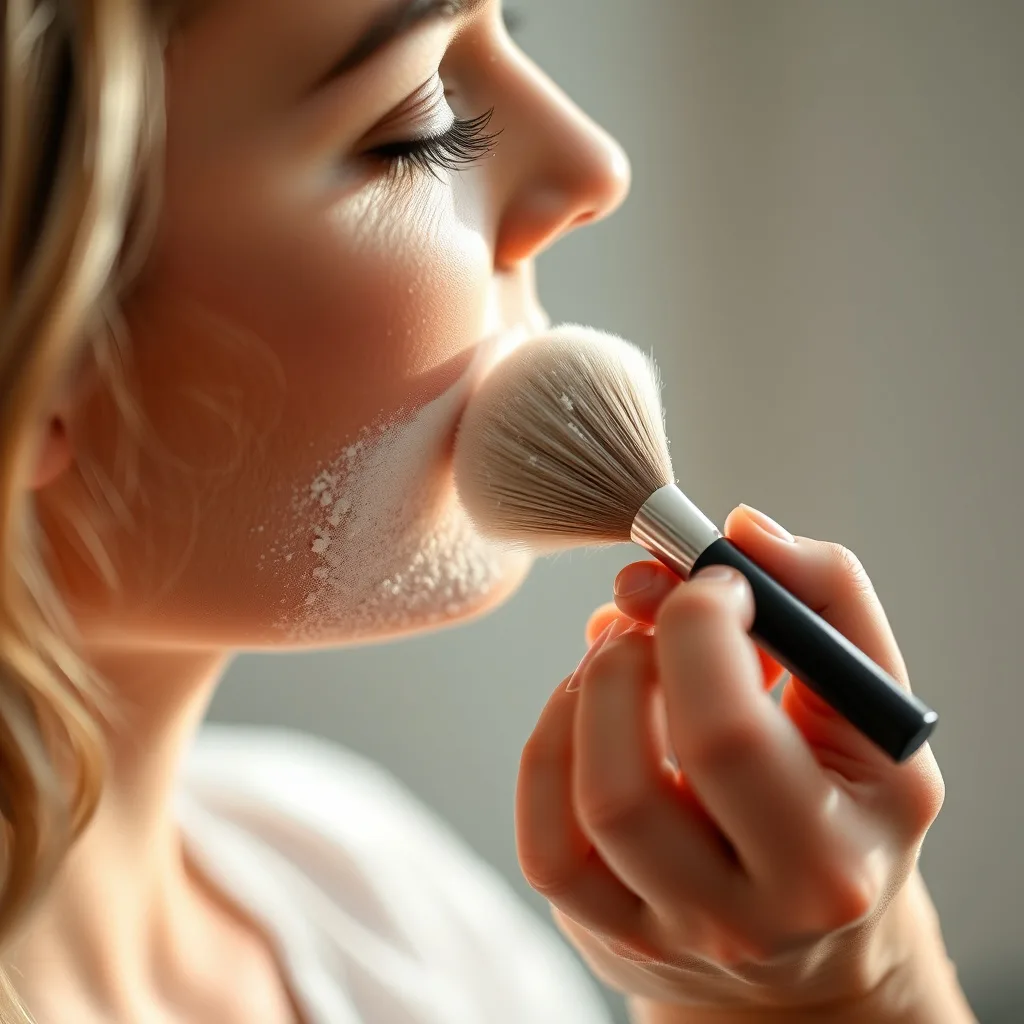
Many people reach for a compact powder, a dry shampoo, or a baby‑care cream without realizing that a common mineral called talc may be hiding inside. Talc is valued for its ability to absorb moisture, reduce friction, and give products a silky feel, yet its presence is not always obvious on the label. This article explores what talc is, where it lurks, why health experts are paying attention, and how you can make informed choices for a cleaner beauty routine.
Key takeaways
- Check ingredient labels for talc, magnesium silicate, or hydrous magnesium silicate to identify products containing this mineral.
- Look for safer, plant-based alternatives like arrowroot powder, cornstarch, rice starch, or kaolin clay in your beauty products.
- Audit your current stash and replace items gradually, starting with powders and dry shampoos that you use most frequently.
- Prioritize brands that provide third-party lab testing or certificates of analysis confirming their products are asbestos-free.
What Is Talc and Why Is It Used
Talc is a naturally occurring hydrated magnesium silicate. In its pure form it is soft, white, and highly absorbent. Cosmetic formulators prize it because it creates a smooth texture, prevents caking, and helps pigments adhere to the skin. You will find it in pressed powders, blushes, eyeshadows, foundations, and even in some deodorants and antiperspirants. The mineral is also used in pharmaceutical tablets and food‑grade applications, but the grade and purity differ dramatically across industries.
Where Talc Hides in Everyday Products
Beyond obvious face powders, talc can appear in products you might not suspect. Dry shampoos often rely on talc to soak up oil at the roots. Body powders, foot powders, and intimate‑care dusting powders frequently list talc as a primary ingredient. Some cream‑based makeup, such as cream blush or highlighter, uses micronized talc to improve spreadability. Even certain sunscreens and primers incorporate talc to achieve a matte finish. Checking the ingredient deck for the word talc, magnesium silicate, or the abbreviation “talc” is the first step in spotting it.
Health Concerns Linked to Talc Exposure
Scientific debate continues around talc safety. The primary worry stems from the possibility of asbestos contamination, because talc and asbestos can form in the same geological deposits. Inhalation of fine talc particles has been associated with respiratory irritation and, in occupational settings, with a rare lung condition called talcosis. Some epidemiological studies have explored a potential link between perineal talc use and ovarian cancer, though results remain inconclusive. Regulatory agencies such as the FDA and the European Commission monitor talc purity, but they do not require a mandatory asbestos‑free certification for every cosmetic batch.
Regulatory Landscape and Labeling Gaps
In the United States, cosmetics are regulated under the Federal Food, Drug, and Cosmetic Act. The FDA does not approve cosmetic ingredients before they reach the market; manufacturers are responsible for safety. The European Union maintains a stricter annex of prohibited and restricted substances, yet talc remains permitted provided it meets purity criteria. Neither jurisdiction mandates a specific “talc‑free” claim, so brands can market products as “natural” or “clean” while still containing talc. This regulatory gap makes consumer vigilance essential.
How to Read Ingredient Lists Like a Pro
Ingredient decks follow the International Nomenclature of Cosmetic Ingredients (INCI) system. Talc appears simply as “talc” or “magnesium silicate”. Look for these terms near the top of the list, which indicates higher concentration. Be aware of synonyms such as “hydrous magnesium silicate” or “soapstone”. If a product lists “mineral powder” without further clarification, contact the brand for specifics. Apps and browser extensions that scan barcodes can flag talc automatically, saving time during shopping trips.
Safer Alternatives and Clean‑Beauty Swaps
Several mineral and plant‑based ingredients replicate talc’s functional benefits without the same risk profile. Arrowroot powder, cornstarch, rice starch, and kaolin clay absorb moisture and provide a silky finish. Silica microspheres, derived from sand, offer similar slip and blur effects in primers and foundations. For dry shampoo, look for formulas based on oat flour or tapioca starch. When choosing a body powder, opt for certified organic cornstarch or baking‑soda‑free blends. Many clean‑beauty brands now highlight “talc‑free” on the front panel, making selection easier.
Building a Talc‑Free Routine Step by Step
- Audit your current stash. Pull every powder, dry shampoo, and cream product and note any that list talc.
- Research replacements. Use the alternatives above as a starting point and read reviews for performance.
- Patch test new products. Even natural powders can irritate sensitive skin, so apply a small amount on the inner forearm first.
- Replace gradually. Swap one category at a time — start with face powder, then move to body powder, then dry shampoo.
- Maintain a master list. Keep a digital note of talc‑free favorites for quick reordering.
Consistency and patience are key; a complete overhaul rarely happens overnight.
Talc in Professional and Salon Environments
Professional makeup artists, estheticians, and nail technicians handle loose powders, setting sprays, and dry shampoos throughout the day. Air sampling in busy salons has shown talc concentrations that can approach or exceed the American Conference of Governmental Industrial Hygienists (ACGIH) threshold limit value of 2 mg/m3 for respirable dust. Unlike consumers who apply product once or twice daily, professionals may inhale fine particles for eight to ten hours per shift, increasing cumulative lung burden. Ventilation systems designed for hair spray fumes often do not capture sub‑micron talc aerosols, which remain suspended for hours. Practical mitigation includes installing local exhaust ventilation at each workstation, using pre‑mixed pressed powders instead of loose formulas, and providing NIOSH‑approved N95 or P100 respirators for staff during peak application periods. Some forward‑thinking salons have adopted talc‑free mineral lines and report reduced respiratory irritation among employees after a three‑month transition. Training programs that teach proper powder handling — such as tapping excess product into a disposable tray rather than shaking the container — further limit airborne release. Occupational health clinics now recommend baseline spirometry for workers with more than five years of daily talc exposure, followed by annual monitoring.
Talc in Menstrual and Intimate Care Products
Menstrual pads, panty liners, and feminine powders frequently list talc as an absorbent filler or anti‑caking agent. Because these products sit against mucosal tissue for extended periods, the potential for perineal migration of talc particles is higher than with facial powders. A 2022 study published in the Journal of Women’s Health detected talc particles in 68 percent of tested panty liner samples, even when the ingredient deck omitted the term talc and used the synonym magnesium silicate. Regulatory frameworks in the United States treat these items as medical devices, which exempts them from cosmetic labeling requirements, creating a blind spot for consumers. In the European Union, the Medical Device Regulation (MDR) mandates a biocompatibility assessment, yet talc purity testing is not explicitly required. Practical steps for users include choosing 100 percent cotton or bamboo pads that advertise a talc‑free claim backed by a third‑party certificate, and opting for organic cornstarch‑based intimate powders that disclose particle size distribution. For those who prefer reusable menstrual cups or discs, the absence of any powder eliminates the exposure pathway entirely. Brands that voluntarily publish batch‑specific asbestos‑free test results on their websites provide an additional layer of confidence.
Supply Chain Transparency and Testing Methods
Ensuring that cosmetic‑grade talc is truly asbestos‑free relies on rigorous analytical techniques applied at multiple points in the supply chain. X‑ray diffraction (XRD) is the industry standard for identifying crystalline phases; it can detect asbestos fibers down to 0.1 percent by weight when coupled with Rietveld refinement. Transmission electron microscopy (TEM) with selected‑area electron diffraction offers higher sensitivity, capable of spotting individual chrysotile or amphibole fibers at concentrations below 0.01 percent. Reputable suppliers provide a Certificate of Analysis (CoA) that includes both XRD and TEM results, batch number, mine origin, and a statement of compliance with USP or European Pharmacopoeia monograph 2.4.16. Some brands go further by publishing the full CoA on a public portal, allowing consumers to verify the exact lot used in their product. Edge cases arise when talc is sourced from multiple mines and blended before testing; in such scenarios, a single CoA may not represent the final blend. Brands that implement a “mine‑to‑market” traceability system — assigning a unique lot ID to each mine shipment and tracking it through milling, micronization, and final packaging — reduce the risk of undetected contamination. Contract manufacturers should require incoming raw material CoAs and perform a confirmatory XRD scan on each lot before release to production. Small indie brands lacking in‑house labs can partner with accredited third‑party labs such as SGS, Eurofins, or Intertek for periodic audit testing.
International Regulatory Differences
Regulatory treatment of talc varies widely beyond the United States and the European Union, affecting product formulation and market access. Canada’s Health Canada Cosmetic Ingredient Hotlist permits talc provided it meets the same purity criteria as the EU, but it also requires a mandatory notification of any talc‑containing product through the Cosmetic Notification Portal, enabling post‑market surveillance. Australia’s Therapeutic Goods Administration (TGA) classifies talc‑based body powders as therapeutic goods when marketed for medicinal claims, triggering a more stringent Good Manufacturing Practice (GMP) audit that includes asbestos testing. Japan’s Ministry of Health, Labour and Welfare (MHLW) maintains a positive list of approved cosmetic ingredients; talc is listed but only when accompanied by a certificate confirming the absence of asbestos fibers using both XRD and TEM. The recent U.S. FDA Modernization of Cosmetics Regulation Act (MoCRA) introduces mandatory facility registration, product listing, and adverse event reporting, yet it stops short of requiring batch‑level asbestos certification. In contrast, the United Kingdom post‑Brexit framework mirrors the EU annexes but adds a requirement for a responsible person to retain a technical file that includes talc purity data for ten years. Brands selling globally often adopt the strictest standard — typically the EU/UK requirement — as a baseline, then layer additional testing to satisfy Canada, Australia, and Japan. This harmonized approach simplifies supply chain management and reduces the risk of market‑specific recalls.
Talc‑Free Certification Programs and Clean Beauty Standards
Several independent certification schemes now evaluate talc‑free claims alongside broader safety and sustainability criteria. The Environmental Working Group (EWG) Verified program requires full ingredient disclosure, a toxicological review, and confirmation that no talc or magnesium silicate appears in the formula; products must also pass a contamination screen for heavy metals and asbestos. COSMOS (Cosmetic Organic and Natural Standard) permits talc only if it meets the “mineral origin” clause and is accompanied by a certified asbestos‑free CoA; however, many COSMOS‑approved brands voluntarily exclude talc to simplify compliance. Leaping Bunny’s cruelty‑free standard does not address talc directly, but its requirement for supplier transparency encourages brands to request purity documentation. The newly launched “Clean at Sephora” seal mandates that any product bearing the seal be free of talc, parabens, phthalates, and formaldehyde releasers, and it requires a third‑party lab test for asbestos on each production lot. Retailer‑specific programs such as Target’s “Clean Beauty” and Ulta’s “Conscious Beauty” have similar talc‑free thresholds. For formulators, achieving these certifications often means reformulating with alternatives like silica microspheres, rice starch, or kaolin clay, and validating that the substitute delivers comparable payoff, wear time, and sensory profile. Documentation packages for certification typically include a master formula, raw material CoAs, stability data, and a risk assessment for each ingredient. Brands that invest in certification early report faster retailer onboarding and higher consumer trust metrics.
Consumer Advocacy, Litigation History, and Future Research Directions
High‑profile litigation has shaped public perception and regulatory pressure around talc. Since the early 2010s, thousands of lawsuits have been filed in the United States alleging that perineal talc use contributed to ovarian cancer, resulting in multi‑billion‑dollar verdicts and settlements. While courts have reached divergent conclusions on causation, the discovery process forced major manufacturers to release internal testing memos revealing occasional asbestos detections in raw talc lots. These documents spurred the FDA to issue a 2020 safety communication urging manufacturers to implement rigorous asbestos testing. Consumer advocacy groups such as the Campaign for Safe Cosmetics and the Breast Cancer Prevention Partners have petitioned the FDA to require mandatory asbestos‑free certification for every cosmetic talc batch, a rulemaking that remains under review. Emerging research is exploring talc’s interaction with the skin microbiome; preliminary in‑vitro data suggest that fine talc particles can alter the growth dynamics of Staphylococcus epidermidis and Cutibacterium acnes, potentially influencing acne and barrier function. Another frontier is the development of synthetic talc analogues — engineered magnesium silicate crystals produced in controlled reactors — that replicate the sensory properties of natural talc without any geological asbestos risk. Early pilot batches show comparable oil absorption and slip, but cost and scalability remain hurdles. Longitudinal cohort studies leveraging electronic health records and detailed product use diaries are now underway in Europe and North America to clarify dose‑response relationships for both respiratory and ovarian endpoints. Until definitive regulatory mandates are in place, consumers benefit from demanding batch‑level transparency, supporting brands that publish full analytical data, and staying engaged with advocacy organizations that push for stronger safety standards.
Frequently Asked Questions
Is all talc contaminated with asbestos
Not all talc contains asbestos. Reputable suppliers test for asbestos and provide certificates of analysis. However, the absence of mandatory testing in some markets means contamination cannot be ruled out for every product.
Can I still use talc‑based baby powder safely
Many pediatricians now recommend cornstarch‑based powders for infants because they avoid inhalation risk and potential contamination. If you prefer talc, choose a brand that publishes third‑party asbestos‑free verification.
Does talc‑free mean the product is completely natural
Talc‑free only indicates the absence of talc. The formula may still contain synthetic preservatives, fragrances, or other processed ingredients. Read the full ingredient list for a complete picture.
Are there any performance drawbacks to talc‑free powders
Some users find that cornstarch or arrowroot can feel slightly heavier or less long‑wearing in high humidity. Silica‑based alternatives often match talc’s finish more closely.
How can I verify a brand’s talc purity claims
Look for a publicly available certificate of analysis, third‑party lab results, or a statement referencing compliance with USP or EP monographs for talc. Directly emailing the company’s quality department is also effective.
Related posts:
 Why Coffee and Magnesium Are the Power Couple Your Body Needs
 Crystal-Infused Beauty Products That Actually Work
 The 3 Surprising Benefits of Magnesium for Your Health
 Laura Mercier’s Talc-Free Setting Powder
 The Hidden Magnesium Power of Avocados Will Blow Your Mind
 Natural Face Sunscreens Guide
 Will Congress Finally Make Your Beauty Products Safer? What You Need to Know About the Personal Care Products Safety Act
 Asbestos in Make-Up Products: Is It a Real Risk?