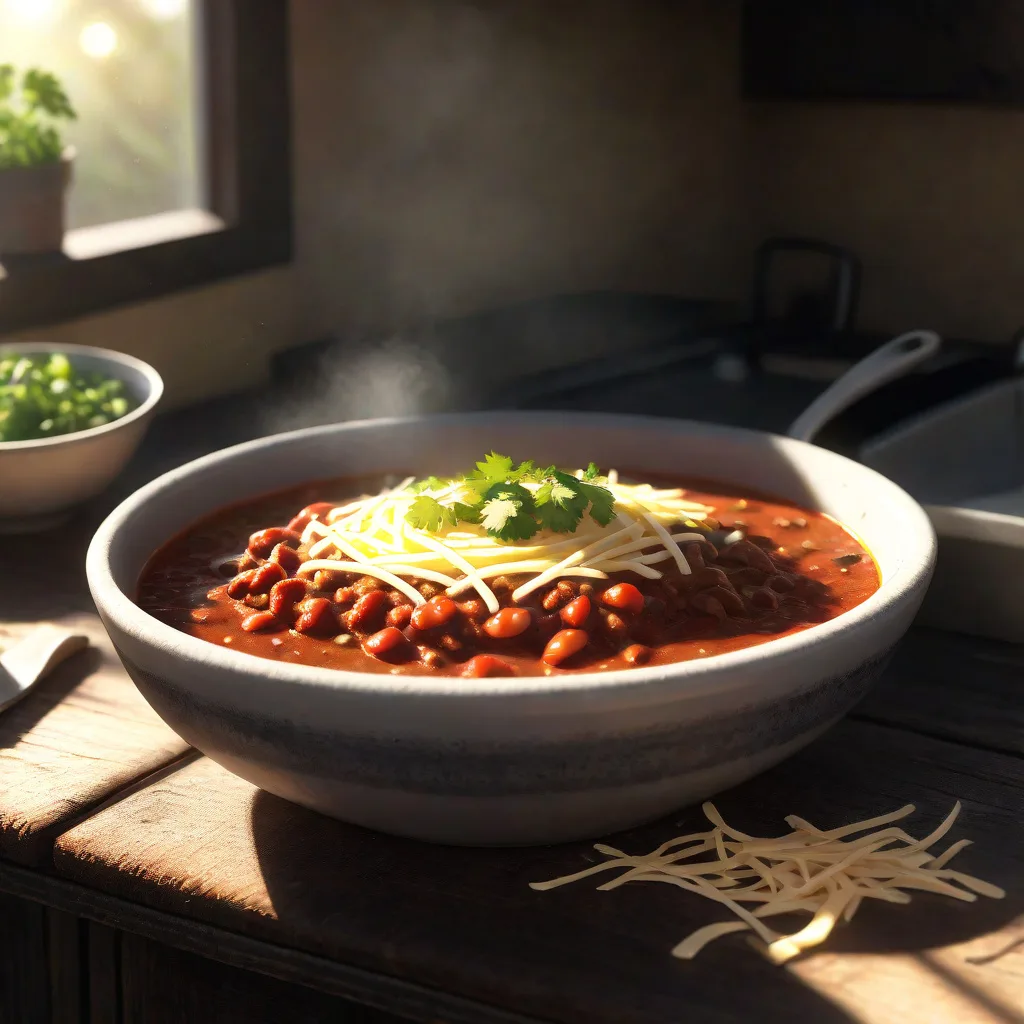
As the temperature drops and the wind begins to bite, our bodies naturally crave warmth, density, and comfort. There is perhaps no dish that embodies this seasonal transition better than a steaming bowl of chili. However, while traditional chili is comforting, transforming it into a high-protein powerhouse ensures that it does more than just warm your spirit—it fuels your body, maintains muscle mass during the sedentary winter months, and keeps you feeling satiated for hours.
Key takeaways
- Boost satiety and metabolic heat by combining lean meats like beef or turkey with fiber-rich legumes like lentils and black beans.
- Layer flavors by sautéing aromatics, blooming spices in oil, and adding umami-rich secret ingredients like cocoa powder or soy sauce.
- Use a slow, gentle simmer for 45 to 60 minutes to ensure ingredients are tender and flavors are fully integrated.
- Replace sour cream with Greek yogurt and add avocado or pumpkin seeds to increase the nutritional value of your toppings.
p>
A high-protein chili is an ideal solution for those seeking a balanced meal that doesn’t sacrifice flavor for nutrition. By strategically combining lean meats, legumes, and nutrient-dense vegetables, you can create a one-pot meal that provides a comprehensive profile of amino acids, fiber, and essential vitamins. Whether you are an athlete looking to recover after a cold-weather workout or a busy parent needing a nourishing dinner that can be made in bulk, this guide provides everything you need to master the art of the high-protein winter stew.
Why High-Protein Chili is the Ultimate Winter Comfort Food
During the colder months, our metabolic needs often shift. While we may not be as active outdoors, the body spends more energy maintaining its core temperature—a process known as thermogenesis. Protein plays a crucial role here; it has a higher thermic effect of food (TEF) than carbohydrates or fats, meaning the body burns more calories digesting protein, which can actually help you feel warmer from the inside out.
Beyond the temperature benefits, protein is essential for satiety. In winter, it is common to experience increased cravings for heavy, calorie-dense foods. By centering your meal around protein, you stabilize your blood sugar levels and reduce the likelihood of mid-evening snacking. Furthermore, chili is a “complete package” meal. When you combine legumes (like kidney beans) with a protein source (like lean beef or turkey), you create a synergistic effect that provides a wide array of nutrients, including iron, zinc, and B vitamins, which are vital for maintaining immune function during flu season.
Choosing Your Protein Base: Meat vs. Plant-Based Options
The beauty of chili lies in its versatility. Depending on your dietary preferences and goals, you can vary the protein base while keeping the aromatic and spicy foundations the same. To maximize protein while keeping the dish heart-healthy, consider these options:
- Lean Ground Beef (90% or leaner): The classic choice. It provides a deep, savory flavor and is rich in heme iron and B12. Using a leaner cut reduces saturated fat without sacrificing the traditional taste.
- Ground Turkey or Chicken: A lighter alternative that is often lower in calories. Turkey provides a neutral canvas that allows the spices—like cumin and smoked paprika—to shine more prominently.
- Lentils and Beans: For those pursuing a plant-based or “flexitarian” approach, a combination of brown lentils, black beans, and kidney beans creates a robust texture. Lentils, in particular, are an exceptional source of plant-based protein and soluble fiber.
- The Hybrid Approach: Many find the best balance by using a smaller amount of lean meat combined with a larger volume of beans and lentils. This increases the fiber content and lowers the overall cost per serving while maintaining a high protein count.
The Essential Ingredients for a Deep, Complex Flavor Profile
A high-protein chili is only as good as its flavor base. To avoid a “flat” taste, you need to layer your ingredients. Start with the aromatics: finely diced onions, carrots, and celery (the classic mirepoix) provide a sweet, earthy foundation. Adding plenty of minced garlic adds a pungent depth that is essential for hearty stews.
The spice blend is where the magic happens. While pre-packaged chili powder is convenient, creating your own blend allows you to control the heat and complexity. A combination of dark chili powder, ground cumin, smoked paprika, and a pinch of cayenne pepper creates a smoky, warm profile. For an unexpected twist that adds richness without adding cream, a small amount of unsweetened cocoa powder or a teaspoon of instant espresso powder can enhance the savory notes of the meat and beans.
For the liquid base, use a combination of crushed tomatoes, tomato paste for thickness, and a low-sodium beef or vegetable broth. The acidity of the tomatoes balances the richness of the protein, while the broth ensures the chili doesn’t become too thick or dry during the long simmering process.
Step-by-Step Guide to Making the Perfect High-Protein Chili
Follow this method to ensure every ingredient is cooked perfectly and the flavors are fully integrated. This recipe makes approximately 6-8 servings.
Ingredients List
- 1 lb (450g) lean ground beef or turkey
- 2 cans (15 oz each) kidney beans or black beans, drained and rinsed
- 1 cup dried brown lentils, rinsed (or one 15 oz can, drained)
- 1 large yellow onion, diced
- 2 bell peppers (red and green), diced
- 3 cloves garlic, minced
- 28 oz can crushed tomatoes
- 15 oz can tomato sauce
- 2 tbsp tomato paste
- 2 cups low-sodium broth (beef or vegetable)
- 3 tbsp chili powder, 1 tbsp cumin, 1 tsp smoked paprika, salt, and black pepper to taste
- 2 tbsp olive oil
Cooking Instructions
- Sauté the Aromatics: Heat olive oil in a large pot or Dutch oven over medium heat. Add the diced onion and bell peppers. Sauté for 5-7 minutes until the onions are translucent and the peppers have softened. Add the minced garlic and cook for another 60 seconds until fragrant.
- Brown the Protein: Increase the heat to medium-high. Add the ground meat to the pot. Cook, breaking it up with a wooden spoon, until it is browned and no longer pink. If there is excessive fat in the pan, you can carefully spoon it out.
- Toast the Spices: Stir in the chili powder, cumin, and smoked paprika. Stirring the spices directly into the meat and oil for 1-2 minutes “blooms” the spices, releasing their essential oils and intensifying the flavor.
- Build the Base: Stir in the tomato paste and cook for another 2 minutes. Pour in the crushed tomatoes, tomato sauce, and broth. Stir well to combine, scraping the bottom of the pot to release any browned bits (the fond), which contain concentrated flavor.
- Add the Legumes: Fold in the drained beans and lentils. If using dried lentils, ensure you have added enough broth to cover the mixture by at least an inch.
- The Slow Simmer: Reduce the heat to low. Cover the pot and let it simmer gently for 45 to 60 minutes. Stir occasionally to prevent sticking. The chili is done when the lentils are tender and the liquid has reduced to a thick, hearty consistency.
- Final Seasoning: Taste the chili and add salt and black pepper as needed. A squeeze of fresh lime juice at the end can brighten the entire dish.
Pro Tips for Enhancing Texture and Taste
To move your chili from “good” to “restaurant-quality,” pay attention to the small details. One of the most common mistakes is rushing the process. A slow simmer allows the collagen in the meat and the starches in the beans to break down, creating a naturally thick sauce that clings to the ingredients rather than separating.
The Browning Secret: Do not crowd the pan when browning your meat. If you add too much at once, the meat will steam in its own juices rather than sear. For the best flavor, brown the meat in batches to achieve a deep brown crust, which adds a layer of umami to the final dish.
Texture Variation: If you prefer a chunkier chili, dice your vegetables larger. If you prefer a smoother, more integrated stew, grate your carrots and onions. Additionally, mashing a small portion of the beans against the side of the pot during the last 15 minutes of cooking can naturally thicken the sauce without needing cornstarch or flour.
Customizing Your Chili for Specific Dietary Needs
Because chili is so flexible, it can be easily adapted to fit various nutritional goals without losing its essence.
For Low-Carb or Keto Diets: Beans are high in protein but also high in carbohydrates. To make a keto-friendly version, omit the beans and lentils. Replace them with diced cauliflower, zucchini, or extra lean meat. Increase the amount of ground beef or add diced brisket for added texture. Use a sugar-free tomato sauce to keep the glycemic index low.
For Vegan and Plant-Based Diets: Replace the meat with a combination of crumbled tempeh and extra lentils. Tempeh provides a nutty, firm texture that mimics ground meat. Use a high-quality vegetable broth and ensure your chili powder does not contain any animal-derived additives. For a “meaty” depth, add a tablespoon of soy sauce or tamari.
For Dairy-Free Options: Traditional chili toppings often include cheese and sour cream. To keep it dairy-free, use sliced avocado for creaminess or a dollop of cashew-based cream. Nutritional yeast can be sprinkled on top to provide a cheesy, savory flavor profile while adding a bit more B-vitamin and protein.
Nutrient-Dense Toppings to Elevate Your Bowl
The toppings you choose can either add empty calories or boost the nutritional value of your meal. Since the goal is a high-protein, healthy dinner, focus on toppings that add healthy fats, probiotics, and fresh enzymes.
- Greek Yogurt: Instead of sour cream, use plain, non-fat Greek yogurt. It has a nearly identical taste and texture but provides a significant boost of protein and probiotics for gut health.
- Avocado: Sliced or cubed avocado adds monounsaturated fats, which help your body absorb the fat-soluble vitamins (A, D, E, and K) found in the vegetables in the chili.
- Pumpkin Seeds (Pepitas): For an added crunch and a sprinkle of extra plant-based protein and magnesium, top your bowl with toasted pumpkin seeds.
- Fresh Cilantro and Green Onions: These add a burst of freshness and color, cutting through the richness of the stew.
- Fresh Lime Wedges: The citric acid in lime juice acts as a flavor enhancer, making the spices pop and balancing the earthy tones of the beans.
Meal Prep and Storage Strategies for the Week
Chili is perhaps the ultimate meal-prep food because it actually tastes better the next day. As the chili sits in the refrigerator, the flavors continue to meld and deepen, and the texture becomes more cohesive.
Refrigerator Storage: Allow the chili to cool completely before transferring it to airtight glass containers. It will stay fresh in the refrigerator for 4 to 5 days. When reheating, add a splash of water or broth to restore the original consistency, as the beans will continue to absorb liquid over time.
Freezer Storage: For long-term storage, chili freezes beautifully. Use freezer-safe bags or containers, leaving about an inch of headspace to allow for expansion during the freezing process. Label each portion with the date. To reheat from frozen, thaw overnight in the fridge or heat directly on the stovetop over low heat with a lid on.
Portion Control: To make your meal prep efficient, divide the chili into individual servings. This prevents you from reheating the entire pot multiple times, which can degrade the quality of the vegetables and the flavor of the spices.
Expanding the Protein Palette: Beyond the Basics
While lean beef and turkey are the standard foundations for high-protein chili, diversifying your protein sources can introduce new textures and a broader spectrum of micronutrients. For those looking to push their protein-to-calorie ratio even further, exploring game meats or specialized plant proteins can transform a standard stew into a gourmet nutritional powerhouse.
Bison and Venison: These lean game meats are exceptional choices for health-conscious cooks. Bison, in particular, offers a richer, slightly sweeter flavor than beef and is naturally leaner, meaning you can increase the portion size without significantly increasing saturated fat intake. Venison is even leaner, providing a dense, iron-rich profile. However, because game meats lack the fat of commercial beef, they can dry out during a long simmer. To prevent this, consider searing the meat quickly at high heat and adding a tablespoon of avocado oil or a touch of olive oil to the base to maintain a succulent mouthfeel.
Soy Curls and Seitan: For the plant-based enthusiast, soy curls provide a “shredded” texture that mimics slow-cooked brisket or pulled pork more effectively than crumbled tempeh. Seitan, made from vital wheat gluten, is one of the most protein-dense plant alternatives available. To use seitan in chili, dice it into small, irregular cubes and sauté them until the edges are browned and crispy; this creates a “chew” that contrasts beautifully with the softness of the beans.
The Protein-Boosting “Power Mix”: To achieve a truly comprehensive amino acid profile, try a three-tier protein approach. Combine a lean animal protein (like ground turkey), a legume (like kidney beans), and a seed-based protein (like hemp hearts stirred in at the end). This ensures you are getting a wide range of essential amino acids, which is particularly beneficial for those utilizing chili as a post-workout recovery meal during winter training cycles.
Mastering the Umami Layer: Secret Ingredients for Depth
The difference between a home-style chili and a professional-grade stew often comes down to “umami”—the fifth basic taste that signals richness and savoriness to the brain. While chili powder and cumin provide the aromatic profile, they don’t always provide the deep, grounding base that makes a dish feel satisfying.
The Savory Boosters: To enhance the natural savoriness of the meat and beans, incorporate a small amount of high-umami condiments. A tablespoon of Worcestershire sauce adds a complex tang and saltiness, while a teaspoon of soy sauce or tamari provides a deep, fermented saltiness that enhances the beefiness of the dish. For a truly bold profile, a dash of fish sauce is a secret weapon; despite its origin, it does not make the chili taste like seafood. Instead, it acts as a flavor amplifier, making the other spices taste more vivid.
The Role of Acidity: A common mistake in high-protein stews is focusing solely on salt and spice, which can lead to a “heavy” or muddy taste. Acidity cuts through the richness of the protein and the starchiness of the beans, “brightening” the overall flavor. While the existing guide mentions lime juice, adding a teaspoon of apple cider vinegar or red wine vinegar during the simmering process helps break down the tough fibers in the meat and beans, resulting in a more tender texture and a more balanced palate.
The Maillard Reaction: To maximize umami, ensure you are utilizing the Maillard reaction—the chemical reaction between amino acids and reducing sugars that gives browned food its distinctive flavor. Instead of just “cooking” the meat until it is no longer pink, let it sit undisturbed in the hot oil for several minutes until a dark brown crust forms on the bottom. This “fond” is a concentrated source of flavor that dissolves into the sauce once you add the liquids, providing a professional depth that cannot be replicated by spices alone.
The “Hidden Veggie” Strategy for Nutrient Density
While chili naturally includes onions and peppers, you can significantly increase the vitamin and mineral content without altering the flavor or texture by using the “hidden veggie” technique. This is especially useful for those who want to increase the volume of their meal to feel fuller without adding excessive calories.
The Texture Blend: One of the most effective ways to add nutrition is by incorporating cauliflower rice. When sautéed with the aromatics, cauliflower rice takes on the color and flavor of the spices and blends seamlessly with ground meat or lentils. It adds a boost of Vitamin C and K while maintaining the “crumbly” texture of the chili. Similarly, finely grated zucchini or carrots disappear into the tomato base during the simmering process, adding natural sweetness and a dose of beta-carotene.
Pureed Power-Ups: For an even more seamless integration, you can puree vegetables and stir them directly into the sauce. Blend a handful of fresh spinach or kale with a portion of the beef broth before adding it to the pot. This adds a massive amount of iron and magnesium without changing the appearance of the dish. Another option is to blend a can of white beans or steamed cauliflower into the tomato puree; this thickens the chili naturally and adds an extra layer of plant-based protein and fiber without the need for flour or cornstarch.
The Mushroom Secret: Finely chopped mushrooms (especially cremini or shiitake) are an excellent addition to high-protein chili. When sautéed until the water has evaporated, mushrooms develop a meaty texture and a rich, earthy flavor that complements the smoked paprika and cumin. They provide a boost of B vitamins and antioxidants, further enhancing the health profile of the winter stew.
Balancing the Plate: High-Protein Side Pairings
To maintain the nutritional integrity of a high-protein meal, the sides you choose should complement the macros of the chili rather than undermining them with empty carbohydrates. Instead of traditional white rice or buttery biscuits, consider these nutrient-dense alternatives.
Quinoa or Farro: Serving chili over a bed of quinoa is an excellent way to increase the total protein count. Quinoa is a complete protein, meaning it contains all nine essential amino acids. Farro, an ancient grain, provides a chewy, nutty texture and a significant amount of fiber, which slows the digestion of the meal and keeps you satiated even longer.
Protein-Enriched Cornbread: Traditional cornbread is often high in sugar and refined flour. To make a high-protein version, replace a portion of the cornmeal with almond flour and use Greek yogurt instead of sour cream in the batter. You can also stir in diced jalapeños and sharp cheddar cheese to add a spicy kick and extra protein, creating a savory accompaniment that mirrors the flavors of the chili.
Roasted Winter Greens: To balance the density of the stew, pair your bowl with a side of roasted Brussels sprouts or sautéed collard greens. Tossing Brussels sprouts in a bit of olive oil and balsamic vinegar before roasting them in the oven provides a bitter, charred contrast to the richness of the chili. These greens add essential folate and Vitamin K, ensuring the meal is as nutritionally complete as possible.
Troubleshooting and Fine-Tuning Your Stew
Even with a great recipe, variables like the acidity of the tomatoes or the age of the beans can lead to inconsistent results. Knowing how to pivot during the cooking process is what separates a novice cook from a master of the pot.
Fixing Consistency Issues: If your chili is too watery, avoid the temptation to add flour, which can leave a raw, pasty taste. Instead, remove a ladle-full of the beans and vegetables, mash them into a paste with a fork, and stir them back into the pot. The released starches will naturally thicken the sauce. Conversely, if the chili becomes too thick (which often happens during reheating), do not just add water. Use a splash of beef broth or a tablespoon of tomato juice to maintain the flavor intensity while adjusting the viscosity.
Balancing Over-Seasoning: If you accidentally add too much salt or the chili tastes overly acidic from the tomatoes, there are simple fixes. To neutralize excess acidity, add a pinch of baking soda; the chemical reaction will neutralize the acid and slightly thicken the sauce. To counter excess salt, add a peeled, halved potato and simmer it in the chili for 20 minutes; the potato acts as a sponge, absorbing some of the salt. Simply remove the potato before serving.
Managing Bean Texture: A common frustration is having some beans that are mushy and others that are hard. To prevent this, always rinse canned beans thoroughly to remove the metallic-tasting canning liquid. If using dried beans, soak them overnight with a pinch of baking soda to soften the skins. If you find your beans are too firm after the simmer, avoid increasing the heat to a boil, as this can cause the skins to burst while the centers remain hard. Instead, maintain a very low, steady simmer and allow more time for the heat to penetrate the core of the legume.
Exploring Regional Variations of High-Protein Chili
While the classic red chili is a staple, adapting the recipe to different regional styles can prevent “winter palate fatigue” while keeping your protein intake high. Each variation offers a different nutritional profile and flavor experience.
Texas-Style (No-Bean) Chili: In Texas, “true” chili contains no beans. To keep this version high-protein, the focus shifts entirely to the meat. Use a combination of lean ground beef and diced chuck roast to create a variety of textures. Since you lose the fiber and protein from the beans, increase the amount of meat and serve the chili with a side of steamed broccoli or a high-protein grain to ensure you are still getting the necessary micronutrients. The flavor profile here is more focused on the heat of the dried chiles and the richness of the beef.
White Protein Chili: This variation replaces the red beans and tomatoes with cannellini beans, green chiles, and a base of chicken or turkey. For a high-protein twist, use shredded chicken breast and add a swirl of Greek yogurt at the end for creaminess. White chili is typically lighter and more citrus-forward, making it an excellent option for a high-protein lunch that doesn’t leave you feeling overly sluggish in the afternoon.
Frequently Asked Questions
1. Can I make this high-protein chili in a slow cooker or Instant Pot?
Yes. For a slow cooker, sauté the meat and aromatics in a pan first, then transfer everything to the crockpot and cook on low for 6-8 hours or high for 3-4 hours. For an Instant Pot, use the sauté function for the meat and vegetables, then pressure cook on high for 20-30 minutes with a natural release.
2. How can I make the chili less spicy without losing the flavor?
The heat in chili comes primarily from the chili powder and cayenne. To reduce the heat, use a “mild” chili powder or replace some of it with smoked paprika, which provides the smoky flavor without the burn. You can also add a teaspoon of brown sugar or honey to balance the heat, or stir in a dollop of Greek yogurt when serving.
3. What is the best way to increase the protein even further?
To push the protein count higher, you can stir in unflavored collagen peptides during the final stages of simmering; they dissolve completely and add protein without altering the taste. You can also serve the chili over a bed of quinoa instead of rice, as quinoa is a complete protein.
4. Why does my chili taste better the next day?
This is due to a process where the flavors harmonize and the aromatic compounds in the spices fully penetrate the proteins and legumes. Additionally, as the dish cools and reheats, some of the starches from the beans break down further, creating a smoother, richer mouthfeel.
5. Which beans are the best for maintaining a firm texture?
Kidney beans and black beans are generally the best for chili because they hold their shape well during long simmering times. Cannellini or navy beans are creamier and may break down more easily, which is great for thickening the sauce but less ideal if you prefer a chunky, distinct texture.
Related posts:
 Keto Mexican Night: Cauliflower Enchiladas That Actually Taste Amazing
 High-Protein Foods That Pack a Serious Nutritional Punch
 Beyond Breakfast: The Plant-Based Sausage That’s Changing the Morning Game
 Understanding Meat Extenders
 Instant Pot Healthy Recipes That’ll Change Your Meal Prep Game
 The Meat Blend Trend That’s Taking Over Grocery Stores
 Magic Avocado Sauce Recipe
 Delicious Ground Chicken Recipes