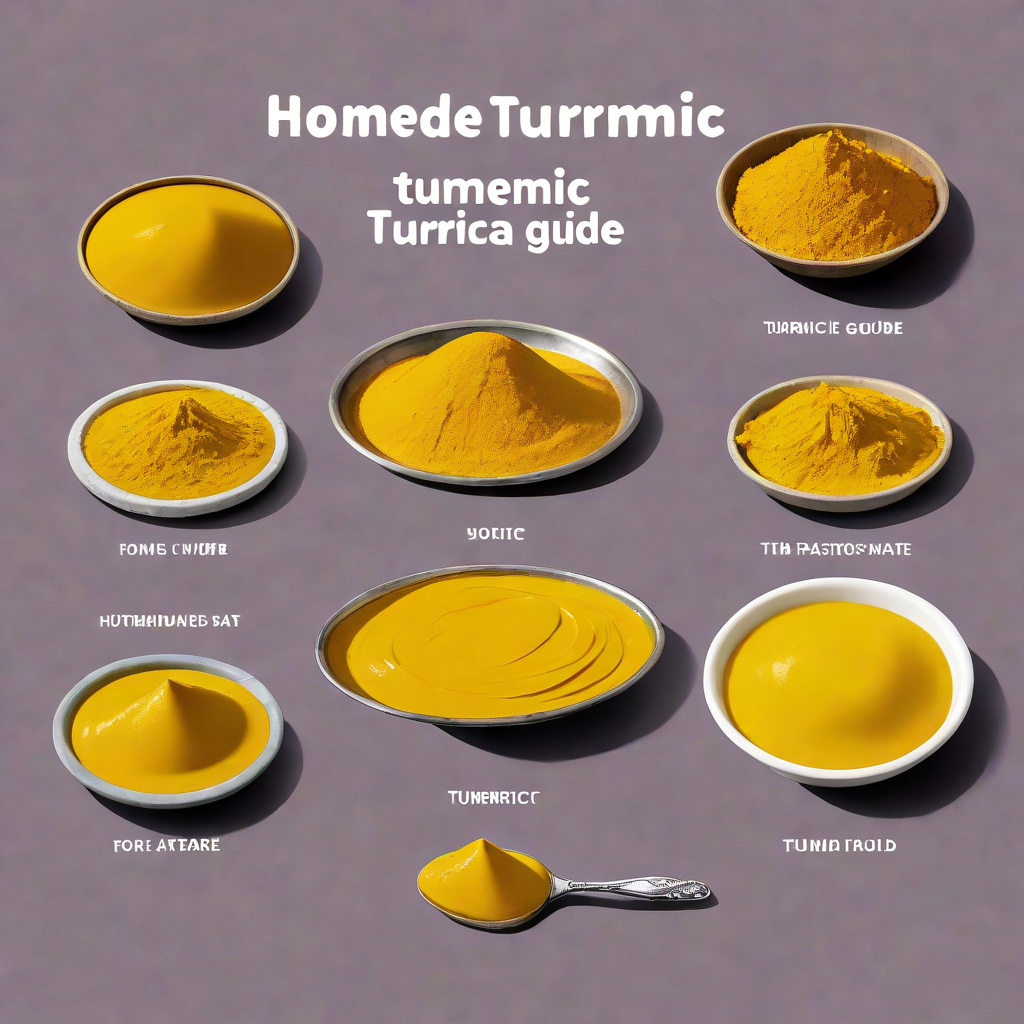
Turmeric, the vibrant golden spice derived from the roots of the Curcuma longa plant, has transitioned from a staple in ancient Ayurvedic medicine to a modern household essential. While many people simply sprinkle turmeric powder into their cooking, the most effective way to harness its potential is through a concentrated homemade turmeric paste, often referred to as “Golden Paste.” This guide provides a comprehensive look at why this paste is so valuable, the science behind its preparation, and a meticulously detailed process for making your own at home.
Making your own paste is not just a culinary project; it is an act of intentional wellness. By preparing it yourself, you control the quality of the ingredients, ensure the absence of additives, and optimize the bioavailability of curcumin—the primary active compound in turmeric. In the following sections, we will explore the essential synergy of ingredients required to make turmeric truly effective and provide actionable steps to integrate this golden elixir into your daily routine.
The Science of Bioavailability: The Golden Trio
To understand why a specific paste recipe is necessary, one must understand the biological limitations of turmeric. Curcumin, the polyphenol responsible for turmeric’s color and most of its studied properties, is notoriously difficult for the human body to absorb. On its own, curcumin is rapidly metabolized and excreted by the liver, meaning very little reaches the bloodstream. This is where the “Golden Trio” of ingredients comes into play.
First, we have Piperine, a compound found in black pepper. Research has shown that piperine can increase the bioavailability of curcumin by up to 2,000%. It works by inhibiting the metabolic pathway that eliminates curcumin, allowing it to remain in the body longer. Without black pepper, a significant portion of the turmeric you consume is essentially wasted.
Second, curcumin is fat-soluble. It does not dissolve in water; it requires a lipid medium to be absorbed through the lymphatic system. This is why high-quality fats, such as virgin coconut oil, extra virgin olive oil, or grass-fed ghee, are non-negotiable components of a proper turmeric paste. The fat acts as a carrier, protecting the curcumin as it passes through the digestive tract.
Finally, heat plays a crucial role. Gentle heating during the paste-making process helps to activate the compounds and ensures the mixture is thoroughly homogenized. However, excessive boiling can degrade the delicate polyphenols, so maintaining a low, steady simmer is the key to a potent final product.
Selecting Your Ingredients for Maximum Potency
The quality of your homemade turmeric paste is entirely dependent on the quality of your raw materials. Not all turmeric powders are created equal. When sourcing your turmeric, look for organic options to avoid pesticide residue. More importantly, seek out powder with a high curcumin content (ideally 3% or higher). Some commercial turmeric is processed to remove the essential oils, which reduces its efficacy.
When it comes to the fat source, coconut oil is a popular choice due to its high medium-chain triglyceride (MCT) content and pleasant flavor. If you prefer a more savory profile or have a coconut allergy, extra virgin olive oil is an excellent alternative. For those following traditional Ayurvedic practices, ghee (clarified butter) is often the preferred medium as it is believed to enhance the transport of herbs into the body’s tissues.
Water quality also matters. Since the paste is a concentrate, using filtered or distilled water prevents the introduction of chlorine or heavy metals into your recipe. Lastly, ensure your black pepper is freshly ground. The piperine in pre-ground pepper can degrade over time when exposed to air, so grinding your peppercorns immediately before adding them to the paste ensures maximum potency.
The Master Golden Paste Recipe: A Step-by-Step Guide
This recipe produces a smooth, thick paste that serves as the foundation for various applications. It is designed to be balanced in flavor and optimized for absorption.
Ingredients:
- 1/2 cup organic turmeric powder
- 1 cup filtered water (plus an extra 1/4 cup if needed)
- 1.5 teaspoons freshly ground black pepper
- 1/3 cup cold-pressed coconut oil or extra virgin olive oil
Instructions:
- Combine Water and Turmeric: In a small stainless steel saucepan, whisk together the turmeric powder and 1 cup of water. Turn the heat to low-medium.
- Simmer and Stir: Stir the mixture constantly for about 7 to 10 minutes. You want to see the liquid reduce and thicken into a paste-like consistency, similar to thick pudding. If the mixture becomes too dry or crumbly, add the extra 1/4 cup of water.
- The Texture Check: The paste should be smooth and moist. The cooking process helps hydrate the dry powder, making it easier to digest.
- Remove from Heat: Once the desired consistency is reached, remove the pan from the stove. Let it cool slightly for 2-3 minutes, but do not let it get cold.
- Add Pepper and Oil: Add the freshly ground black pepper and your chosen oil. Whisk vigorously until the oil is fully incorporated and the paste looks glossy and uniform.
- Cool and Store: Allow the paste to cool completely at room temperature before transferring it to a clean glass jar.
Customizing Your Paste: Flavor and Functional Additions
While the master recipe is highly effective, many people choose to customize their turmeric paste to better suit their palate or specific wellness goals. Adding complementary spices can improve the flavor profile and introduce additional bioactive compounds.
Ginger: Adding 1-2 tablespoons of freshly grated ginger or ginger powder during the simmering stage provides a zesty kick and complements the earthy notes of the turmeric. Ginger also contains gingerols, which work synergistically with curcumin.
Cinnamon and Cardamom: If you plan to use your paste primarily for “Golden Milk” or sweet applications, adding a teaspoon of Ceylon cinnamon and a half-teaspoon of ground cardamom creates a warm, aromatic profile. These spices also help balance blood sugar levels and improve digestion.
Raw Honey: If the bitterness of turmeric is off-putting, you can stir in a small amount of raw honey after the paste has cooled to below 110°F (43°C). Adding honey to a hot paste will destroy its beneficial enzymes. Honey acts as a natural preservative and makes the paste more palatable for children or those sensitive to strong flavors.
Creative Ways to Use Turmeric Paste Daily
Having a jar of turmeric paste in your refrigerator makes it incredibly easy to incorporate the spice into your diet without the mess of handling loose powder every time. Here are several practical ways to use it:
Golden Milk (Turmeric Latte): This is the most popular use. Simply whisk 1/2 to 1 teaspoon of the paste into a cup of warm plant-based milk (like almond, oat, or coconut milk). Add a touch of maple syrup or honey if desired. It makes for a soothing evening ritual.
Smoothie Booster: Add a teaspoon of paste to your morning smoothie. The fruit and greens help mask the earthy flavor, while the fat in the paste ensures you start your day with a bioavailable dose of curcumin.
Soups and Stews: Stir a tablespoon of paste into lentil soups, bone broths, or vegetable stews during the last few minutes of cooking. It adds a beautiful color and a depth of flavor that complements savory dishes perfectly.
Salad Dressings: Whisk a small amount of paste into a vinaigrette made of olive oil, lemon juice, and Dijon mustard. It creates a vibrant, creamy dressing that pairs exceptionally well with roasted root vegetables or kale salads.
Rice and Grains: Stir a teaspoon of paste into freshly cooked quinoa or basmati rice. It turns the grains a beautiful yellow and infuses them with a subtle warmth.
Storage, Preservation, and Handling
Because homemade turmeric paste contains water and no artificial preservatives, it has a limited shelf life. When stored in an airtight glass jar in the refrigerator, it will generally stay fresh for 2 to 3 weeks. Always use a clean spoon to scoop out the paste to prevent cross-contamination, which can lead to mold growth.
If you find that you cannot finish the entire batch within three weeks, the paste freezes remarkably well. You can spoon the paste into silicone ice cube trays, freeze them, and then transfer the “golden cubes” to a freezer-safe bag. This allows you to pop a single serving into a hot soup or a blender whenever needed. Frozen turmeric paste can last for up to six months.
A word of caution regarding handling: Turmeric is a powerful natural dye. It will stain wooden spoons, plastic containers, countertops, and skin. To avoid permanent stains, use stainless steel or glass utensils and wipe up any spills immediately with soapy water. If you get turmeric on your hands, a little bit of oil or lemon juice can help lift the pigment.
Safety Considerations and Potential Interactions
While turmeric is a culinary spice and generally recognized as safe, concentrated forms like Golden Paste should be used with mindfulness. The standard recommended starting dose for adults is approximately 1/4 teaspoon, two to three times a day, gradually increasing to a full teaspoon if well-tolerated. Taking too much too soon can occasionally lead to digestive upset.
Individuals with certain health conditions should consult a healthcare professional before making turmeric paste a permanent part of their routine. For example, because turmeric can have mild blood-thinning properties, it may interact with anticoagulant medications. Those with gallstones or bile duct obstructions should also exercise caution, as turmeric can stimulate gallbladder contractions. Additionally, if you are scheduled for surgery, it is often recommended to stop consuming concentrated turmeric products two weeks prior to the procedure.
Pregnant and breastfeeding women should stick to culinary amounts of turmeric rather than therapeutic doses of paste unless advised otherwise by their physician. Always listen to your body; if you experience any adverse reactions, discontinue use and seek professional advice.
The Economic and Environmental Benefits of Homemade Paste
Opting to make your own turmeric paste is significantly more cost-effective than purchasing pre-made supplements or store-bought golden milk mixes. A single bag of organic turmeric powder and a jar of coconut oil can produce dozens of batches of paste, costing mere cents per serving. This makes high-quality wellness accessible to those on a budget.
Furthermore, making it at home reduces environmental impact. You eliminate the need for the plastic bottles and excessive packaging associated with individual supplement capsules. By using reusable glass jars and buying ingredients in bulk, you contribute to a more sustainable lifestyle. It also allows you to source ingredients from local organic farmers or reputable fair-trade suppliers, ensuring that your wellness journey supports ethical labor practices and healthy soil.
Troubleshooting Texture: Achieving the Perfect Golden Slurry
While the master recipe provides a reliable baseline, the physical properties of turmeric powder can vary significantly depending on the age of the spice and the method of processing. You may occasionally find that your paste results in a grainy texture or, conversely, a mixture that refuses to thicken. Achieving the ideal “pudding-like” consistency is essential not just for mouthfeel, but for ensuring the even distribution of piperine and fats. If your paste feels gritty, it often indicates that the turmeric starch granules have not fully gelatinized. This usually happens if the simmering time was too short or the temperature was too low. To fix this, add another two tablespoons of water and continue whisking over low heat for an additional three minutes; the extra hydration and thermal energy help break down the fibrous particles of the root powder.
Another common issue is oil separation, which occurs when the lipid medium is added too quickly or at too high a temperature. If you see pools of coconut oil or ghee forming on the surface of your cooled paste, the emulsion has “broken.” To rectify this, you can gently re-warm the mixture and whisk in a tiny pinch of sunflower lecithin or simply use a high-speed immersion blender for thirty seconds. This mechanical shearing forces the oil droplets to disperse into the water-based turmeric matrix, creating a shelf-stable suspension. On the other end of the spectrum, if your paste becomes a solid, unworkable brick once refrigerated, your oil-to-water ratio may be too high, or you may be using a fat with a very high melting point. In such cases, stirring in a teaspoon of room-temperature extra virgin olive oil can help soften the structure, making it easier to scoop directly from the jar.
Comparative Lipid Analysis: Choosing the Right Carrier Fat
The choice of fat is often treated as a secondary concern, yet the molecular structure of your chosen lipid significantly impacts the stability and absorption rate of the curcumin. While the existing guide mentions coconut oil and ghee, understanding the chemical nuances of these fats can help you tailor the paste to your specific health needs. Coconut oil is rich in Medium-Chain Triglycerides (MCTs), specifically lauric acid. MCTs are unique because they are absorbed directly into the portal vein and sent to the liver, providing a rapid energy source and a fast track for curcumin transport. However, because coconut oil is highly saturated, it solidifies at temperatures below 76°F (24°C), which can make the paste difficult to blend into cold applications like smoothies or refrigerated dressings.
For those seeking a more heart-healthy profile, avocado oil is an increasingly popular alternative. It is primarily composed of monounsaturated oleic acid and has a exceptionally high smoke point, meaning it remains stable even if you accidentally overheat the paste during the mixing phase. Avocado oil also contains lutein, a carotenoid that works in tandem with the antioxidants in turmeric to support ocular health. If you are focused on traditional Ayurvedic principles, grass-fed ghee remains the gold standard. The clarification process removes milk solids and water, leaving behind a pure butterfat that is rich in butyric acid—a short-chain fatty acid that supports the health of the intestinal lining. This makes ghee-based paste particularly effective for individuals using turmeric to support digestive wellness. When selecting any fat, ensure it is unrefined and cold-pressed; refined oils often undergo chemical bleaching and deodorizing processes that can introduce unwanted hexane residues into your clean, homemade paste.
Working with Fresh Turmeric Root: A Masterclass
While powder is convenient, using fresh turmeric root (rhizome) introduces a complex array of volatile oils, such as ar-turmerone, which are often lost during the drying and grinding process. Transitioning from powder to fresh root requires a shift in technique. The standard conversion ratio is roughly three inches of fresh root to replace one tablespoon of powder. To prepare the root, avoid using a vegetable peeler, which removes too much of the nutrient-dense flesh just beneath the skin. Instead, use the edge of a stainless steel spoon to gently scrape away the thin skin. Once peeled, the root must be grated using a microplane or finely minced in a high-speed food processor to maximize the surface area for heat activation.
When cooking with fresh root, you will notice the mixture behaves differently. Fresh turmeric has a higher water content and contains natural enzymes that can cause the paste to remain thinner than the powder-based version. To compensate, reduce the initial water amount in the recipe by 25% and extend the simmering time to approximately 15 minutes. This longer, slower cook allows the raw, pungent flavor of the fresh rhizome to mellow into a rich, earthy sweetness. Be aware that fresh root contains significantly more staining pigment than dried powder. It is advisable to dedicate a specific silicone spatula and glass bowl to your turmeric projects, as the orange hue can be nearly impossible to remove from white plastic or porous wood. If you find the flavor of 100% fresh root paste too intense, a “hybrid paste” using 50% powder and 50% fresh grated root offers the best of both worlds: the concentrated curcumin of the powder and the aromatic complexity of the fresh plant.
Advanced Culinary Integration: Savory and Sophisticated Uses
Beyond the standard latte or smoothie, turmeric paste serves as a powerful “mother sauce” ingredient in professional-grade cooking. One of the most effective ways to use the paste is in the creation of a Golden Compound Butter. By whipping two tablespoons of the paste into a stick of softened, grass-fed salted butter, you create a versatile condiment that can be melted over steamed vegetables, seared scallops, or even used as a base for sautéing aromatics like onions and garlic. The fat in the butter further stabilizes the curcumin, and the salt helps to cut through the natural bitterness of the turmeric.
In the realm of plant-based cooking, turmeric paste acts as a natural emulsifier and colorant for homemade nut cheeses and cashew-based dips. Adding a teaspoon of paste to a blender full of soaked cashews, lemon juice, and nutritional yeast produces a vibrant, “cheesy” sauce that is nutritionally superior to store-bought alternatives. For those who enjoy roasting, try creating a “Golden Glaze” by whisking together one tablespoon of turmeric paste, one tablespoon of tahini, and a splash of maple syrup. When brushed onto cauliflower steaks or halved carrots before roasting, the sugars in the syrup caramelize with the turmeric, creating a deeply savory crust that masks any medicinal aftertaste. Furthermore, the paste can be used to “bloom” other spices. If a recipe calls for toasted cumin or coriander, adding a dollop of turmeric paste to the pan during the last 30 seconds of toasting allows the fat in the paste to extract the fat-soluble flavors of the other spices, creating a multi-dimensional flavor base for curries and tagines.
Bio-Synergy Beyond Black Pepper: Enhancing the Food Matrix
While piperine is the most famous bio-enhancer for turmeric, modern nutritional science suggests that curcumin absorption is further optimized when consumed within a specific “food matrix.” Quercetin, a flavonoid found in high concentrations in red onions, capers, and kale, has been shown to inhibit the enzyme that deactivates curcumin in the gut. Therefore, using your turmeric paste in dishes that feature these ingredients—such as a kale salad with a turmeric-tahini dressing—creates a secondary level of synergy that goes beyond the black pepper in the paste itself. This is the essence of functional cooking: combining ingredients that protect and enhance one another.
Another powerful ally is bromelain, an enzyme found in pineapple. Bromelain has its own studied properties regarding systemic comfort, but when paired with turmeric paste, it may aid in the breakdown of proteins that can sometimes hinder the absorption of polyphenols. Try blending a teaspoon of your paste into a fresh pineapple and ginger juice for a potent post-workout recovery tonic. Additionally, the presence of certain fibers, such as the pectin in apples or the beta-glucans in oats, can help slow the transit of the paste through the small intestine. This increased “dwell time” allows for a more thorough absorption of the curcumin into the lymphatic system. By intentionally pairing your golden paste with these specific whole foods, you are not just consuming a supplement; you are engineering a high-efficiency delivery system for the spice’s active compounds.
Seasonal Adaptations and Functional Spice Blends
The standard turmeric paste can be modified to align with seasonal needs or specific functional goals. During the colder winter months, the body often benefits from “thermogenic” spices that promote circulation. You can create a Winter Warming Paste by adding 1/2 teaspoon of ground cloves and 1/2 teaspoon of freshly grated nutmeg to the simmering stage. These spices contain eugenol and myristicin, which provide a deep, grounding warmth and complement the anti-inflammatory profile of the turmeric. This version is particularly delicious when stirred into a bowl of warm steel-cut oats or a spicy chai tea.
Conversely, for a Summer Cooling Paste, consider adding a teaspoon of ground fennel seeds and a hint of dried peppermint. In Ayurvedic tradition, while turmeric is generally balancing, its heat can sometimes be too much for certain constitutions during peak summer. Fennel acts as a carminative and a coolant, balancing the paste’s energy. For those focused specifically on metabolic support, a “Golden Spice Powerhouse” can be created by incorporating a teaspoon of fenugreek powder. Fenugreek has a maple-like aroma and is widely studied for its role in supporting healthy blood sugar levels. When adding these extra dry spices, remember to increase the water content slightly (about one tablespoon per teaspoon of extra spice) to ensure the paste maintains its smooth, spreadable consistency. These functional variations allow you to keep your turmeric routine fresh and responsive to your body’s changing needs throughout the year.
Innovative Preservation: Dehydrated Leathers and Oil-Only Concentrates
While freezing in ice cube trays is an excellent preservation method, there are more advanced ways to handle large batches of turmeric paste, especially for those who travel or have limited freezer space. One such method is the creation of “Golden Paste Leather.” By spreading a thin layer of the finished (and cooled) paste onto a silicone dehydrator sheet and drying it at 105°F (40°C) for 8-12 hours, you create a shelf-stable, flexible sheet. This leather can be torn into small pieces and eaten as a functional “fruit leather” or dropped into a thermos of hot water to instantly reconstitute into a tea. Because the temperature is kept low, the integrity of the curcumin and the healthy fats remains intact, but the removal of water prevents bacterial growth.
For those who prefer a completely water-free version with an even longer shelf life, you can create an “Oil-Concentrate Paste.” In this variation, you skip the water-simmering stage entirely. Instead, you gently heat your chosen oil (like ghee or coconut oil) in a double boiler and whisk in the turmeric powder and black pepper, infusing the oil over very low heat for 30 to 45 minutes. Since there is no water to support microbial life, this oil-based concentrate can last for several months in a cool, dark cupboard without the need for refrigeration. While the lack of hydration means the turmeric powder isn’t as “plumped” or easy to digest as the standard water-based paste, it is an incredibly convenient option for adding to hot cooking where the moisture will be provided by the other ingredients in the pot. This method is particularly useful for making large quantities intended for gifting or for use in professional kitchens where refrigerator space is at a premium.
Frequently Asked Questions
1. Why does my turmeric paste taste slightly metallic or bitter?
Bitterness is a natural characteristic of turmeric, but an overly metallic taste can occur if you use reactive cookware like aluminum. Always use stainless steel, glass, or ceramic-coated pans. Additionally, overcooking the paste on high heat can scorch the powder, intensifying the bitter notes. If the taste is too strong, try adding a bit more oil or a touch of honey to the final mixture to mellow the flavor profile.
2. Can I use fresh turmeric root instead of powder to make the paste?
Yes, you can use fresh turmeric root, but the process requires more preparation. You will need to peel and finely grate the root (wear gloves!) and use about three times the volume of fresh root compared to powder, as the root has a higher water content. You may also need to use less water in the recipe. The resulting paste will have a brighter, more floral flavor but a shorter shelf life due to the fresh enzymes and moisture in the root.
3. How do I know if my turmeric paste has gone bad?
The most obvious sign of spoilage is the presence of mold on the surface or the inner rim of the jar. However, even before mold appears, the paste may develop a fermented or sour smell. If the color changes from a vibrant deep orange to a dull brownish-grey, or if the taste becomes unpleasantly sharp, it is time to discard it and make a fresh batch. Always ensure you are using a sterilized jar for storage.
4. Is it okay to heat the paste after it has been made?
Yes, you can gently reheat the paste. For example, when making Golden Milk, you are essentially reheating the paste as you whisk it into the warm milk. However, avoid putting the paste through a high-heat frying process or boiling it for long periods, as this can begin to degrade the curcumin and the healthy fats. Gentle warming is perfectly fine and often helps the paste incorporate better into liquids.
5. Can I give homemade turmeric paste to my pets?
Many pet owners use Golden Paste for their dogs and cats, particularly for senior animals. However, you must be careful with the ingredients. Ensure the paste you give to pets does not contain xylitol (a sweetener toxic to dogs) or certain spices like onions or garlic. Start with a very tiny amount (a pea-sized drop mixed with food) and consult your veterinarian first, as pets have different metabolic rates and potential sensitivities compared to humans.
Related posts:
 Delicious Ground Chicken Recipes
 5 Turmeric Recipes That Can Help You Reap the Superfood’s Benefits
 Combining Turmeric with Black Pepper
 Connie Britton’s Morning Detox Elixir
 Candice Kumai’s Healthy Turmeric Fried Rice Recipe
 Five Surprising Ways to Use Turmeric Beyond Your Morning Latte
 The Immunity-Boosting Ginger Shot Recipe That Actually Works
 The Coconut Pudding That Tastes Like Dessert But Isn’t