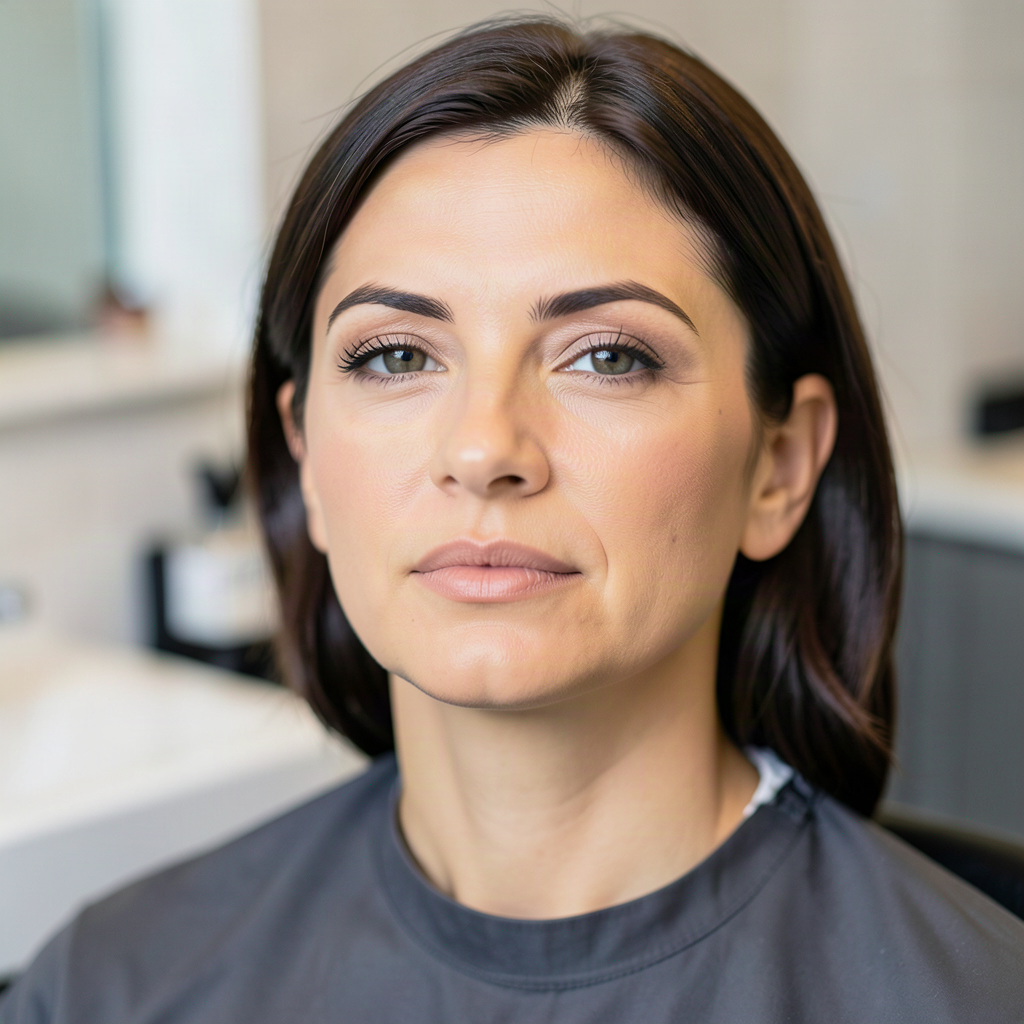
Stepping into a dimly lit spa, the scent of eucalyptus and lavender swirling in the air, marks the beginning of a transformation. For many, a facial is the ultimate indulgence—a chance to hit the pause button on a frantic schedule and surrender to the expert hands of a licensed esthetician. However, beneath the soothing sounds of pan flutes and the rhythmic application of cooling gels, a very different kind of activity is taking place: the internal monologue. While your body is supposedly in a state of deep relaxation, your mind is often running a marathon of questions, anxieties, and oddly specific observations.
We often treat the facial experience as a sacred, silent ritual, but the reality is far more relatable and, at times, humorous. From the moment you are asked to change into a velcro wrap to the final application of SPF, your brain is processing everything from the temperature of the steam to the existential dread of your own pores. This guide explores the honest, unfiltered thoughts everyone has during a facial, providing a compassionate look at the vulnerability of self-care and offering practical advice on how to truly maximize your next appointment.
The Initial Vulnerability: The Robe and the Nesting Phase
The experience usually begins with a small, private room and a set of instructions that sound simple but feel surprisingly complex. “Put the wrap on with the opening in the front, get under the top sheet, and I’ll be back in five minutes.” Suddenly, you are left alone to navigate the logistics of spa attire. The internal monologue kicks in almost immediately: Is this wrap too tight? Am I supposed to leave my bra on? If I leave it on, will the oils ruin it? If I take it off, will I feel too exposed?
This initial phase is about the transition from the outside world to the treatment table. You climb under the crisp, white linens, trying to position yourself perfectly. You wonder if your feet are supposed to be under the blanket or if that makes you look like a child taking a nap. There is a brief moment of panic when you realize you forgot to silence your phone, followed by a frantic scramble to find your bag before the esthetician returns. This “nesting” period is the first hurdle in the journey toward relaxation. It is the moment where you realize that for the next sixty to ninety minutes, you are giving up control. For high-achievers and busy parents, this surrender is often the hardest part of the entire process.
The Magnifying Lamp: The Forensic Investigation
Once the esthetician returns and the treatment begins, the first major milestone is the skin analysis. This is when the bright, circular magnifying lamp is swung into place. As the light pierces through your closed eyelids, you can’t help but feel like a specimen under a microscope. The internal thoughts shift toward self-consciousness: Oh no, she’s seeing everything. She’s seeing the sun damage from that one summer in 2012. She’s seeing the blackheads I tried to squeeze myself this morning. Is she judging my lack of a consistent nighttime routine?
There is a unique sense of exposure that comes with having your skin scrutinized by a professional. You might find yourself wanting to apologize for your skin’s behavior, as if you’ve personally offended the esthetician by having visible pores. However, it is important to remember that for an esthetician, your skin is a canvas and a puzzle. They aren’t looking at your “flaws” with judgment; they are identifying your skin’s needs—dehydration, congestion, or sensitivity. Realizing that they have seen thousands of faces can help quiet the internal critic that tells you your skin is uniquely “bad.”
The Steam and the Scent: Sensory Overload
As the warm steam begins to billow over your face, the sensory experience intensifies. Steam is designed to soften the sebum and open the pores, but for the person on the table, it often triggers a series of practical concerns. Can I actually breathe? Is the steam going up my nose? If I inhale too deeply, will I drown in water vapor? You start to practice a rhythmic, shallow breathing technique that you’re certain looks very strange from the outside.
Then come the scents. High-quality facials use botanical extracts and essential oils that can be incredibly soothing, but they also prompt a mental cataloging of smells. That smells like a very expensive salad. Is that rosemary? No, it’s definitely thyme. Wait, now it smells like a forest after a rainstorm. I wonder if I can buy this scent in a candle, or if it only smells good because I’m horizontal and someone is touching my face. This sensory engagement is a double-edged sword; it grounds you in the moment, but it also keeps your brain busy trying to identify every new product being applied.
The Extraction Phase: The Love-Hate Relationship with Pain
Extractions are arguably the most anticipated and most feared part of any facial. When the esthetician puts on the gloves and the extra-bright light comes back, you know it’s time for business. The internal monologue during extractions is a rollercoaster of physical sensation and mental bargaining. Ouch! Okay, that one hurt. Was that a tear? I think a single tear just rolled into my ear. But also… get it all. Don’t leave a single pore untouched. I want to feel like a brand-new person when I leave this room.
There is a strange satisfaction in the discomfort. You find yourself wondering what exactly is being removed and if you should ask to see the results (most people decide against it, but the curiosity remains). You might also experience a flash of anxiety: Is my face going to be bright red for my meeting tomorrow? Did she just spend ten minutes on my chin? Is my chin that bad? This phase requires the most trust. You are essentially paying someone to meticulously pinch your skin, and the internal struggle between wanting the results and wanting the pain to stop is a universal facial experience.
The “Should I Talk?” Dilemma
One of the most common sources of internal tension during a facial is the social etiquette of the situation. Some people find silence awkward, while others view the facial as a time for total quiet. The thoughts usually go something like this: Should I be making small talk? She’s being so quiet; does she want me to be quiet? If I start talking, will she lose her focus and miss a spot? But if I’m silent, does she think I’m bored or, worse, that I’ve fallen asleep and I’m about to start snoring?
This dilemma is particularly acute for those who are naturally social. You might feel the urge to ask about her weekend or her favorite skincare brands, only to be met with a soothing, one-word answer that signals the end of the conversation. On the flip side, if the esthetician is a talker, you might find yourself mentally pleading for peace: I really just want to listen to this recording of a babbling brook, but now we’re discussing her cousin’s wedding. How do I politely signal that I’ve entered the ‘no-talk’ zone? The best approach, which many realize too late, is to follow the esthetician’s lead or set the tone early with a gentle, “I think I’m just going to drift off for a bit.”
Analyzing the Esthetician’s Hands
During the massage portion of the facial—usually involving the neck, shoulders, and sometimes the arms—your focus shifts to the physical touch. You start to marvel at the technical skill involved. How are her hands so soft? Does she use these same products on herself? Her movements are so rhythmic; it’s like she’s playing a piano on my face. I wonder how many faces she touches in a day. Does she get tired? My neck feels like it’s made of rocks; she must think I’m the most stressed person she’s ever met.
This is often the point where the mind begins to truly wander. You move away from the specifics of the facial and into deeper reflections. The rhythmic pressure can be meditative, leading to thoughts about your life, your goals, or what you’re going to have for dinner. It is a rare moment of physical connection in a digital world, and the realization of how much tension we hold in our jaw and brow can be a profound “aha” moment. You might find yourself making a mental vow to stop clenching your teeth, a vow that usually lasts until you hit the first red light on the drive home.
The Mask Phase: Nap Time or Existential Crisis?
When the final treatment mask is applied, the esthetician often leaves the room for 10 to 15 minutes to let the ingredients penetrate. This is the ultimate test of the wandering mind. You are left in the dark, usually with cool cucumbers or damp cotton pads over your eyes, unable to see or move. Okay, I’m alone. I should meditate. Breathe in, breathe out. Why can’t I stop thinking about that email I sent at 4:00 PM? Is it cold in here, or is it just the mask? I wonder what I look like right now. Probably like a swamp creature. If there was a fire, could I find my way out with this stuff on my face?
For some, this is the highlight—a sanctioned nap in the middle of the day. For others, the lack of stimulation is unsettling. You might find yourself counting the seconds or trying to listen for footsteps in the hallway. This phase highlights our modern struggle with boredom and stillness. We are so accustomed to being “on” that being forced to sit with our thoughts for fifteen minutes feels like a monumental task. Eventually, the relaxation usually wins, and you enter a half-awake, half-asleep state where the boundary between the spa and reality becomes pleasantly blurred.
The Financial Reflection: Is This Worth the Splurge?
As the facial winds down and the final serums are pressed into your skin, the practical side of your brain reawakens. Facials are an investment, and as you anticipate the bill, you start to justify the expense. My skin feels amazing. It’s like it’s actually breathing. This was definitely worth it. I’ll just skip takeout for a week to balance the budget. But wait, she’s probably going to recommend five different products. If I buy the cleanser, do I also need the toner? If I say no to the serum, will she think I don’t care about my skin?
The “product pitch” at the end is a common source of internal stress. You want to maintain the results, but you also don’t want to leave with a $400 bag of bottles you’ll never use. You start rehearsing your polite declines: “I’m actually quite happy with my current routine,” or “I’ll have to check my cabinet at home first.” This internal negotiation is the final hurdle before you emerge back into the world, hopefully with a glow that justifies every penny spent.
Practical Guidance for Your Next Facial
To turn these internal monologues into a more peaceful experience, it helps to go in with a plan. Here are actionable tips to ensure your next facial is as effective and relaxing as possible:
- Communicate Your Goals Early: Before the lights go down, tell your esthetician exactly what you want. Whether it’s “deep cleaning for my pores” or “I just want to relax and not talk,” setting expectations prevents mid-facial anxiety.
- Don’t Prep Too Much: You don’t need to wash your face or pluck your eyebrows right before you go. In fact, it’s better if the esthetician sees your skin in its natural state. They are professionals; they aren’t looking at your stray hairs.
- Speak Up About Discomfort: If the steam is too hot, the extractions are too painful, or the music is too loud, say something. Estheticians want you to be comfortable, and they can’t read your mind.
- Manage Your Post-Facial Schedule: Try not to schedule a major event or a heavy workout immediately after a facial. Your skin needs time to absorb the products, and you may have some temporary redness from extractions.
- Ask for a Minimalist Routine: If you’re worried about the product pitch, ask for the “one most important thing” your skin needs. This keeps the conversation focused and your budget intact.
Ultimately, the honest thoughts we have during a facial are a testament to the complexity of the human experience. We are creatures who crave care and connection, yet we are often uncomfortable with the vulnerability required to receive them. By acknowledging these thoughts—the humor, the anxiety, and the eventual peace—we can embrace the facial not just as a beauty treatment, but as a practice in being present with ourselves.
The Pre-Appointment Grooming Panic: Cleaning for the Cleaner
There is a peculiar psychological phenomenon that occurs about two hours before a facial: the urge to perform a ‘pre-clean.’ Much like the way people tidy their homes before a professional cleaning service arrives, many facial clients find themselves standing over their bathroom sinks, meticulously plucking stray eyebrow hairs or wondering if they should shave their face. The internal monologue is frantic: I know she’s going to be looking at my skin under a microscope, but do I really want her to see that one giant chin hair I’ve been ignoring? If I pluck it now, will the area be too irritated for the treatment? If I don’t pluck it, will she think I’m a werewolf?
This pre-game anxiety often extends to the ‘skincare confession’ you know is coming. You start mentally cataloging your sins, wondering if you can lie about how often you use that physical scrub you know is too harsh. Maybe if I tell her I use a chemical exfoliant twice a week, she won’t notice the micro-tears from that walnut scrub I used yesterday. The reality is that estheticians prefer you arrive in your ‘natural habitat.’ If you over-groom or over-exfoliate right before an appointment, you risk compromising the skin barrier, making it impossible for them to use the active ingredients that actually provide results. The honest truth is that they have seen every level of ‘un-groomed’ and ‘congested’ skin imaginable; your stray hair or your three-day-old breakout is just another Tuesday for them.
The Hairband Aesthetic: Embracing the ‘Giant Baby’ Look
Once you are on the table, the very first thing that happens—even before the double cleanse—is the application of the velcro headband. This is a humbling moment for everyone. As your hair is swept back and secured tightly, your entire face is pushed forward, leaving you with a look that can only be described as ‘giant baby’ or ‘sentient thumb.’ Without the framing of your hair, you are forced to confront your features in their most raw, exposed state. Wow, I really do have a lot of forehead, you might think. Is my face always this asymmetrical, or is this headband just pulling my left eyebrow into a different zip code?
Beyond the aesthetic blow to the ego, there is the practical concern of the ‘hair dent.’ For anyone with a fringe or a specific styling routine, the headband represents a looming disaster. You spend a good portion of the facial wondering if the steam is going to turn your blowout into a frizzy halo and if the facial oils are currently migrating into your roots. I have a dinner date in two hours. Am I going to look like a glowing goddess or like someone who just finished a hot yoga class and forgot to shower? This is a great time to practice the art of letting go. The ‘spa hair’ is a badge of honor, a sign that you’ve actually checked out of reality for an hour. If you’re truly worried, most spas have a ‘getting ready’ station with dry shampoo and hair dryers for exactly this reason.
The High-Tech Gadgetry: Sci-Fi on the Treatment Table
Modern facials aren’t just about creams and massages; they often involve an array of tools that feel like they belong in a NASA laboratory. When the esthetician brings out the high-frequency wand or the LED light therapy mask, the internal monologue shifts from relaxation to science fiction. If you’ve ever had a high-frequency treatment, you know the distinct smell of ozone—that ‘lightning in a bottle’ scent. Is that the smell of bacteria dying, or am I being lightly electrocuted? you wonder as the glass electrode zaps across your skin. The sensation is a weird, buzzy tingle that feels both productive and slightly alarming.
Then there is the LED mask. As the heavy, glowing shield is lowered onto your face, you are plunged into a world of neon red or blue light. I am officially Darth Vader, but for skincare, your brain notes. Can she see me through this? Do I look like a robot? I hope the building doesn’t have a fire drill right now, because running out of the spa in a glowing plastic mask would be a lot to explain to the neighbors. These moments of ‘technical beauty’ are fascinating because they bridge the gap between old-world pampering and clinical results. While the machines might look and sound strange, they are often doing the heavy lifting for collagen production or acne-fighting that a simple mask cannot achieve.
The Soundscape: Deciphering the ‘Spa Music’ Tropes
Every spa has a very specific auditory DNA, usually consisting of pan flutes, gentle rain, or a loop of what sounds like a harpist falling down a flight of stairs in slow motion. During the quiet moments of your facial, your brain will inevitably start to analyze the soundtrack. Is that a real bird, or is it a synthesizer? I’ve heard this exact waterfall loop three times now. I wonder if the esthetician goes home and listens to heavy metal just to balance this out. The music is designed to induce a theta-wave state of relaxation, but for the overactive mind, it can become a source of mild entertainment.
There is also the ‘spa silence’ that is occasionally broken by the sounds of the facility itself. The distant hum of a laundry machine, the muffled sound of a door closing in the hallway, or the rhythmic clinking of glass jars as the esthetician prepares the next product. You find yourself becoming a detective of sound. That sounded like a heavy jar; we must be moving onto the thick moisturizer now. Wait, I hear water running—is she getting the hot towels? Yes, the hot towels are the best part. Please let them be extra steamy. This hyper-awareness of your surroundings is a natural reaction to being ‘blinded’ by eye pads or a mask. Your ears take over as your primary way of navigating the experience.
The DIY Comparison: ‘Why Can’t I Do This at Home?’
At some point during the professional massage or the application of a particularly cooling serum, a thought will cross your mind: I have a drawer full of products. Why does it never feel like this when I do it myself? You try to memorize the exact pressure she’s using on your temples or the way she sweeps her fingers under your jawline. Okay, it’s upward strokes. Always upward. I’m going to do this every night. I’m going to buy a jade roller and actually use it. I’m going to become a person who spends twenty minutes on their evening routine.
This is the ‘Skincare Inspiration Phase.’ You start to realize that the difference between your 30-second face wash and this 60-minute treatment isn’t just the products—it’s the technique and the intentionality. The esthetician isn’t just ‘putting on lotion’; they are performing lymphatic drainage, stimulating blood flow, and ensuring every millimeter of skin is addressed. You might even feel a brief flash of guilt for all the times you’ve used a makeup wipe and called it a day. My skin deserves better, you think, making a mental vow to throw away those wipes the second you get home. Of course, the reality of a 10:00 PM bedtime usually wins out, but the facial serves as a much-needed ‘reset’ for your skincare standards.
The Post-Treatment Reveal: The ‘Glazed Donut’ Exit
The facial ends not with a bang, but with a whisper. The esthetician gently removes the last traces of product, applies a final layer of SPF, and tells you to take your time getting up. This is when the ‘Mirror Moment’ happens. You walk over to the small vanity in the corner, and you see it: the glow. Or, more accurately, the ‘grease.’ I look like a glazed donut that’s been left in the sun, you think, squinting at your reflection. Your skin is shiny, your hair is flat, and your eyes are a little puffy from lying down for an hour.
The real challenge begins when you have to leave the dimly lit sanctuary and enter the bright, harsh reality of the spa lobby or, heaven forbid, a shopping mall. Everyone knows, you think as you walk past the receptionist. They can see my pores from across the room. I look like I’ve just been through a very relaxing car wash. There is a strange vulnerability in being in public with a ‘naked’ face, covered only in high-end oils and sunscreen. However, this is also the moment of peak results. That ‘grease’ is actually deep hydration, and by the time you get home and the products have fully sunk in, that shine will transform into the best skin you’ve had in months. The ‘walk of shame’ from the treatment room to the car is just the price you pay for the ‘walk of fame’ you’ll have the next morning.
The ‘Skincare High’ and the Vow of Perfection
In the 24 hours following a facial, you will likely experience what is known as the ‘Skincare High.’ You feel so clean, so hydrated, and so ‘fixed’ that you become a temporary evangelist for healthy living. I am never drinking soda again, you tell yourself. I am going to drink three liters of water a day. I am going to change my pillowcase every night. I am going to wear SPF even if I’m sitting in a windowless basement. You feel like a new version of yourself, one who is disciplined and radiant.
Frequently Asked Questions
How often should I actually get a facial?
For most people, a professional facial every 4 to 6 weeks is ideal. This timeline aligns with the natural skin cell turnover cycle, which takes about 28 to 30 days. Regular facials can help manage long-term issues like acne, hyperpigmentation, or fine lines. However, if your budget or schedule doesn’t allow for monthly visits, getting one once a season (four times a year) is still highly beneficial for deep cleaning and adjusting your routine to weather changes.
Is it normal to break out after a facial?
Yes, it is relatively common to experience what is known as “purging” after a facial. When an esthetician performs extractions or uses products that increase cell turnover, it can bring underlying congestion to the surface. These breakouts are usually short-lived and should clear up within a few days. However, if you experience a rash, intense itching, or hives, it may be an allergic reaction to a product, and you should contact the spa or a dermatologist.
Should I tip my esthetician, and how much?
Tipping is standard practice in the spa industry, similar to the hair salon industry. A tip of 18% to 20% of the service price is considered standard for good service. If you received a discount or used a gift certificate, it is customary to tip based on the original price of the service. If the esthetician is the owner of the business, tipping policies can vary, but a tip is always appreciated for excellent care.
Can I wear makeup to my facial appointment?
You can wear makeup to your appointment, but the esthetician will have to spend more of your treatment time removing it. To get the most out of your session, it is helpful to arrive with a clean face or very minimal makeup. This allows the professional to get straight to the analysis and treatment. Also, avoid wearing heavy waterproof mascara, as it can be difficult and time-consuming to remove without irritating the delicate eye area.
What should I do if I feel uncomfortable during the treatment?
The most important thing to remember is that you are in charge of your body. If at any point you feel claustrophobic, the pressure is too firm, or a product feels like it is burning rather than tingling, speak up immediately. A simple, “This feels a bit too intense for me, can we adjust?” is perfectly professional. Estheticians prefer that you communicate your needs so they can provide the best possible experience and avoid any adverse skin reactions.
Related posts:
 How Teeth Grinding Changes Your Face
 Blow Drying Hair Without Damage: Expert Tips
 Should You Wash Your Hair After Every Gym Session?
 The Bowl Method for Curly Hair
 Hair Slugging Beauty Trend Guide
 Embracing Arm Hair: Body Positivity Movement
 Living Proof Scalp Treatment Review
 The Return of Silk Scrunchies