For centuries, humanity has maintained a symbiotic relationship with the earth. While we often view gardening as a leisure activity or a way to beautify a backyard, its impact extends far deeper than aesthetics. Gardening is a holistic health intervention—a unique convergence of physical activity, nutritional optimization, and psychological restoration. In an era characterized by sedentary lifestyles and digital saturation, the act of putting one’s hands in the soil offers a tangible path toward longevity.
Adding years to your life isn’t just about the absence of disease; it is about maintaining functional independence, cognitive sharpness, and emotional resilience as you age. Gardening addresses all three of these pillars. By engaging the body in functional movement, the mind in complex planning, and the spirit in the rhythms of nature, gardening creates a comprehensive wellness ecosystem. Whether you have a sprawling acre or a few pots on a sunny balcony, the biological and psychological rewards remain remarkably consistent.
The Physicality of the Garden: Functional Movement and Vitality
Unlike the repetitive motions of a treadmill or the isolated movements of weight machines, gardening requires functional fitness. It involves a diverse range of motions—squatting, reaching, lifting, pulling, and balancing—that mimic the movements we need to maintain independence in old age. This “natural gym” approach strengthens the core and improves joint flexibility without the high impact associated with many traditional sports.
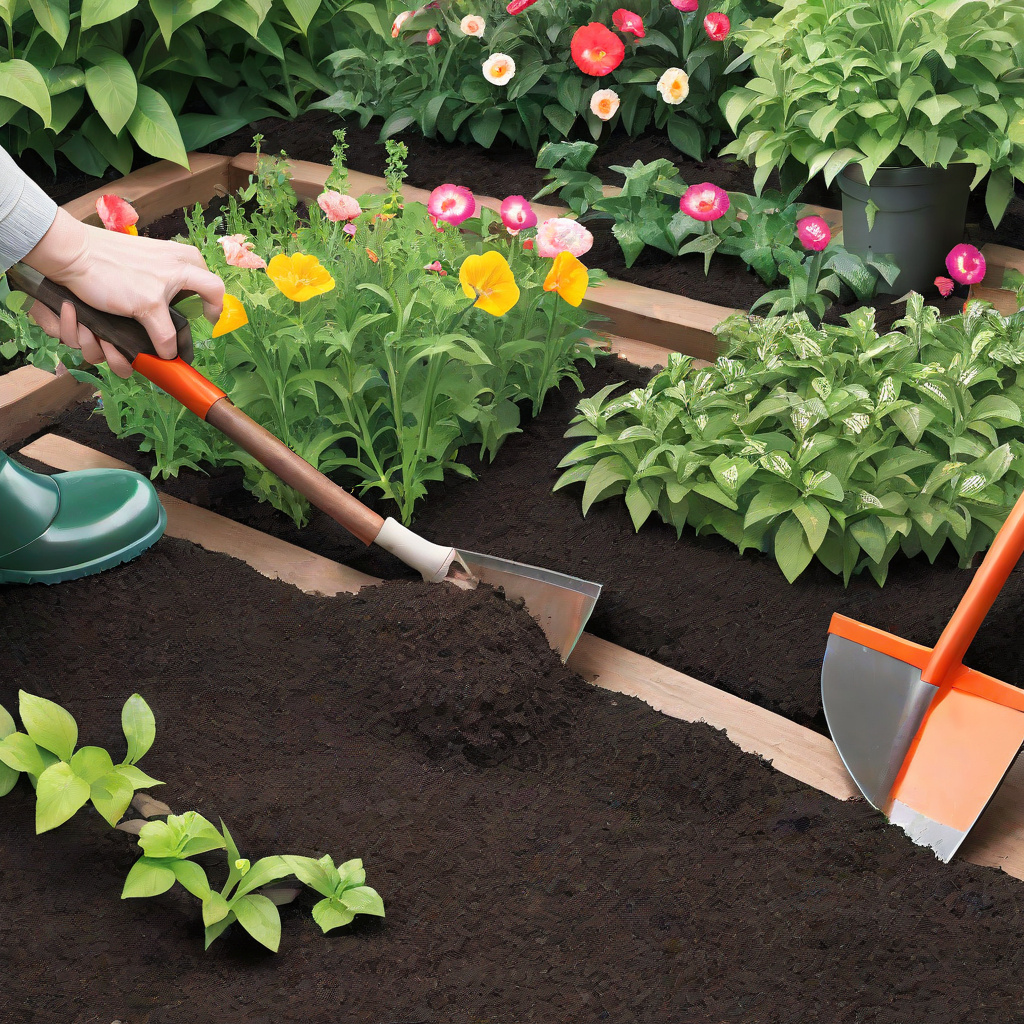
Digging and planting, for instance, engage the large muscle groups of the legs and glutes, while pruning and weeding require fine motor skills and upper-body stability. These activities contribute to a steady caloric burn; depending on the intensity, an hour of active gardening can burn as many calories as a brisk walk or a light aerobics class. More importantly, this activity helps maintain muscle mass (preventing sarcopenia) and bone density, which are critical for preventing falls and fractures in later life.
To maximize the physical benefits, gardeners can practice “mindful movement.” Instead of bending from the waist, which can strain the lower back, adopting a kneeling position or using a garden stool encourages proper ergonomics. By treating gardening as a form of low-impact exercise, you cultivate a body that is not only stronger but more resilient to the physical declines associated with aging.
Nutritional Longevity through Homegrown Produce
One of the most direct links between gardening and longevity is the improvement in dietary quality. The “farm-to-table” gap is virtually eliminated when the farm is your own backyard. Produce begins to lose nutrient density the moment it is harvested; by picking a tomato or a handful of spinach seconds before consumption, you ensure a maximum intake of vitamins, minerals, and antioxidants.
Home gardens allow for the cultivation of nutrient-dense “superfoods” that might be expensive or unavailable at local stores. Growing dark leafy greens like kale and Swiss chard provides essential nitrates and vitamins K and C, which support cardiovascular health and bone strength. Planting a variety of berries offers potent anthocyanins that protect the brain and heart from oxidative stress.
Beyond the nutrients themselves, gardening changes our psychological relationship with food. When you invest time and effort into growing a vegetable, you are more likely to eat it. This “investment effect” often leads to a natural increase in vegetable consumption and a decrease in the reliance on processed, high-sodium convenience foods. This shift in eating habits is a cornerstone of the diets found in “Blue Zones”—regions of the world where people consistently live past 100—where plant-based, garden-fresh diets are the norm.
The Psychology of Soil: Stress Reduction and Cortisol Control
Chronic stress is a silent accelerator of aging, contributing to inflammation and the premature shortening of telomeres (the protective caps on our chromosomes). Gardening acts as a powerful antidote to this stress through a process known as Attention Restoration Theory (ART). Unlike the “directed attention” required for computer work or driving—which is draining and leads to mental fatigue—nature provides “soft fascination.” The sight of a budding flower or the sound of wind through leaves captures our attention effortlessly, allowing the mind’s executive functions to rest and recover.
The act of gardening also triggers a shift in the autonomic nervous system, moving the body from a “fight or flight” state (sympathetic) to a “rest and digest” state (parasympathetic). This transition lowers the heart rate and reduces levels of cortisol, the primary stress hormone. Lower cortisol levels are associated with better sleep, improved immune function, and a lower risk of weight gain around the midsection.
Furthermore, the sensory experience of gardening—the smell of damp earth, the texture of leaves, the vibrant colors of blooms—grounds the individual in the present moment. This inherent mindfulness mirrors the benefits of meditation, helping to quiet the internal chatter of anxiety and providing a sense of peace that protects the heart and brain from the wear and tear of modern life.
Cognitive Health and the Prevention of Decline
Longevity is not just about the number of years lived, but the quality of the mind during those years. Gardening is a complex cognitive task that requires planning, problem-solving, and memory. A gardener must track planting calendars, understand the specific needs of different species, predict weather patterns, and troubleshoot pests or soil deficiencies. This mental engagement keeps the brain plastic and adaptable.
Studies have suggested that regular engagement in gardening may be associated with a lower risk of dementia and Alzheimer’s disease. The combination of physical activity, social interaction, and sensory stimulation creates a “cognitive reserve” that helps the brain resist the effects of aging. The act of learning a new skill—such as grafting a fruit tree or mastering composting—stimulates the growth of new neural connections.
The sensory stimulation provided by a garden is also vital. The olfactory stimulation of herbs like rosemary and lavender, combined with the tactile experience of working the soil, activates multiple areas of the brain simultaneously. This multi-sensory engagement is particularly beneficial for maintaining cognitive agility and emotional regulation in older adults.
The Microbiome Connection: Mycobacterium vaccae and Serotonin
One of the most fascinating aspects of gardening is the biological interaction between the human body and the soil. Soil is not just dirt; it is a living community of microorganisms. One specific bacterium found in soil, *Mycobacterium vaccae*, has been the subject of significant research regarding its impact on mental health. When inhaled or absorbed through the skin during gardening, this bacterium is thought to stimulate the production of serotonin in the brain.
Serotonin is a neurotransmitter that regulates mood, sleep, and appetite. By naturally boosting serotonin levels, exposure to soil can act as a mild, natural antidepressant. This “soil-brain axis” suggests that our disconnection from the earth in urban environments may contribute to the rise in mood disorders. By returning to the soil, we re-establish a biological link that supports emotional stability and happiness.
Additionally, gardening exposes us to a diverse array of environmental microbes, which helps train and strengthen the immune system. A diverse microbiome is linked to lower rates of autoimmune diseases and allergies, creating a more robust internal defense system that supports a longer, healthier lifespan.
Sunlight, Vitamin D, and the Circadian Rhythm
Gardening naturally pulls us outdoors, exposing us to the sun’s rays in a controlled and productive way. Sunlight is the primary source of Vitamin D, which is essential for calcium absorption and bone health. Vitamin D deficiency is common in aging populations and is linked to muscle weakness and a compromised immune system. Regular, moderate sun exposure while gardening helps maintain optimal Vitamin D levels, reducing the risk of osteoporosis and respiratory infections.
Beyond Vitamin D, exposure to natural light—especially in the morning—helps regulate the circadian rhythm. The blue light from the morning sun signals the brain to stop producing melatonin and start producing cortisol to wake the body up. This synchronization ensures that when night falls, the body can produce melatonin more effectively, leading to deeper, more restorative sleep.
Quality sleep is one of the most critical factors in longevity, as it is during sleep that the brain flushes out metabolic waste (via the glymphatic system) and the body repairs damaged tissues. By aligning our internal clocks with the natural light cycle of the garden, we improve our sleep architecture, which in turn enhances cognitive function and metabolic health.
Social Connection and the Power of Community Gardening
Loneliness is often cited as a health risk equivalent to smoking fifteen cigarettes a day. Humans are social creatures, and the isolation that often accompanies aging can accelerate physical and mental decline. Gardening provides a natural bridge to social connection. Whether through seed swapping, joining a community garden, or simply chatting with a neighbor over a fence, gardening fosters a sense of belonging and mutual support.
Community gardens, in particular, create intergenerational bonds. When older adults share their knowledge of heirloom seeds or pruning techniques with younger generations, it provides a sense of purpose and legacy. This feeling of being needed and valued—known as “generativity” in psychology—is a key component of successful aging and emotional longevity.
The shared goal of nurturing life creates a low-pressure environment for social interaction. Working side-by-side with others toward a common objective reduces social anxiety and builds a supportive network that can provide emotional and practical help during difficult times, further contributing to a longer, more supported life.
Practical Guidance for Starting Your Longevity Garden
You do not need a degree in botany or a massive estate to begin reaping these rewards. The goal is consistency and enjoyment, not perfection. Here are practical steps to integrate gardening into your life for longevity:
- Start Small: Begin with a few containers or one small raised bed. Overwhelming yourself with a massive project can lead to stress rather than relaxation. Try easy-to-grow herbs like basil, mint, or parsley.
- Prioritize Accessibility: If bending is difficult, invest in raised garden beds or vertical planters. These allow you to garden while standing or sitting, reducing strain on the joints and ensuring you can continue the hobby as you age.
- Focus on Variety: Plant a mix of colors, textures, and flavors. This ensures a wider range of nutrients in your diet and more diverse sensory stimulation for your brain.
- Establish a Routine: Spend 30 minutes in the garden each morning. This helps regulate your circadian rhythm and provides a meditative start to your day.
- Embrace the Process: Accept that some plants will die and some pests will arrive. Viewing these challenges as puzzles to solve rather than failures keeps the mind engaged and reduces frustration.
Seasonal Synchronicity and the Psychology of Renewal
While the daily rhythms of gardening regulate the circadian clock, the broader seasonal cycle provides a profound psychological framework for aging. The progression from the dormant stillness of winter to the explosive growth of spring mirrors the natural ebbs and flows of human energy and vitality. Engaging with these cycles prevents the stagnation often associated with retirement or aging, replacing a linear perception of decline with a cyclical understanding of renewal.
During the winter months, the gardener’s focus shifts from physical labor to cognitive preparation. This period of “wintering” is not merely a hiatus but a critical phase of mental engagement. Planning the next year’s layout, studying seed catalogs, and researching companion planting techniques keep the mind sharp and provide a sense of anticipation. This forward-looking orientation is a powerful hedge against geriatric depression, as it anchors the individual to a future goal and a sense of purpose.
The arrival of spring triggers a biological and emotional response known as “vernal anticipation.” The act of sowing the first seeds of the season releases dopamine, the brain’s reward chemical, associated with hope and possibility. For those struggling with Seasonal Affective Disorder (SAD), the active pursuit of early-spring gardening—such as tending to cold-hardy greens or forcing bulbs indoors—can mitigate the lethargy and low mood associated with the transition from winter. By aligning one’s internal state with the external environment, the gardener cultivates a resilient psyche that accepts the necessity of rest and celebrates the inevitability of rebirth.
Edge cases occur in extreme climates where growing seasons are truncated. In these regions, the transition to indoor “winter gardens” or hydroponic setups ensures that the psychological benefits of nurturing life remain uninterrupted. The key to longevity here is the maintenance of the habit; the continuity of the caretaking role provides a stable emotional baseline regardless of the thermometer’s reading.
The Art of Composting: Closing the Loop for Mental and Environmental Health
Beyond the cultivation of plants, the process of composting introduces a gardener to the profound biological reality of transformation. Composting is the practice of turning organic “waste”—kitchen scraps, fallen leaves, and grass clippings—into nutrient-rich humus. This act of closing the nutrient loop provides a deep sense of environmental agency, reducing the individual’s ecological footprint while simultaneously enriching the soil that sustains them.
From a psychological perspective, composting serves as a tangible metaphor for the cycle of life and death. Observing the breakdown of organic matter into a fertile medium allows the gardener to process the concept of decay not as an end, but as a prerequisite for new growth. This perspective shift can be particularly therapeutic for those dealing with grief or the anxieties of aging, fostering a philosophical acceptance of nature’s transitions.
Practically, composting requires a balance of “greens” (nitrogen-rich materials like vegetable peelings) and “browns” (carbon-rich materials like dried leaves or cardboard). Managing this balance requires ongoing observation and adjustment, stimulating the brain’s problem-solving capabilities. The physical act of “turning” a compost pile—using a pitchfork or a compost aerator—provides a moderate cardiovascular workout and engages the upper body’s strength, contributing to the functional fitness previously discussed.
For those in urban environments where a large compost bin is impractical, vermicomposting (using specialized worms) offers a viable alternative. This method introduces a new layer of biological fascination, as the gardener monitors the health and productivity of the worm colony. The resulting worm castings are among the most nutrient-dense fertilizers available, ensuring that the homegrown produce mentioned earlier is packed with an even higher concentration of bioavailable minerals.
Horticultural Therapy: Structured Approaches to Healing
While leisure gardening is inherently beneficial, “Horticultural Therapy” (HT) is a professional practice that uses plants and gardening activities to achieve specific therapeutic goals. Integrating HT principles into a home garden can accelerate recovery from injury or manage chronic health conditions more effectively. Unlike general gardening, HT focuses on targeted outcomes, such as improving fine motor skills, reducing symptoms of PTSD, or managing the cognitive decline associated with dementia.
For individuals recovering from a stroke or dealing with arthritis, HT might involve specific tasks designed to regain dexterity. For example, the act of carefully transplanting small seedlings into larger pots requires a precision grip and hand-eye coordination that mimics occupational therapy. Using tools with modified handles or utilizing a “vertical garden” wall can allow those with limited mobility to engage in these therapeutic movements without the risk of overexertion.
In the realm of mental health, the creation of a “sensory garden” is a cornerstone of HT. By intentionally planting species that stimulate all five senses—the soft texture of Lamb’s Ear (touch), the fragrance of jasmine (smell), the vibrant hue of marigolds (sight), the crunch of seed pods (sound), and the taste of fresh mint (taste)—the gardener creates a grounding environment. This multi-sensory stimulation is particularly effective for individuals experiencing anxiety or panic attacks, as it forces the mind to detach from internal distress and reconnect with the immediate, physical world.
A practical application of HT for longevity is the “memory garden,” designed specifically for those in the early stages of cognitive impairment. By planting heritage varieties or flowers that evoke strong childhood memories—such as the scent of old-fashioned roses or the sight of sunflowers—the garden becomes a tool for reminiscence therapy. This stimulation of long-term memory can improve mood and provide a sense of identity and continuity for the aging mind.
Biophilia and the Biodiversity Effect: The Joy of Coexistence
The concept of biophilia suggests that humans possess an innate tendency to seek connections with nature and other forms of life. While growing vegetables provides nutrition, cultivating a biodiverse ecosystem attracts pollinators, birds, and beneficial insects, expanding the gardener’s role from a producer to a steward of life. This shift in perspective—from “owning” a plot of land to “hosting” a community of organisms—triggers a psychological state of “awe.”
Research indicates that experiencing awe—the feeling of being in the presence of something vast or complex—can actually lower levels of pro-inflammatory cytokines in the body. By designing a garden that supports biodiversity, such as planting native milkweed for monarch butterflies or installing a bee hotel for solitary bees, the gardener frequently encounters these small miracles of nature. The observation of a pollinator’s intricate dance or the nesting habits of a songbird provides a form of “soft fascination” that deeply relaxes the nervous system.
Creating a biodiversity-friendly garden also requires a departure from the “manicured” aesthetic. Embracing a certain level of “wildness”—allowing some leaves to remain for overwintering insects or avoiding the use of chemical pesticides—reduces the stress of perfectionism. This transition from a control-based approach to a collaboration-based approach with nature mirrors the psychological journey of successful aging: moving from a desire to control every outcome to a state of graceful adaptation.
To maximize this effect, gardeners can implement “wildlife corridors,” planting rows of native shrubs that connect their garden to other green spaces. This larger-scale planning engages the spatial reasoning parts of the brain and provides a sense of contribution to the greater global ecosystem, reinforcing the feeling of being part of something larger than oneself, which is a key indicator of long-term emotional wellbeing.
Designing for the Decades: Adaptive Gardening for Lifelong Accessibility
To ensure that gardening remains a longevity tool rather than a source of injury, the garden must evolve alongside the gardener. Adaptive design is the process of modifying the environment to accommodate changing physical needs, ensuring that the act of gardening remains safe and rewarding into the eighth and ninth decades of life.
One of the most effective adaptations is the implementation of “keyhole gardens” or “U-shaped raised beds.” These designs allow the gardener to reach the center of the planting area from the perimeter without having to step into the bed or overstretch, significantly reducing the risk of lower-back strain and balance loss. For those who can no longer kneel, the use of “table gardens”—beds built at waist height—allows for gardening from a seated position or a wheelchair, maintaining the tactile connection to the soil without physical hardship.
Tool selection is another critical component of adaptive gardening. As grip strength declines, traditional tools can become cumbersome or painful. Switching to ergonomic tools with oversized, non-slip grips or “ratchet pruners,” which cut through thick stems in small, manageable increments rather than one forceful squeeze, prevents joint inflammation. Additionally, the installation of automated drip irrigation systems removes the heavy lifting associated with watering cans and the tripping hazard of long hoses, allowing the gardener to focus their energy on the nurturing aspects of the hobby.
Visual adaptations are also necessary as eyesight changes. Using high-contrast plant labels with large, bold lettering helps those with macular degeneration or cataracts navigate their space. Pathing is another essential consideration; replacing uneven gravel or grass with wide, stable pavers or crushed limestone reduces the risk of falls, ensuring that the garden remains a sanctuary of safety rather than a place of peril.
The Synergy of Garden and Plate: Culinary Integration for Longevity
The health benefits of gardening are amplified when the harvest is integrated into a longevity-focused culinary practice. While eating fresh produce is beneficial, the way that produce is processed and preserved can further enhance its impact on longevity. The transition from the garden to the kitchen is an opportunity to practice “culinary medicine,” where the gardener consciously selects preparation methods that preserve the most nutrients.
Fermentation is a prime example of this synergy. By taking garden-grown cabbage, carrots, or radishes and transforming them into sauerkraut or kimchi through lacto-fermentation, the gardener creates a potent source of probiotics. These beneficial bacteria support the gut-brain axis, improving digestion and boosting the immune system, which complements the microbiome benefits gained from handling soil. The process of fermentation also requires patience and precision, adding another layer of mindful engagement to the gardening cycle.
Furthermore, the practice of preserving the harvest—through drying, freezing, or canning—extends the nutritional benefits of the summer months into the winter. Drying herbs like oregano, thyme, and sage preserves their essential oils and antioxidants, providing a constant source of anti-inflammatory seasonings throughout the year. This process of preservation provides a sense of security and abundance, reducing the anxiety associated with food instability and the reliance on processed alternatives.
Frequently Asked Questions
Absolutely. Window-sill herb gardens, vertical hydroponic systems, and balcony pots all provide the same mental health benefits and nutritional advantages. Even a small amount of greenery and the act of nurturing a plant can lower stress and improve mood.
Gardening can actually be beneficial for arthritis by keeping joints mobile. The key is using adaptive tools—such as ergonomic trowels with thick grips, long-handled weeders, and lightweight hoses. Using raised beds eliminates the need to kneel, making the activity accessible for most mobility levels.
You don’t need to spend eight hours a day in the dirt. Even 30 to 60 minutes of light gardening a few times a week can significantly lower cortisol levels and improve cardiovascular health. The benefit comes from the consistency of the habit rather than the intensity of the labor.
The primary risks are sun exposure and overexertion. Always wear a wide-brimmed hat and sunscreen, and stay hydrated. It is also important to use organic pest control methods to avoid exposing yourself and your food to harmful chemicals.
Start with leafy greens (spinach, kale) for nutrients, berries (strawberries, blueberries) for antioxidants, and aromatic herbs (lavender, rosemary) for stress relief. These are generally hardy and provide immediate, tangible rewards.