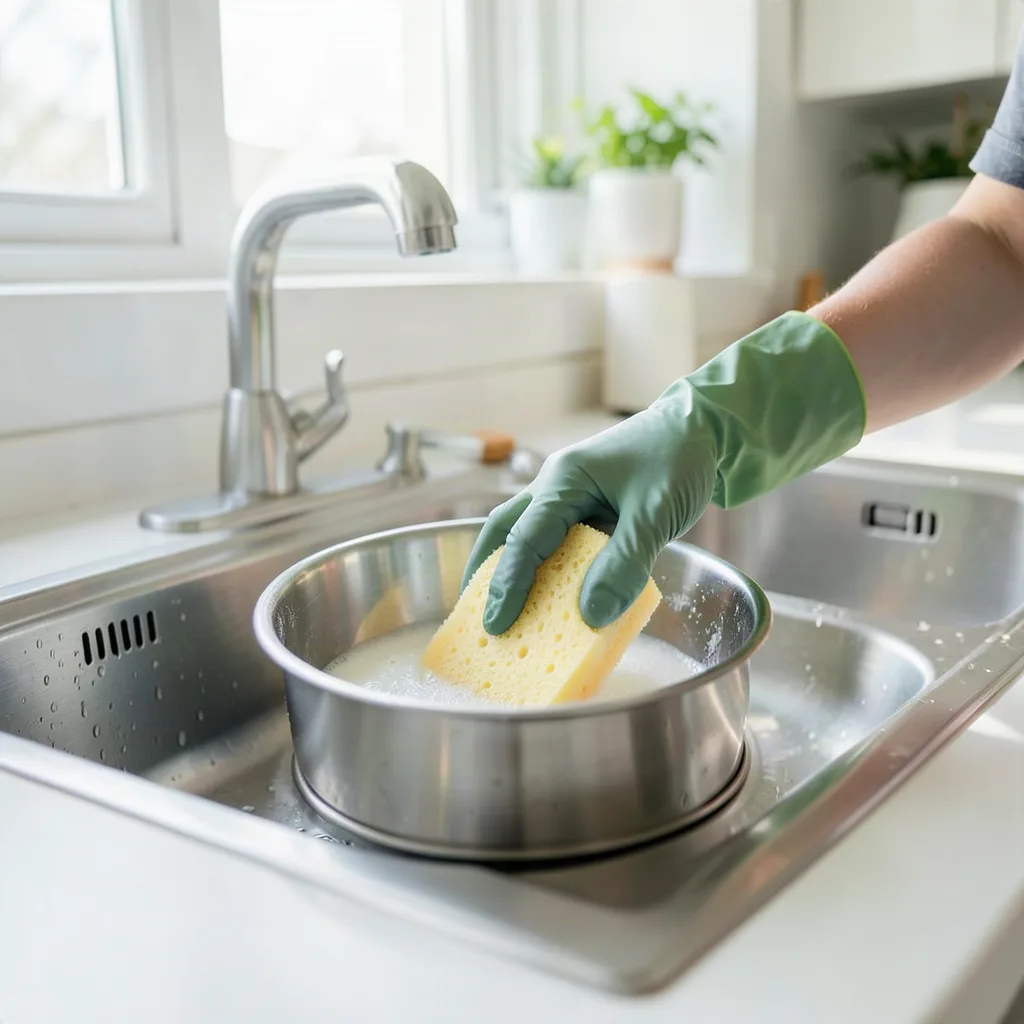
For many pet owners, the dog’s food and water bowls are among the most overlooked items in the household cleaning rotation. We wash our own plates after every meal and sanitize our kitchen counters daily, yet the ceramic or stainless-steel bowl sitting on the kitchen floor often goes days—or even weeks—without a thorough scrub. Understanding the importance of bowl hygiene is not just about aesthetics or odor control; it is a fundamental aspect of your dog’s overall health and wellness.
Key takeaways
- Wash dog food bowls after every meal or at least daily using hot, soapy water and a dedicated brush.
- Switch from plastic to non-porous materials like stainless steel or glazed ceramic to prevent bacterial buildup.
- Scrub water bowls every two to three days to remove the slippery biofilm that accumulates on the surface.
- Use fragrance-free, hypoallergenic soap and rinse thoroughly to avoid chemical residue that can irritate your dog.
- Regularly clean feeding mats and elevated stands, as these often-overlooked accessories harbor trapped moisture and bacteria.
The Invisible Ecosystem: Why Bacteria Thrive in Pet Bowls
When your dog eats, they leave behind more than just crumbs. Saliva, food particles, and moisture create a thriving environment for bacteria such as Salmonella, E. coli, and Listeria. These pathogens can multiply rapidly in the warm, damp environment of a food bowl, especially if it is made of porous materials like plastic. Even if your dog seems perfectly healthy, they have a robust immune system that is constantly fending off these microscopic invaders. However, a buildup of biofilm—a slimy layer of bacteria that adheres to the surface of the bowl—can eventually overwhelm that immune system, leading to digestive upset, skin irritation around the muzzle, or even more serious infections.
The Dangers of Plastic Bowls
If you are using plastic bowls, you might be fighting an uphill battle against hygiene. Plastic is a porous material that develops microscopic scratches over time as your dog eats or as you scrub the bowl. These tiny crevices become perfect hiding spots for bacteria that are nearly impossible to remove with standard dish soap and water. Over time, these bacterial colonies can cause “canine acne,” which manifests as red bumps or inflammation around your dog’s chin and lips. If you notice your dog has recurring skin issues around their mouth, the culprit is often the surface of their feeding dish. Transitioning to non-porous materials like stainless steel or ceramic is the most effective first step in improving bowl hygiene.
Establishing a Daily Cleaning Routine
The gold standard for bowl hygiene is to treat your dog’s dishes with the same care as your own dinnerware. Ideally, bowls should be washed after every meal. While this may sound demanding, it prevents the buildup of biofilm and ensures that fresh food isn’t being served on a base of yesterday’s bacteria. If washing after every meal is impractical, aim for at least once per day. Use hot, soapy water and a dedicated sponge or brush—do not use the same sponge you use for your own dishes to avoid cross-contamination. Rinse thoroughly to ensure no soap residue remains, as some dogs can be sensitive to the chemicals in dish detergents.
The Role of the Dishwasher
For most pet owners, the dishwasher is the most reliable way to ensure a truly sanitary bowl. High-heat settings and the agitation of the wash cycle are highly effective at killing pathogens that hand-washing might miss. Before placing the bowls in the dishwasher, scrape off all food debris. If you have a stainless-steel bowl, ensure it is dishwasher-safe, as some lower-quality metals may rust or degrade under high heat. If you use a dishwasher, try to run a separate load for pet items or ensure that the pet bowls are placed on the bottom rack, away from delicate glassware, to prevent accidental breakage or contamination.
Water Bowl Maintenance: Often Forgotten
Many owners diligently clean food bowls but neglect the water dish, assuming that because it only holds water, it remains clean. This is a common misconception. Water bowls are breeding grounds for slime, which is a collection of bacteria and yeast. If you run your finger along the inside of your dog’s water bowl and feel a slippery texture, that is biofilm. You should rinse the water bowl daily and give it a thorough hot-water scrub at least every two to three days. Keeping a fresh supply of water in a clean bowl encourages your dog to drink more, which is vital for kidney health and proper hydration.
Choosing the Right Materials
Not all bowls are created equal when it comes to sanitation. Stainless steel is widely considered the best choice because it is non-porous, highly durable, and resistant to the scratches that harbor bacteria. Ceramic bowls are a good alternative, provided they are glazed and free of chips. If you choose ceramic, ensure the glaze is lead-free. Avoid plastic bowls whenever possible, or replace them frequently if they show signs of wear. If you choose a raised feeder, make sure the surface of the stand itself is also cleaned, as food and water often drip down the sides and collect in the crevices of the base.
Signs Your Dog’s Bowl Hygiene Needs Improvement
How can you tell if your cleaning routine is insufficient? Watch for subtle signs of distress. Persistent bad breath, even when the dog’s teeth are clean, can sometimes be linked to bacteria in the feeding area. If your dog suddenly becomes a picky eater or refuses to eat from their bowl, it could be a sign that the bowl smells “off” due to rancid food oils or bacterial growth that your nose hasn’t detected yet. Additionally, if you see persistent redness, hair loss, or small pustules on your dog’s chin, it is a clear indicator that the surface of the bowl is harboring bacteria that are irritating their skin.
Best Practices for Multi-Pet Households
In homes with multiple dogs, bowl hygiene is even more critical. Sharing bowls can lead to the transmission of illnesses or parasites between pets. If one dog is unwell, it is essential to isolate their food and water dishes and sanitize them more frequently. Avoid the “community bowl” approach if possible; providing individual dishes allows you to monitor how much each dog is eating and ensures that you can track the cleanliness of each bowl individually. Always wash your hands thoroughly after handling your pet’s dishes to prevent the spread of zoonotic bacteria to yourself or other family members.
The Science of Biofilm: Why Scrubbing Beats Rinsing
While a quick rinse under the faucet might clear away visible debris, it does virtually nothing to address the microscopic architecture of biofilm. Biofilm is not merely a collection of bacteria; it is a complex, sticky matrix of extracellular polymeric substances (EPS) that these microorganisms secrete to anchor themselves to surfaces. Once this matrix is established, the bacteria become significantly more resistant to environmental stressors and even to many common disinfectants. A simple rinse or even a light wipe with a damp cloth will fail to disrupt the mechanical adhesion of this layer. To truly sanitize a bowl, you must employ friction. Using a dedicated, non-abrasive scrub brush or a coarse sponge is essential to physically break the bond between the biofilm and the bowl’s surface. Without this mechanical action, you are essentially leaving a starter culture for the next round of bacterial colonization, ensuring that even if you fill the bowl with fresh, clean water, it will be contaminated within minutes.
The Hidden Contamination of Feeding Mats and Stands
Many owners invest in beautiful elevated feeders or silicone floor mats to keep their home tidy, yet these accessories often become “hygiene blind spots.” Feeding mats, in particular, act as sponges for spilled water, stray kibble, and saliva. If left unwashed, the underside of a silicone mat can trap moisture against your flooring, creating a perfect habitat for mold and mildew that can release spores into the air your pet breathes. Elevated stands often feature metal or wooden frames with crevices where liquids pool and food particles decay, often out of sight. You should incorporate these accessories into your weekly cleaning rotation. Wipe down stands with a pet-safe disinfectant and ensure the floor beneath the mat is completely dry before replacing it. If you use a fabric-based mat, machine wash it on a hot cycle with an unscented, pet-safe detergent to avoid triggering your dog’s sensitive sense of smell.
Micro-Environmental Impacts on Bowl Contamination
The placement of your dog’s feeding station plays a larger role in hygiene than most owners realize. Bowls placed near high-traffic kitchen zones are susceptible to airborne contaminants, including grease particles from cooking, dust, and dander. Furthermore, placing bowls near a radiator or in direct sunlight can accelerate the growth of bacteria; heat and light act as catalysts for the rapid multiplication of organisms trapped in food remnants. Conversely, placing a bowl in a damp, poorly ventilated corner of a laundry room can encourage the growth of environmental molds. Aim for a spot that is cool, dry, and away from direct heat sources. If you have an outdoor dog or a patio feeding area, the risks increase exponentially due to insects like flies and ants, which are notorious vectors for fecal-borne pathogens. In these cases, bowls should be brought inside between meals or covered, and the feeding area should be hosed down or disinfected daily to prevent attracting pests to the home perimeter.
Understanding Detergent Sensitivity and Residue Risks
While dish soap is the standard for cleaning, the chemical composition of your chosen detergent matters. Dogs possess a sense of smell thousands of times more acute than our own, and many common dish soaps contain synthetic fragrances—such as lemon, floral, or “ocean breeze”—that can be overwhelming and even irritating to a dog’s olfactory system. Some dogs may even develop an aversion to their food if the bowl retains a strong chemical scent. Furthermore, residual surfactants left behind by poor rinsing can cause gastrointestinal distress, manifesting as mild nausea or changes in stool consistency. To mitigate these risks, consider using a fragrance-free, hypoallergenic dish soap, or a simple mixture of warm water and white vinegar for a natural, effective clean that rinses away without leaving a chemical film. Always double-check that your rinsing process is thorough; if you run your fingers along the bottom of the bowl and hear a “squeak,” you have successfully removed all residue.
Advanced Sanitization: The Role of Vinegar and Heat
If you suspect that your dog’s bowls have become heavily contaminated or if you are dealing with a recurring issue like canine acne, standard soap may not be enough. A periodic “deep clean” using white vinegar is a safe and highly effective way to neutralize bacteria and remove mineral deposits, especially in households with hard water. Fill the bowl with a solution of one part white vinegar to three parts hot water and allow it to soak for at least 15 minutes. The acidity of the vinegar is excellent at dissolving the biofilm matrix and removing the buildup of calcium and magnesium that can make surfaces feel rough and porous. For an even more intense sanitization, you can boil stainless steel or ceramic bowls in a large stockpot of water for five minutes. This heat-based sterilization ensures that even the most resilient bacteria are eradicated, providing a clean slate for your pet’s next meal.
Seasonal Adjustments for Bowl Hygiene
Hygiene requirements shift with the seasons. During the humid, hot summer months, bacteria reproduce at an exponential rate; food left in a bowl for even an hour can become a dangerous health hazard. In summer, it is imperative to switch to a strict “pick up and wash” schedule immediately after your dog finishes eating, as flies and other insects are more active and likely to land on food remnants. Conversely, during the winter, when central heating dries out the air in your home, water evaporation can lead to a higher concentration of minerals and saliva “crust” on the edges of the water bowl. This mineral buildup provides a rough surface for bacteria to cling to. During the winter, pay closer attention to the rim of the water bowl, scrubbing it daily to ensure that the dry, crusted saliva—which is essentially a dried-on bacterial colony—is removed before it becomes a permanent part of the bowl’s texture.
Frequently Asked Questions
Q: Can I use a bleach solution to clean my dog’s bowls? A: While a diluted bleach solution (1 part bleach to 32 parts water) is effective at killing bacteria, it is generally unnecessary for daily cleaning. If you choose to use it, you must rinse the bowl extremely thoroughly to ensure no bleach residue remains, as it can be toxic if ingested. For routine maintenance, hot water and dish soap are sufficient.
Q: Why does my dog’s water bowl get slimy even when I refill it? A: That slime is a biofilm, which is a protective layer of bacteria. Simply refilling the bowl does not remove the bacteria that have already adhered to the surface. You must physically scrub the bowl with soap and a brush to break up the biofilm and rinse it away entirely.
Q: Is it safe to put my dog’s bowls in the same dishwasher load as my own dishes? A: While modern dishwashers reach high temperatures that kill most bacteria, many veterinarians recommend washing pet bowls separately or in a “sanitize” cycle. If you mix them, ensure the bowls are free of heavy debris and that the dishwasher is not overloaded, which can prevent proper water circulation.
Q: How often should I replace my dog’s bowls? A: If you use high-quality stainless steel or ceramic, you may not need to replace them for years unless they become cracked, chipped, or heavily scratched. If you use plastic, you should inspect them for scratches monthly and replace them whenever the surface is no longer smooth.
Q: Does the location of the bowl affect how quickly it gets dirty? A: Yes. Bowls placed in high-traffic areas or near outdoor entryways are more likely to collect dust, debris, and tracked-in dirt. Keeping the feeding area in a clean, dry location away from high-traffic zones or near the litter box (in homes with cats) will help keep the bowls cleaner for longer periods.
Related posts:
 Luxury Hotels That Pamper Your Pet as Much as They Pamper You
 The Bowl Method for Curly Hair
 Paws and Wellness: Meet Instagram’s Healthiest and Cutest Canine Influencers
 Stylish Dog Beds That Won’t Ruin Your Home Decor
 HexClad: Gordon Ramsay’s Choice
 The Truth About Double-Dipping and Germs
 Understanding Cookware Materials
 Dog Food Rotation Guide