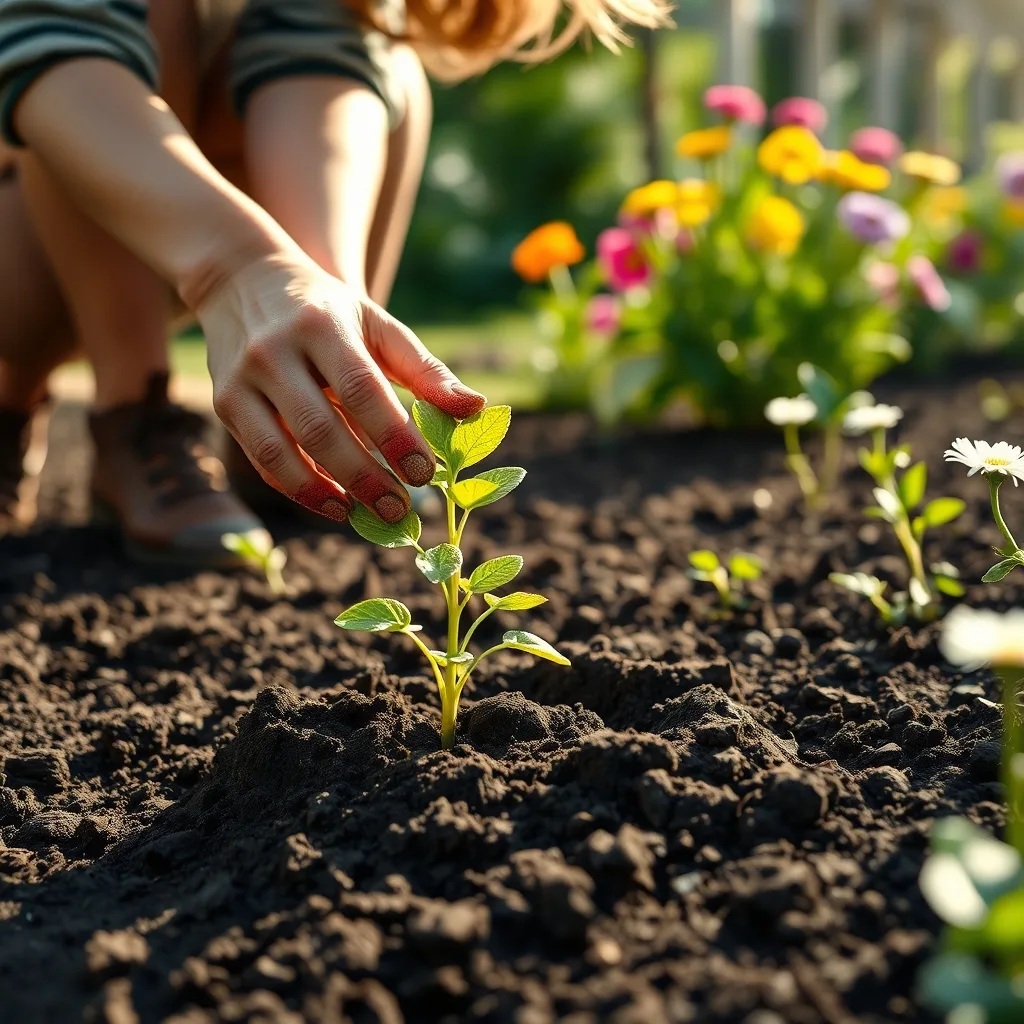
Therapeutic gardening blends horticulture with intentional self‑care, offering a low‑cost, accessible way to nurture mental wellbeing.
Key takeaways
- Engage in 30 minutes of gardening to lower cortisol and boost mood-regulating chemicals like serotonin and dopamine.
- Use repetitive tasks like watering and pruning to anchor your attention in the present and interrupt cycles of rumination.
- Create a predictable routine with a planting calendar to foster a sense of purpose and accomplishment.
- Practice sensory mindfulness by slowly observing the scents, textures, and sounds of your garden to reduce physiological stress.
- Join local or virtual gardening groups to combat social isolation and build a supportive community.
What Is Therapeutic Gardening?
Therapeutic gardening refers to the purposeful use of plant‑related activities to support psychological health. Unlike casual yard work, it involves setting simple goals such as planting a seed, observing growth cycles, or harvesting herbs, and reflecting on the experience. Programs in hospitals, schools, and community centers often guide participants through structured sessions that combine gentle physical movement, sensory stimulation, and mindful awareness. The practice can be adapted to any space, from a windowsill herb pot to a backyard vegetable plot, making it inclusive for people with limited mobility or outdoor access.
The Science Behind Nature and Mental Health
Research consistently shows that exposure to green environments lowers cortisol, the primary stress hormone, and increases serotonin and dopamine levels associated with mood regulation. A 2019 meta‑analysis of 14 studies found that participants who spent at least 30 minutes in a garden setting reported significant reductions in anxiety and depressive symptoms compared with indoor controls. Attention restoration theory suggests that natural scenes engage involuntary attention, giving the directed‑attention system a chance to recover from mental fatigue. Additionally, the microbiome hypothesis proposes that soil microbes such as Mycobacterium vaccae may stimulate immune pathways that influence brain chemistry, offering a biological link between dirt and wellbeing.
Stress Reduction Through Hands‑On Plant Care
Repetitive, low‑intensity tasks like watering, pruning, and weeding create a rhythm that mirrors meditation. The tactile sensation of soil, the sound of water, and the visual cue of new leaves anchor attention in the present moment, interrupting rumination cycles. A practical example: set a timer for ten minutes each morning, water a single container, and note any changes in leaf color or soil moisture. This micro‑routine builds a sense of agency and accomplishment without overwhelming schedule demands. Over weeks, the cumulative effect can lower perceived stress scores on standardized scales such as the Perceived Stress Scale.
Building Routine and Purpose With a Garden
Consistent garden chores provide structure, which is especially valuable for individuals experiencing irregular sleep patterns or low motivation. Creating a weekly planting calendar, marking harvest dates, and tracking growth in a simple journal turn abstract self‑care into concrete actions. For instance, a beginner might sow radish seeds on Monday, thin seedlings on Wednesday, and harvest on Friday, recording observations each day. The predictable cycle reinforces a sense of purpose, and the tangible outcome — fresh produce or blooming flowers — offers immediate positive feedback that counters feelings of helplessness.
Sensory Engagement and Mindfulness in the Garden
A garden engages all five senses: the scent of lavender, the texture of bark, the sound of bees, the sight of color gradients, and the taste of homegrown herbs. Deliberate sensory walks — moving slowly through the space while naming each sensation — function as informal mindfulness practice. Try a five‑minute sensory walk: inhale the aroma of rosemary, feel the coolness of damp soil, listen for bird calls, observe the play of light on leaves, and finish by tasting a mint leaf. This exercise grounds attention, reduces physiological arousal, and can be repeated whenever anxiety spikes.
Social Connection and Community Gardening
Shared garden plots foster social interaction, reducing isolation a known risk factor for depression. Community gardens often organize workdays, seed swaps, and harvest festivals, creating low‑pressure opportunities for conversation and mutual support. Participating in a neighborhood plot can also build a sense of belonging and collective efficacy. If a local garden is unavailable, virtual gardening groups on platforms like Facebook or Discord allow members to exchange photos, ask questions, and celebrate milestones, extending the social benefit beyond physical proximity.
Practical Steps to Start Your Own Therapeutic Garden
1. Assess space and light: a sunny balcony, a windowsill, or a small yard all work. 2. Choose low‑maintenance plants suited to your climate — herbs such as basil, mint, and thyme; leafy greens like spinach; or hardy flowers such as marigold. 3. Gather basic tools: a hand trowel, gloves, a watering can, and a lightweight pot with drainage. 4. Set a realistic schedule: start with two 15‑minute sessions per week. 5. Keep a simple log noting date, activity, and mood before and after. 6. Gradually expand variety as confidence grows. 7. Celebrate each harvest, no matter how small, to reinforce positive association.
Overcoming Common Barriers
Limited time, physical constraints, and lack of knowledge often deter beginners. Time‑boxing — allocating a fixed, short window — prevents gardening from becoming another chore. Adaptive tools such as long‑handled weeders, raised beds, or self‑watering containers accommodate mobility issues. Free resources like university extension websites, YouTube tutorials, and library gardening books provide step‑by‑step guidance without cost. Finally, reframing setbacks — a wilted plant becomes data for learning rather than failure — sustains motivation and nurtures a growth mindset.
Designing a Therapeutic Garden for Accessibility and Inclusion
Universal design principles turn a garden into a space that welcomes every body and mind. Start by mapping circulation pathways at least 1.2 metres wide with firm, slip‑resistant surfaces such as compacted gravel or permeable pavers. Raised beds at 75 to 90 centimetres allow wheelchair users and people with limited bending ability to tend plants without strain. Incorporate adjustable‑height tables for potting and seed‑starting so the work surface can be lowered or raised with a simple crank. Sensory zones — fragrant herb borders, textured bark mulch, wind‑chime installations, and a small water feature — give visitors multiple entry points for engagement regardless of visual or auditory acuity. Choose low‑maintenance, non‑toxic species such as lavender, thyme, and dwarf marigold to reduce the need for frequent pruning or chemical treatments. Lighting along paths and over workstations extends usable hours into early evening, supporting participants whose schedules or circadian rhythms differ. Signage with large print, high contrast colours, and pictograms guides newcomers through planting schedules and safety reminders. When budget is tight, repurpose pallets for raised frames, use reclaimed bricks for edging, and source compost from municipal programs. For cognitive impairments, colour‑coded plant labels and step‑by‑step picture cards simplify task sequencing. Edge cases such as a balcony with a 60‑centimetre railing can still host a therapeutic micro‑garden by mounting a vertical pocket planter at seated height and using a lightweight, self‑watering reservoir. By embedding flexibility into the physical layout, the garden remains a reliable sanctuary as abilities shift over time.
Integrating Horticultural Activities with Evidence‑Based Psychotherapies
Therapeutic gardening gains clinical potency when paired with structured psychotherapy frameworks. In cognitive behavioural therapy, a garden task can serve as a behavioural experiment: a client who believes “I cannot nurture anything” plants a fast‑growing radish, records daily observations, and tests the prediction against reality. The concrete data — germination, leaf emergence, harvest — provides tangible evidence that challenges negative automatic thoughts. Acceptance and commitment therapy uses the garden as a living metaphor for values‑directed action; participants clarify a personal value such as “care for living things” and then commit to a weekly watering ritual, noticing discomfort without avoidance. Dialectical behaviour therapy incorporates mindfulness of the senses — feeling soil temperature, hearing water trickle — as a grounding skill during emotional dysregulation episodes. Narrative therapy invites clients to co‑author a garden story, documenting planting decisions, setbacks, and successes in a journal that becomes a re‑authoring tool for identity. Therapists can assign garden‑based homework that aligns with session goals, then review outcomes in the next meeting, creating a feedback loop between talk and action. Collaboration between horticultural therapists and mental‑health clinicians ensures safety — for example, avoiding thorny species for clients with self‑harm risk — and allows shared documentation in electronic health records. Case illustration: a veteran with PTSD engaged in a weekly “memory garden” where each plant represented a milestone; the structured planting schedule reduced hypervigilance and increased reported sense of agency over a twelve‑week period. By embedding evidence‑based techniques into the horticultural process, the garden becomes an extension of the therapy room rather than a standalone hobby.
Seasonal Planning and Climate‑Resilient Practices for Year‑Round Benefit
A therapeutic garden that thrives across seasons sustains motivation and prevents the “winter gap” where activity drops and mood benefits wane. Develop a rolling planting calendar that staggers crops: early spring peas, midsummer tomatoes, autumn kale, and winter‑hardy herbs such as rosemary and thyme. Succession sowing — planting a new batch every two weeks — yields continuous harvests and a steady rhythm of tasks. In regions with harsh winters, install a cold frame or a low‑cost polytunnel using PVC hoops and clear polyethylene; this extends the growing window for leafy greens and allows seed‑starting in February. Indoor grow‑light stations with full‑spectrum LEDs on timers provide a reliable alternative for apartments or facilities without outdoor space. Choose drought‑tolerant perennials like sedum, yarrow, and native grasses to reduce watering labour during heat waves. Mulching with straw or wood chips conserves moisture, suppresses weeds, and adds a tactile element for sensory walks. Rainwater harvesting barrels connected to drip irrigation lower utility costs and teach resource stewardship. For extreme heat events, shade cloth rated at 30‑50 percent can be draped over vulnerable beds, while windbreaks of tall sunflowers protect tender seedlings. Edge case: a community garden on a reclaimed lot with contaminated soil can adopt raised beds filled with certified clean compost, bypassing remediation delays. By anticipating climate variability and embedding adaptive strategies, the garden remains a dependable therapeutic resource regardless of weather extremes.
Measuring Outcomes: Simple Self‑Tracking Tools and Professional Assessment
Quantifying the mental‑health impact of gardening strengthens personal insight and supports communication with clinicians. A minimal daily log captures date, activity type, duration, pre‑ and post‑session mood rating on a 1‑10 scale, and a brief note on any notable sensations or thoughts. Over weeks, plotting mood scores reveals patterns — for instance, a consistent uplift after morning watering versus evening weeding. Standardised instruments such as the Perceived Stress Scale, WHO‑5 Well‑Being Index, or the Generalised Anxiety Disorder‑7 can be administered monthly to provide benchmark data. Horticultural therapy research often uses the Horticultural Therapy Outcome Measure, which includes domains for physical engagement, social interaction, and sense of accomplishment; a simplified version can be self‑administered. Digital apps that sync with phone calendars allow reminder prompts and automatic graphing, reducing paperwork burden. For participants working with a therapist, sharing the log during sessions facilitates collaborative goal‑setting — adjusting task difficulty, frequency, or plant selection based on observed trends. Qualitative reflection — writing a short narrative about a memorable garden moment — adds depth that numbers alone miss. Edge case: a client with limited literacy can use voice‑memo recordings or pictorial stickers to log experience, preserving inclusivity. By blending simple self‑monitoring with validated scales, gardeners gain concrete evidence of progress while providing clinicians actionable data for treatment planning.
Technology‑Enhanced Gardening: Apps, Sensors, and Virtual Communities
Digital tools extend the therapeutic reach of a garden beyond physical boundaries. Plant‑care apps such as Planta or Gardenize let users set watering reminders, track fertilisation schedules, and photograph growth stages; the visual timeline becomes a motivational archive. Soil moisture sensors paired with Bluetooth hubs send real‑time alerts to a smartphone, preventing both neglect and overwatering — a common source of frustration for beginners. Automated drip‑irrigation controllers programmed via app adjust flow based on weather forecasts, conserving water and reducing daily decision fatigue. LED grow‑light systems with programmable spectra support indoor herb production year‑round, and many models integrate with home‑automation platforms for voice‑activated scheduling. Virtual reality garden tours, though still emerging, offer immersive nature exposure for individuals confined to bed or living in high‑rise units without balcony access. Online communities — moderated forums, Discord channels, or Facebook groups — enable photo sharing, troubleshooting, and collective celebrations of harvest milestones, replicating the social cohesion of a physical community garden. Telehealth platforms can embed a garden‑check‑in module where therapists review sensor data and app logs during video sessions, creating a seamless blend of horticulture and clinical oversight. Data privacy considerations are paramount; choose services that store data locally or comply with GDPR and HIPAA standards. Edge case: a user with limited internet bandwidth can rely on SMS‑based reminders from a simple calendar app, preserving core functionality without high‑speed connectivity. By thoughtfully integrating technology, gardeners gain precision, community, and clinical linkage while preserving the low‑tech, tactile essence that makes gardening therapeutic.
Extending the Garden’s Reach: Workplace, School, and Community Food‑Sharing Initiatives
Therapeutic gardening scales naturally into organisational settings, amplifying mental‑health benefits across populations. In workplaces, a rooftop or courtyard garden can be incorporated into employee‑wellness programs; scheduled “green breaks” of fifteen minutes for watering or harvesting reduce burnout markers and improve focus, as shown in pilot studies at tech firms. Designate a garden champion — often a facilities manager or HR liaison — to coordinate planting calendars, tool libraries, and volunteer rotations, ensuring continuity despite staff turnover. Schools benefit from curriculum‑aligned garden modules: science classes explore plant biology, math lessons calculate seed spacing, and language arts students write reflective journals, embedding social‑emotional learning into academic standards. Intergenerational programs pair senior volunteers with elementary students for joint planting days, fostering mentorship and reducing age‑related isolation. Community food‑sharing extends the garden’s impact beyond participants: surplus produce can be donated to local food banks, turned into community‑kitchen meals, or sold at a low‑cost farm stand that funds garden maintenance. Grant writing for municipal green‑space funding, corporate sponsorships, or crowdfunding campaigns can cover soil amendments, adaptive tools, and accessibility upgrades. Policy advocacy — such as zoning amendments that permit edible landscaping on public rights‑of‑way — creates lasting infrastructure for therapeutic horticulture. Edge case: a high‑rise office with no outdoor area can install a modular vertical farm in a lobby, providing fresh microgreens for the cafeteria and a visible wellness symbol for visitors. By embedding gardens into everyday institutions, the practice becomes a shared public health asset rather than an isolated personal hobby.
Frequently Asked Questions
How much time do I need to see mental health benefits?
Studies suggest that as little as 20 to 30 minutes of garden activity several times a week can produce measurable reductions in stress and improvements in mood. Consistency matters more than duration.
Can therapeutic gardening help with clinical depression or anxiety?
Gardening can complement professional treatment by providing structure, sensory grounding, and a sense of achievement, but it should not replace therapy or medication prescribed by a qualified clinician.
What if I have no outdoor space?
Indoor container gardening, hydroponic kits, or even a single potted herb on a windowsill deliver many of the same sensory and routine benefits. Light‑supplementing grow lamps can expand options for low‑light homes.
Are there specific plants that are better for mental wellbeing?
Plants with strong aromas such as lavender, rosemary, and jasmine have documented calming effects. Edible herbs provide the added reward of harvest. Choose varieties that match your light conditions and care capacity.
How can I involve children or older adults in therapeutic gardening?
Assign age‑appropriate tasks: children can sow large seeds, water with a small can, and decorate plant markers. Older adults may prefer raised beds, lightweight tools, and seated workstations. Emphasize shared observation and storytelling about plant growth to strengthen intergenerational bonds.
Related posts:
 Why Starting a Small Garden Benefits Your Mind
 Rose Crystal Garden in NYC
 Guide to Starting a Vegetable Garden at Home
 Practical Tips for Growing Herbs on a Balcony
 How Gardening Adds Years to Your Life
 Essential Tips for Better Garden Health
 Nurturing Relationships with Plants and People: The Benefits of Gardening
 Methods for Improving Your Backyard Soil Quality