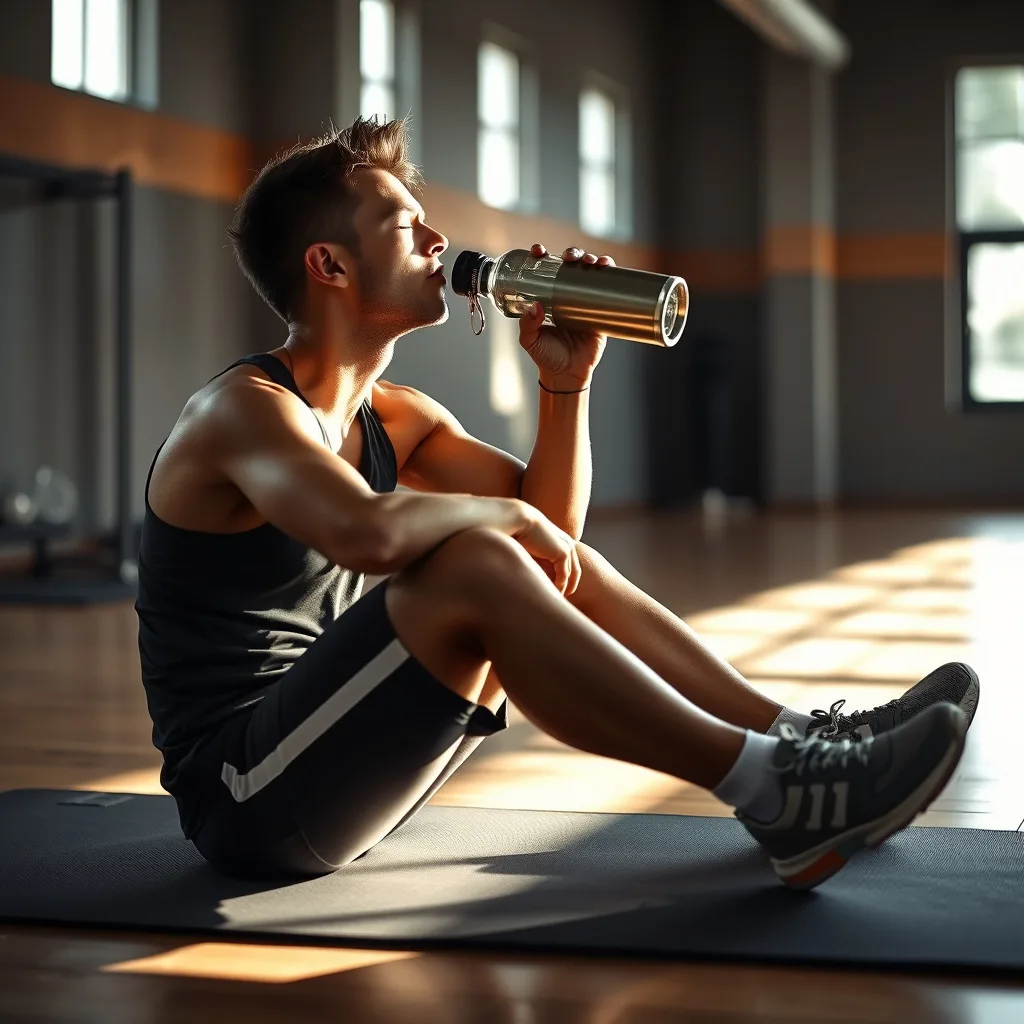
High‑intensity interval training pushes your cardiovascular system and muscles to the limit, leaving a trail of micro‑tears, depleted glycogen, and a surge of stress hormones. The real gains, however, happen while you rest. Without a deliberate recovery plan you risk chronic fatigue, stalled progress, and a higher chance of injury. This guide breaks down the science‑backed steps you can take today to turn brutal HIIT sessions into sustainable performance improvements.
Key takeaways
- Consume a carbohydrate-protein snack in a 3:1 ratio within 30 minutes of finishing your session to replenish glycogen and aid muscle repair.
- Prioritize 7–9 hours of sleep and use low-intensity movement like walking or cycling on rest days to maintain circulation and joint mobility.
- Monitor recovery using HRV and wellness questionnaires to adjust your training intensity based on your body's readiness and stress levels.
- Incorporate mobility work, foam rolling, and thermal therapies like cold water immersion to reduce soreness and manage inflammation effectively.
Why Recovery Matters After HIIT
During a HIIT bout your body relies heavily on anaerobic pathways, producing lactate and hydrogen ions that lower muscle pH. The rapid, repeated bursts also trigger a strong cortisol response. If these stressors are not cleared, they accumulate and blunt the adaptive signals that make you faster and stronger. Proper recovery restores glycogen, repairs muscle fibers, rebalances hormones, and prepares the nervous system for the next high‑output session. Think of recovery as the other half of the training equation — without it the stimulus never translates into lasting fitness.
Immediate Post‑Workout Window (0‑30 minutes)
The first half hour after you finish is a golden opportunity. Blood flow remains elevated, so nutrients reach muscles quickly. Aim to consume a carbohydrate‑protein mix within 20 minutes — roughly a 3:1 ratio of carbs to protein. A banana with a whey shake, a Greek yogurt parfait with berries, or a rice cake topped with almond butter all work. Rehydrate with 500‑750 milliliters of water mixed with an electrolyte powder containing sodium, potassium, and magnesium. Light movement such as a slow walk or easy cycling keeps circulation going without adding fatigue. Avoid static stretching at this stage; the muscles are still warm and prone to over‑extension.
Nutrition for Muscle Repair
Beyond the immediate window, your total daily intake determines how well you rebuild. Target 1.6‑2.2 grams of protein per kilogram of body weight spread across 4‑5 meals. Include leucine‑rich sources like eggs, chicken, tofu, or whey to maximally stimulate muscle protein synthesis. Carbohydrates should match training volume — 4‑7 grams per kilogram on heavy HIIT days, tapering to 3‑4 grams on lighter days. Healthy fats from avocado, nuts, and olive oil support hormone production, especially testosterone and growth hormone. Micronutrients matter too: vitamin D, zinc, and magnesium are linked to recovery speed. A colorful plate of vegetables and a daily multivitamin can fill gaps.
Hydration and Electrolyte Balance
Sweat losses during HIIT can exceed 1.5 liters per hour, stripping sodium, chloride, potassium, and magnesium. Dehydration of just 2 percent body weight impairs power output and cognitive function. Weigh yourself before and after a session; replace each kilogram lost with 1.5 liters of fluid. Use a beverage that supplies 300‑500 milligrams of sodium per liter, plus 100‑200 milligrams of potassium. Coconut water, homemade electrolyte drinks, or commercial sports drinks (watch the sugar) are practical options. Throughout the day sip water consistently rather than chugging large amounts at once.
Sleep and Hormonal Recovery
Sleep is the single most potent recovery tool. Growth hormone peaks during slow‑wave sleep, driving tissue repair, while cortisol drops to its lowest point. Aim for 7‑9 hours of uninterrupted sleep, with a consistent bedtime and wake time. Create a pre‑sleep routine: dim lights, avoid screens 60 minutes before bed, keep the bedroom cool (around 18‑20°C), and consider a short magnesium glycinate supplement if you struggle with relaxation. Naps of 20‑30 minutes can supplement night sleep on especially demanding weeks, but avoid late‑afternoon naps that disrupt circadian rhythm.
Active Recovery Techniques
Complete rest days have their place, but low‑intensity movement accelerates metabolite clearance and maintains joint mobility. Options include a 30‑minute easy bike ride at 50‑60 percent max heart rate, a gentle swim, or a brisk walk in nature. Yoga flows focused on breath work and slow transitions also qualify. The key is to keep the effort conversational — you should be able to speak in full sentences. Schedule one to two active recovery sessions per week, preferably after your hardest HIIT day.
Mobility, Stretching, and Foam Rolling
Dynamic mobility drills before training prepare the nervous system; static stretching and self‑myofascial release after training aid relaxation. Spend 10‑15 minutes post‑workout on major movers: hip flexors, hamstrings, quadriceps, calves, thoracic spine, and shoulders. Hold each stretch for 30‑45 seconds, breathing deeply. Foam roll each area for 1‑2 minutes, pausing on tender spots. Consistency beats intensity — a daily short routine outperforms an occasional long session. Over time you’ll notice improved range of motion and reduced delayed‑onset muscle soreness.
Planning Your Weekly Recovery Schedule
Structure your week so that high‑intensity days are separated by at least 48 hours. A sample layout: Monday HIIT, Tuesday active recovery, Wednesday strength, Thursday mobility, Friday HIIT, Saturday long easy cardio, Sunday full rest. Adjust volume based on how you feel — use a simple wellness questionnaire (sleep quality, mood, muscle soreness, energy) each morning. If scores dip for two consecutive days, insert an extra rest or active recovery day. Periodize every 4‑6 weeks with a deload week: cut HIIT volume by 50 percent and emphasize sleep and nutrition. This systematic approach prevents burnout and keeps progress linear.
Monitoring Recovery with Wearables and Subjective Metrics
Objective data from heart‑rate variability (HRV), resting heart rate, and sleep staging give a daily snapshot of autonomic balance. A morning HRV reading taken in a seated position after a brief breath‑hold provides a reliable baseline; a drop of more than 10 % from your 7‑day rolling average often signals incomplete recovery. Pair this with a simple wellness questionnaire — rating sleep quality, muscle soreness, mood, and energy on a 1‑5 scale — each morning. When both objective and subjective scores trend downward for two consecutive days, insert an extra low‑intensity day or a full rest day. Be aware that wrist‑based optical sensors can underestimate HRV during high‑motion sleep; a chest strap or finger‑based device improves accuracy. Also, circadian shifts from travel or shift work can temporarily depress HRV without true fatigue, so contextual notes (time zone change, illness) are essential for interpretation.
Thermal Therapies: Cold Water Immersion, Contrast Showers, Sauna
Cold water immersion (CWI) at 10‑15 °C for 10‑15 minutes within 30 minutes post‑HIIT reduces muscle temperature, limits inflammatory signaling, and can blunt delayed‑onset soreness. Contrast showers — alternating 1 minute hot (38‑40 °C) with 1 minute cold (10‑15 °C) for 4‑6 cycles — promote vasodilation and vasoconstriction cycles that accelerate metabolite clearance. Sauna sessions (80‑100 °C, 15‑20 minutes) 2‑3 hours after training increase heat‑shock protein expression and growth‑hormone release, supporting long‑term adaptation. Practical tip: start with 5 minutes CWI if you are new to cold exposure; progress gradually to avoid cold‑shock response. Contraindications include uncontrolled hypertension, Raynaud’s phenomenon, or recent cardiovascular events — consult a clinician before adding thermal stress. Edge case: evening sauna may delay sleep onset for heat‑sensitive individuals; schedule it at least 3 hours before bedtime.
Compression Garments and Pneumatic Compression Devices
Graduated compression socks (15‑20 mmHg at the ankle) worn for 2‑4 hours after a HIIT session improve venous return and reduce perceived swelling. Pneumatic compression boots (e.g., intermittent pneumatic compression) deliver sequential pressure from foot to thigh for 20‑30 minutes and have been shown to lower creatine‑kinase levels more than passive rest alone. Use them on the same day as the hardest interval workout, ideally within the first 2 hours post‑exercise when muscle perfusion is still elevated. Sizing is critical: measure calf circumference at the widest point and follow manufacturer charts; an ill‑fitting garment can restrict arterial flow. For travel, wear compression socks during flights longer than 3 hours to mitigate DVT risk and preserve recovery gains. Limitation: compression does not replace sleep or nutrition; treat it as an adjunct, not a primary recovery pillar.
Breathwork and Parasympathetic Activation Techniques
Diaphragmatic breathing at 5‑6 breaths per minute (approximately 0.1 Hz) aligns with the resonant frequency of the cardiovascular system, maximizing HRV and promoting vagal tone. A practical protocol: after the cool‑down walk, sit comfortably, inhale for 4 seconds, hold 2 seconds, exhale for 6 seconds; repeat for 5 minutes. Box breathing (4‑4‑4‑4) and the 4‑7‑8 method (inhale 4, hold 7, exhale 8) are alternatives that can be used before sleep to accelerate onset latency. HRV biofeedback apps provide real‑time guidance, helping you stay in the target coherence zone. Edge cases: athletes with asthma may find prolonged breath holds uncomfortable; shorten hold phases or use pursed‑lip exhalation. Consistent daily practice — even on non‑training days — yields cumulative autonomic flexibility, making the nervous system more resilient to the high sympathetic spikes of HIIT.
Nutritional Timing Beyond the Immediate Window: Peri‑Workout and Nighttime Strategies
Pre‑HIIT carbohydrate ingestion (1‑1.5 g kg⁻¹) 60‑90 minutes before the session tops off glycogen and reduces cortisol surge. During sessions lasting >45 minutes, a 6‑8 % carbohydrate‑electrolyte solution (30‑60 g h⁻¹) maintains blood glucose and spares muscle glycogen. The post‑exercise window extends beyond 30 minutes; consuming a second protein‑carb meal (0.4 g kg⁻¹ protein, 1 g kg⁻¹ carbs) at 2‑3 hours sustains muscle‑protein synthesis. Nighttime casein (30‑40 g) provides a slow‑release amino‑acid pool that supports overnight repair, especially when combined with a modest carbohydrate source (e.g., a small bowl of oatmeal) to stimulate insulin‑mediated uptake. Supplements with evidence for recovery — creatine monohydrate (5 g daily), tart‑cherry concentrate (30 mL twice daily), and beta‑alanine (3.2 g split doses) — should be timed consistently rather than sporadically. Individualize carbohydrate periodization: on low‑intensity weeks, reduce daily carbs to 3‑4 g kg⁻¹ to improve metabolic flexibility; on heavy weeks, raise to 6‑7 g kg⁻¹.
Individualizing Recovery for Age, Sex, Training History, and Lifestyle
Older adults (≥55 years) exhibit anabolic resistance; they benefit from higher per‑meal protein (0.4‑0.5 g kg⁻¹) and longer sleep windows (8‑9 hours). Joint‑friendly mobility work (e.g., controlled articular rotations) should replace high‑impact plyometrics on active‑recovery days. Women experience hormonal fluctuations across the menstrual cycle; the luteal phase often shows reduced HRV and higher core temperature, so schedule the most demanding HIIT sessions in the follicular phase when recovery capacity peaks. Iron status should be monitored quarterly; low ferritin impairs oxygen transport and prolongs fatigue. Beginners have a larger adaptive window but also less connective‑tissue resilience — limit HIIT to 2 sessions per week for the first 8 weeks, adding a third only after consistent wellness scores. Shift workers and frequent flyers should anchor sleep hygiene to a consistent “anchor” bedtime (e.g., 22:00 local) and use strategic light exposure (bright light on wake, blue‑blocking glasses before sleep) to stabilize circadian rhythms. Stressful life events (exams, bereavement) warrant a temporary reduction in HIIT volume by 30‑40 % until subjective scores normalize.
Psychological Recovery: Cognitive Load, Mindfulness, and Mental Fatigue Management
Mental fatigue — accumulated from decision‑making, screen time, or emotional stress — reduces motor‑unit recruitment and perceived effort during subsequent HIIT bouts. A 10‑minute mindfulness meditation (focus on breath, non‑judgmental awareness) after training lowers cortisol and restores prefrontal cortex function. Nature exposure (a 20‑minute walk in a green space) has been shown to improve attentional recovery more than urban walking. Digital detox: set a “screen‑free” window 60 minutes before bed; blue‑light suppression supports melatonin onset. Schedule cognitively demanding tasks (work projects, study) earlier in the day when executive resources are highest; reserve low‑cognitive‑load activities (light reading, stretching) for the evening. Periodize mental load alongside physical load: during a deload week, also reduce meeting density, limit multitasking, and incorporate a weekly “mental‑recovery day” with no scheduled obligations. Edge case: athletes with anxiety disorders may find silent meditation activating; guided body‑scan recordings or progressive muscle relaxation can be safer alternatives. Tracking a simple “mental‑energy” rating (1‑10) each morning alongside physical wellness scores creates a holistic recovery dashboard.
Frequently Asked Questions
How soon after a HIIT session should I eat?
Consume a carbohydrate‑protein snack within 20‑30 minutes. This window maximizes glycogen replenishment and muscle protein synthesis.
Can I do HIIT on back‑to‑back days if I feel fine?
Even if you feel okay, the nervous system and connective tissue need 48 hours to fully recover. Schedule at least one low‑intensity day between hard sessions.
What is the best electrolyte drink for recovery?
Look for a beverage providing 300‑500 milligrams sodium and 100‑200 milligrams potassium per liter, with minimal added sugar. Homemade mixes using sea salt, citrus juice, and a pinch of magnesium powder work well.
Does foam rolling replace stretching?
Foam rolling and stretching serve different purposes. Rolling reduces tissue tension and improves blood flow, while static stretching lengthens muscle fibers. Use both for optimal results.
How can I tell if I am overtraining?
Persistent fatigue, declining performance, disturbed sleep, irritability, and elevated resting heart rate are common signs. A weekly wellness check helps catch early warnings.
Related posts:
 HRV Score Explained
 Post-Run Nutrition Guide
 15-Minute No-Equipment HIIT
 HIIT Workouts Explained: Everything You Need to Know
 How to Change Your Fitness Routine to Avoid Plateau
 Nap Revolution: NYC’s Sleep Café Is Making Rest Trendy Again
 High-Protein Foods That Pack a Serious Nutritional Punch
 Get Stronger with Charlee Atkins